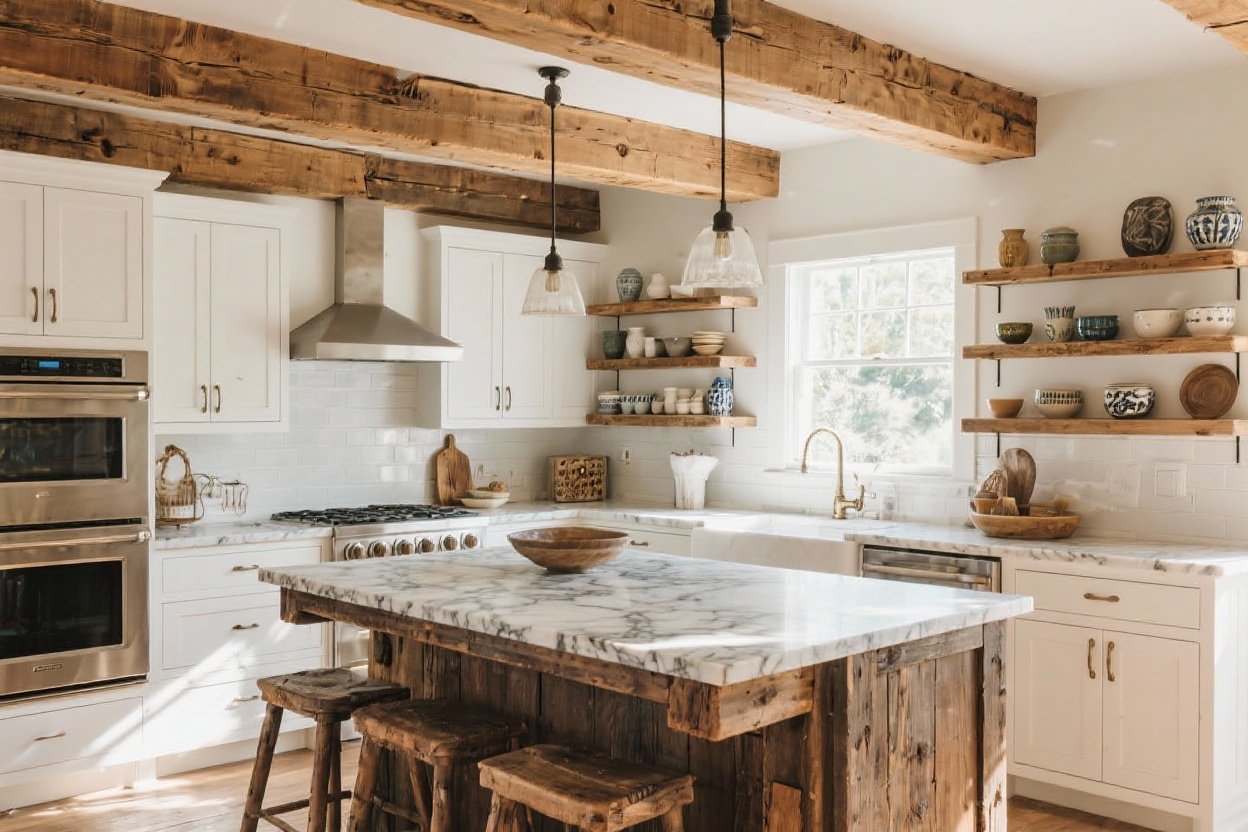
10 Rustic Kitchen Design Mistakes to Avoid (and What to Do Instead) That Wow
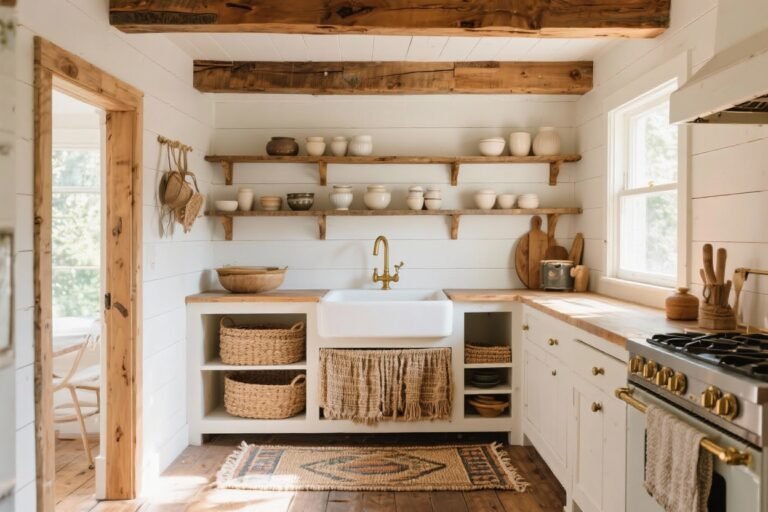
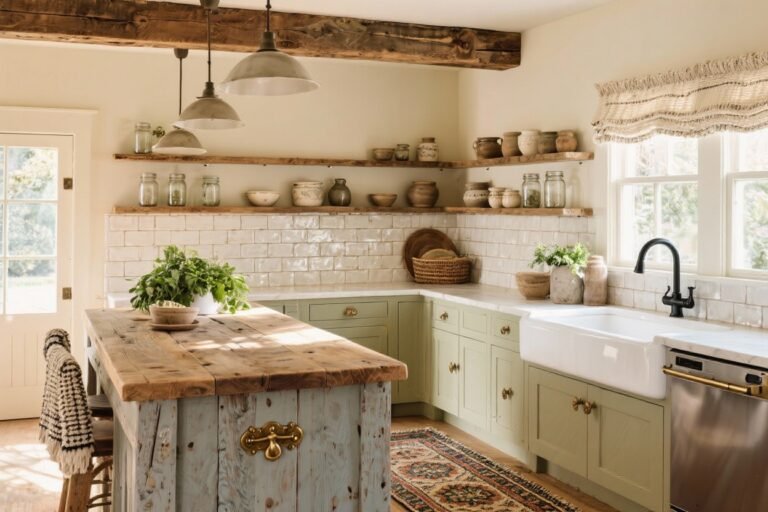
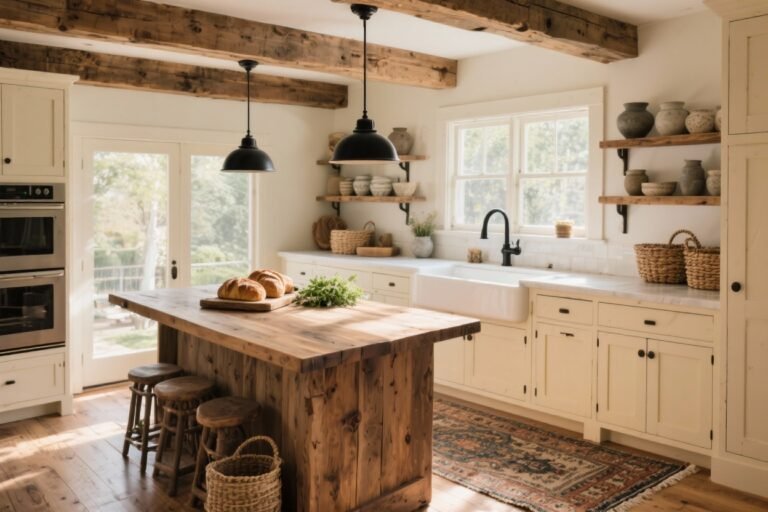
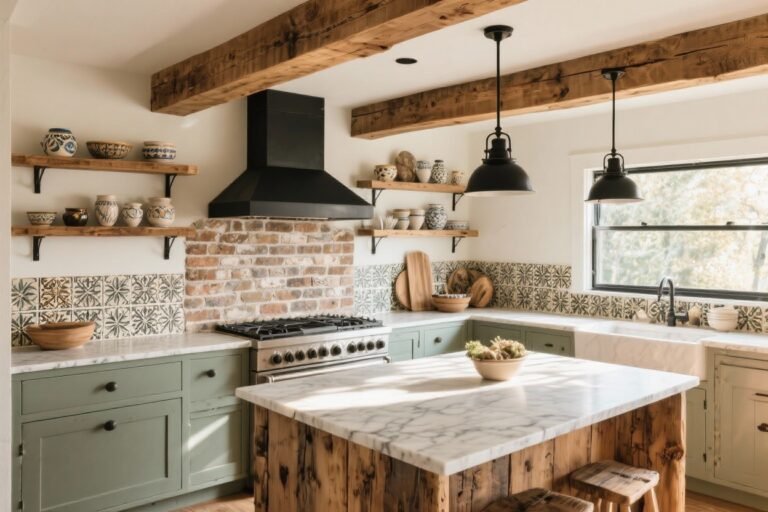
You love a cozy, lived-in kitchen with wood, warmth, and maybe a cute copper kettle—same. But rustic doesn’t mean dusty barn cosplay or a dark cave with antlers. Let’s keep it stylish, practical, and fresh. Here are the 10 rustic kitchen design mistakes people make—and exactly what to do instead.
1. Going Full Barnyard Everything
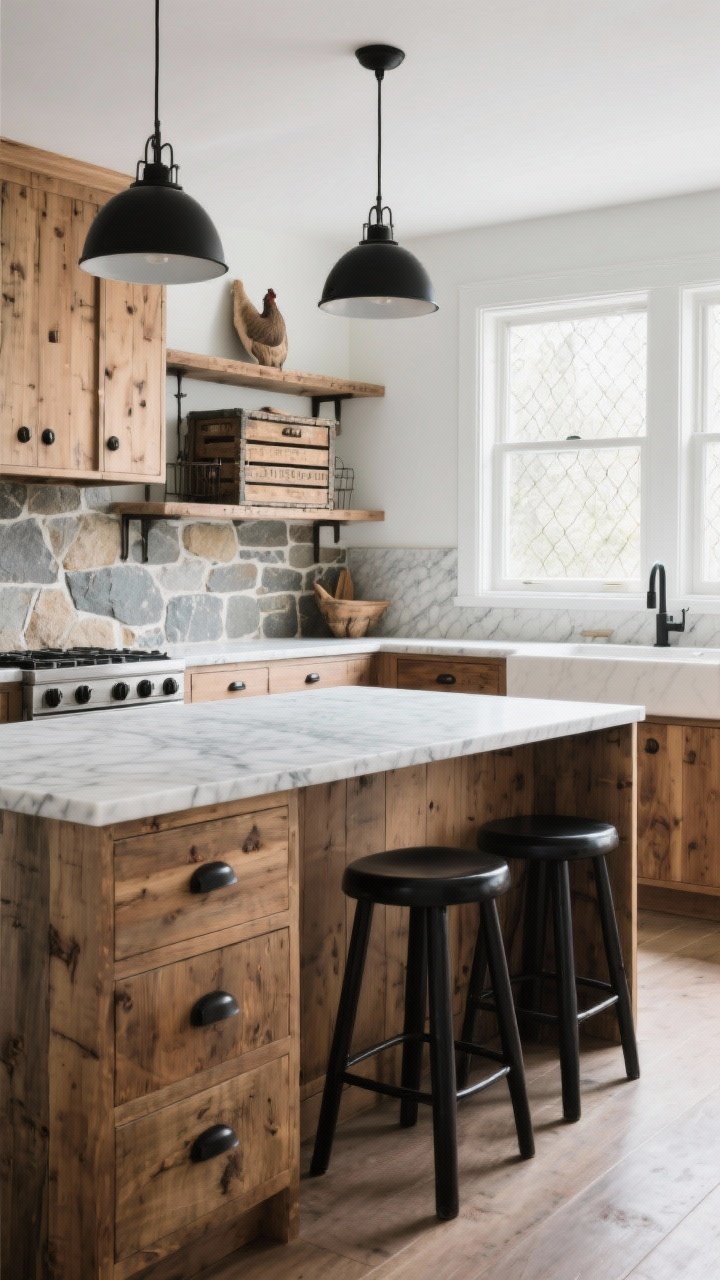
Absolutely adore rustic? Great. But if everything is reclaimed wood, galvanized metal, and chicken wire, your kitchen starts to feel like a themed restaurant. You want layers of rustic, not a wholesale replica of a hayloft.
Tired of snacking when you’re not even hungry? This reset helps you stop the loop and feel back in control.
A simple reset for moments when cravings take over. Easy to use, easy to repeat, and designed to help you feel satisfied instead of stuck.
Do This Instead
- Mix materials: Pair wood with stone, matte black hardware, linen, or honed marble.
- Limit overt “farm” motifs: One vintage crate? Cute. Twelve? Not so much.
- Introduce contrast: Add sleek lighting or modern stools to balance the rough textures.
2. Choosing Wood That’s All the Same Tone
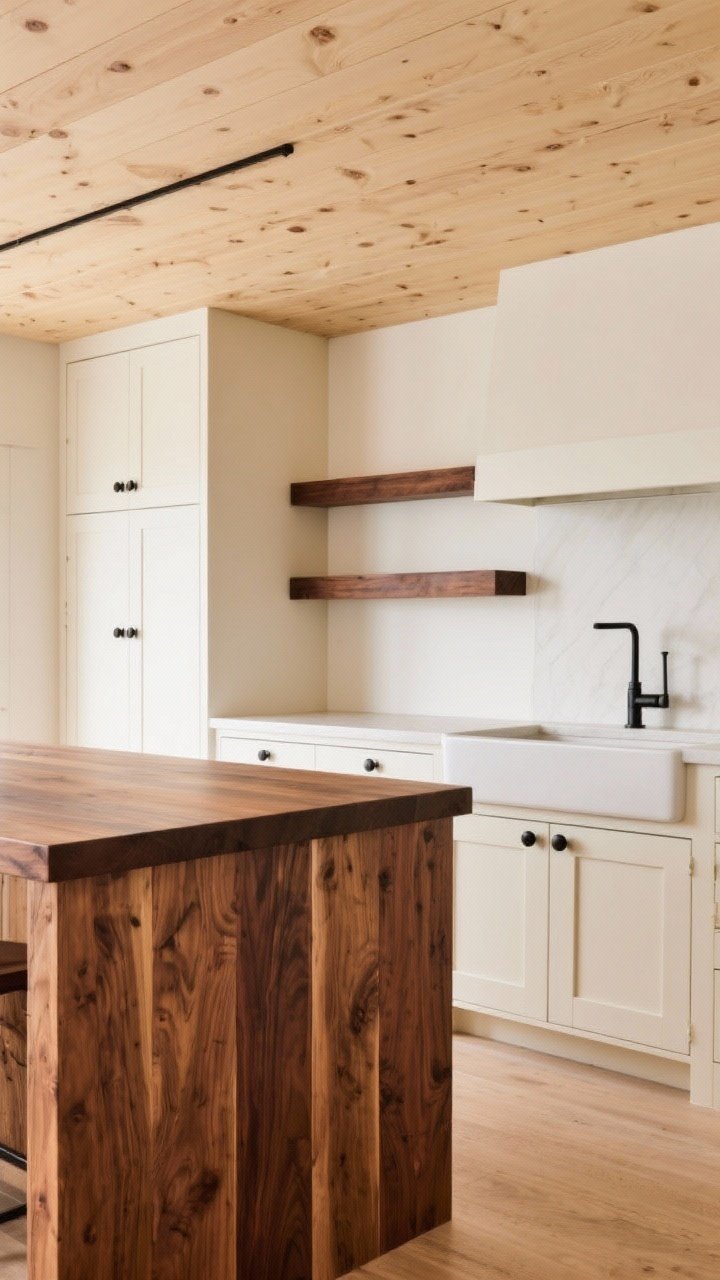
If your floors, cabinets, shelves, and beams are all the same honey maple, your kitchen will look flat and dated. Rustic works best when it feels collected, not cloned.
Do This Instead
- Vary the woods: Mix a warm oak island with darker walnut shelves and a lighter pine ceiling.
- Mind undertones: Keep warm undertones together and cool undertones together to avoid clashing.
- Break it up: Add painted cabinetry (creamy white, sage, or charcoal) to prevent wood overload.
3. Ignoring Light (and Ending Up With a Cave)
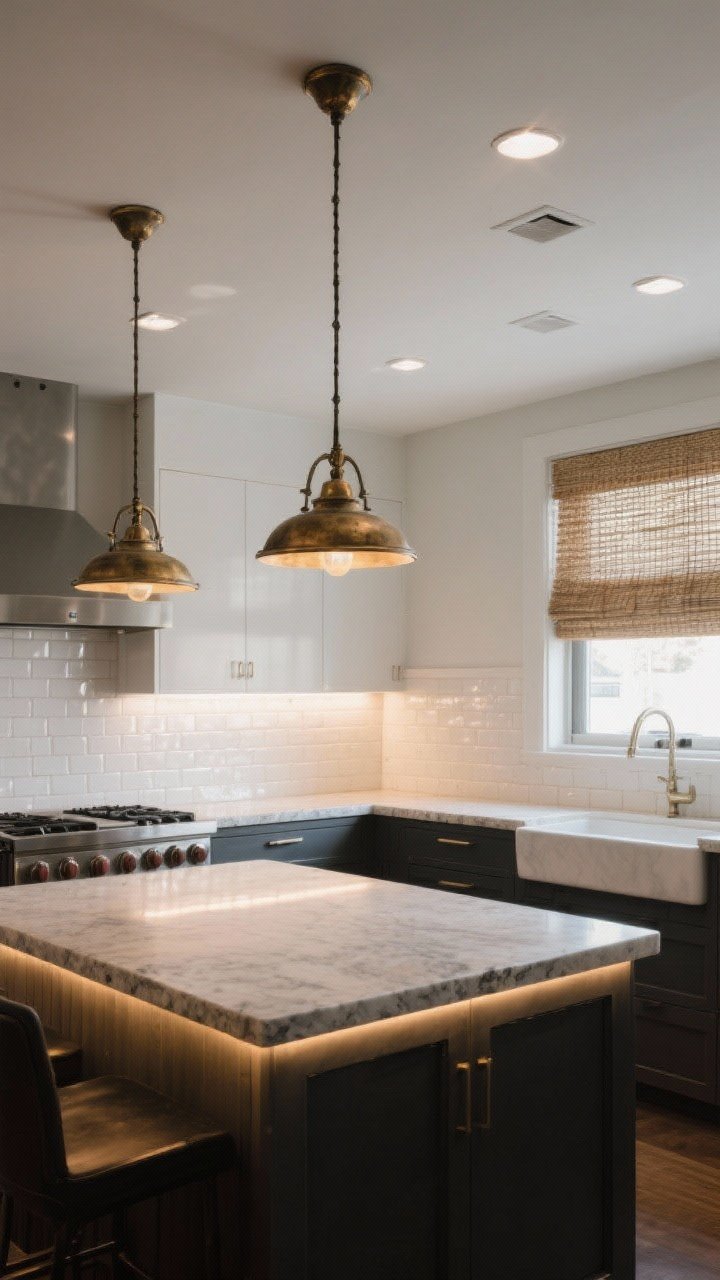
Dark cabinets, dark floors, dark beams—then one tiny window. That’s not rustic; that’s dungeon chic. Rustic style still needs light to show off texture and patina.
Do This Instead
- Layer lighting: Combine recessed lighting, pendants, and under-cabinet strips.
- Use reflective surfaces: Honed stone, aged brass, or a glossy zellige backsplash bounce light around.
- Window strategy: Skip heavy curtains. Try woven shades, café curtains, or nothing at all (privacy permitting).
4. Over-Distressing Everything
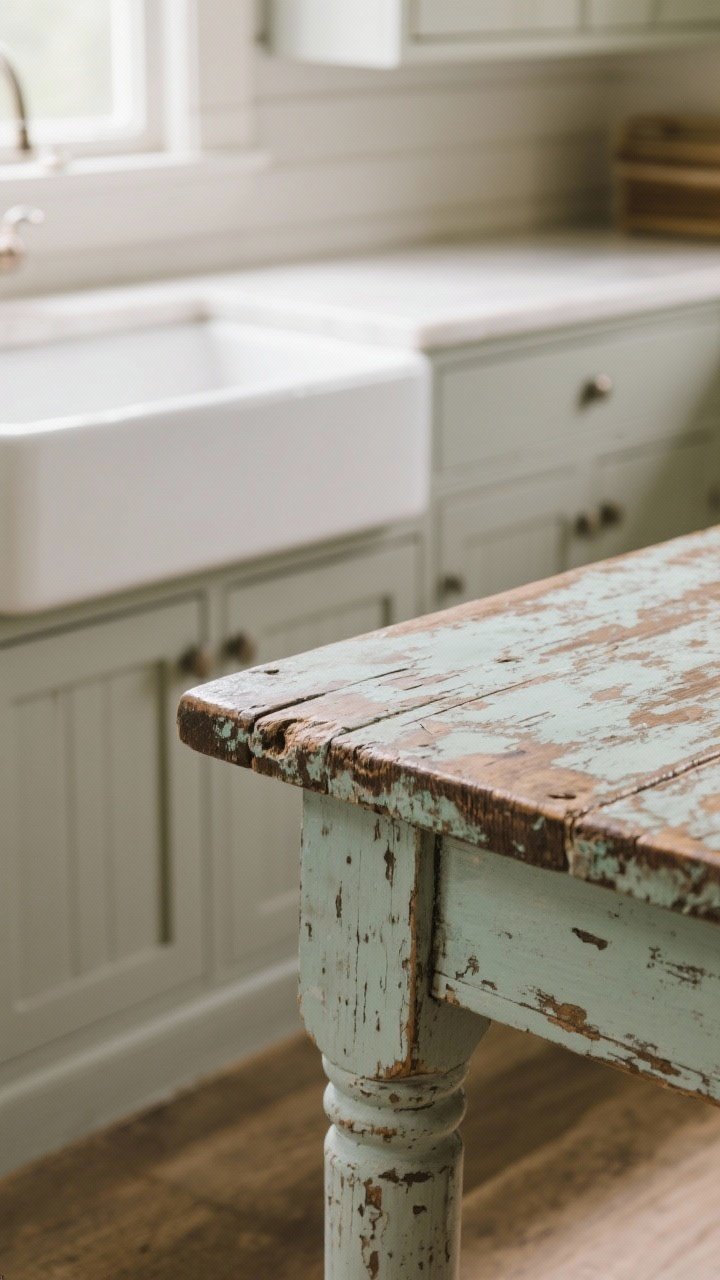
We get it—peely paint has charm. But if every cabinet is chipped and every stool is “vintage,” it starts to feel messy. Rustic should feel intentional, not like you lost a fight with sandpaper.
Do This Instead
- Pick your patina moments: One antique table or a weathered beam is plenty.
- Balance with clean lines: Shaker cabinets or a simple apron-front sink keep things grounded.
- Maintain function: Keep work surfaces in good condition; let the accents be distressed, not the essentials.
5. Forgetting About Function (Form Over Usability)
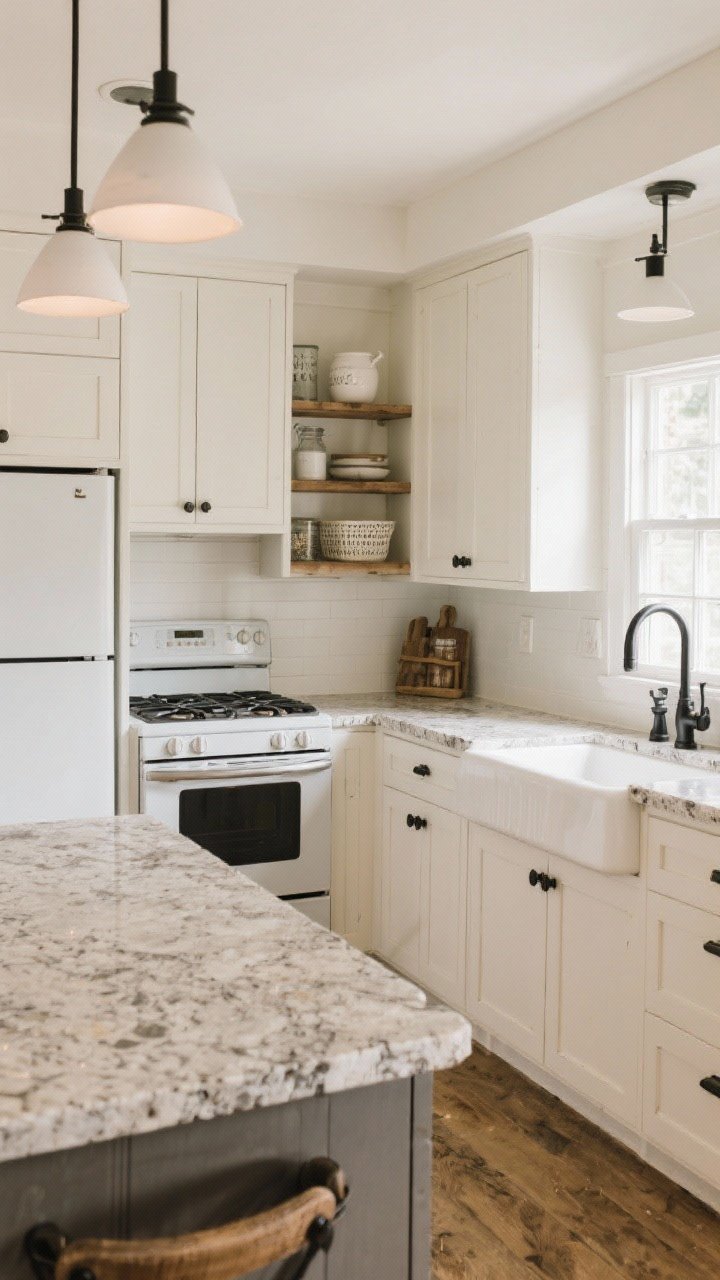
Open shelves that collect dust, oversized vintage hardware that snags your sweater—cute but chaotic. Rustic kitchens should be practical for real-life cooking, not just Pinterest.
Transform Your Home With 7,250+ Stunning Landscaping Designs—No Expensive Designers Needed!
- 🌿 Access 7,250+ stunning landscaping designs.
- 💰 Save thousands—no pro designer needed.
- 🏡 Plans for gardens, patios, walkways, and more.
- ✨ Simple, beginner-friendly DIY layouts.
- 🛠️ Customize any design to fit your yard.
Do This Instead
- Plan the work triangle: Keep the sink, stove, and fridge efficient and accessible.
- Smart storage: Mix closed cabinets for everyday essentials with a few open shelves for display.
- Durable finishes: Choose wipeable paint, sealed stone, and hardware that’s comfortable to grip.

6. Skipping Color (Or Using Only Beige and Brown)
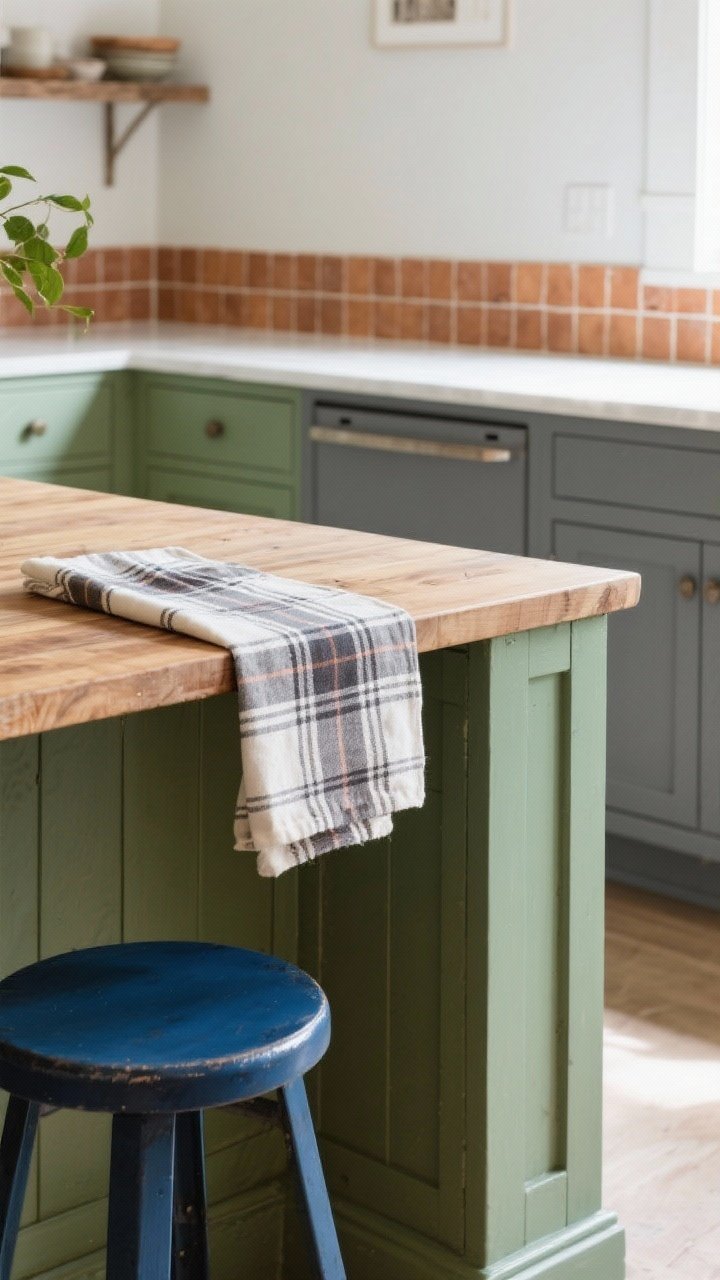
If your palette is “wood + cream + more wood,” it’ll feel one-note fast. Rustic can play with color—subtle, earthy, and layered.
Do This Instead
- Try nature-inspired hues: Sage, clay, inky blue, iron gray, or muted black.
- Accent wisely: Paint the island, add a stone backsplash, or bring in glazed tiles.
- Textiles count: Add color with striped runners, plaid tea towels, or linen seat cushions.
7. Using Faux Everything
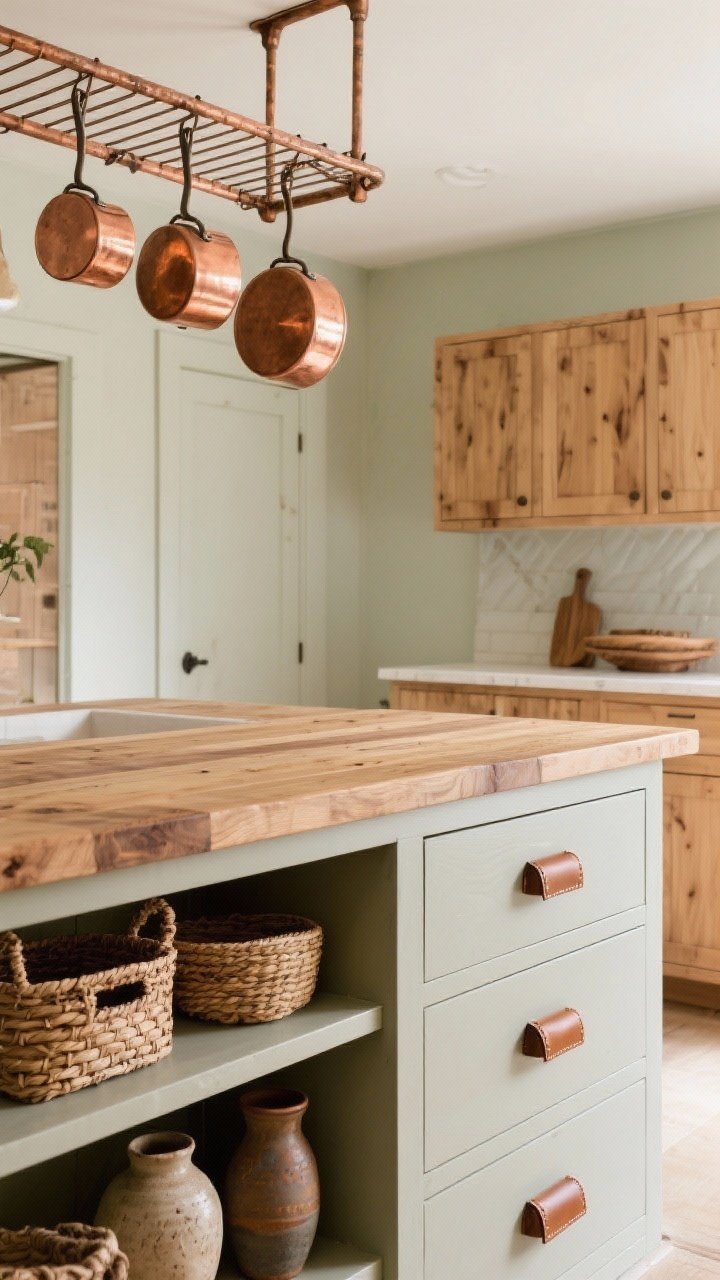
Faux beams, faux stone, faux “reclaimed” shelves—too much fake reads cheap. FYI, you don’t have to choose expensive materials, but you do want honest textures.
Do This Instead
- Choose honest alternatives: Real wood veneer, solid butcher block, or limewash paint for texture.
- Keep it tactile: Woven baskets, pottery, and leather pulls add authentic warmth.
- One hero element: Splurge on one authentic piece (a farmhouse table or copper pot rack) to anchor the room.
8. Over-Accessorizing the Counters
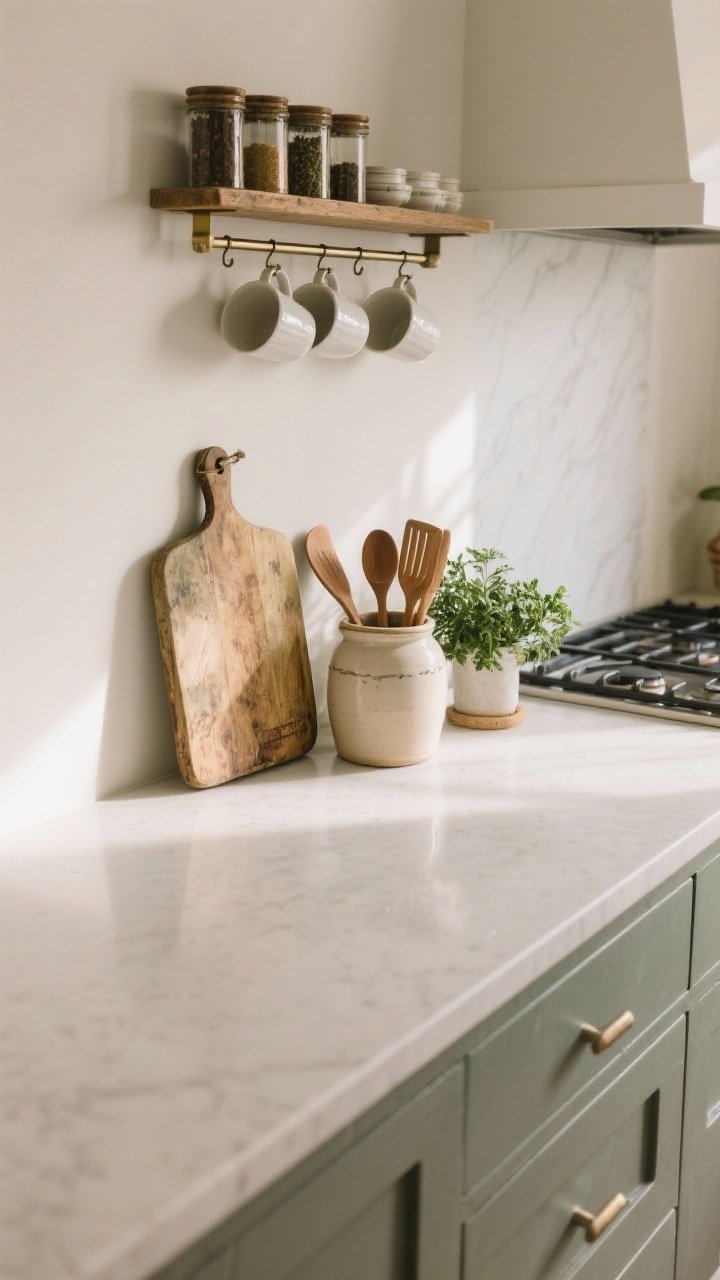
Yes, crocks, cutting boards, and canisters are adorable. But if there’s no space to chop an onion, the vibe is off. Visual clutter kills cozy fast.
Do This Instead
- Curate vignettes: Group items in threes—like a vintage board, a crock, and a plant.
- Use vertical space: Hang mugs, mount a rail for tools, add a narrow shelf for spices.
- Keep counters useful: Leave at least one clear stretch near the stove and one near the sink.
9. Neglecting Texture Layering
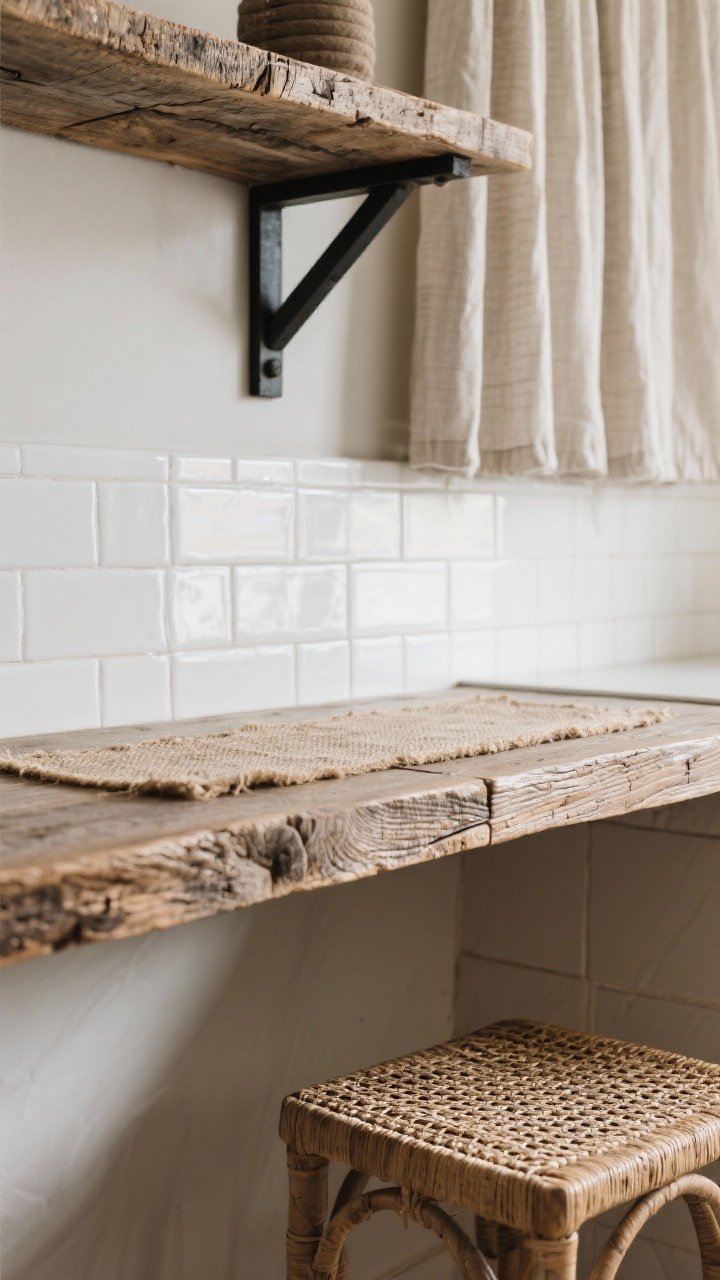
Rustic style is 80% texture. If everything is smooth or everything is rough, it feels off. You need that mix to make it feel cozy and alive.
Do This Instead
- Blend finishes: Rough wood, soft linen, matte metals, and lightly glazed tile.
- Repeat textures: Echo a woven basket with a jute rug and rattan stools for cohesion.
- Add softness: Cushions, curtains, and runners keep all the hard surfaces from feeling cold.
10. Ignoring Modern Comforts (In The Name of “Charm”)
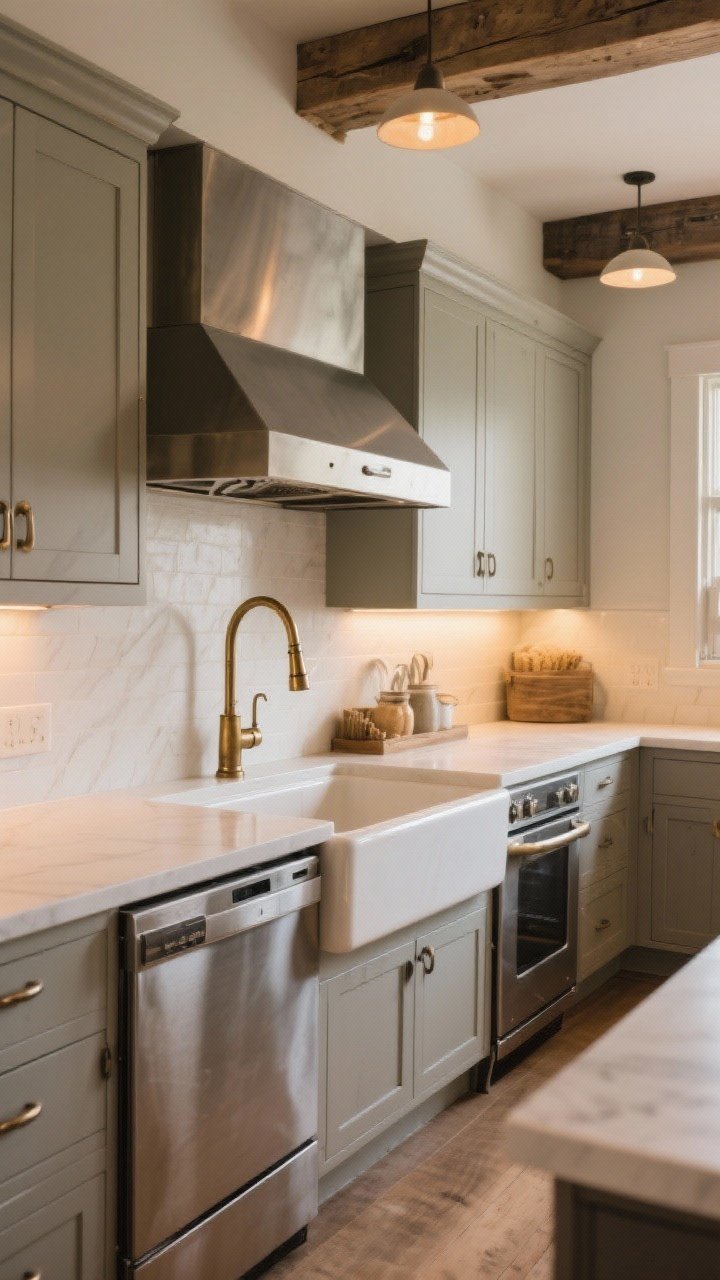
No one wants a gorgeous kitchen with a terrible faucet, dim bulbs, and a fridge that sounds like a tractor. Rustic doesn’t mean low-tech.
Do This Instead
- Hide the modern, keep the comfort: Panel-ready appliances, a discreet range hood, or a farmhouse sink with a sleek pull-down faucet.
- Upgrade the guts: Quiet dishwasher, soft-close drawers, and dimmable LED lighting.
- Warm metals, modern forms: Aged brass or black hardware with clean silhouettes keeps things timeless.
Bonus Tips to Nail the Rustic Look (Without Going Overboard)
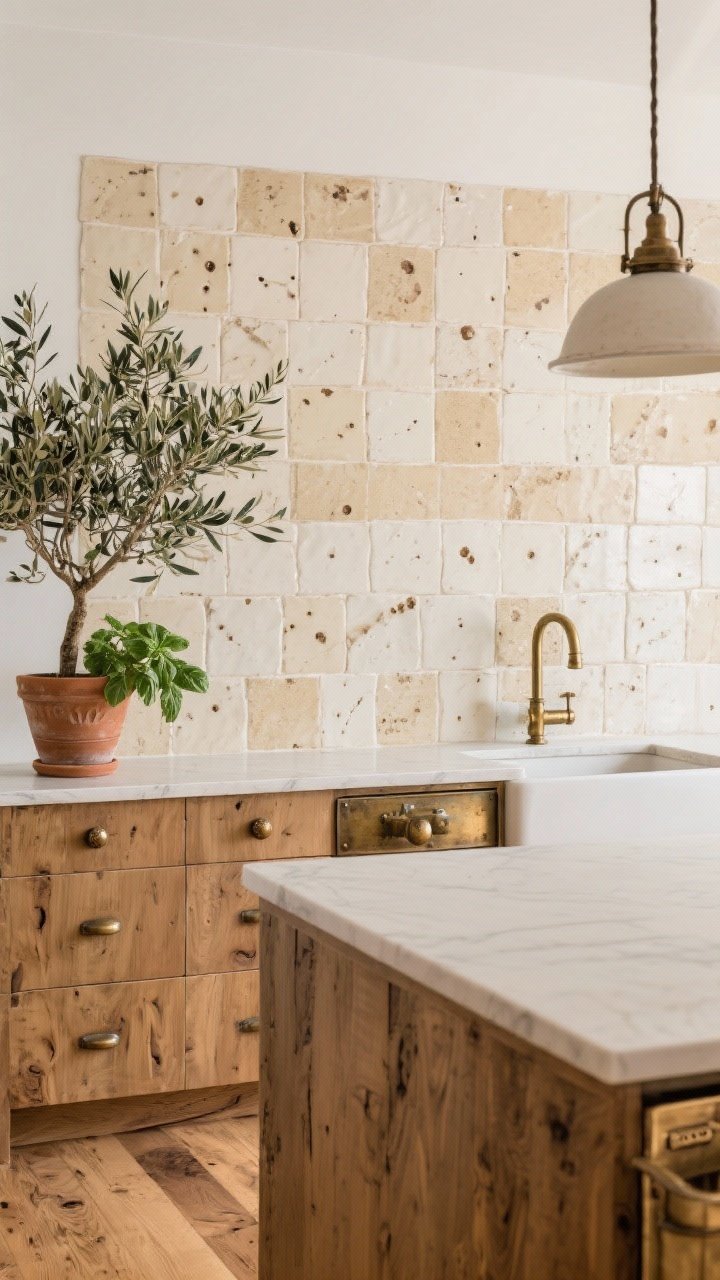
Okay, not a numbered mistake—but consider this your cheat sheet for getting it right the first time. IMO, these are the moves that make the magic happen.
- Backsplash ideas: Handmade tile, tumbled travertine, or vertical beadboard sealed for splashes.
- Flooring: Character-grade oak, stone, or durable wood-look tile (yes, this faux works!).
- Hardware: Mix knobs and bin pulls; keep finishes consistent across the room.
- Greenery: A basil plant or olive tree instantly softens all that wood and metal.
Sample Rustic Color Palette
- Cabinets: Warm white, mushroom taupe, or olive.
- Island: Inky blue or charcoal.
- Metals: Aged brass or matte black.
- Surfaces: Butcher block, soapstone, or honed marble (sealed well, of course).
Final Thought
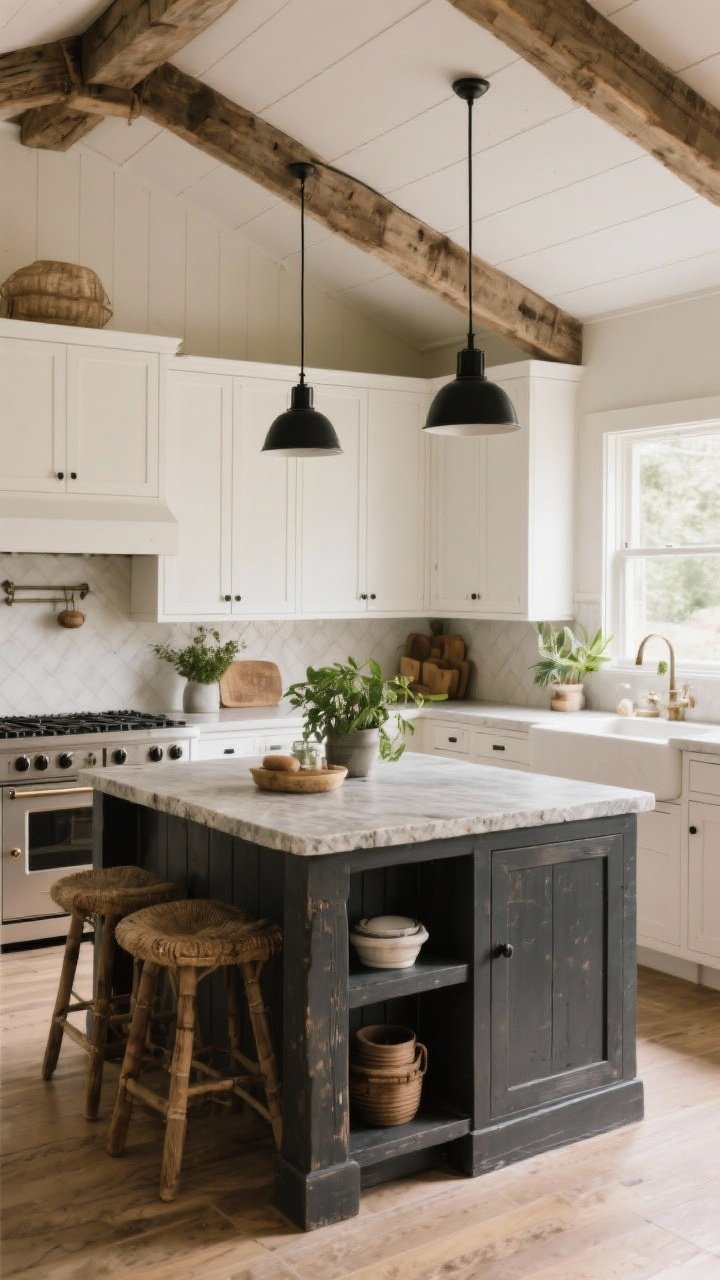
Rustic kitchens should feel relaxed, soulful, and totally livable. Keep the charm, ditch the clichés, and layer textures, light, and function like a pro. You’ll end up with a space that looks collected over time—and makes you actually want to cook dinner. Win-win.