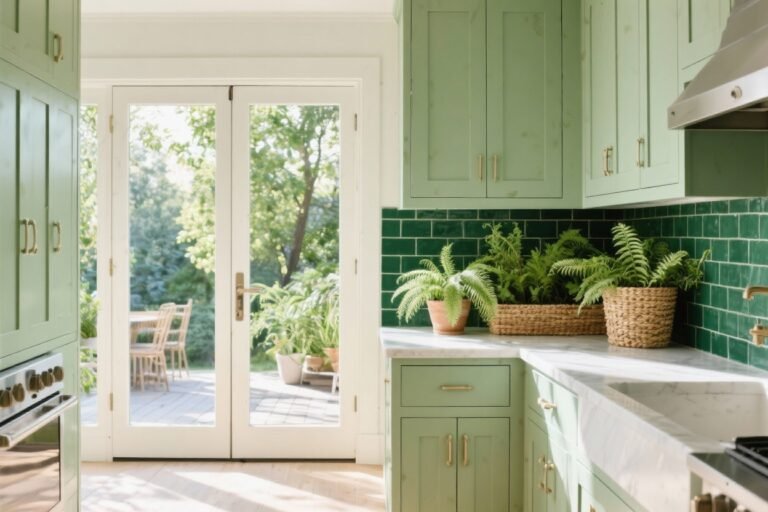
10 Sustainable Green Kitchen Ideas for Backyard Living That’ll Wow Your Guests
You’ve got a backyard. You’ve got a kitchen. Now let’s make them BFFs with smart, stylish, and sustainable moves that feel as good as they look. These ideas bring the outdoors in (and indoors out), cut waste, save energy, and still keep your space magazine-level gorgeous. Ready to go green without going granola? Let’s do it.
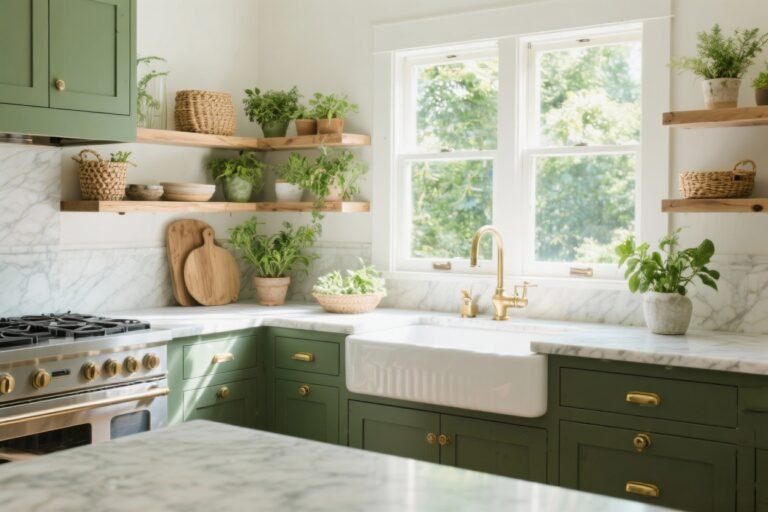
1. Grow-Your-Own Herb Bar (Yes, Right By the Sink)

Fresh basil on pizza. Mint in your mocktail. Rosemary potatoes. A tiny indoor herb bar delivers major flavor and major vibe. Place it by a sunny window or right on your kitchen island near a prep sink so watering is easy and mess-free.
Tired of snacking when you’re not even hungry? This reset helps you stop the loop and feel back in control.
A simple reset for moments when cravings take over. Easy to use, easy to repeat, and designed to help you feel satisfied instead of stuck.
Why It’s Sustainable
Herbs grown at home cut down on plastic clamshell packaging, reduce food miles, and help you use just what you need—no slimy cilantro disasters at the back of the fridge.
- Pick planters with drainage and saucers to avoid overwatering.
- Use organic potting soil and compost to nourish plants naturally.
- Try magnetic spice jars repurposed as mini planters on a fridge side-panel.
- Rotate in seasonal stars: basil in summer, thyme and sage in cooler months.
2. Compost Like a Minimalist (No Smell, No Drama)
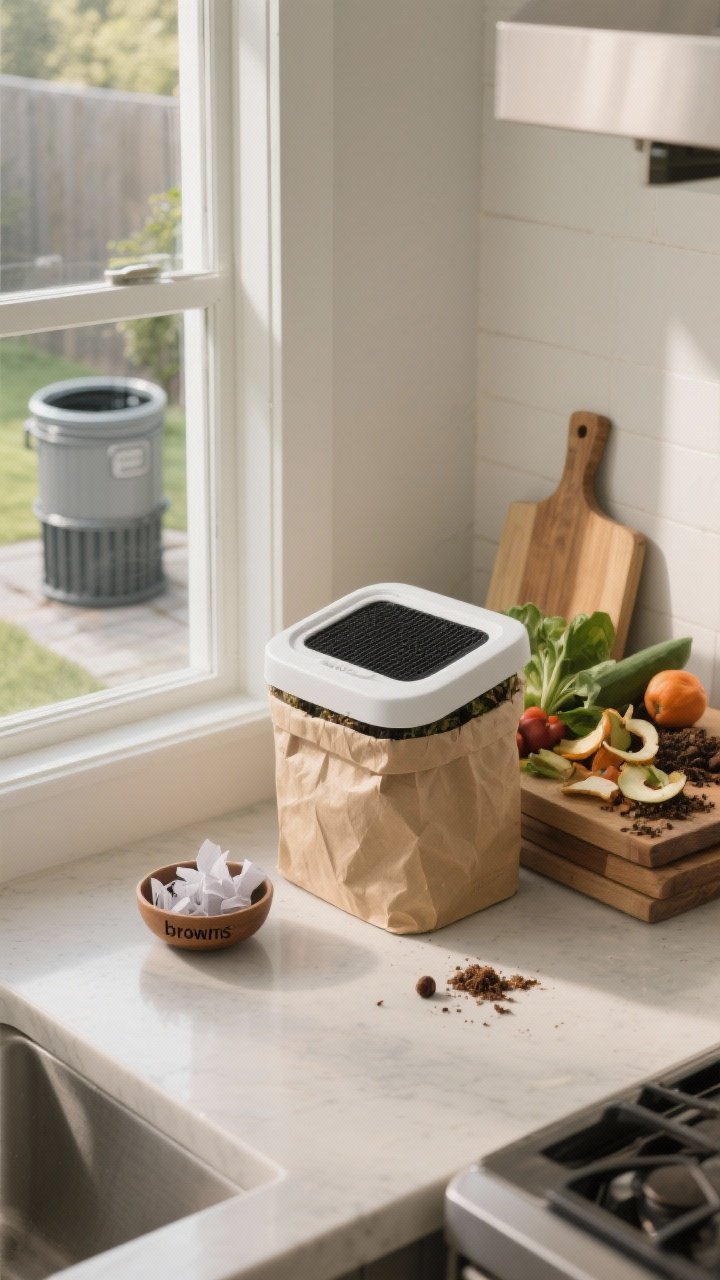
Composting isn’t gross. Bad system = gross. Good system = kitchen superhero. Set up a small sealed countertop caddy with a charcoal filter and empty it into a backyard compost bin every day or two.
Make It Easy
- Keep the caddy within arm’s reach of your prep zone.
- Use compostable liners to keep cleanup simple.
- For small yards, try a tumblr-style composter or a Bokashi bin for faster breakdown.
- Add browns (dry leaves, shredded paper) to balance kitchen greens. No mystery soup, promise.
FYI: Compost cuts methane from landfills and gives you black gold for raised beds and planters. Your tomatoes will write you a thank-you note.
3. Energy-Savvy Appliances That Actually Look Chic

Energy-efficient doesn’t mean spaceship vibes. Today’s ENERGY STAR fridges, induction cooktops, and convection ovens come in sleek finishes and sizes that fit modern kitchens (and your electric bill). Bonus: induction is fast, safer, and way cooler—literally, your kitchen stays cooler.
Transform Your Home With 7,250+ Stunning Landscaping Designs—No Expensive Designers Needed!
- 🌿 Access 7,250+ stunning landscaping designs.
- 💰 Save thousands—no pro designer needed.
- 🏡 Plans for gardens, patios, walkways, and more.
- ✨ Simple, beginner-friendly DIY layouts.
- 🛠️ Customize any design to fit your yard.
Smart Shopping Tips
- Check the EnergyGuide label and compare annual kWh usage.
- Pick counter-depth for a cleaner line and better circulation.
- Go induction + cast iron or stainless for planet-friendly cooking.
- Choose water-efficient dishwashers—they often use less water than hand washing.
Pro move: Install a dedicated outdoor-rated outlet near your backyard prep station for a portable induction burner on grilling nights.
4. Cabinets With a Conscience (And Serious Style)
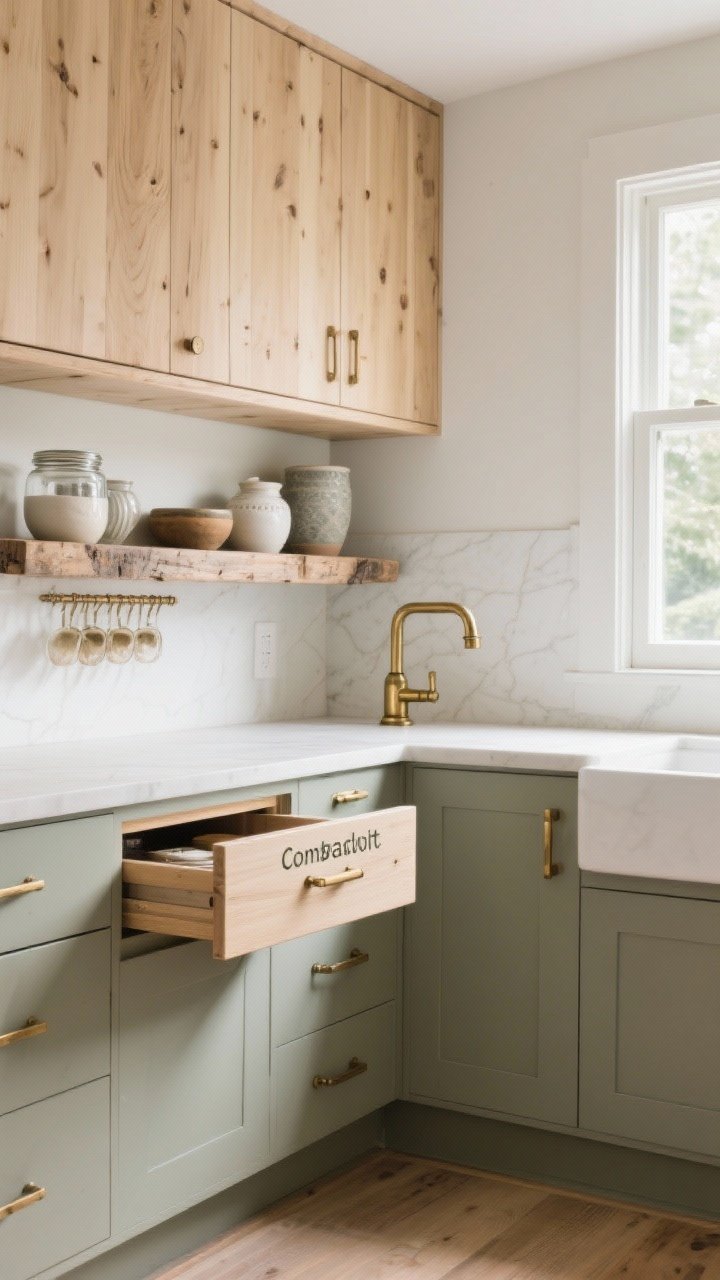
Let’s talk materials. FSC-certified wood, low-VOC finishes, and formaldehyde-free plywood make a huge difference in air quality. If you love the collected look, go for salvaged or refaced cabinets with new doors and hardware.
Design Moves That Last
- Slab fronts in maple or birch with a matte sealant = calm and durable.
- Open shelves? Use reclaimed wood and mount near a window for a lighter, airier feel.
- Integrated compost & recycling pull-outs keep everything tidy and concealed.
- Choose solid brass or stainless hardware—they age beautifully and are recyclable.
IMO, longevity is the most sustainable style. Buy better once.
5. Natural Counters That Can Handle Real Life

Countertops are the kitchen’s selfie wall. Go for materials that are durable, beautiful, and lower impact. Recycled paper composite (surprisingly tough), recycled glass terrazzo, locally sourced stone, or bamboo butcher block are all strong choices.
Maintenance Tips
- Seal porous surfaces with low-VOC sealers to resist stains.
- Use trivets and cutting boards to extend life (your counters are not invincible).
- Consider a mix-and-match approach: butcher block on the island, stone on the perimeter for durability where you need it.
Bonus points for sourcing from local fabricators—less shipping, more story.

6. Sun-Soaked Lighting That Works Day and Night

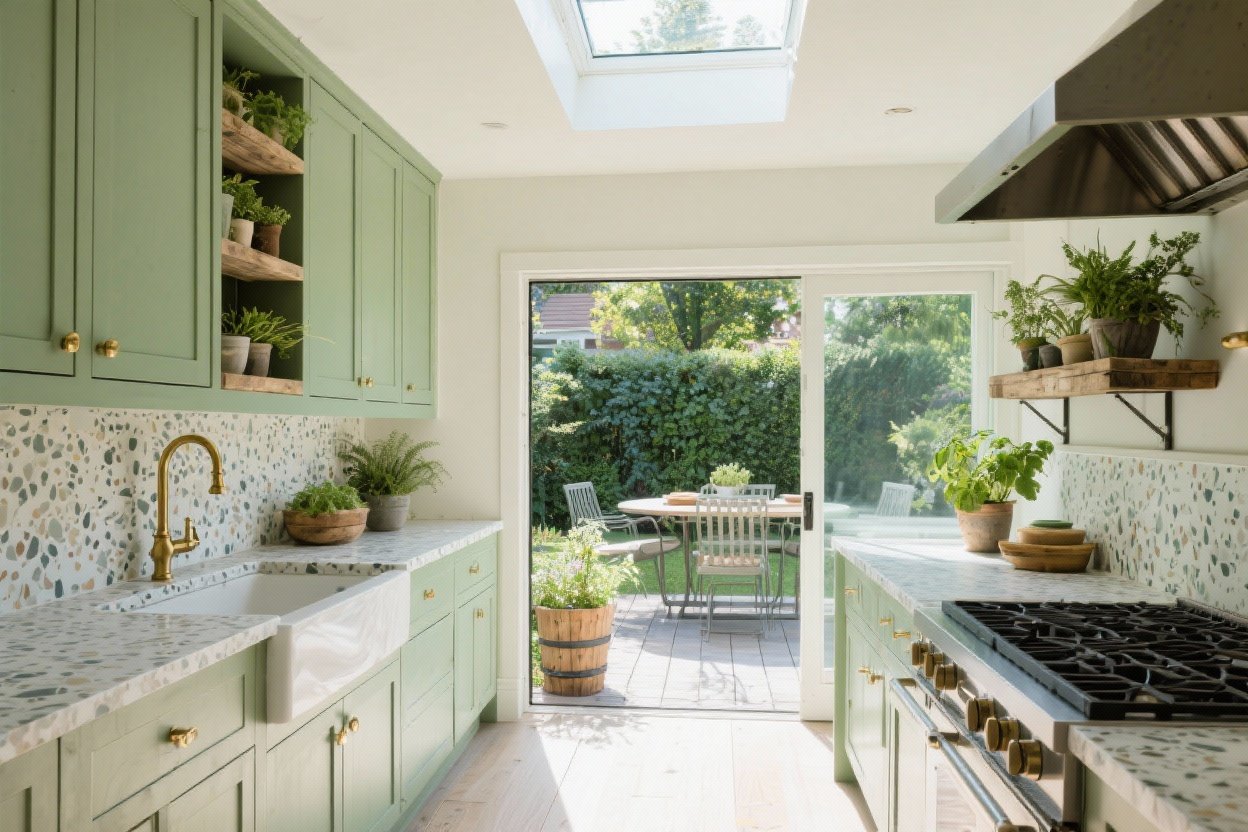
Lighting can make or break a green kitchen. Start with maximized daylight: bigger windows, a glass door to the backyard, or even a solar tube if you’re short on wall space. Then layer in efficient artificial lighting.
Layer It Like a Lighting Designer
- LED recessed lights on dimmers for general ambience.
- Under-cabinet LEDs for tasks—look for warm 2700–3000K color temp.
- Statement pendants over the island made from natural materials (rattan, linen, paper).
- Smart switches or sensors that turn off lights when you head outside.
Use daylight as your primary “bulb.” It’s free, flattering, and never flickers.
7. Water Wisdom: Fixtures, Filtration, and Backyard-Friendly Flow

Water is a precious thing—treat it like it. Install a WaterSense-rated faucet with an aerator to cut consumption without killing pressure. Add a built-in filter so you skip plastic bottles and keep a carafe in the fridge.
Design for Indoor-Outdoor Living
- Place the kitchen sink near a backdoor or slider for quick trips to the garden.
- Install a foot pedal valve to wash hands when yours are doughy or muddy.
- Set up an outdoor utility sink for garden harvests—keeps dirt outside and soil in your garden beds.
- Capture rain with a rain barrel to water herbs and garden beds.
Small changes add up. Less waste, more convenience, cleaner produce. Win, win, win.
8. Zero-Waste Storage That Actually Looks Cute

Pantry goals, but make it sustainable. Swap single-use packaging for glass jars, stainless tins, and beeswax wraps. Label everything (future you will be thrilled), and keep it visually consistent for that 10/10 satisfaction.
Systems That Stick
- Decant dry goods into airtight jars—buy in bulk to cut packaging.
- Use stackable containers sized to your shelves. No more Tetris.
- Hang cloth produce bags by the door so you never forget them.
- Switch to silicone lids and baking mats to replace plastic wrap and parchment.
Keep a “use-first” bin in the fridge and pantry so nothing gets lost behind the salsa graveyard.
9. Outdoor Cooking Zone: The Low-Carbon Backyard Star

If your backyard is an extension of your kitchen (it should be), build a lean, green outdoor station that’s more than a grill. Think modular prep table, planter-turned-knife-holder, and a covered counter for all-weather cooking.
Fuel Choices Matter
- Electric or induction burners outdoors if you’re solar-powered = chef’s kiss.
- If you grill, choose natural lump charcoal over briquettes or use a pellet grill for efficiency.
- Add a pizza oven insert or cast-iron plancha to cut disposable accessories.
- Keep a sealed bin for wood scraps if you use a wood-fired setup—store dry for clean burns.
Design with airflow, shade, and proximity to the indoor kitchen. The easier it is to use, the more you’ll actually use it.
Outdoor Zone Setup Checklist
- Non-slip, permeable pavers or gravel for drainage.
- LED string lights or solar lanterns for soft, efficient ambiance.
- Reclaimed stone or brick for heat-proof surfaces.
- A covered compost station nearby to keep scraps moving.
10. Biophilic Finishes That Calm Your Brain (Backed by Science)

Biophilic design is just a fancy way of saying “bring nature in.” Use earthy palettes, natural textures, and life-affirming plants to create a kitchen that feels grounded and connected to the outdoors.
Easy Ways to Nail the Look
- Choose clay or limewash paint for breathable, low-VOC walls.
- Lay down a jute or sisal runner (with a washable rug pad for spills).
- Hang art with botanical prints or vintage seed packet graphics.
- Mix stone, wood, and ceramic textures—think terra-cotta planters and hand-thrown mugs.
Plants that thrive in kitchens: pothos, spider plant, and herbs (obviously). They clean the air and make everything feel alive. Not to be dramatic, but it’s a mood shift.
Conclusion

There you have it: 10 sustainable green kitchen ideas that make backyard living effortless, stylish, and honestly more fun. Start with one or two—maybe the herb bar and zero-waste storage—then layer in lighting, materials, and that outdoor station you’ll use every weekend. Small shifts, big impact. Your future self (and your dinner guests) are going to be obsessed. FYI: the planet will be pretty happy, too.