5 Rustic Farmhouse Kitchen Ideas Using Natural Wood Accents You’ll Love

You want a kitchen that feels warm, unfussy, and a little bit nostalgic—but still chic enough for your next “I just threw this together” dinner. Enter rustic farmhouse style with natural wood accents. It’s cozy, textural, and surprisingly versatile. Ready to make your kitchen look like the calm part of a homestead (minus the chickens)? Let’s do this.
1. Mix Warm Wood Cabinets With Matte Hardware
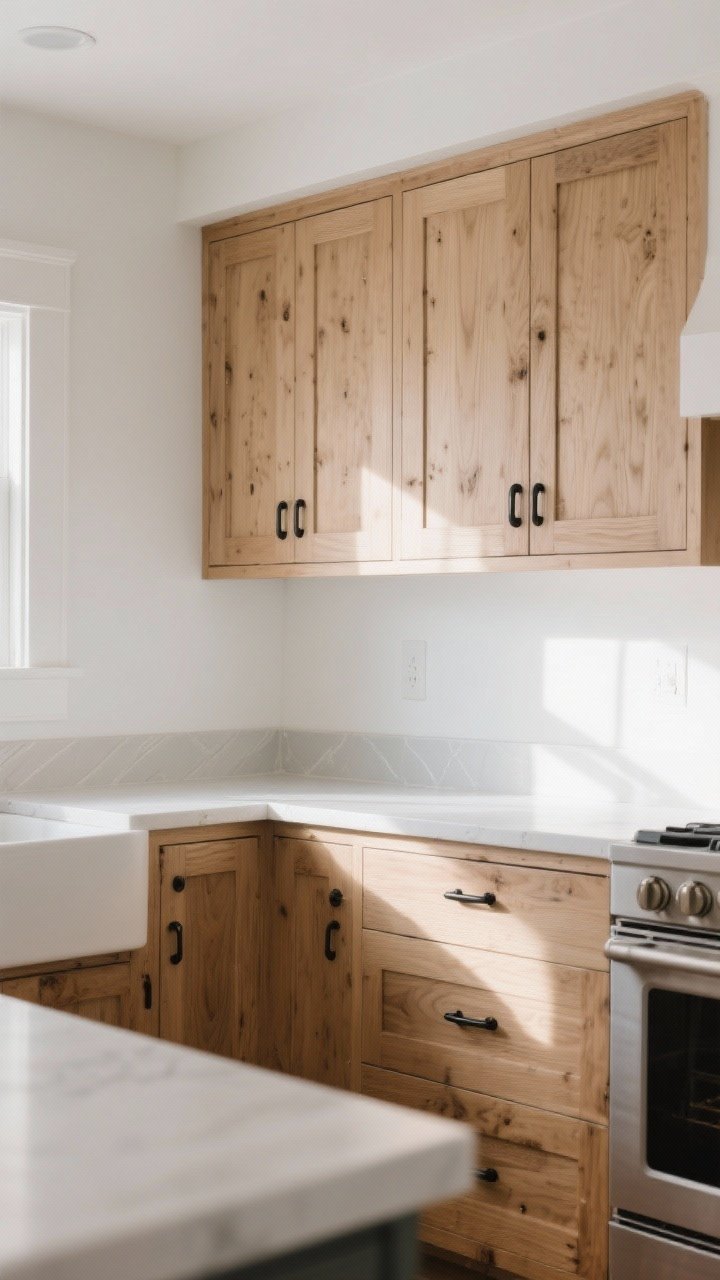
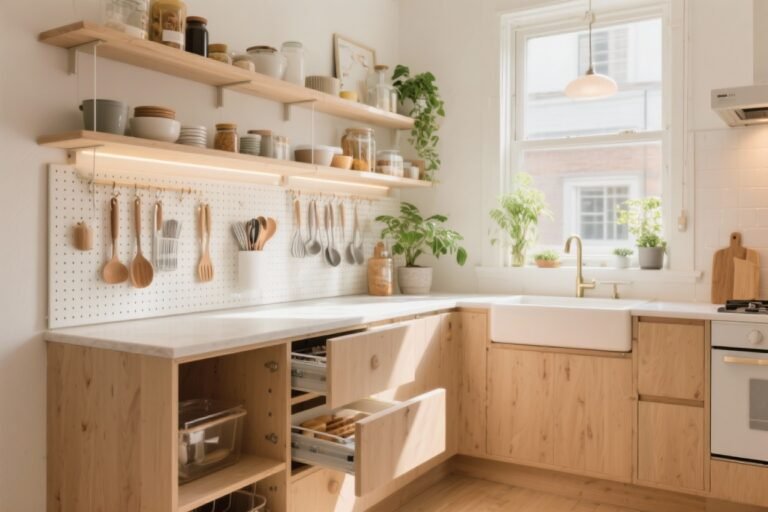
If you’re craving instant farmhouse vibes, start with wood cabinets. Think white oak, knotty pine, or reclaimed barn wood. The grain does the heavy lifting, so keep profiles simple—Shaker doors are your best friend.
Tired of snacking when you’re not even hungry? This reset helps you stop the loop and feel back in control.
A simple reset for moments when cravings take over. Easy to use, easy to repeat, and designed to help you feel satisfied instead of stuck.
Why It Works
Natural wood adds warmth without feeling stuffy. Pair with matte black or antique brass hardware and you’ve got contrast that’s modern but grounded. FYI, the finish matters: natural, matte, or light oil looks timeless; high-gloss reads more contemporary (and shows fingerprints).
- Color pairing: White walls + warm oak = instant airiness. Try soft greige if you want cozy without going beige overload.
- Hardware picks: Cup pulls on drawers, slim knobs on doors. Aged brass warms up cooler wood tones.
- Budget-friendly hack: Reface or refinish existing cabinets in a lighter stain. New hardware = chef’s kiss.
2. Add a Wood-Topped Island (Or Faux It Like a Boss)
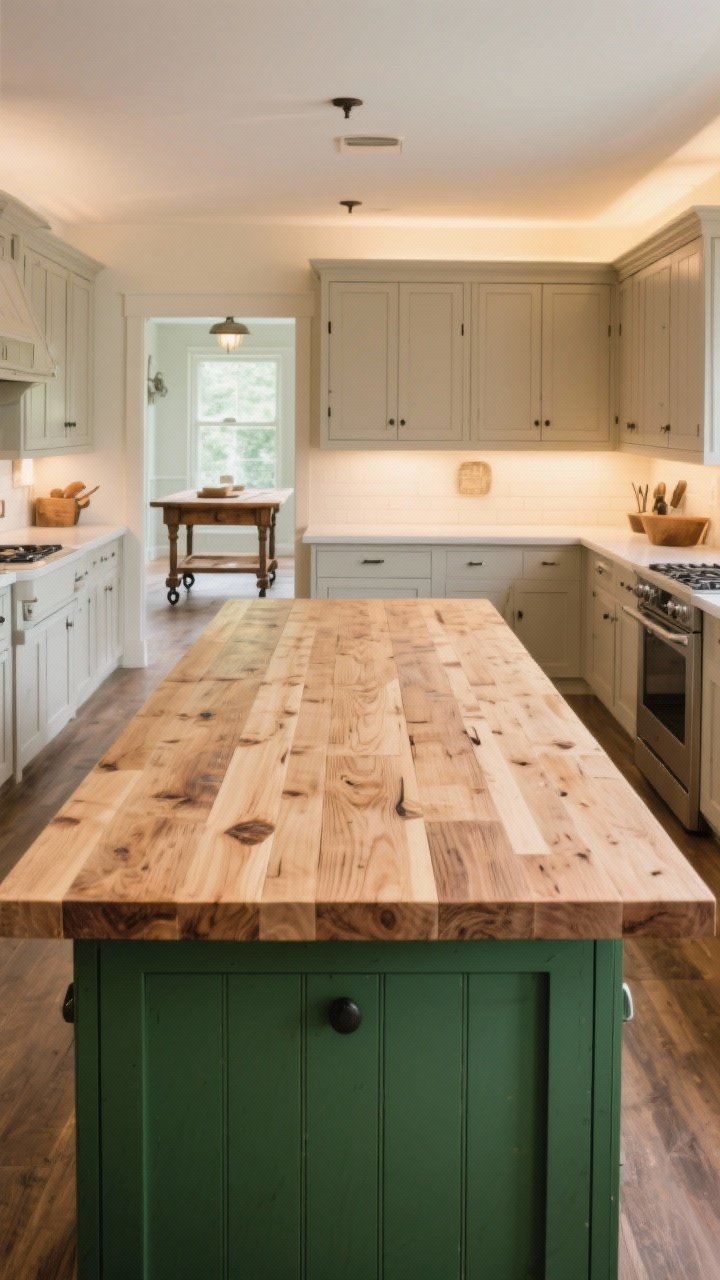
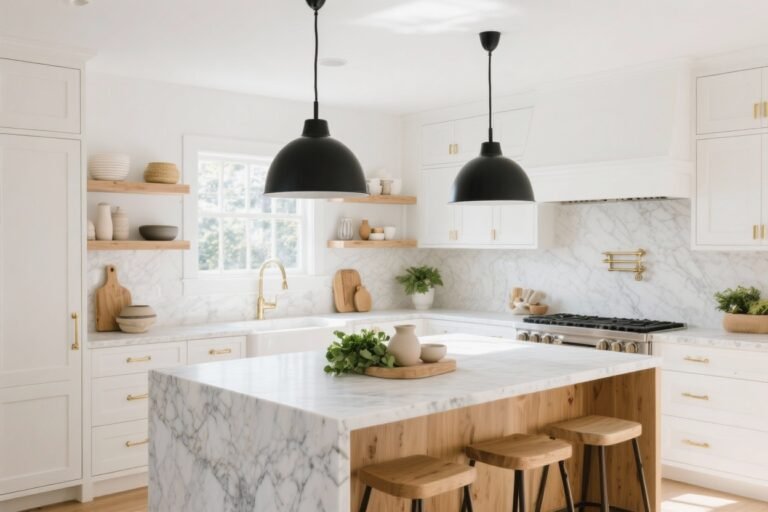
The kitchen island is your workhorse and your show pony. Top it with butcher block for an instant farmhouse anchor. It’s practical, it patinas beautifully, and it makes every loaf of bread look like a magazine spread.
Material Moves
Go for maple or oak butcher block if you cook a lot; walnut for a moodier vibe. Seal with a food-safe oil for prep zones or a satin polyurethane if it’s more of a serving station. IMO, a slightly worn top tells a great story.
- No island? Try a vintage wood table as a movable prep surface. Casters = bonus points.
- Faux trick: Wrap an existing island with wood panels and add a butcher-block top—instant custom look.
- Contrast: Paint the island base in deep green, charcoal, or creamy white to let the wood top pop.
3. Open Shelving With Reclaimed Wood Planks
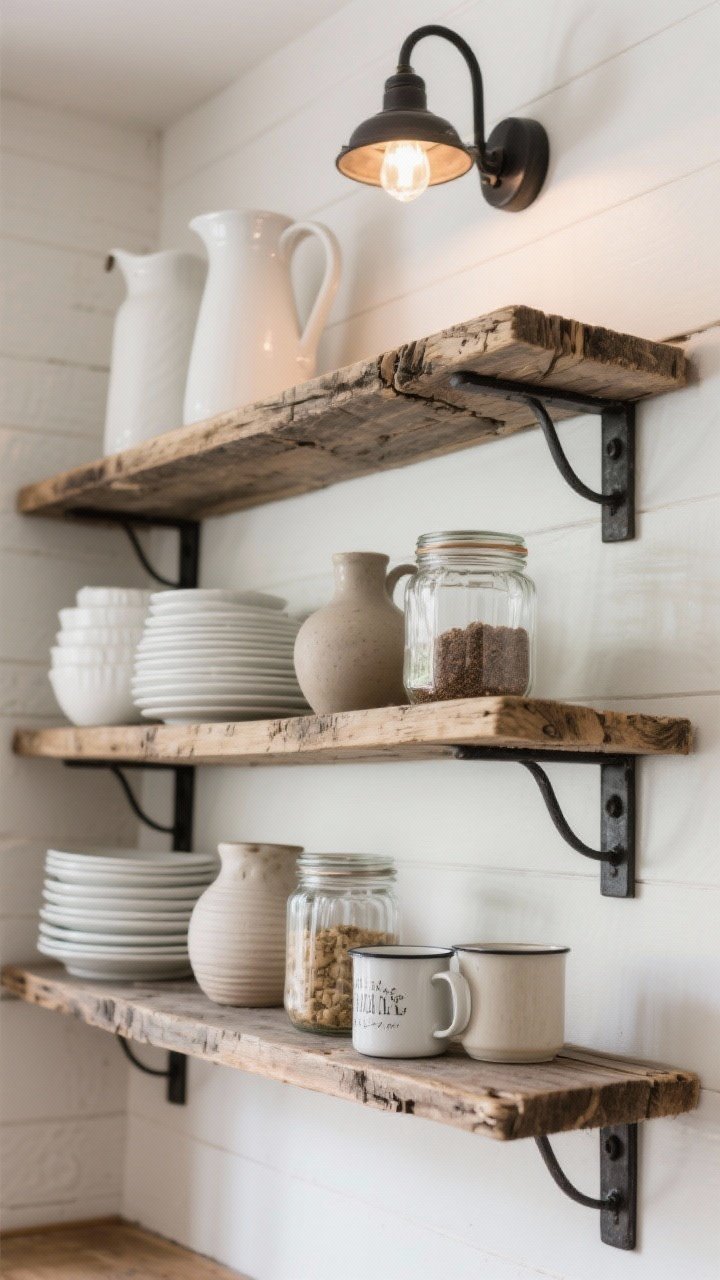
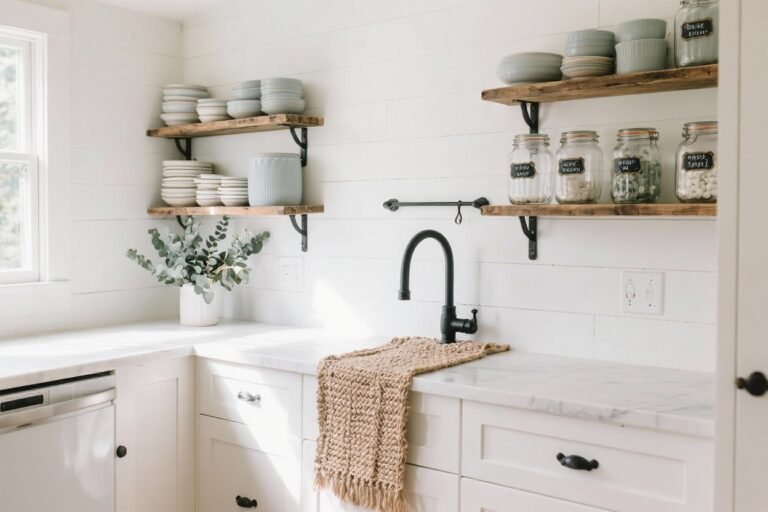
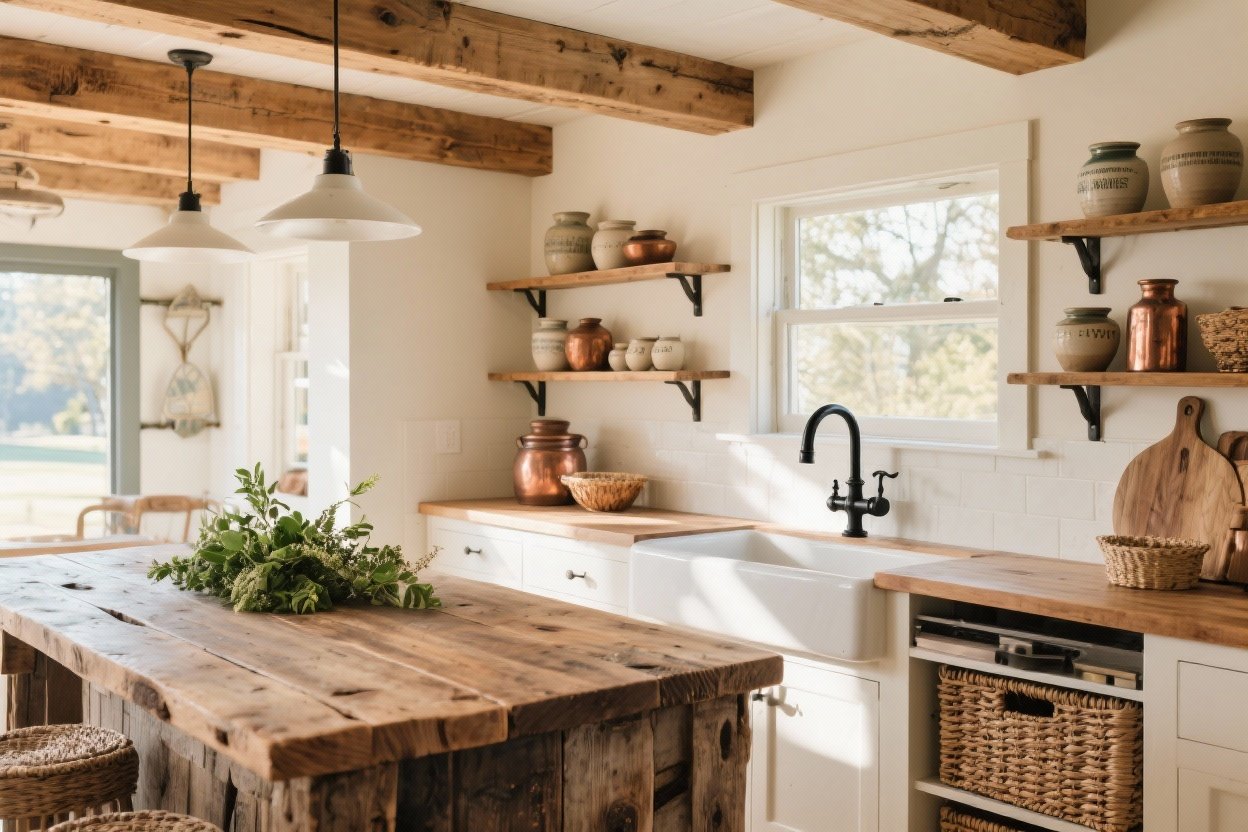
Open shelves are basically the farmhouse flex. Use reclaimed wood for chunky, imperfect boards that feel storied. Then style them with everyday essentials so you’re not dusting random decor weekly.
Transform Your Home With 7,250+ Stunning Landscaping Designs—No Expensive Designers Needed!
- 🌿 Access 7,250+ stunning landscaping designs.
- 💰 Save thousands—no pro designer needed.
- 🏡 Plans for gardens, patios, walkways, and more.
- ✨ Simple, beginner-friendly DIY layouts.
- 🛠️ Customize any design to fit your yard.
Style It Without Stress
Think form meets function: stacks of white dishes, clear jars, and a few pottery pieces. Keep your palette tight so it doesn’t look like a yard sale. And yes, put the pretty mugs in front.
- Bracket basics: Black iron brackets = classic. Hidden brackets = cleaner, modern farmhouse.
- Depth + height: 10–12 inches deep; mount 16–24 inches above the counter. Leave space for tall items like pitchers.
- Lighting: Add a small sconce above shelves for a moody, “I live in a cottage” glow.
4. Statement Wood Range Hood and Ceiling Beams
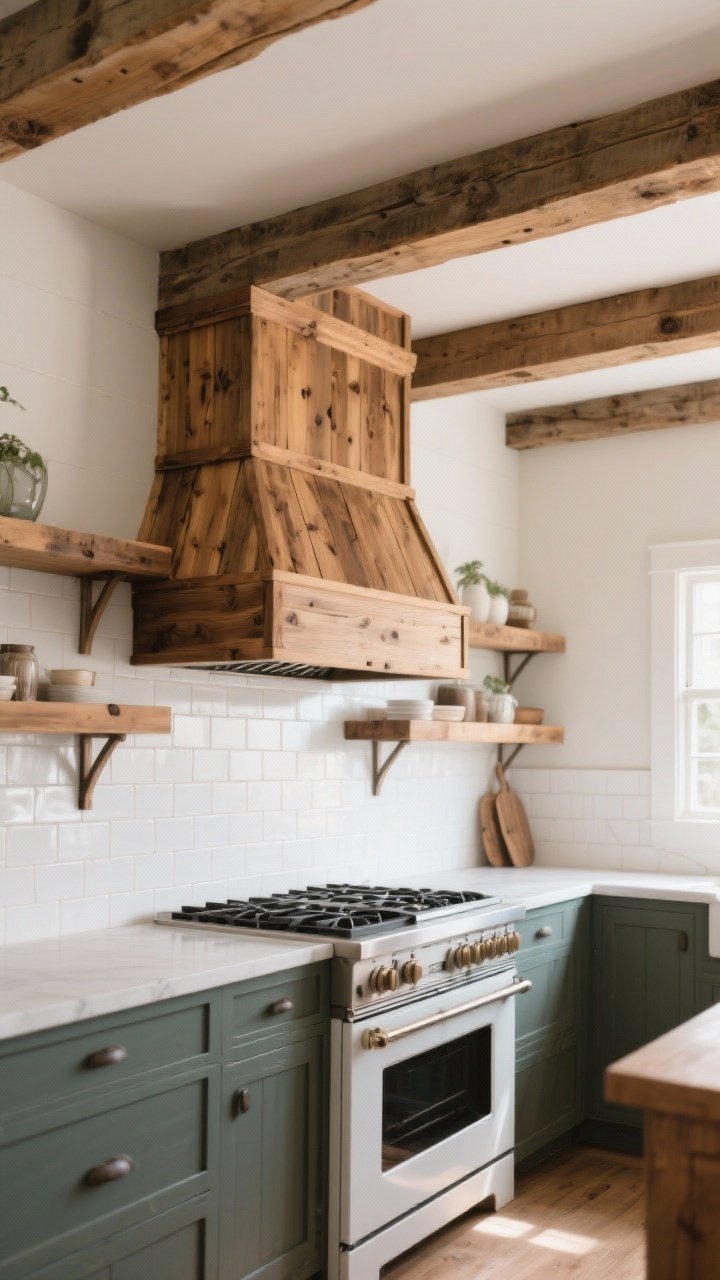
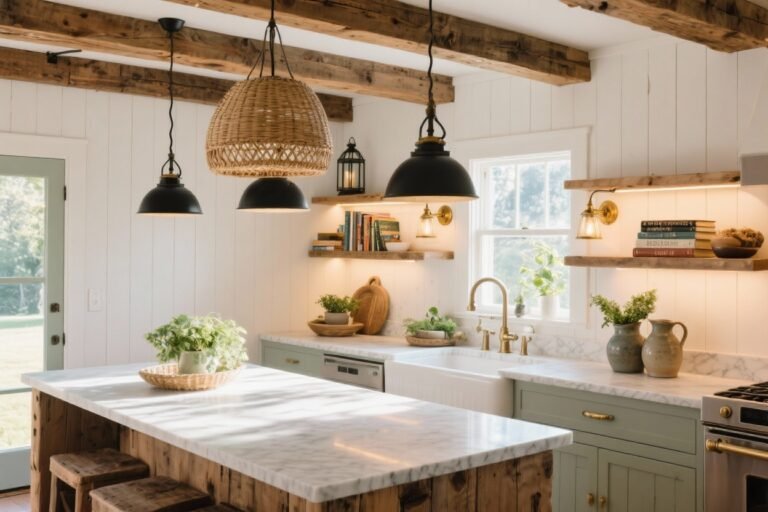
Want instant drama? Wrap your range hood or add exposed beams. These architectural accents bring scale and structure—without redoing the entire kitchen.
Go Big, Stay Balanced
A wood-wrapped hood in the same tone as your shelves ties the room together. Beams don’t need to be structural—lightweight faux beams work wonders and won’t test your ceiling joists’ patience.
- Tone-matching: Use the same stain family across hood, beams, and shelves for cohesion. Slight variation = character.
- Shape: Boxed beams with softened edges feel vintage; crisp edges skew modern farmhouse.
- Backsplash pairing: Keep tile simple (subway, zellige, or beadboard) so the wood focal points shine.
5. Layer Wood Accessories: Boards, Stools, and Little Moments
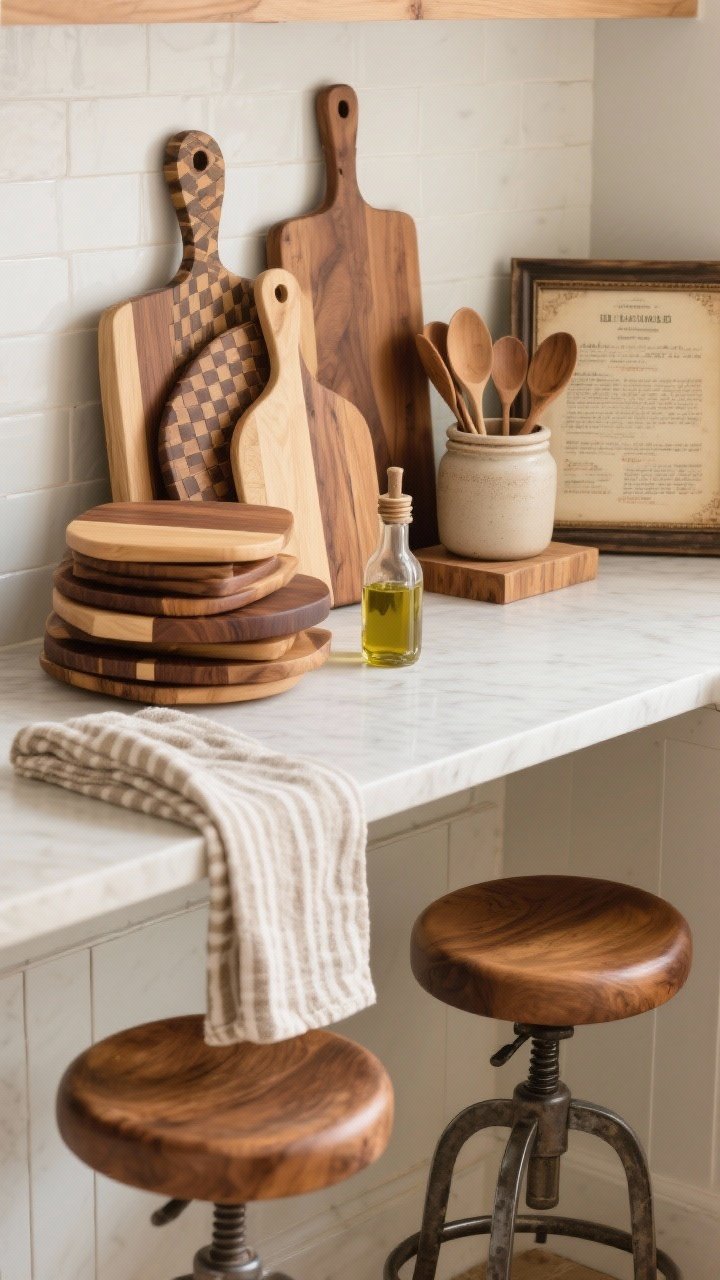
Even if you’re not ready for a full reno, you can nail the look with wood accents. Layer cutting boards, upgrade your bar stools, and bring in small wood details that make the space feel collected.
The Power of Little Things
Stack boards against the backsplash, lean a vintage breadboard, and tuck a wooden riser under your olive oil. Choose stools with wood seats and metal bases for that rustic-meets-industrial vibe. It’s the easiest way to add warmth without commitment, FYI.
- Cutting boards: Mix end-grain and paddle shapes in walnut, acacia, and maple for texture.
- Stools: Look for curved seats and low backs for comfort. Aged leather cushions = chef’s kiss.
- Other accents: Wood salt cellar, utensil crock with wooden spoons, framed vintage recipe cards.
- Textiles: Pair wood with nubby linen runners or striped cotton towels to soften the look.
Pro Tip: Keep the overall palette grounded: 70% light neutrals, 20% warm wood, 10% accent color (sage, inky blue, or coal). That ratio keeps things airy but not bland.
Care and Maintenance (Because Real Life Happens)
- Oil butcher block monthly at first, then quarterly. Sand out stains—no judgment.
- Use coasters and trivets on sealed wood to avoid heat rings and sad faces.
- Dust open shelves weekly; store less-used items up high and prettier basics at eye level.
Bottom line? A rustic farmhouse kitchen isn’t about perfection—it’s about warmth, texture, and pieces that actually get used. Start with one idea and layer from there. Before you know it, your kitchen will be the kind of place where everyone gathers (and refuses to leave).