5 Space-saving Decor Tips Every Small Living Room Needs to Look Huge

Your living room is tiny but your style? Absolutely not. Good news: with a few clever moves, you can make a small space feel airier, smarter, and way more polished—without knocking down a single wall. Ready to unlock extra square footage you didn’t know you had?
1. Float Your Furniture (Yes, Seriously)
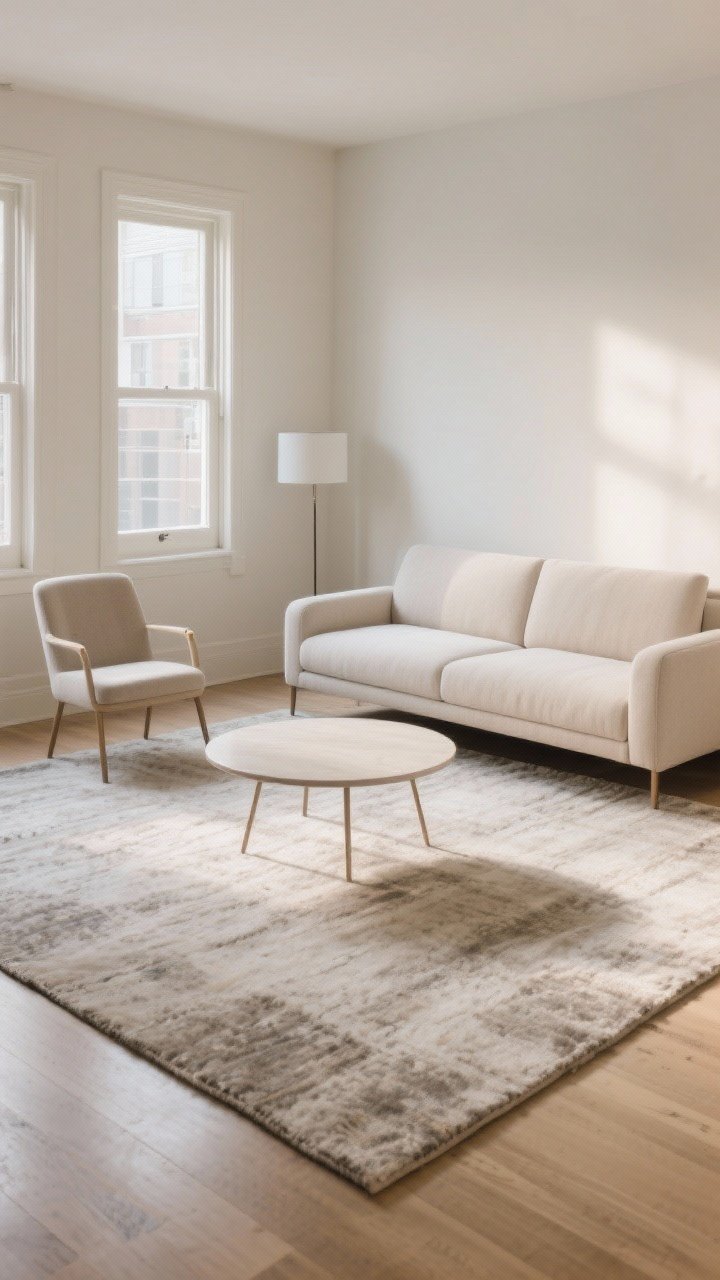
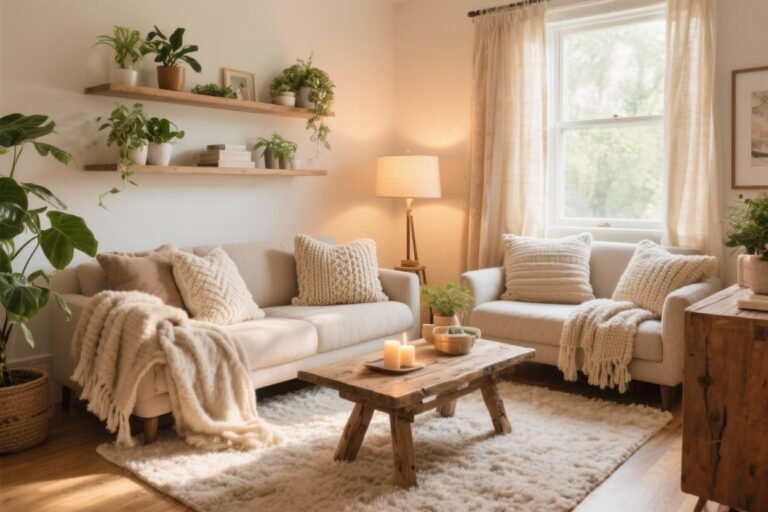
Pushing every piece against the wall seems logical, but it actually makes the room feel cramped and flat. Floating a sofa or a pair of chairs—even a few inches—creates breathing room and better flow.
Tired of snacking when you’re not even hungry? This reset helps you stop the loop and feel back in control.
A simple reset for moments when cravings take over. Easy to use, easy to repeat, and designed to help you feel satisfied instead of stuck.
How To Make It Work
- Anchor with a rug: Choose a rug that’s big enough to slide under the front legs of your seating. It visually stitches the layout together.
- Use slender silhouettes: Opt for a sofa with exposed legs or a tight back. Bulky arms = bulky feel.
- Create pathways: Leave 24–30 inches for walkways so the room feels easy to move through.
FYI: A round coffee table is your new BFF. It softens corners and keeps traffic flowing without bruised shins.
2. Go Vertical With Storage And Style
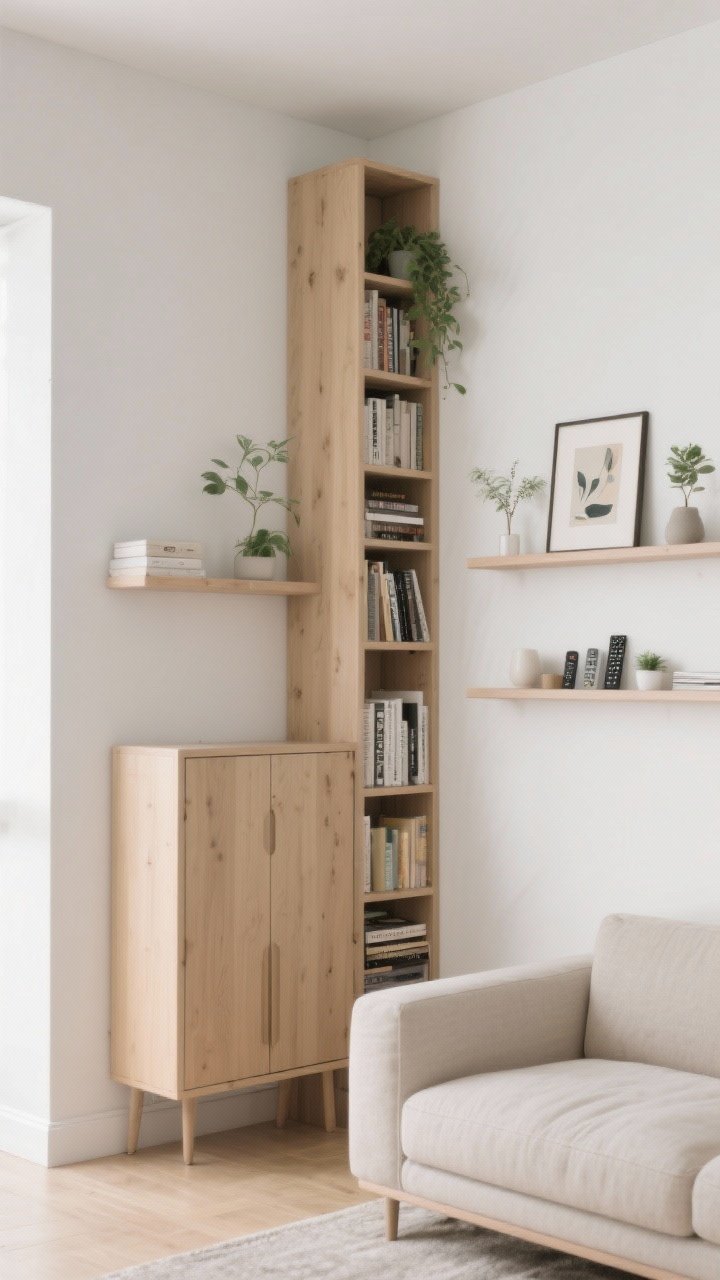
When floor space is scarce, think up. Tall bookcases, wall-mounted shelves, and slim vertical cabinets draw the eye upward and give you triple the storage without adding clutter.
Smart Vertical Moves
- Mount it: Floating shelves above the sofa or TV save space and look cleaner than chunky media units.
- Double-duty ledges: Picture ledges can display art and stash small books or remotes. Minimal effort, major payoff.
- Corner takeovers: A narrow corner shelf transforms dead zones into display gold.
Pro tip: Keep the top third airy—think plants, lighter decor, or even negative space—to avoid the “tower of stuff” effect.
3. Choose Multi-Taskers (Hidden Storage Or Bust)
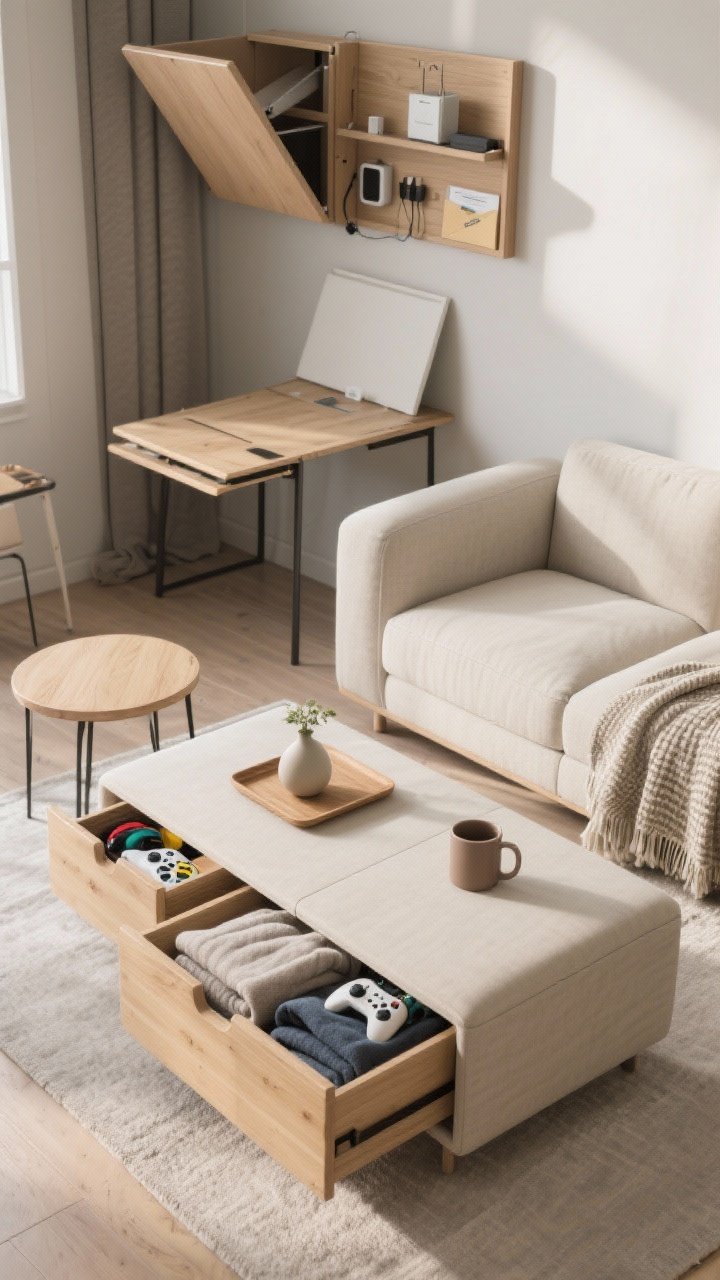
Every piece should earn its spot. If it doesn’t store, fold, nest, or hide something, why is it here?
Transform Your Home With 7,250+ Stunning Landscaping Designs—No Expensive Designers Needed!
- 🌿 Access 7,250+ stunning landscaping designs.
- 💰 Save thousands—no pro designer needed.
- 🏡 Plans for gardens, patios, walkways, and more.
- ✨ Simple, beginner-friendly DIY layouts.
- 🛠️ Customize any design to fit your yard.
Space-Savvy All-Stars
- Storage ottomans: Stash blankets, games, and cables inside. Use a tray on top, and it’s a coffee table too.
- Nesting tables: Pull them out when guests arrive, tuck them away when you want more floor space.
- Flip-top consoles: A slim console behind the sofa hides chargers and mail; bonus points for one with drawers.
- Slim benches: Slide a bench under a window for seating plus baskets underneath. Cute, practical, done.
IMO, a wall-mounted drop-leaf table is wildly underrated—desk by day, bar or buffet by night.
4. Light It Like A Stylist (Layers, Baby)
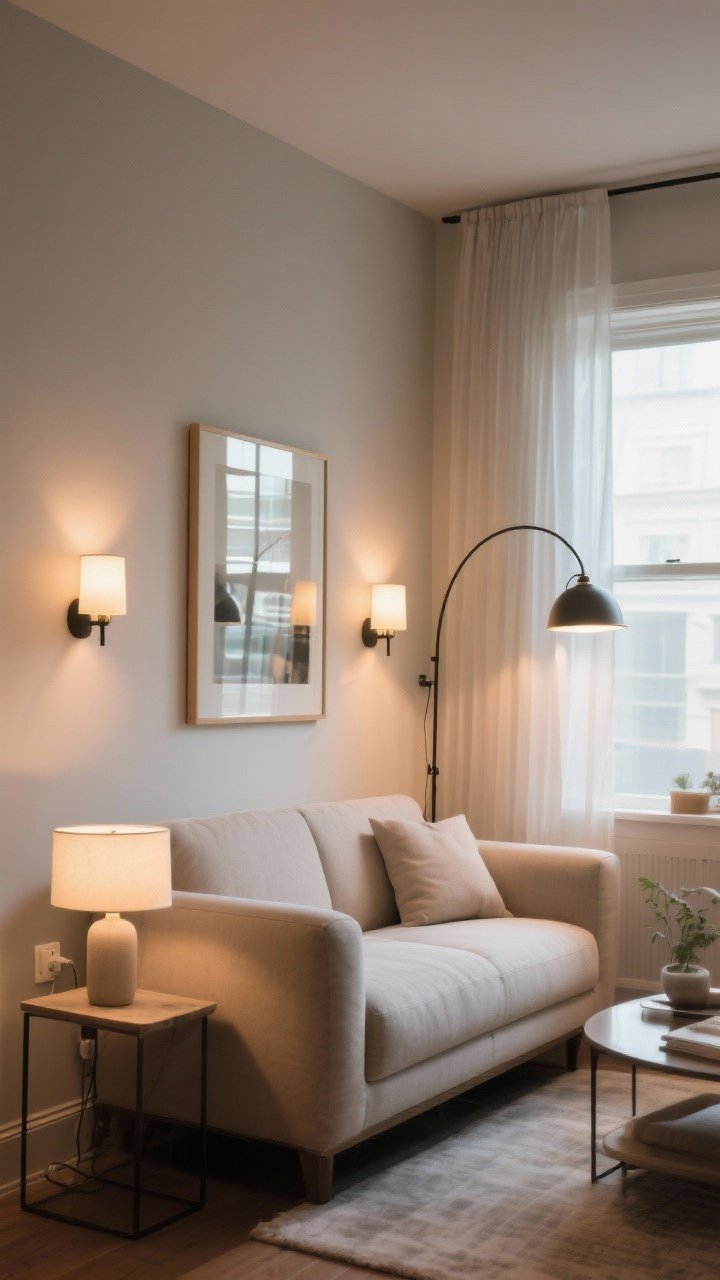
Bad lighting shrinks a room faster than a heavy velvet sofa. Layered lighting—ambient, task, and accent—adds depth and makes everything feel intentional and bigger.
Bright Ideas That Don’t Eat Floor Space
- Swap table lamps for sconces: Plug-in sconces are renter-friendly and free up surfaces.
- Arc or tripod floor lamps: They reach over seating without side tables, giving you glow and drama.
- Mirrors near light sources: Place a mirror across from a window or lamp to bounce brightness around.
- Sheer curtains: Let natural light flood in. If you need privacy, layer sheers with roller shades.
Keep bulbs warm (2700–3000K) so the room feels cozy, not clinical. Your couch will thank you.
5. Style With Airy Visuals (But Keep The Personality)
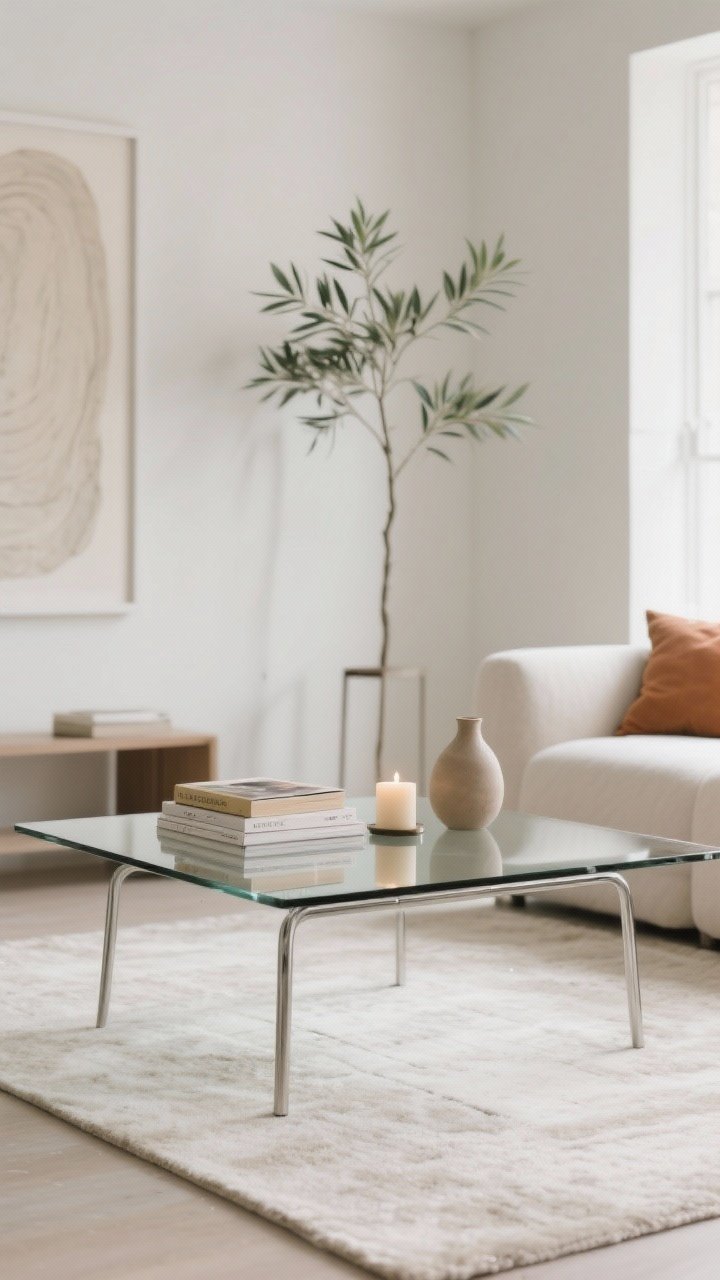
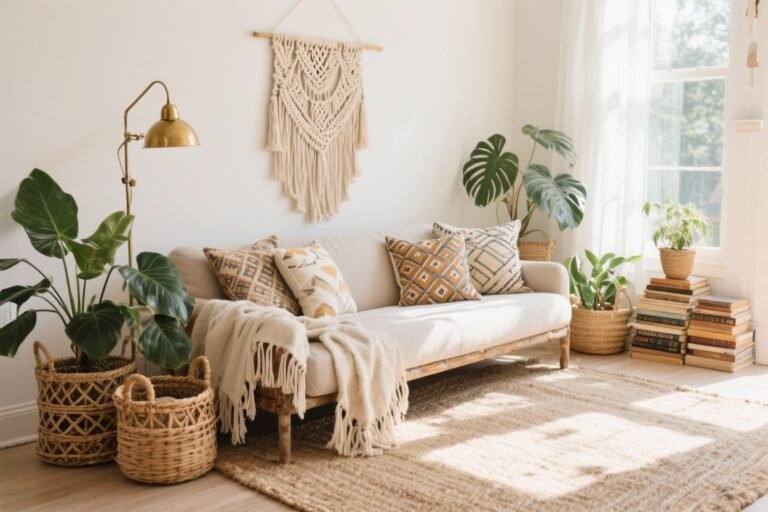
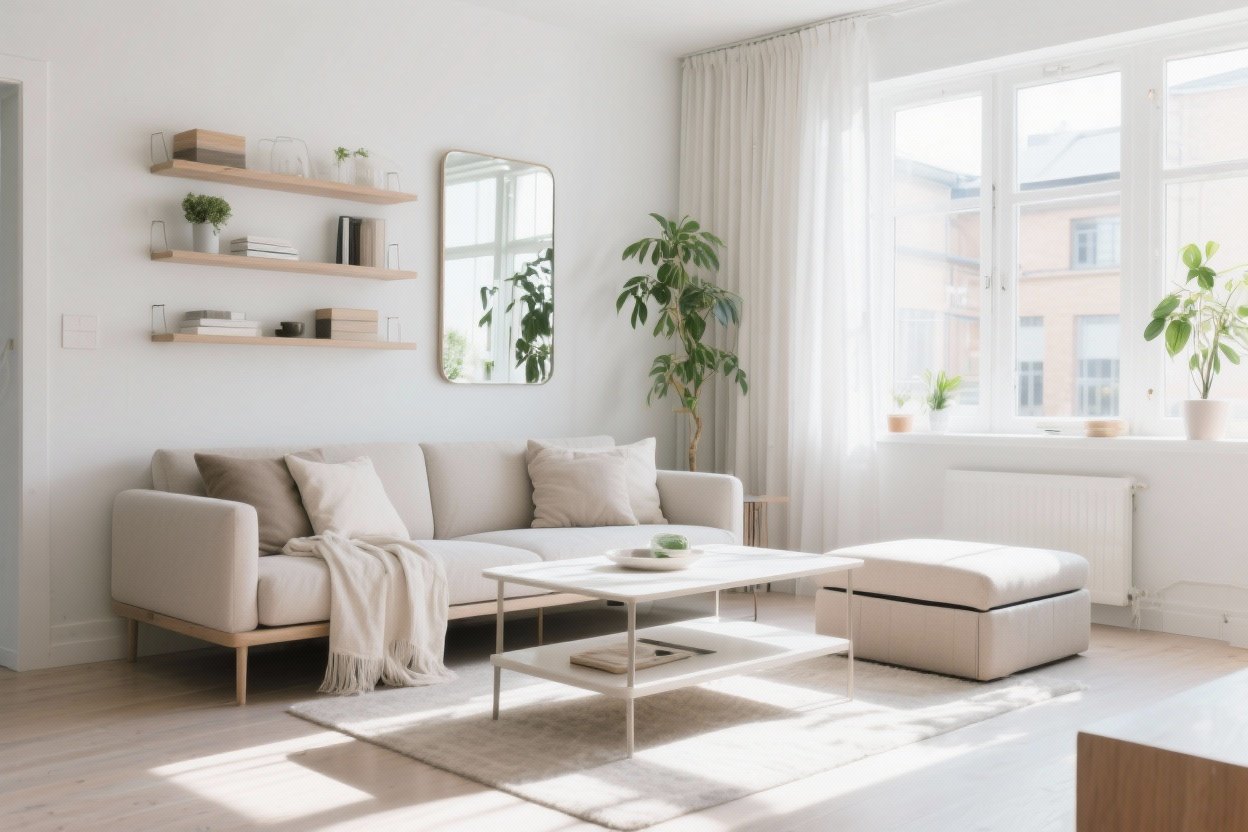
You don’t have to go minimal to make a small room work—just edit strategically. Use lighter tones, glass, and open shapes to keep things visually light while still adding texture and character.
Design Moves That Open Things Up
- Light, low-contrast palette: Think layered neutrals with pops of color in pillows or art. Fewer hard breaks = bigger feel.
- Glass and metal: A glass or acrylic coffee table creates the illusion of more space. Metal legs feel light and modern.
- Large-scale art (one or two pieces): One statement piece beats a busy gallery wall in tight quarters.
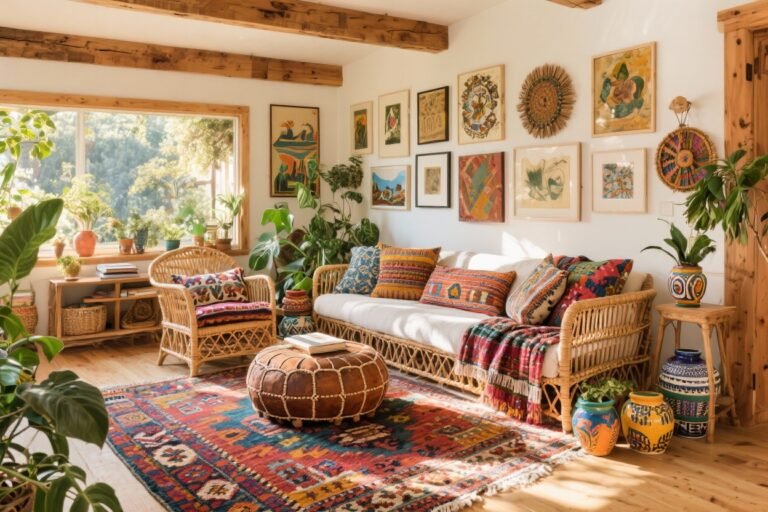
- Pattern control: Go bold on one hero—rug or curtains—not both. Let textures (linen, bouclé, wood grain) do the heavy lifting.
- Edit surfaces: Keep coffee tables 70% clear. A stack of books, a candle, and a small vase? Perfect.
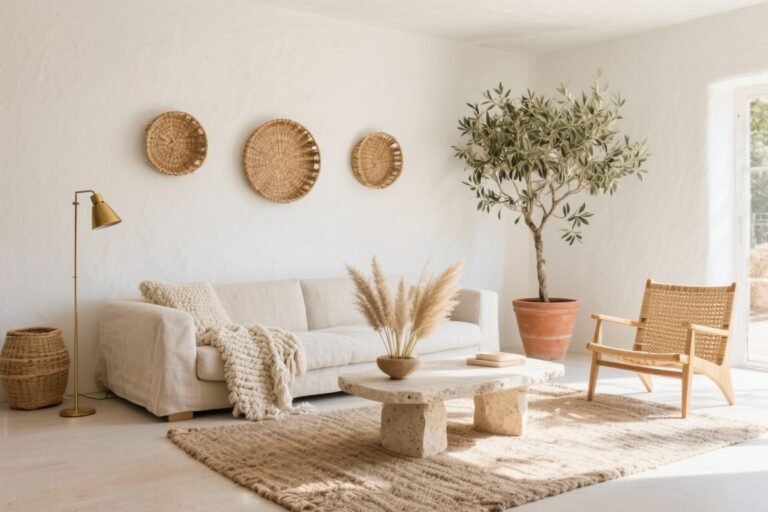
And yes, plants count as decor and mood boosters. Choose tall, slender varieties (like a dracaena or olive tree) to add height without bulk. FYI: a plant stand works like a mini skyscraper for greenery.
Small living room, big vibes—that’s the goal. Start with one tweak (float that sofa, hang those sconces), then build from there. You’ll be shocked how much “new space” you discover when every piece pulls its weight and the room finally breathes. You’ve got this.