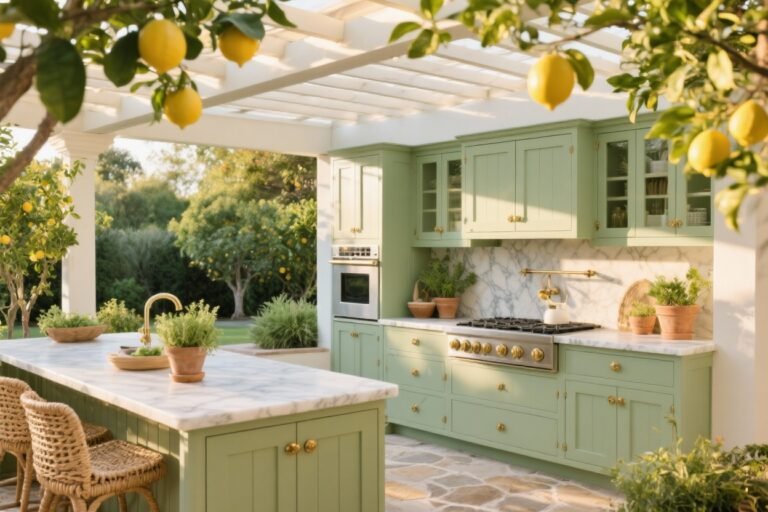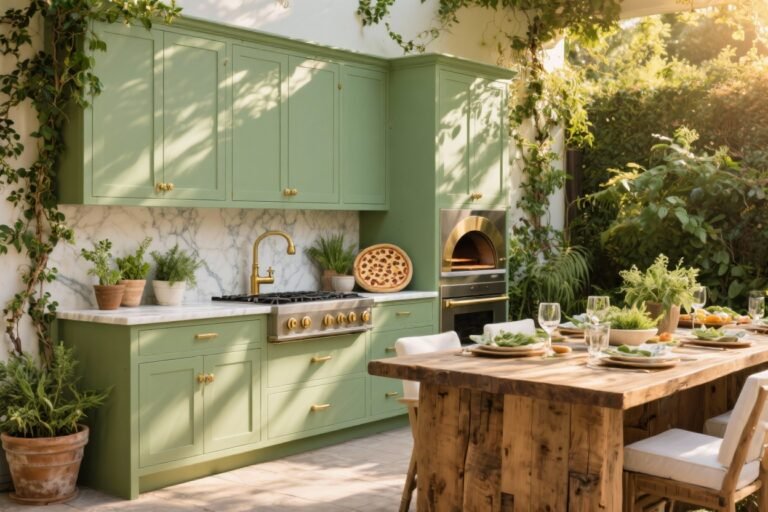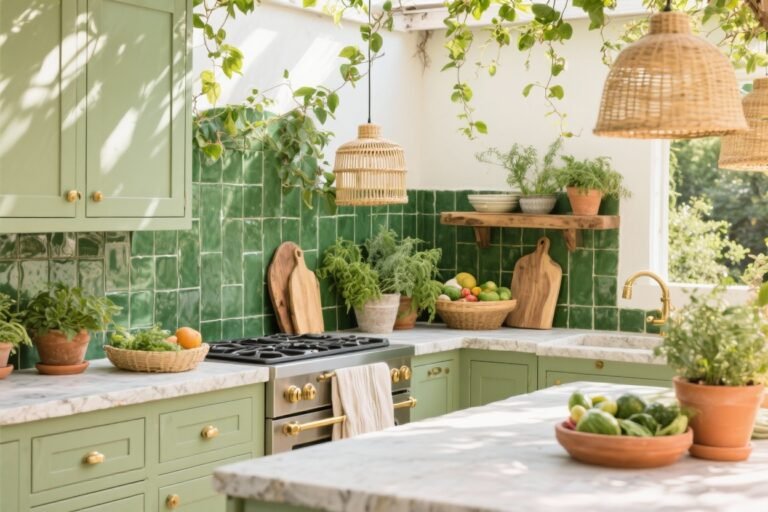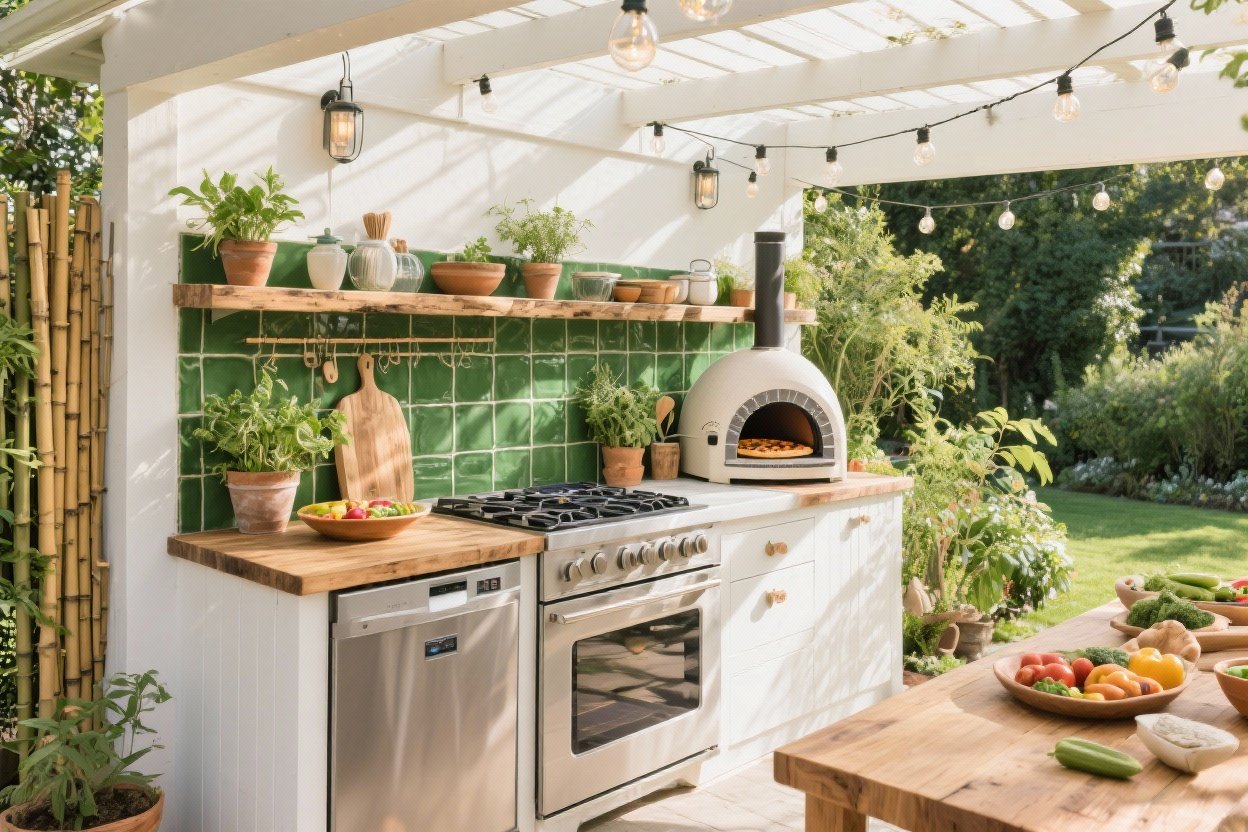
10 Green Kitchen Ideas for Eco-friendly Outdoor Cooking You’ll Actually Love
Ready to make your outdoor cooking space a total vibe and kinder to the planet? Let’s build an eco-friendly outdoor kitchen that sizzles with style, saves energy, and looks ridiculously good in photos. No crunchy granola required—just clever design, durable materials, and smart swaps that make a real difference.
1. Build With Honest, Low-Impact Materials

Start with the bones. The materials you choose set the tone for everything else—both visually and environmentally. Think reclaimed wood, recycled steel, and locally sourced stone that can take a beating outdoors and still look chic.
Tired of snacking when you’re not even hungry? This reset helps you stop the loop and feel back in control.
A simple reset for moments when cravings take over. Easy to use, easy to repeat, and designed to help you feel satisfied instead of stuck.
Smart Material Moves
- Countertops: Recycled glass terrazzo or concrete with fly ash looks luxe and lasts.
- Cabinetry: FSC-certified or reclaimed hardwood sealed with low-VOC finishes.
- Flooring: Reclaimed brick or sustainably harvested decking that won’t warp after one rainy season.
FYI: Avoid tropical hardwoods unless they’re transparently certified. Your deck shouldn’t come with a side of rainforest guilt.
2. Choose Efficient, Cleaner-Burning Cook Gear
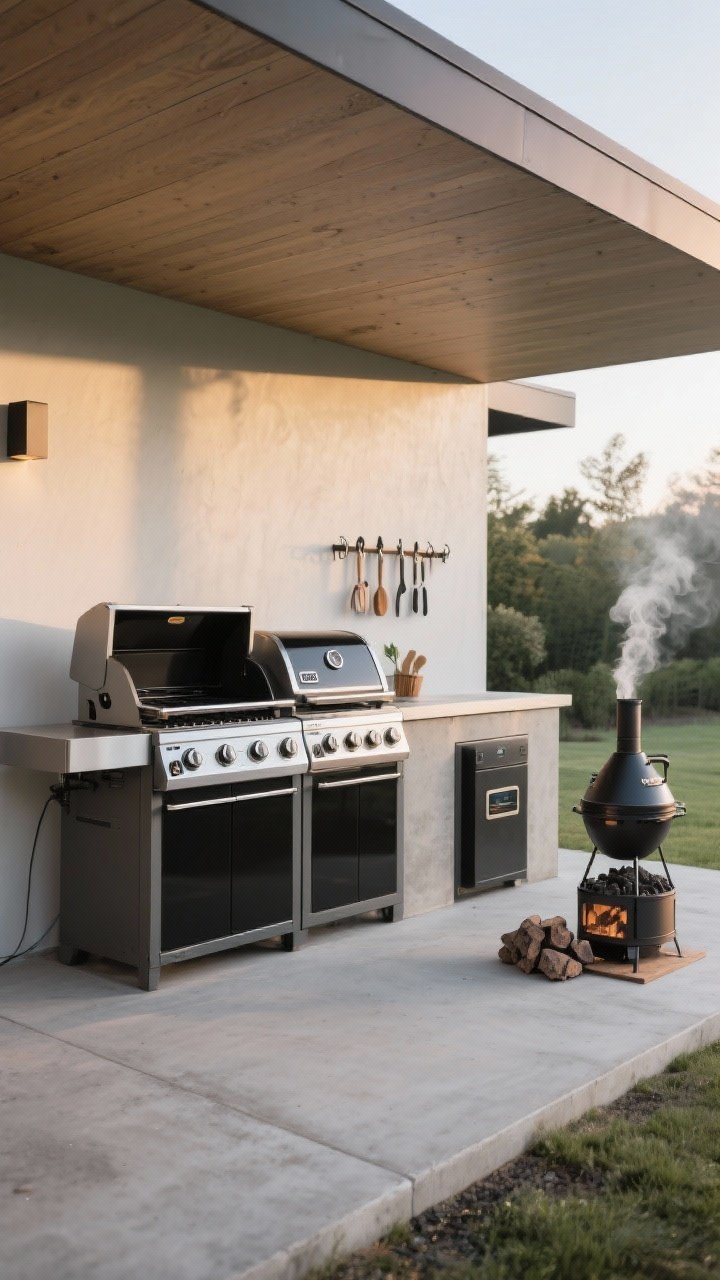
This is where the magic—and the carbon savings—happen. Traditional charcoal? Smoky. Cozy. Not super clean. You’ve got greener choices that still deliver killer flavor.
Greener Cooking Options
- Infrared or electric grills: Faster heat, less energy waste, great for weeknights.
- High-efficiency gas grills: Burn cleaner than charcoal and offer precise control.
- Pellet grills: Use compressed sawdust (a waste byproduct) for smoky flavor minus the soot storm.
- Rocket stoves: Hyper-efficient for camping-style cooking with tiny fuel input.
And if you’re team charcoal, choose lump charcoal from sustainably managed sources and skip lighter fluid. A chimney starter is cheaper, faster, and doesn’t smell like a gas station.
3. Power It With The Sun (Quietly)

Outdoor kitchens don’t need to sound like an airport. Ditch noisy generators and tap the sun instead. Solar panels paired with a small battery can power lights, outlets, and even a compact fridge.
Transform Your Home With 7,250+ Stunning Landscaping Designs—No Expensive Designers Needed!
- 🌿 Access 7,250+ stunning landscaping designs.
- 💰 Save thousands—no pro designer needed.
- 🏡 Plans for gardens, patios, walkways, and more.
- ✨ Simple, beginner-friendly DIY layouts.
- 🛠️ Customize any design to fit your yard.
Sun-Powered Setup
- Roof-mount or pergola panels: Dual-purpose shade and energy.
- Solar-powered lights: Path markers, string lights, and wall sconces.
- Portable power station: Charge tools, blenders, and speakers without tripping a breaker.
Pro tip: If full solar isn’t in the budget, start with low-voltage LED lighting and add panels later. You’ll save energy right away.
4. Design For Shade, Breeze, And Natural Light

Comfort equals fewer energy hogs. Build your layout around what nature already gives you: shade, airflow, and daylight. Form + function + fewer utility bills.
Breeze-Forward Design
- Orient the cook zone: Put grills downwind from where people sit (smoke-free cocktails, yes please).
- Pergolas and shade sails: Lower radiant heat so you don’t need fans blasting.
- Light-colored surfaces: Reflect heat and keep prep zones cooler.
- Clerestory gaps or louvered panels: Encourage hot air to rise and escape like it’s supposed to.
Bonus: Use daylight-friendly finishes like pale stone and stainless for bounce lighting that makes everything look editorial.
5. Add A Water-Smart Sink Station

A sink outdoors is wildly convenient. It’s also a water-saver if you design it right. Skip wasteful fixtures and build a system that treats water like the precious thing it is.
Hydration, But Make It Sustainable
- Low-flow, lever-handle faucet: Easy on/off with messy hands, less water waste.
- Foot pedal valve: Sneaky efficient and surprisingly satisfying to use.
- Greywater routing: Use rinsing water for landscape irrigation where local codes allow.
- Rain barrel: Feed a prep sink or garden hose with harvested rainwater for plant care and cleanup.
Keep a two-basin wash system for produce: one to soak with a splash of vinegar, one to rinse. You’ll use less water and keep grit off your cutting board.

6. Plant An Edible, Pollinator-Friendly Perimeter
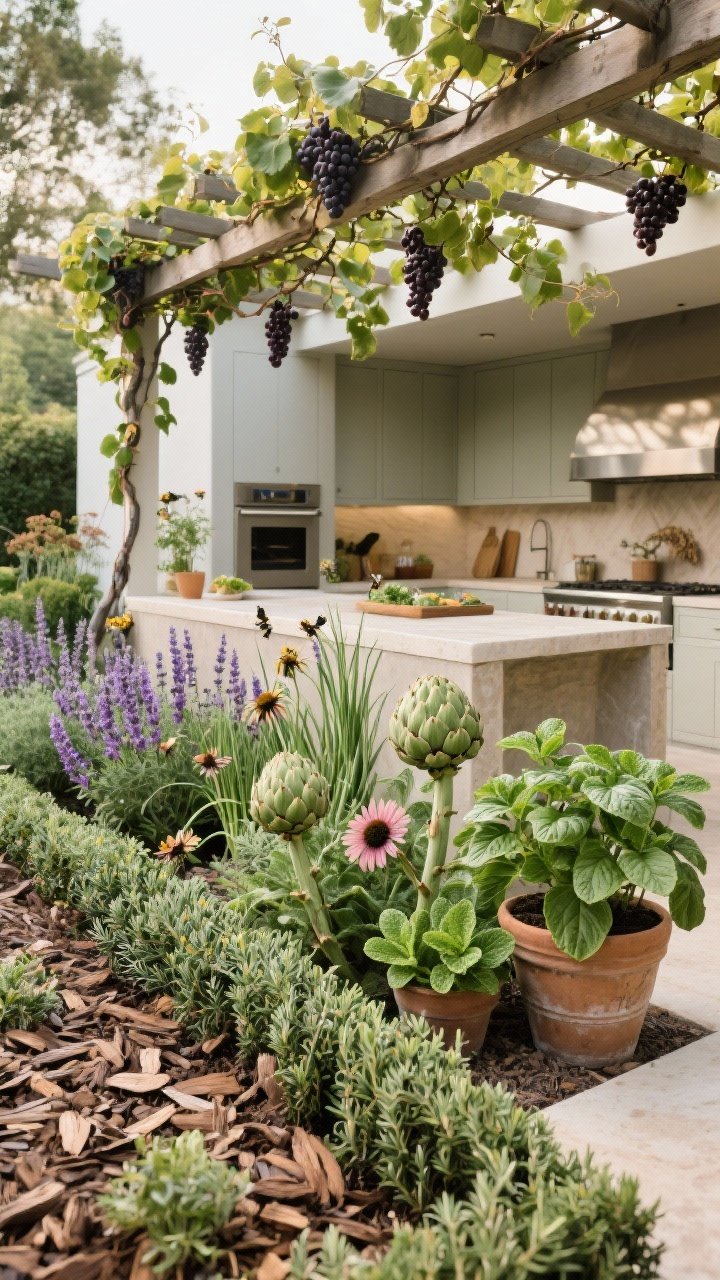
Why truck herbs across town when you can snip them five feet from the grill? Edibles look gorgeous and cut packaging waste. Plus, pollinator plants bring bees and butterflies—aka free garden labor.
What To Plant
- Herbs: Rosemary hedges, thyme groundcover, basil in containers, mint in pots so it doesn’t take over.
- Climbers: Grapevines or passionfruit on a pergola for shade and snacks.
- Perennial favorites: Artichokes, rhubarb, and chives for structure and color.
- Pollinator lure: Lavender, salvia, echinacea—pretty and purposeful.
Mulch with wood chips or cocoa husks to retain moisture and keep weeds in check. Your irrigation bill will chill out too.
7. Rethink Cold Storage The Efficient Way
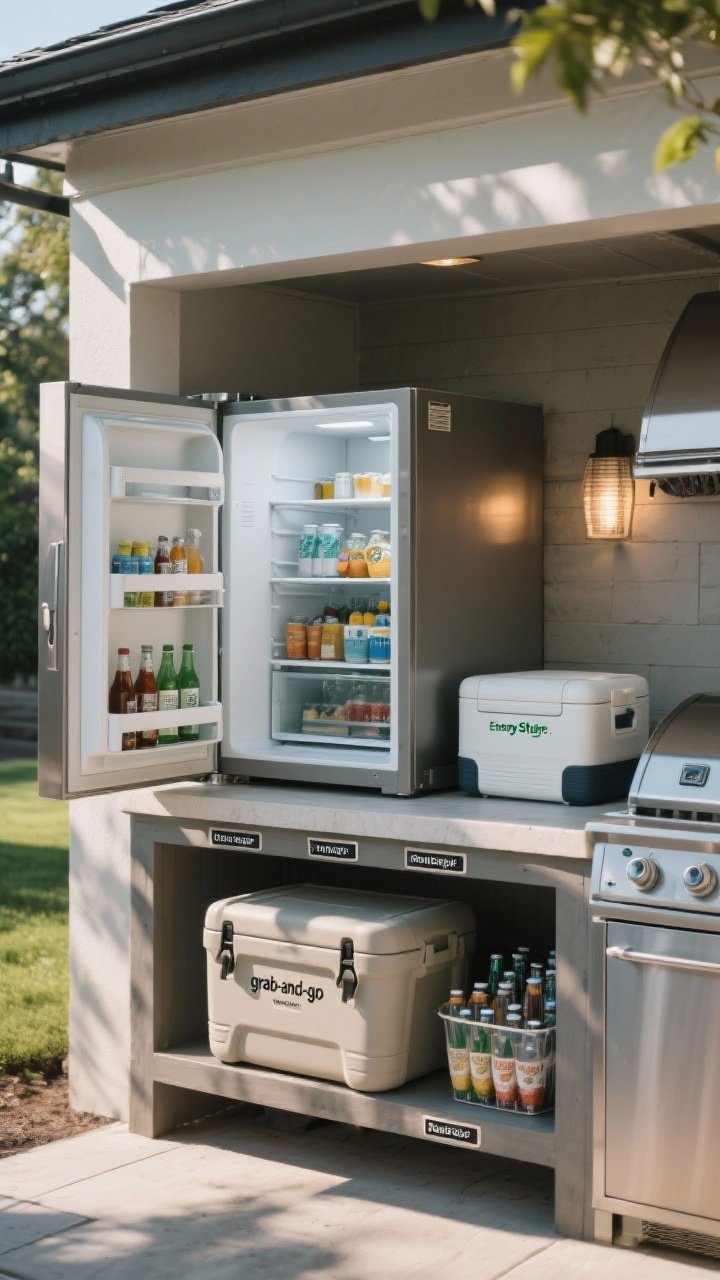
Outdoor fridges can be sneaky energy hogs—especially the cheap ones. Pick wisely and size down. You don’t need a beer warehouse, just smart cold storage.
Chill Without The Guilt
- Energy Star-rated outdoor fridge: Insulated for heat, sealed for weather, sized to your actual needs.
- Drawer coolers: Open less air volume at once, which saves energy.
- High-quality rotomolded cooler: For parties, it keeps ice for days with zero plug-ins.
- Thermal zone planning: Shade the fridge, keep it away from grills and direct sun.
Label shelves and keep a “grab-and-go” bin for drinks to avoid constant door opening. It’s basically energy efficiency by organization.
8. Compost Like A Pro (Without The Smell)

Outdoor cooking creates scraps. Good news: that’s compost gold. Set up a system that’s clean, discreet, and doesn’t attract every raccoon in a three-mile radius.
Clean Compost Strategies
- Counter caddy with charcoal filter: Holds peels and coffee grounds without the funk.
- Sealed, rodent-proof bin: Stainless steel or heavy-duty plastic with a locking lid.
- Bokashi system: Ferments kitchen waste fast—great if you’re short on yard space.
- Do-don’t list posted nearby: Do: veg scraps, eggshells. Don’t: meat, dairy (unless your system can handle it).
Add a nearby stash of brown material (shredded cardboard, dried leaves) to balance green scraps. No slime, no stink, just soil magic.
9. Style With Durable, Planet-Friendly Finishes
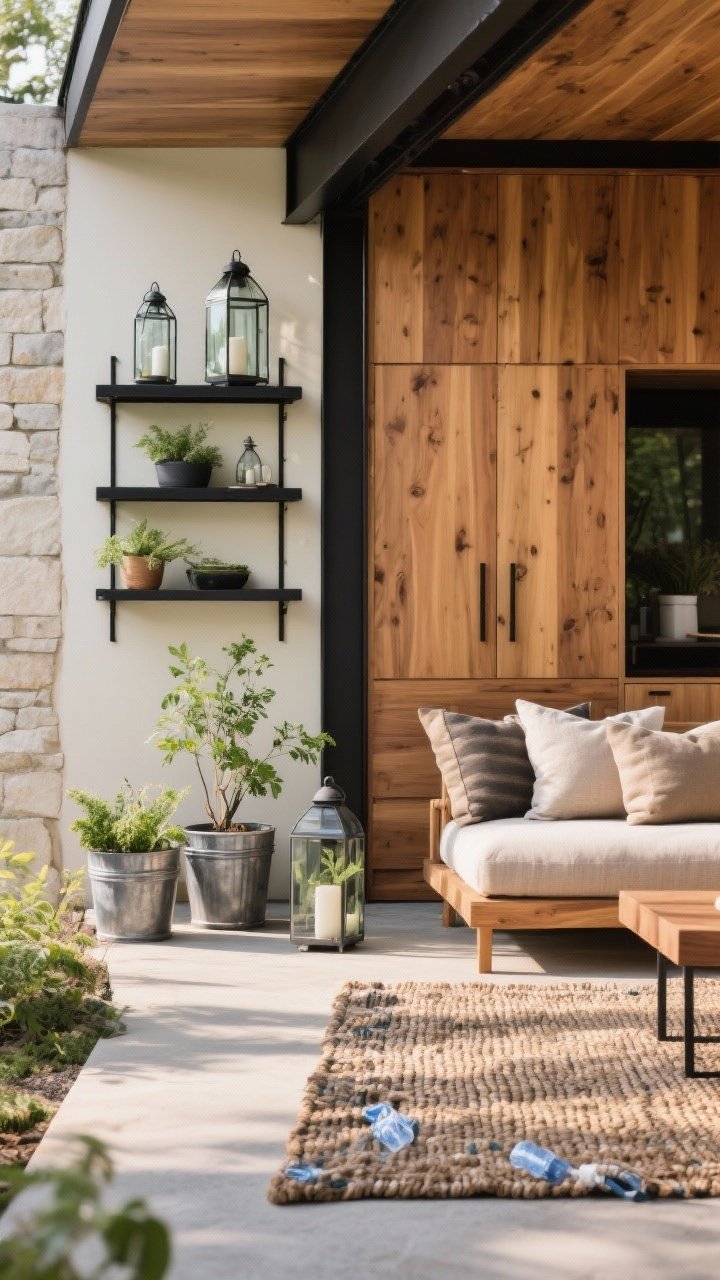
Yes, we’re going to talk aesthetics because you’re building a space to love. Choose finishes that are low-tox, long-lasting, and easy to clean so you’re not constantly replacing stuff.
Low-Impact Style Picks
- Low- or zero-VOC sealers and stains: Better air quality, less off-gassing.
- Powder-coated metals: Super durable, recyclable, and color-stable.
- Recycled or recyclable decor: Metal planters, glass lanterns, and outdoor rugs from recycled PET.
- Natural textiles: Solution-dyed performance fabrics resist fading and mildew with fewer harsh treatments.
For a pulled-together look, keep a tight palette: warm woods, matte black metal, and pale stone. It’s timeless, forgiving, and goes with every season’s herb bouquet.
10. Make Cleanup Zero-Waste(ish) And Low-Effort
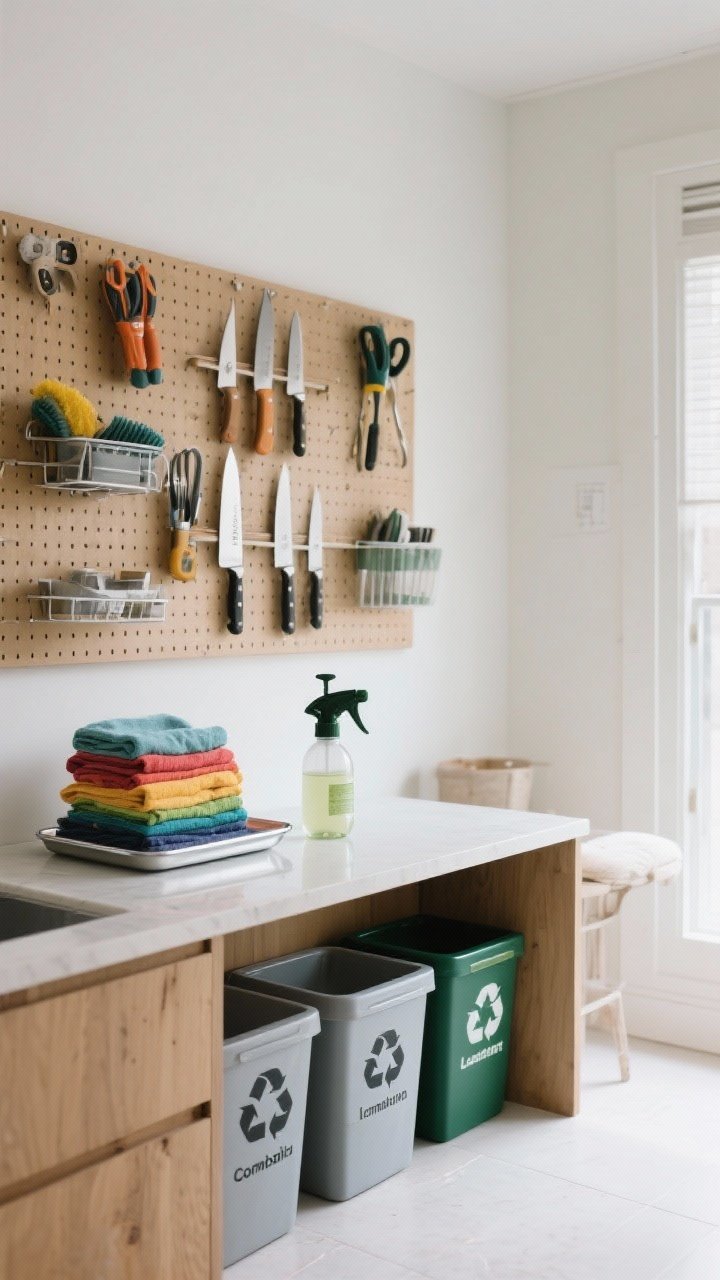
The greenest kitchen is the one you actually use. Streamline cleanup so you’re not tempted by disposables. It’s about smart storage and a tiny bit of planning.
Cleanup That Doesn’t Kill The Mood
- Color-coded cloths: One for prep, one for counters, one for grills—wash and reuse.
- Rechargeable pressure sprayer: Dilute eco-friendly soap for quick wipe-downs.
- Stainless or enamel trays: Carry everything out in two trips, not twenty. Fewer drops, fewer paper towels.
- Sort-as-you-go station: Clearly labeled bins for recycling, compost, and landfill. Make the right choice the easy choice.
IMO, a magnetic knife strip and a pegboard for tools are game changers. Dry fast, store clean, and it all looks pro.
Bonus Habit Tweaks
- Marinate in glass containers, not zip bags.
- Use beeswax wraps for leftovers and silicone lids for bowls.
- Keep reusable metal skewers and grilling baskets on deck to skip single-use sticks and foil.
Conclusion

Eco-friendly outdoor kitchens aren’t about deprivation; they’re about design that works smarter and looks better. Choose tough, honest materials, lean into efficient cooking gear, and build comfort with shade, airflow, and smart water use. Add fresh herbs, solar power, and a cleanup setup you’ll actually stick to, and you’ve got a space that’s planet-kind and party-ready.
Start with one or two ideas from this list and layer in the rest over time. Your backyard—and the planet—will thank you. Now go preheat that grill and pluck some basil. You’ve got this.