10 Lavender Garden Ideas That Smell As Good As They Look
Want a garden that looks dreamy and smells even better? Lavender delivers big color, bigger fragrance, and surprisingly low maintenance. These ideas help you plant smarter, design prettier, and harvest like a pro. Ready to turn bees into superfans and your yard into a chill-out zone?
1. Build A Sun-Drenched Lavender Border
Tired of snacking when you’re not even hungry? This reset helps you stop the loop and feel back in control.
A simple reset for moments when cravings take over. Easy to use, easy to repeat, and designed to help you feel satisfied instead of stuck.
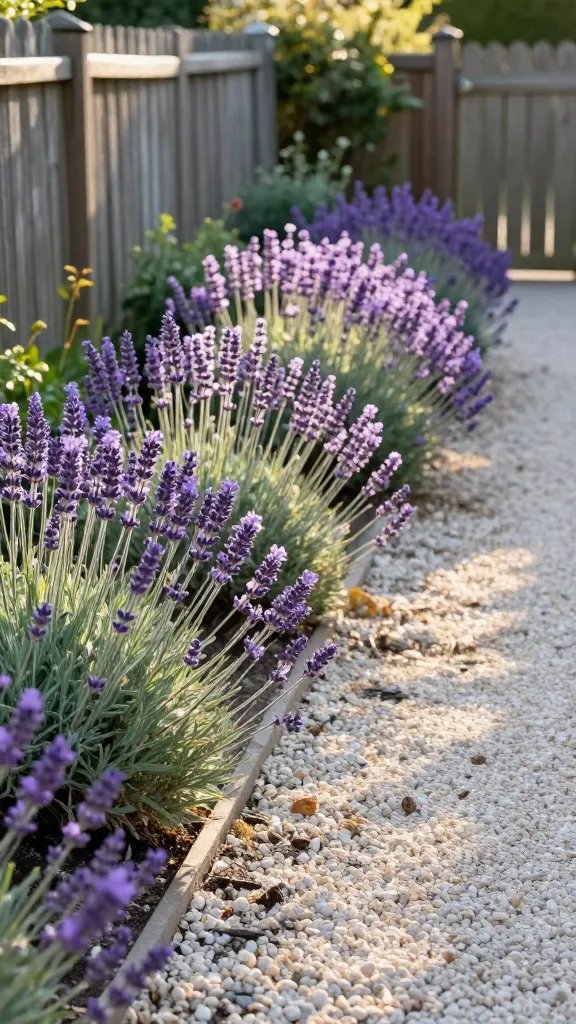
Lavender thrives along paths and fences where heat reflects and drains well. A border packs color and scent right where you walk, plus it softens hard edges with romantic texture.
Key Tips:
- Choose full sun (6–8 hours minimum) with well-drained soil.
- Amend heavy soil with grit, coarse sand, or pea gravel.
- Space plants 18–24 inches apart for airflow.
Mix varieties like ‘Hidcote’ (deep purple) and ‘Munstead’ (compact and classic) for a layered look. You’ll get a fragrant welcome every time you step outside.
2. Create A Mediterranean Gravel Courtyard
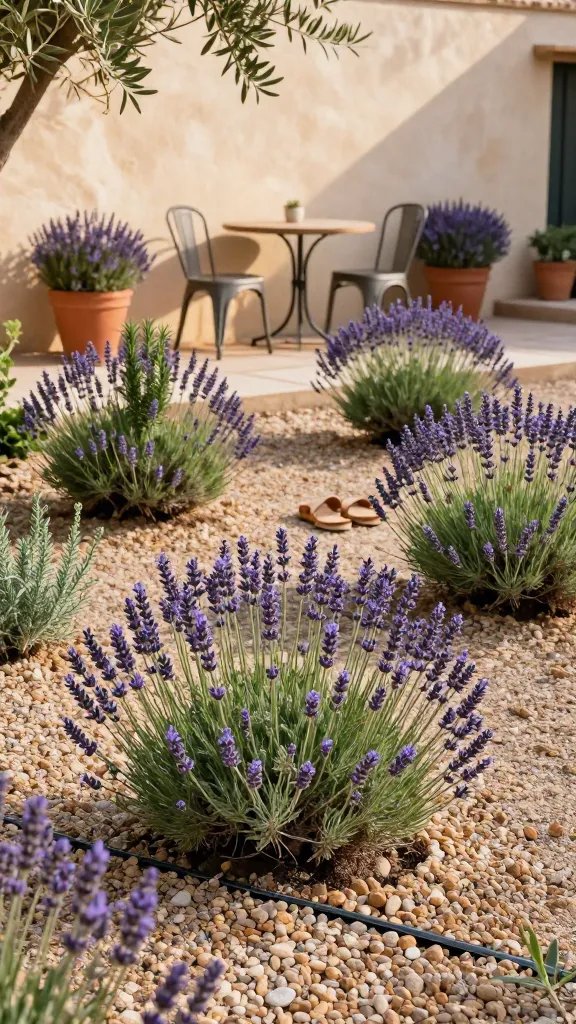
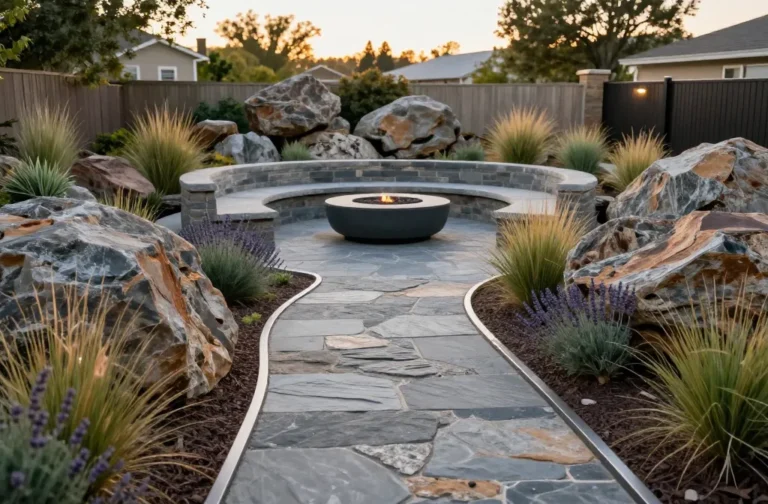
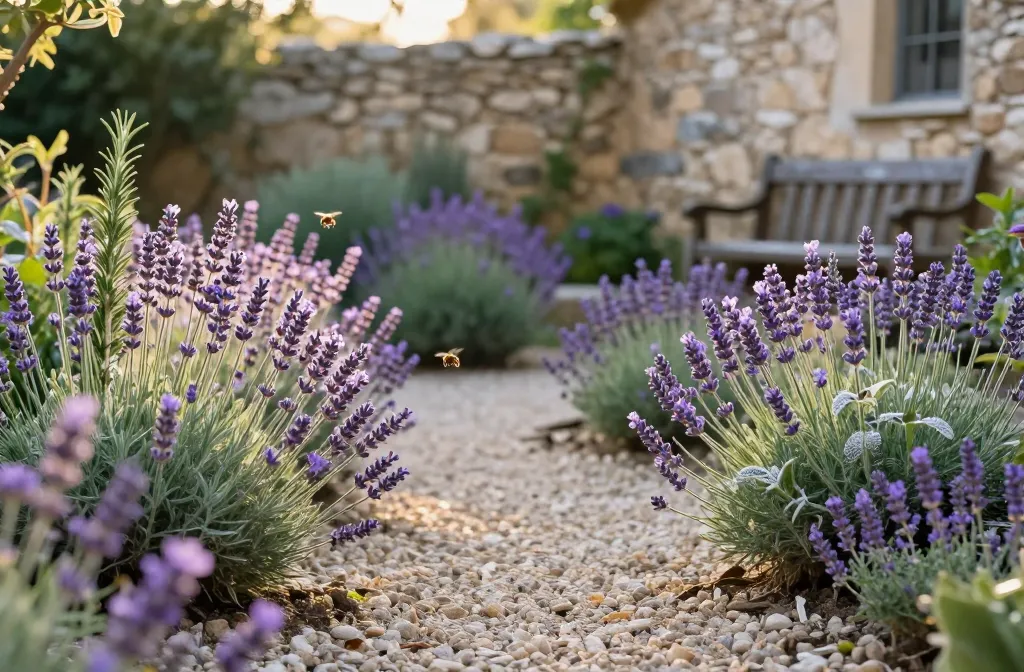
Want instant vacation vibes? Lavender loves gravel, heat, and stingy watering—aka Mediterranean conditions. A gravel courtyard turns tricky spots into a chic, low-water hangout.
Transform Your Home With 7,250+ Stunning Landscaping Designs—No Expensive Designers Needed!
- 🌿 Access 7,250+ stunning landscaping designs.
- 💰 Save thousands—no pro designer needed.
- 🏡 Plans for gardens, patios, walkways, and more.
- ✨ Simple, beginner-friendly DIY layouts.
- 🛠️ Customize any design to fit your yard.
How To Set It Up:
- Lay 2–3 inches of decomposed granite or pea gravel over landscape fabric.
- Plant lavender through cut openings, then top up gravel to insulate roots.
- Combine with rosemary, sage, and thyme for a fragrant quartet.
This setup drains fast, discourages weeds, and looks elegant year-round. Bonus: sandals, sunshine, and a spritz of lemonade pair perfectly.
3. Design A Bee-Highway With Pollinator Companions
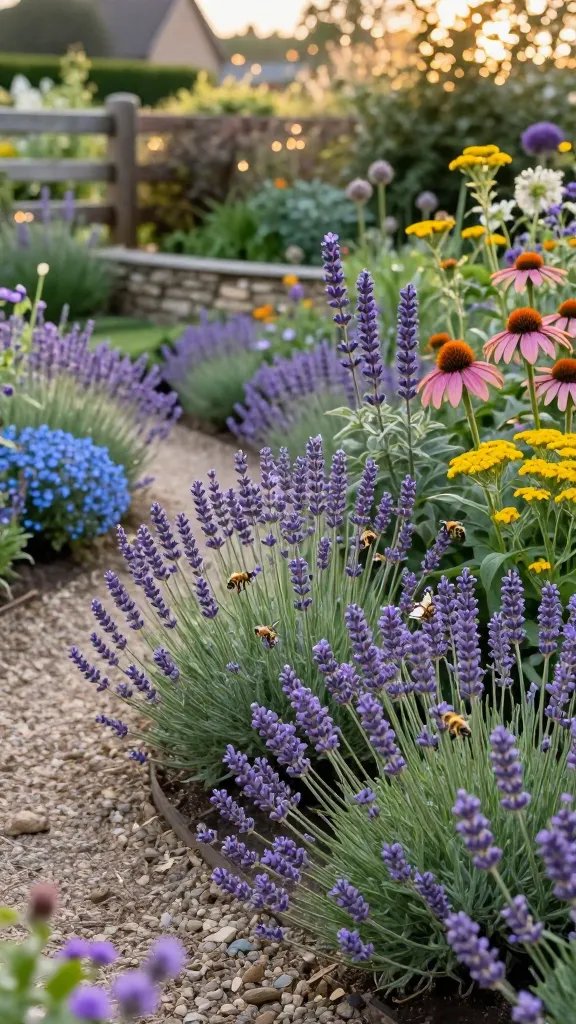
Lavender is a pollinator magnet. Pair it with other nectar-rich plants to create a nonstop buffet that keeps bees and butterflies coming back.
Best Companions:
- Catmint (Nepeta) for early color waves
- Salvia for vertical spikes and mid-season bloom
- Echinacea and Yarrow for summer stamina
- Alliums for spring fireworks
Stagger bloom times so something’s always flowering. You’ll support pollinators and get a garden that hums—literally.
4. Plant A Low-Hedge For Structure And Scent
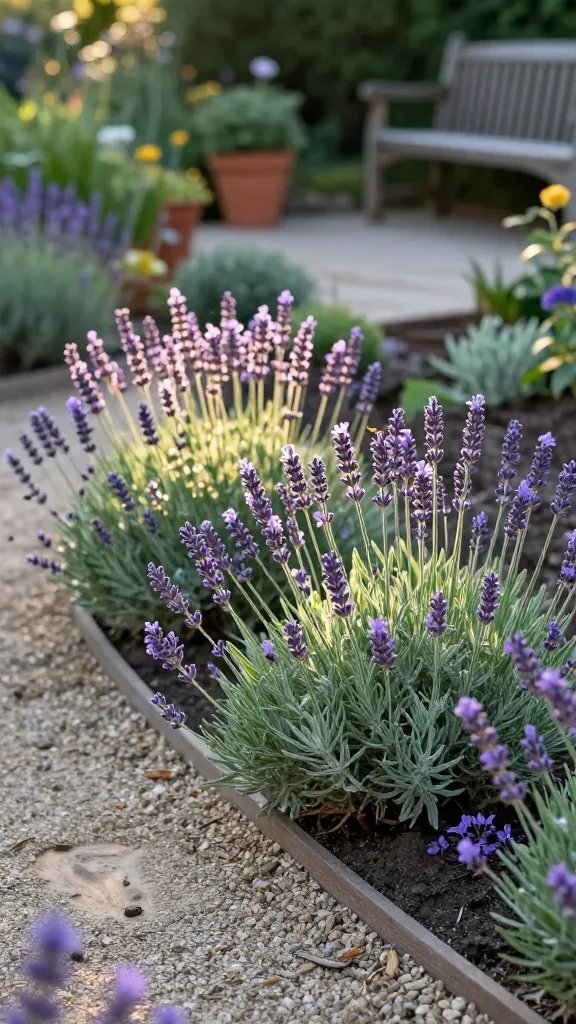
Swap boxwood for lavender and get movement, color, and fragrance without the fuss. Low hedges frame beds, walks, and patios while staying friendly and informal.
Best Varieties For Hedges:
- Lavandula angustifolia ‘Munstead’ for neat form
- ‘Hidcote’ for rich purple flowers and tight habit
- ‘Little Lady’ or ‘Dwarf Blue’ for tighter spaces
Prune lightly after bloom to keep the dome shape. You get structure without stiffness—like a blazer that’s somehow comfy.
5. Go Big With A Monochrome Lavender Slope
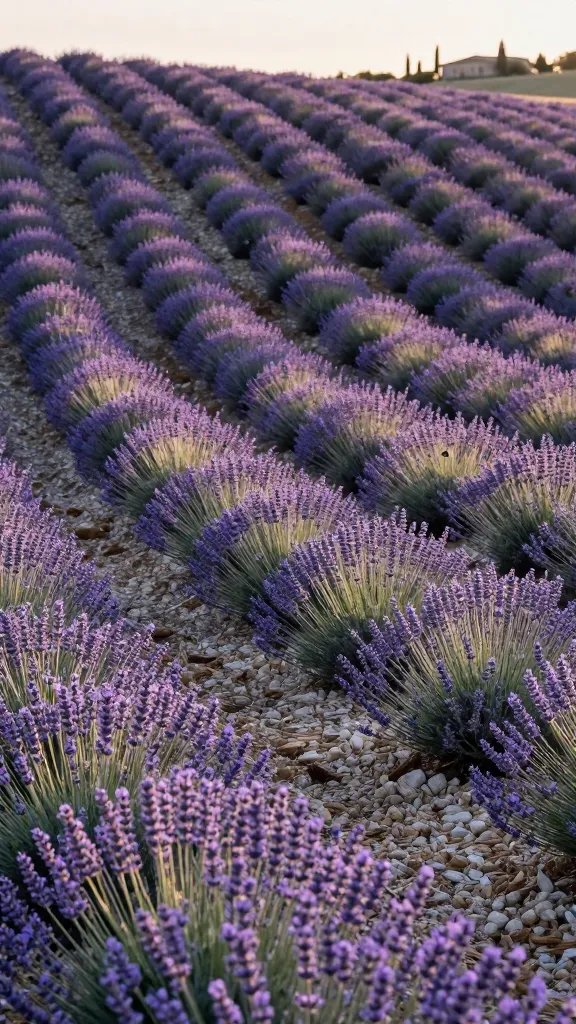
Got a sunny, sloped eyesore? Lavender turns it into a rolling wave of color. The plant’s drought tolerance and love for good drainage make slopes their happy place.
Planting Strategy:
- Terrace lightly or create shallow contour swales to slow water runoff.
- Mix a few cultivars for bloom succession but keep a unified palette.
- Mulch with gravel to prevent erosion.
The result looks curated and effortless, like you hired a landscape architect who moonlights in Provence. FYI: mowing that slope would be worse.

6. Pot Up A Patio Perfume Bar
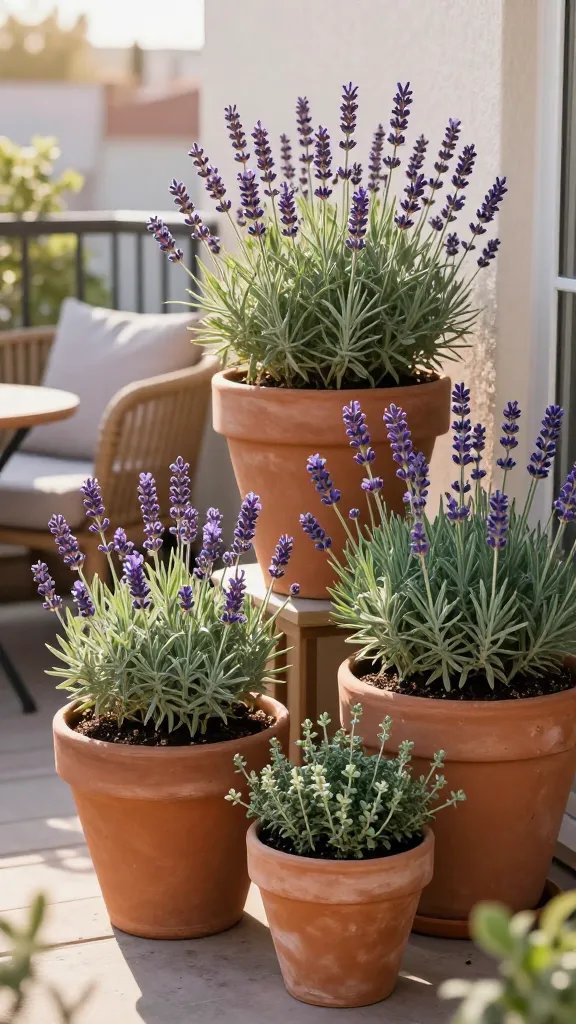
No yard? No problem. Lavender crushes it in containers and brings the scent right to your seating area. Containers also help if your soil drains poorly.
Container Musts:
- Use terracotta or breathable pots with large drainage holes.
- Choose a gritty mix: potting soil + perlite + coarse sand.
- Pick compact types like ‘Thumbelina Leigh’ or ‘Peter Pan’.
Group 3–5 pots with different heights and add herbs like thyme to spill over. Light pruning keeps everything tidy and Instagram-ready.
7. Craft A Fragrance Walkway With Stepables
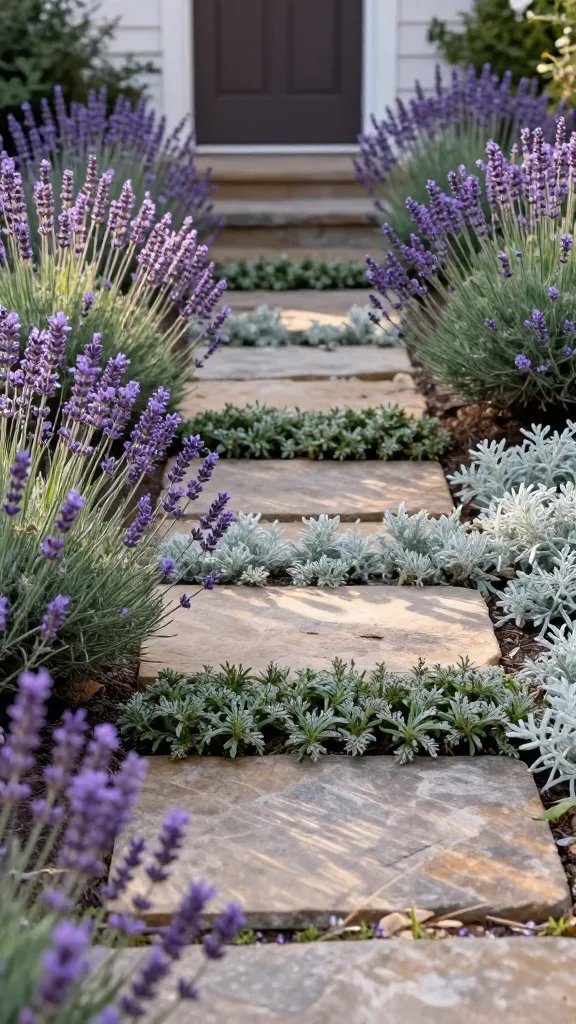
Imagine brushing past lavender every time you head to the door. Add stepable herbs and you’ll crush out scent underfoot—instant aromatherapy.
Layout Ideas:
- Alternate lavender with creeping thyme along a flagstone path.
- Use dwarf lavender near steps to avoid snagging.
- Edge with silver foliage plants like artemisia for contrast.
You’ll get a sensory experience plus tidy lines that guide the eye. It’s practical, pretty, and low-key indulgent, IMO.
8. Mix Forms: Spikes, Mounds, And Silvers For Texture
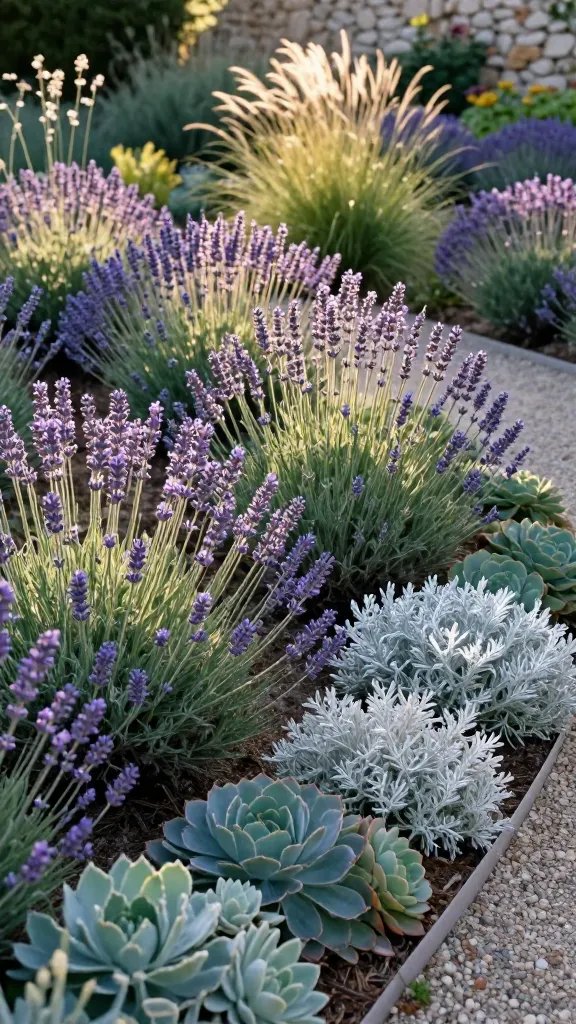
Great gardens nail texture. Lavender’s spiky blooms and soft mounds look magic with velvety and linear plants nearby.
Texture Combos That Pop:
- Lavender + ornamental grasses (Stipa, Pennisetum) for movement
- Lavender + succulents (sedum, echeveria) for sculptural calm
- Lavender + helichrysum or lamb’s ear for silver-on-silver bliss
Play with heights and foliage shapes to avoid monotony. Your beds will look designed, not dumped from the garden center cart.
9. Harvest Smart For Bouquets, Sachets, And Syrups
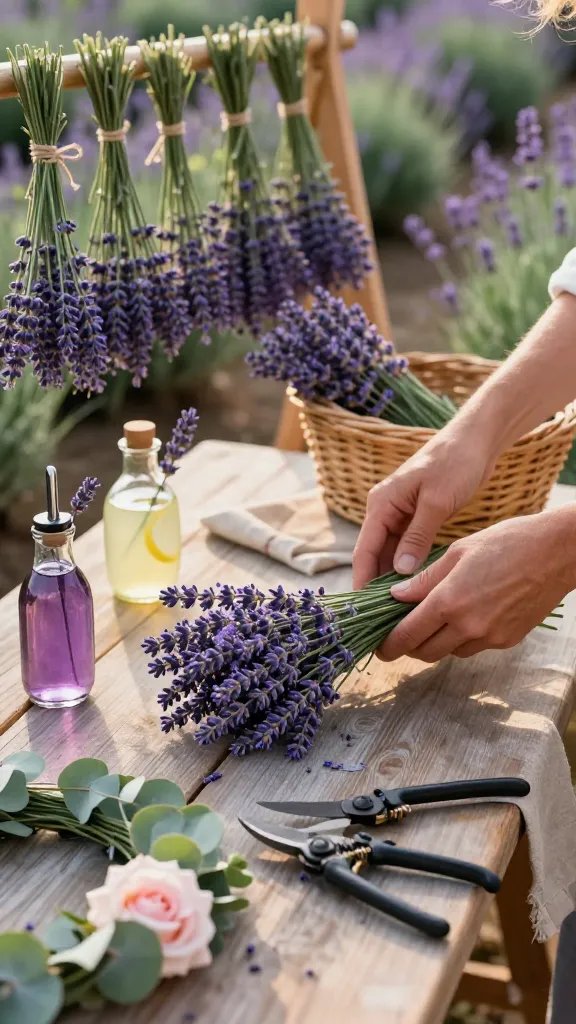
You didn’t grow all this purple goodness just to stare at it, right? Harvest at the right time and your crafts, cocktails, and decor go from meh to stunning.
When And How:
- Cut stems when 1–3 florets open for longest-lasting bouquets.
- Harvest mid-morning after dew dries.
- Bundle small bunches and dry upside down in a dark, airy space.
Fun Uses:
- Sachets for drawers and gym bags
- Lavender syrup for lemonade or lattes (yes, really)
- Wreaths and mixed bouquets with roses and eucalyptus
You get useful goodies and encourage plants to rebloom. Double win, seriously.
10. Keep It Thriving: Prune, Water, And Troubleshoot Like A Pro
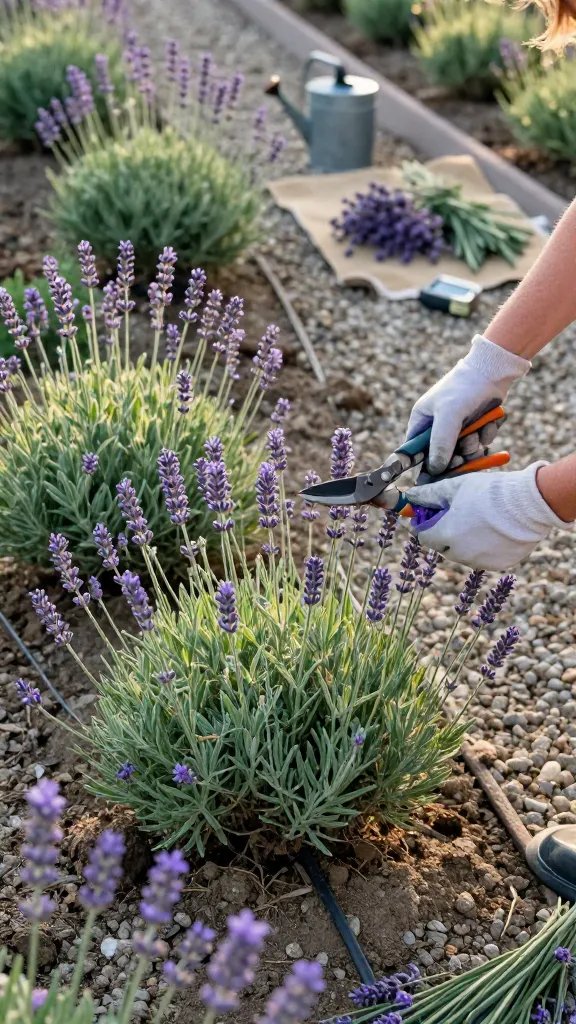
Lavender asks for sun, drainage, and a light haircut. Get those right and you’ll enjoy years of blooms and that signature silvery foliage.
Care Basics:
- Water: Deeply but infrequently; let soil dry between sessions.
- Fertilizer: Go easy—too much nitrogen = floppy growth.
- Pruning: Shear back by one-third after bloom, staying above woody stems.
- Spacing: Maintain airflow to prevent fungal issues.
Common Fixes:
- Yellowing or blackening? Improve drainage and reduce watering.
- Leggy plants? Prune after bloom; replace every 5–7 years if woody.
- Cold winters? Try English lavender or mulch crowns lightly; avoid soggy soil.
Dial in these basics and your lavender will reward you every summer. Low effort, high payoff—my favorite combo.
Ready to make your space smell divine and look like a postcard? Pick two or three ideas and start this weekend—future you will brag about it to everyone. Lavender’s tough, gorgeous, and endlessly useful, so plant it once and enjoy the vibes for years.