10 Mediterranean Garden Design Mistakes to Avoid for Wow Curb Appeal
Dreaming of a sun-washed patio, silvery olives, and scents that scream “Greek island holiday”? You can have that, minus the flight. Skip these common mistakes and your garden will look chic, low-maintenance, and ridiculously inviting. Ready to trade lawn drama for lemon-blossom bliss? Let’s fix the most common slip-ups, fast.
1. Overwatering Like You’re Growing Rice Paddies
Tired of snacking when you’re not even hungry? This reset helps you stop the loop and feel back in control.
A simple reset for moments when cravings take over. Easy to use, easy to repeat, and designed to help you feel satisfied instead of stuck.
Mediterranean plants evolved to thrive on tough love. Drown them, and they sulk, rot, and attract pests. The vibe is dry, bright, and breezy—not mushy and mildew-y.
Tips
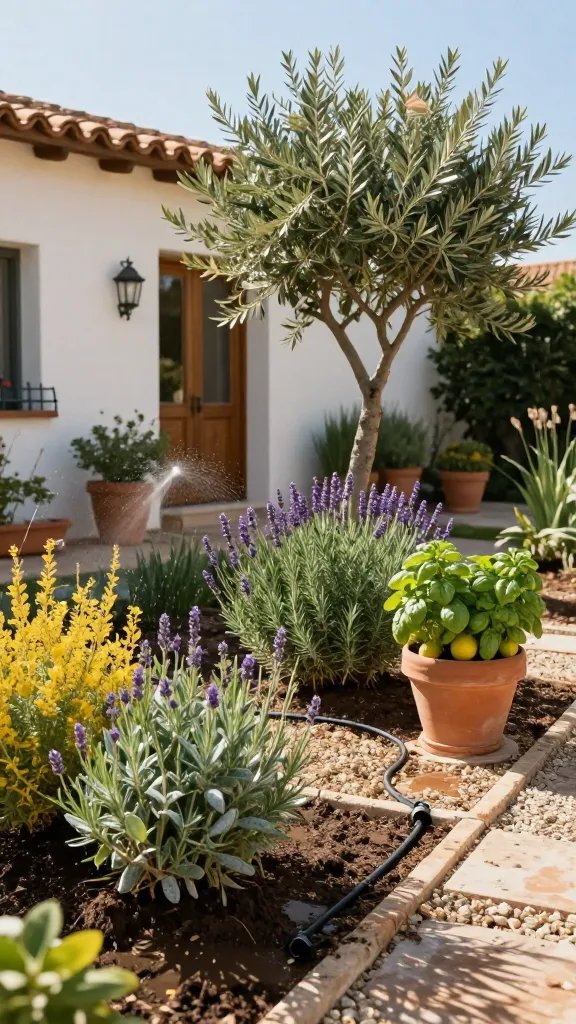
- Water deeply but infrequently—think once every 7–14 days once established.
- Use drip irrigation with emitters at the root zone, not sprays that wet foliage.
- Group plants by water needs: olives with rosemary and lavender; citrus with herbs like basil that need a touch more.
Get the moisture right and you’ll see better bloom, tighter form, and far fewer “why is this dying?” moments.
2. Planting Thirsty Lawns Front And Center
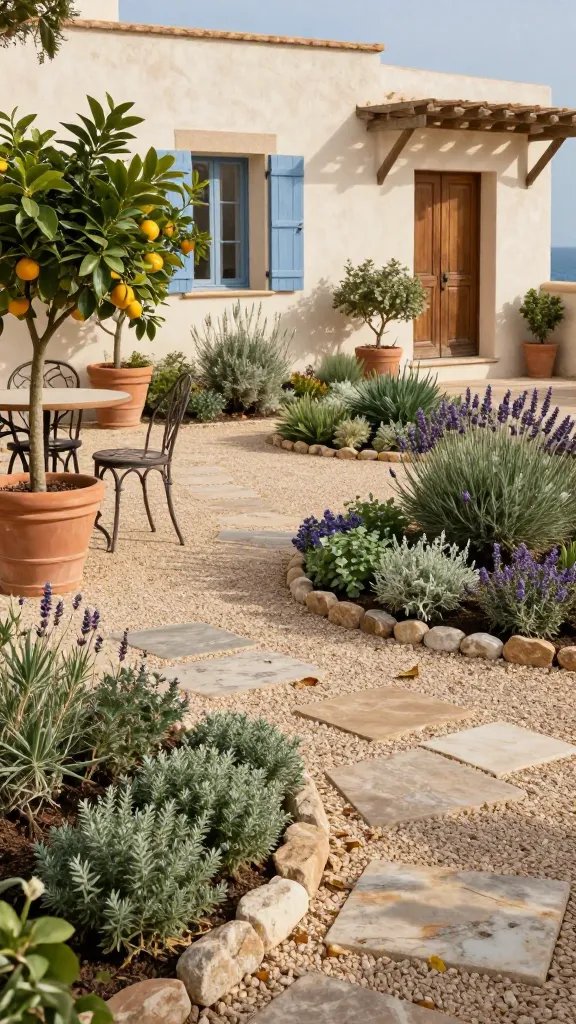
A big green lawn belongs to the suburbs, not Santorini. Lawns gulp water, demand mowing, and fight the climate every day. Mediterranean gardens thrive with texture, gravel, and drought-hardy groundcovers.
Transform Your Home With 7,250+ Stunning Landscaping Designs—No Expensive Designers Needed!
- 🌿 Access 7,250+ stunning landscaping designs.
- 💰 Save thousands—no pro designer needed.
- 🏡 Plans for gardens, patios, walkways, and more.
- ✨ Simple, beginner-friendly DIY layouts.
- 🛠️ Customize any design to fit your yard.
Smart Alternatives
- Gravel courtyards with potted citrus and a bistro set.
- Sun-loving groundcovers like thyme, Dymondia, or creeping germander.
- Mixed stone and pavers with planting pockets for sedum and oregano.
Swap turf for hardscape and low-growers to cut maintenance and nail that rustic, coastal look—seriously, your weekends will thank you.
3. Ignoring Soil Drainage (The Silent Plant Killer)
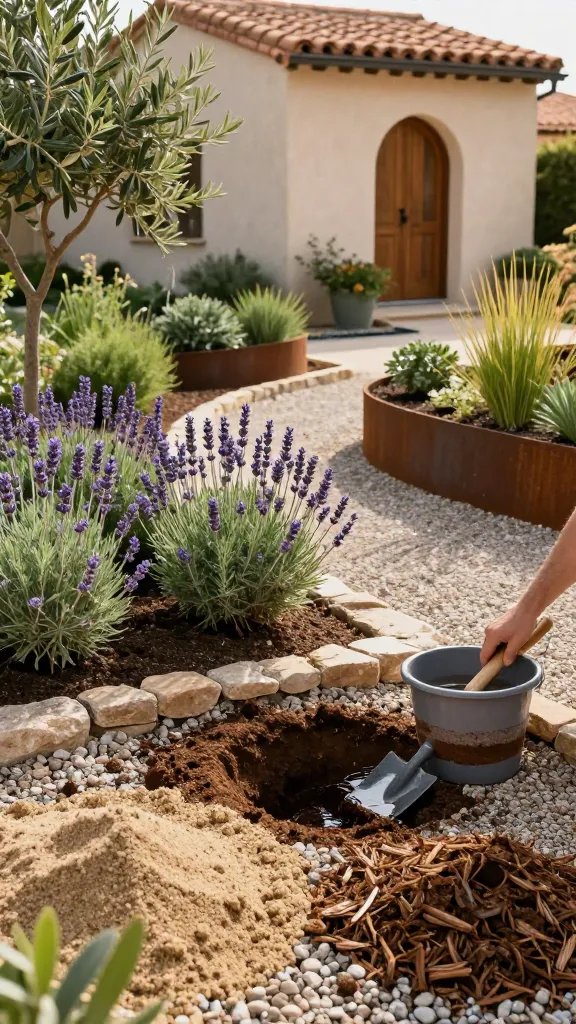
You can nail the plant list and still lose if your soil holds water like a sponge. Mediterranean roots hate wet feet. Bad drainage turns lavender into compost, fast.
Fix The Foundation
- Do a perk test: dig a hole, fill with water, see if it drains in 2–4 hours.
- Amend heavy clay with coarse sand, crushed gravel, and composted bark—not peat.
- Build mounded beds or use raised planters for extra drainage control.
Good drainage boosts root health and fragrance levels; hello healthier herbs, brighter blooms, and fewer fungal issues.
4. Mixing Too Many Colors And Losing The Calm
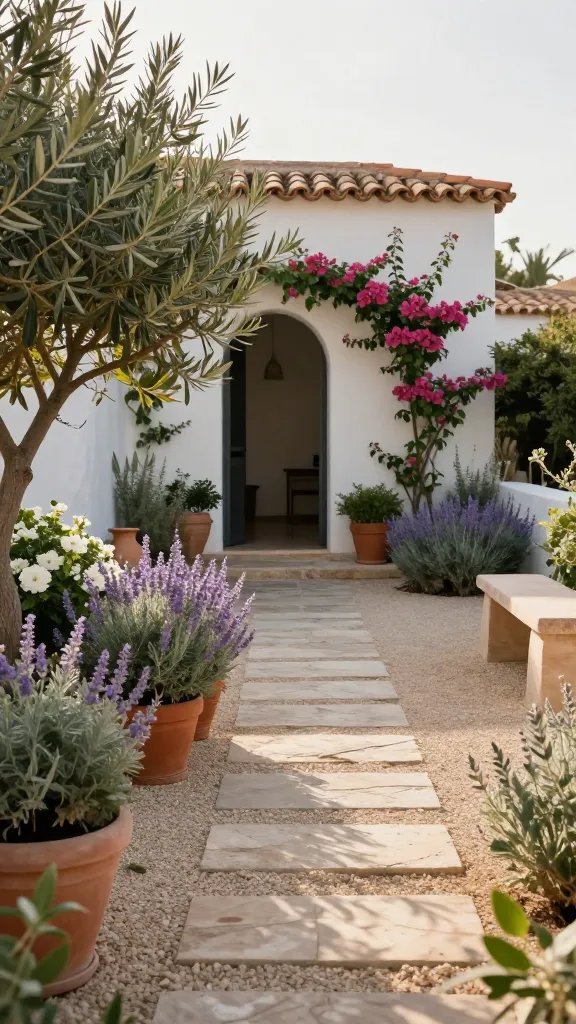
The Mediterranean palette whispers rather than shouts. Too many flower colors can make your garden feel busy instead of breezy. Think tonal, sun-faded, and soothing.
Keep The Palette Cohesive
- Base colors: olive green, silvery gray, terracotta, chalky white.
- Accent blooms: soft purples, whites, dusty pinks—lavender, sage, rockrose.
- Limit brights to small pops—bougainvillea or potted geraniums, not both everywhere.
A restricted palette makes small spaces feel larger and more luxurious—IMO it’s the fastest way to “instant vacation.”
5. Forgetting Fragrance (Your Easiest Wow Factor)
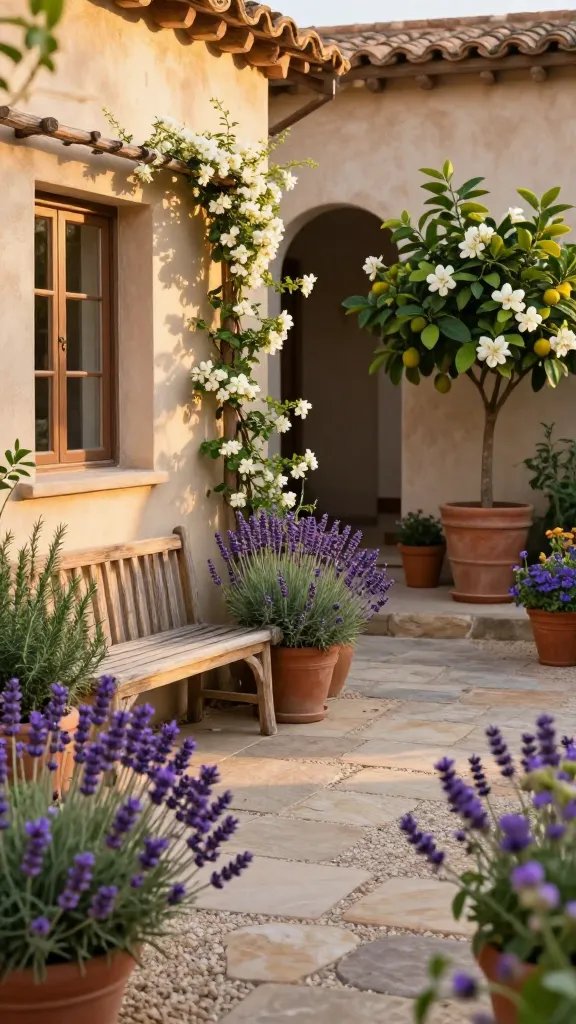
If your garden looks good but doesn’t smell like heaven at dusk, you’re leaving magic on the table. Scent defines Mediterranean gardens. It’s nostalgic, romantic, and ridiculously mood-lifting.
Mediterranean Aromatics
- Lavender for daytime bees and sunset bliss.
- Rosemary and thyme along paths for brush-and-release fragrance.
- Jasmine, citrus blossom, and heliotrope for evening perfume.
Use fragrant plants near seating, doors, and windows. You’ll get pollinators, ambiance, and major “where did you buy this hotel?” compliments.

6. Skipping Shade And Seating (Where Will You Sip Your Espresso?)
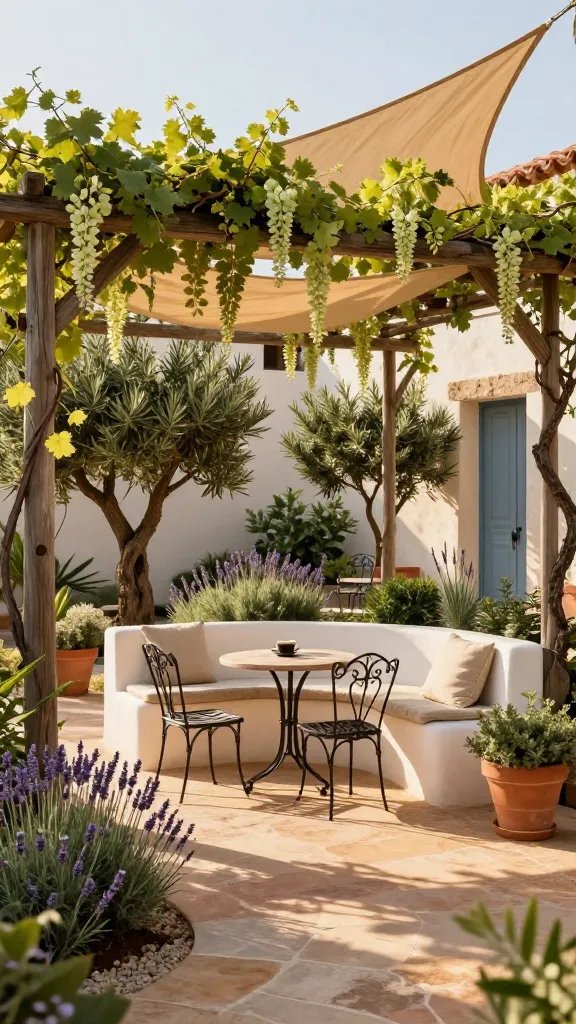
Full sun is great for olives, less great for humans in July. Miss the shade, and you won’t use the space when it matters. Create cool, dappled refuges that invite lingering.
Shade Moves
- Install a pergola with climbing vines: grape, wisteria, or star jasmine.
- Use fabric sails in sandy tones for flexible shade and soft light.
- Plant olive or bay laurel for architectural, light-filtering canopies.
Pair shade with a café table, stone bench, or built-in stucco seat. Instant afternoon hangout, zero regrets.
7. Treating Pots As An Afterthought
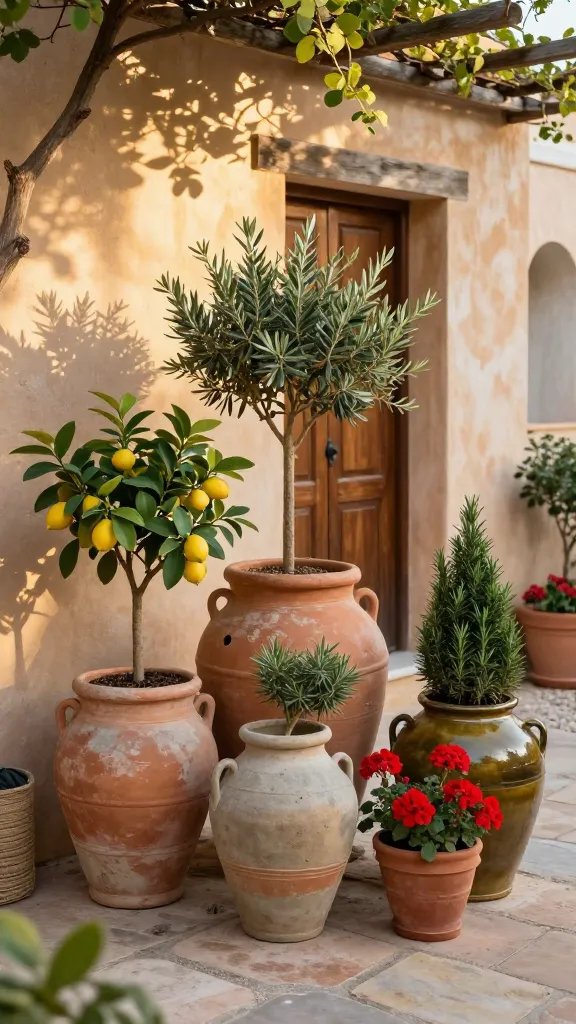
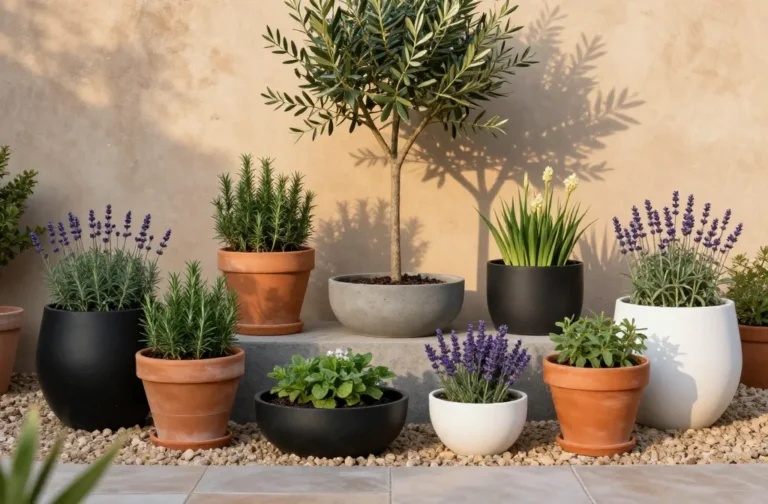
Containers are Mediterranean icons, not filler. The right pots deliver structure, height, and seasonal flair. The wrong ones crack, clash, and cook roots.
Container Best Practices
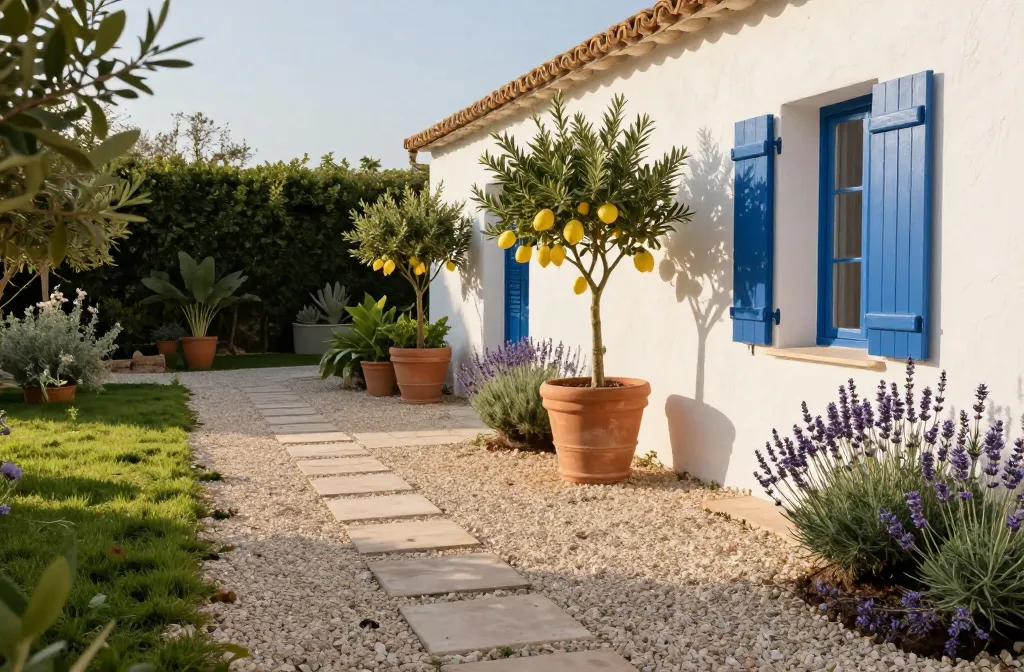
- Choose terracotta, aged concrete, or glazed ceramics in earthy tones.
- Use big pots with drainage holes and gritty, fast-draining mix.
- Plant heroes: olive standards, citrus, rosemary topiaries, pelargoniums.
Cluster in odd numbers and vary heights to create a mini courtyard vibe. Containers let renters go full Mediterranean without digging up the yard—FYI, very landlord-friendly.
8. Neglecting Hardscape Texture And Pattern
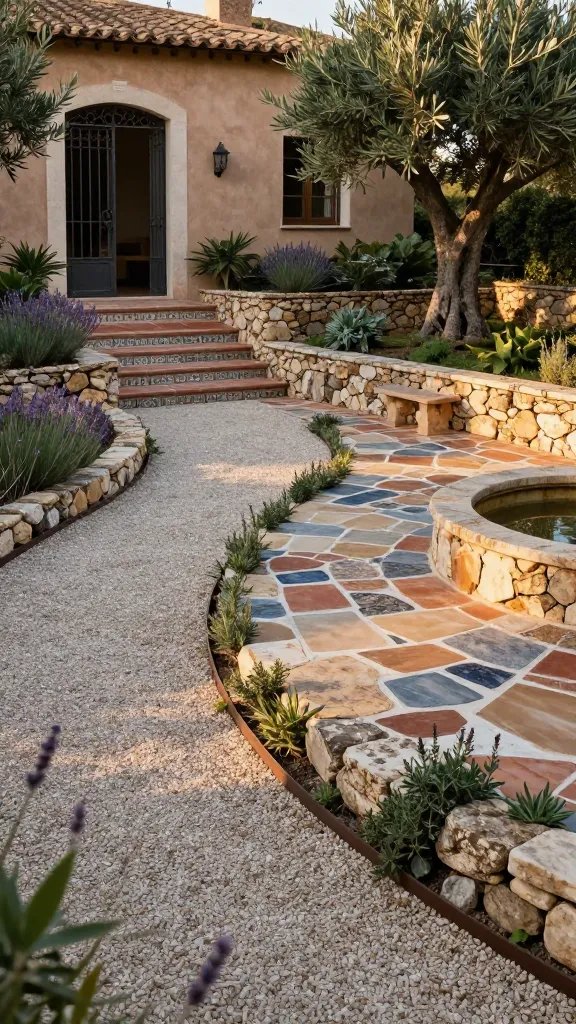
Plants do a lot, but the bones make the mood. Smooth concrete everywhere looks modern, not Mediterranean. You want rugged charm with a hand-crafted feel.
Material Mix
- Gravel paths with steel edging for that crunch-underfoot soundtrack.
- Terracotta tiles or patterned encaustics for patios and steps.
- Natural stone (limestone, travertine) with irregular joints for old-world character.
Blend materials and repeat patterns to tie zones together. The result feels timeworn, grounded, and insanely photogenic—trust me, your camera roll will explode.
9. Planting Like You Live In Tuscany (When You Don’t)
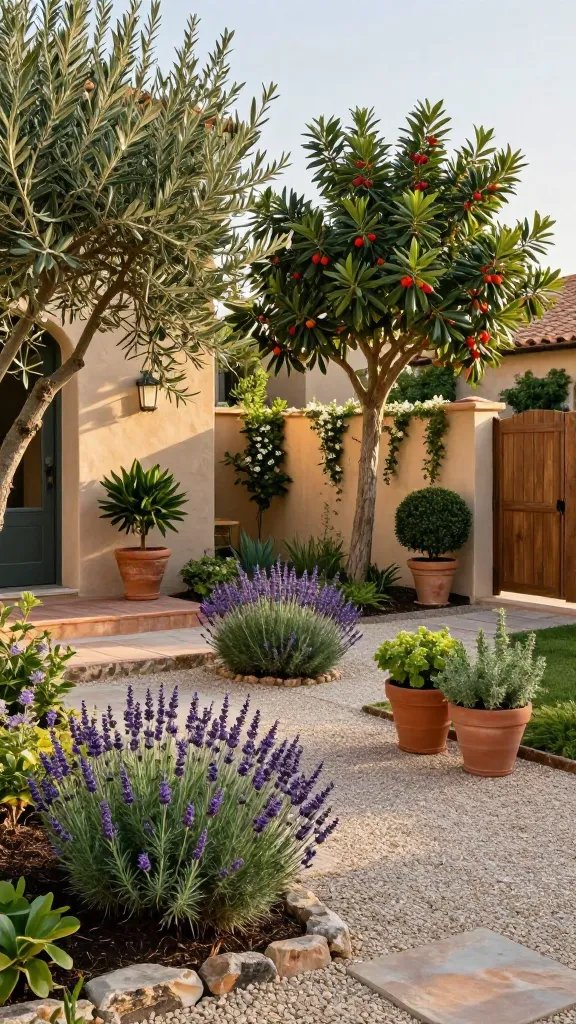
Yes, the Mediterranean “look” travels, but the exact plant list might not. Forcing olive trees in a zone that hates them leads to heartbreak. Match the style to your climate with smart swaps.
Climate-Savvy Alternatives
- Cooler climates: Russian olive, Arbutus unedo, hardy rosemary ‘Arp’.
- Humid zones: Tea olive (Osmanthus), dwarf yaupon, confederate jasmine.
- Frosty areas: pot tender plants and overwinter indoors; use bay laurel and lavender ‘Hidcote’ outside.
Design with the climate, not against it. You’ll save money, water, and your sanity.
10. Forgetting Year-Round Structure And Maintenance Rhythm
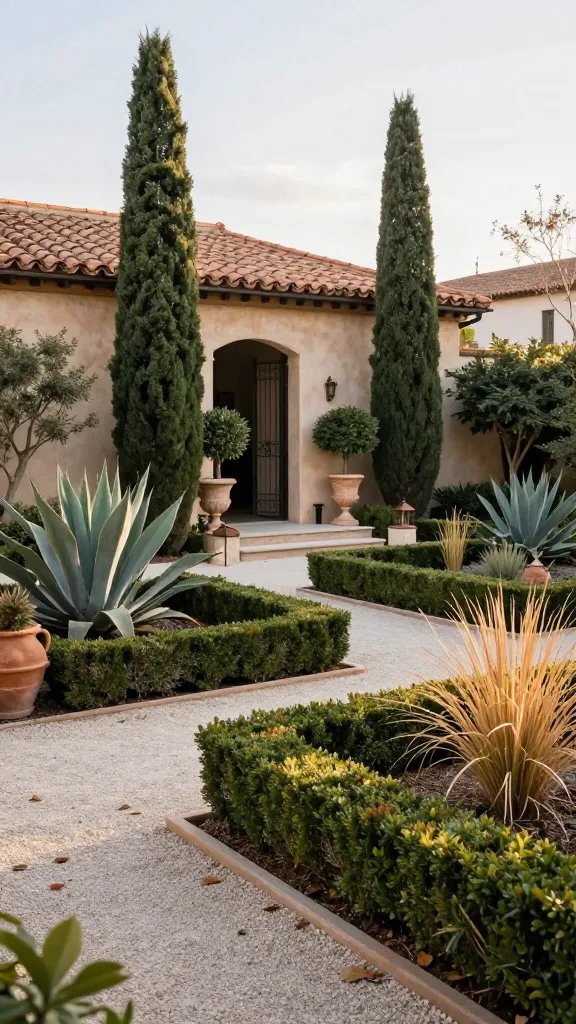
Summer looks great, but what about February? Without evergreen bones and a simple care schedule, the garden flattens. Build form first, flowers second.
All-Season Framework
- Evergreen anchors: Italian cypress, myrtle, bay, clipped box or teucrium.
- Winter interest: architectural agaves (in suitable climates), grasses, urns, and lanterns.
- Maintenance rhythm: light spring prune, post-bloom tidy, autumn mulch with gravel or composted bark.
Strong structure means the garden looks intentional 365 days a year, even when blooms take a nap.
Ready to channel sunny coastlines and lazy lunches at home? Dodge these mistakes and your space will feel relaxed, elegant, and wonderfully low-effort. Start small—one gravel corner, a terracotta trio, a whiff of lavender—and let the Mediterranean magic unfurl.