10 Tomato Garden Ideas That Explode Your Harvest
Tomatoes are the garden’s drama queens—in a good way. Give them the right setup and they’ll reward you with juicy, sun-warmed fruit all season. These ideas pack real results without complicated gear. Ready to grow more tomatoes than you thought possible?
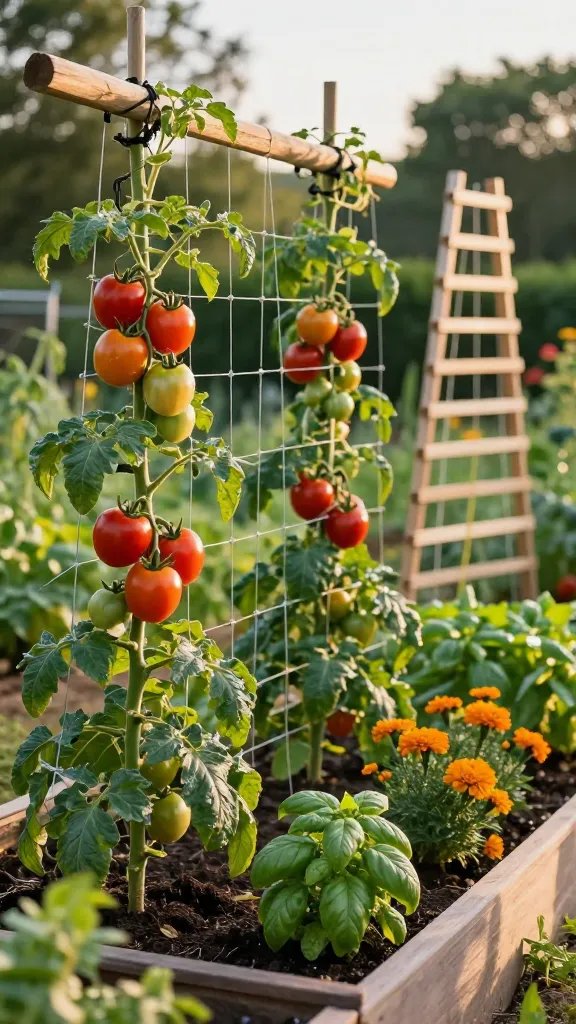
1. Trellis Highways For Vining Beasts
Tired of snacking when you’re not even hungry? This reset helps you stop the loop and feel back in control.
A simple reset for moments when cravings take over. Easy to use, easy to repeat, and designed to help you feel satisfied instead of stuck.
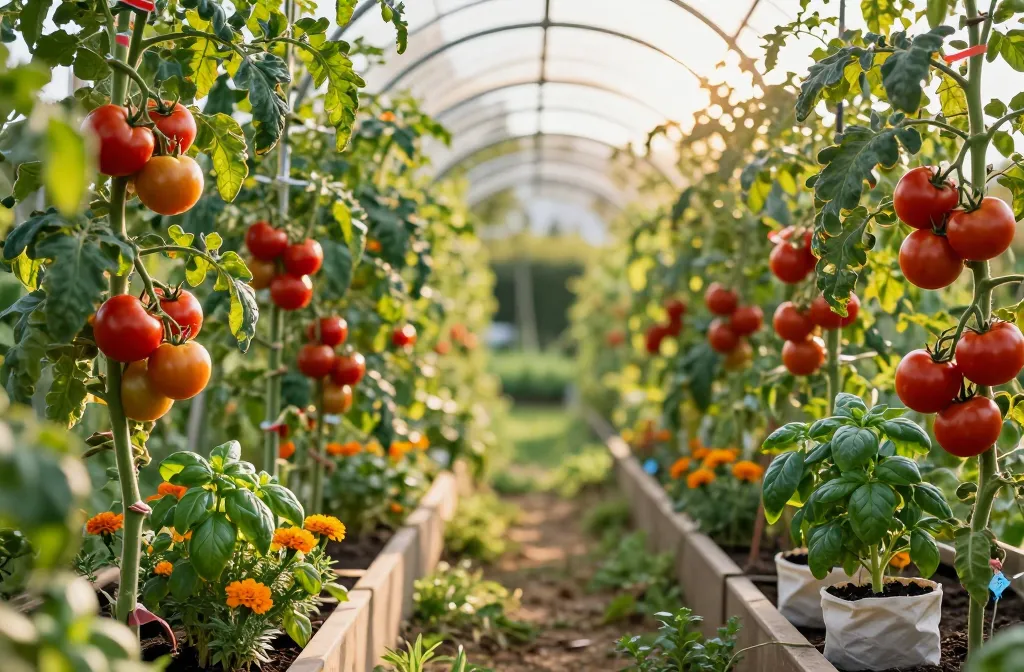
Indeterminate tomatoes love to climb, and a vertical trellis keeps them tidy and productive. You’ll get better airflow, fewer fungal issues, and way easier harvesting. Plus, it saves precious ground space for basil and marigolds.
Smart Trellis Styles
- Cattle panel arches: Cheap, sturdy, and perfect for tunnels you can walk under.
- String trellis: Suspend twine from a beam and clip vines as they rise.
- A-frame slats: Easy to build, great for small rows or raised beds.
Train one or two main leaders, prune side shoots, and clip as you go. Use this when you want clean, fast harvests and Instagram-worthy tunnels of fruit.
2. Grow Bags For Heat-Loving Rockets
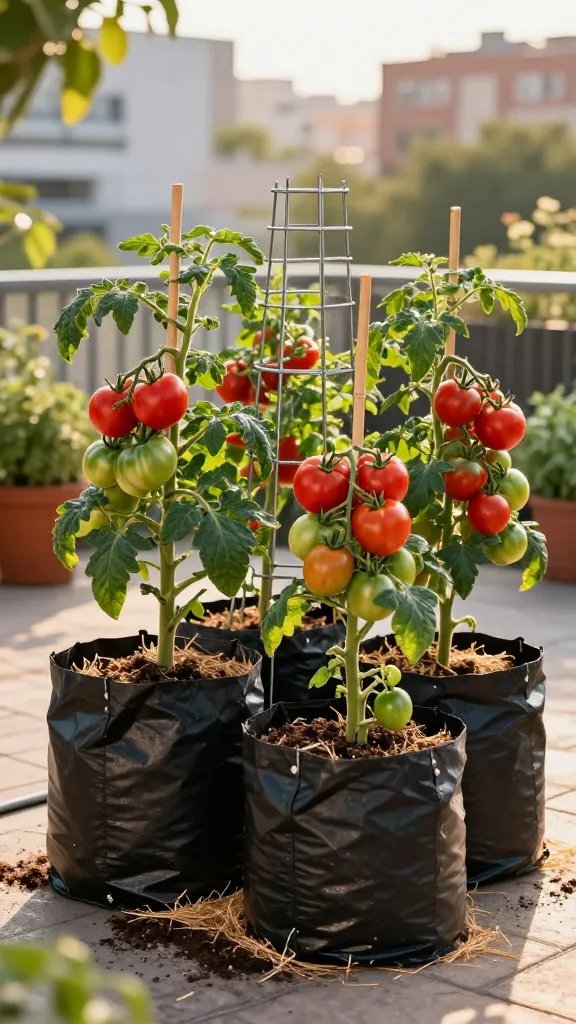
Tomatoes adore warm roots, and fabric grow bags deliver that heat while preventing waterlogging. They’re portable, breathable, and perfect if your soil stinks or you garden on a patio.
Transform Your Home With 7,250+ Stunning Landscaping Designs—No Expensive Designers Needed!
- 🌿 Access 7,250+ stunning landscaping designs.
- 💰 Save thousands—no pro designer needed.
- 🏡 Plans for gardens, patios, walkways, and more.
- ✨ Simple, beginner-friendly DIY layouts.
- 🛠️ Customize any design to fit your yard.
Tips For Bag Success
- Size matters: Go 10–15 gallons for indeterminates; 5–7 gallons for dwarfs.
- Soil mix: 50% high-quality compost, 40% peat/coco coir, 10% perlite.
- Watering: Daily in heat, with mulch on top to slow evaporation.
Add a stake or cage at planting—don’t wait. Use grow bags when flexibility and heat-loving vigor are your top priorities.
3. Florida Weave For Tidy Rows
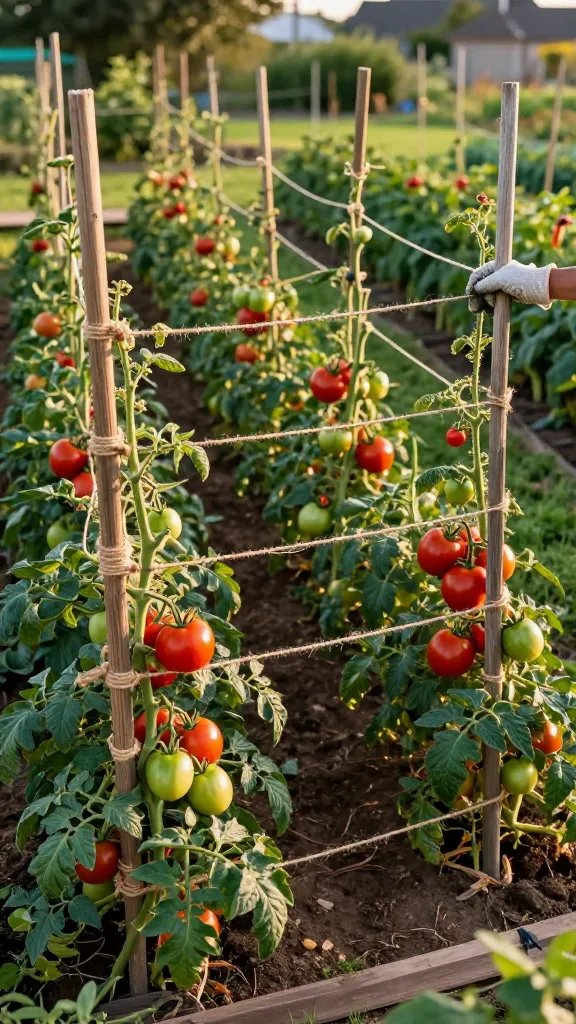
If you grow multiple plants in a row, the Florida weave staking method is your best friend. It’s cheap, fast, and holds plants upright without fussy cages.
How To Weave
- Drive sturdy posts every 2–3 plants.
- Run twine on both sides of stems, wrapping posts tightly.
- Add new rows of twine every 8–12 inches as plants grow.
You’ll speed through pruning and harvesting and keep fruit clean. Use this for field-style plantings and tidy suburban rows alike.
4. Graft For Disease-Busting Superplants
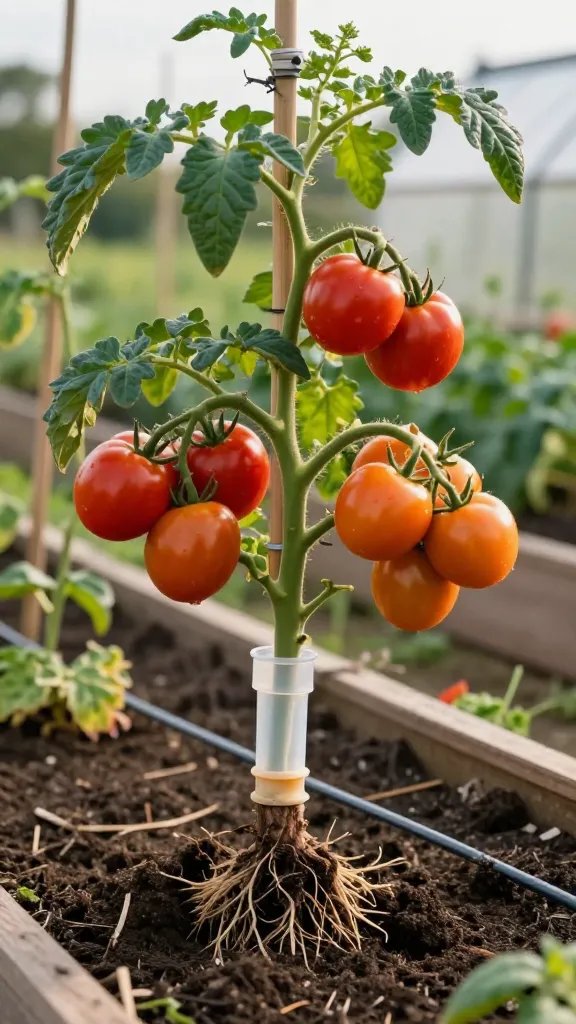
Got soil diseases or nematodes? Grafted tomatoes pair a vigorous, disease-resistant rootstock with your favorite flavor-packed scion. It’s like giving your plant superpowers.
When Grafting Shines
- History of wilt or fusarium? Graft and watch the rebound.
- Small space, big yield goals? Grafted vigor boosts production.
- Greenhouse growing? Rootstock thrives in intensive setups.
Buy grafted starts or learn to do simple tube grafts at home. Use this when disease pressure or high-intensity growing calls for extra muscle.
5. Raised Beds With Warm, Fluffy Soil
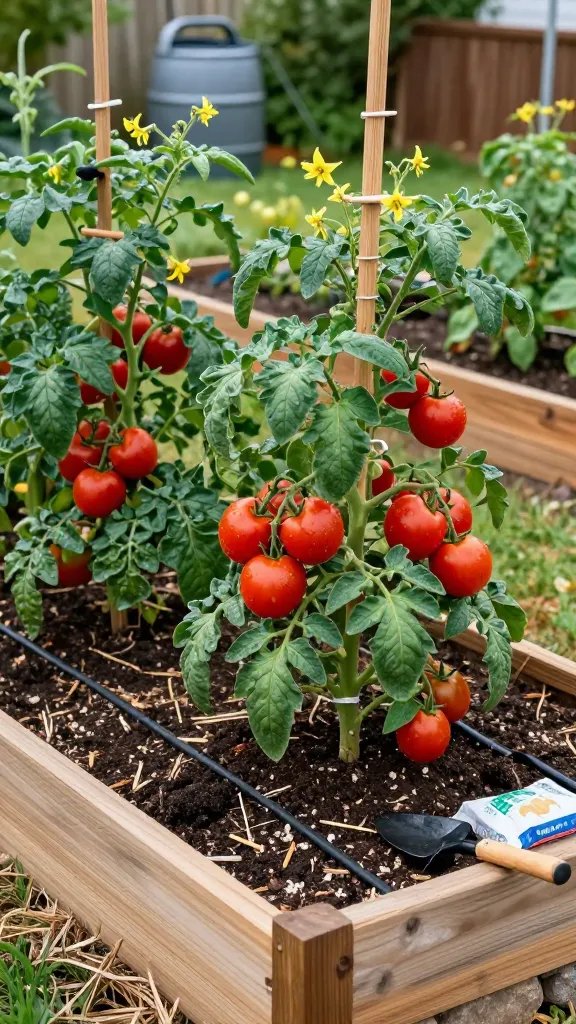
Tomatoes crush it in raised beds because warm, well-drained soil equals happy roots. More oxygen, faster growth, and fewer sad, soggy weeks after big rains.
Build A Tomato-First Bed
- Depth: At least 12 inches; 16–18 is chef’s kiss.
- Blend: 40% compost, 40% topsoil, 20% coarse amendments (perlite, bark fines).
- Extra calcium: Mix in gypsum to help prevent blossom end rot.
Edge with stone or wood and add drip lines under mulch. Use raised beds when you want consistency and serious yields with less guesswork.

6. Container Cocktail: Dwarf + Cherry + Herbs
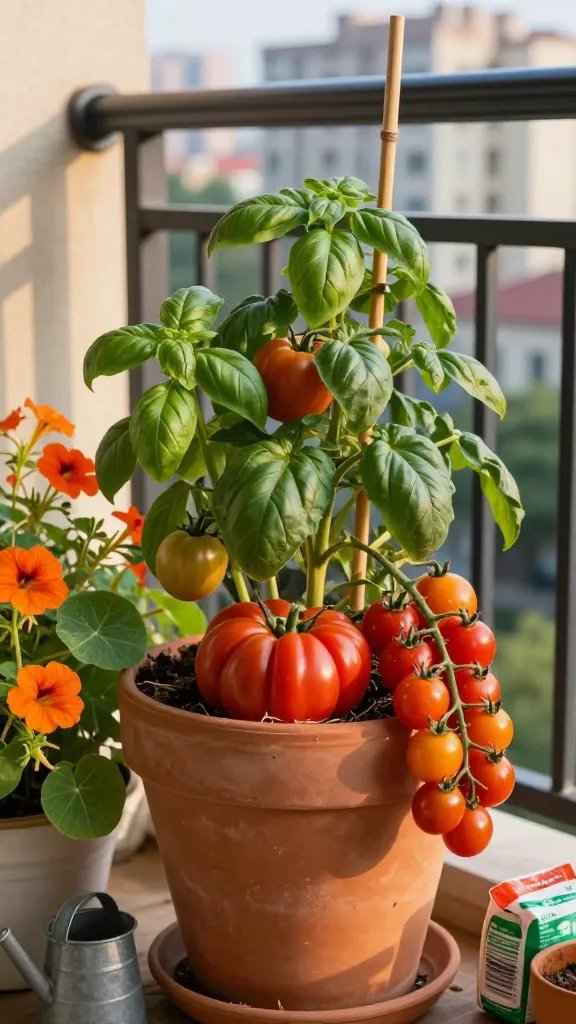
No yard? No problem. Create a mini-ecosystem in a large container: a compact tomato, a trailing cherry, and basil or nasturtiums for companions and color.
Container Recipe
- Container: 20–25 gallon for combos; good drainage is non-negotiable.
- Tomatoes: One dwarf slicer + one compact cherry.
- Companions: Basil for flavor and pollinators, nasturtiums for aphid decoys.
Fertilize lightly but often and stake the cherry. Use this for balconies, patios, or renters who still want caprese all summer.
7. Mulch Like You Mean It
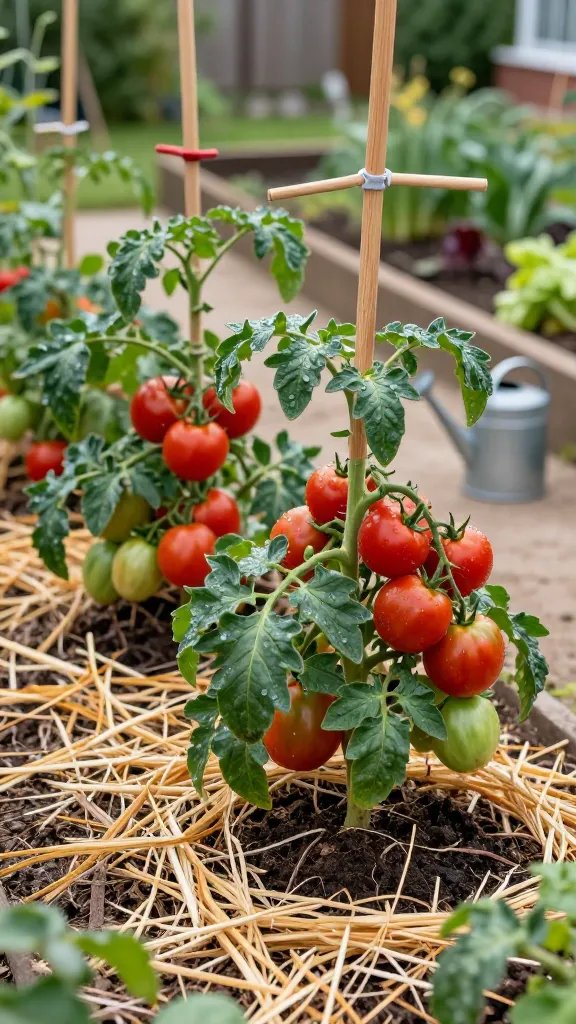
Mulch does more than look tidy. It locks in moisture, buffers heat, blocks weeds, and cuts splash-back that spreads disease. Your watering can—and future self—will thank you.
Best Mulch Choices
- Shredded leaves: Free, effective, and tomato-approved.
- Straw (not hay): Great airflow and soil cooling.
- Compost top-dress: Feeds slowly while it protects.
Lay 2–3 inches once the soil warms. Use mulch whenever you want consistent moisture and cleaner, healthier fruit—so always, basically.
8. Pruning And Single-Leader Training
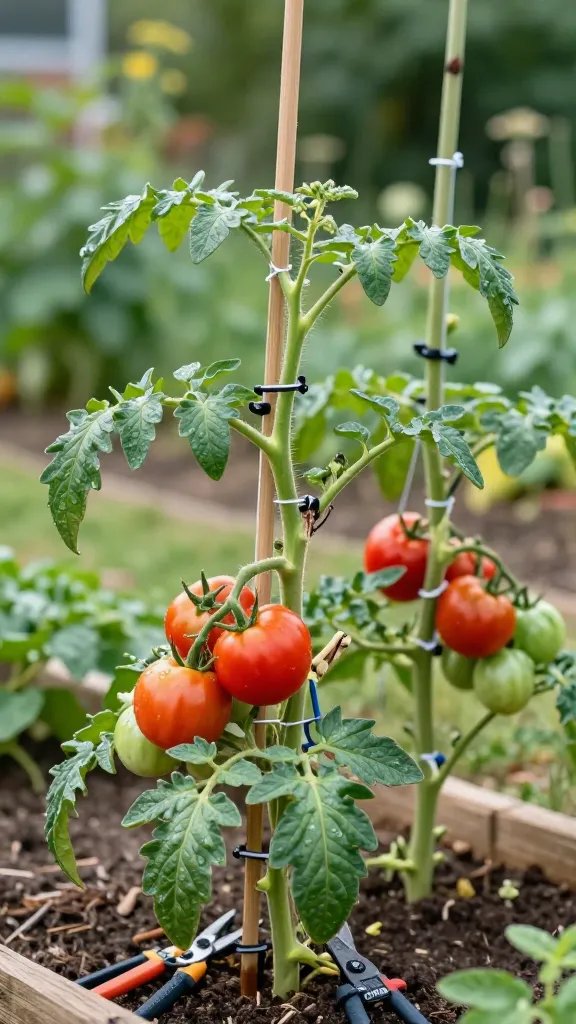
Pruning looks harsh, but it channels energy into fruit instead of wild foliage jungles. Train a single leader up a string or stake for pro-level control and bigger, earlier harvests.
Pruning Game Plan
- Remove suckers below the first flower truss.
- Keep 1–2 leaders depending on space and variety.
- Strip lower leaves as fruit sets to boost airflow.
FYI: Determinate types need minimal pruning. Use tight training when you want maximum yield per square foot and faster ripening.
9. Blossom End Rot Insurance Plan
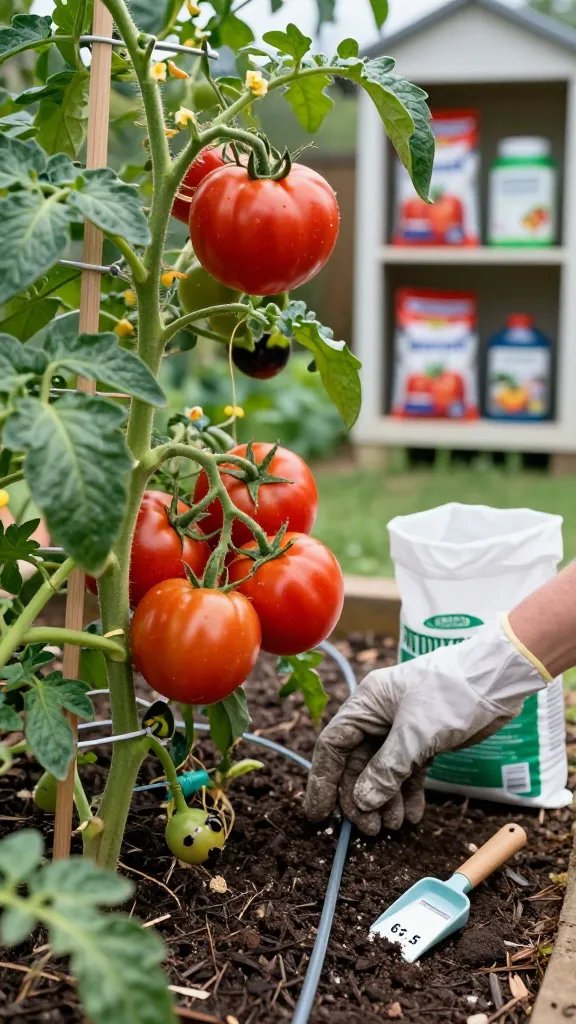
Nothing kills the vibe like black-bottomed fruit. Prevent blossom end rot with steady watering, proper calcium, and zero over-fertilizing drama.
Rot-Proofing Checklist
- Consistent moisture: Drip irrigation + mulch = steady uptake.
- Calcium access: Add gypsum at planting; keep pH 6.2–6.8.
- Fertilizer sanity: Don’t overdose nitrogen; aim for balanced or tomato-specific feeds.
Rot happens from calcium delivery issues, not just deficiency—stability is key. Use this plan if you’ve had rot before or you’re growing in containers that dry fast.
10. Succession Planting And Variety Stacking
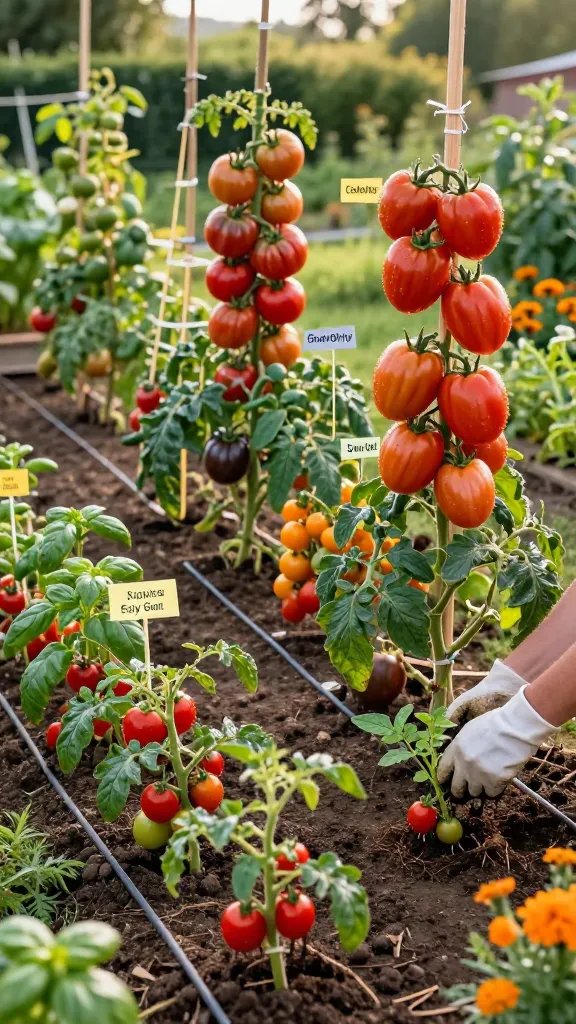
Want tomatoes from June to frost? Stagger plantings and mix maturities. Early, mid, and late-season varieties create a tomato conveyor belt you’ll brag about, IMO.
Stack Your Season
- Early: Stupice, Glacier, or Early Girl for fast wins.
- Mid: Celebrity, Cherokee Purple, or Sun Gold for peak flavor.
- Late/heavy: Brandywine, Beefsteak, or San Marzano for sauces.
Replace tired early plants with quick cherries midseason. Use this strategy when you crave steady harvests and hate the feast-or-famine cycle—seriously, it changes everything.
Ready to turn your yard into a tomato museum of greatness? Pick two or three ideas to start, then layer more next season. With a little planning and a dash of boldness, you’ll grow tomatoes that taste like summer bragging rights.