10 Veggie Garden Ideas That Turn Dirt Into Dinner
Dreaming of juicy tomatoes, crisp lettuce, and herbs that don’t cost $5 a sprig? You can grow all that—no farm required. These 10 veggie garden ideas deliver big flavor, gorgeous vibes, and shockingly high yields. Grab a trowel, roll up your sleeves, and let’s turn dirt into dinner.
We’ll keep it fun, easy, and super practical—because you’ve got better things to do than fight slugs and guess at spacing. Ready to grow smarter, not harder?
Tired of snacking when you’re not even hungry? This reset helps you stop the loop and feel back in control.
A simple reset for moments when cravings take over. Easy to use, easy to repeat, and designed to help you feel satisfied instead of stuck.
1. Build A Raised Bed That Works As Hard As You Do
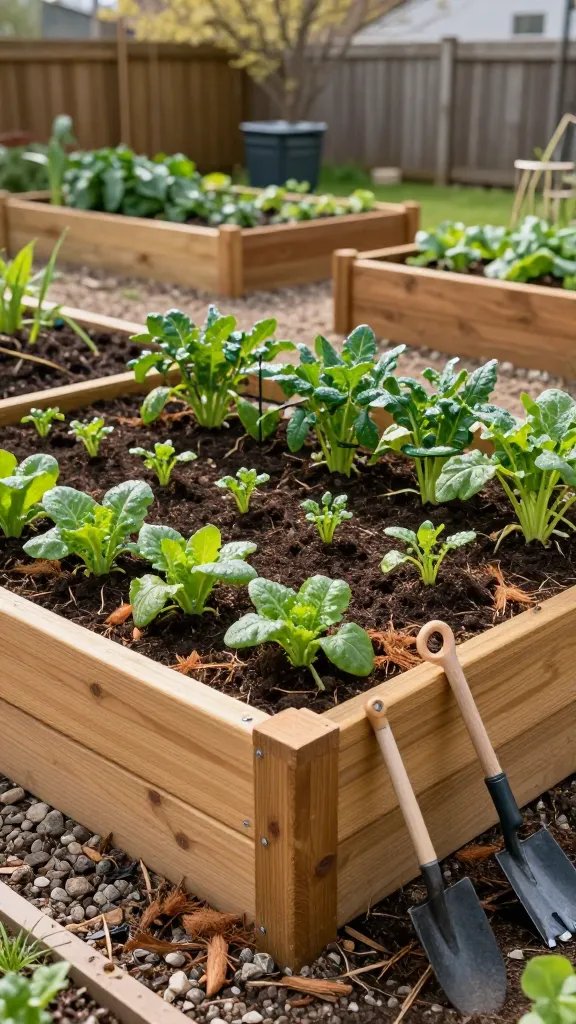
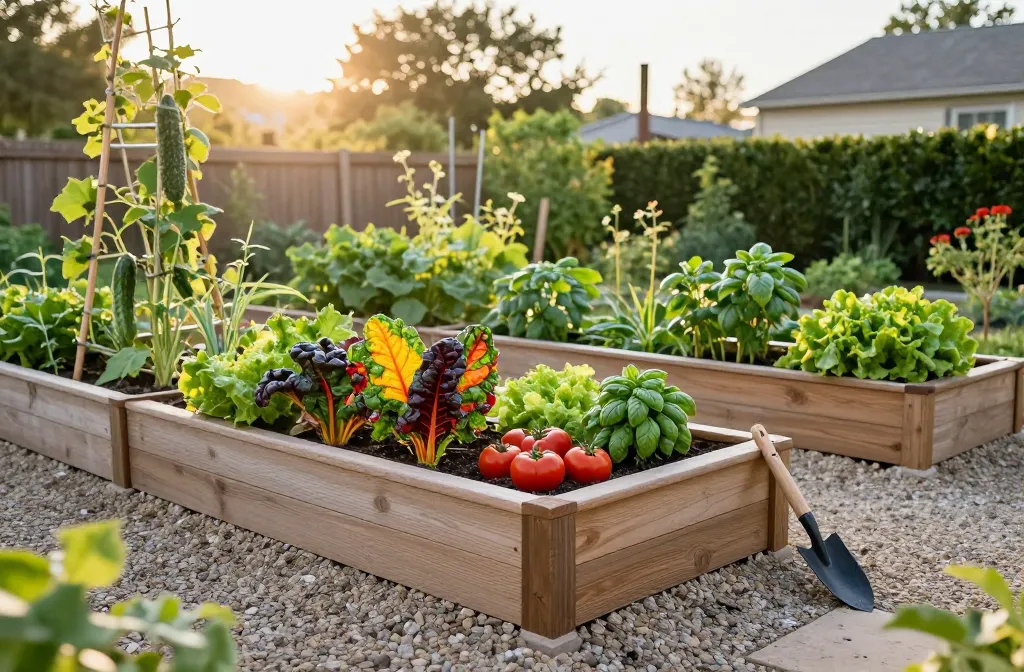
Raised beds give you control: better soil, fewer weeds, and tidy edges that make your backyard look pro-level. They warm up faster in spring, so you plant sooner and brag earlier—totally allowed, btw.
They also save your back. Tall beds reduce bending, and the defined space keeps you focused and less likely to overplant like an overexcited seed gremlin.
Materials
- Untreated cedar or composite boards (8–12 inches tall, minimum)
- Galvanized screws
- High-quality soil blend (topsoil + compost + coconut coir)
- Hardware cloth if you’ve got burrowing critters
Tips
- Start with a 4×8 bed—easy to reach from both sides.
- Layer cardboard at the bottom to smother weeds.
- Fill with a 40/40/20 mix: compost/topsoil/soilless amendment for drainage.
Use raised beds when you want neat, high-yield plots and soil you can actually trust. Bonus: it looks slick.
Transform Your Home With 7,250+ Stunning Landscaping Designs—No Expensive Designers Needed!
- 🌿 Access 7,250+ stunning landscaping designs.
- 💰 Save thousands—no pro designer needed.
- 🏡 Plans for gardens, patios, walkways, and more.
- ✨ Simple, beginner-friendly DIY layouts.
- 🛠️ Customize any design to fit your yard.
2. Go Vertical And Double Your Harvest
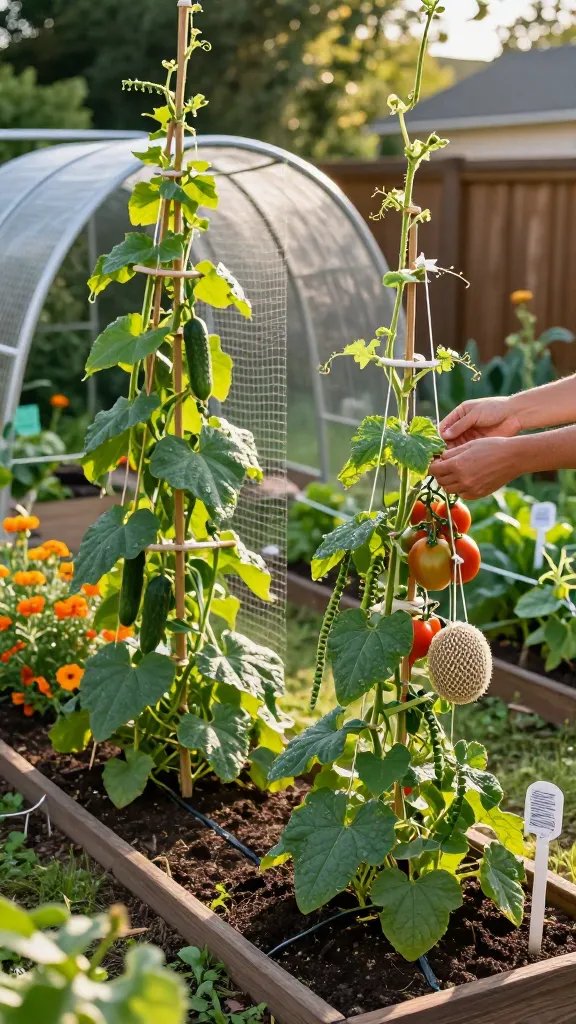
Short on space? Grow up. Vertical gardening keeps vines off the ground, improves airflow, and turns your garden into a living sculpture.
Cucumbers, beans, peas, and even small melons love a little height. You’ll pick cleaner produce and spot problems faster.
Great Vertical Structures
- A-frames for cucumbers and peas
- Arches or cattle panel tunnels for beans and squash
- Sturdy trellises for tomatoes (indeterminate types)
Key Moves
- Train vines early by gently weaving them onto supports.
- Use soft plant ties or old T-shirt strips—no stem strangling, please.
- For melons, add stretchy slings (old hosiery) to support fruit.
Use vertical setups when you crave big harvests in small footprints. FYI: it also makes your garden look like a Pinterest fever dream—in a good way.
3. Master Companion Planting (AKA The Plant Friendship Hack)
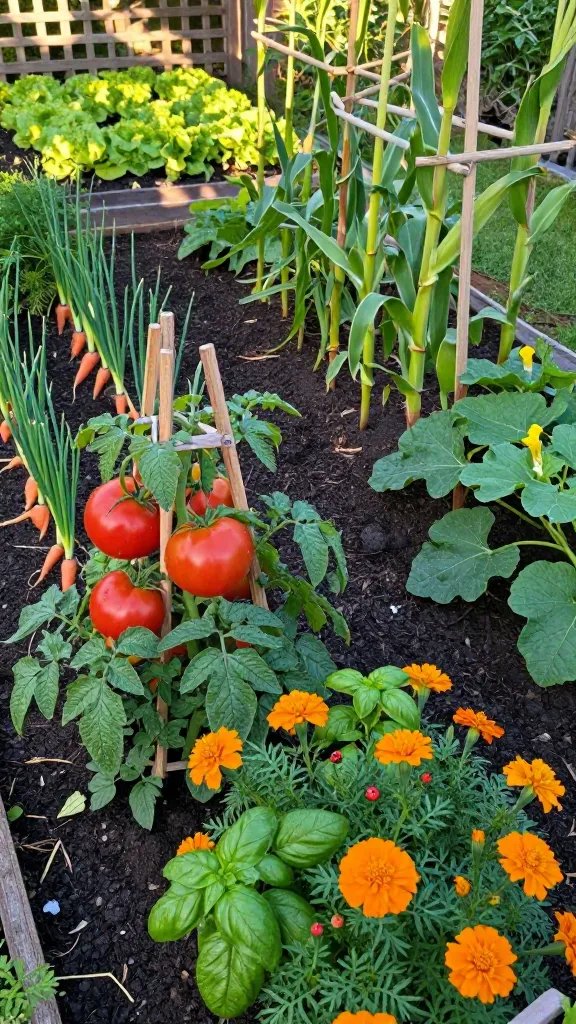
Some plants just vibe together. Companion planting boosts growth, confuses pests, and makes your garden smell incredible.
Think basil hugging tomatoes, or carrots chilling under feathery dill. It’s science with a side of romance.
Winning Combos
- Tomato + Basil + Marigold: Better flavor, fewer pests, more pollinators.
- Carrot + Onion: Each masks the other’s scent—goodbye carrot fly and onion maggot.
- Corn + Beans + Squash (Three Sisters): Trellis, nitrogen, and living mulch in one package.
- Lettuce + Radish: Radishes break soil and harvest fast, making room for lettuce.
Watch Outs
- Keep fennel away from most veggies—it’s a diva.
- Don’t crowd heavy feeders together—competition gets real.
Use companions to reduce sprays, add biodiversity, and make your beds look lush and intentional. Seriously, it works.
4. Plant A Succession Schedule So You Always Have Something To Eat
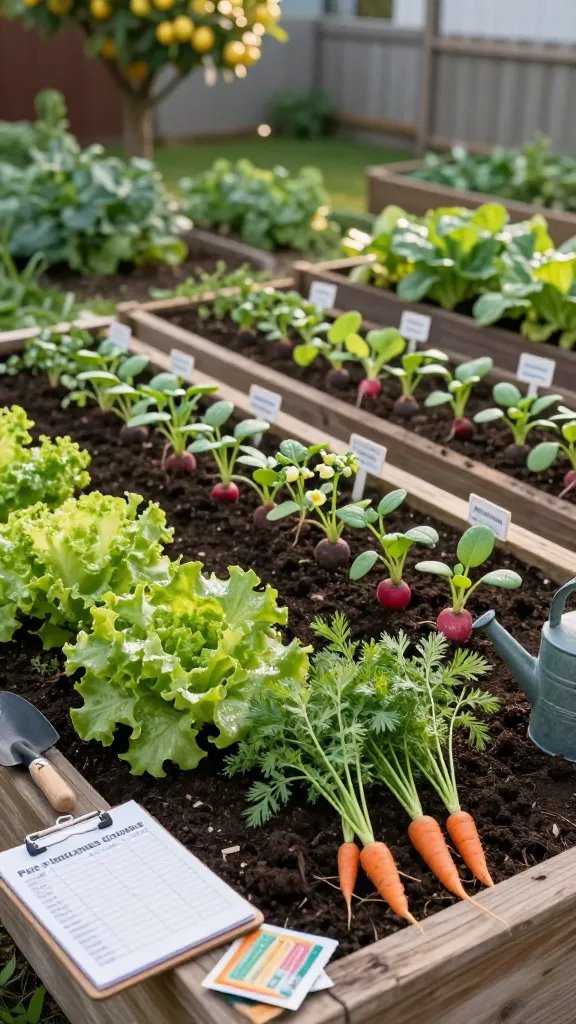
Wave goodbye to the “all my lettuce is ready this week” problem. Succession planting staggers harvests, so your kitchen stays stocked and your neighbors won’t hide when you bring zucchini—again.
It’s simple: plant small amounts often, not everything at once.
Easy Successions
- Lettuce/Mesclun: Sow every 2 weeks.
- Radishes: Every 10–14 days in spring and fall.
- Bush Beans: Every 3 weeks through midsummer.
- Carrots: Every 3 weeks; thin early for baby snacks.
Pro Tips
- Follow heavy feeders with legumes or leafy greens to reset soil demands.
- Use a simple calendar reminder. Future you will thank present you.
Use succession planting when you want a steady stream of produce instead of chaotic avalanches. Efficiency for the win.
5. Convert A Sunny Corner Into A Salad Bar
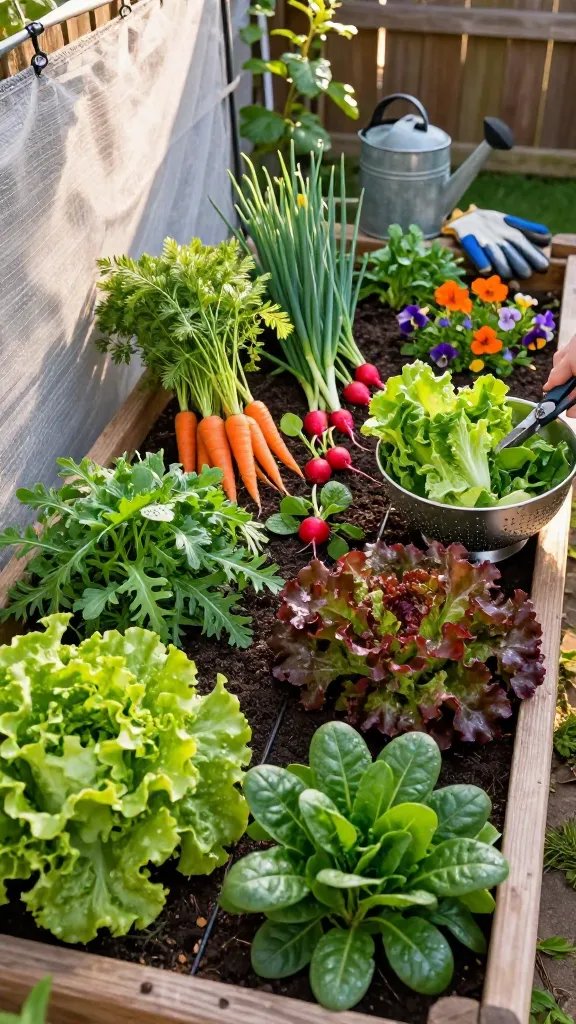
Dedicated salad beds are low effort and high reward. You’ll harvest multiple times a week and skip the $7 grocery clamshells.
Mix quick growers with cut-and-come-again varieties for endless bowl goals.
What To Plant
- Base Greens: Looseleaf lettuce, arugula, spinach
- Texture/Flavor: Mizuna, tatsoi, romaine, red oakleaf
- Extras: Radishes, baby carrots, green onions, edible flowers (nasturtium, viola)
How To Run It
- Sow thick, harvest with scissors, water, repeat.
- Use shade cloth in summer to keep greens sweet.
- Add a weekly compost tea for extra pep.
Use a salad bed if you want quick wins and gorgeous lunches. IMO, this is the gateway drug to gardening.

6. Try No-Dig Gardening For Healthier Soil And Fewer Weeds
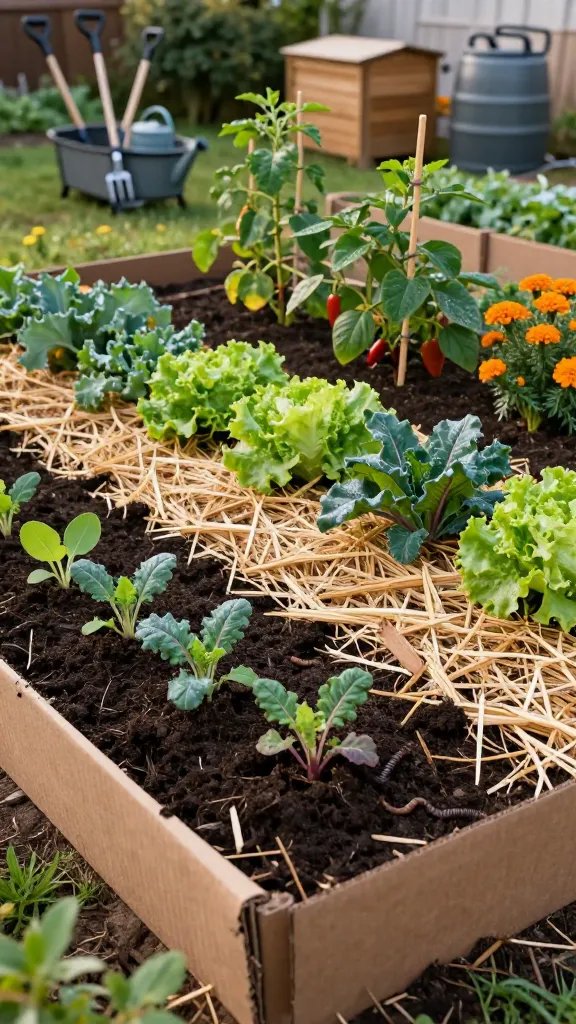
No-dig equals less work and more worms. You layer organic matter on top and let biology do the heavy lifting—nature loves a lazy genius.
Soil stays structured, moisture holds better, and weeds wave the white flag.
Setup Steps
- Smother grass with overlapping cardboard.
- Add 4–6 inches of compost.
- Top with straw or shredded leaves as mulch.
- Plant directly—boom, done.
Maintenance
- Top up compost annually.
- Keep mulch fresh to block sunlight from sneaky weeds.
Use no-dig when you want low maintenance and long-term soil health. Your plants (and your knees) will thank you.
7. Build A Pollinator Highway Right Through Your Veggie Patch
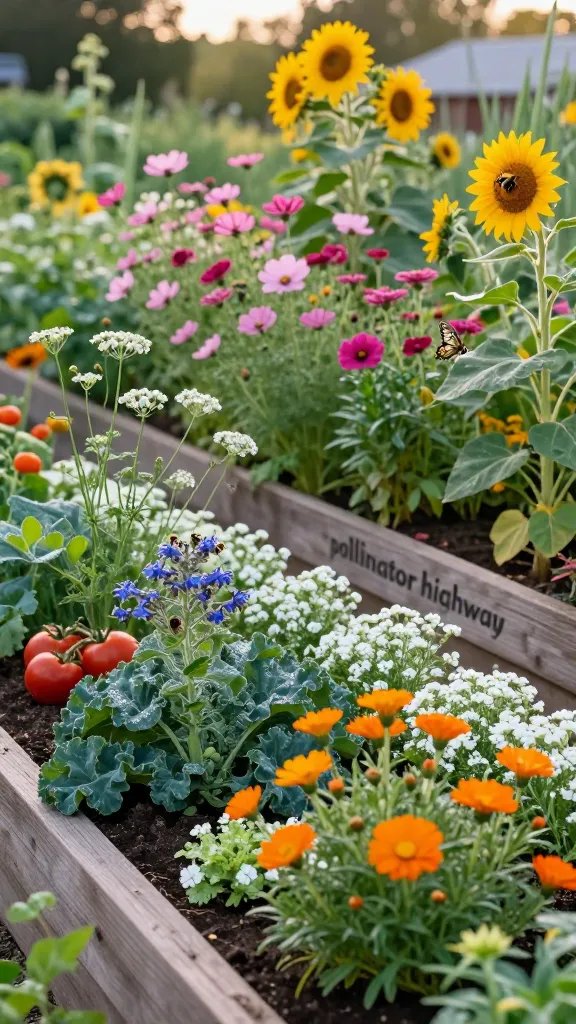
More pollinators, more produce. It’s that simple. Flowers also attract beneficial insects that snack on pests—free security team!
Plus, blooms make your garden pop. Veggies and vibes? Yes please.
All-Star Blooms
- Calendula, Borage, Alyssum: Nonstop nectar, easy care.
- Cosmos, Zinnia, Sunflower: Bring in bees and butterflies all season.
- Dill, Cilantro, Fennel (let some bolt): Umbel flowers invite lacewings and parasitic wasps.
Placement Tips
- Edge beds with low flowers like alyssum for ground cover.
- Stagger bloom times for a buffet from spring to fall.
- Skip pesticides—don’t invite guests and then poison the punch.
Use pollinator strips to boost yields and biodiversity. Your tomatoes will set more fruit, and your garden will look like a postcard.
8. Optimize Watering With Mulch And Smart Irrigation
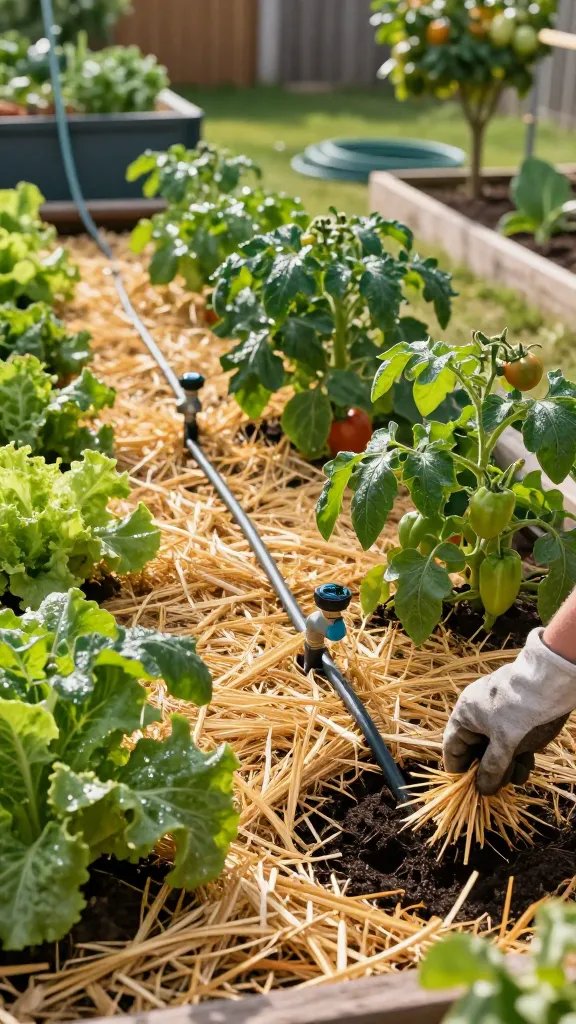
Watering right = faster growth, fewer diseases, and less drama. Overhead sprinklers waste water and wet leaves—invite diseases much?
Use drip lines or soaker hoses under mulch to deliver moisture right to roots. Efficient and tidy.
Smart Setup
- Install a simple drip kit with a timer—set and forget.
- Mulch with straw, shredded leaves, or pine needles (2–3 inches).
- Water deeply but infrequently to encourage strong roots.
Signs You’re Nailing It
- Soil feels moist 2–3 inches down.
- Leaves look perky by midday, even in heat.
- Fewer weeds because mulch blocks light.
Use this approach when you want stable growth, lower water bills, and healthier plants. Trust me, the timer is life-changing.
9. Grow For Flavor With Heirlooms And Heat-Lovers
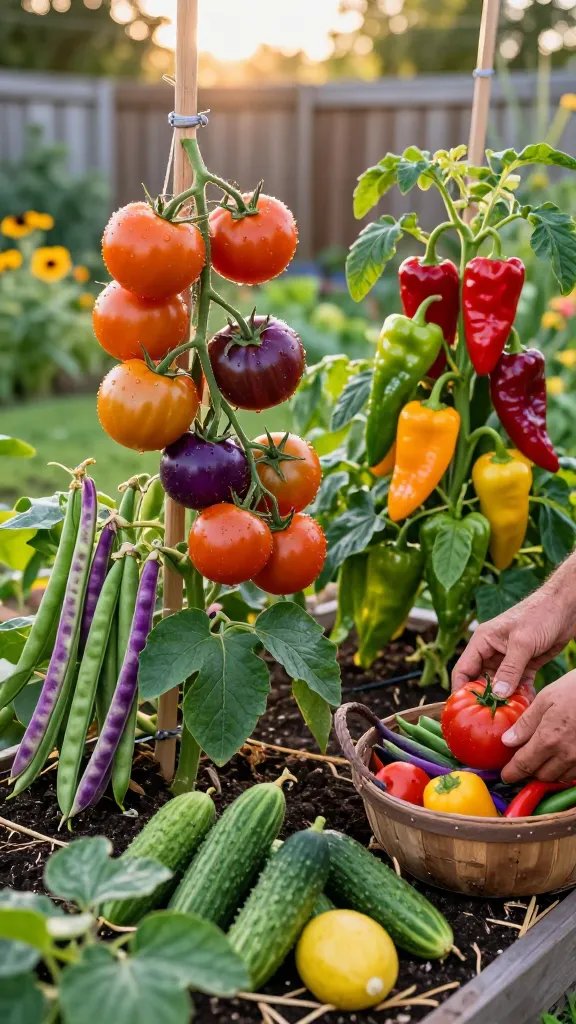
If you’re going to the trouble of gardening, chase flavor. Heirlooms bring weird shapes, wild colors, and tomatoes that taste like summer itself.
Also, lean into heat-lovers if your climate runs warm—they’ll reward you big time.
Flavor-Bomb Picks
- Tomatoes: ‘Sun Gold’ (cherry), ‘Black Krim’, ‘Cherokee Purple’
- Peppers: ‘Shishito’, ‘Jimmy Nardello’, ‘Hungarian Wax’
- Cucumbers: ‘Persian Baby’, ‘Lemon’
- Beans: ‘Dragon Tongue’, ‘Provider’
Care Notes
- Feed monthly with compost or a balanced organic fertilizer.
- Prune indeterminate tomatoes for airflow and easier trellising.
- Harvest often to keep plants producing.
Use heirlooms when you want variety and serious taste. Grocery-store blandness? Couldn’t be you.
10. Create A Four-Season Plan With Covers And Cold Frames
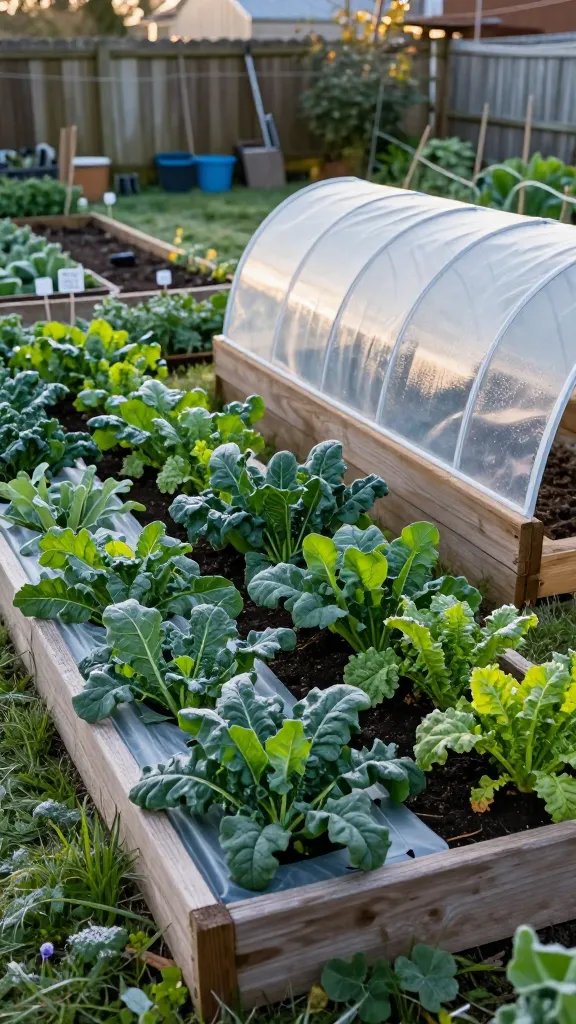
Stretch your growing season like a pro. Row covers and cold frames protect from frost, bugs, and surprise weather tantrums.
Grow earlier in spring, later in fall, and maybe even harvest spinach in winter if you play your cards right.
Tools To Extend The Season
- Floating Row Cover (0.5–1.0 oz): Frost and insect protection.
- Low Tunnels: PVC or metal hoops with fabric or plastic.
- Cold Frames: Simple boxes with clear lids for heat retention.
What Thrives Under Cover
- Spinach, kale, mache, tatsoi, and scallions
- Early carrots, beets, and radishes
- Transplants that need babying: tomatoes, peppers, cukes (during cool nights)
Use season extenders when you want more months of harvest without building a greenhouse. It’s the cheat code for gardeners.
You’ve got this. Pick one or two ideas, start small, and let your garden snowball from there—in the fun way, not the shoveling way. Fresh veggies, brag-worthy beds, and big flavor are closer than you think. Now go make your future self a salad.