5 Clever Small Living Room Layouts That Feel Bigger Instantly (no Renovation Needed)

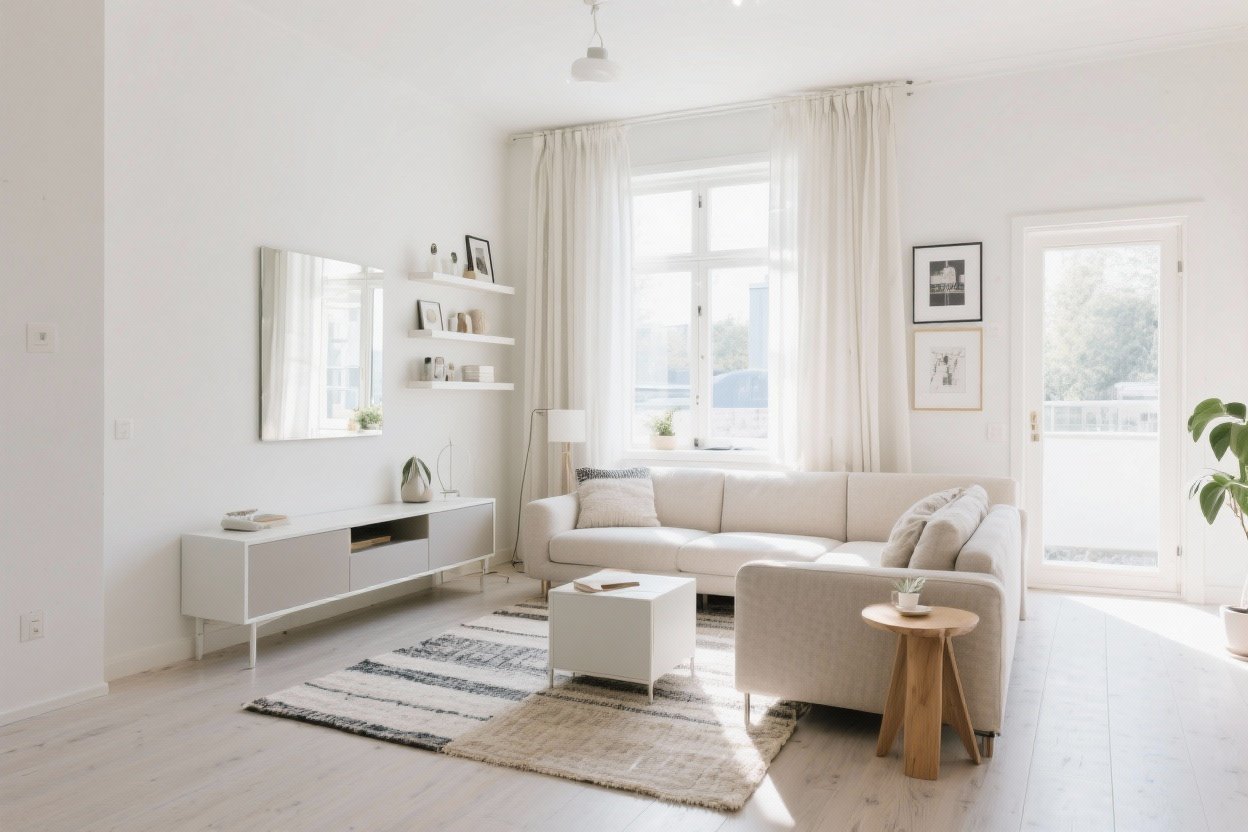
Small living room cramping your style? Same. The good news: you don’t need a demo day to make it feel bigger—just smarter layout moves. These five setups stretch your square footage visually, boost flow, and still leave room for snacks. Let’s play Tetris, but make it chic.
1. Float The Furniture, Don’t Hug The Walls
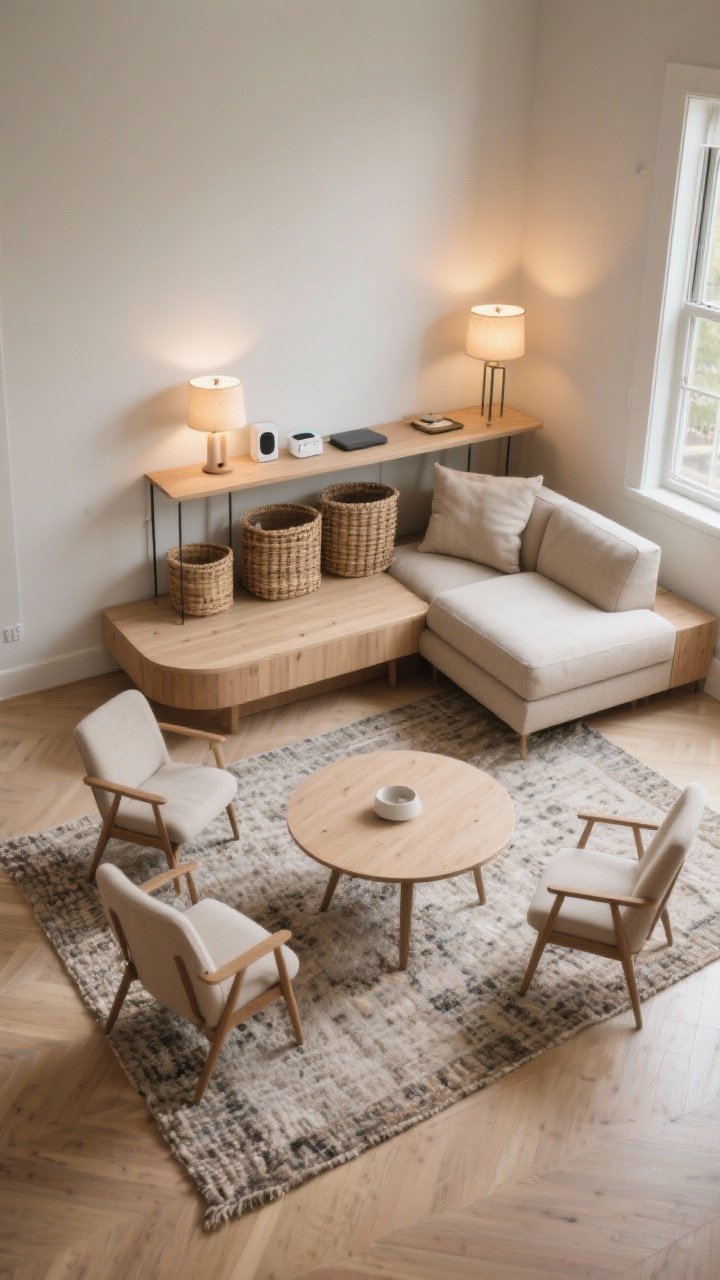
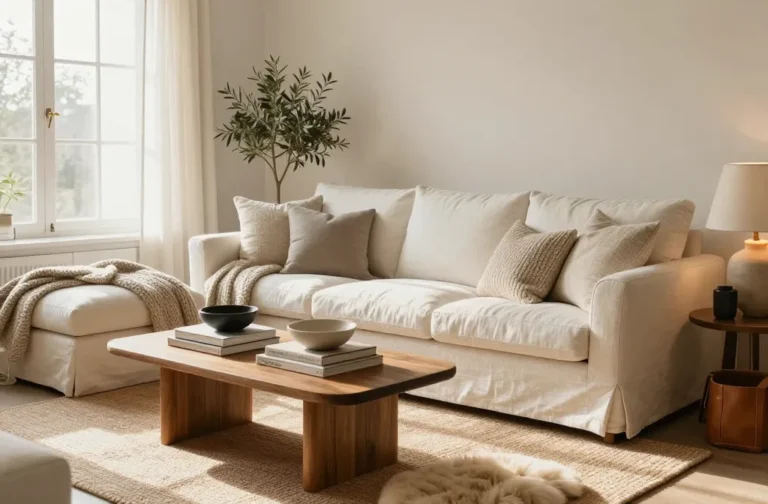
Counterintuitive, but true: pushing everything against the walls can make your space feel like a waiting room. Floating your sofa and chairs creates a cozy “island” and opens up pathways around it, which tricks the eye into seeing more room.
Tired of snacking when you’re not even hungry? This reset helps you stop the loop and feel back in control.
A simple reset for moments when cravings take over. Easy to use, easy to repeat, and designed to help you feel satisfied instead of stuck.
How To Do It
- Anchor with a rug: Pick a rug large enough that front legs of all seating sit on it. It visually “zones” the area.
- Add a slim console behind the sofa: Use it for lamps, storage baskets, or a charging station. Double-duty = chef’s kiss.
- Keep a 30–36 inch path around the seating group so it flows like a mini promenade.
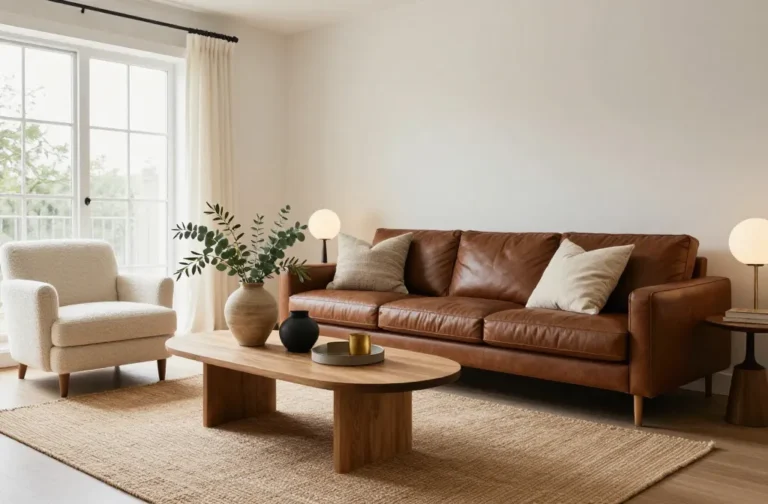
FYI: A round coffee table is your MVP here—no sharp corners, better traffic flow, and it softens boxy rooms.
2. Go Long And Linear With A Bench + Narrow Sofa
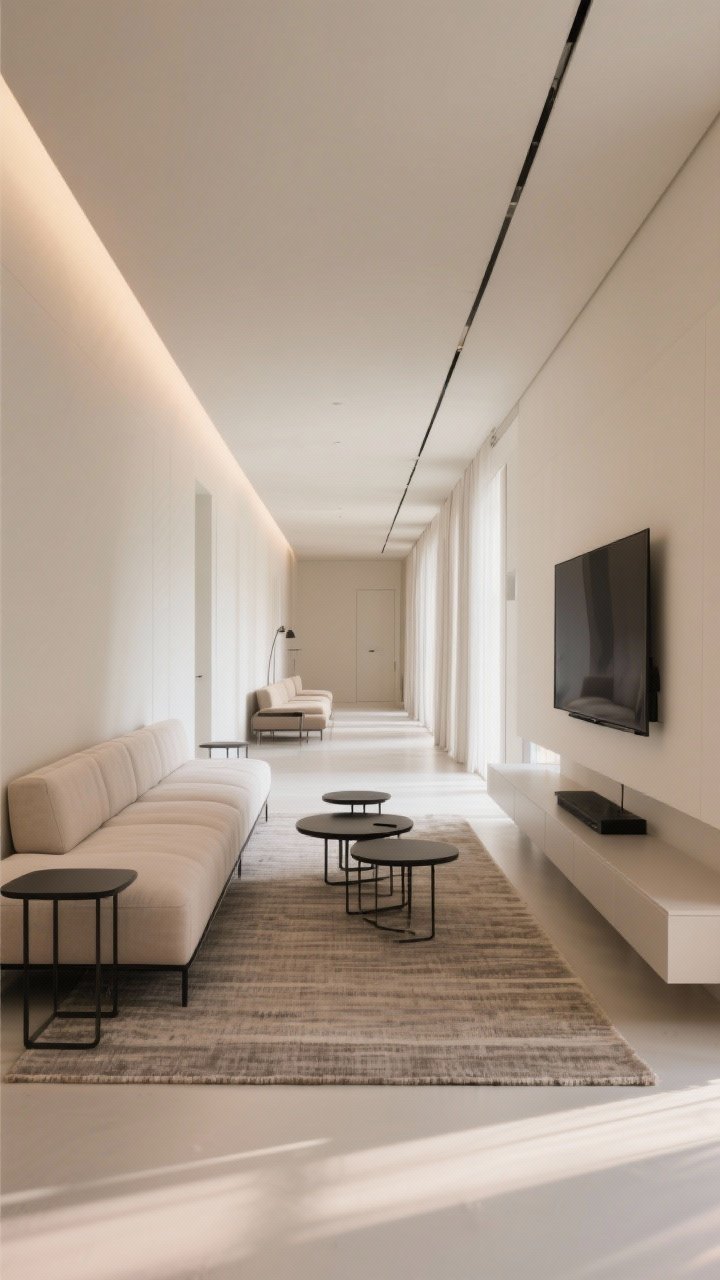
If your room is rectangular, lean into it. A slim-profile sofa paired with a long bench or daybed opposite creates seating without bulky arms hogging space. It reads streamlined and high-end, even on a budget.
Placement Tips
- Align everything to the longest wall: Sofa on one side, bench on the other, coffee table in between. You’re making a runway for the eyes.
- Use nesting side tables instead of one big clunker. Pull them out for guests; tuck them in when it’s just you and your snacks.
- Mount a TV and float a low console under it to keep the sightline clean. Less visual clutter = more perceived space.
Bonus: A bench can slide under a window or move to the dining zone when you’re hosting. Versatility for the win.
3. Corner Conversation Nook With L-Shaped Seating
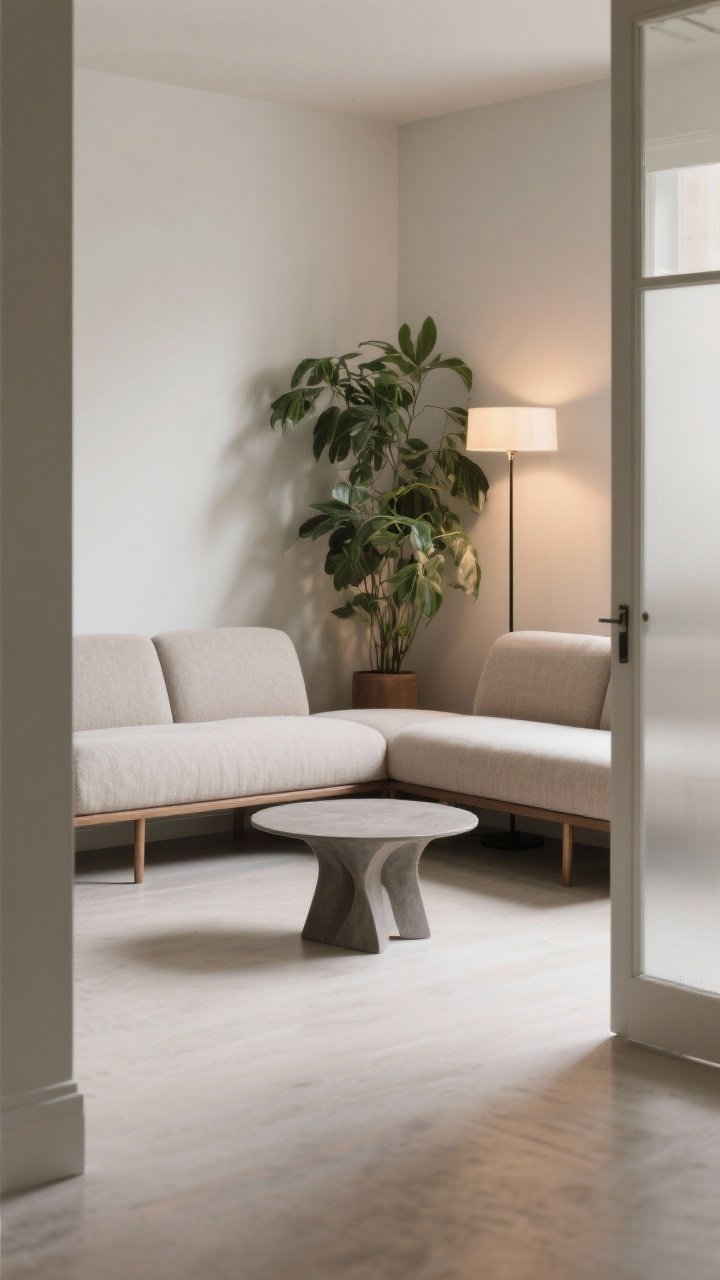
Have an awkward corner? Turn it into your power move. An L-shaped sectional or two armless chairs at a right angle instantly creates a conversation nook while leaving the rest of the room open.
Transform Your Home With 7,250+ Stunning Landscaping Designs—No Expensive Designers Needed!
- 🌿 Access 7,250+ stunning landscaping designs.
- 💰 Save thousands—no pro designer needed.
- 🏡 Plans for gardens, patios, walkways, and more.
- ✨ Simple, beginner-friendly DIY layouts.
- 🛠️ Customize any design to fit your yard.
Why It Works
- Uses dead space: Corners love to hoard dust and sadness. Fill them with seating instead.
- Frees up the center: Keep the middle of the room airy with a small, sculptural coffee table.
- Add verticals: A tall floor lamp or corner plant draws the eye up. Taller = bigger, visually speaking.
Pro tip: Choose a sectional with exposed legs and a low back. The more floor you can see, the lighter it feels. IMO, skip bulky recliners unless you’re committed to the man-cave aesthetic.
4. Diagonal Layout For Instant Wow (And Better Flow)
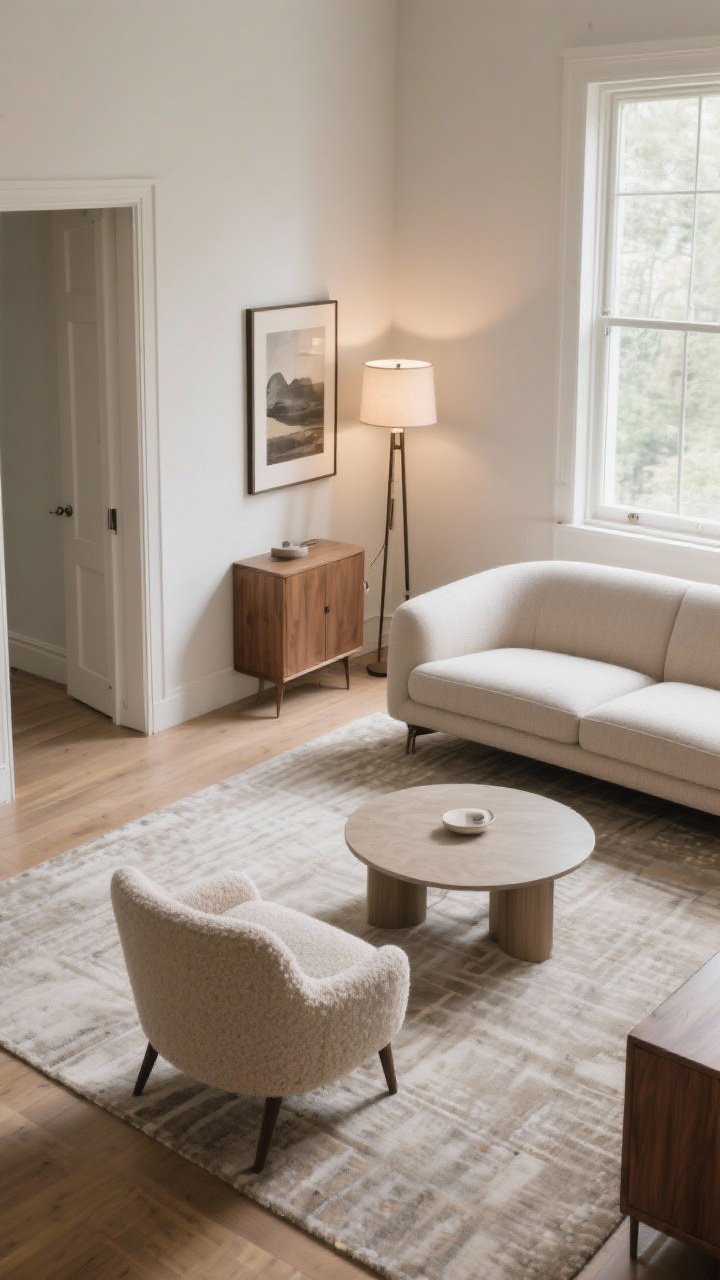
Hear me out: angle the sofa toward a corner focal point—like a floor lamp, art, or a corner fireplace—and you break up that tight hallway vibe. Diagonal layouts can make a small room feel layered and intentional.
Make The Angles Work
- Point the sofa toward the longest sightline: Ideally toward a window or open doorway so the view feels extended.
- Use a corner cabinet or plant to “complete” the focal point. Your eye needs somewhere to land.
- Choose curved pieces: A rounded side chair or oval coffee table softens all the angles and keeps the look cohesive.
FYI: Angled layouts shine in rooms with weird door placements. You’re basically outsmarting the architecture. Sneaky, right?
5. Double-Duty Studio: Zone It Like A Designer
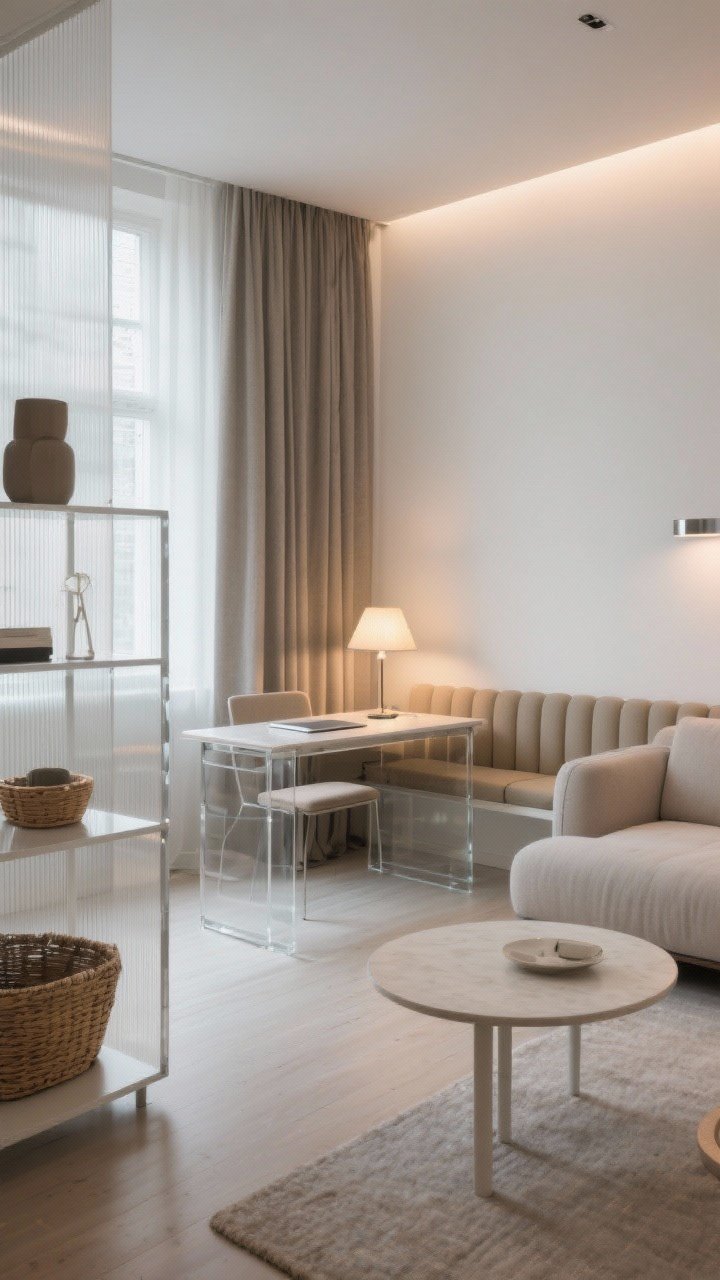
If your living room does it all—office, dining, Netflix—then zoning is your superpower. Create mini “rooms” within the room with furniture placement instead of walls. The result feels organized and bigger because each area has a clear purpose.
Smart Zoning Ideas
- Sofa + Desk Back-to-Back: Float the sofa, then tuck a narrow desk behind it. Pop a table lamp on the desk to glow up both zones.
- Dining Nook With Benches: A wall-hugging banquette or two narrow benches around a round table saves space and adds bistro vibes.
- Open Shelving as Divider: A low bookcase or open etagere separates zones without blocking light. Style it with baskets and a few pretty objects—clutter, but make it curated.
Keep a cohesive color palette across zones so it feels unified, not like a furniture store exploded. Two to three metals, three main colors, lots of texture—done.
Quick Visual Tricks That Work With Any Layout
- Scale up your art and rug: Bigger pieces make the room feel grander. Tiny rug = tiny room energy.
- Use glass or acrylic: Coffee tables or consoles in clear materials practically disappear, but still function.
- Go vertical: Tall curtains hung close to the ceiling elongate walls. Keep curtain rods wider than the window to let in max light.
- Mirrors, but strategic: Place across from windows to bounce light, not opposite the TV unless you love double-screen chaos.
You don’t need more space—you just need a smarter plan. Pick one layout, try the tweaks, and live with it for a week. Move a piece, swap a table, add a lamp. Suddenly your small living room feels bigger, brighter, and way more you. Now invite people over and pretend it’s always been this good.