10 Vegetable Garden Ideas to Turbocharge Your Harvest
Want a garden that cranks out fresh veggies like a tiny farm with better aesthetics? These ideas turn small spaces into flavor factories and big backyards into legit produce paradises. You’ll squeeze in more plants, fight fewer pests, and harvest like a pro—without needing a tractor. Let’s dig in (literally) and make your garden ridiculously productive.
1. Build Raised Beds That Actually Work
Tired of snacking when you’re not even hungry? This reset helps you stop the loop and feel back in control.
A simple reset for moments when cravings take over. Easy to use, easy to repeat, and designed to help you feel satisfied instead of stuck.
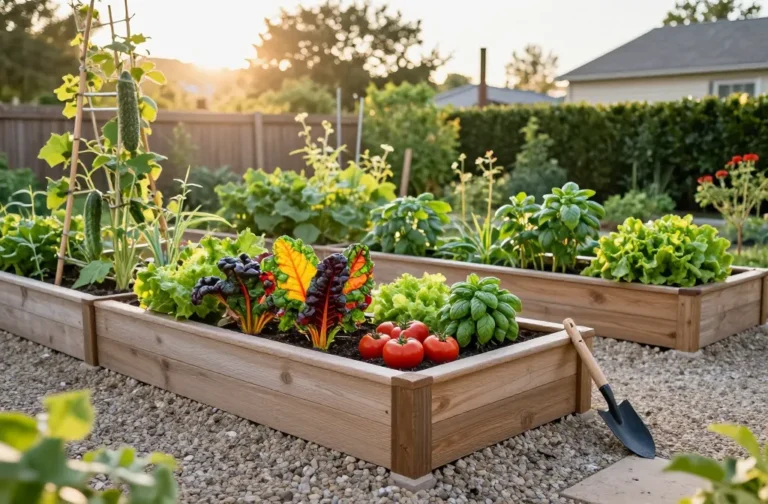
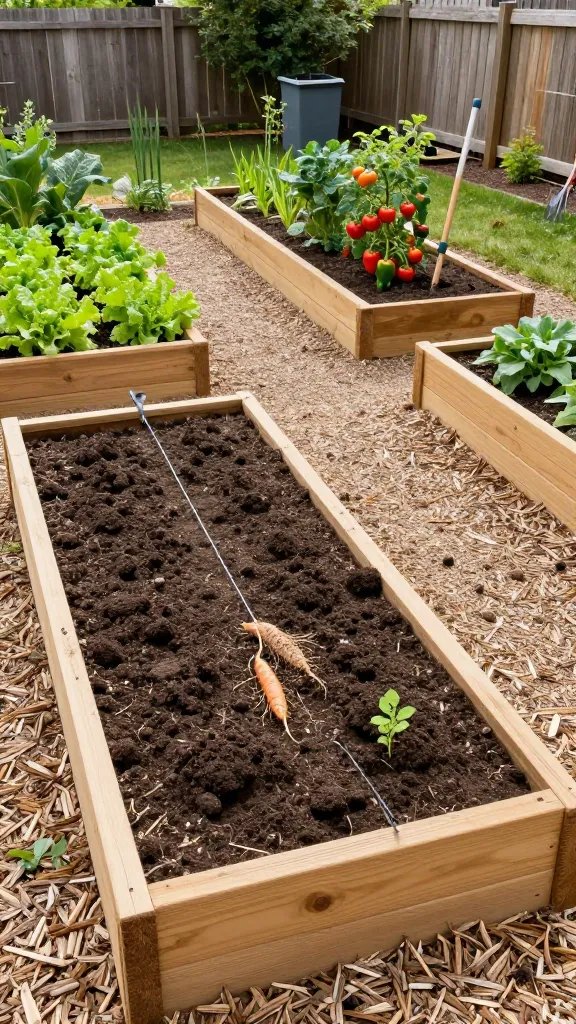
Raised beds look neat, warm up faster in spring, and give your veggies the fluffy, well-drained soil they dream about. You’ll control the soil quality, reduce weeds, and stop compacting soil because you won’t step in them.
Key Details
- Dimensions: 3–4 ft wide so you can reach the middle; any length you want
- Height: 10–12 inches for most crops; 18 inches for carrots and deep roots
- Materials: Untreated cedar, composite boards, or concrete blocks
Fill with a mix of topsoil, compost, and a little coarse sand for drainage. You’ll plant earlier, harvest more, and your back will complain less—win-win.
2. Go Vertical: Climb, Dangle, and Save Space
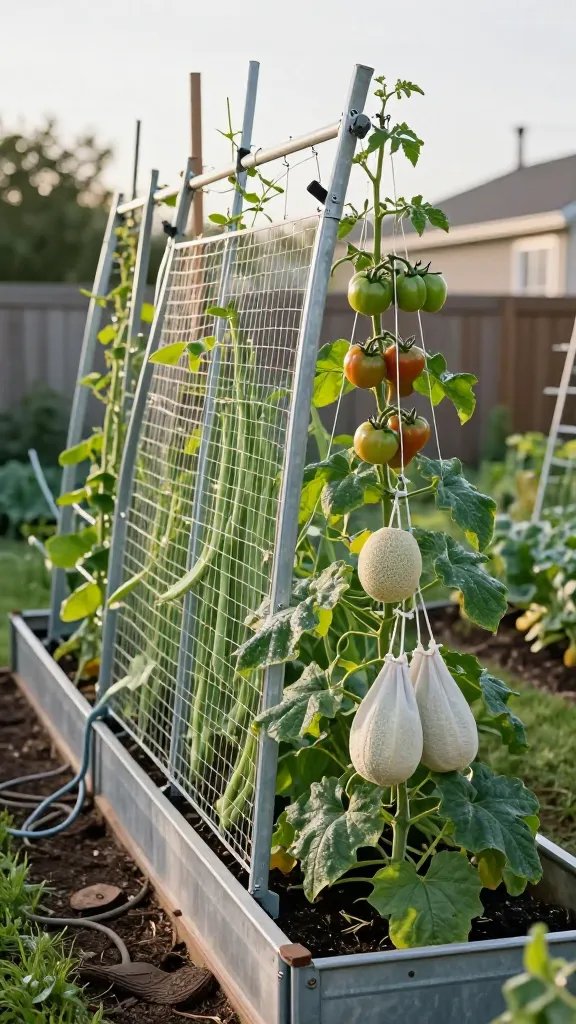
Why let cucumbers sprawl when they can climb like tiny green acrobats? Vertical growing turns wasted airspace into prime real estate and keeps fruit cleaner and easier to pick.
Transform Your Home With 7,250+ Stunning Landscaping Designs—No Expensive Designers Needed!
- 🌿 Access 7,250+ stunning landscaping designs.
- 💰 Save thousands—no pro designer needed.
- 🏡 Plans for gardens, patios, walkways, and more.
- ✨ Simple, beginner-friendly DIY layouts.
- 🛠️ Customize any design to fit your yard.
Great Crops to Trellis
- Cucumbers, pole beans, peas: Twine or netting works great
- Tomatoes: Sturdy cattle panels or string trellis
- Melons and squash: Use slings for heavy fruit (old T-shirts = perfect)
Position trellises north-side of beds to avoid shading shorter crops. This setup boosts airflow, cuts disease, and makes your garden look like a living art installation. Seriously, it’s that good.
3. Master Succession Planting (More Harvest, Same Space)
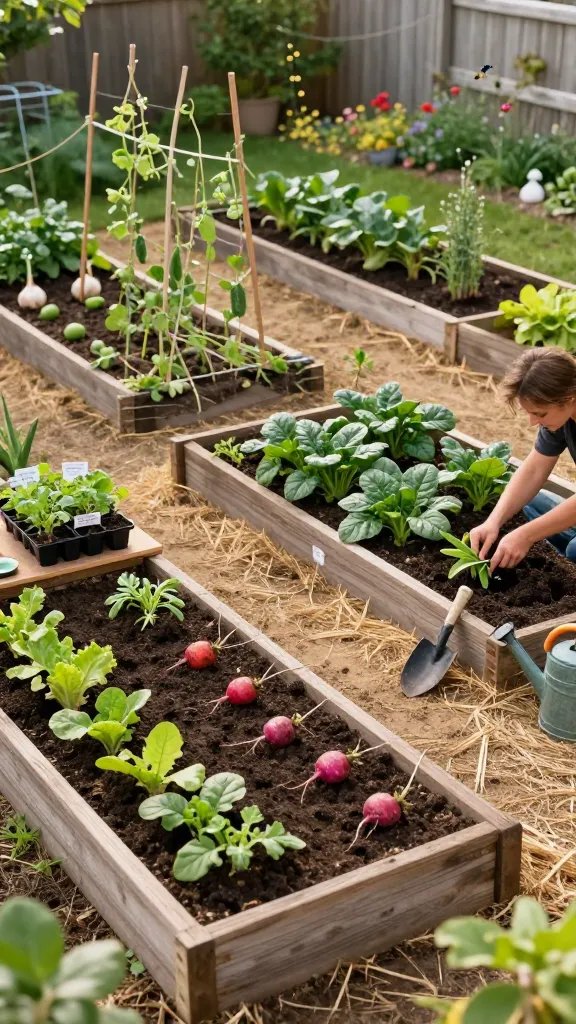
Don’t leave empty soil staring at the sun doing nothing. Succession planting means you replant fast-growing crops as soon as you harvest, so your beds stay productive all season.
Smart Successions
- Spinach → Bush Beans → Fall Lettuce
- Radishes → Carrots → Arugula
- Peas (spring) → Cucumbers (summer) → Garlic (fall)
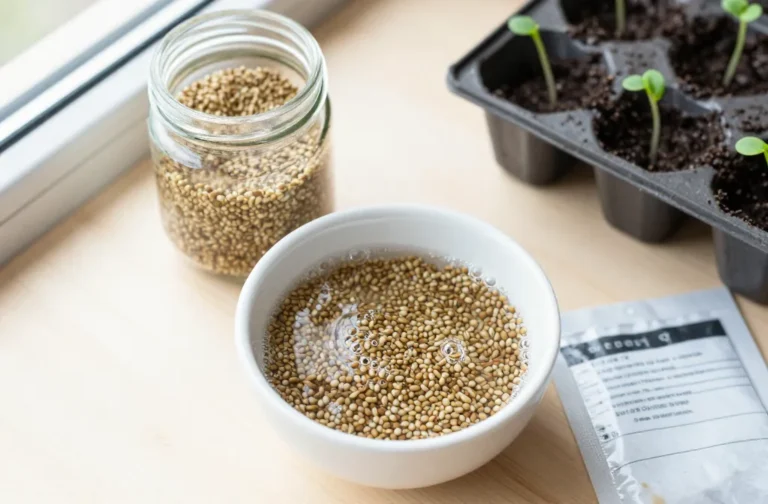
Keep seedlings ready in trays to drop in right after a harvest. You’ll double your yield and feel like a time-management wizard.
4. Try Square-Foot Planting for Dense, Drama-Free Beds
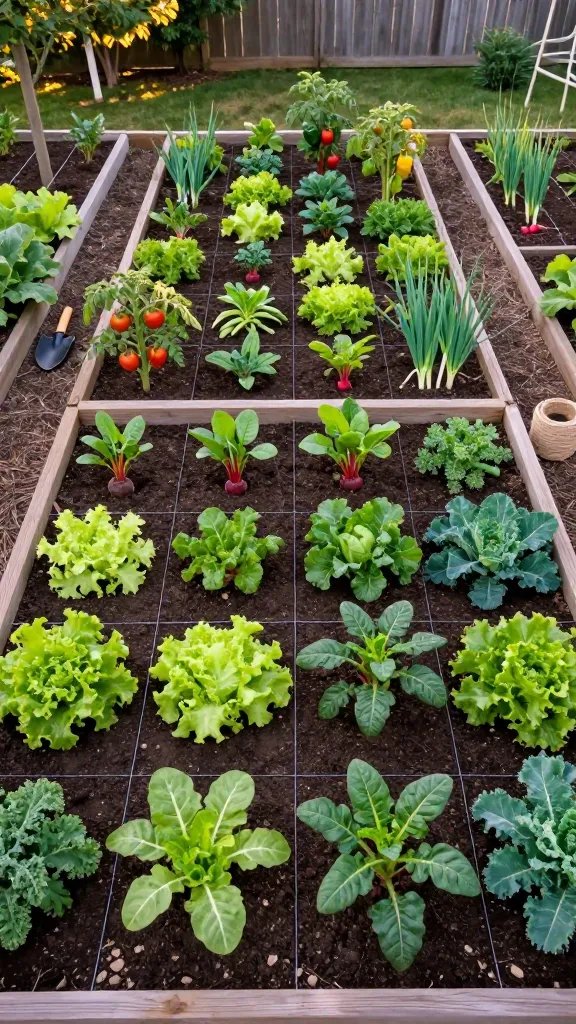
Want tidy beds and maximum veggies without a math headache? Square-foot planting divides beds into 12-inch squares and spaces crops precisely so they don’t fight for light or nutrients.
Plant Spacing Per Square (FYI, It’s Foolproof)
- 1 per square: Tomato, pepper, kale
- 4 per square: Lettuce heads, Swiss chard
- 9 per square: Beets, bush beans
- 16 per square: Radishes, green onions
Lay down a simple string grid for a visual guide. This method keeps things organized, boosts productivity, and makes thinning almost unnecessary. It’s tidy-gardener heaven.
5. Create a Potager: Edible Meets Gorgeous
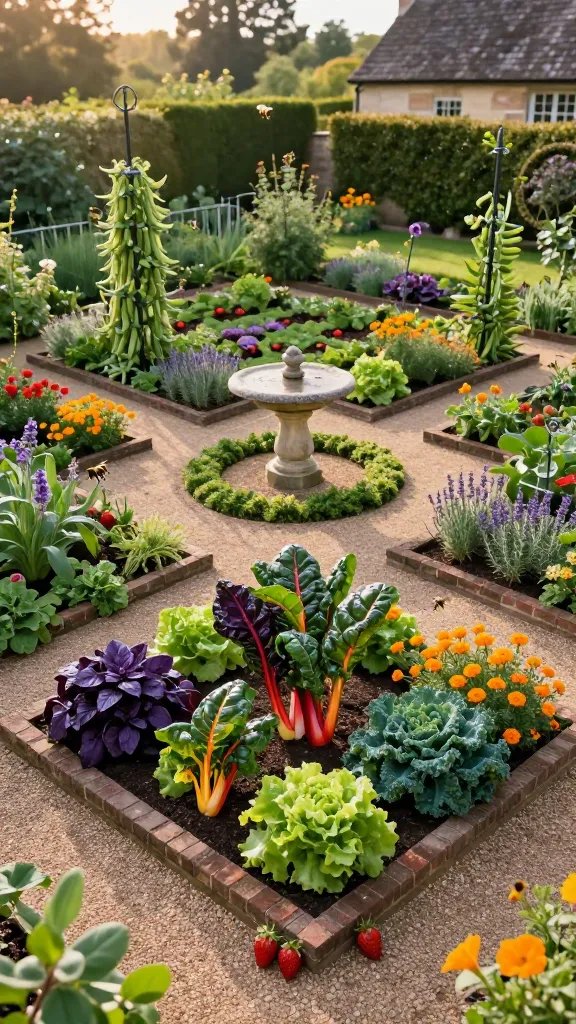
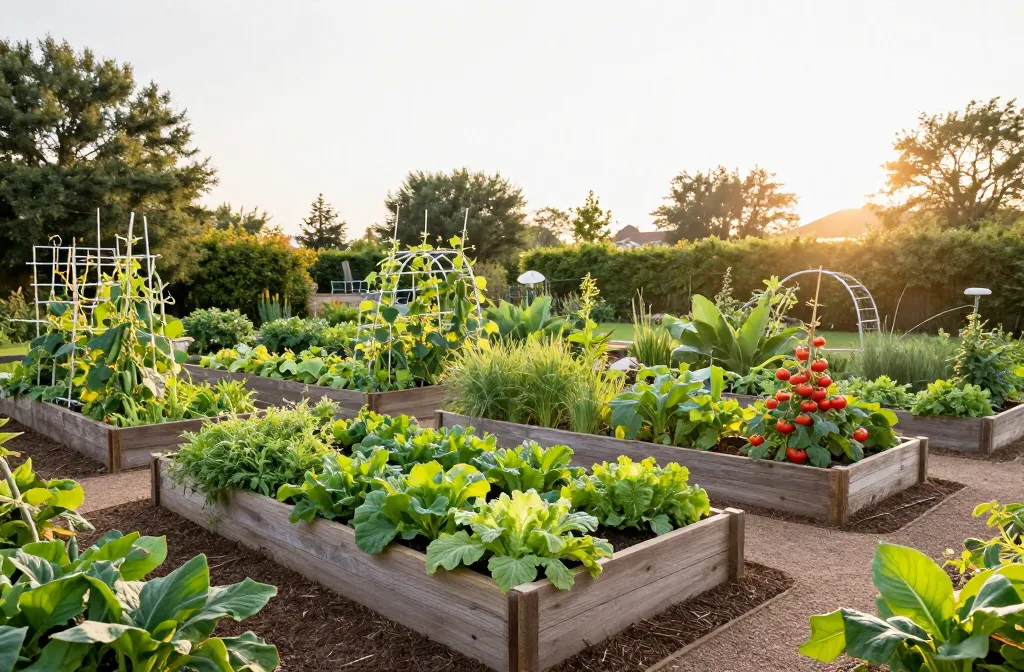
Who says veggie gardens can’t look bougie? A potager blends vegetables, herbs, and flowers in geometric beds with pathways, making your garden feel like a mini chateau courtyard.
Design Tips
- Use symmetry with a focal point (birdbath, obelisk, or herb spiral)
- Mix edibles and ornamentals—think purple basil, rainbow chard, calendula
- Line paths with low herbs like thyme or strawberries
You’ll attract pollinators, deter pests, and impress literally everyone who sees it. Beauty plus dinner? Yes please.
6. Plant Guilds and Companions That Have Your Back
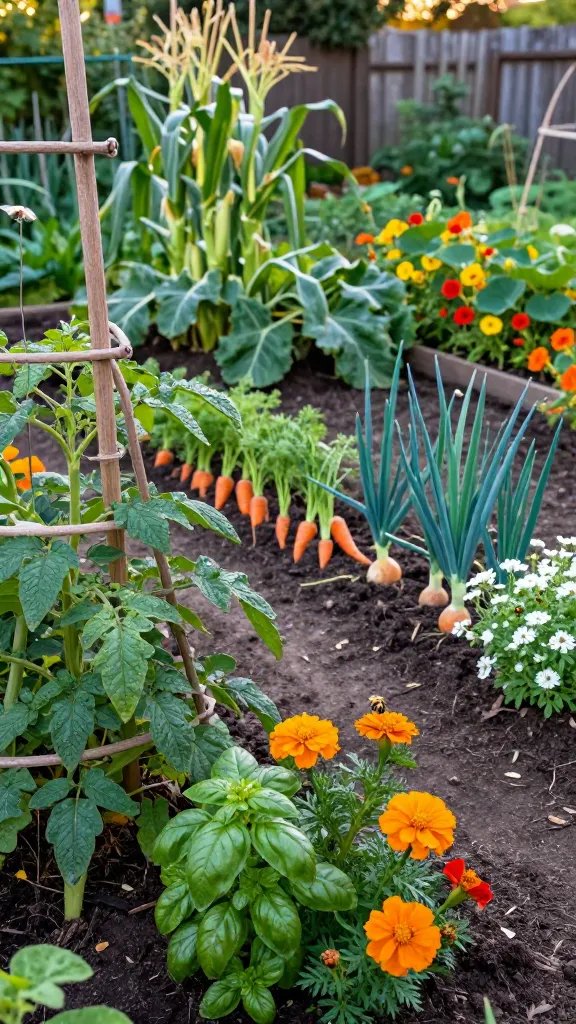
Let your plants play team sports. Companion planting pairs crops that support each other with shade, nutrients, or pest control so you do less work and get more harvest.
Classic Combos
- Tomato + Basil + Marigold: Flavor boost, pest deterrence, and extra pollinators
- Corn + Beans + Squash (Three Sisters): Corn supports beans, beans feed soil, squash shades weeds
- Carrots + Onions: Each confuses the other’s pests
Sprinkle in flowers like nasturtiums and alyssum for aphid control and beneficial insects. Your garden becomes an ecosystem, not just a salad bar.
7. Grow in Containers, Buckets, and Grow Bags
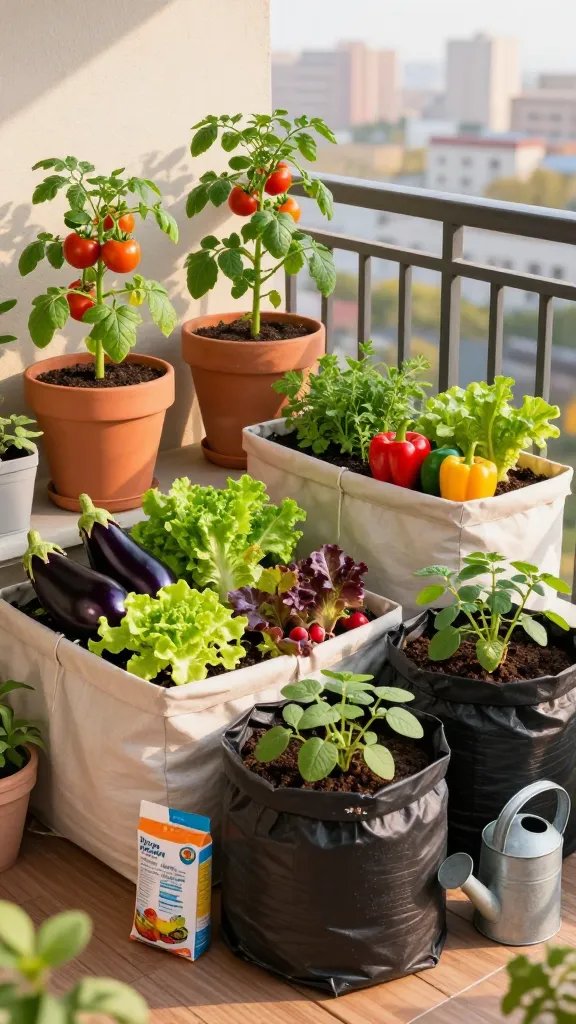
No yard? No problem. Containers and grow bags turn balconies, patios, and driveways into vibrant veggie zones. They drain well, warm up fast, and move easily to chase sun.
Best Picks for Pots
- Tomatoes (dwarf/compact), peppers, eggplant: 5–10 gallon containers
- Salad greens, radishes, herbs: Shallow window boxes or bowls
- Potatoes: 10–15 gallon grow bags for easy harvest
Use high-quality potting mix and feed regularly since nutrients wash out. You’ll harvest a surprising amount from a tiny footprint—IMO, it’s the gateway drug to bigger gardens.
8. Install Drip Irrigation and Mulch Like You Mean It
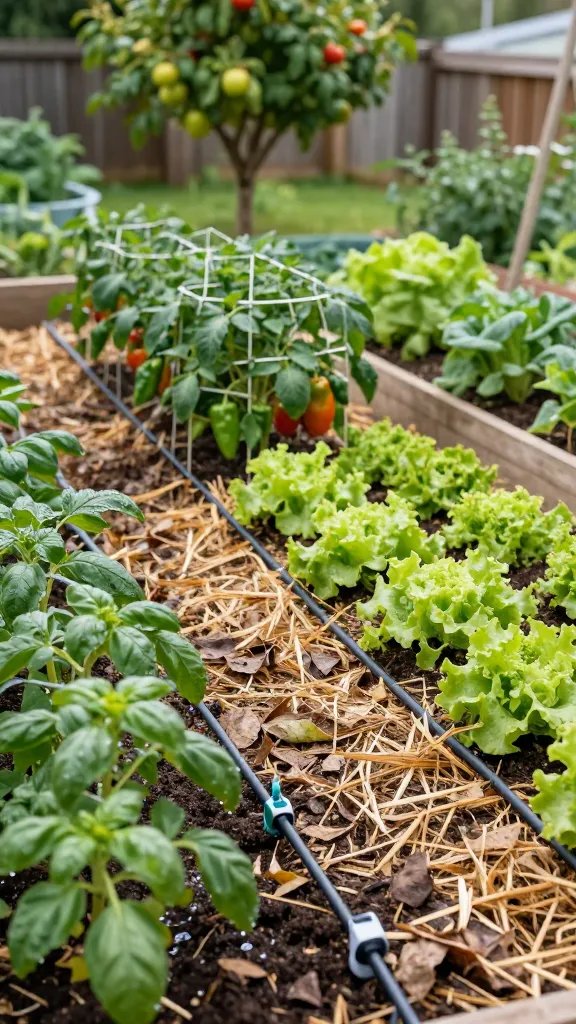
Watering with a hose feels zen until July hits. Drip irrigation delivers water right to the roots, saves time, and keeps leaves dry to prevent disease.
Quick Setup
- Drip lines or emitters along each row or square
- Timer so you never forget (we’ve all been there)
- Mulch: 2–3 inches of shredded leaves, straw, or wood chips
Mulch locks in moisture, cools soil, and blocks weeds like a champ. Combine both, and your plants stay hydrated and happy while you sip iced tea in the shade. Trust me, it’s a game-changer.
9. Extend Your Season With Covers and Cold Frames
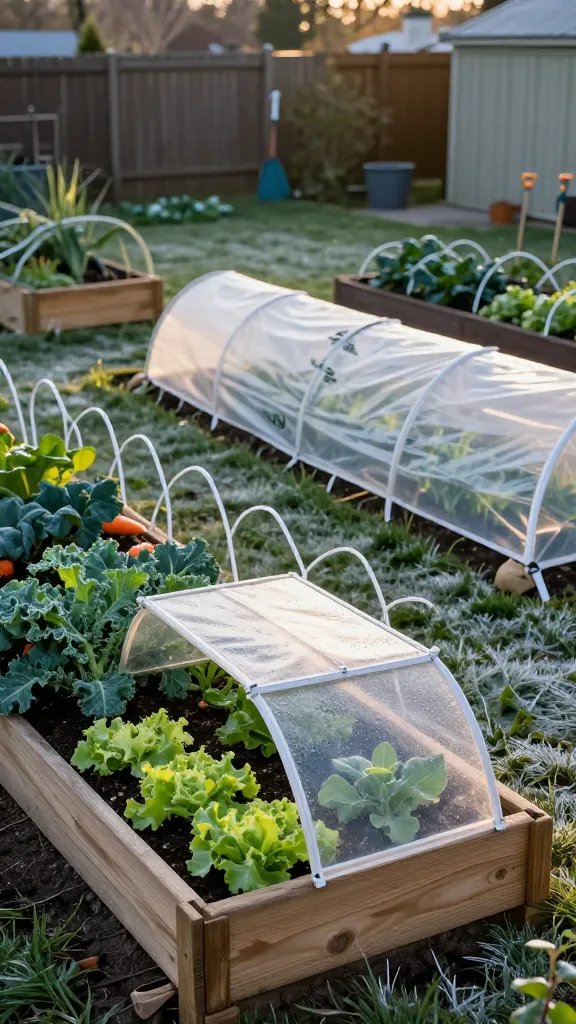
Don’t let chilly nights bully your garden. Row covers, low tunnels, and cold frames protect tender plants and stretch your harvest weeks (sometimes months) beyond your neighbors.
What to Use
- Row Cover (Agribon 19): Frost protection for early/late season
- Low Tunnels: PVC hoops + greenhouse plastic for warmth
- Cold Frames: Simple boxes with clear lids for greens and seedlings
Start earlier with peas and spinach, finish later with carrots and kale. You’ll feel like you hacked the calendar—because you did.
10. Compost Like a Pro and Feed the Soil First
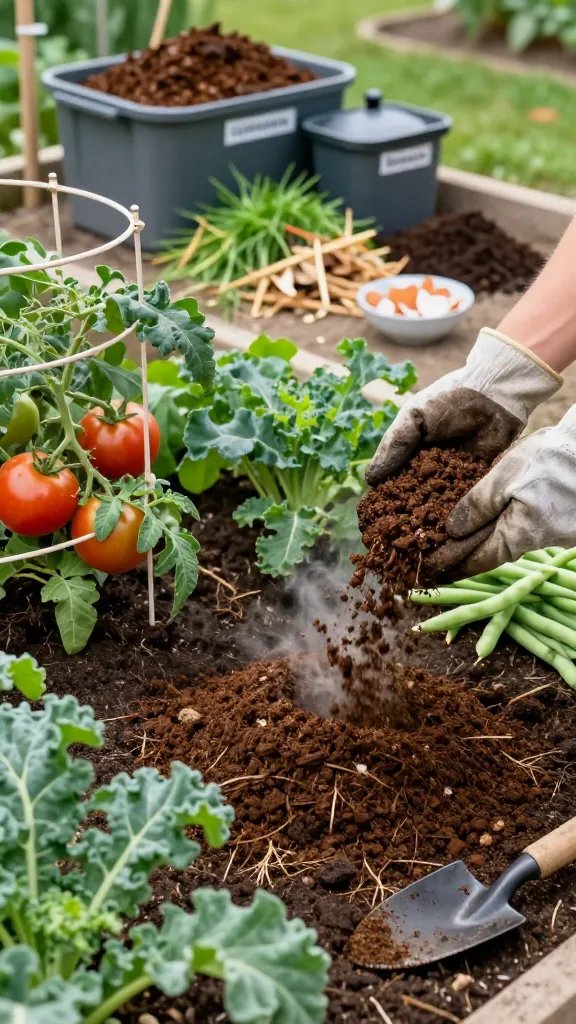
Healthy soil grows healthy plants—shocking, I know. Compost adds nutrients, improves texture, and fuels the microbes that make your garden thrive.
Easy Compost Ingredients
- Greens: Kitchen scraps, coffee grounds, fresh grass
- Browns: Leaves, straw, shredded cardboard
- Extras: Crushed eggshells, a sprinkle of garden soil for microbes
Top-dress beds with 1–2 inches each season and skip the heavy tilling. You’ll build rich, living soil that pays you back with bigger, tastier harvests—seriously.
Ready to turn your patch of dirt (or balcony) into a veggie wonderland? Start with one or two ideas, then stack more as you go. You’ll eat better, spend less, and feel wildly proud every time you bite into something you grew yourself. Now go plant something!