Get Sweat Stains Out of Clothes Fast with Science
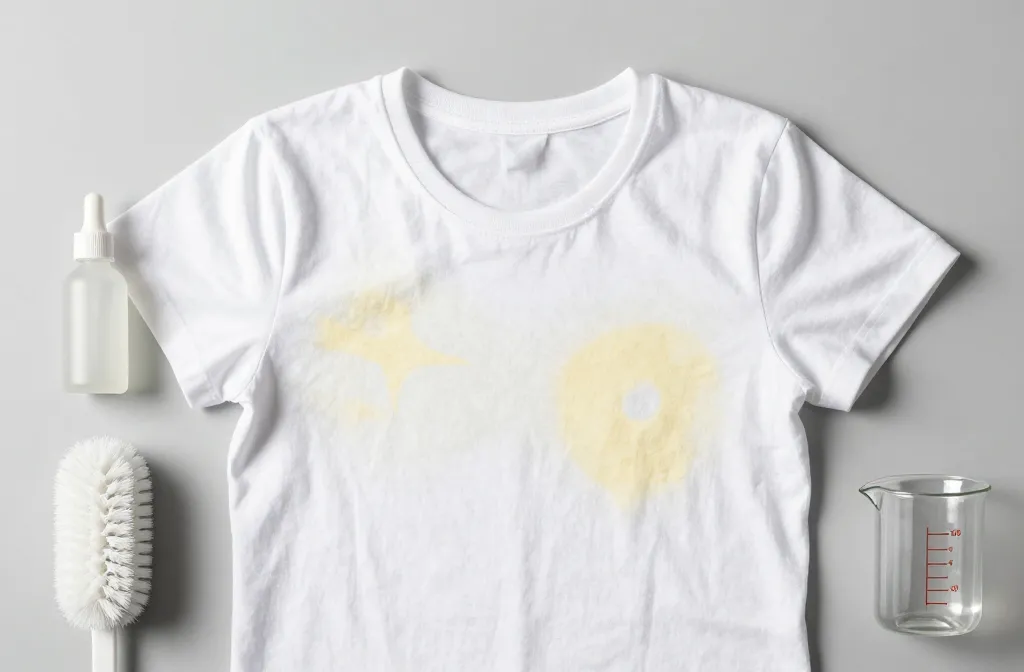
Let’s be real: sweat happens, and those yellow underarm halos on your favorite shirt feel personal. The good news? You can kick them out without ruining the fabric or your mood. I’ll show you simple, science-backed tricks that actually work, plus when to skip the internet myth stuff. Ready to rescue your tees, dress shirts, and workout gear? Let’s go.
Why Sweat Stains Happen (So You Can Outsmart Them)
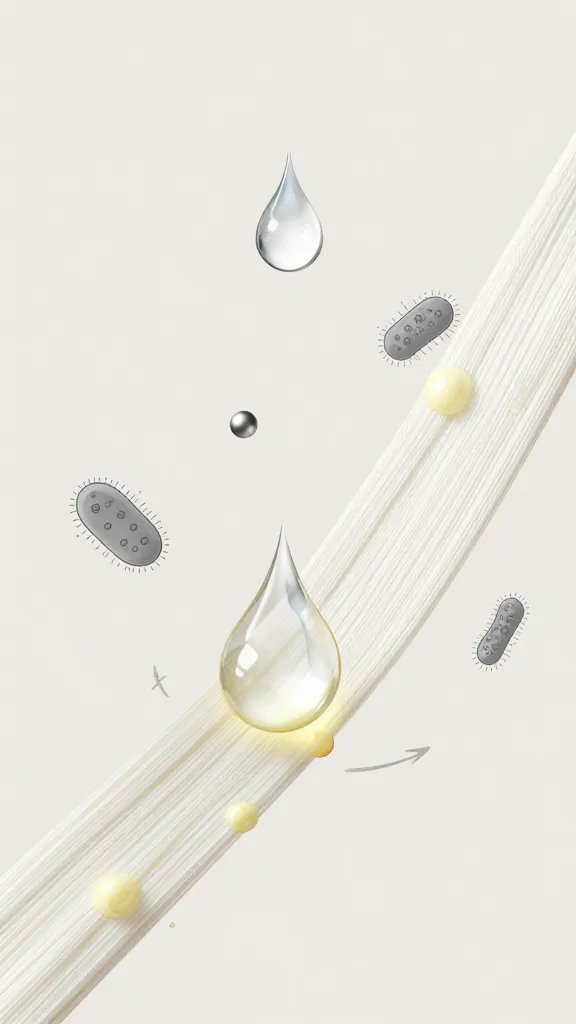
Sweat alone doesn’t stain much. The real villain is the reaction between sweat, skin oils, bacteria, and aluminum in many antiperspirants. That combo oxidizes and leaves those yellow or stiff patches. Gross? A little. Fixable? Absolutely.
Tired of snacking when you’re not even hungry? This reset helps you stop the loop and feel back in control.
A simple reset for moments when cravings take over. Easy to use, easy to repeat, and designed to help you feel satisfied instead of stuck.
The Three Types Of Sweat Messes
- Fresh damp marks: Dark patches that dry and vanish. Easy win.
- Yellow pit stains: Aluminum + sweat chemistry. Needs a pretreat.
- Crunchy buildup: Deodorant residue gluing lint to fibers. Needs dissolving.
Before You Treat: Quick Fabric Check
You don’t need a lab coat, just the care tag.
- Cotton/linen: Tolerates stronger cleaners and warm water.
- Polyester/athletic blends: Prone to locking in smells; go enzyme-based, cooler water.
- Silk/wool: Delicate. Keep it gentle and never use chlorine bleach.
- Dark colors: Patch test to avoid light spots or streaking.
The Fast Fix For Fresh Stains
Caught it early? You’re golden.
- Rinse inside-out with cool water ASAP. Push water through the fabric where it soaked in.
- Use a dab of liquid detergent and rub the fabric against itself for 30 seconds.
- Wash on the warmest safe setting for the fabric. Air-dry first to check results.
If it looks good after air-drying, then toss it in the dryer. If not, keep reading.
Battle Plan For Yellow Pit Stains
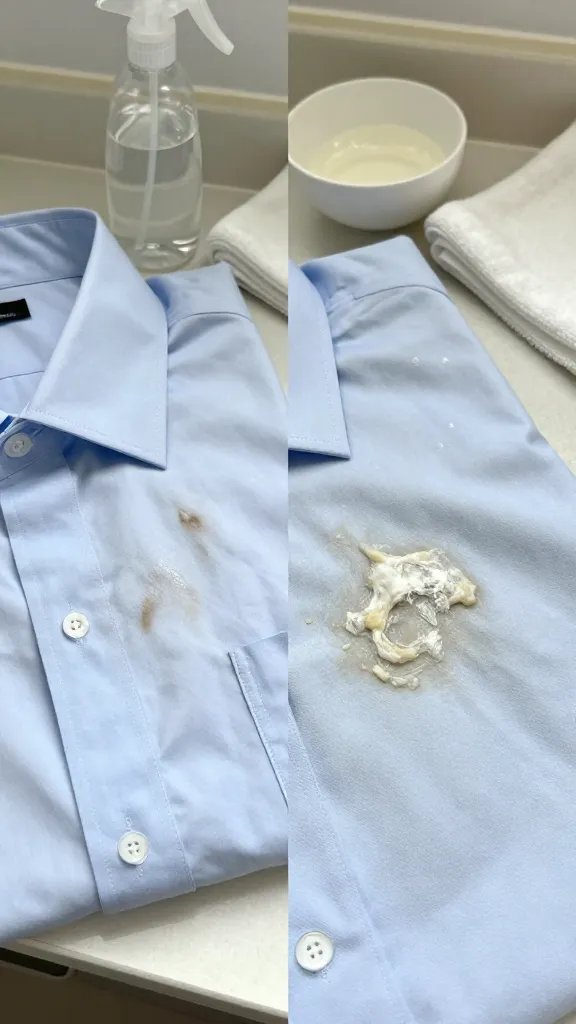
You don’t need a cauldron. You just need a pretreat cocktail and some patience.
Transform Your Home With 7,250+ Stunning Landscaping Designs—No Expensive Designers Needed!
- 🌿 Access 7,250+ stunning landscaping designs.
- 💰 Save thousands—no pro designer needed.
- 🏡 Plans for gardens, patios, walkways, and more.
- ✨ Simple, beginner-friendly DIY layouts.
- 🛠️ Customize any design to fit your yard.
Option A: Enzyme + Oxygen Bleach (My Go-To)
Great for cottons and color-safe laundry.
- Mix a slurry: 1 tablespoon powdered oxygen bleach (like OxiClean), 1 tablespoon liquid enzyme detergent, 1 tablespoon warm water.
- Work it in: Apply to stains, gently scrub with a soft brush or old toothbrush.
- Let it sit: 30–60 minutes. Don’t let it dry out—cover with plastic if needed.
- Wash: Warm cycle with your regular detergent. Air-dry to inspect.
Option B: Baking Soda Paste (Budget-Friendly)
Solid for whites and light colors.
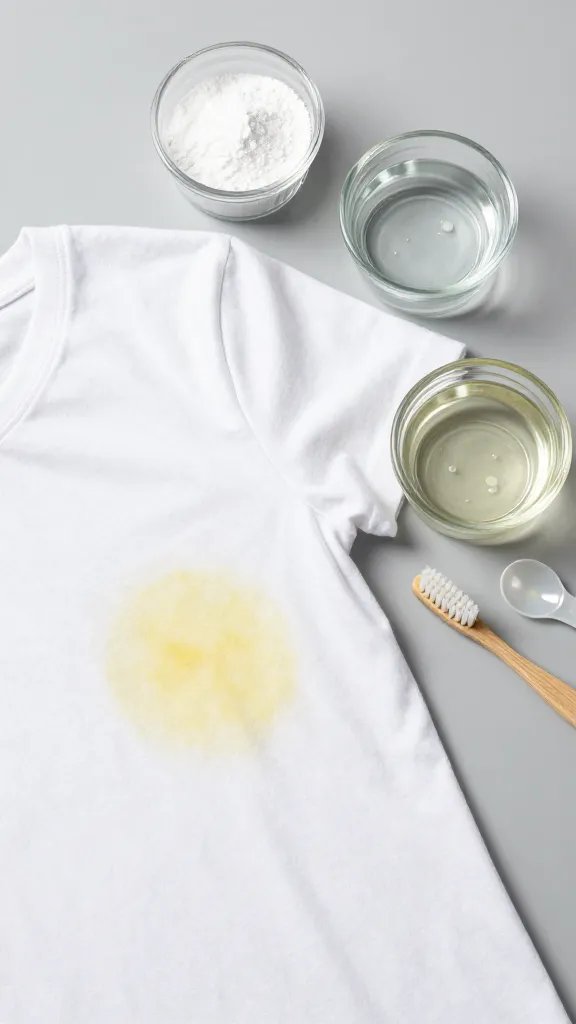
- Make paste: 4 parts baking soda to 1 part water.
- Scrub lightly: Work it into the pit area.
- Wait: 30 minutes to 2 hours, depending on severity.
- Wash: Warm cycle. Air-dry and check.
Option C: White Vinegar Pre-Soak (Residue + Odor)
For crusty deodorant layers and funk.
- Soak: 1 cup white vinegar in 1 gallon cool water, 30 minutes.
- Rinse: Quick cool rinse.
- Pretreat: Follow with Option A or B for yellowing.
When Deodorant Turns Your Shirt Crunchy
That stiff gray-white film isn’t just rude—it traps odors.
- Dissolve with a vinegar wipe: 1:1 white vinegar and water, dab and massage, then rinse.
- Use a dedicated residue remover: Look for enzyme-heavy pre-treaters or “deodorant remover” sticks.
- Scrape gently: A spoon edge can lift built-up gunk before washing. Be kind to delicate fabrics.
FYI: If you see white clumps on black shirts right after applying deodorant, let the product dry before dressing or switch formulas.

Fabric-Specific Tips You’ll Actually Use
Cotton Tees And Dress Shirts
– Oxygen bleach soaks work wonders: 1 scoop in warm water, soak 2–6 hours.
– Finish with a brightening wash: Detergent + oxygen bleach booster.
– Avoid chlorine bleach on yellow pits: It can set stains more deeply. Yes, really.
Polyester And Athletic Wear
– Use enzyme sports detergents: They break down sweat proteins and body oils.
– Cool-to-warm water: Hot water can set smells in synthetics.
– Skip fabric softener: It coats fibers and traps odor. Use vinegar in the rinse if needed.
Silk, Wool, And Delicates
– Spot treat gently: Mild detergent or baby shampoo, blot—don’t scrub.
– Cold water only: Hot water can warp fibers.
– When in doubt: Dry cleaner time. IMO, risking silk isn’t worth it.
Prevention Hacks So You Don’t Have To Play Laundry Hero
– Switch to low- or no-aluminum deodorant. You may sweat the same, but stains won’t cook into the fabric as easily.
– Let deodorant dry fully before pulling on shirts. Use a cool blast from a hair dryer if you’re impatient.
– Wear breathable fabrics like cotton, linen, or moisture-wicking performance blends. Less trapped sweat = fewer stains.
– Rotate shirts so deodorant residue doesn’t build up in the same armpit zones.
– Rinse workout gear ASAP. Even a quick cold-water rinse after the gym buys you time.
Common Mistakes That Make Stains Worse
– Dryer first, questions later: Heat sets stains. Always air-dry after treating to confirm it’s gone.
– Random bleach blasts: Chlorine bleach + sweat can deepen yellowing, especially on protein-based stains.
– Scrubbing like a maniac: Friction can rough up fibers and make pit areas look worn.
– Too much detergent: Residue holds odor. Measure, don’t freestyle.
DIY Stain-Removal Recipes That Actually Work
For Whites (Non-Delicate)
– 1 cup hydrogen peroxide (3%)
– 1 tablespoon dish soap
– 2 tablespoons baking soda
Mix, apply, gently brush, sit 30 minutes, then wash warm. Patch test on colors.
For Stubborn Odor In Synthetics
– 1/2 cup white vinegar in the rinse compartment
– Sports detergent in the main wash
– Cold or warm cycle
This combo neutralizes funk without sealing it in.
FAQ
Do sweat stains come out better with hot or cold water?
Use cool to warm for pretreating. Hot water can set protein components and odors, especially in synthetics. After pretreating cotton, warm works great.
Can I use bleach to fix yellow armpit stains?
Skip chlorine bleach for yellow pits. It often reacts with sweat residues and makes stains worse. Use oxygen bleach instead.
How do I remove old, set-in stains?
Go long game: soak in warm water with oxygen bleach for 4–6 hours, then pretreat with an enzyme detergent paste, wait 60 minutes, and wash. Repeat once if needed. Patience beats panic.
What if my dark shirts get light patches after treatment?
That’s usually from over-concentrated product or harsh scrubbing. Always patch test, dilute properly, and blot instead of grinding in cleaners. If fading happens, a color-restoring dye pod might help.
Why do my shirts still smell after washing?
Residue traps odor. Use less detergent, skip fabric softener on synthetics, add a vinegar rinse, and wash sooner. For tough cases, try a sports detergent and an oxygen bleach soak.
Is antiperspirant the problem?
Not entirely, but aluminum compounds in many antiperspirants drive that yellowing reaction. A switch to aluminum-free formulas can reduce staining, FYI.
Conclusion
Sweat stains aren’t a death sentence for your clothes. With the right pretreat, a solid soak, and smarter washing habits, you’ll rescue tees and shirts like a pro. Keep heat away until the stain’s gone, lean on enzymes and oxygen bleach, and tweak your deodorant routine. Your laundry basket—and your favorite white tee—will thank you.