Fast Fixes: How to Get Rid of Oil Stains on Clothes
Oil stains love drama. One tiny splatter from your skillet and suddenly your favorite shirt looks like it moonlights as a mechanic’s rag. Good news: you can absolutely fix this, and you probably have the tools already. Let’s cut the fluff and get straight to the stuff that works—so you can save your clothes and your sanity.
First Aid: What To Do The Second Oil Hits
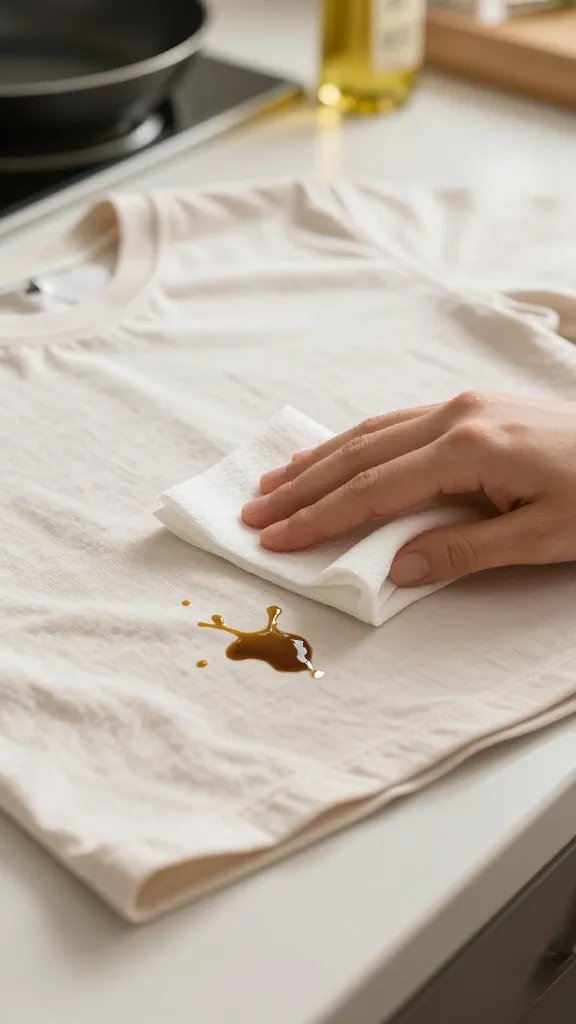
Speed matters. The longer oil sits, the deeper it sinks into fibers. Don’t rub it in with a napkin like a wild raccoon—dab gently and move fast.
Tired of snacking when you’re not even hungry? This reset helps you stop the loop and feel back in control.
A simple reset for moments when cravings take over. Easy to use, easy to repeat, and designed to help you feel satisfied instead of stuck.
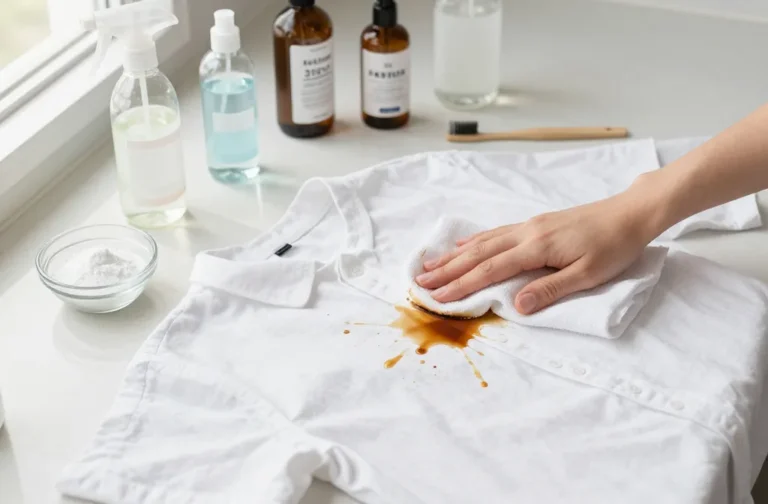
- Blot, don’t rub: Use a paper towel or clean cloth to lift surface oil.
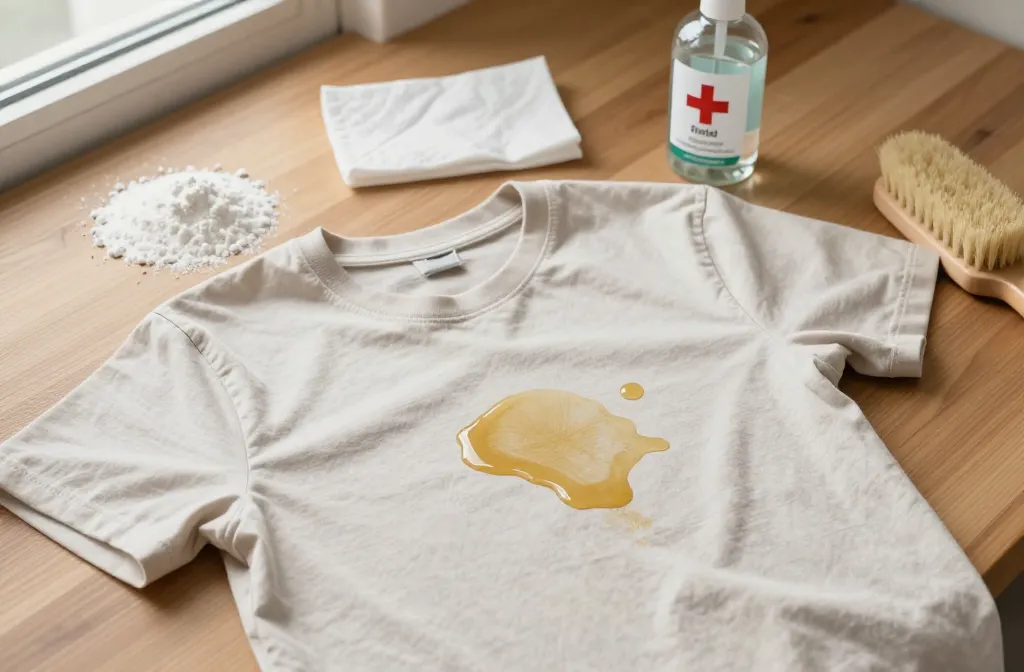
- Powder it: Cover the stain with cornstarch, baking soda, or baby powder. Let it sit 10–15 minutes to absorb.
- Shake/brush off: Remove the powder and check: lighter stain? Great. Still dark and shiny? Keep going.
Why Powder Works
Oil loves to bond with fibers. Powders act like thirsty little vacuums, pulling liquid oil out so cleaners can reach what’s left. Science hat off, apron back on.
The MVP: Dish Soap Degreasing Method
Dish soap attacks grease on pans and it does the same on cotton tees. Simple, cheap, effective—IMO the best starting point for most fabrics.
- Pre-treat: Apply a pea-sized drop of plain, dye-free dish soap directly to the stain.
- Gently work it in: Use your fingers or a soft brush (old toothbrush = hero). Small circles, light pressure.
- Wait 5–10 minutes: Let the soap do the heavy lifting.
- Rinse with warm water: Rinse from the back of the fabric to push oil out, not deeper in.
- Launder hot (fabric-safe): Wash with your regular detergent at the warmest temp the care label allows.
Pro tip: After washing, air dry first. Heat from a dryer can set any remaining stain forever. If you still see a whisper of a spot, repeat the pre-treat.
When Dish Soap Isn’t Enough: Stubborn Stain Tactics
Some stains are clingy. If your stain fought back—think motor oil, sunscreen, or set-in spots—try these upgrades.
Transform Your Home With 7,250+ Stunning Landscaping Designs—No Expensive Designers Needed!
- 🌿 Access 7,250+ stunning landscaping designs.
- 💰 Save thousands—no pro designer needed.
- 🏡 Plans for gardens, patios, walkways, and more.
- ✨ Simple, beginner-friendly DIY layouts.
- 🛠️ Customize any design to fit your yard.
- Degreaser boost: Mix baking soda + dish soap (1:2 ratio) into a paste. Scrub gently, wait 15–20 minutes, rinse, launder.
- Enzyme cleaner: Use an enzyme-based stain remover for oily food stains (they break down proteins and oils). Follow label timing.
- Rubbing alcohol (spot only): Dab isopropyl alcohol on the stain for polyester or blends. Blot, then dish soap again. Test first.
- WD-40 reset (controversial but effective): For set-in old grease, mist a tiny bit to “re-liquefy” the oil, blot, then hammer with dish soap. Wash twice. FYI: test seams first.
Old Stains That Survived the Dryer
Set-in oil looks faint and shiny. Go with a two-step: alcohol (or a targeted solvent) to loosen, then dish soap paste + warm water rinse, then enzyme spray, then wash. Yes, it’s a process. Yes, it works.
Fabric-Specific Playbook
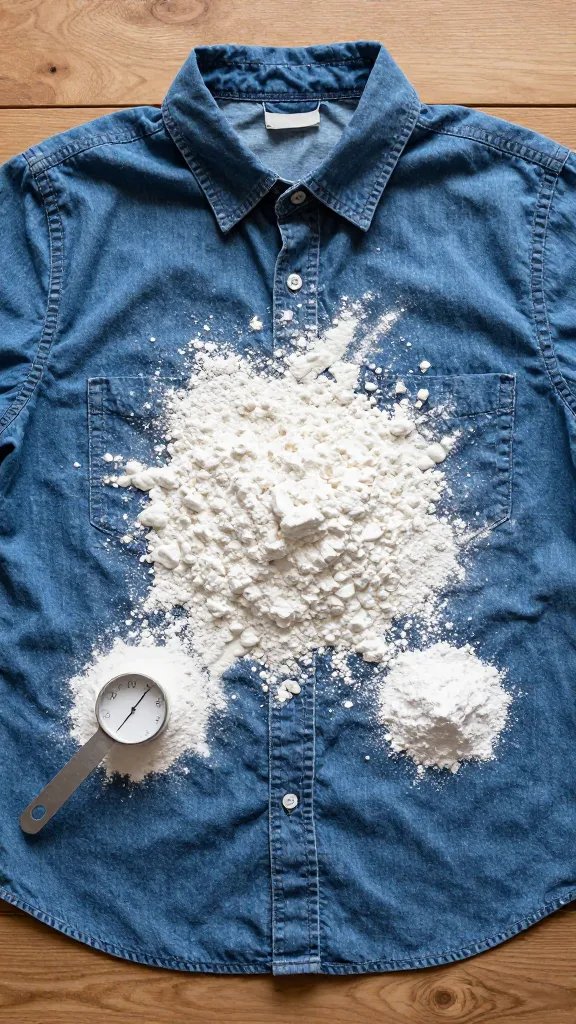
Not all fabrics forgive equally. Adjust the heat and aggression depending on the material so you don’t trade a stain for damage.
- Cotton/linen: Tough and forgiving. Use warm to hot water (check label). Brush is fine.
- Polyester/synthetics: Oil clings harder. Use dish soap + warm water and consider alcohol spot treatment. Avoid very hot water to prevent setting.
- Silk: Handle like a diva. Blot, sprinkle cornstarch, wait longer (30–60 minutes), very gentle dish soap finger rub, cool rinse. When in doubt, dry clean.
- Wool/cashmere: Blot + powder first. Use a wool-safe detergent. Avoid scrubbing. Lukewarm water only.
- Delicates with “Dry Clean Only”: Blot and powder only. Then surrender to a pro. Your future self will thank you.
Kitchen Offenders: Tailored Fixes
Recognize the enemy and you choose the right weapon. Some oils are sneakier than others.
- Olive oil/salad dressing: Dish soap treatment, then warm wash. Often one round fixes it.
- Butter/margarine: Scrape excess solids with a dull knife first. Then dish soap + baking soda paste.
- Mayonnaise/aioli: Blot, pre-treat with dish soap, follow with an enzyme spray because egg proteins linger.
- Sunscreen/self-tanner: These love synthetics. Alcohol dab, then enzyme spray, then wash warm.
- Motor oil/bike grease: Pre-treat with a citrus-based degreaser or a bit of WD-40, then dish soap marathon. Wash twice.
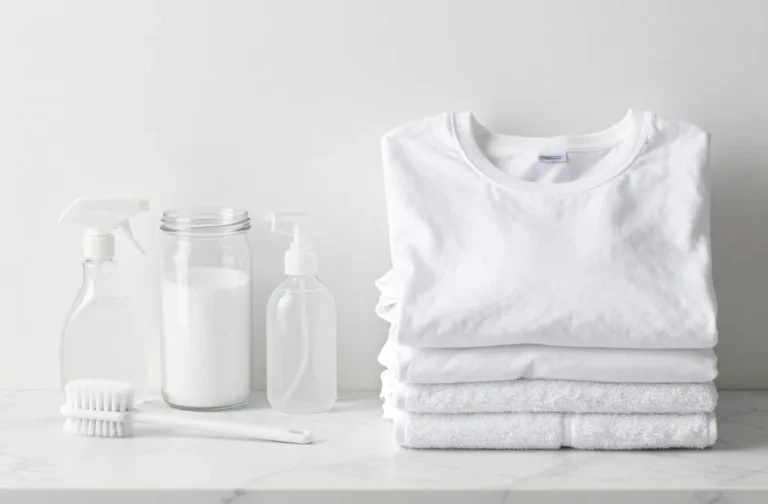
Stain-Removing Toolkit (IMO, Worth Keeping Handy)
- Dish soap (unscented)
- Baking soda or cornstarch
- Soft toothbrush
- Enzyme stain remover
- Isopropyl alcohol (test first!)
- Old towels/paper towels for blotting

Laundry Settings That Make Or Break It
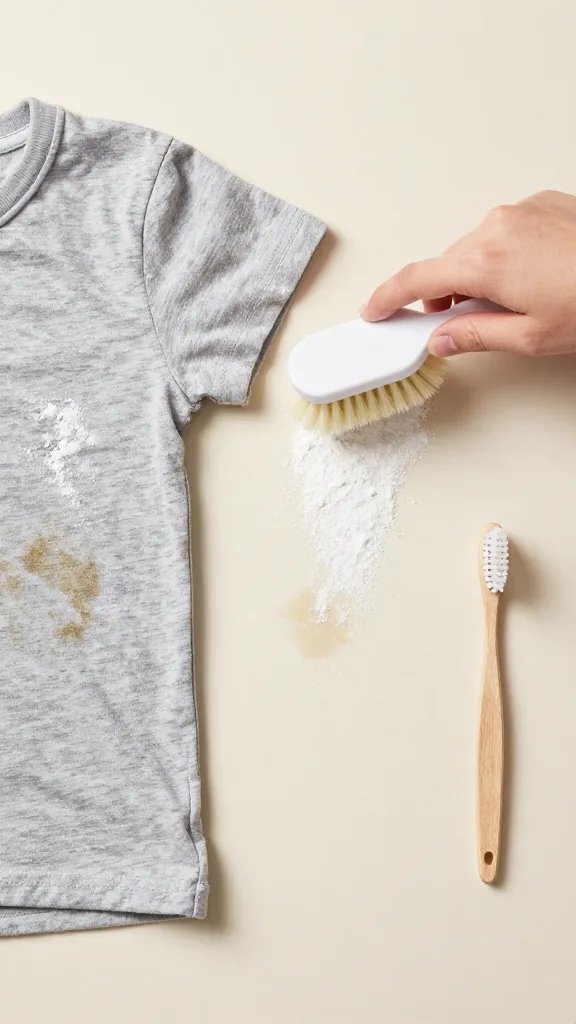
Even perfect pre-treatment fails if the wash routine works against you. Dial it in.
- Temp: Use the warmest water that the care label allows for oil. Warm dissolves grease better.
- Detergent: Go for a heavy-duty formula. Add a booster (oxygen bleach) for whites and colorfast items.
- Cycle: Regular cycle beats delicate for oil removal on sturdy fabrics. Delicates need gentler settings, obviously.
- Drying: Air dry until you confirm the stain is gone. Heat locks in regrets.
Prevent It (Because You Will Cook Again)
You won’t dodge every splatter, but you can stack the odds.
- Aprons exist for a reason: Wear one. Cute ones count.
- Pre-treat fast: Keep baking soda and dish soap by the sink for “oh no” moments.
- Spot-check before the dryer: Make it a habit. Two seconds, huge payoff.
- Choose darker or patterned “kitchen shirts”: Camouflage for the accident-prone—FYI, I fully endorse this.
FAQ
Can I use hot water on every oil stain?
Nope. Hot water helps on sturdy fabrics like cotton, but it can set stains on synthetics and damage delicates. Always check the care label and start with warm. If you feel nervous, test a small area first.
What if I already dried the stained clothes?
All is not lost. Re-treat with alcohol or a degreaser, then dish soap + baking soda paste, rinse warm, enzyme spray, and rewash. You might need two rounds, but many “set” stains still surrender.
Does baking soda really make a difference?
Yes. It absorbs surface oil and gives dish soap more traction. It also adds gentle abrasion without shredding fibers. Think of it as the wingman your detergent deserves.
Are natural detergents strong enough for oil?
Some are, but many gentle formulas struggle with heavy grease. If you prefer eco options, pair them with enzymes and warm water. For tough spots, pre-treat with dish soap first—IMO the best compromise.
Can I use vinegar to remove oil stains?
Vinegar doesn’t dissolve oil well. It helps with odors and mineral buildup, but it won’t beat grease solo. Save it for the rinse if you want softness; stick to dish soap and enzymes for the stain.
Is talc/baby powder safe to use?
Cornstarch or baking soda beats talc in most cases and avoids talc-related concerns. If baby powder = cornstarch-based, go for it. Let it sit long enough to actually absorb—15 minutes minimum, longer for thick fabrics.
Conclusion
Oil stains look scary, but they’re predictable: absorb, degrease, wash warm, and never dry till they’re gone. Keep dish soap and baking soda handy, trust enzymes for the stubborn stuff, and tailor your approach to the fabric. Do that, and you’ll rescue way more clothes than you toss—your wardrobe (and wallet) will thank you.