Steal These 10 Small Front Yard Landscaping Ideas That Feel Big
Small yard, big dreams? You can make a compact front yard feel expansive with a few smart moves. These ideas use shape, height, light, and texture to trick the eye and wow the neighbors. Ready to punch above your square footage and boost your curb appeal, fast?
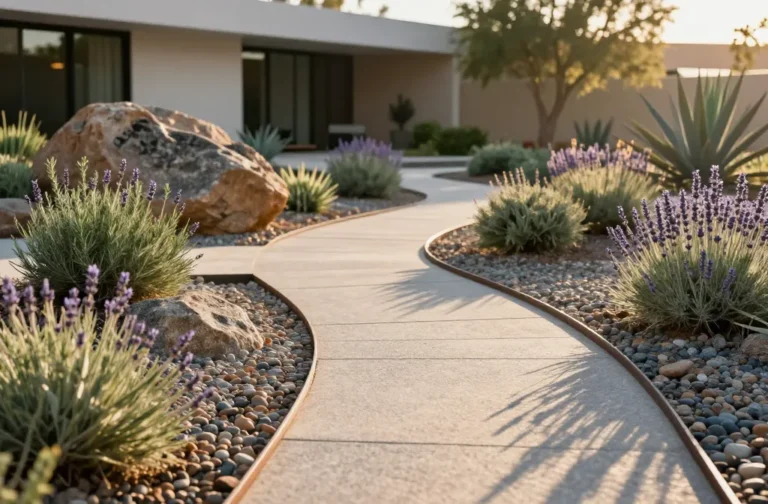
1. Draw The Eye With A Bold, Curved Path
Tired of snacking when you’re not even hungry? This reset helps you stop the loop and feel back in control.
A simple reset for moments when cravings take over. Easy to use, easy to repeat, and designed to help you feel satisfied instead of stuck.
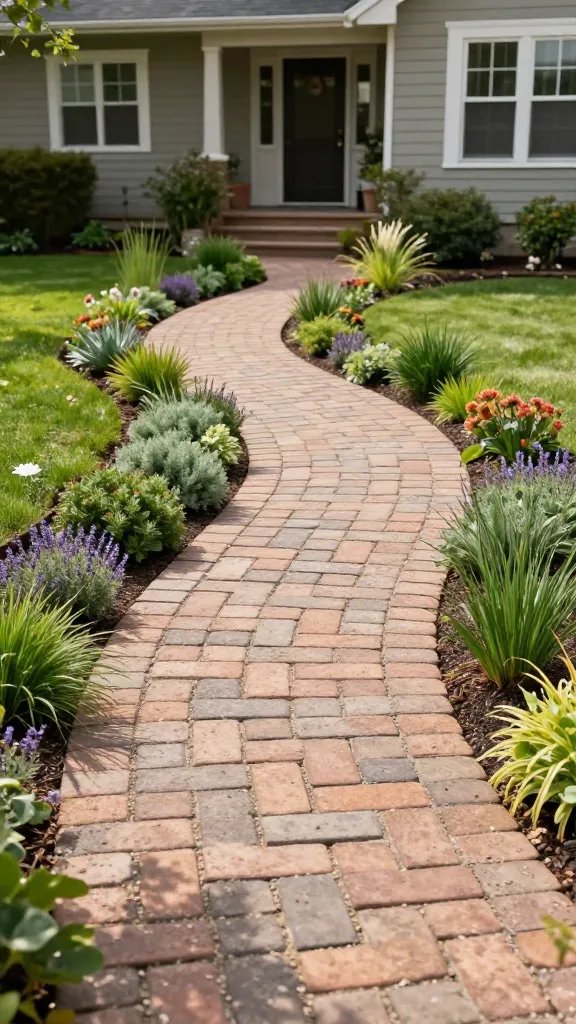
Straight lines shout “short.” Gentle curves whisper “keep looking.” A winding front path adds visual distance, which makes your yard seem deeper and more interesting.
Tips
- Use pavers, decomposed granite, or brick in a soft S-curve.
- Keep the path narrow (2.5–3 feet) near the street, then widen closer to the door to create a “big reveal.”
- Edge with low plants like thyme, mondo grass, or dwarf lavender for softness.
Bonus: A curvy path creates pockets for small planting beds, so you get more layers without more space.
2. Layer Low-To-High Planting For Instant Depth
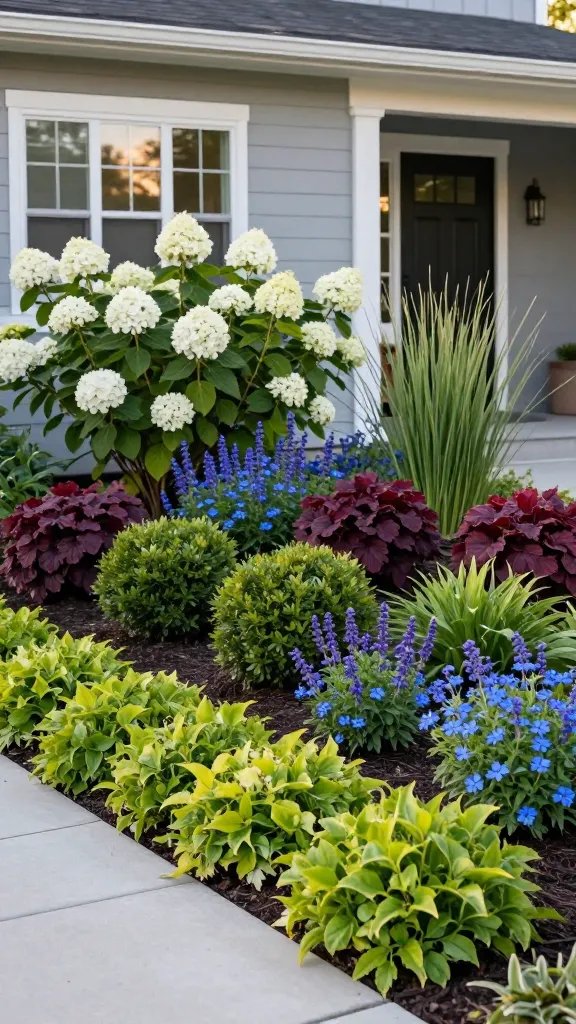
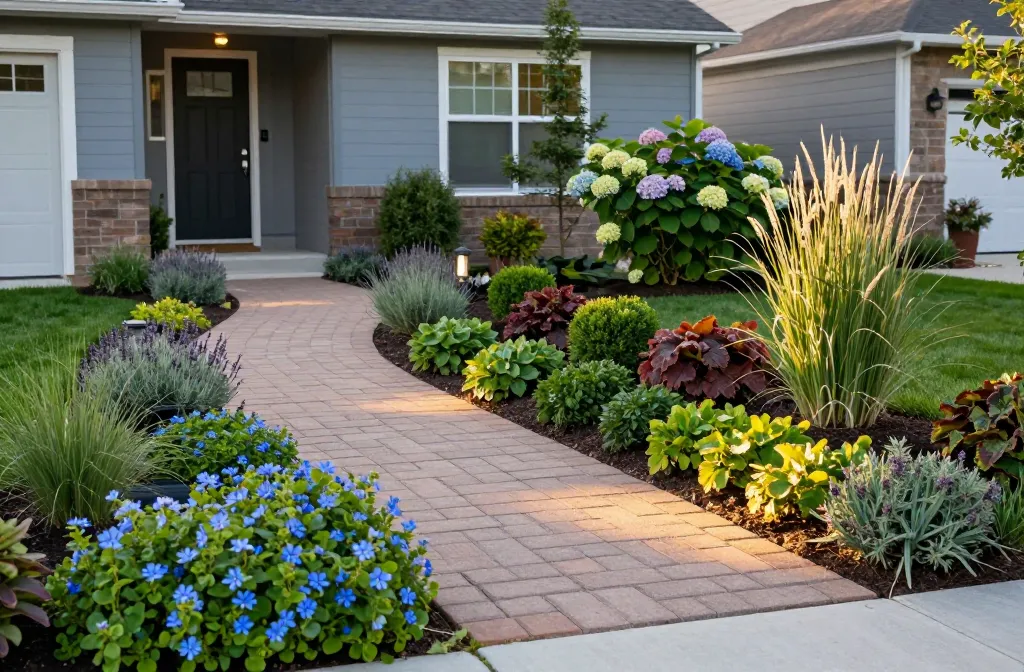
Height = drama. When you stage plants in three tiers, your yard reads bigger because your eye travels up and back instead of side to side.
Transform Your Home With 7,250+ Stunning Landscaping Designs—No Expensive Designers Needed!
- 🌿 Access 7,250+ stunning landscaping designs.
- 💰 Save thousands—no pro designer needed.
- 🏡 Plans for gardens, patios, walkways, and more.
- ✨ Simple, beginner-friendly DIY layouts.
- 🛠️ Customize any design to fit your yard.
Key Structure
- Front row: groundcovers or 6–12 inch plants (creeping Jenny, blue star creeper).
- Middle row: 1–3 foot mounded shrubs/perennials (heuchera, boxwood, salvia).
- Back row: 4–6 foot structural anchors (dwarf holly, hydrangea, narrow grasses).
Use repeating colors to tie the rows together. FYI: repeating plants looks intentional and spacious, not cluttered.
3. Go Vertical With Trellises, Obelisks, And Slim Trees
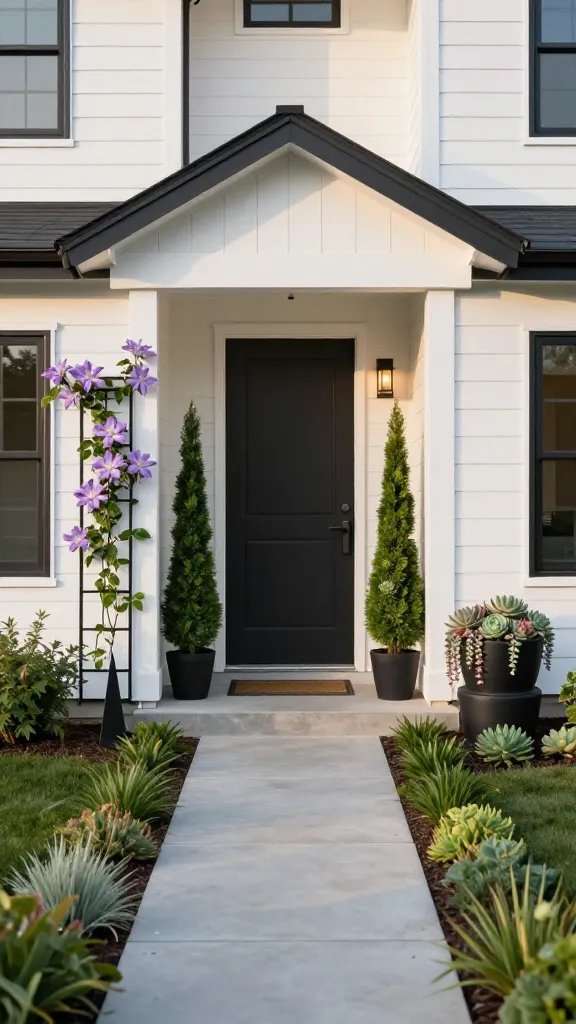
When you can’t go wide, go up. Vertical elements add height without hogging footprints, and they pull attention toward your home’s architecture.
Smart Picks
- Trellises/Obelisks: Support clematis, jasmine, or climbing roses by the porch.
- Columnar trees: Try ‘Sky Pencil’ holly, Italian cypress (warm climates), or columnar hornbeam.
- Wall planters: Stack shallow planters for herbs or succulents near the entry.
Use vertical accents to frame your door or window. It’s like contouring for your house, minus the makeup remover.
4. Use A Tight Color Palette (With One Loud Pop)
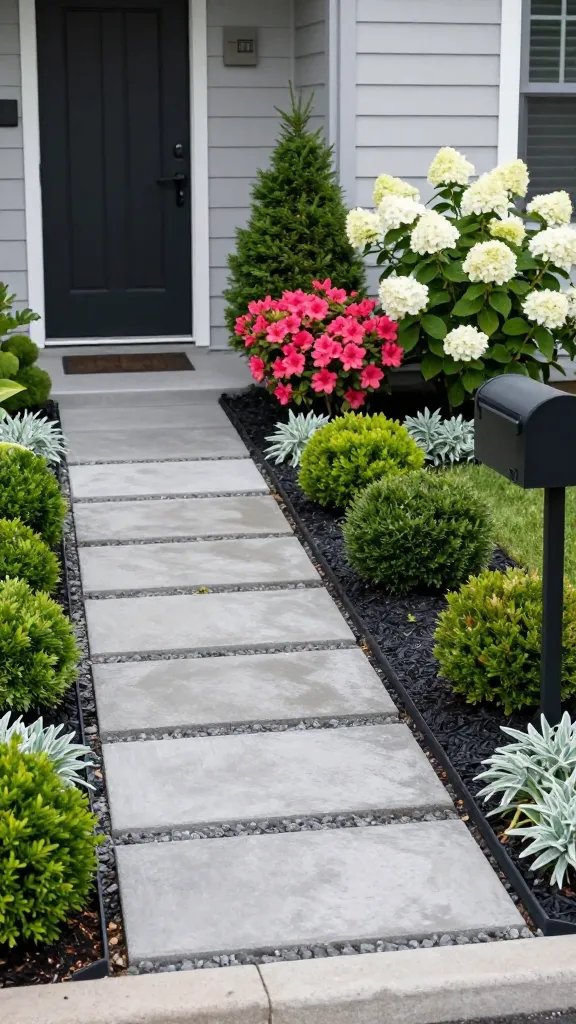
Too many colors make small yards feel busy. Pick two to three complementary hues and add a single accent color for spark.
Palette Ideas
- Cool and calm: Silvery greens, whites, and pale purple with a pop of deep blue.
- Warm and bright: Olive greens, creams, and coral with a hit of sunny yellow.
- Modern minimal: Deep green, charcoal mulch, and white blooms with a burst of hot pink.
Stick to one mulch color and consistent hardscape materials. Consistency = polish, and polish reads as spacious, trust me.
5. Create A Micro Courtyard Near The Entry
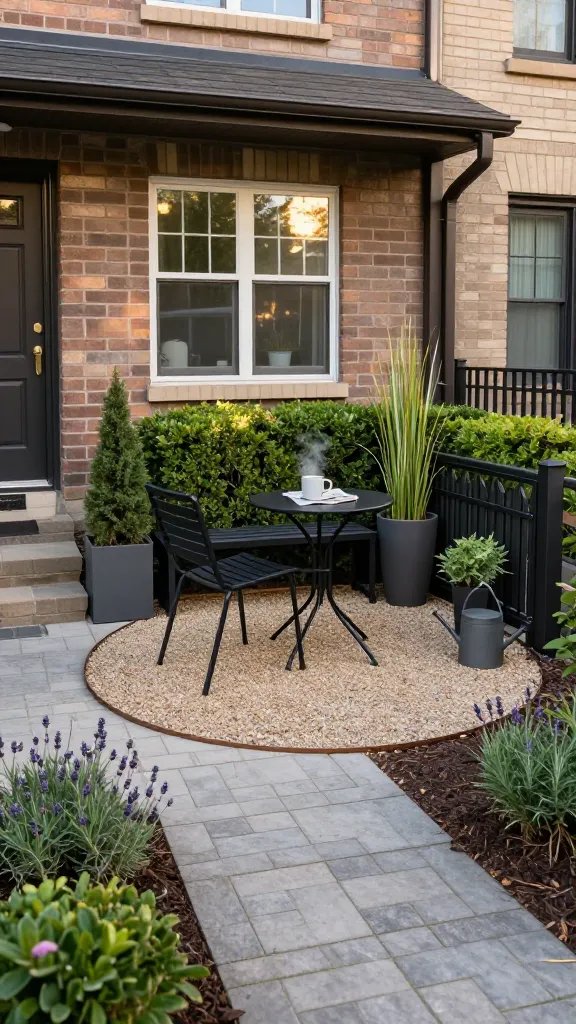
A tiny seating nook says “destination,” which makes your yard feel intentional and lived in. Even one bistro chair and a table can change the vibe from pass-through to hangout.
How To Do It
- Carve a 4–6 foot pad from pavers or gravel near the front door or window.
- Add a compact bench or café set and a tall planter for height.
- Define the space with a low hedge, box planters, or a short fence panel.
Use this spot for morning coffee or neighbor-watching. Applications: small porches, townhouse fronts, or tight setbacks.

6. Upgrade Edging And Borders For Crisp Lines
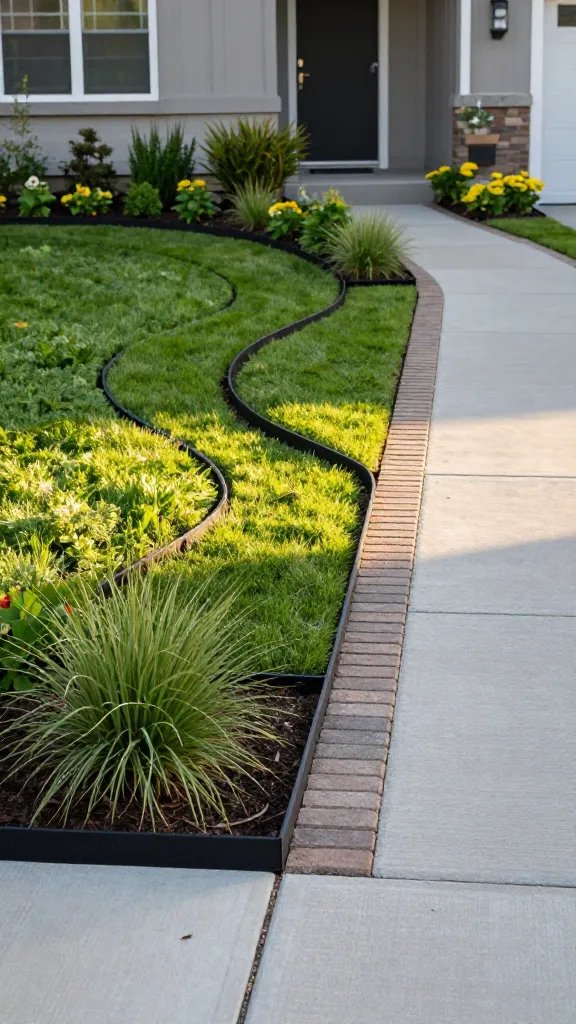
Clean edges make small spaces look intentional and, IMO, fancy. Defined borders between lawn, beds, and paths reduce visual noise.
Materials That Look Sharp
- Metal edging: Slim, durable, and nearly invisible from a distance.
- Brick soldier course: Classic and neat; lay them upright for a strong line.
- Stone or paver bands: Great for curved beds and rustic styles.
Run borders in long, confident arcs. Avoid wiggly micro-curves—they read messy and shrink the space.
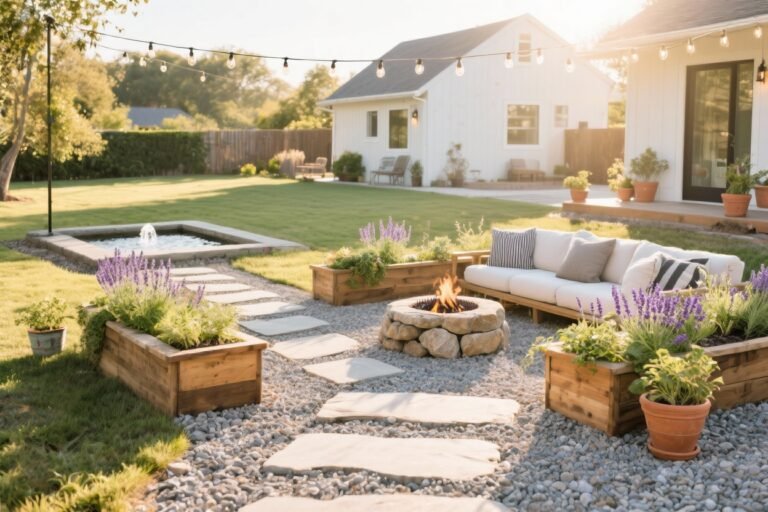
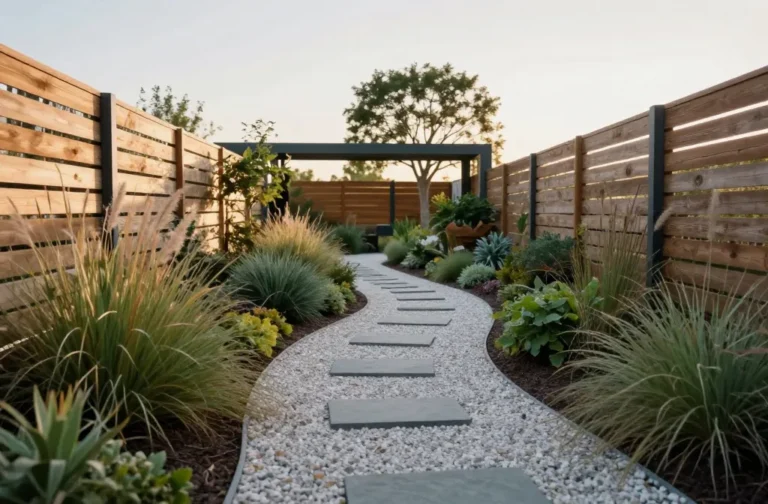
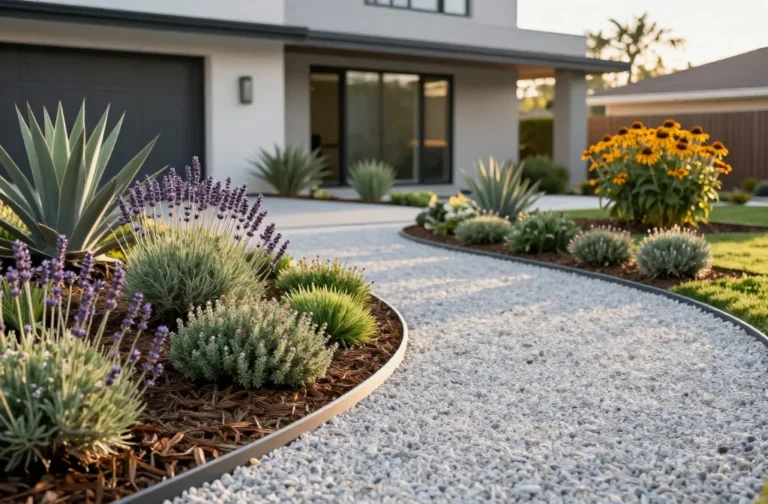
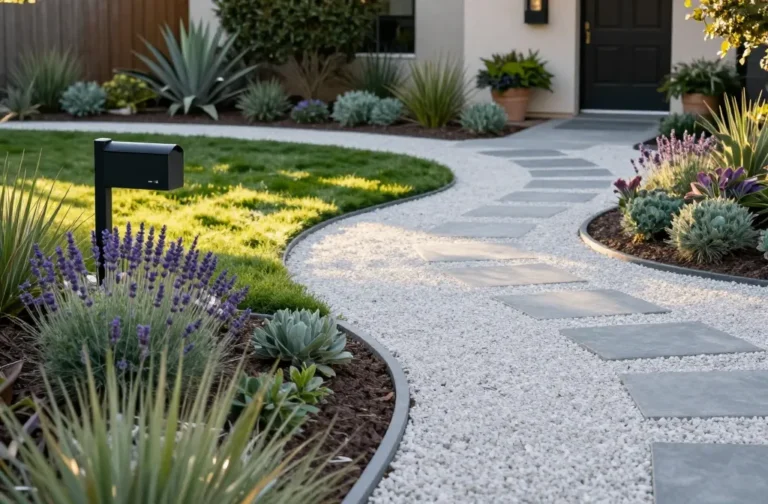
7. Swap Patchy Lawn For Gravel + Geometric Pavers
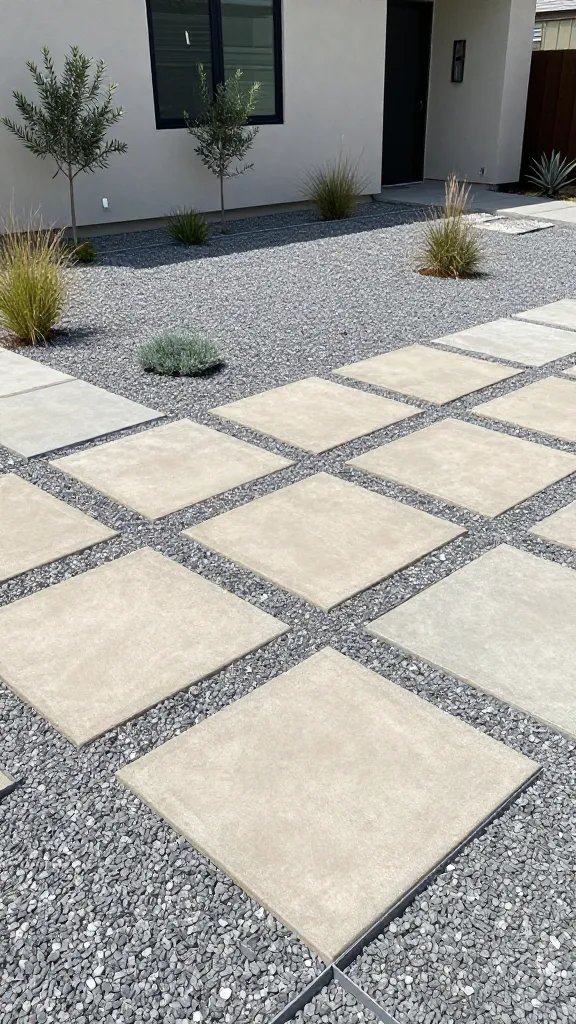
Patchy grass shrinks a yard visually. A gravel field with stepping pads or large-format pavers opens the plan and looks modern.
Design Moves
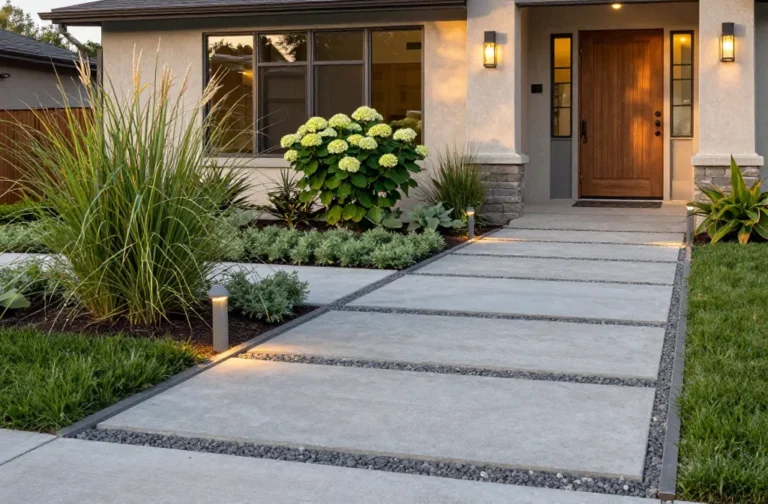
- Lay 24–36 inch pavers in a grid with 2–4 inch gaps filled with gravel or creeping thyme.
- Keep paver color light-to-medium to bounce light and feel airy.
- Use a single gravel type (3/8 inch) across the yard for cohesion.
Low water, minimal upkeep, and tons of visual space—seriously, this one’s a game changer for small fronts.
8. Light It Like A Boutique Hotel
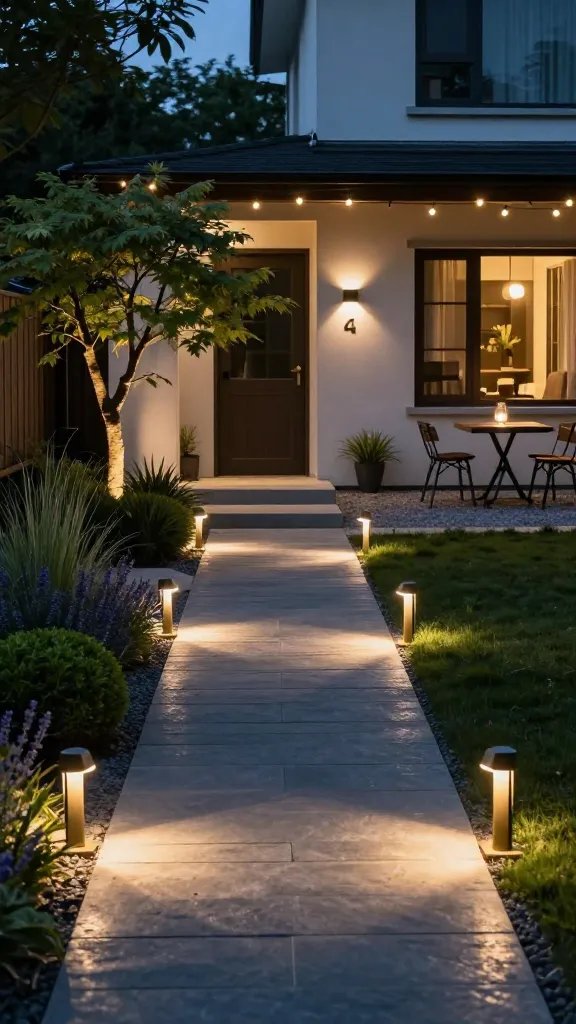
Good lighting makes everything feel bigger and more expensive at night. Soft layers beat a single floodlight every time.
Where To Light
- Path lights: Low, shielded fixtures spaced 5–8 feet apart.
- Uplights: At the base of a specimen tree or architectural feature.
- Wall wash: Gentle sconces near the entry to widen the facade.
- Accent: A lantern on the bistro table or warm cafe lights under the eaves.
Choose warm white (2700–3000K) to avoid a harsh, parking-lot vibe. Bonus: better nighttime safety and epic curb appeal.
9. Add A Focal Feature That Earns Its Keep
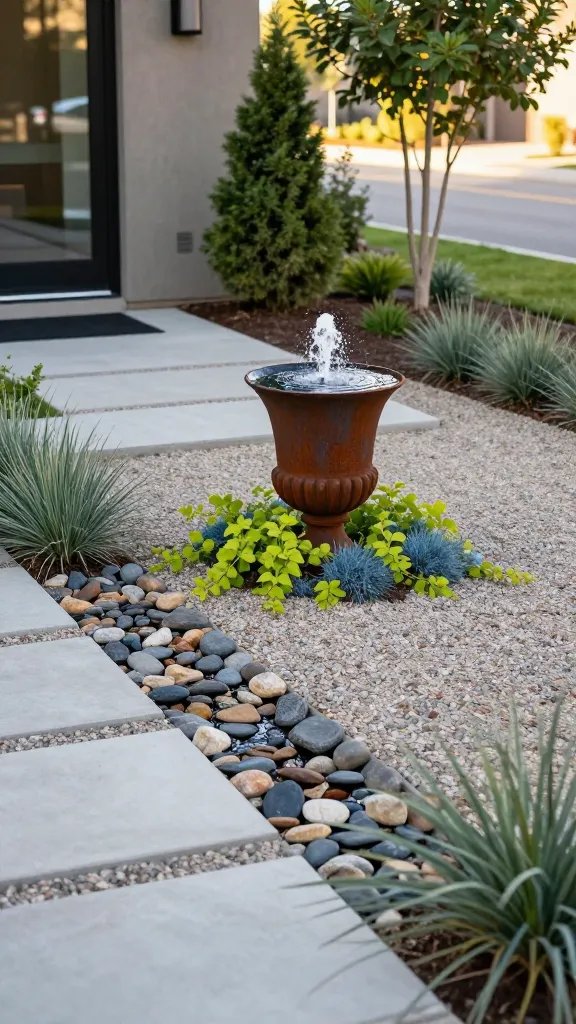
Every small yard needs one star. A compact fountain, sculptural planter, or mini dry creek bed draws attention and organizes the layout.
Great Focals
- Urn with spillover plants: Center it in a gravel square near the entry.
- Bubble fountain: Calming sound that masks street noise.
- Dry creek bed: River rock ribbon with grasses that suggests movement.
Place your focal where you can see it from the street and from inside. It anchors the design and makes the space feel purposeful.
10. Keep Plant Forms Tight (And Prune With Confidence)
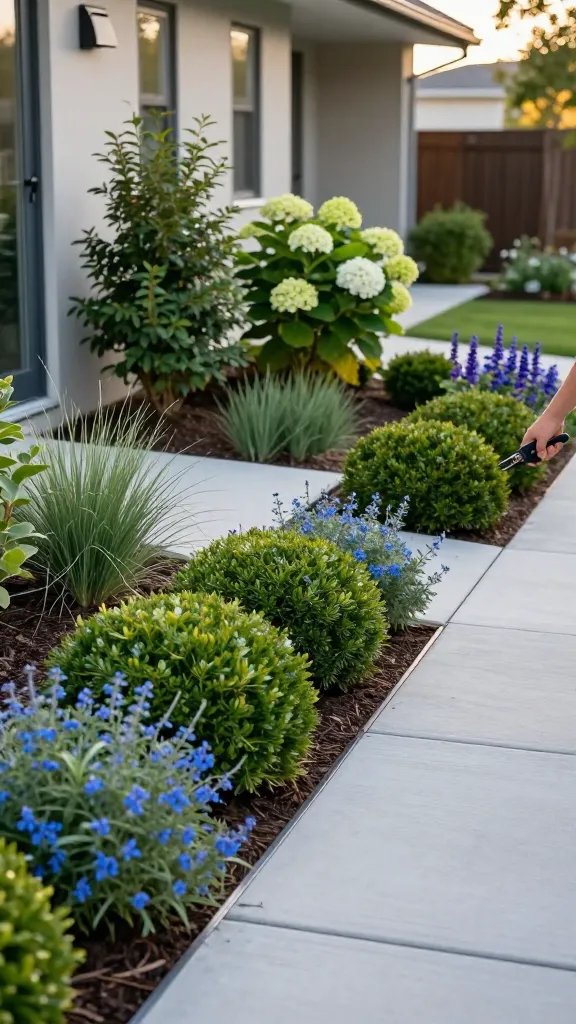
Overgrown plants eat small yards alive. Choose compact, slow growers and shape them for structure and breathing room.
Plant Types That Behave
- Dwarf shrubs: ‘Baby Gem’ boxwood, dwarf nandina, little limelight hydrangea.
- Grasses: Blue fescue, dwarf fountain grass, carex varieties.
- Perennials: Catmint, heuchera, salvia, compact coneflower.
Prune for negative space between plants and hardscape. That air gap creates clean silhouettes, which reads as calm and, yes, bigger.
Ready to level up your curb appeal? Mix two or three of these ideas and you’ll get a front yard that feels twice its size with half the effort. Start small, keep it crisp, and let your new “big” yard do the bragging for you.