Stunning 10 Landscaping Ideas with Pathways to Try
Craving a yard that actually makes people stop and stare? Pathways do more than get you from A to B—they frame views, guide feet, and make your garden feel intentional. These 10 ideas turn simple walkways into total showstoppers. Ready to map out your masterpiece and flex those weekend-warrior skills?
1. Curved Stone Paths That Lead the Eye (And Feet)
Tired of snacking when you’re not even hungry? This reset helps you stop the loop and feel back in control.
A simple reset for moments when cravings take over. Easy to use, easy to repeat, and designed to help you feel satisfied instead of stuck.
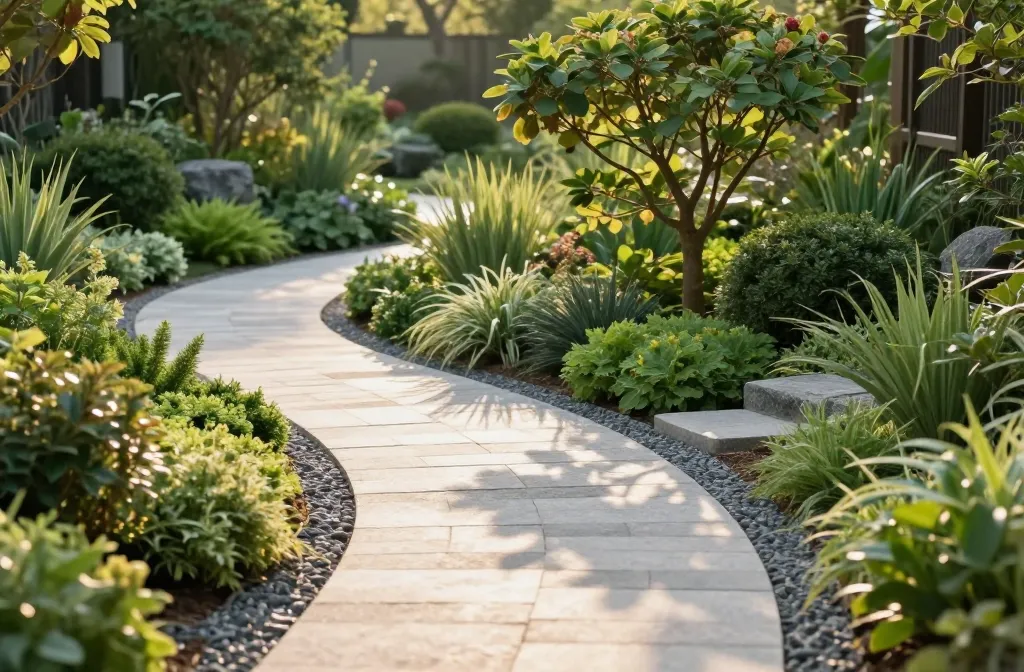
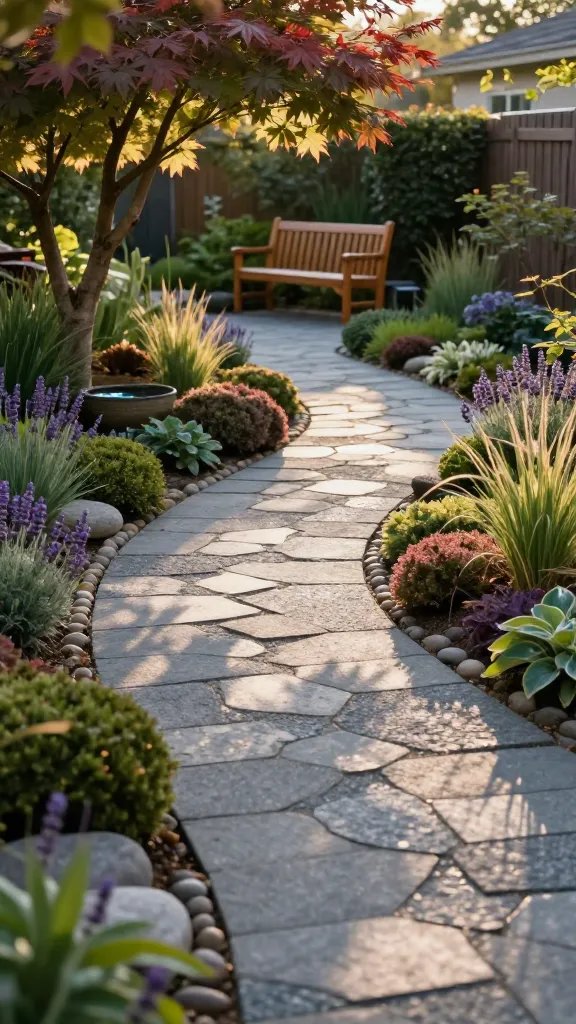
Nothing feels more magical than a gently curving path that reveals your garden bit by bit. Curves slow you down, add softness, and make even a small yard feel bigger. Straight lines shout “utility”; curves whisper “come explore.”
Why It Works
- Visual flow: Curves guide sightlines to trees, seating areas, or water features.
- Space magic: Serpentine lines create the illusion of depth and distance.
- Natural vibe: Rounded edges mirror nature’s shapes.
Use irregular flagstone, decomposed granite, or pavers set with softened edges. Weave the path between plant beds with layered heights: groundcovers at the edge, shrubs mid-height, and a statement tree or trellis as a destination. Bonus: curves help you dodge roots and boulders instead of fighting them.
Best for yards that feel too boxy or flat and need movement without major construction.
2. Gravel + Steppers for a Stylish, Low-Cost Win
Transform Your Home With 7,250+ Stunning Landscaping Designs—No Expensive Designers Needed!
- 🌿 Access 7,250+ stunning landscaping designs.
- 💰 Save thousands—no pro designer needed.
- 🏡 Plans for gardens, patios, walkways, and more.
- ✨ Simple, beginner-friendly DIY layouts.
- 🛠️ Customize any design to fit your yard.
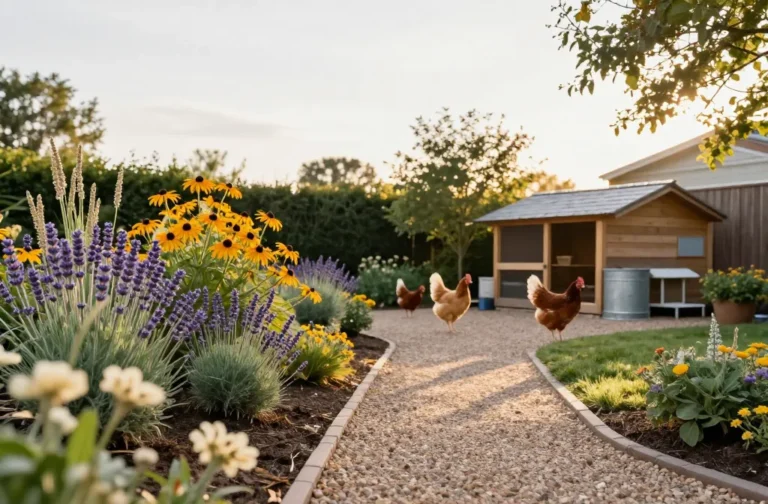
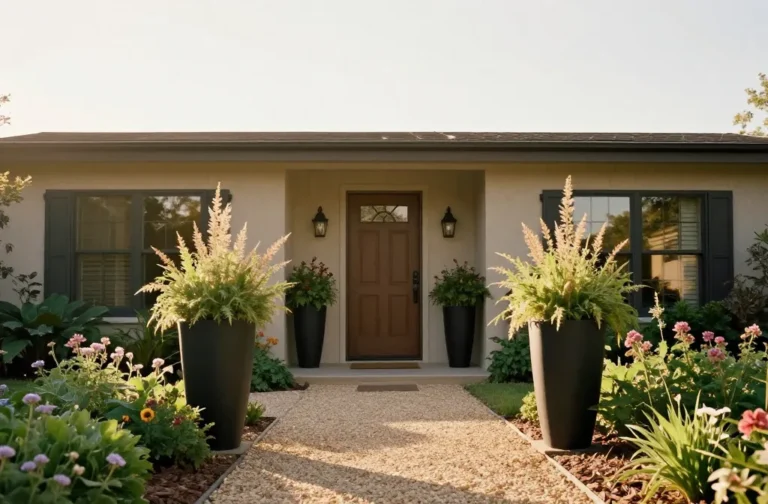
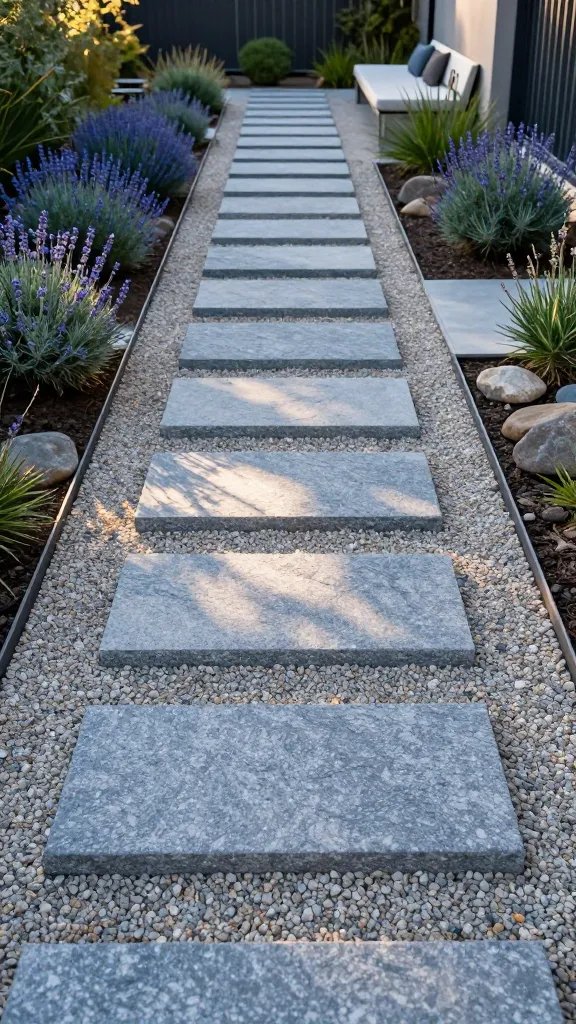
Want designer looks without the price tag? Pair chunky stone steppers with compacted gravel. It’s low maintenance, drains well, and gives you that crunchy underfoot soundtrack—like a boutique hotel courtyard.
Materials
- Base: Crushed rock or class II road base
- Surface: 3/8-inch gravel or decomposed granite
- Steppers: Bluestone, limestone, or precast concrete slabs
- Edge restraint: Steel, aluminum, or stone edging
Set steppers at a natural stride (about 24–28 inches apart, center to center). Keep gravel in place with sturdy edging, and compact it well so you don’t sink. Add creeping thyme or Irish moss between stones if you want softness and scent.
Perfect for casual gardens, side yards, and budgets that prefer tacos over tile. FYI: avoid pea gravel on steep slopes.
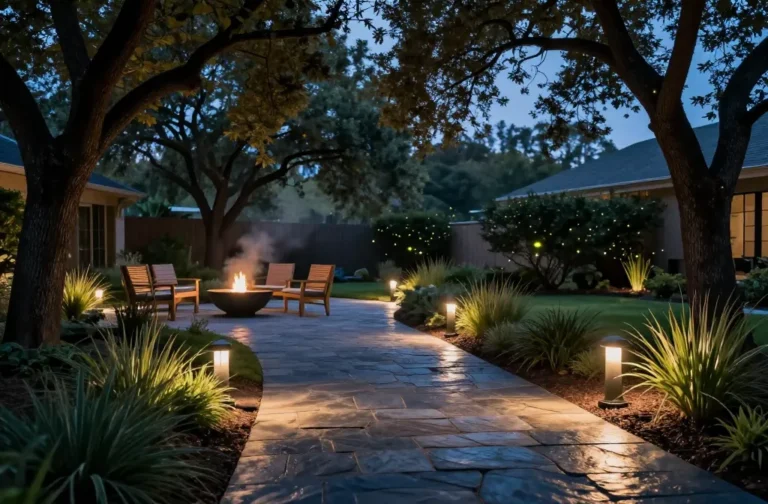
3. Lighting That Turns Paths Into Nighttime Runways
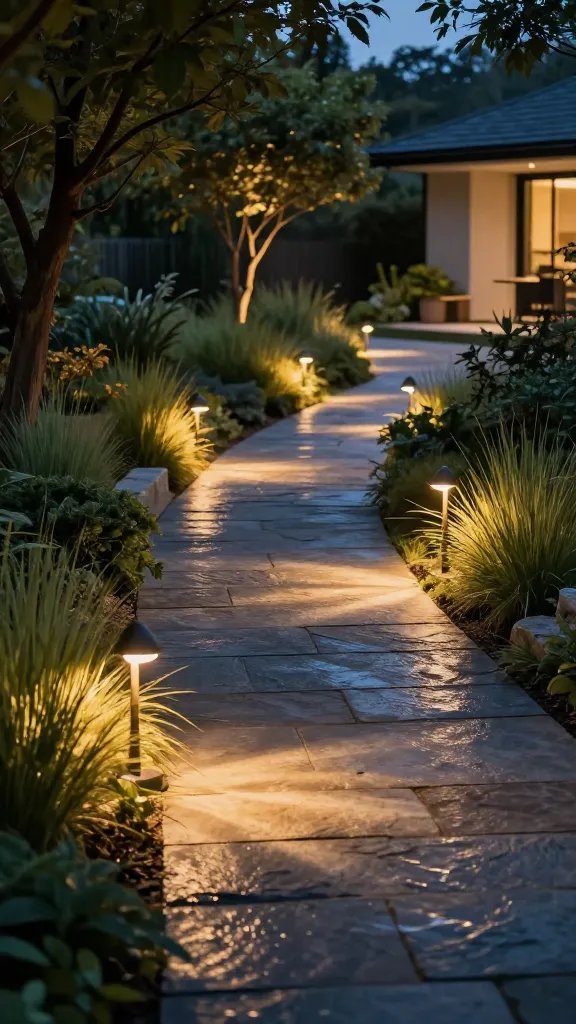
Path lighting = instant drama and actual safety. You’ll highlight textures, protect ankles, and enjoy your garden after sunset. It’s like giving your plants a golden-hour filter every night.
Smart Lighting Tips
- Keep it low: Use low-voltage or solar stake lights at knee height.
- Skip the runway look: Stagger fixtures, don’t line them up like an airport.
- Layer types: Mix path lights with downlights in trees and subtle step lights.
- Warm temperature: 2700–3000K feels cozy, not clinical.
Use shielded fixtures to avoid glare, and light the edges, not just the center. If you’ve got stairs, integrate tiny stair riser lights—you’ll feel fancy and safe. Serious upgrade for evening entertainers and anyone who trips over their own feet. Not judging.
4. Plant-Lined Borders That Soften Every Step
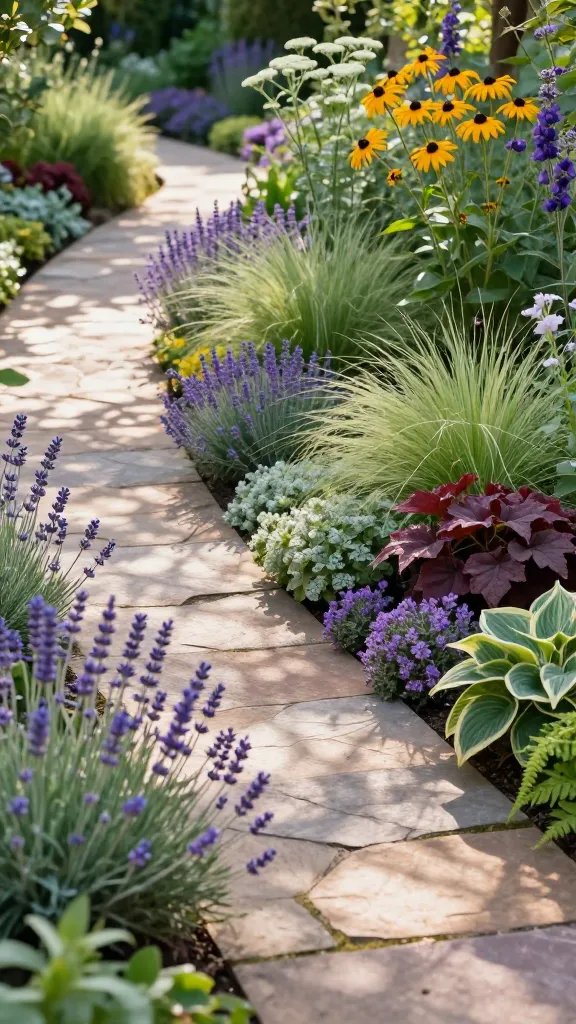
Plants make a pathway feel alive and intentional. Edge your walk with low growers that spill just enough to soften the line without blocking traffic. Texture and color do the heavy lifting here.
Great Border Combos
- Sunny: Lavender, catmint, creeping thyme, sedum
- Shady: Japanese forest grass, heuchera, hosta, ferns
- Native/pollinator: Yarrow, black-eyed Susan, penstemon, salvia
Stagger plants in drifts of three to five for a natural look. Keep the front 8–12 inches low, with taller layers behind. Add bulbs like alliums or tulips for spring surprises, because who doesn’t love bonus blooms?
Best when your hardscape feels stark and needs softness, scent, and seasonal interest.
5. Stepped Terraces for Slopes You Can Actually Use
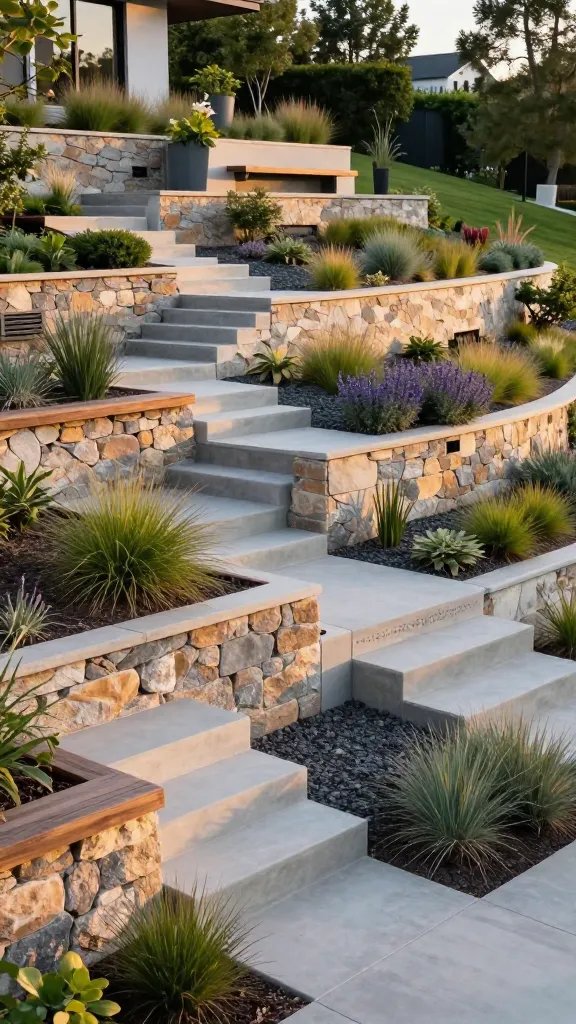
Got a yard that’s more ski slope than lawn? Build terraced pathways with short retaining walls and steps. You’ll tame erosion, create useful landings, and add that “architect’s garden” vibe.
Design Essentials
- Risers: 6–7 inches tall for comfortable steps
- Treads: 12–16 inches deep for stable footing
- Materials: Timber, stone, poured concrete, or modular blocks
- Drainage: Gravel backfill and perforated pipe behind walls
Break long runs with landings every 6–8 steps. Plant each terrace with low-maintenance groundcovers and shrubs to lock in soil and add color. You’ll gain levels for seating, planters, and views. IMO, nothing transforms a problem slope faster.
Ideal for hilly lots and anyone who wants sculptural drama without a mountain-goat lifestyle.

6. Mixed Materials For Texture That Pops
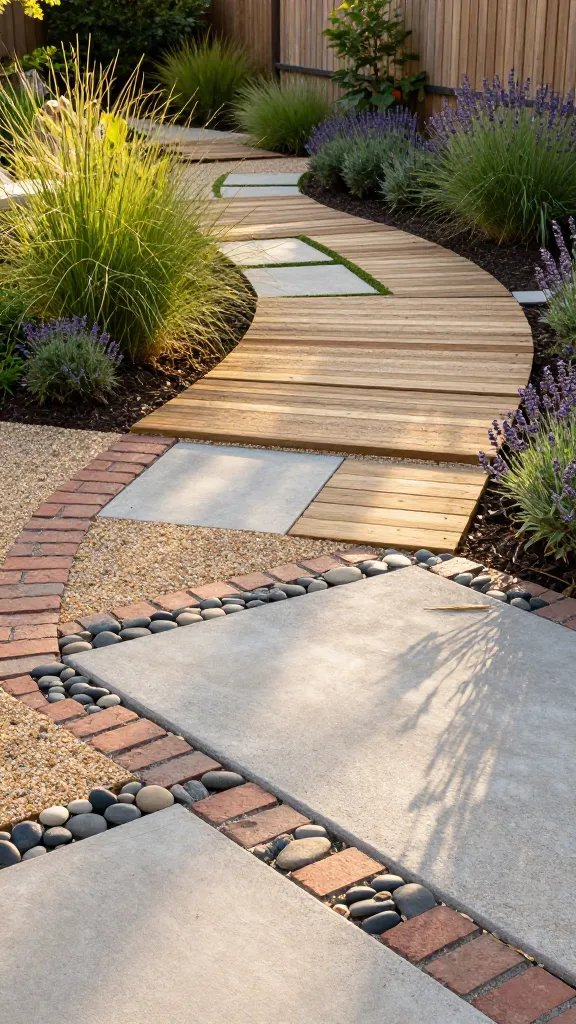
Why choose one surface when you can blend a few? Mix brick borders with gravel interiors, or set wood sleepers into concrete. Contrasting textures make paths feel curated and custom.
Winning Combos
- Brick soldier course + gravel infill: Classic and crisp
- Concrete slabs + river rock joints: Modern with warmth
- Large pavers + turf strips: Lush, resorty vibe
- Timber treads + crushed granite: Rustic and affordable
Repeat one material in different spots to tie everything together. Keep color tones compatible—warm with warm, cool with cool—so it feels cohesive. This approach shines when you want personality and durability on a reasonable budget.
Best for eclectic gardens and front yards that need instant curb-appeal energy.
7. Water-Wise Pathways With Rain Gardens
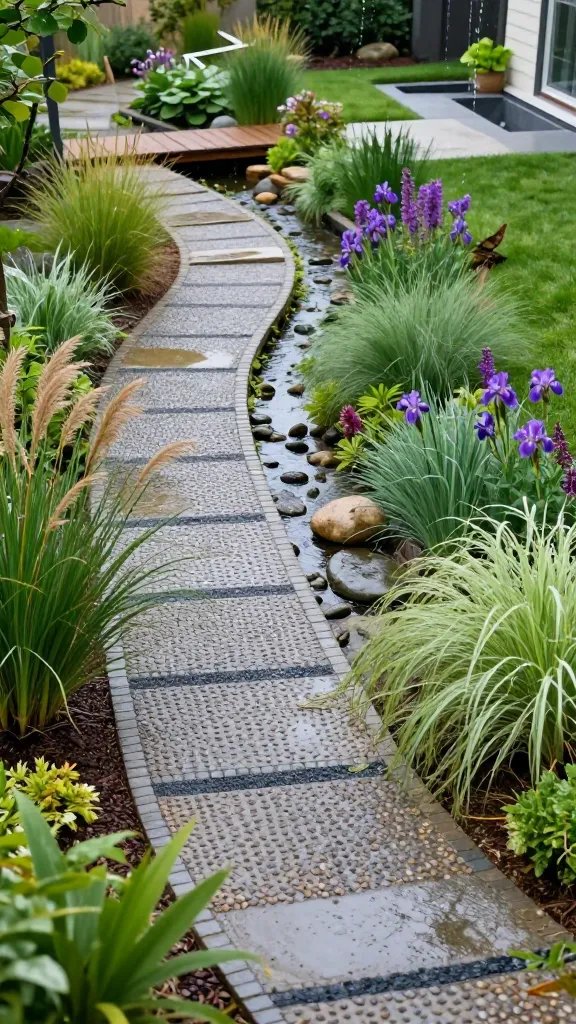
Turn stormwater into a design feature by routing paths alongside swales or rain gardens. You’ll solve puddles, feed pollinators, and score sustainability points. Beauty + brains = chef’s kiss.
How To Pull It Off
- Grade gently: Slope the path slightly toward a planted swale.
- Permeable surfaces: Permeable pavers, open joints, or gravel.
- Plant palette: Switchgrass, blue flag iris, joe-pye weed, sedges.
- Overflow plan: Direct excess to a dry well or lawn basin.
Add a small bridge or stepping stones over the swale for major charm. Use river rock in the channel for texture and to slow flow. You’ll protect foundations and keep your path walkable after big rains—seriously helpful during storm season.
Great for soggy areas and eco-minded homeowners who want form and function.
8. Woodland Walks With Dappled Shade
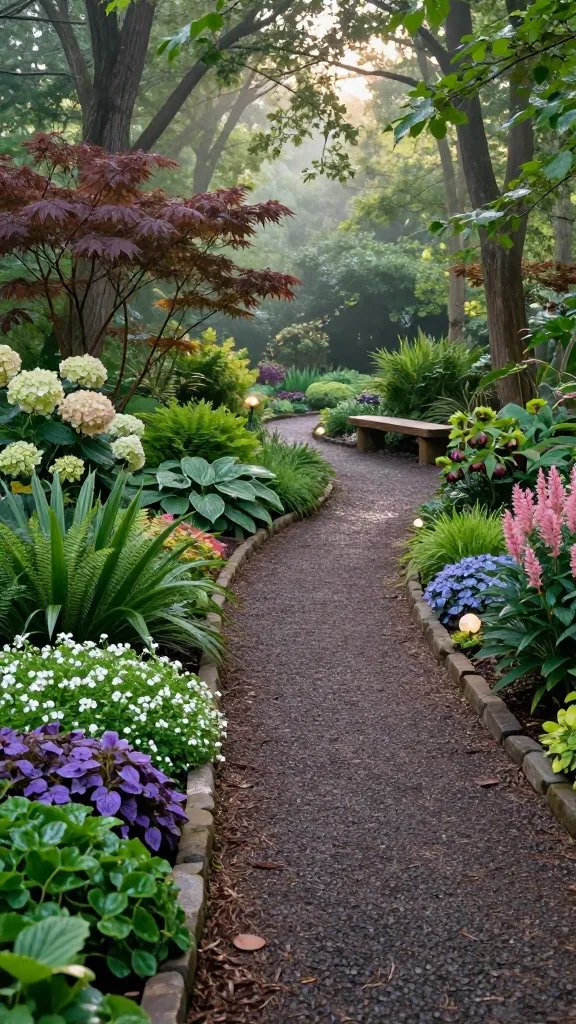
If you’ve got trees, lean into the forest vibe. A mulch or fine gravel path winding through shade plants feels serene and timeless. Think botanical garden but with your favorite mug of coffee.
Shade-Loving Stars
- Groundcovers: Sweet woodruff, pachysandra, ajuga
- Textures: Ferns, hostas, hellebores
- Accents: Shade hydrangeas, Japanese maples, astilbe
Use natural log or stone edging to keep mulch tidy. Light with discreet downlights or glow balls for nighttime enchantment. Add a simple bench at the end and boom—instant mindfulness trail.
Perfect for mature lots, side yards with dappled light, and anyone chasing calm over chaos.
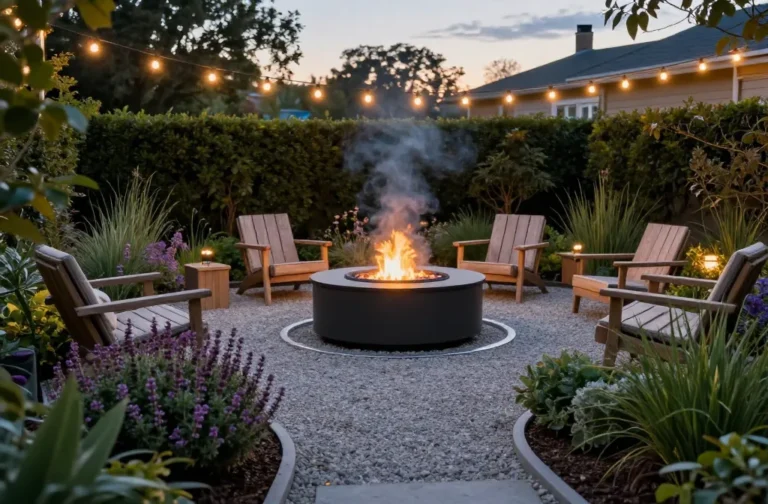
9. Destination Paths to Fire Pits, Nooks, and Secret Spots
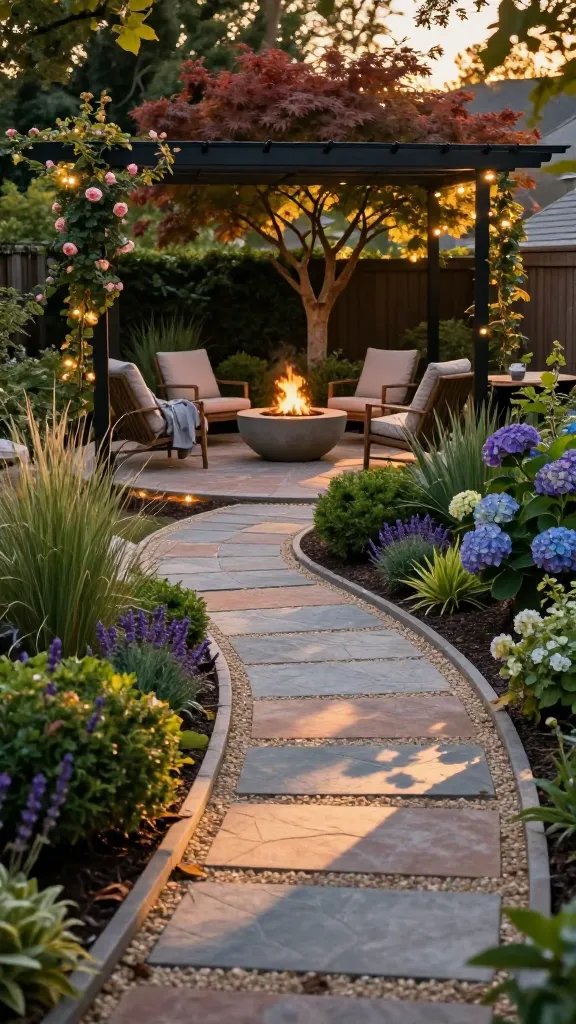
Every great path needs a reason to exist. Give yours a destination: a fire pit, reading nook, hammock, or bistro table. When you connect the dots, your yard suddenly makes sense.
Design Moves
- Frame the end: Use an arbor, pergola, or feature tree to cap the view.
- Widen the finale: Transition into a circular or square patio at the end.
- Switch texture: Change materials at the destination to signal “you’ve arrived.”
- Seating count: Plan for at least 3–4 seats at a fire pit or nook.
Destination paths feel purposeful and strengthen how you use the space daily. Add a small storage cube or side table so the area actually gets used, not just admired.
Best for backyards that feel random or underused and need a focal point that invites people out.
10. Minimalist Modern: Big Pavers, Clean Lines
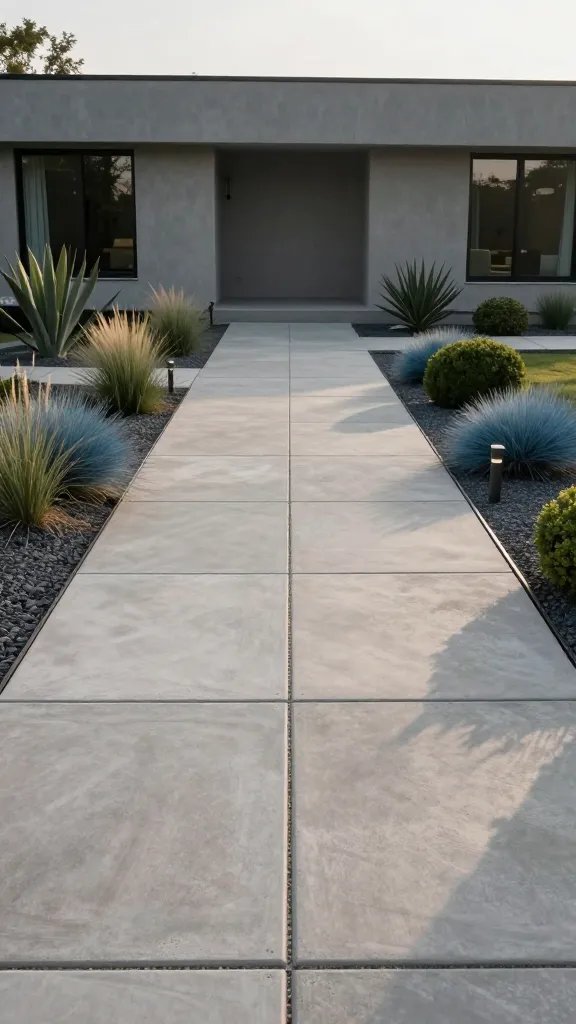
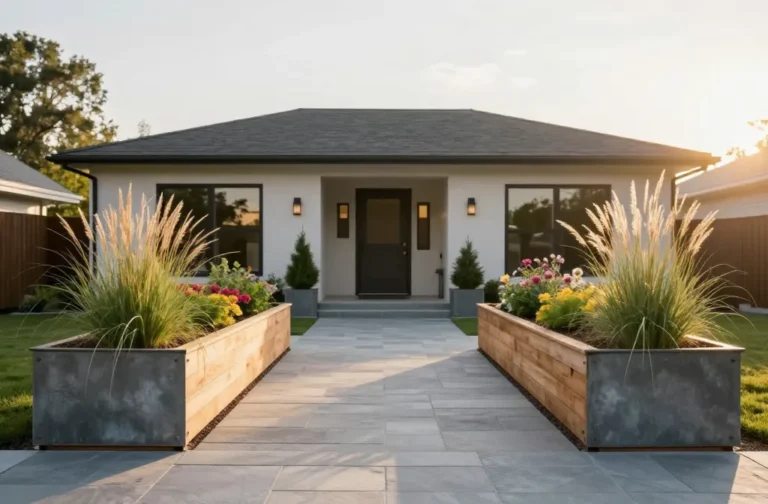
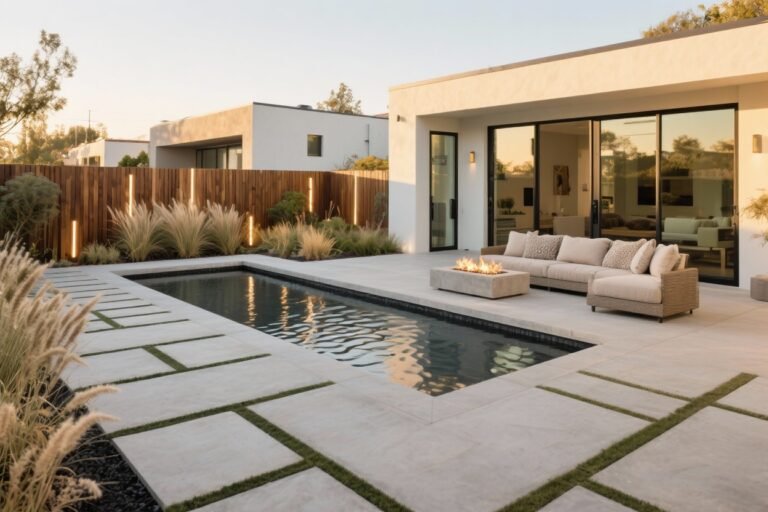
Love that calm, gallery-like look? Oversized concrete or porcelain pavers deliver crisp lines and low maintenance. Space them with precise joints and keep the plant palette restrained for maximum impact.
Pro Tips
- Go large: 24×24, 24×36, or 24×48-inch slabs feel luxe.
- Tight joints: Polymer sand or fine gravel for clean lines.
- Monochrome palette: Grays, charcoals, or soft beiges play well with modern homes.
- Accent planting: Architectural plants like agaves, grasses, and clipped boxwood.
Use a steel edge for razor-sharp borders and keep lighting minimal and indirect. A single specimen tree or sculpture at the end adds drama without clutter. Trust me, this is the “effortlessly expensive” look you see in design mags.
Ideal for contemporary homes and small spaces where clutter shows fast.
1. Flagstone Whimsy With Mossy Joints
Irregular flagstone feels organic and handcrafted—like a garden grew up around it. Fill the joints with moss, thyme, or compact groundcovers to blur hard edges and make every step a small moment.
Plant-Filled Joint Options
- Moss: Cool, shaded, consistently moist areas
- Creeping thyme: Sunny, well-drained spots with foot traffic tolerance
- Blue star creeper: Tiny blooms, moderate water needs
Dry-lay stones on compacted base for drainage, aiming for varied yet walkable joint gaps. Keep the path wider on curves to avoid crowding. This look ages gracefully and only gets better with time.
Great when you want storybook charm and a forgiving install that hides small mistakes.
2. Brick Herringbone That Boosts Curb Appeal
Brick in a herringbone pattern packs a big punch with classic warmth. It handles heavy foot traffic and drives up that first-impression factor from the sidewalk.
Execution Notes
- Edge restraint: Soldier course or concrete curb keeps bricks locked.
- Base prep: Compact well—brick forgives style, not sloppy foundations.
- Contrast: Pair with boxwood, roses, or grasses for old-meets-new vibes.
Choose clay pavers for rich, lasting color. Mix in a subtle border color for custom flair. This is your go-to when you want timeless, tidy, and resale-friendly.
Perfect for front walks and formal garden rooms that need structure with soul.
3. Boardwalk Moments With Timber or Composite
Wood underfoot adds warmth and a little beach-house magic, even miles from the coast. A slightly raised boardwalk can glide over tree roots or soggy spots that hate traditional paving.
What To Use
- Timber: Cedar, ipe, or thermally modified wood for durability
- Composite: Low maintenance, consistent color, splinter-free
- Hardware: Stainless fasteners, hidden clips for clean lines
Keep boards running perpendicular to the path for traction. Add subtle side lighting or recessed step lights for a moody evening stroll. Seal natural wood annually if you like the rich tones, or let it gray out elegantly.
Best for coastal themes, wetlands, or tree-heavy areas where roots make paving a pain.
4. Stepping Stones Through Groundcover Greens
Minimal material, maximum charm. Big, flat stepping stones set into a carpet of groundcover feel playful and light, like you’re walking through nature without wrecking it.
Groundcover Picks
- Sunny: Dymondia, creeping thyme, sedum
- Part shade: Mazus, blue star creeper
- Shade: Corsican mint, baby’s tears (in mild climates)
Set stones flush with the soil so you don’t trip, and space them to match your stride. Use larger stones at turns, and throw in the occasional “pause stone” to place a pot or lantern. It’s whimsical, affordable, and super DIY-friendly.
Great for connecting patio to garden beds or for narrow side yards that need softness.
5. Edging That Keeps Everything Tidy
Strong edges make paths look finished and keep materials where they belong. They also create crisp lines that make your plants and surfaces pop.
Edge Options
- Steel or aluminum: Sleek, thin, modern
- Brick or stone: Classic and weighty
- Concrete curb: Durable and mower-friendly
- Plastic bender board: Budget, flexible, decent for curves
Install edges proud by about half an inch for gravel paths, flush for solid pavers. Repeat edging materials elsewhere—around beds or lawns—to unify the whole landscape. Tiny detail, huge polish.
Best for any loose-surface path that keeps migrating into the lawn like a rebellious teenager.
6. Color Stories: Cool vs. Warm Stone
Color sets the mood. Cool grays and blues feel modern and calm; warm tans and reds feel cozy and classic. Pick a lane and echo it in your mulch, planters, and exterior paint accents.
Quick Palette Guide
- Cool: Bluestone, basalt, charcoal pavers, galvanized steel accents
- Warm: Sandstone, travertine, brick, corten steel accents
Pair cool palettes with grasses and structural evergreens; pair warm palettes with herbs, lavender, and roses. Keep metal finishes consistent so the whole space feels intentional. It’s like styling an outfit—match your tones and everything sings.
Perfect when your house already leans warm or cool and you want cohesion.
7. Seasonal Interest Along the Way
No one wants a path that only looks good in June. Layer plants for four-season appeal so the journey always feels alive.
Plant Calendar
- Spring: Tulips, daffodils, alliums
- Summer: Coneflowers, salvia, daylilies
- Fall: Asters, mums, ornamental grasses
- Winter: Hellebores, witch hazel, red-twig dogwood, evergreens
Add seed heads for winter texture and keep a few evergreens near the entrance for structure. Mix in fragrant plants at hand level so you brush past and get a scent hit. Everyday luxury, unlocked.
Best when you’re designing once and enjoying all year, not just prime bloom time.
8. Accessible, Pet- and Kid-Friendly Paths
Design for real life, not just photos. Smooth surfaces, wider paths, and gentle transitions make your yard welcoming for everyone—from toddlers to grandparents to zoomy dogs.
Must-Haves
- Width: 36–48 inches for comfort; 60 inches for two people side by side
- Surface: Pavers or broom-finished concrete for traction
- Transitions: Ramps over thresholds, no surprise steps
- Durability: Avoid loose pea gravel where wheels or paws frequent
Keep plants back from the edge and avoid thorny or toxic species along high-traffic zones. Add hose bibs nearby for quick cleanups after muddy adventures. Your future self will thank you.
Great for family homes, rentals, and any space that hosts a crowd.
9. Micro-Courtyards Off the Path
Carve out tiny pauses along your walkway—just big enough for a chair, planter, or birdbath. These micro-courtyards add rhythm and turn a commute into a mini experience.
How To Add Them
- Widen briefly: Bump the path to 6–8 feet for a small node.
- Anchor with verticals: Trellis, obelisk, or small tree.
- Switch texture: Pebble circle, mosaic inlay, or patterned brick.
Use these for surprise moments—herb snipping station, sculpture perch, or a solo café chair. They help break long runs and invite lingering. Tiny investment, big delight.
Ideal for narrow gardens that need personality without clutter.
10. Budget-Friendly Decomposed Granite Done Right
Decomposed granite (DG) nails the casual, European courtyard look without wrecking your bank account. It compacts tight, drains well, and plays nicely with almost any style.
Install Basics
- Depth: 2–3 inches over a compacted base
- Stabilizer: Add a binder for firmer, wheelchair-friendly surfaces
- Edging: Crucial to prevent washouts
- Maintenance: Light raking and the occasional top-up
Choose a color that complements your home—gold, gray, or rose tones. Mix with stepping stones for a more formal feel or keep it open for a relaxed vibe. It’s the MVP for big areas on modest budgets.
Best for patios, side yards, and paths where drainage matters and you want warm, earthy texture.
Ready to map it out? Start with one path and a clear destination, then layer plants, edges, and lighting until it feels just right. You don’t need a massive budget—just good bones and a little flair. Go make your yard the place everyone wants to wander through, again and again.