White Clothes Washing Tips That Keep Them Brilliant
White clothes can look luxe or… like you used them to mop a coffee spill. Let’s keep them in the first category. I’ll show you how to wash whites so they stay crisp, bright, and stain-free without turning into sad, gray impostors. You’ll get practical steps, science-backed tricks, and zero fluff. Ready to flex on dingy tees?
Sort Like You Mean It
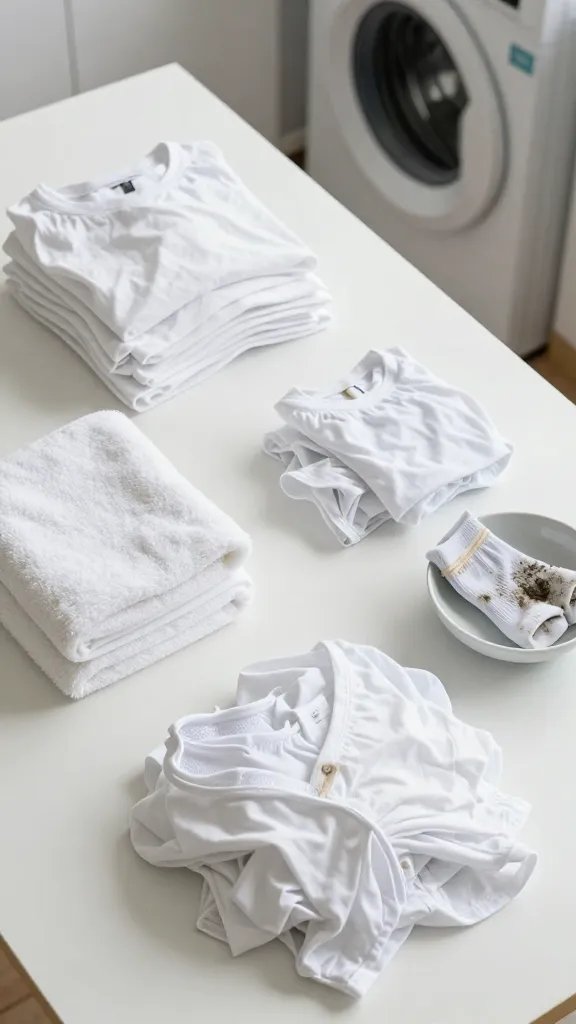
You can’t get blinding whites by tossing everything in one cheerful pile. Separate by:
Tired of snacking when you’re not even hungry? This reset helps you stop the loop and feel back in control.
A simple reset for moments when cravings take over. Easy to use, easy to repeat, and designed to help you feel satisfied instead of stuck.
- Color: Whites with whites only. No exceptions. “Light gray” isn’t white, IMO.
- Fabric Type: Towels and heavy cottons together; delicates and synthetics together.
- Soil Level: Muddy gym socks don’t party with lightly worn tees.
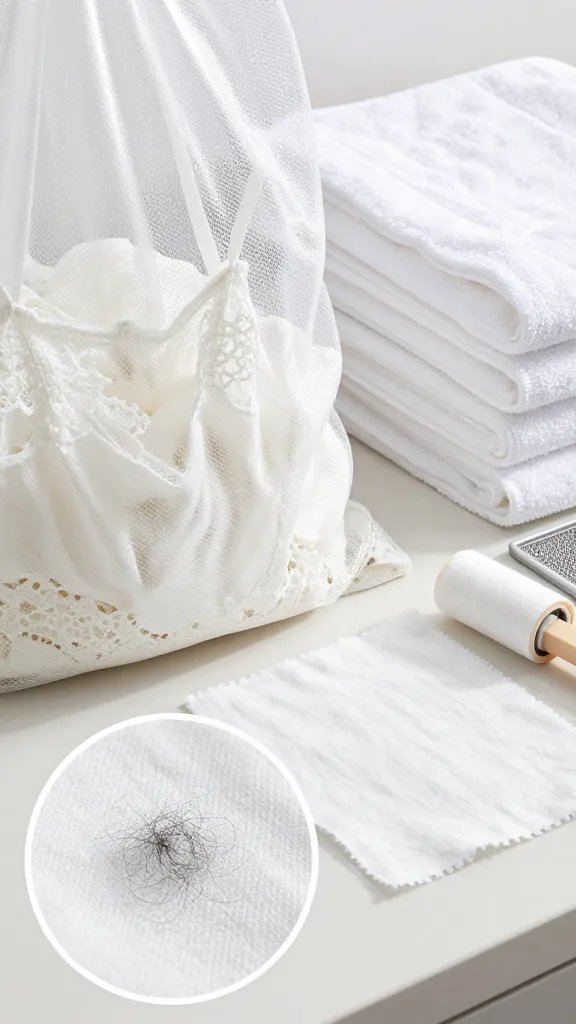
Why so strict? Dye transfer and lint are real villains. Dark lint clings to white fibers, and once it works into the weave, it’s game over.
Bonus: Micro-Sorting Pays Off
Group “true whites” (sheets, tees, undershirts) separately from “off-whites/creams.” You can hit true whites a bit harder with whitening boosters.
Pre-Treat Like a Pro
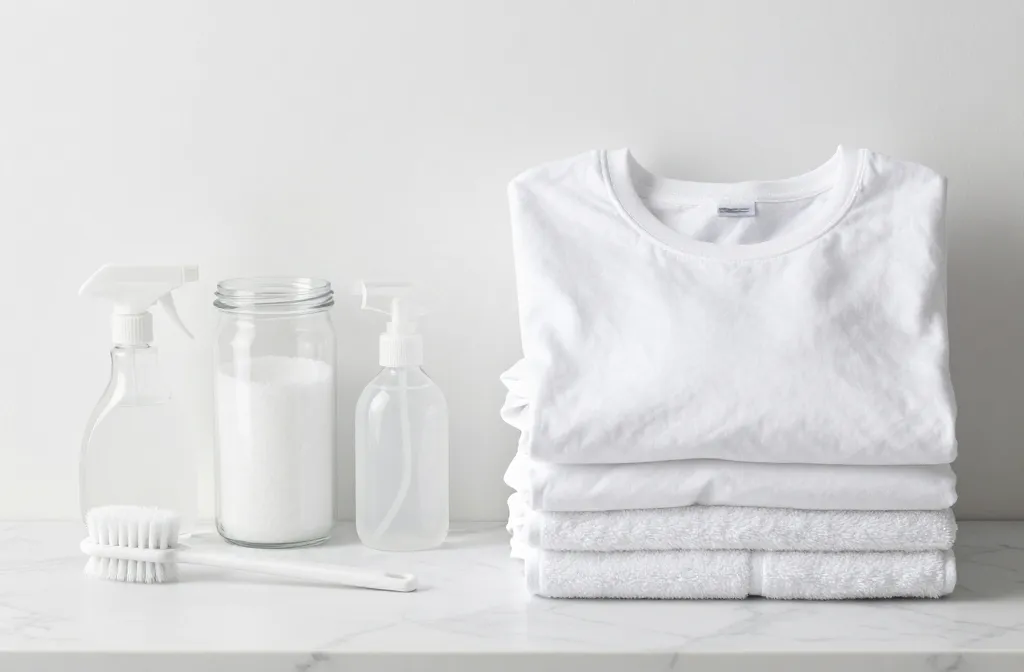
Stains set fast. You move faster.
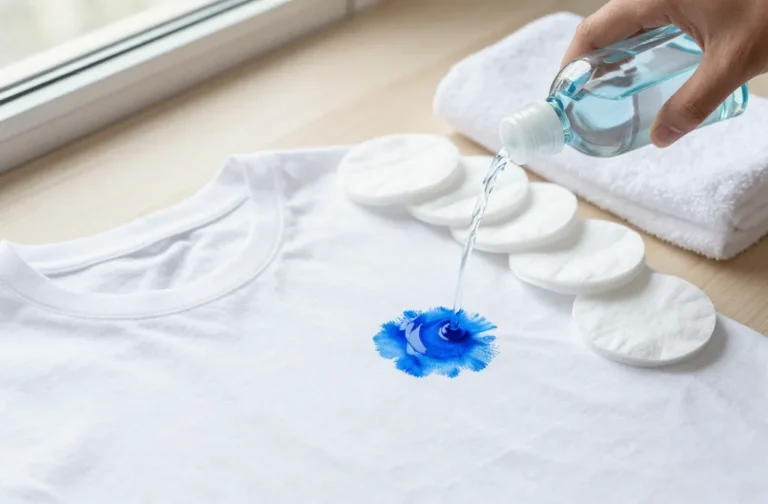
- Protein stains (sweat, blood): Rinse with cold water, then use an enzyme spray or a paste of oxygen bleach + water.
- Oils (makeup, salad dressing): Dab with dish soap; gently rub from the back of the fabric outward.
- Tannins (coffee, tea, wine): Blot, don’t rub. Use oxygen bleach or a tannin-targeting spray. Avoid bar soap—it can set tannins.
- Deo stains/yellowing: Make a paste: 1 part baking soda + 1 part hydrogen peroxide + 1 part water. Test a seam first.
FYI: Always check care labels before any heroic chemistry. Silk and wool hate high pH and strong oxidizers.
Transform Your Home With 7,250+ Stunning Landscaping Designs—No Expensive Designers Needed!
- 🌿 Access 7,250+ stunning landscaping designs.
- 💰 Save thousands—no pro designer needed.
- 🏡 Plans for gardens, patios, walkways, and more.
- ✨ Simple, beginner-friendly DIY layouts.
- 🛠️ Customize any design to fit your yard.
Choose the Right Detergent (And Enough of It)
Your detergent does the heavy lifting. Don’t skimp.
- Use a high-quality enzyme detergent: It breaks down sweat and grime, which cause yellowing.
- Add a whitening booster: Oxygen bleach (sodium percarbonate) brightens without bleaching out prints or elastic.
- Hard water? Add a water softener (washing soda or a commercial booster). Minerals make whites dingy and sabotage detergent.
Measure for your load size and soil level. Too little leaves residue; too much leaves residue. Weird, but true.
Bleach: Handle With Care
Chlorine bleach works, but it can weaken fibers and cause yellowing over time. If you use it:
- Run in hot water with a full rinse.
- Never mix with ammonia or vinegar. Like, ever.
- Use occasionally, not every wash. Oxygen bleach wins for routine brightening.
Temperature, Cycles, and Spin: The Brightness Trifecta
You control the variables. Use them wisely.
- Water Temp: Hot water cleans whites best, especially for cotton. Warm works for blends and synthetics. Cold for delicates only.
- Cycle: Normal or Heavy for sturdy cottons; Gentle for lingerie and athletic gear.
- Spin: High spin for towels and sheets; medium for knits to avoid warping.
IMO: Hot water + oxygen bleach + solid detergent = your A-team for true whites.
Don’t Overload the Washer
Clothes need space to tumble. Cramming the drum turns washing into marinating. Leave a hand’s width at the top in top-loaders and about 3/4 full in front-loaders.
Upgrade Your Whitening Routine
When whites look “meh,” they need a reset.
- Oxi Soak: Dissolve oxygen bleach in warm water. Soak 4–8 hours or overnight. Then wash as usual.
- Bluing Agents: Add a drop to neutralize yellow tones. Follow the directions exactly, or you’ll get Smurf sheets.
- Sun-Bleaching: Air-dry in direct sunlight to naturally brighten cotton and linen. UV works like free stain remover.
Dealing With Grayness
Gray = embedded dirt + detergent residue. Fix it with:
- Hot wash with a strong enzyme detergent.
- Add washing soda + oxygen bleach.
- Extra rinse cycle to purge residue.

Drying Without Damage
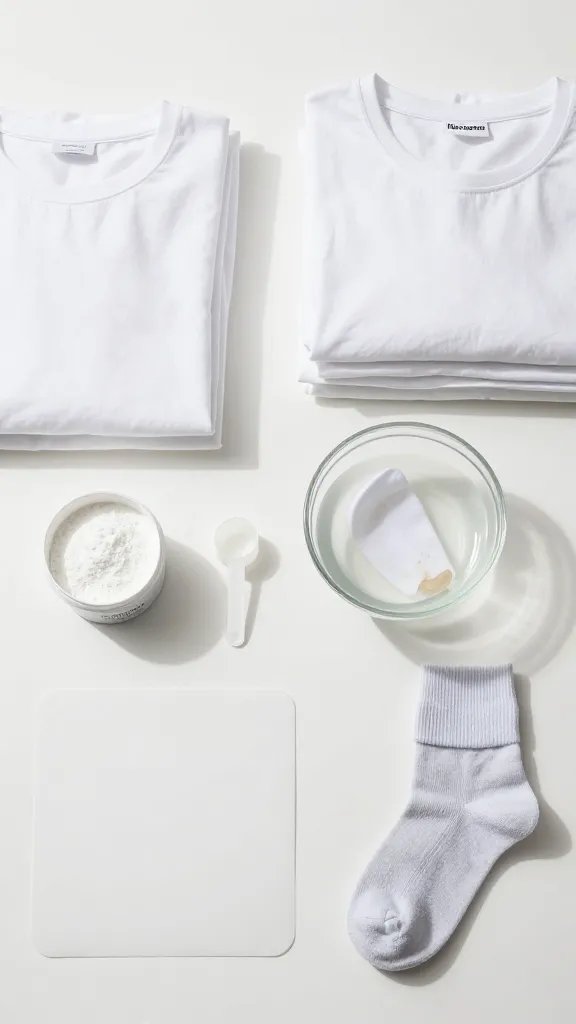
Dryers can yellow stains you didn’t see. Check before you heat-set anything.
- Line dry when possible; it preserves fibers and brightens whites in the sun.
- Tumble dry low–medium for cottons; low for synthetics. Overdrying makes towels scratchy and traps dinginess.
- Dryer balls reduce drying time and prevent clumping, which helps whites stay fluffy, not gray.
Preventative Care: Keep Whites White
Maintenance beats miracles.
- Wash whites after 1–3 wears: Body oils cause yellow halos if they sit.
- Switch to aluminum-free deodorant if you battle pit stains. Aluminum reacts with sweat and detergent.
- Use a laundry bag for delicates and bras to avoid gray abrasion.
- Clean your washer monthly: Run a tub-clean cycle with a washer cleaner or hot water + oxygen bleach.
Label Literacy
Check for “Do Not Bleach” symbols. It might still allow oxygen bleach—chlorine bleach is usually the one banned. When in doubt, patch test.
FAQ
How do I whiten yellowed armpits on white shirts?
Mix 1 part hydrogen peroxide, 1 part baking soda, and 1 part water into a paste. Apply to the stains, gently scrub with a soft brush, and let it sit for 30 minutes. Wash hot with enzyme detergent and oxygen bleach. Repeat if needed, then avoid heat-drying until it’s truly gone.
Can I wash white clothes with light colors?
Short answer: Don’t. Light blues and grays still shed dye and lint. Even one rogue pastel can dull your whites. Keep a dedicated whites basket—it pays off.
What’s better: oxygen bleach or chlorine bleach?
For routine brightening, oxygen bleach wins. It’s color-safe, fabric-friendly, and great for soaking. Chlorine bleach works fast on heavy stains but weakens fibers and can yellow over time. Use chlorine bleach sparingly and never on wool, silk, or elastics.
Why do my whites still look dingy after washing?
Probably buildup. Hard water minerals, too little detergent, or overloading can leave grime behind. Try a hot wash with a strong detergent, add a water softener or washing soda, toss in oxygen bleach, and run an extra rinse. If that fails, do an overnight oxy soak first.
Is hot water safe for all white clothes?
Nope. Hot is great for sturdy cottons and linens, but it can shrink or damage delicates and some synthetics. Check the label. When unsure, wash warm with an enzyme detergent and oxygen bleach to strike a good balance.
Do vinegar or baking soda actually help?
They help in the right roles. Baking soda can boost cleaning and control odors; vinegar can soften and cut some residue in the rinse. But they don’t replace detergent, and you shouldn’t mix vinegar with chlorine bleach. Use them as supporting actors, not the star.
Conclusion
Bright whites don’t require a chemistry degree—just smart sorting, solid detergent, the right temps, and a few clutch boosters. Pre-treat fast, don’t overload, and let oxygen bleach and sunshine do their thing. Keep up with small habits, and your tees, towels, and sheets will stay blinding—in a good way. FYI, once you see the difference, you’ll never toss whites in with “light colors” again.