10 Creative Landscape Ideas You Haven’t Tried yet (but Totally Should)
Ready to ditch the boring lawn and make your outdoor space feel like a boutique resort? Good. I’ve got ten fresh, slightly unexpected landscaping ideas that go beyond mulch and a birdbath. We’re talking statement moments, layered textures, and little design tricks that make your yard feel custom—even if you DIY most of it on a Saturday. Let’s play outside.
1. Sculpt a Multi-Level Micro Meadow
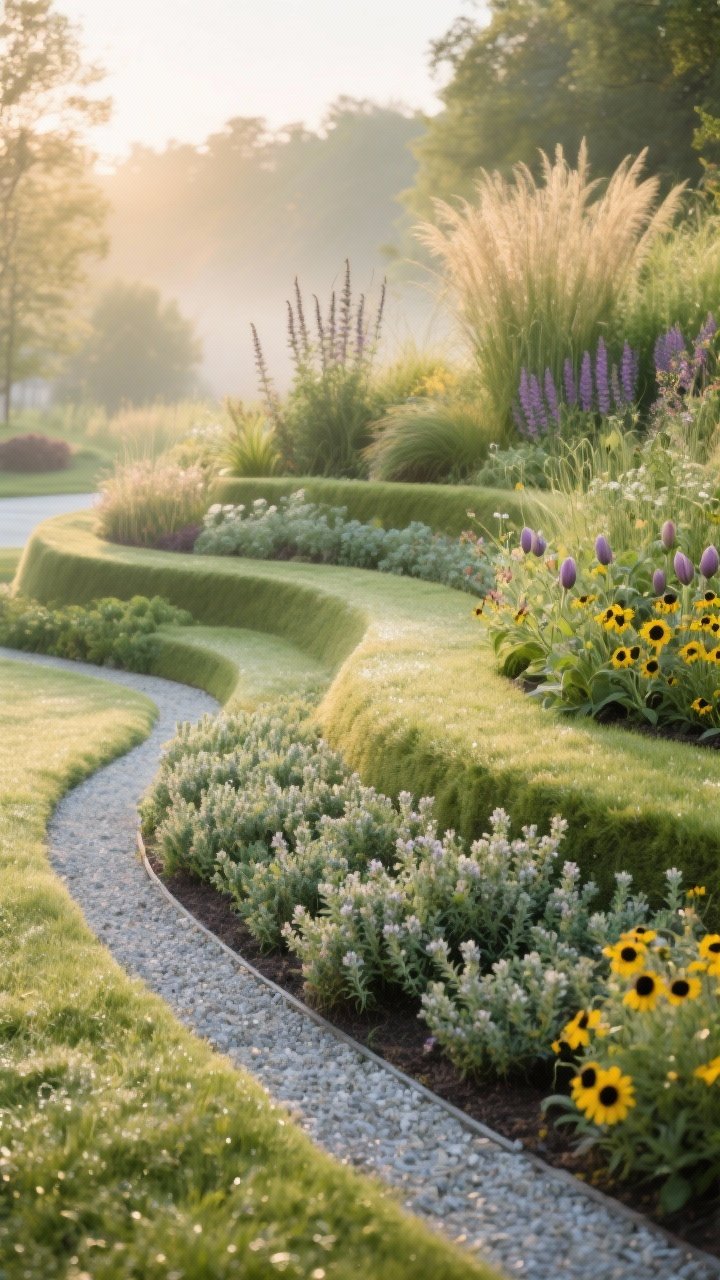
Wildflower lawns are having a moment, but let’s dial it up with a micro meadow that’s tiered. Think softly mounded beds stacked like waves, with low natives in front and taller blooms behind. It looks lush, invites pollinators, and requires fewer mow days—aka more hammock time for you.
Tired of snacking when you’re not even hungry? This reset helps you stop the loop and feel back in control.
A simple reset for moments when cravings take over. Easy to use, easy to repeat, and designed to help you feel satisfied instead of stuck.
How to Build It
- Shape the land: Use soil to create subtle 6–12 inch berms. No need for dramatic hills—gentle curves look natural and help drainage.
- Plant in height tiers: Front: creeping thyme or sedum. Mid: black-eyed Susans, yarrow. Back: liatris, ornamental grasses.
- Mix bloom times: Layer spring bulbs under summer perennials for a season-long glow-up.
FYI: Keep a neat mowed edge along pathways. That clean border makes the whole “wild” thing look intentional, not neglected.
2. Create a Shadow Garden With Moody Foliage
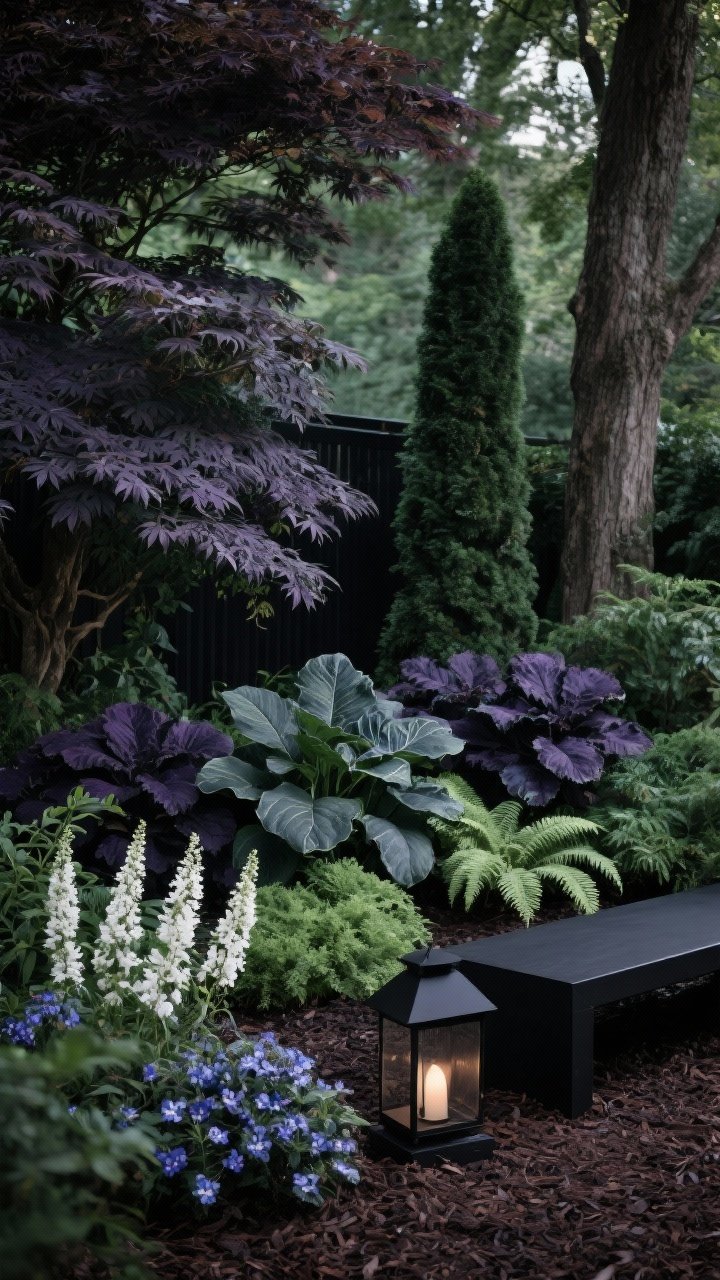
Not all gardens have to be sun-soaked and cheerful. A shadow garden uses deep greens, purple-black foliage, and silvery textures to create drama—perfect for side yards or under mature trees. It’s like a chic outdoor lounge, just with ferns instead of throw pillows.
Plant Palette
- Structure: Japanese maples, dwarf conifers, or columnar yews.
- Texture: Hosta, heuchera (dark varieties), painted ferns, lungwort.
- Glow factor: White astilbe or variegated brunnera to catch low light.
Add a matte black bench or lanterns for contrast. And keep the mulch dark—brown or black—to deepen that moody vibe.
3. Build a Gravel Courtyard That Feels European
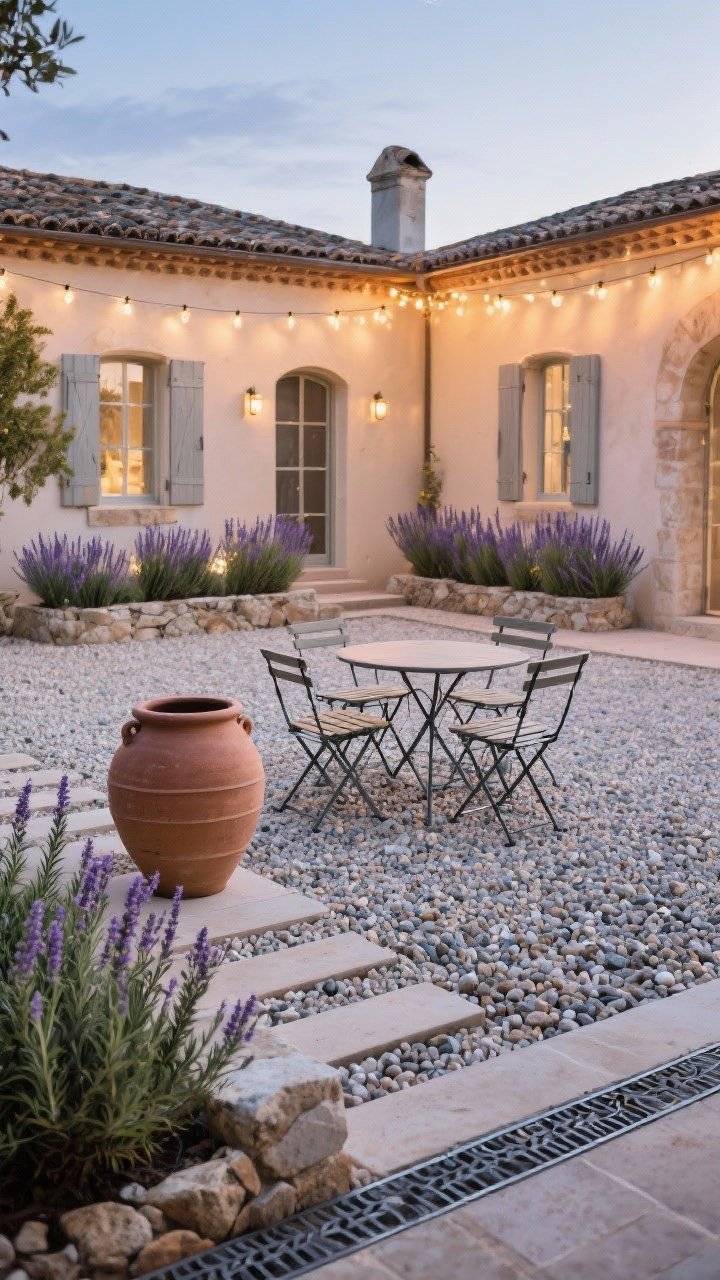
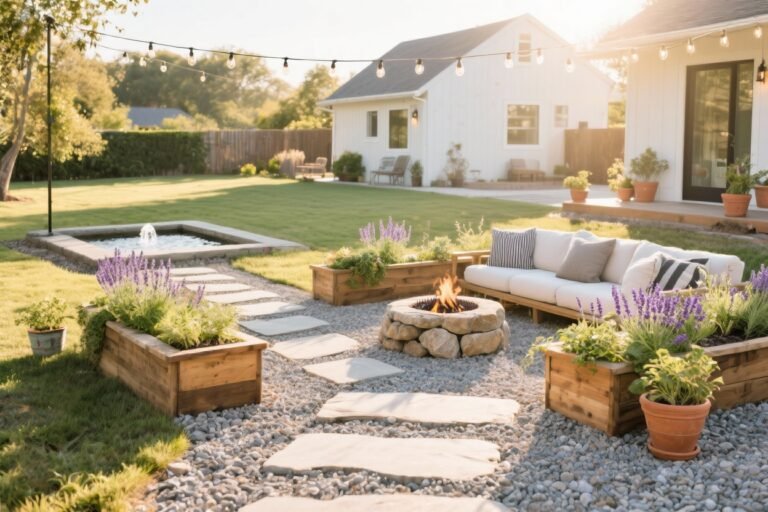
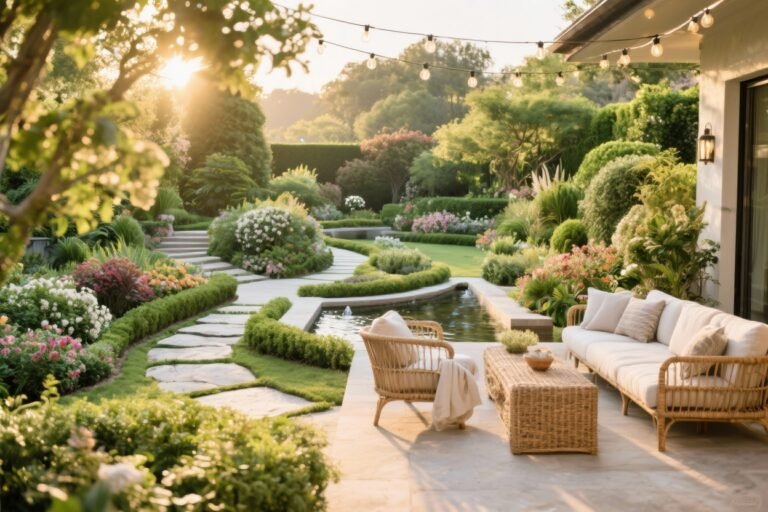
Want instant chic? Swap a chunk of lawn for a gravel courtyard. It drains well, costs less than pavers, and screams wine-and-cheese evenings. Layer planters, a bistro set, and string lights, and you’re basically on vacation.
Transform Your Home With 7,250+ Stunning Landscaping Designs—No Expensive Designers Needed!
- 🌿 Access 7,250+ stunning landscaping designs.
- 💰 Save thousands—no pro designer needed.
- 🏡 Plans for gardens, patios, walkways, and more.
- ✨ Simple, beginner-friendly DIY layouts.
- 🛠️ Customize any design to fit your yard.
Steps to Nail It
- Base matters: Compact 3–4 inches of crushed stone, then top with 2 inches of pea gravel.
- Edge it: Steel, brick, or cobble edging keeps gravel in place (and your sanity intact).
- Break the monotony: Add stepping pavers or a focal urn for dimension.
Bonus move: Plant low lavender or rosemary along the border. Looks amazing, smells better.
4. Try a Living Mosaic With Groundcovers
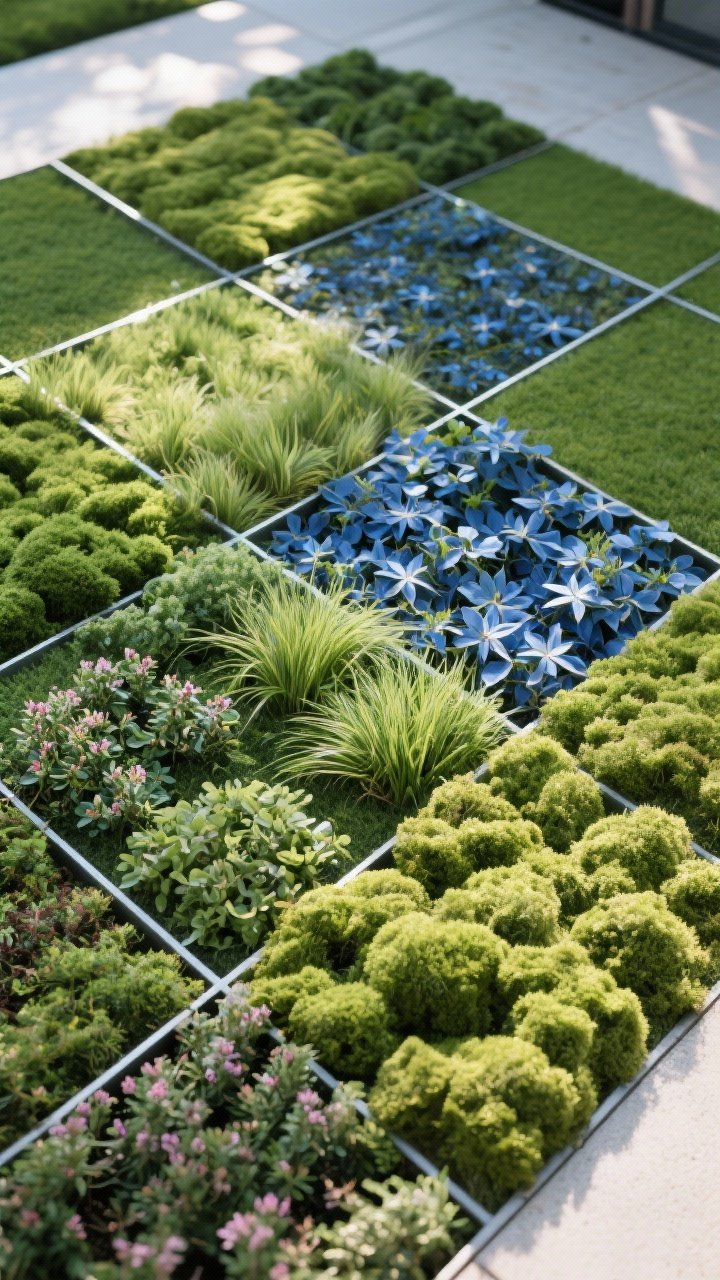
Here’s your lawn alternative with real personality: a living mosaic made of patchwork groundcovers. It’s low maintenance, soft underfoot, and gives pattern without hardscaping. And yes, the neighbors will ask how you did it.
Design Tips
- Choose compatible plants: Blue star creeper, dwarf mondo grass, creeping thyme, Irish moss—mix by color and texture.
- Use a grid: Lay pavers or steel strips to define “tiles,” then plant each with a different groundcover.
- Mind the sun: Pair sun lovers together and keep shade lovers in their own section.
Keep it tidy by trimming edges every few weeks. You’ll get that quilted look without chaos.
5. Design a Secret Path With Hidden Moments
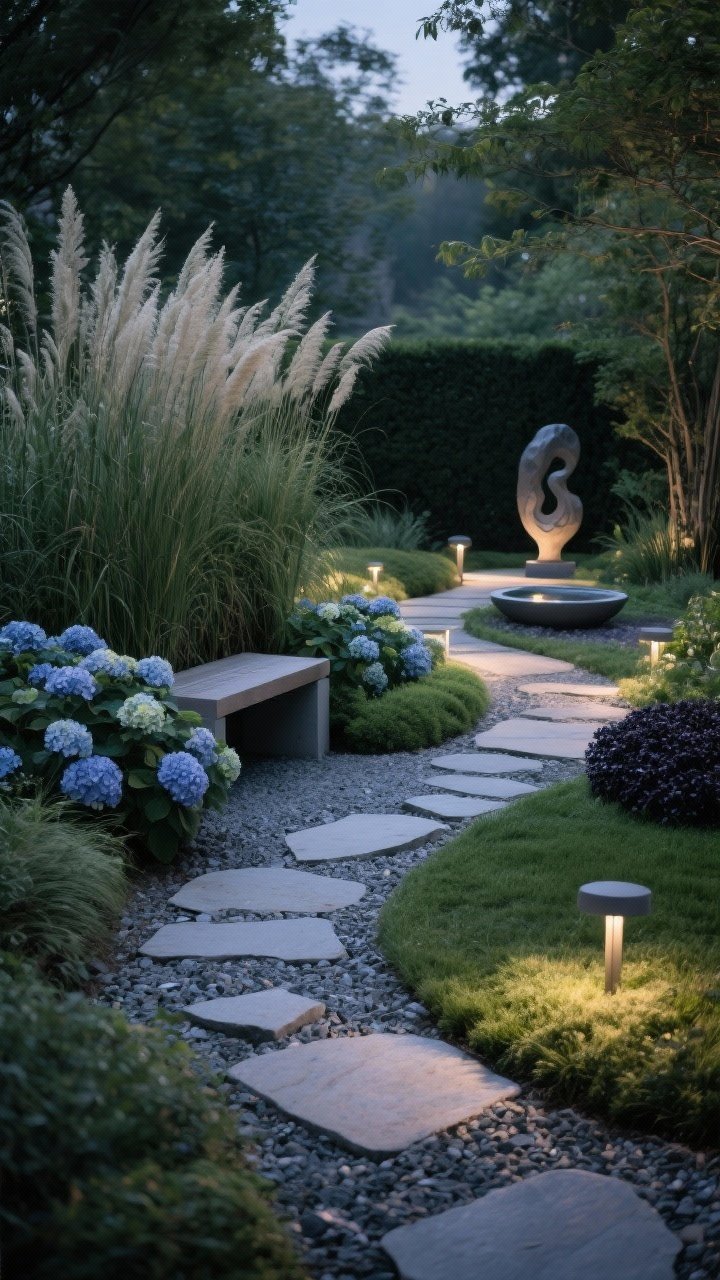
Landscapes should be a little mysterious. Add a meandering path that reveals mini “rooms” as you walk: a bench alcove here, a tucked-in water bowl there, a tiny herb nook at the end. It turns even a small yard into an adventure.
How to Layer the Experience
- Path material: Crushed granite or stepping stones set in groundcovers feels organic.
- Plant the bends: Use taller grasses or shrubs to hide what’s next—miscanthus, inkberry, or hydrangeas.
- Hide a surprise: A sculpture, mirror panel, or birdbath at the end makes the journey worth it.
Lighting is key. Add low-voltage path lights or solar stakes so it’s pretty and practical at night.

6. Go Vertical With a Trellis Wall Bar
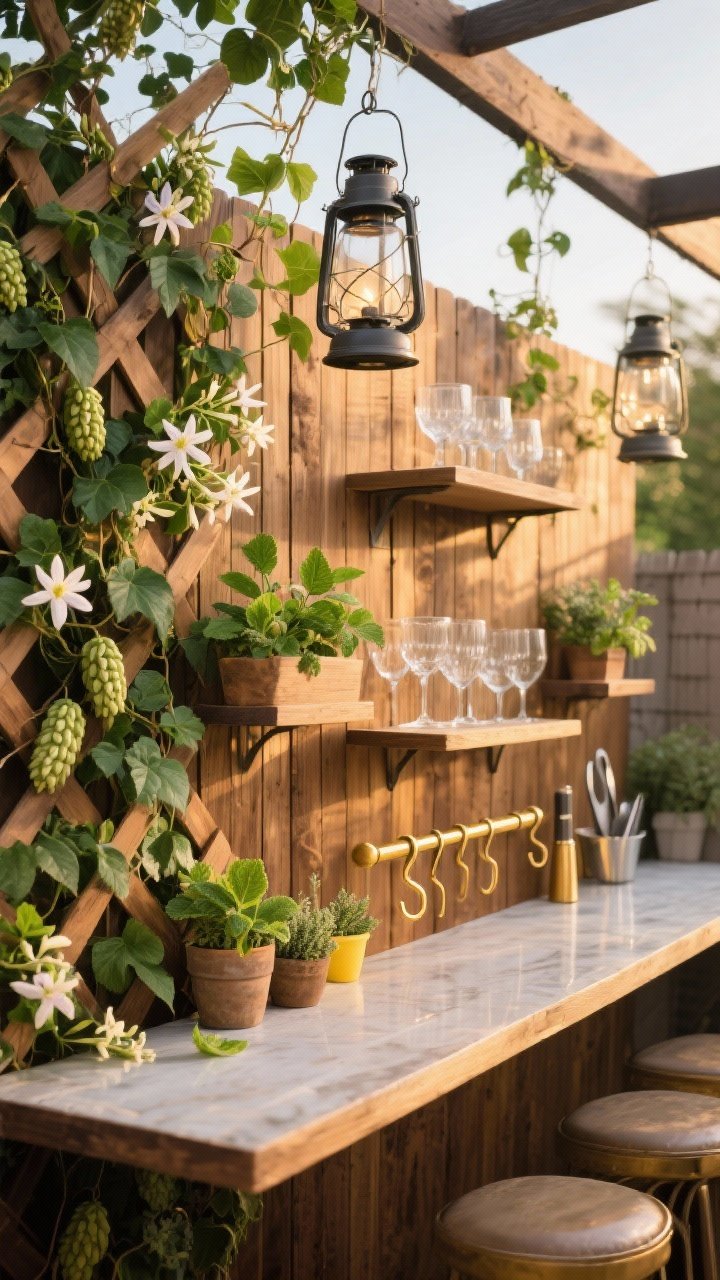
Vertical gardens are great, but let’s make it fun: build a trellis wall bar. Train vines up a slatted wall, add floating shelves for glasses and herbs, and boom—your patio just got party-ready.
What You’ll Need
- Support: Cedar slat screen or metal grid attached to a fence or wall.
- Vines: Star jasmine (fragrant), hop vines (fast), or clematis (showy).
- Shelves + hooks: Weatherproof shelves, S-hooks for lanterns, and a rail for bar tools.
Plant mint, lemon balm, and thyme in wall planters. Fresh garnish on tap? Don’t mind if I do.
7. Swap a Fire Pit for a Glow Garden
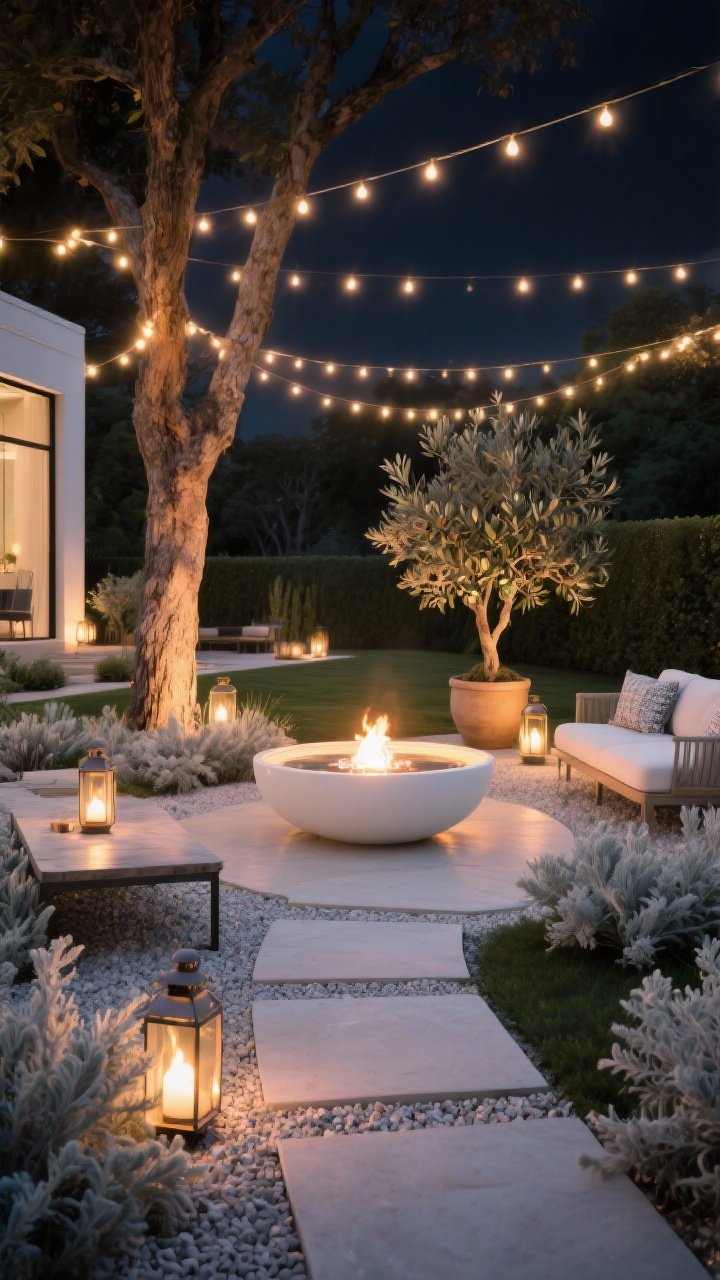
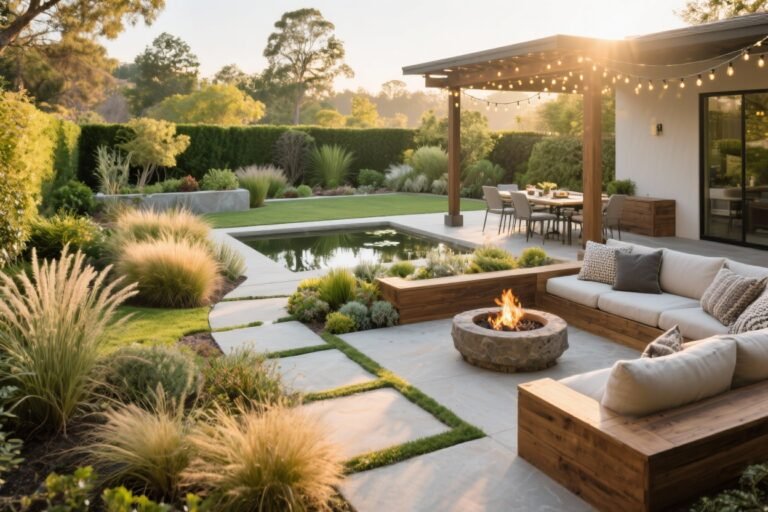
No fire pit? No problem. Create a glow garden with reflective textures and soft lighting that feels just as cozy. It’s safer, easier, and frankly—way prettier on hot nights.
Build the Glow
- Light layers: Uplights on trees, warm string lights overhead, and a few lanterns on tables.
- Reflectors: Pale gravel, light pavers, and silvery plants like artemisia, lamb’s ear, or olive trees.
- Centerpiece: A large white planter or a water bowl to catch and bounce light.
Keep bulbs in the 2700–3000K range. Anything bluer is giving parking lot, not paradise.
8. Stage a Seasonal Cut-Flower Strip

Instead of fighting the utility side yard, turn it into a skinny cut-flower strip. You’ll have bouquets all season and a reason to stroll the yard with shears like a cottage-core legend.
Planting Plan
- Spring: Tulips, daffodils, ranunculus.
- Summer: Zinnias, cosmos, dahlias, rudbeckia.
- Filler + foliage: Ammi, eucalyptus, dusty miller, basil (yes, basil—smells amazing in bouquets).
Install a simple drip line and mulch heavily. Label rows so you remember what to snip—and when.
9. Carve Out a Rain Garden You’ll Actually Show Off
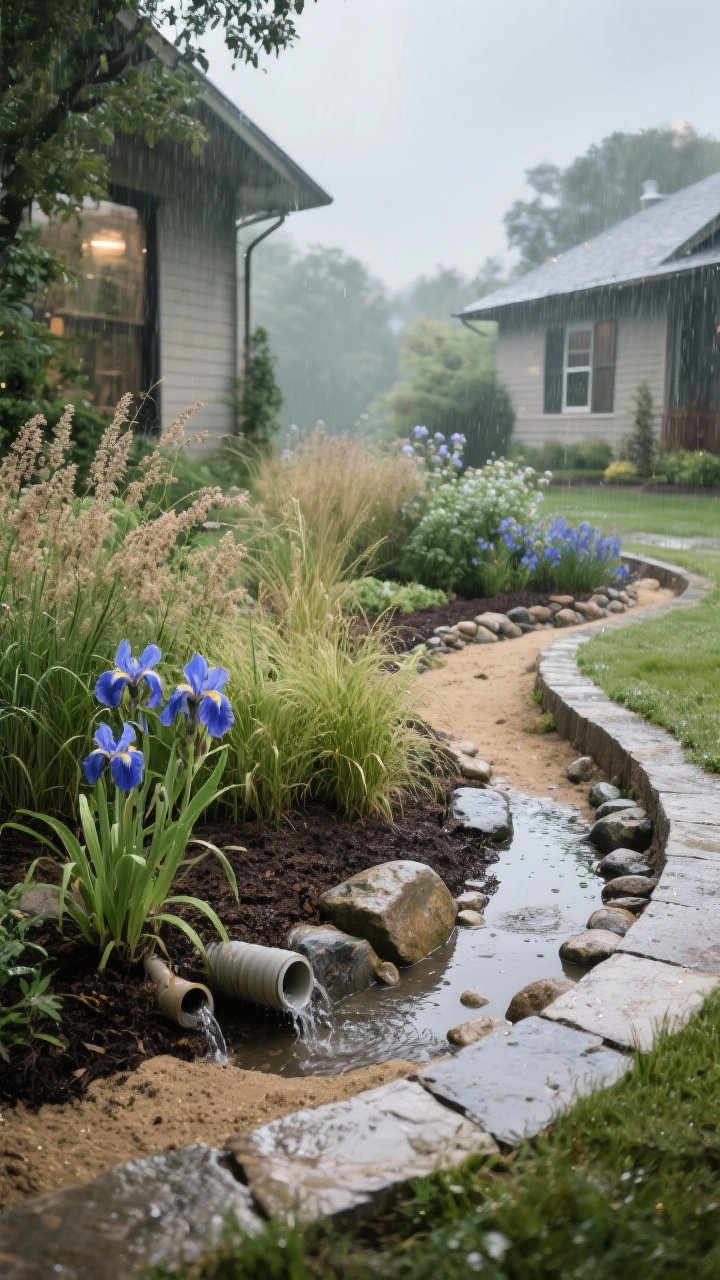
Stormwater can be chic. A rain garden captures runoff, filters it through layered soils, and looks like a sculpted planting bed. It’s functional landscaping that doubles as a conversation starter. Save the planet, but make it pretty.
How to Do It Right
- Pick the spot: Low area 10+ feet from the house to collect downspout water.
- Layer the basin: 6–12 inches deep with a sandy loam mix and compost; add river rock at the inlet.
- Plant smart: Blue flag iris, Joe Pye weed, switchgrass, and sedges—tolerate wet-to-dry cycles.
Edge with flat stones so it reads intentional. Add a discrete overflow channel for heavy storms. Practical and pretty—IMO the best combo.
10. Mix Hardscape Colors Like a Designer
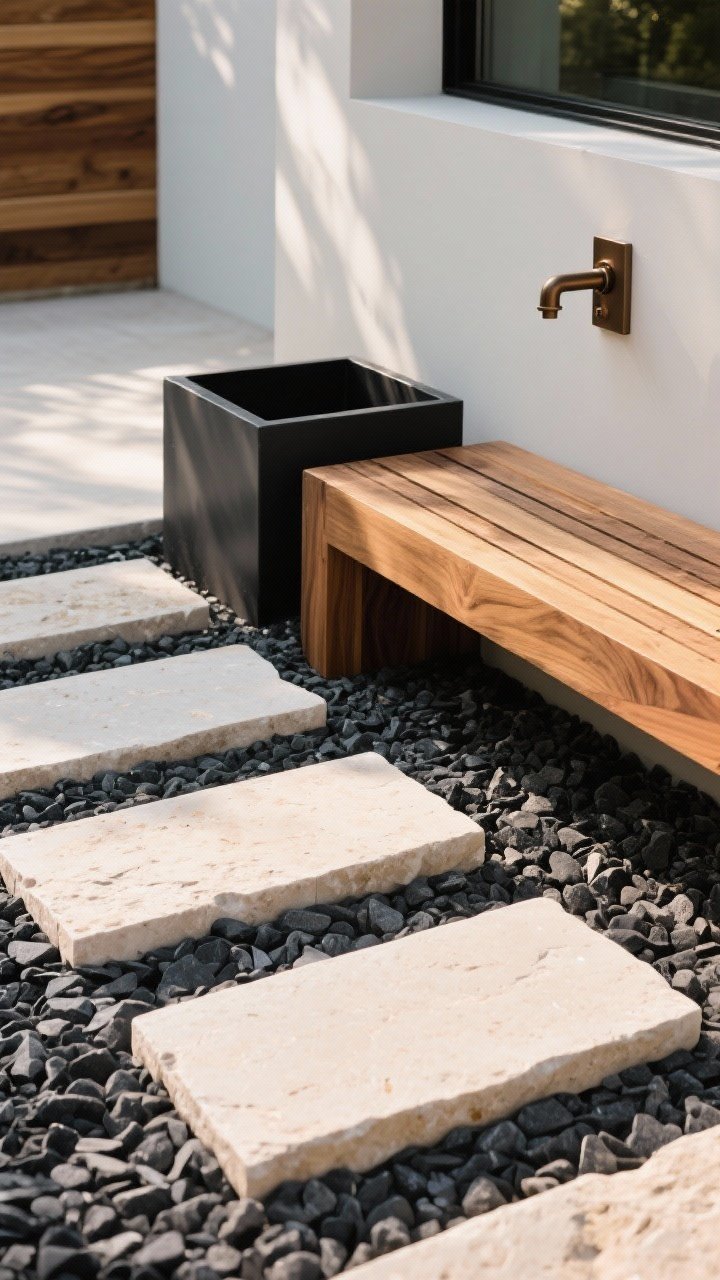
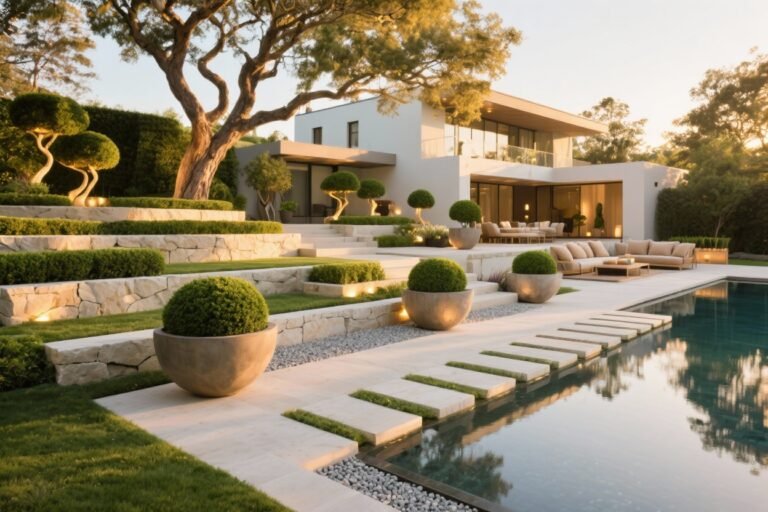
Most yards stick to one paver or one wood tone. Yawn. Try a curated hardscape palette with two or three materials in tight, repeating patterns—think pale limestone stepping pads set in dark gravel with warm cedar accents. Instant editorial vibes.
Palette Rules That Work
- Choose a hero tone: Cool gray, warm tan, or charcoal. Everything else supports that note.
- Repeat with intention: If you use cedar once, use it again—maybe on a bench and planter.
- Mind texture contrast: Smooth stone + chunky gravel + ribbed wood keeps it dynamic.
Finish with black or bronze hardware and fixtures to tie it all together. It’s the outdoor version of a capsule wardrobe—cohesive, elevated, and easy to live with.
Quick Pro Tips to Keep Any Landscape Looking Luxe
- Edge everything: Clean lines make even wild plantings look curated.
- Group in odd numbers: Plant in 3s and 5s for a more natural feel.
- Layer heights: Stair-step from low at the front to tall in the back for depth.
- Repeat plants: Repetition is your best friend for cohesion.
- Lighting matters: A simple low-voltage kit can transform the mood after sunset.
You don’t need a huge yard or huge budget to make these ideas happen. Pick one or two, add your style, and watch your outdoor space feel completely new. Ready to trade lawn boredom for something a little magical? Your weekend project just found you.