10 Outdoor Landscape Ideas for a Lush Garden Feel That Turns Heads
You want that dreamy, leafy, “did I just step into a boutique botanical garden?” vibe. Good news: you don’t need a massive yard or a landscaping degree—just smart layering, texture, and a few bold moves. These ideas will dial up the greenery, boost curb appeal, and make your outdoor space feel like a mini retreat. Ready to make your garden lush without losing your weekends? Let’s dig in.
1. Layer Plants Like A Stylist, Not A Gardener

Think of your garden like a well-styled shelf: taller anchors in the back, medium layers in the middle, and soft, spill-over accents in the front. This creates depth, fullness, and that “luxury lush” look.
Tired of snacking when you’re not even hungry? This reset helps you stop the loop and feel back in control.
A simple reset for moments when cravings take over. Easy to use, easy to repeat, and designed to help you feel satisfied instead of stuck.
Mix leaf shapes and heights—feathery grasses next to broad-leafed shrubs, with flower clusters in between. Pro tip: repeat plants in odd-numbered groups so the eye reads it as intentional, not chaotic.
Try This Combo
- Backdrop: Hydrangeas, bamboo (clumping), or upright junipers
- Middle: Ferns, hostas, or salvia for texture and bloom
- Front: Creeping thyme, sweet alyssum, or trailing lobelia
Tip: Keep a consistent color story—cool greens and whites for calm, or jewel tones for drama.
2. Curvy Paths That Make You Wander (On Purpose)
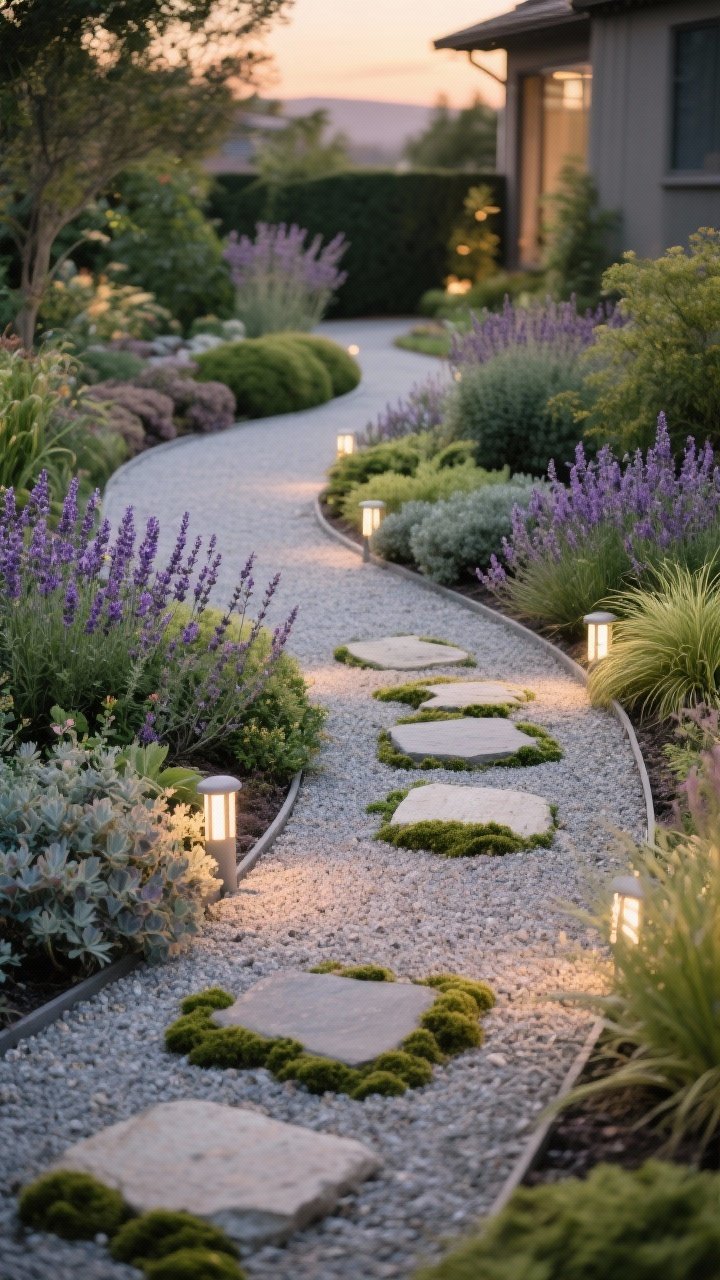
Straight lines feel formal. Curves feel lush. A gently winding path tricks the eye into thinking your space is bigger and more mysterious (in a good way).
Use materials that soften into the landscape: crushed gravel, decomposed granite, or stepping stones set in groundcover. Let plants spill onto the edges—it’s the landscaping equivalent of an effortlessly untucked shirt.
Transform Your Home With 7,250+ Stunning Landscaping Designs—No Expensive Designers Needed!
- 🌿 Access 7,250+ stunning landscaping designs.
- 💰 Save thousands—no pro designer needed.
- 🏡 Plans for gardens, patios, walkways, and more.
- ✨ Simple, beginner-friendly DIY layouts.
- 🛠️ Customize any design to fit your yard.
- Edges: Line with low plants like lavender, heuchera, or mondo grass
- Groundcover: Creeping thyme or Irish moss between stones
- Bonus: Tuck solar lights along curves for nighttime magic
3. Go Big With Statement Foliage

Flowers are cute. Foliage is forever. Large, dramatic leaves shout “lush” from across the yard—and they look good even when nothing’s blooming.
Mix plants with different leaf textures: glossy, matte, ruffled, and strappy. If your climate allows, add tropical touches for instant resort vibes.
- Showstoppers: Elephant ears, banana plants (ornamental), fatsia, gunnera
- Structure: Boxwood balls, hostas, laurels
- Containers: Use oversized pots to cluster bold foliage on patios
FYI: Can’t go tropical? Fake it with cold-hardy plants that mimic big leaves, like ligularia or hardy banana (Musa basjoo).
4. Build Layers With Multi-Level Planters And Terraces
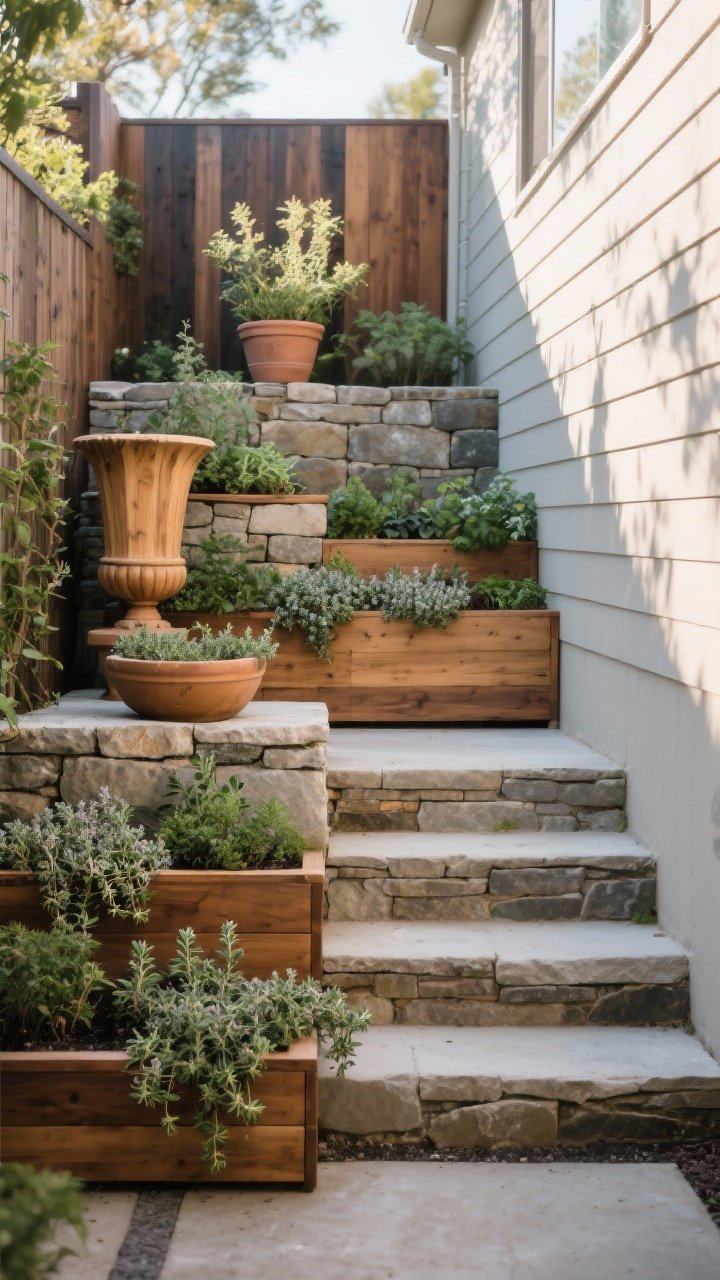
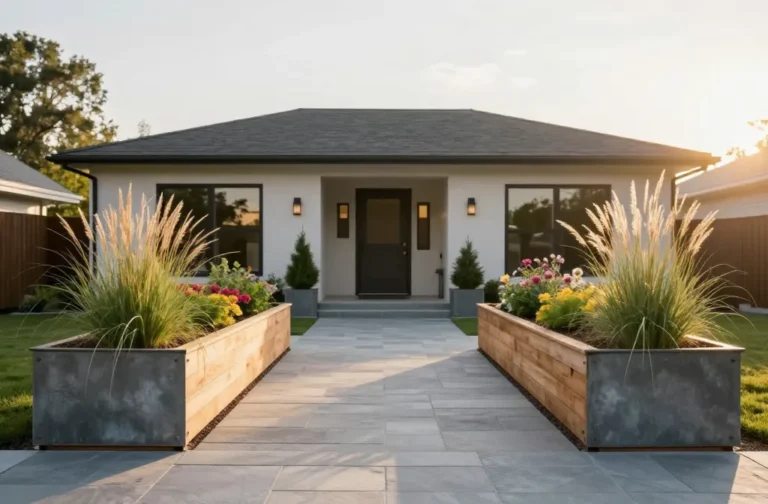
Elevation changes are the secret sauce of lush gardens. Even if your yard is flat, you can fake levels with raised beds, stacked planters, or low terracing.
Stagger heights so your eye travels up and over the space. This adds dimension and tons of planting real estate.
- Raised Beds: Mix cedar boxes with stone retaining walls
- Planter Stacks: Tall urn + medium pot + low bowl for a cascading effect
- Terrace Tip: Plant tumbling herbs like oregano or thyme at edges
Pro move: Match materials (stone, wood tones) across elements for a cohesive look.
5. Add Water For Sound, Sparkle, And Wildlife
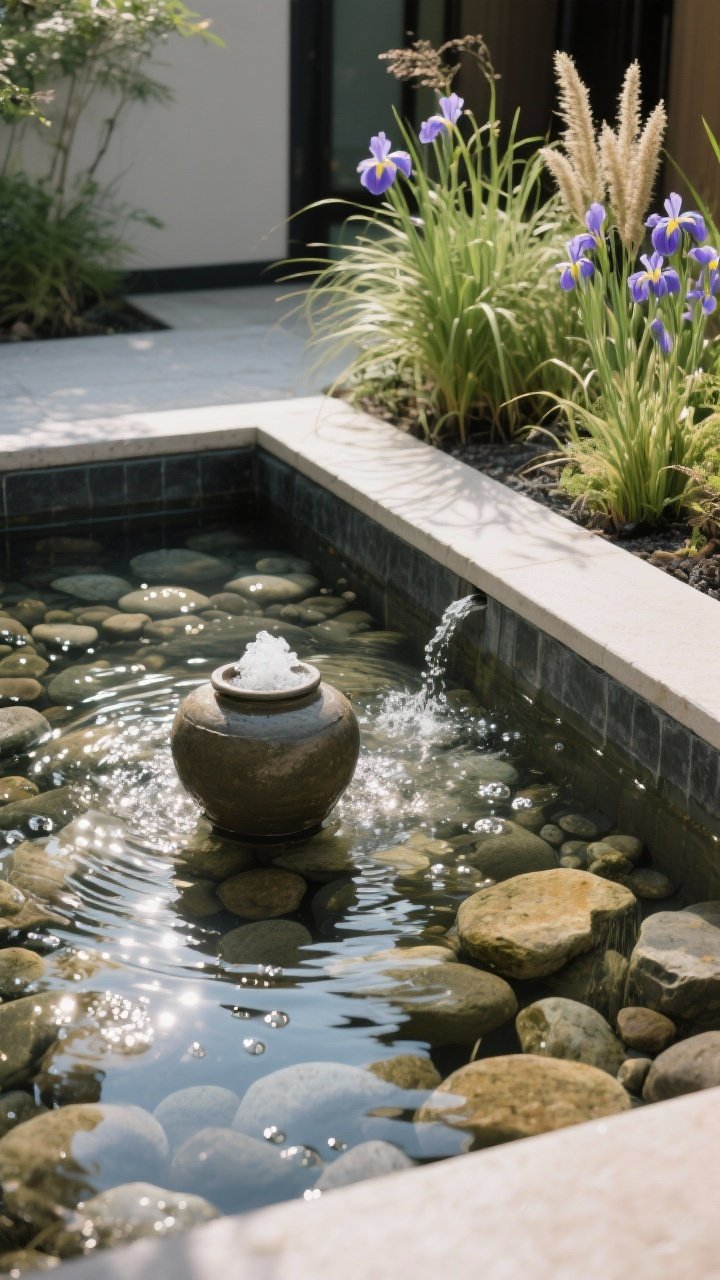
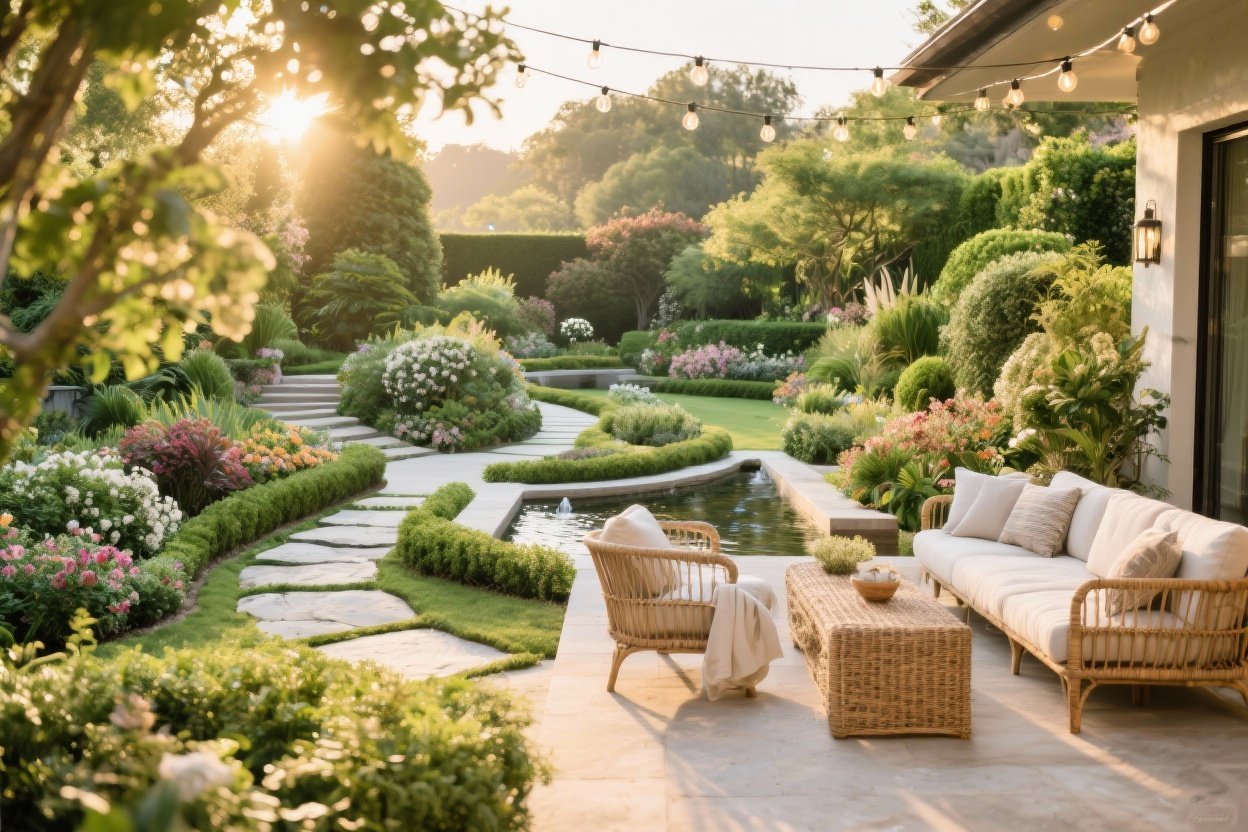
Nothing says serene like water. Even a small fountain elevates the whole vibe while masking street noise and attracting birds and pollinators.
Choose the right scale: a bubbling urn for a small patio, a recirculating wall feature for courtyards, or a reflecting basin for modern spaces.
- Low-Maintenance: Self-contained fountains with hidden reservoirs
- Natural Look: Lined basin with river rocks and marginal plants
- Plant Pairings: Japanese forest grass, iris, papyrus (where climate allows)
Note: Keep water moving to deter mosquitoes. A small pump is your best friend.

6. Create Shade Rooms With Living Canopies
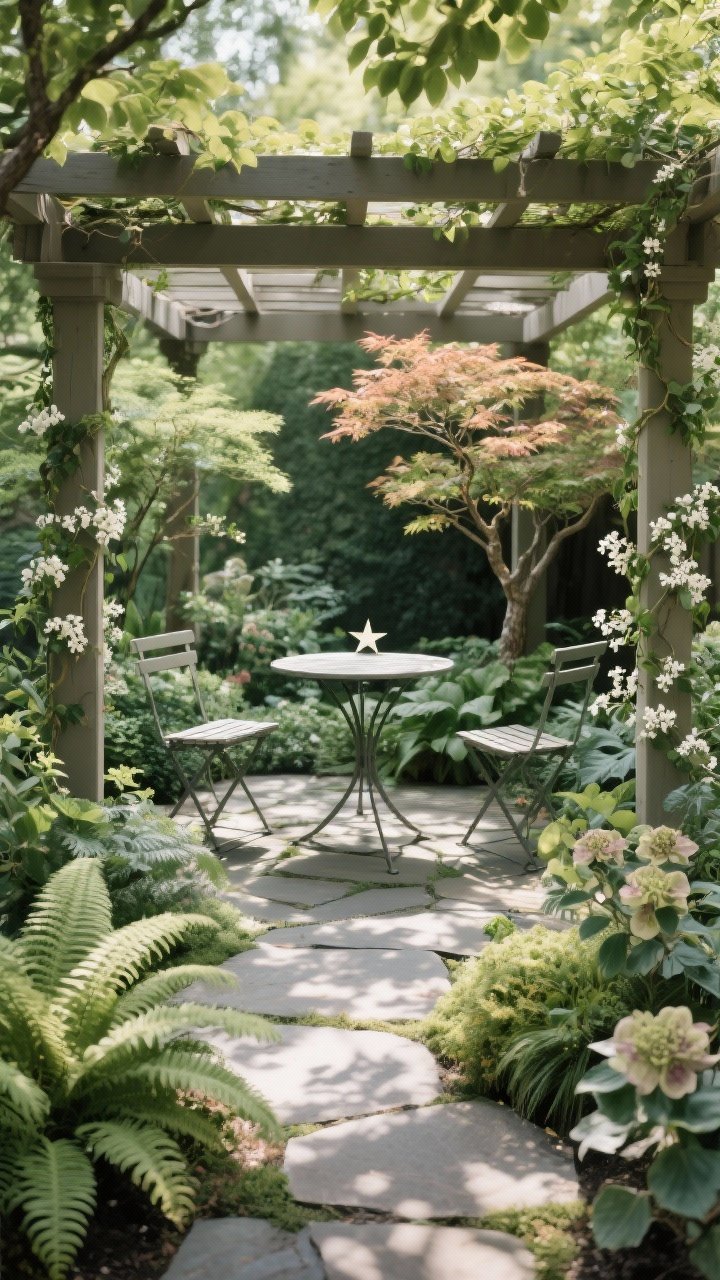
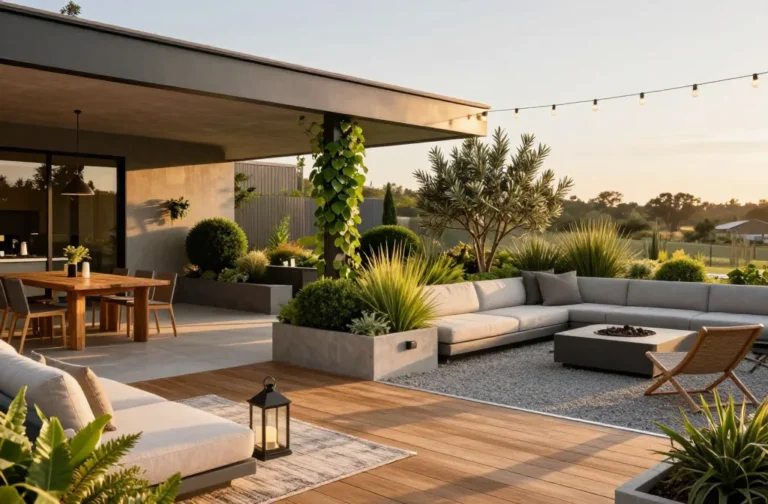
Shade instantly feels lush because it softens light and invites lounging. Build a “green ceiling” with pergolas, shade sails, or trees with layered understory planting.
Under trees, choose plants that thrive in dappled light and create a carpeted look. Then add a bench or hammock—instant escape.
- Canopy Trees: Japanese maple, serviceberry, crepe myrtle, or olive (climate-dependent)
- Shade Layers: Ferns, hostas, hellebores, heuchera, and lamium
- Vines: Star jasmine, clematis, or wisteria for pergolas (train early!)
IMO: A small bistro table under a leafy canopy turns any corner into a café moment.
7. Plant A Pollinator Highway (And Watch The Garden Come Alive)
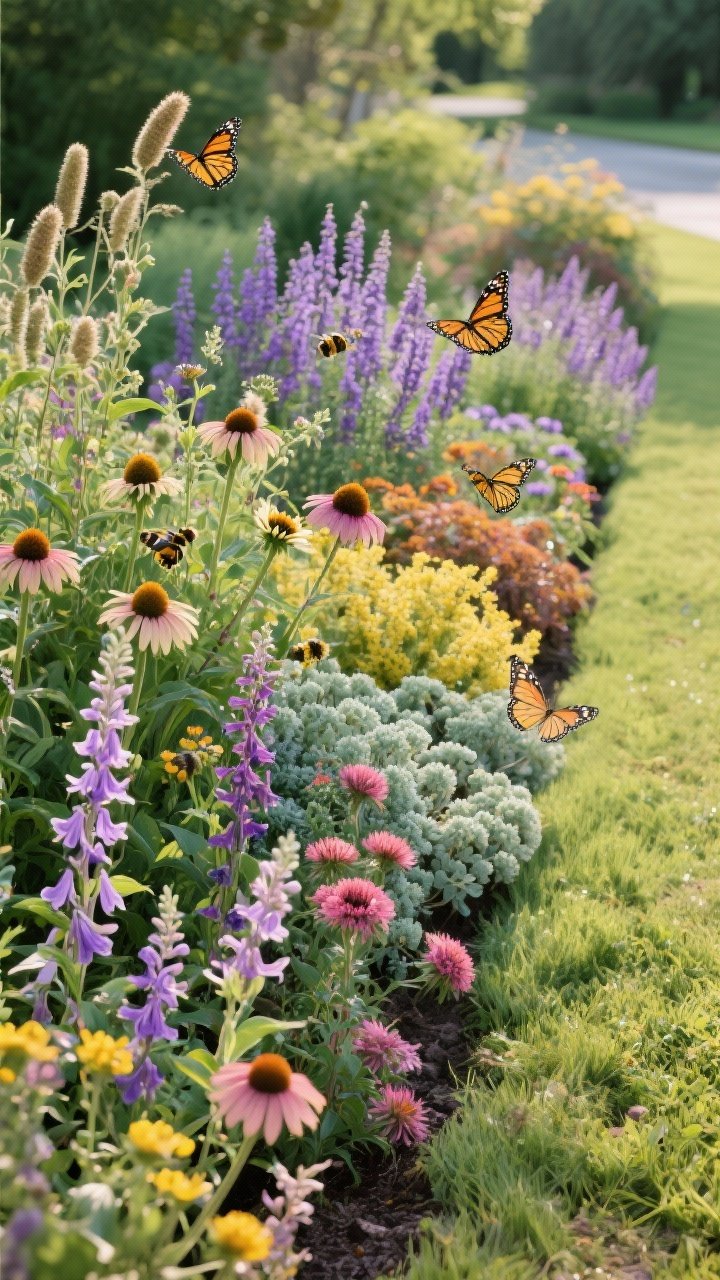
Want movement, color, and a super healthy ecosystem? Invite bees, butterflies, and birds. A pollinator-friendly garden looks fuller because it’s literally buzzing with life.
Focus on native plants and staggered bloom times so there’s always something in flower spring through fall. Add seed heads for winter interest—pollinators will thank you.
- Spring: Salvia, columbine, penstemon
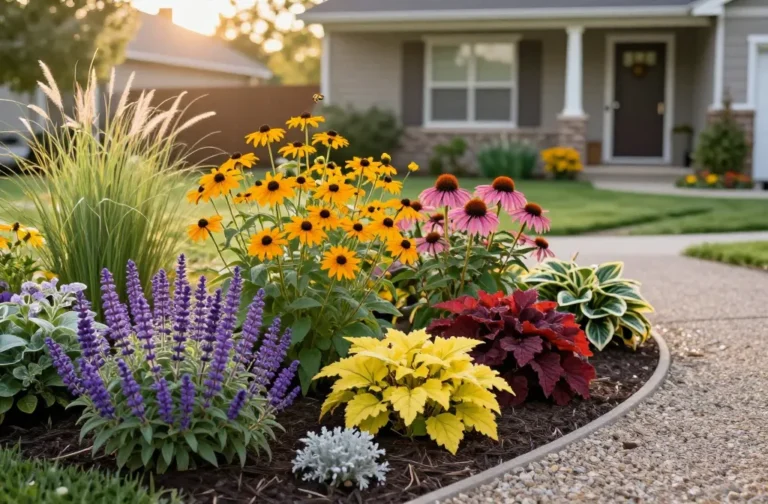
- Summer: Coneflower, bee balm, lavender, yarrow
- Fall: Asters, goldenrod, sedum
Pro Tip: Skip pesticides; use companion planting and beneficial insects instead.
8. Mix Hardscape With Softscape For That Designer Contrast
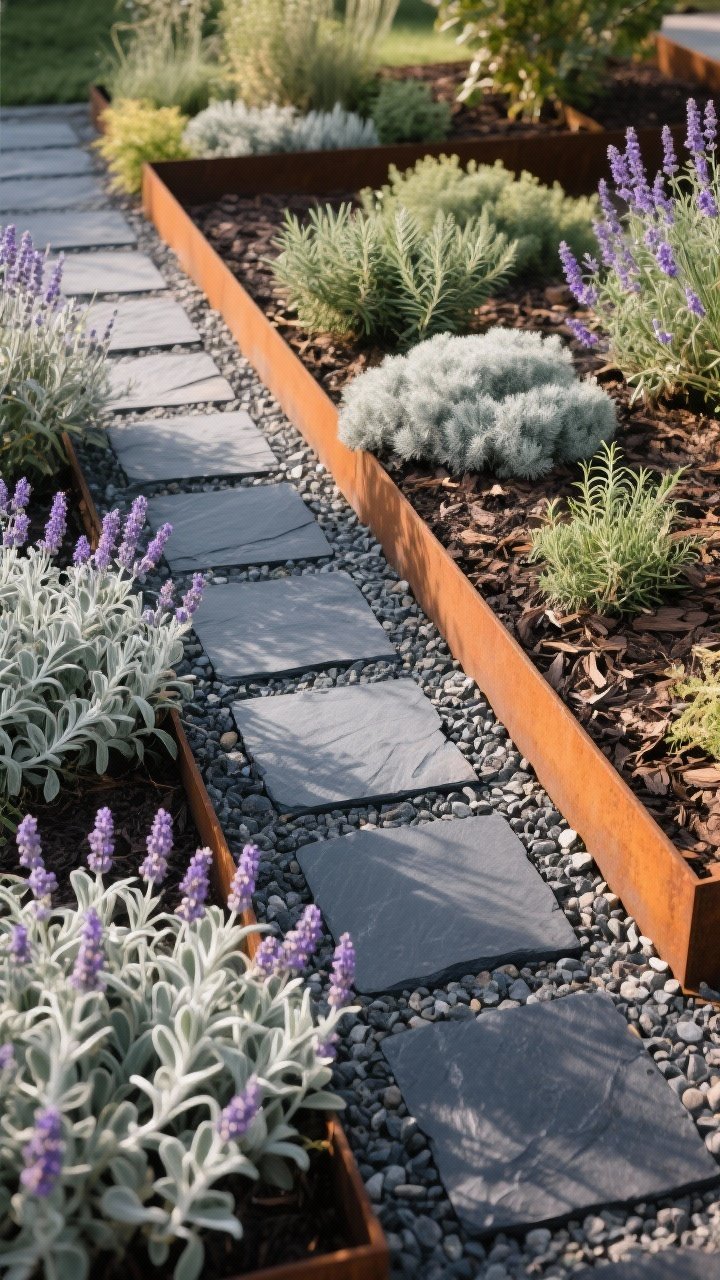
Lush doesn’t mean wild. It’s about balance. Pair structured hardscape—stone, gravel, brick—with soft, overflowing greenery to make everything look intentional (and expensive).
Use repetition in materials and plants to tie the whole space together. Keep your palette tight: two stone types max, one metal finish, and a coordinated plant color story.
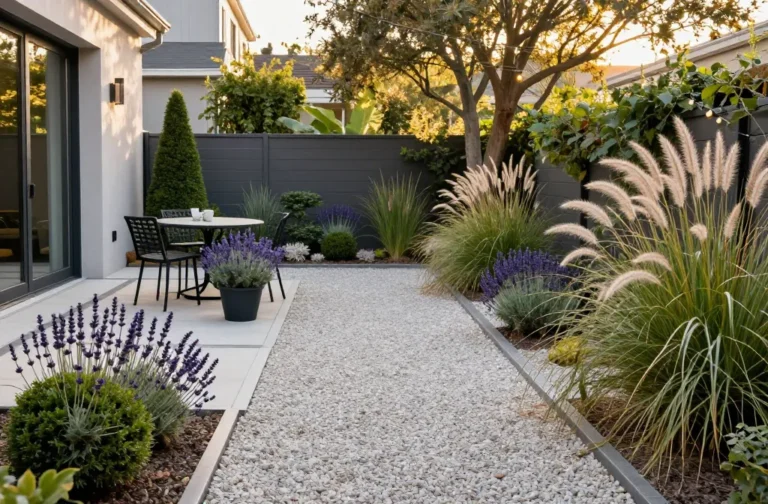
- Path + Plant Pairings: Charcoal pavers with silvery lamb’s ear and lavender
- Gravel Gardens: Mediterranean feel with rosemary, thyme, and agastache
- Edges That Pop: Corten steel edging for crisp lines against loose planting
Tip: Mulch with fine bark or pea gravel to keep beds tidy and moisture-rich.
9. Light It Like A Boutique Hotel

Want your garden to look twice as lush? Light it well. The right lighting adds depth, highlights textures, and extends your outdoor hang time.
Layer ambient, accent, and functional lighting. Aim for soft, warm glows—not runway lights.
- Uplights: At the base of trees and tall shrubs for drama
- Path Lights: Low, shielded fixtures along walkways (no glare)
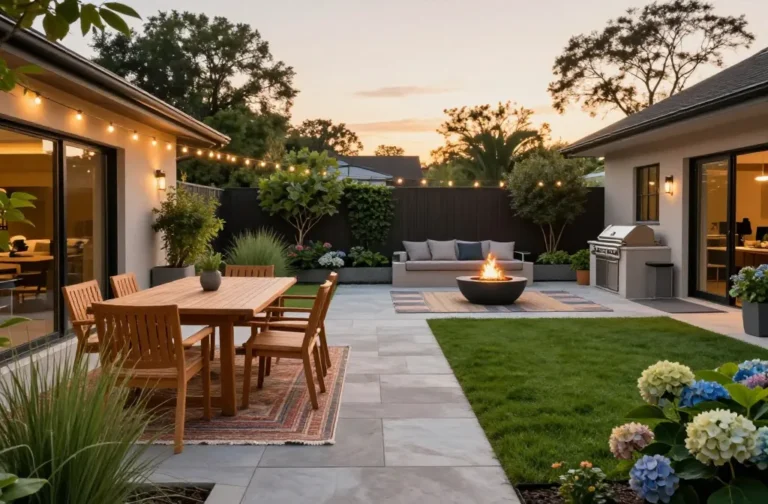
- String Lights: Over dining or lounge zones for instant coziness
- Accent Glow: Lanterns or candles near seating and water features
FYI: Solar options have improved a lot—just choose warm white for a luxe feel.
10. Create Vignettes: Little Scenes That Tell A Story

The secret to a lush garden is not just plants—it’s moments. Build small “vignettes” that feel like chapters in a story: a reading nook, a tea corner, a sun spot for morning coffee.
Anchor each scene with a focal piece, then soften with layered plants and textures. Keep sightlines partially obscured so each reveal feels special.
- Seating: Teak bench or bistro set tucked into greenery
- Focal Point: Birdbath, sculpture, or oversized ceramic planter
- Softeners: Outdoor rug, throw cushions, and trailing plants
- Privacy: Trellis panels with vines or tall grasses as living screens
Bonus: Use repeating elements (same cushion color or planter style) to connect vignettes across the garden.
Quick Planning Checklist
- Pick a color palette (cool and calm, or bold and tropical)
- Map your sun and shade to choose the right plants
- Choose 2–3 hardscape materials and repeat them
- Plant in layers with mixed textures and heights
- Add a water feature and lighting for ambiance
- Create vignettes that encourage lingering
Ready to make your garden feel lush and layered without going full jungle? Start small: pick one area, layer the plants, add a curve, and throw in some lighting. Pretty soon you’ll have neighbors casually “walking by” just to peep your outdoor oasis. You’ve got this—green thumbs are highly contagious.