10 Stunning Landscape Ideas for Any Home Style That Wow on Sight
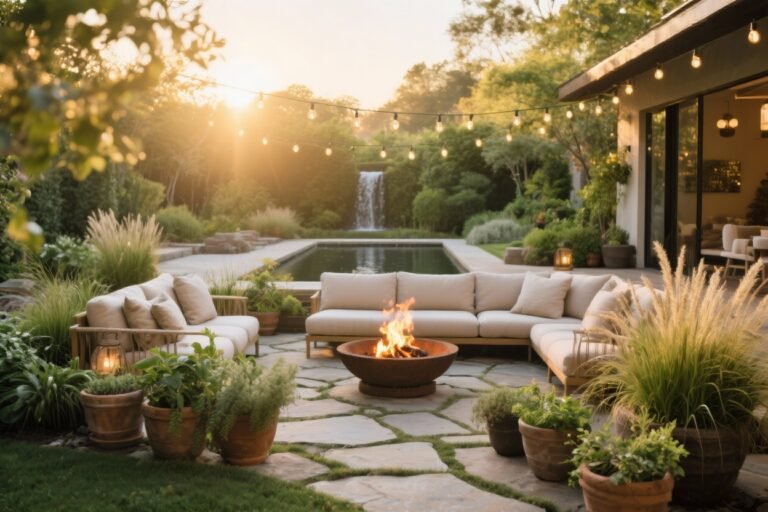
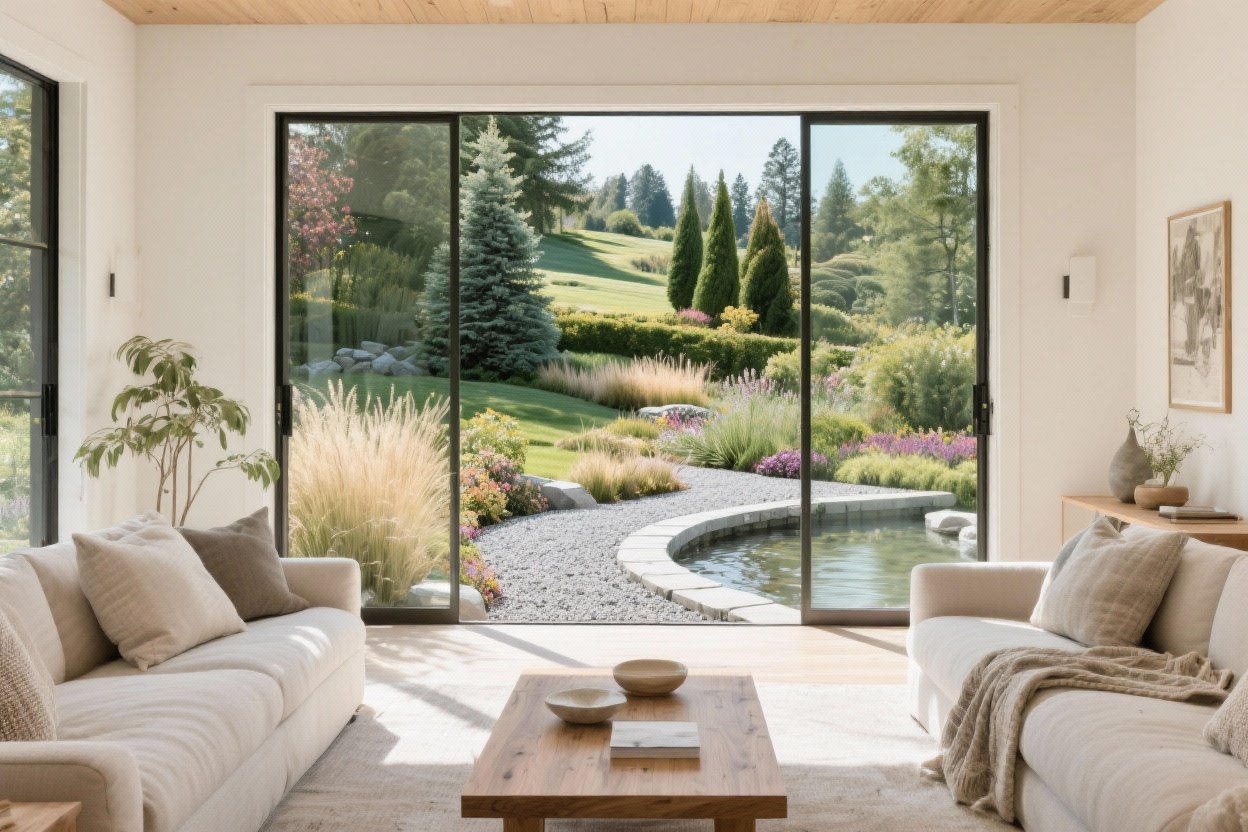
You don’t need a sprawling estate (or a royal gardener) to get a yard that turns heads. With a few smart moves, you can create outdoor spaces that feel tailored, lush, and totally you. Whether your vibe is modern minimal, cozy cottage, or something-in-between, these ideas play nice with every style—and every budget.
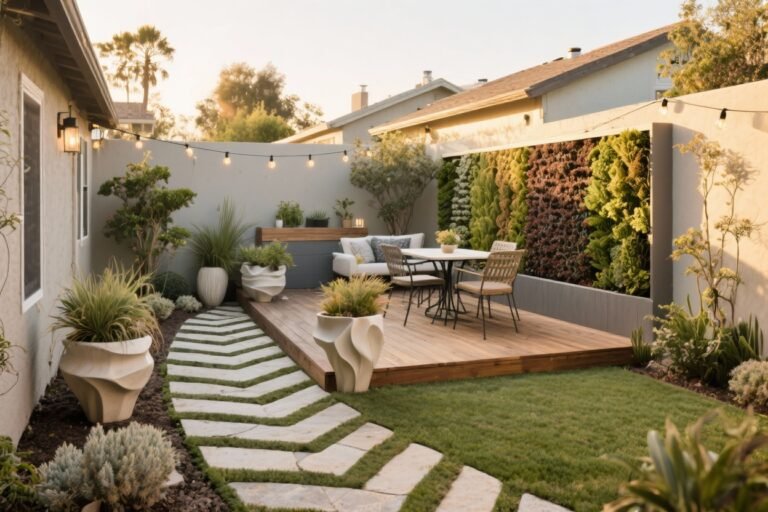
1. Frame The Front With Statement Pathways

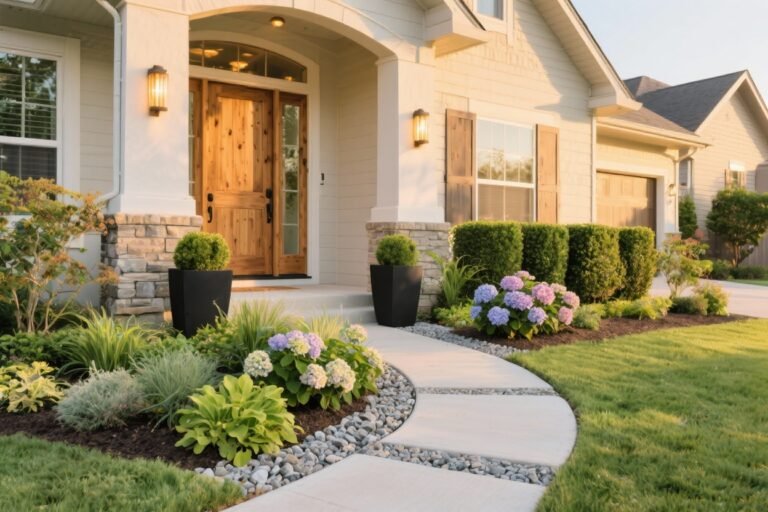
Your front walk is a first impression—make it count. A gorgeous pathway instantly upgrades curb appeal and guides guests like an elegant little runway to your door. Think materials that match your home’s personality.
Tired of snacking when you’re not even hungry? This reset helps you stop the loop and feel back in control.
A simple reset for moments when cravings take over. Easy to use, easy to repeat, and designed to help you feel satisfied instead of stuck.
Material Matchmaking
- Modern homes: Large-format concrete pavers with crisp gravel joints.
- Cottage or craftsman: Reclaimed brick or irregular flagstone for charm.
- Transitional: Decomposed granite with steel edging for a clean-yet-warm look.
Add subtle lighting to make it glow after dark. FYI, solar stake lights are easy, but low-voltage wired lights look more high-end.
- Keep the path at least 36 inches wide so it feels comfortable, not cramped.
- Flank with low plantings—think lavender, mondo grass, or boxwood—for a soft border.
- Curve gently if your home’s style is traditional; go straight and symmetrical for modern.
2. Mix Evergreen Structure With Seasonal Stars

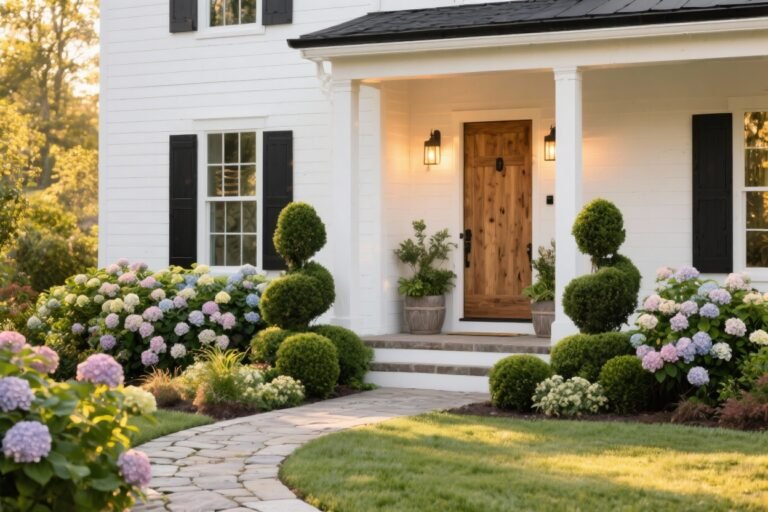
Landscapes that look good year-round have a secret: evergreen bones. These are your anchor plants—boxwood, holly, dwarf conifers—that keep structure during winter. Then you sprinkle in seasonal color like a stylist adds accessories.
Your Four-Season Formula
- Spring: Tulips, daffodils, and flowering shrubs like viburnum.
- Summer: Hydrangea, daylily, salvia—color that keeps going.
- Fall: Ornamental grasses, mums, and trees with fire-red foliage (hi, maple!).
- Winter: Hellebores, red-twig dogwood, and evergreen structure.
Layer heights: tall in the back, medium in the middle, groundcovers up front. It’s basically the mullet of plant design—party in front, business in the back, but reversed.
3. Create A Destination With A Cozy Garden Room
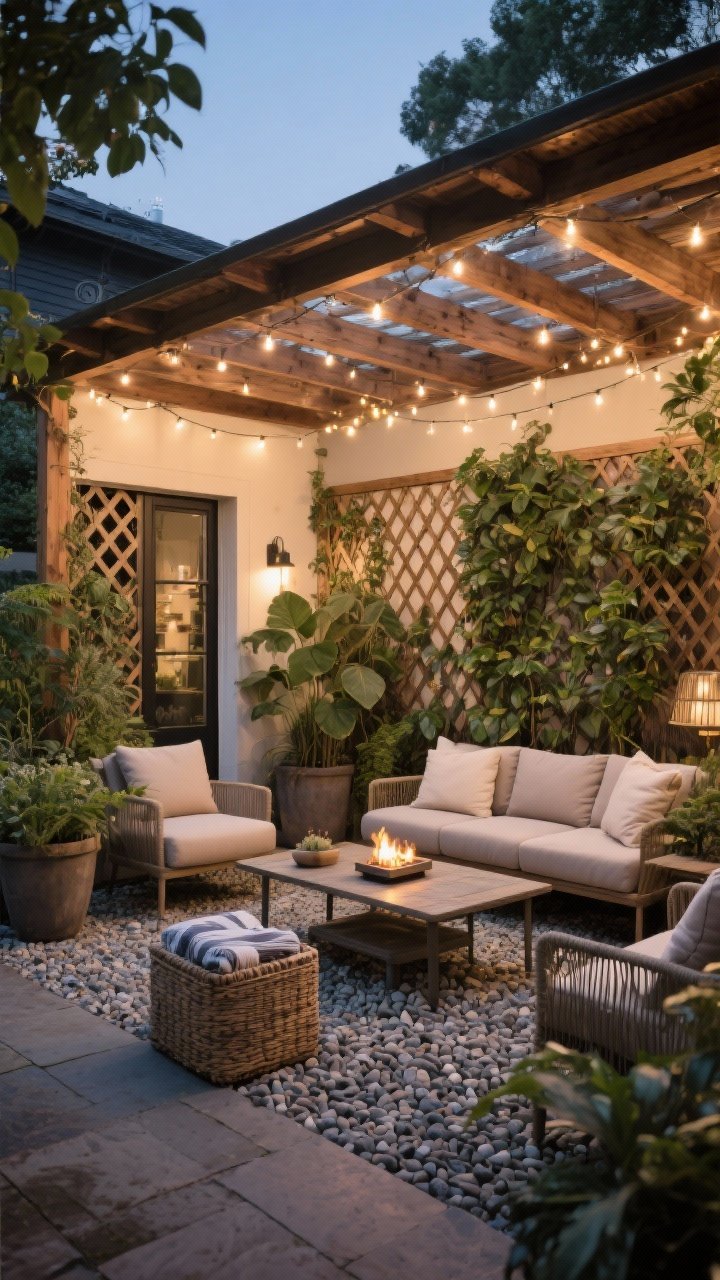
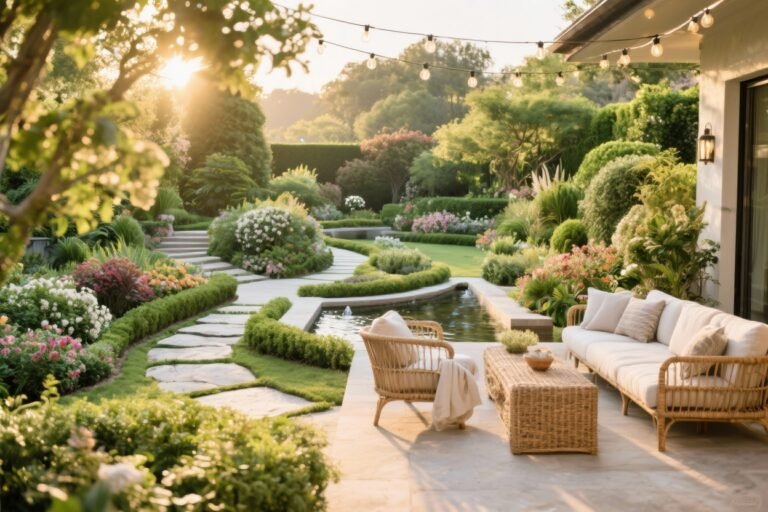
Your backyard shouldn’t be just “the space behind the house.” Give it a purpose with a garden room—a defined area for dining, lounging, or morning coffee. Even a small patio can feel luxurious when it’s styled like an outdoor living room.
Transform Your Home With 7,250+ Stunning Landscaping Designs—No Expensive Designers Needed!
- 🌿 Access 7,250+ stunning landscaping designs.
- 💰 Save thousands—no pro designer needed.
- 🏡 Plans for gardens, patios, walkways, and more.
- ✨ Simple, beginner-friendly DIY layouts.
- 🛠️ Customize any design to fit your yard.
How To Zone Like A Designer
- Floor: Pavers, pea gravel, or a deck define the perimeter.
- Walls: Hedges, lattice, or tall planters create privacy and structure.
- Ceiling: Pergola, string lights, or a shade sail pulls it together.
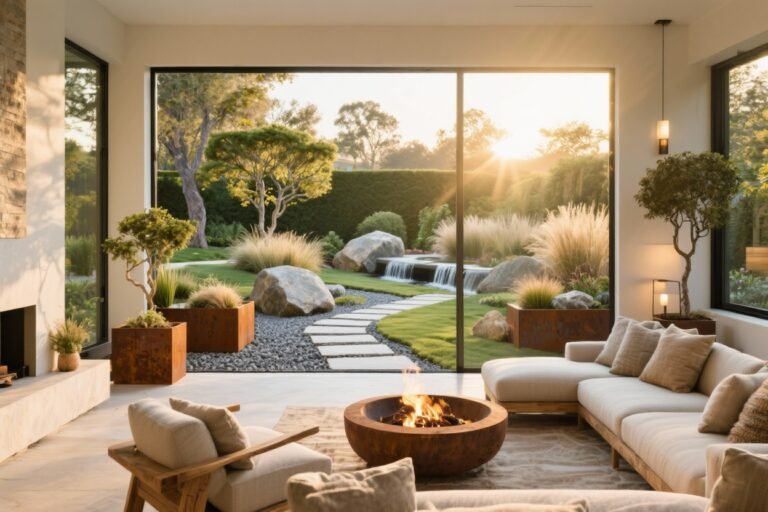
Keep the furnishings weatherproof and add textiles you can toss into a bin if a storm rolls in. A small fire pit or tabletop fireplace makes it feel luxe without a huge budget.
4. Go Native (And Drought-Smart) For Effortless Beauty

Want a yard that basically takes care of itself? Choose native and drought-tolerant plants that actually like your climate. They’ll need less water, fewer chemicals, and way less maintenance. Your future self will send you a thank-you note.
Smart Plant Picks
- Arid regions: Agave, yucca, lantana, desert spoon, and penstemon.
- Temperate zones: Coneflower, black-eyed Susan, switchgrass, and Joe Pye weed.
- Coastal areas: Sea thrift, rosemary, lavender, and New Zealand flax.
- Group plants by water needs. It’s called hydrozoning, and it saves your water bill.
- Use drip irrigation under mulch for deep watering without waste.
- Skip the thirsty lawn and replace with groundcovers like creeping thyme or kurapia.
5. Layer Lighting For Nighttime Magic

Yes, your landscape should look good after sunset too. Think of lighting like jewelry for your garden—subtle, sparkling, and strategic. A mix of path lights, uplights, and string lights turns moody in the best way.
Three Levels Of Glow
- Safety: Path and step lights so no one faceplants on the way in.
- Drama: Uplight trees, architectural features, or a striking sculpture.
- Ambience: Bistro lights or lanterns over dining zones for instant coziness.
Warm color temps (2700K–3000K) keep things inviting and not like a parking lot. And please aim lights carefully—your neighbors don’t want a midnight spotlight show, IMO.

6. Build Vertical Interest With Trellises And Climbers
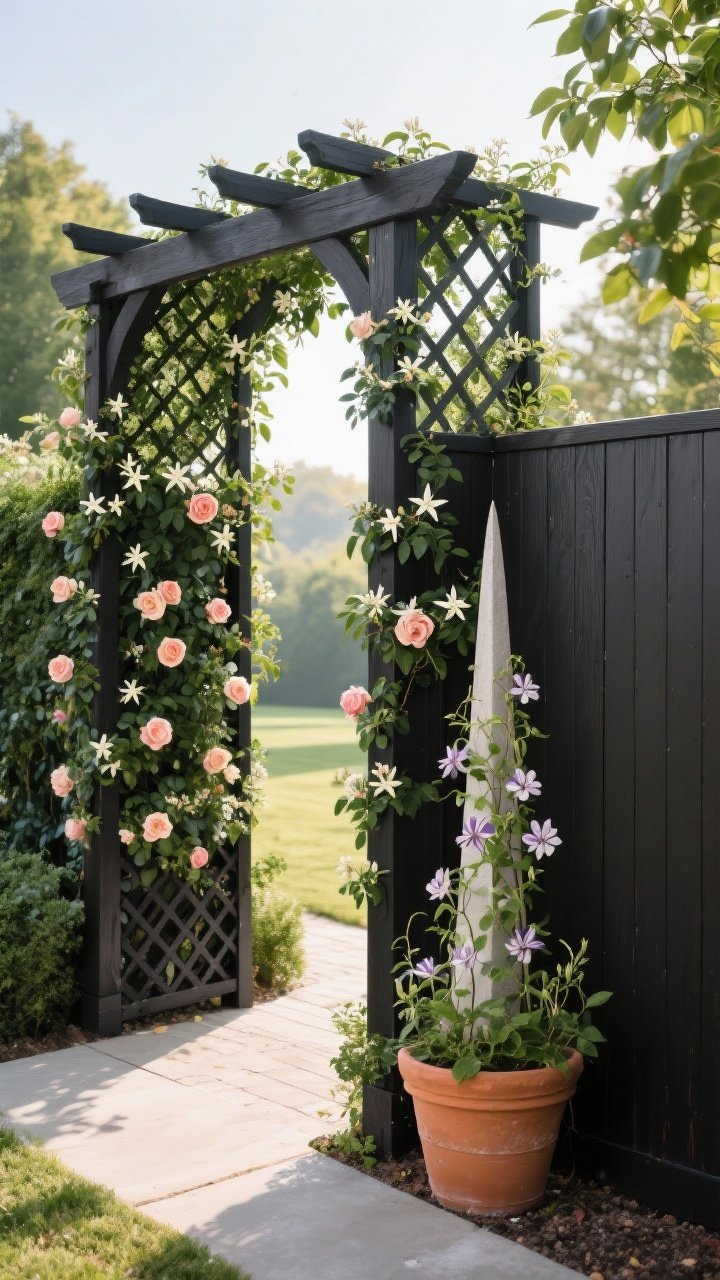
Short on space? Grow up. Trellises, arbors, and obelisks add height and drama without eating your square footage. They also soften fences and walls, making everything feel lush.
Climber Match Guide
- Romantic: Climbing roses, clematis, wisteria (train it, or it will train you).
- Modern: Star jasmine, Boston ivy, or evergreen fig for clean coverage.
- Edible: Grapevines, passionfruit, or climbing beans for beauty and snacks.
- Use sturdy supports—plants get heavy. Metal or pressure-treated wood is your friend.
- Place structures where they create sightlines, like framing a view or path.
- Mix heights: tall arbor at an entry, mid-height trellis along a side yard, small obelisk in a pot.
7. Add Water For Instant Calm (No Giant Pond Required)
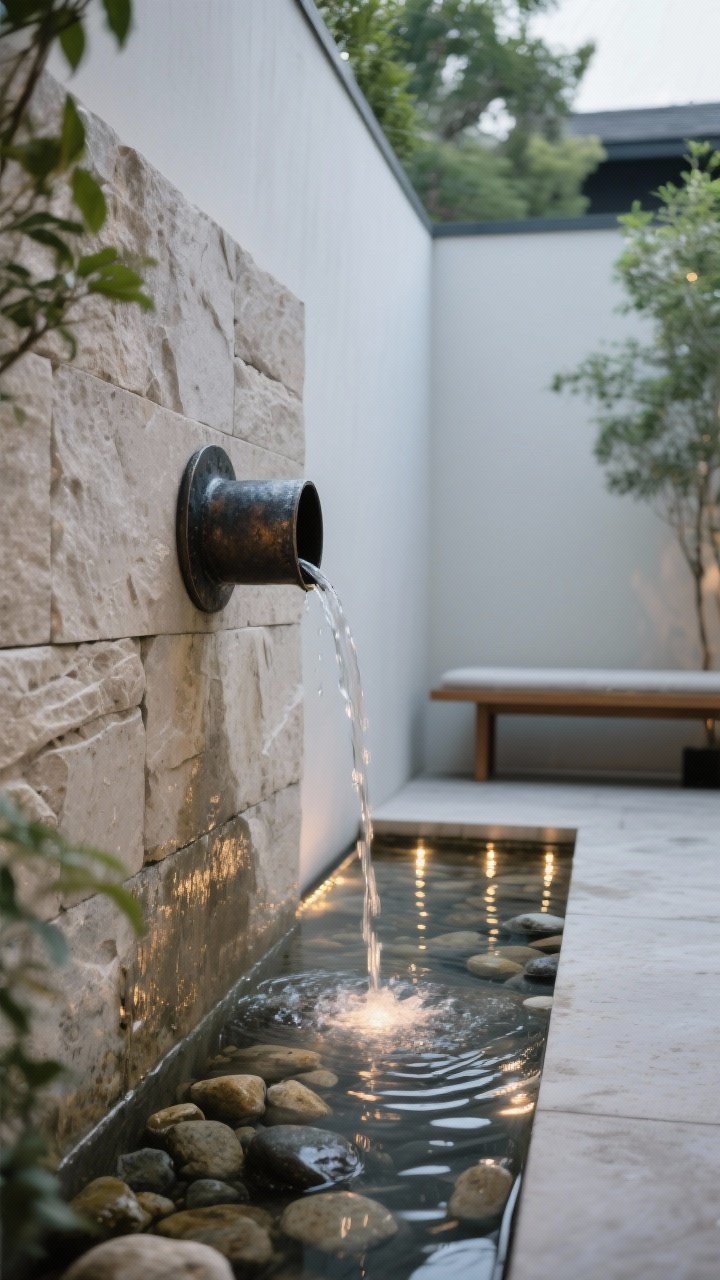
Water features aren’t just for mansions. A simple bubbling fountain, birdbath, or urn turns a basic bed into a destination—and the sound covers neighborhood noise, which is priceless.
Choose Your Splash
- Small spaces: Self-contained ceramic or concrete fountain with a recirculating pump.
- Courtyards: Wall-mounted spout into a narrow trough—classic and space-savvy.
- Natural style: Pondless waterfall with river rock for low maintenance.
- Keep it near a seating area so you actually enjoy the sound.
- Add underwater LED lights if you want evening sparkle.
- Use distilled water or an algaecide tablet to keep it clear. Green slime is not a vibe.
8. Define Beds With Bold Edging And Mulch

Messy edges make even gorgeous plants look chaotic. Clean lines and consistent mulch bring instant polish. It’s the equivalent of a crisp hem on a great outfit.
Edge Options
- Steel or aluminum: Sleek, modern, and long-lasting.
- Brick on edge: Classic and charming for traditional homes.
- Natural trench: Budget-friendly and easy to reshape each season.
- Use 2–3 inches of shredded hardwood mulch or pea gravel to suppress weeds and lock in moisture.
- Stick to one mulch type across the property for a cohesive look.
- Curve beds along the front foundation to soften boxy architecture.
9. Plant A Pollinator Paradise That Still Looks Chic

Bees, butterflies, and hummingbirds make a garden feel alive. You can invite them in without turning your yard into a wild meadow (unless that’s your thing). The trick is balancing wildflower-style plants with neat edges and smart spacing.
Pretty-But-Polished Picks
- Flowers: Salvia, coneflower, coreopsis, yarrow, bee balm, and lavender.
- Shrubs: Butterfly bush (choose sterile hybrids), abelia, and spirea.
- Trees: Serviceberry, redbud, and crabapple for spring blossoms.
- Use drifts of 3–5 plants for impact—pollinators prefer big patches.
- Edge beds with boxwood, low hedges, or steel edging to keep it tidy.
- Skip pesticides; use neem oil or insecticidal soap if you must intervene.
10. Elevate With Containers, Repetition, And Color Harmony
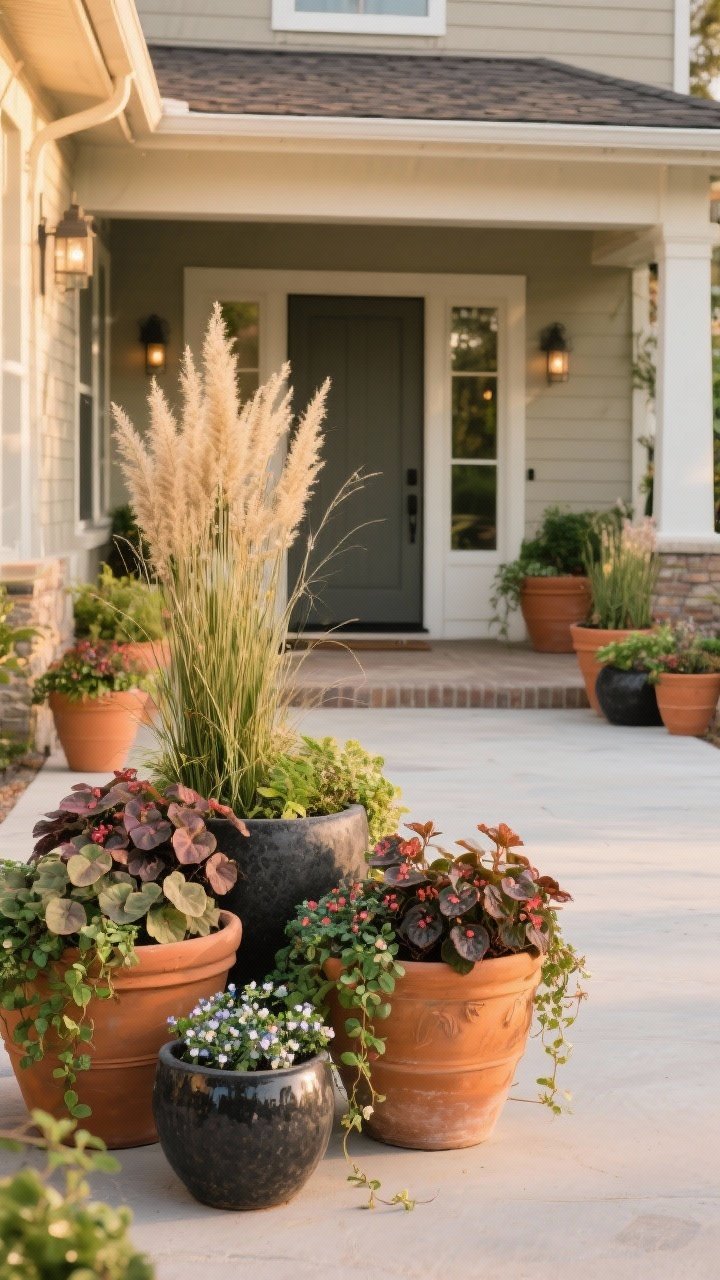
When in doubt, rely on containers and repeat elements to make everything feel intentional. Container gardens are perfect for porches, patios, and entryways—and they let you switch seasons without replanting entire beds.
The Container Formula
- Thriller: The vertical star (small palm, grass, or dracaena).
- Filler: Mounded color (petunias, begonias, or heuchera).
- Spiller: Trailing texture (sweet potato vine, ivy, bacopa).
- Choose planters in 2–3 finishes max (terracotta, black fiberstone, or glazed ceramic) for cohesion.
- Repeat colors from your home’s exterior—door, trim, or roof—to tie it all together.
- Use the rule of three: echo a plant, material, or color in at least three spots around your yard.
Bonus Styling Ideas
- Match porch planters to the season: tulips in spring, herbs in summer, mums in fall, evergreens in winter.
- Pop in battery candles or mini lanterns for nighttime ambience—tiny effort, big payoff.
Conclusion

Landscaping doesn’t have to be overwhelming or expensive. Start with one zone, add structure, then layer in texture, color, and light. Pick two or three ideas from this list, and you’ll be surprised how quickly your yard goes from “fine” to “wow—whose house is that?” Now grab your gloves, queue the playlist, and let your home’s outdoor glow-up begin.