Stop Seed Fails: Why Your Seeds Aren’T Sprouting (and How to Fix It Fast)
You tucked those seeds into cozy soil, whispered sweet planty nothings, and… nothing. No sprouts, no glory, just dirt judging you. Good news: the problem isn’t your green thumb—it’s a few fixable details. Let’s troubleshoot fast so you can go from “did I buy fake seeds?” to a lush tray of baby greens, pronto.
Check the Clock: Timing and Patience Matter
Some seeds pop like popcorn. Others take their sweet time. Before you panic, check the packet’s germination window. Basil may show in 5–7 days; parsley can take 21+. Big difference, right?
Tired of snacking when you’re not even hungry? This reset helps you stop the loop and feel back in control.
A simple reset for moments when cravings take over. Easy to use, easy to repeat, and designed to help you feel satisfied instead of stuck.
Seed Viability and Age
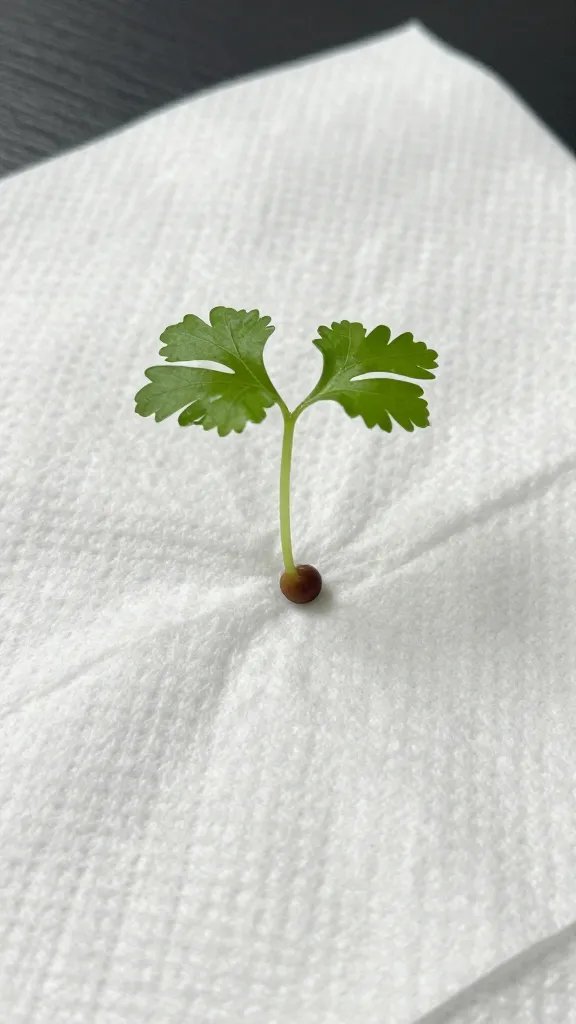
Old seeds lose spark. Most common veggie seeds stay viable 2–4 years if stored cool and dry. If you’re using mystery seeds from a junk drawer, do a quick paper towel test:
- Moisten a paper towel, place 10 seeds, fold, and seal in a bag.
- Keep warm (70–75°F/21–24°C) and check daily.
- If fewer than 6 sprout in the packet’s time frame, the seed lot is weak.
Moisture: Not a Swamp, Not a Desert
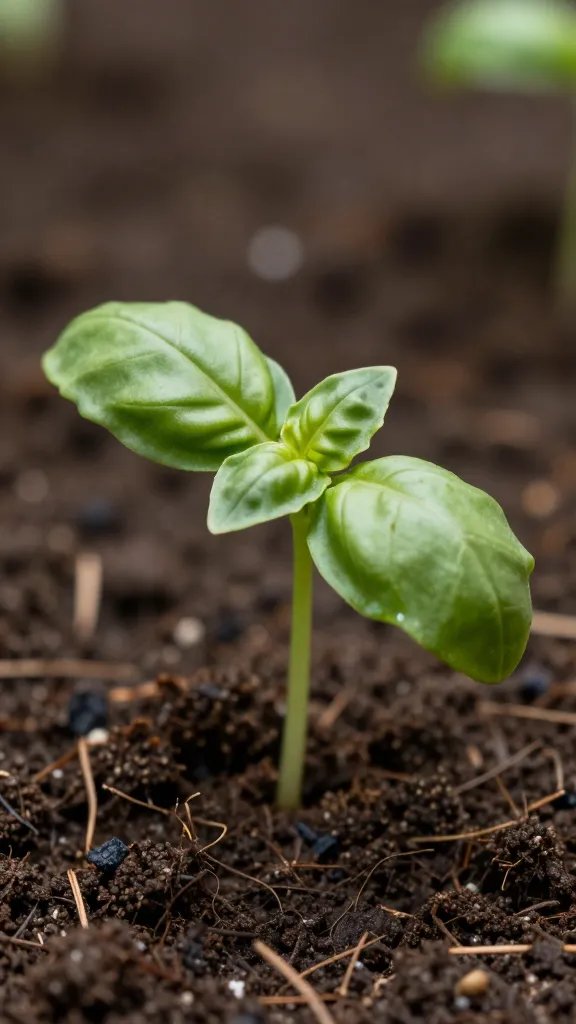
Seeds need consistent moisture to wake up. Too dry? They stall. Too soggy? They rot. Aim for “wrung-out sponge” moisture.
Watering Smarter, Not Harder
- Bottom water trays so the mix wicks moisture without blasting seeds out of place.
- Mist the surface lightly if it dries, but skip daily drenching.
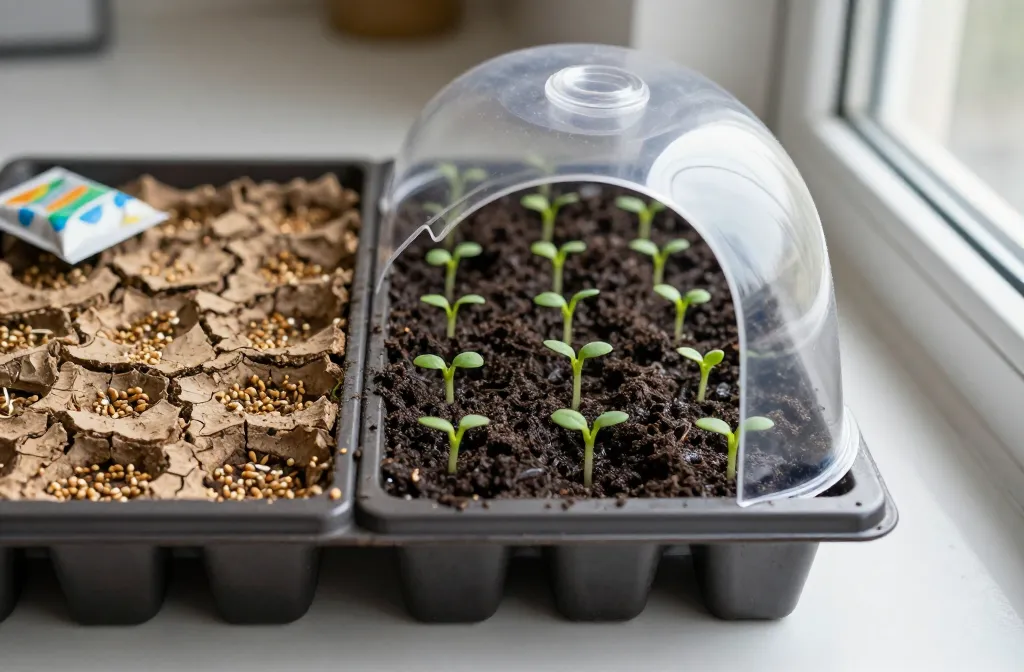
- Use a humidity dome or plastic wrap until germination—then remove to prevent damping-off.
Damping-Off: The Silent Seedling Killer
If sprouts emerge and collapse like sad noodles, a fungus got them. Prevent it with:
- Sterile seed-starting mix, not garden soil.
- Good airflow (small fan on low).
- Water in the morning; avoid soggy, cool conditions.
Temperature: Seeds Want Their Cozy Zone
Temperature = the on/off switch for germination. Most veggies love 70–80°F (21–27°C) for sprouting. Cooler herbs or flowers may prefer 60–70°F. FYI, peppers and eggplants act fussy below 70°F.
Transform Your Home With 7,250+ Stunning Landscaping Designs—No Expensive Designers Needed!
- 🌿 Access 7,250+ stunning landscaping designs.
- 💰 Save thousands—no pro designer needed.
- 🏡 Plans for gardens, patios, walkways, and more.
- ✨ Simple, beginner-friendly DIY layouts.
- 🛠️ Customize any design to fit your yard.
Use a Heat Mat (Thank Me Later)
A seedling heat mat can cut germination time in half for heat lovers. Just remember:
- Check the packet. Lettuce germinates better cooler (50–70°F).
- Once you see green, remove the heat for sturdy growth.
Light: Critical After Sprouting (But Not Before)
Seeds don’t need light to germinate—except the weirdos (more on that in a sec). But once they pop, they need bright light ASAP or they’ll stretch and flop.
- Place sprouts under grow lights 2–4 inches above the canopy, 14–16 hours/day.
- No grow light? Use the sunniest window you have and rotate daily (still, a cheap LED grow panel beats any window IMO).
Light-Sensitive Seeds
Some seeds want light to sprout. Don’t bury them.
- Light-needed: Lettuce, petunias, snapdragons.
- Dark-needed: Parsley, calendula, nasturtiums (cover lightly).
- When in doubt, sow at a depth of 2–3x the seed’s width.
Soil and Depth: Your Medium Might Be the Villain
Heavy potting soil can suffocate seeds. Use a fine-textured, sterile seed-starting mix with good drainage. And don’t bury them like treasure.
Perfect Sowing Technique
- Pre-moisten the mix so it’s evenly damp before sowing.
- Sow shallow—tiny seeds barely need a dusting of mix.
- Firm gently for seed-to-soil contact (don’t compress hard).
- Label everything. Future-you will forget which is which.

Fresh Air: Oxygen Helps Germination
Seeds breathe. If you compact the mix or overwater, oxygen drops and seeds suffocate. Keep the mix airy, use containers with drainage holes, and crack domes daily to exchange air.
Containers and Cleanliness
Dirty trays carry pathogens. Rinse used containers, then sanitize with 10% bleach or a hydrogen peroxide solution. Worth the 2 minutes, trust me.
Special Cases: Seeds With Quirks
Some seeds demand pre-game rituals. Not high maintenance—just particular.
Scarification: Scratch to Hatch
Hard-coated seeds (sweet peas, morning glories, lupines) germinate faster if you nick or sand the seed coat lightly. Or soak them 12–24 hours in warm water.
Stratification: Fake Winter
Perennials and some herbs need a chill period. Seal seeds in moist vermiculite or paper towel in the fridge for 2–6 weeks. Then sow warm. Boom—instant spring.
Salt-Sensitive and Fussy Types
Onions, carrots, and celery dislike high fertilizer salts. Use low-nutrient seed mix and hold off on fertilizing until true leaves appear.
Common Fixes You Can Do Today
Let’s rapid-fire the most effective tweaks:
- Verify seed viability with a quick paper towel test.
- Switch to a sterile seed-starting mix and clean containers.
- Dial in temperature with a heat mat for warm-loving seeds.
- Keep moisture consistent via bottom watering and a humidity dome (remove after sprout).
- Adjust sowing depth—shallower for tiny seeds, deeper for big ones.
- Provide bright light immediately after emergence.
- Add airflow to prevent damping-off (small fan, gentle breeze).
Troubleshooting by Symptom
Because sometimes you need a quick diagnostic cheat sheet.
- No sprouts after 2–3 weeks: Old seeds, wrong temperature, buried too deep, too dry. Test seed viability and add warmth.
- Seeds rot or get mushy: Overwatering, cold, poor airflow. Dry out slightly, add heat, sanitize.
- Sprout then collapse: Damping-off. Increase light and airflow, stop overwatering, use sterile mix.
- Leggy, pale seedlings: Not enough light. Move under lights ASAP.
- Poor or uneven germination: Inconsistent moisture or mixed seed ages. Bottom water and re-sow from a fresh packet.
FAQ
How long should I wait before declaring my seeds a lost cause?
Check the packet’s germination range, then add a 7-day grace period. If nothing by then, do a quick paper towel test. If the test fails too, re-sow with fresh seed and better temperature control.
Can I use regular potting soil for starting seeds?
You can, but I wouldn’t. Potting soil runs coarse and can hold too much water, which encourages rot. A fine, sterile seed-starting mix gives better contact and fewer pathogens, which equals faster, more reliable sprouting.
Do I need grow lights, or is a sunny window enough?
A sunny window works for a few easy herbs, but seedlings still stretch. Grow lights give consistent brightness and close placement, which builds sturdy stems. IMO, a basic LED panel is one of the best upgrades you can make.
When should I start fertilizing seedlings?
Wait until you see the first set of true leaves (the second pair, not the baby cotyledons). Then feed weekly at quarter strength. Seed-starting mixes are low-nutrient on purpose—don’t blast newborns with a buffet.
Why did my lettuce refuse to sprout in my warm house?
Lettuce prefers cooler temps to germinate (50–70°F). If your room sits at 78°F, it can actually inhibit sprouting. Try a cooler spot, sow shallow, and keep the surface moist with a light mist.
Should I pre-soak all seeds?
Nope. Pre-soak large, hard seeds (peas, beans, beets, sweet peas) for 8–12 hours to speed things up. Skip soaking for tiny seeds; they clump and become a nightmare to sow evenly.
Wrap-Up: You’ve Got This
Seeds don’t sprout to spite you—they just need the right combo: viable seed, steady moisture, proper temp, light after sprouting, and clean, airy mix. Tweak those, and you’ll see green fast. And hey, even pros re-sow sometimes. Grab a fresh packet, fix the setup, and watch those trays come alive—FYI, it’s way more satisfying the second you crack the code.