Homemade Stain Remover for Clothes That Actually Works
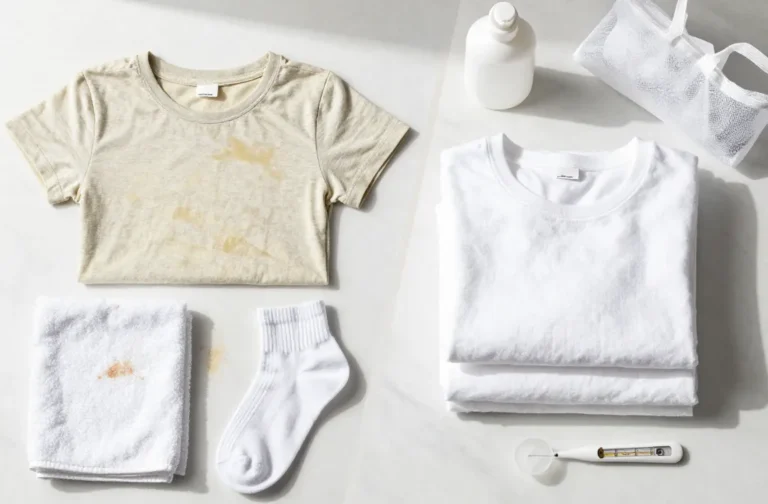
You dripped coffee on your shirt five minutes before a meeting? Classic. Don’t panic, don’t scrub, and definitely don’t Google “laundry hacks” for the next hour. Here’s a simple, science-backed guide to DIY stain removers that rescue your clothes fast. We’ll keep it practical, cheap, and just a little bit sassy, because stains deserve it.
The Golden Rules Of Stain Fighting
Act fast. Fresh stains come out easier than old, set-in ones. Waiting equals regret.
Tired of snacking when you’re not even hungry? This reset helps you stop the loop and feel back in control.
A simple reset for moments when cravings take over. Easy to use, easy to repeat, and designed to help you feel satisfied instead of stuck.
Blot, don’t rub. Rubbing shoves the stain deeper. Blot from the outside in to avoid a halo.
Test first. Try your solution on an inside seam. Better to lighten a seam than your favorite tee.
Know your fabric. Delicates like silk and wool need gentler methods. Denim and cotton can handle more oomph.
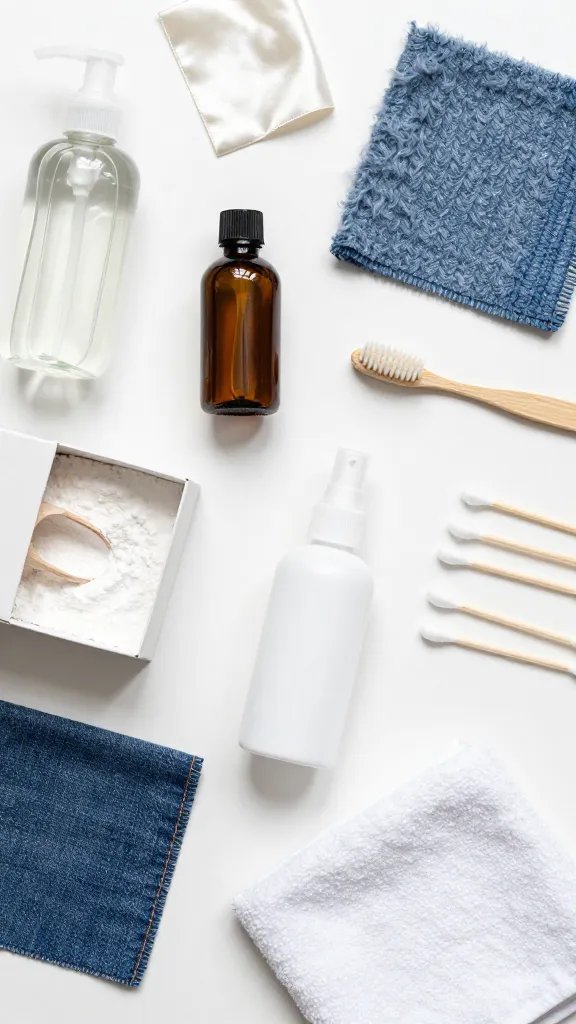
Your Basic DIY Stain-Remover Kit
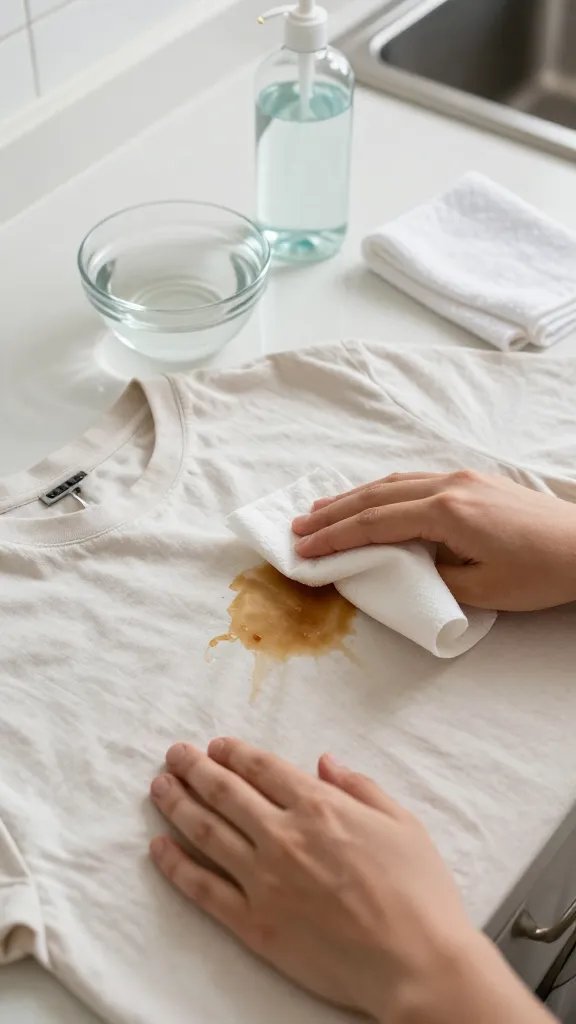
- Clear dish soap (degreases and lifts gunk)
- Hydrogen peroxide 3% (mild bleaching for whites and colorfast brights)
- Baking soda (mild abrasive and deodorizer)
- White vinegar (acidic, great on alkaline stains and deodorizing)
- Rubbing alcohol or hand sanitizer (inks and dyes)
- Oxygen bleach powder (color-safe brightening)
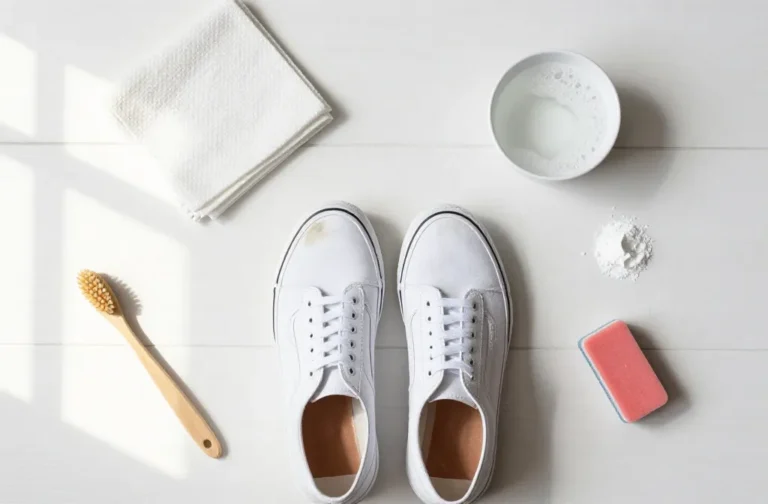
- Old toothbrush, spray bottle, clean white cloths
The All-Purpose Paste That Nails Most Stains
When in doubt, this trio handles sweat, food, dirt, and mystery smudges.
Transform Your Home With 7,250+ Stunning Landscaping Designs—No Expensive Designers Needed!
- 🌿 Access 7,250+ stunning landscaping designs.
- 💰 Save thousands—no pro designer needed.
- 🏡 Plans for gardens, patios, walkways, and more.
- ✨ Simple, beginner-friendly DIY layouts.
- 🛠️ Customize any design to fit your yard.
- Mix 1 tablespoon dish soap + 2 tablespoons hydrogen peroxide + 1 tablespoon baking soda into a paste.
- Spread on the stain. Gently work it in with a toothbrush.
- Let sit 10–20 minutes. Check progress. Rinse with cool water.
- Launder as usual. Air-dry first to confirm the stain is gone.
FYI: Use this on whites and colorfast brights. If you’re unsure about colors, swap peroxide for water and add patience.
Why It Works
- Peroxide breaks down color compounds in stains.
- Dish soap cuts oils and releases grime.
- Baking soda adds gentle abrasion and deodorizes.
Targeted Solutions: Stain-By-Stain Playbook
Grease & Oil (Pizza, Makeup, Butter)
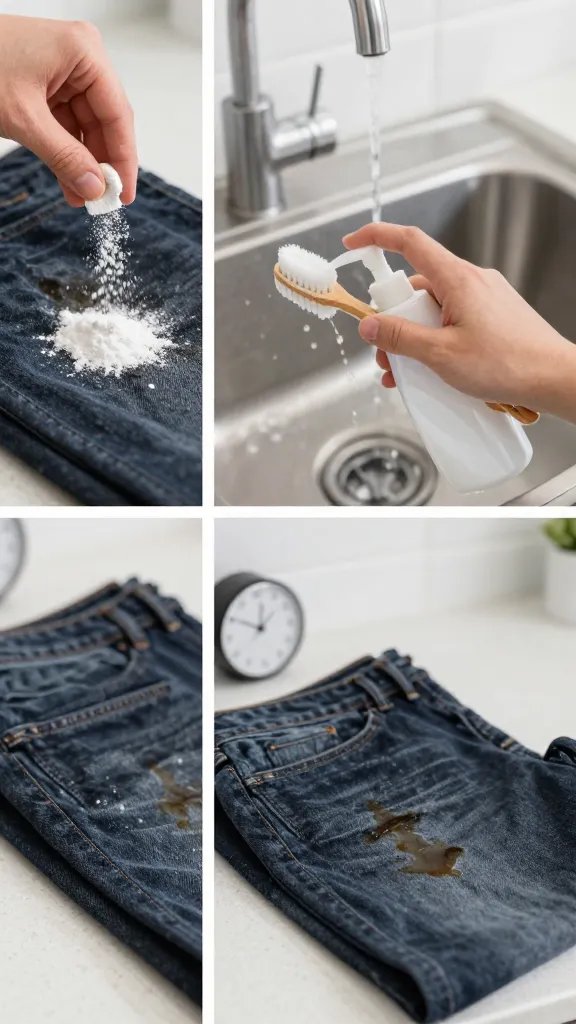
- Blot excess oil with a paper towel.
- Sprinkle baking soda or cornstarch to absorb—wait 10 minutes, brush off.
- Rub in clear dish soap. Rinse warm. Repeat if needed.
- Wash hot if the fabric allows. Air-dry and inspect.
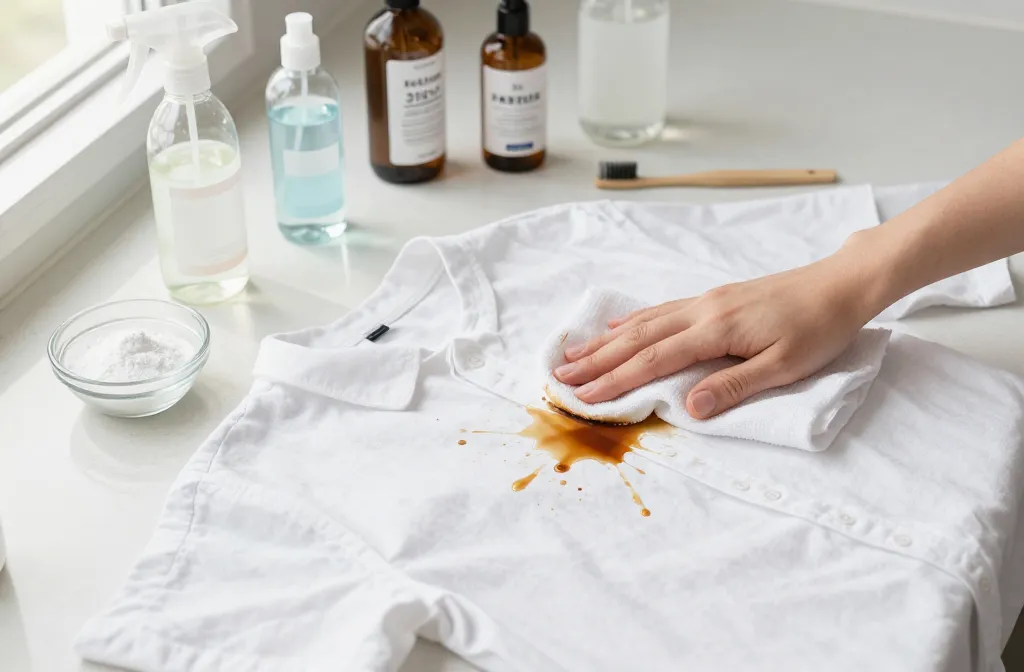
Coffee & Tea
- Rinse from the back with cool water immediately.
- Soak in 1 part vinegar to 3 parts cool water for 10 minutes.
- Apply the all-purpose paste. Launder. Boom—no more breakfast badge.
Wine (Red, The Drama Queen)
- Blot, then flood with cold water.
- Cover with salt for 5 minutes to pull color. Brush off.
- Use peroxide + dish soap (1:1). Rinse and wash. Repeat if needed.
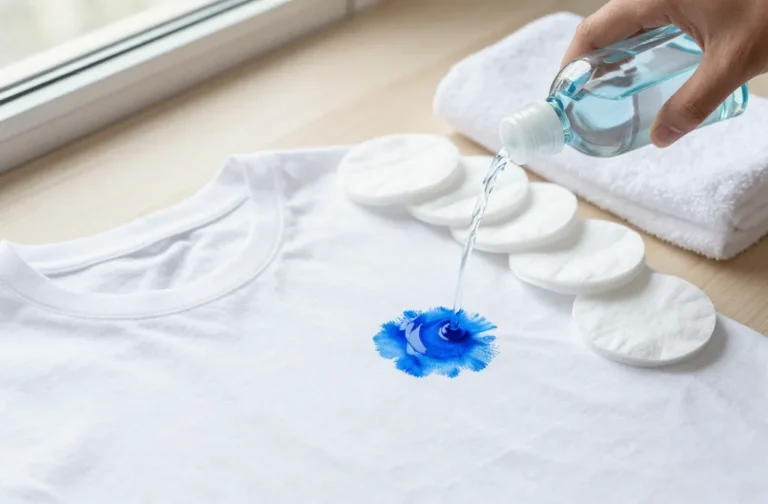
Ink & Marker
- Place a paper towel under the fabric.
- Dab with rubbing alcohol or hand sanitizer. Keep blotting as the ink transfers.
- Rinse, then wash warm. Avoid heat until sure it’s gone.
Blood (Hey, It Happens)
- Use cold water only. Hot water sets protein stains.
- Soak in cold water, then apply paste of baking soda + water.
- For whites: add a little hydrogen peroxide and blot. Rinse well.
Grass & Mud
- Let mud dry. Brush off chunks.
- Treat grass with rubbing alcohol first. Blot, don’t scrub.
- Then use the all-purpose paste. Wash with oxygen bleach if needed.
Sweat & Deodorant Marks
- Mix 2 parts peroxide + 1 part dish soap + 1 part baking soda.
- Work into armpits of shirts. Wait 30 minutes.
- Wash warm. For stubborn yellowing, add an oxygen bleach soak.
Tomato & Curry
- Scrape off sauce. Rinse cold.
- Apply dish soap and gently work in.
- Use peroxide solution on whites only. For colors, try oxygen bleach soak.
Fabric-Specific Tips (So You Don’t Ruin Stuff)
Cotton & Linen
Durable. They can handle scrubbing and hotter water. Oxygen bleach loves them.
Denim
Tough, but dyes bleed. Spot-treat with dish soap first. Keep peroxide minimal on darks.
Silk & Wool
Be gentle. Use cool water and a tiny bit of mild detergent. Skip peroxide and alcohol. When scared, blot and head to the dry cleaner, IMO.
Synthetics (Polyester, Nylon, Spandex)
Stain magnets for oils. Pre-treat with dish soap longer. Rinse warm. Avoid high heat in the dryer or you’ll lock in the stain forever.

Soaks, Sprays, And A Magic Pre-Wash
Overnight Oxygen Bleach Soak
- Dissolve oxygen bleach in warm water per package.
- Soak 4–8 hours (or overnight) for dingy whites, sweat stains, or toddler chaos.
- Rinse, then wash. It revives fabric without chlorine drama.
Quick Pre-Treat Spray (Keep By The Washer)
- Mix in a spray bottle: 1 cup water + 1/2 cup hydrogen peroxide + 1 teaspoon dish soap.
- Spritz stains before laundry. Let sit 10 minutes.
- Label for whites and colorfast brights only.
De-Funk Deodorizer
- Combine 1 cup white vinegar + 1 cup water.
- Spray armpits and gym clothes. Let sit 15 minutes, then wash.
Common Mistakes That Make Stains Worse
- Heat too soon. Dryers set stains permanently. Air-dry until you confirm victory.
- Scrubbing like you’re mad at it. Friction spreads and damages fibers.
- Mixing chemicals randomly. Never mix vinegar and peroxide in a closed container, and never mix bleach with anything but water. Safety first, obviously.
- Using colored towels to blot. Dye transfer is a thing. Stick to white cloths.
Quick Reference: What To Grab First
- Food/Oil: Dish soap + baking soda
- Tea/Coffee/Wine: Vinegar then peroxide mix (color permitting)
- Ink: Rubbing alcohol
- Blood/Protein: Cold water + baking soda, peroxide for whites
- Sweat: Peroxide + dish soap + baking soda
- Grass: Alcohol pre-treat, then paste
FAQ
Can I use hydrogen peroxide on colored clothes?
Sometimes. Many colored fabrics are colorfast and handle 3% peroxide well, but spot test first. If dye transfers to your cloth, switch to an oxygen bleach soak instead.
What if the stain is already set from the dryer?
Try an oxygen bleach soak overnight, then re-treat with the all-purpose paste. Set stains get stubborn, but you can often lighten them enough to save the garment. If it’s still visible, IMO, demote it to “house shirt” and move on with your life.
Is vinegar safe on all fabrics?
Vinegar is safe on most, but avoid it on silk and rayon since acids can weaken those fibers. Always dilute and test. And no, don’t mix vinegar with chlorine bleach—ever.
How long should I let stain removers sit?
Most DIY mixes need 10–30 minutes. Protein stains (blood, dairy) benefit from longer cool-water soaks. Avoid hours-long sits on delicate fabrics to prevent damage.
Do I need hot or cold water?
Start cold for blood, dairy, and eggs. Use warm to hot for greasy, oily stains if the fabric allows. Check the care label so you don’t accidentally shrink your favorite sweater.
What if I don’t have peroxide?
Use dish soap + baking soda first, then try an oxygen bleach soak if needed. For dyes and inks, rubbing alcohol still does the heavy lifting.
Conclusion: Stains Happen—But You’ve Got This
You don’t need a cabinet full of pricey sprays to keep clothes looking fresh. With a few cheap basics, a little patience, and smart technique, you can outsmart coffee, wine, sweat, and basically anything your day throws at your wardrobe. Keep your kit handy, treat fast, and always air-dry until you confirm the win. Your laundry game just leveled up, FYI.