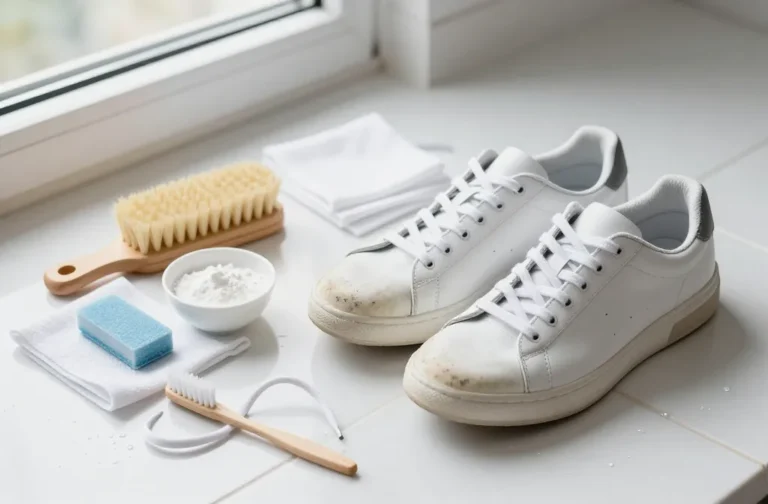
How to Wash White Clothes Without the Mystery Gray
You love your crisp whites. Your washing machine, however, treats them like a suggestion. Let’s fix that. I’ll show you exactly how to wash white clothes so they come out bright, not “mystery gray.” No fluff, just practical steps, a few pro tricks, and some hard truths about that rogue red sock.
Sort Like You Mean It
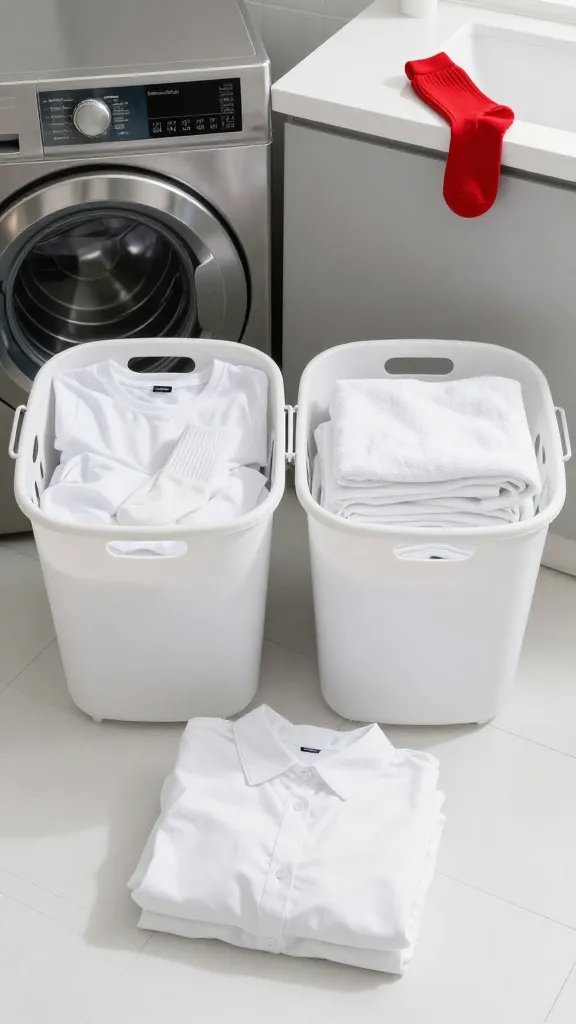
Whites need their own VIP club. Keep them separate from everything colored, even pastels that “look harmless.” Dyes bleed, lint transfers, and suddenly your tee looks like it’s been through a sandstorm.
Tired of snacking when you’re not even hungry? This reset helps you stop the loop and feel back in control.
A simple reset for moments when cravings take over. Easy to use, easy to repeat, and designed to help you feel satisfied instead of stuck.
- Pure whites only: Tees, towels, sheets, socks, undies. No prints with color ink that can run.
- Separate by fabric: Towels and heavy cotton apart from delicate tees and blouses. Different weights wash and dry better on their own.
- Watch for lint: Fuzzy items (like towels) shed. Don’t wash them with smooth fabrics if you want zero lint fuzzies.
Pre-Treat Like A Pro
Stains don’t magically leave. You need to invite them out—firmly.
Everyday Stains
- Protein (sweat, milk, blood): Use an enzyme-based stain remover. Cool water first. Hot water cooks protein stains—no thanks.
- Oil/Grease: A drop of liquid dish soap on the spot, rub gently, wait 10 minutes.
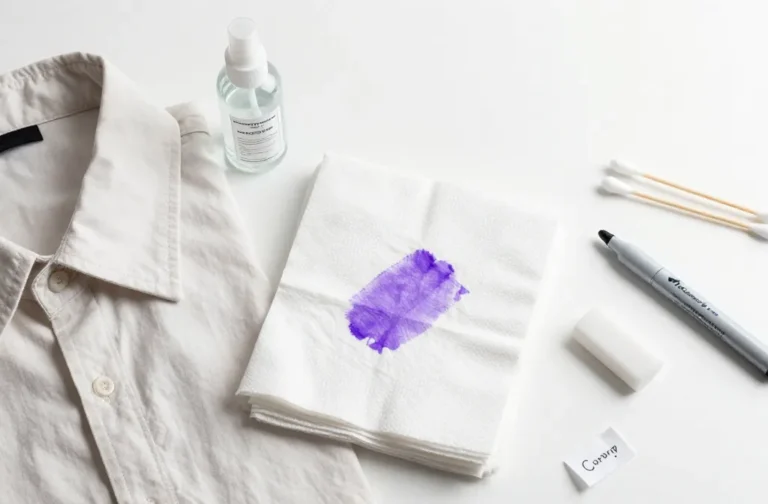
- Makeup/Tan: Dab rubbing alcohol on a cotton pad and blot. Then hit with stain remover.
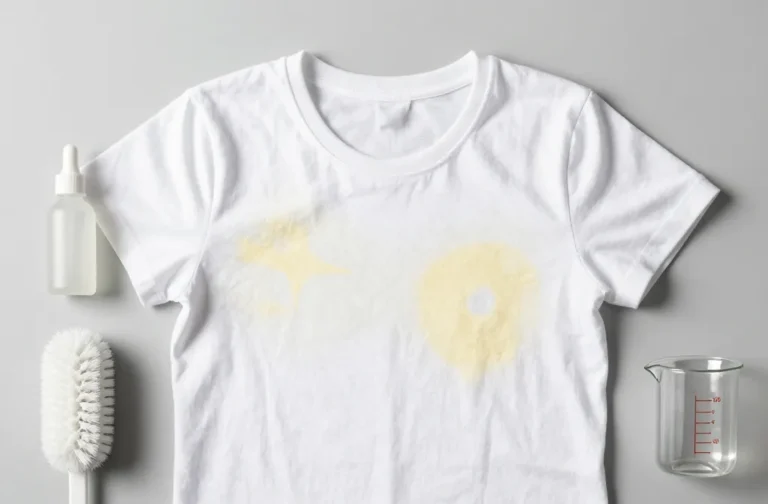
Armpit Yellowing
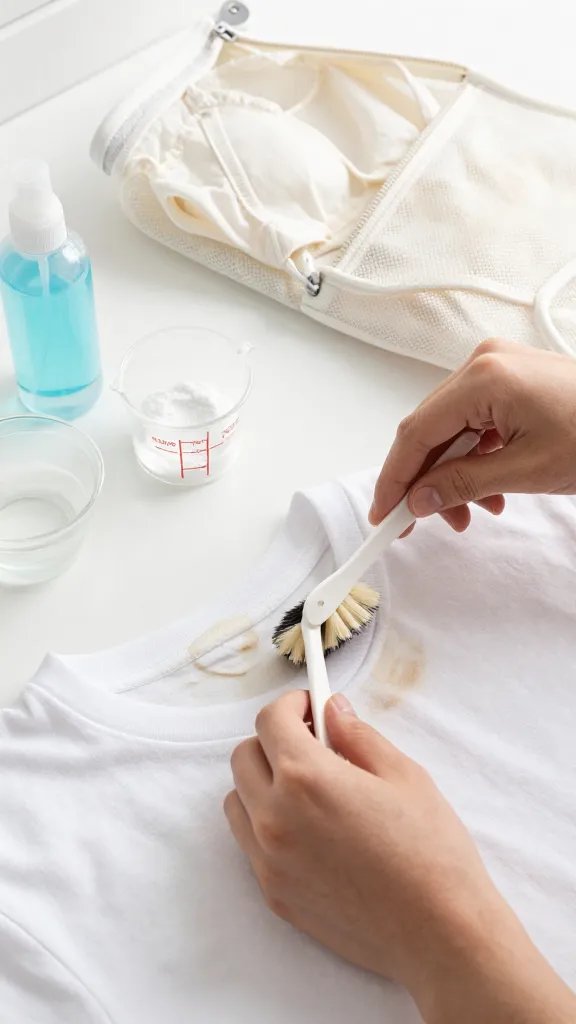
Mix 1 part baking soda, 1 part hydrogen peroxide (3%), and 1 part water into a paste. Work it in, let it sit 20–30 minutes, then wash. It’s oddly satisfying.
Choose The Right Detergent (And Add-Ins)
Your detergent does the heavy lifting. Pick smart, and your whites will glow.
- Detergent: Use a high-quality enzyme detergent. Powder often brightens better than liquid for whites, IMO.
- Optical brighteners: Many detergents include them—they reflect light and make whites look whiter. Yes, it’s a tiny magic trick.
- Oxygen bleach (color-safe bleach): Great for most white fabrics. Add with detergent for a whitening boost.
- Chlorine bleach: Powerful but harsh. Only for bleach-safe cotton, never on wool, silk, or spandex. Dilute properly and don’t overuse—it weakens fibers.
- Water softener: Hard water dulls whites. Add a softening booster if your area suffers from mineral-rich water.
Dial In Your Wash Settings
Yes, the buttons matter. The wrong combo turns bright white into “meh.”
Transform Your Home With 7,250+ Stunning Landscaping Designs—No Expensive Designers Needed!
- 🌿 Access 7,250+ stunning landscaping designs.
- 💰 Save thousands—no pro designer needed.
- 🏡 Plans for gardens, patios, walkways, and more.
- ✨ Simple, beginner-friendly DIY layouts.
- 🛠️ Customize any design to fit your yard.
- Water temperature: Warm water removes body oils and grime better than cold for most whites. Use cold for blood or delicate embroidery. Hot works for sturdy whites like towels and sheets.
- Cycle length: Normal for tees and undies, heavy-duty for towels and bedding, gentle for delicate knits.
- Load size: Don’t cram it. Clothes need space to move so detergent can reach everything.
- Extra rinse: Helps remove detergent residue that makes whites look dull. FYI, residue is sneaky.
Pro Tip: The Secret Soak
For dingy whites, dissolve oxygen bleach in warm water and soak items 1–6 hours (overnight for towels). Then run a regular wash. It’s like a spa day but for your laundry.
Drying Without Damage
Heat helps, but it can also set stains and yellowing if you rush.
- Check stains before drying: Still see a spot? Re-treat and rewash. The dryer bakes stains in permanently.
- Tumble dry low to medium: High heat wrecks elastics and speeds yellowing.
- Line-dry in the sun: Sunlight naturally brightens whites. Just avoid super long sunbaths for elastic fabrics.

Keep Whites Bright Long-Term
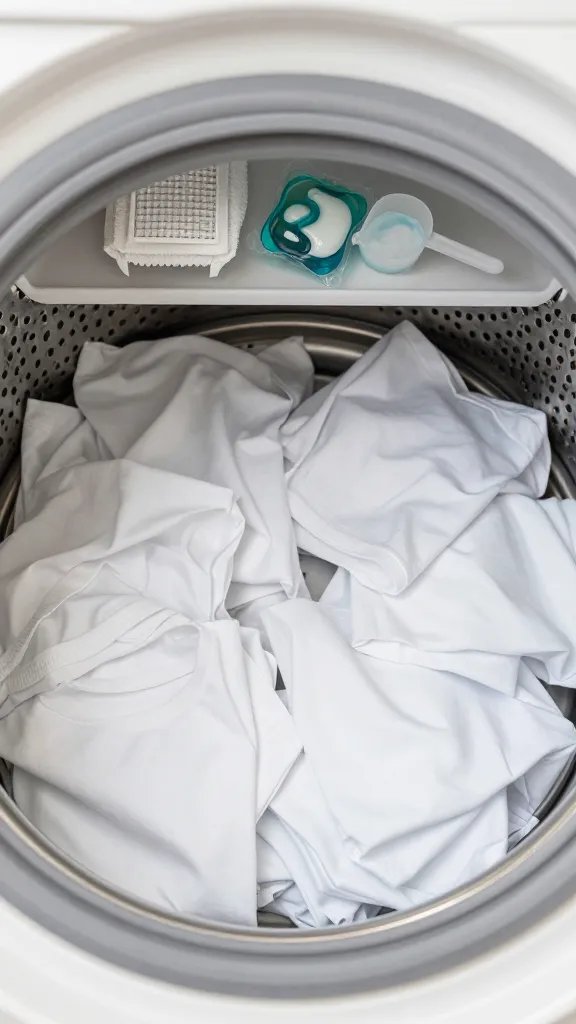
Consistency beats desperation cycles with a gallon of bleach.
- Wash whites more often: Body oils and deodorant build up and cause yellowing.
- Use the right deodorant: Aluminum-based antiperspirants can cause stains. Let it dry before dressing.
- Clean your washer monthly: Run a hot cleaning cycle with washing machine cleaner or vinegar + baking soda (check your manual). A dirty washer = dingy clothes.
- Rotate chlorine bleach: If you use it, keep it occasional. Rely more on oxygen bleach and good detergent.
- Add a whitening booster: Once a month, run a whitening cycle with oxygen bleach to reset brightness.
Whitening Recipe Roundup
– For gray dinginess: Soak in warm water + oxygen bleach (label dose) 4–6 hours, then wash hot if fabric allows.
– For smell + yellowing: Add 1 cup baking soda to the wash and 1/2 cup white vinegar in the fabric softener compartment (not together at the same time in the drum).
– For sweat-stain pretreat: Paste of baking soda + hydrogen peroxide + a little detergent, 20 minutes pre-wash.
Special Cases You’ll Thank Yourself For Reading
Delicates (Silk, Lace, Fine Knit)
Use a mesh bag, gentle cycle, cold water, and a detergent labeled for delicates. Skip chlorine bleach—use oxygen bleach sparingly or not at all. Lay flat or line-dry.
Athleisure And Elastic-Rich Items
Wash cold or warm, gentle cycle, no chlorine bleach. Air-dry to protect stretch. Fabric softener can trap odors—avoid it and use vinegar in the rinse instead.
White Towels
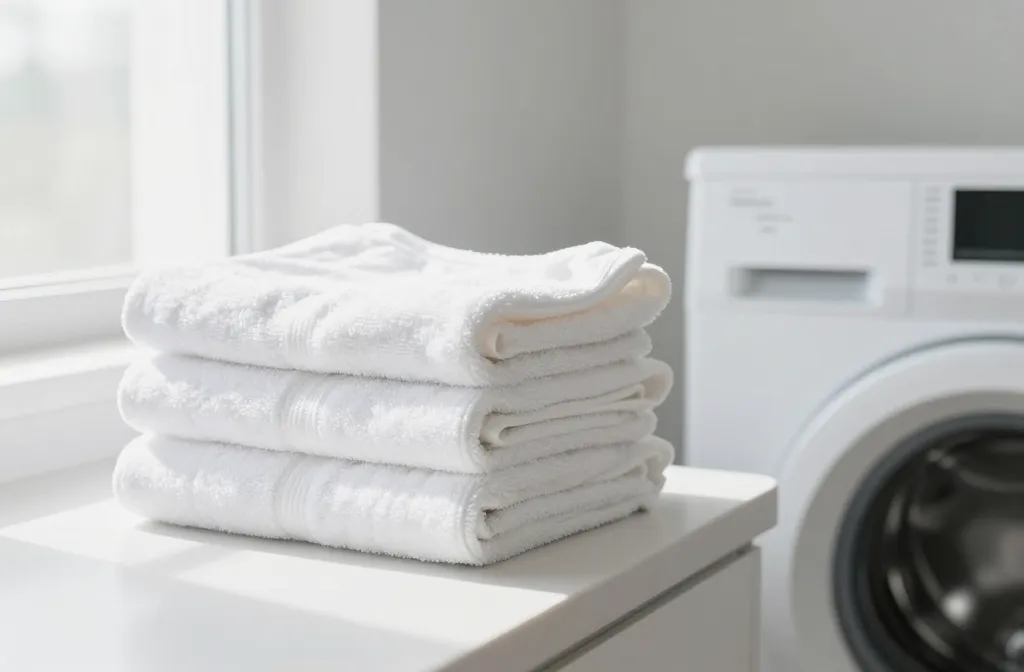
Wash hot if the label allows, heavier cycle, and add oxygen bleach. Skip fabric softener—it kills absorbency. Use wool dryer balls for fluffy goodness.
Common Mistakes (Aka Why Your Whites Look Tired)
- Overloading the machine: Detergent can’t reach everything. Result: dull and dirty.
- Too much detergent: Residue attracts dirt. Use the measured dose for your load and water hardness.
- Ignoring care labels: They’re not suggestions. They tell you how not to ruin things—handy!
- Mixing fabrics and colors: One pink sock ruins the party. Classic rookie move.
FAQ
Can I use bleach on all white clothes?
Nope. Chlorine bleach only works on bleach-safe whites, usually 100% cotton without spandex or special finishes. Check the label for a triangle symbol. When in doubt, use oxygen bleach—it’s safer and still effective.
How do I whiten yellowed collars and cuffs?
Pre-treat with an enzyme detergent or the baking soda + hydrogen peroxide paste. Gently scrub with a soft brush, let it sit 20 minutes, then wash warm. Repeat if needed—better than blasting with chlorine bleach right away.
Why do my whites turn gray?
Overloading, hard water, and detergent residue. Add a water softener if your water is hard, measure detergent properly, and run an extra rinse. A long oxygen-bleach soak can reverse mild graying.
Is vinegar safe for white clothes?
Yes, in moderation. Add 1/2 cup white vinegar to the rinse cycle to reduce odors and residue. Don’t mix vinegar and chlorine bleach—ever. Chemistry class nightmare.
How often should I wash white towels and sheets?
Wash towels every 3–4 uses and sheets weekly. Use hot water if the label allows, oxygen bleach for brightness, and skip fabric softener so they stay absorbent.
Do optical brighteners damage fabric?
Not typically. They coat fibers to reflect blue light, which makes whites look crisper. If you prefer “no additives,” choose a detergent without them, but expect less visual pop.
Conclusion
Bright whites aren’t luck—they’re a routine. Sort carefully, pre-treat smart, pick the right detergent and boosters, and use the right wash settings. Then dry with care and keep up a simple maintenance habit. Do that, and your whites will stay bright enough to make you wear sunglasses inside, IMO.