10 Easy Gardening Ideas That Even Beginners Can Master (and Actually Keep Alive)
Ready to grow something gorgeous without spiraling into plant panic? Same. These **10 easy gardening ideas** are low-stress, high-bloom, and perfect for beginners who want big style without a horticulture degree. Think quick wins, cute vibes, and zero guilt if you forget to water once (or twice). Let’s dig in—pun obviously intended.
1. Start With Containers, Not Commitment
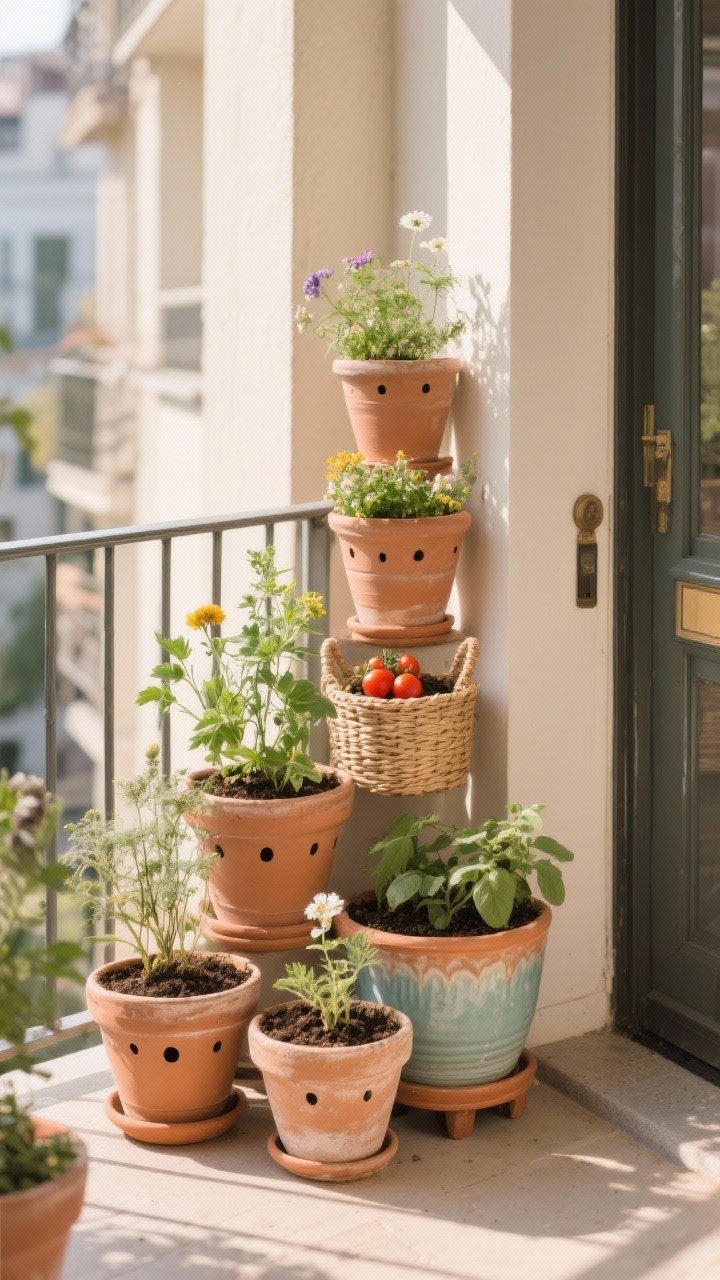
Containers are the dating apps of gardening: low stakes, easy to swap, and you can ghost a plant if it’s not your vibe. You control the soil, the light, and the style. Plus, a cluster of pots looks surprisingly chic on a balcony or doorstep.
Tired of snacking when you’re not even hungry? This reset helps you stop the loop and feel back in control.
A simple reset for moments when cravings take over. Easy to use, easy to repeat, and designed to help you feel satisfied instead of stuck.
Why Containers Win
- Portable: Move them to chase sun—or hide your plant rehab station.
- Flexible: Mix herbs, flowers, and even mini veggies in one space.
- Style points: Terra-cotta, glazed ceramic, baskets with liners—make it decor.
Beginner Tips
- Pick pots with drainage holes. No holes = sad, soggy roots.
- Use a potting mix—not garden soil. It’s lighter and drains better.
- Group pots in odd numbers (3 or 5) for a designer look.
2. Grow Herbs You’ll Actually Use
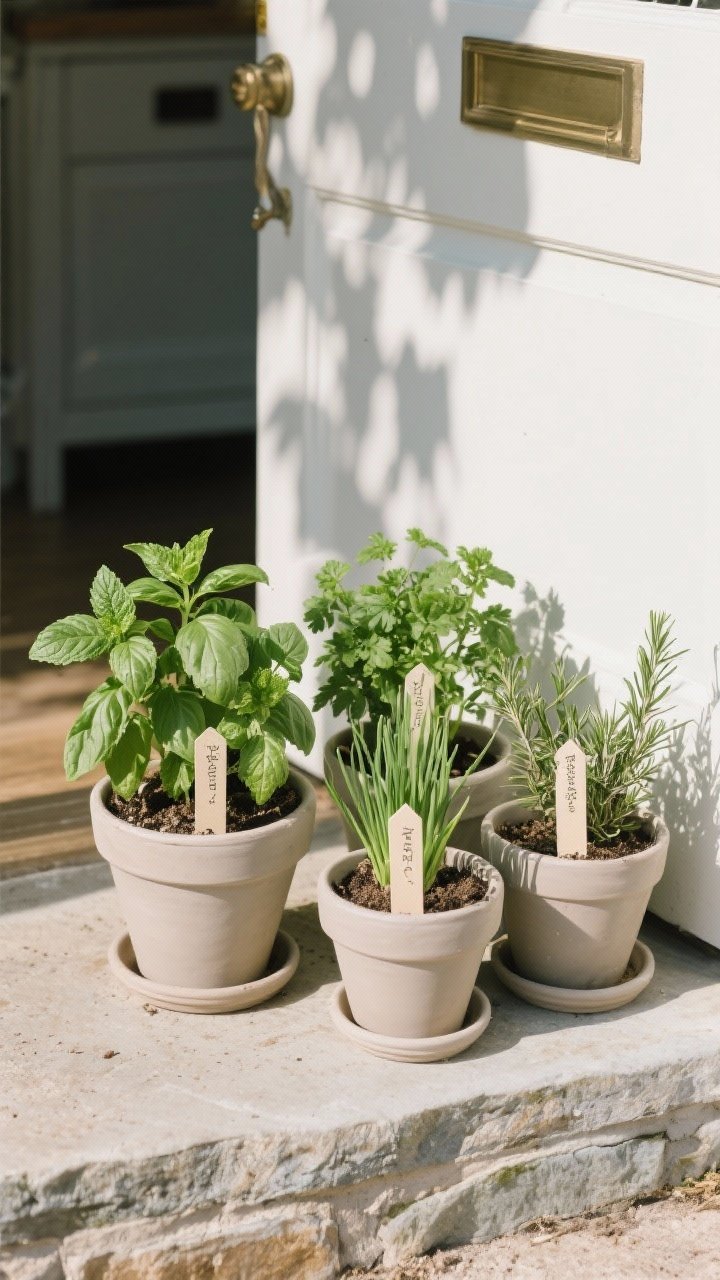
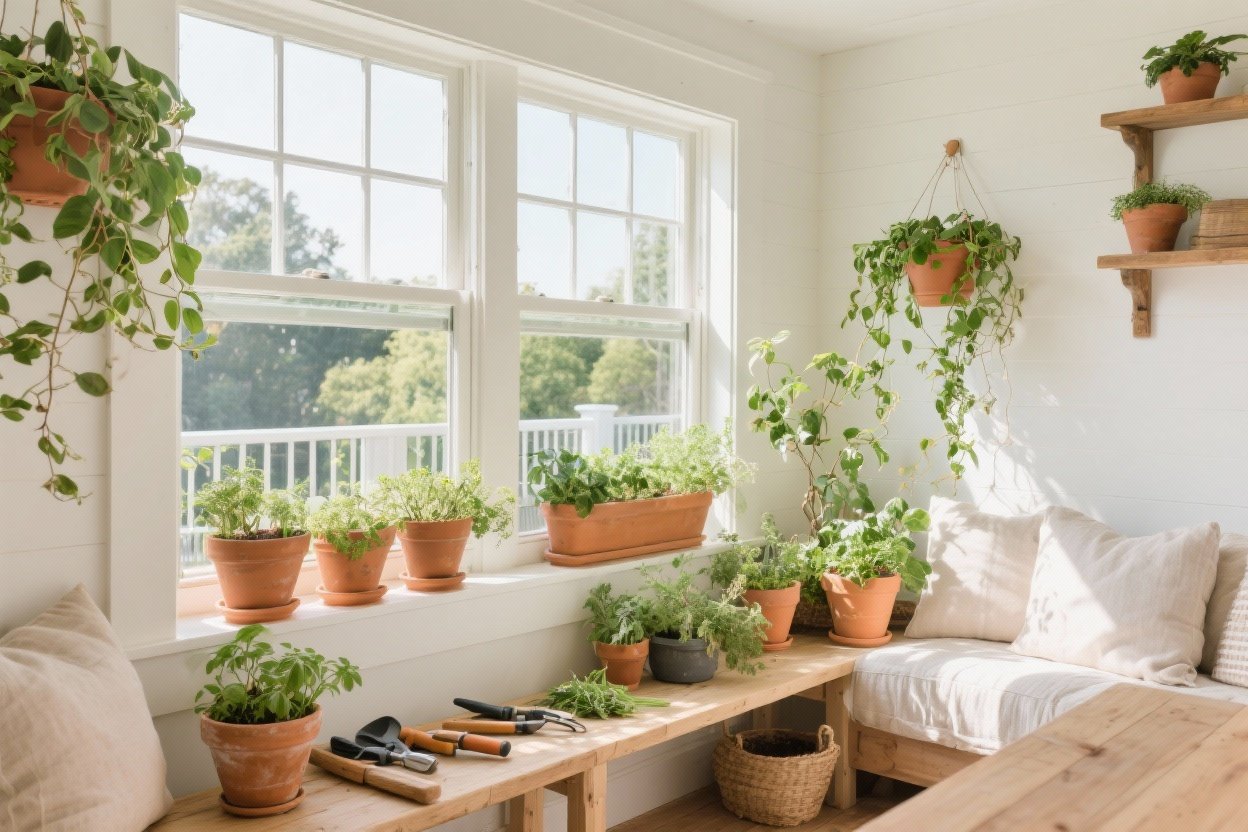
Herbs are the gateway plant. They grow fast, smell amazing, and make you look like the friend who casually garnishes everything. Bonus: you can snip and cook within weeks.
Herbs That Rarely Throw Tantrums
- Basil: Loves sun; pinch the tips to keep it bushy.
- Mint: Put it in its own pot unless you want a mint invasion.
- Parsley: Slow start, then unstoppable.
- Chives: Perennial and basically immortal.
- Thyme and Rosemary: Drought-tolerant, aromatic, and hardy.
Pro Moves
- Place near the kitchen door for easy snipping.
- Water when the top inch is dry; don’t drown them with love.
- Harvest often to encourage fresh growth. More pesto, fewer problems.
3. Try a Thriller-Filler-Spiller Combo
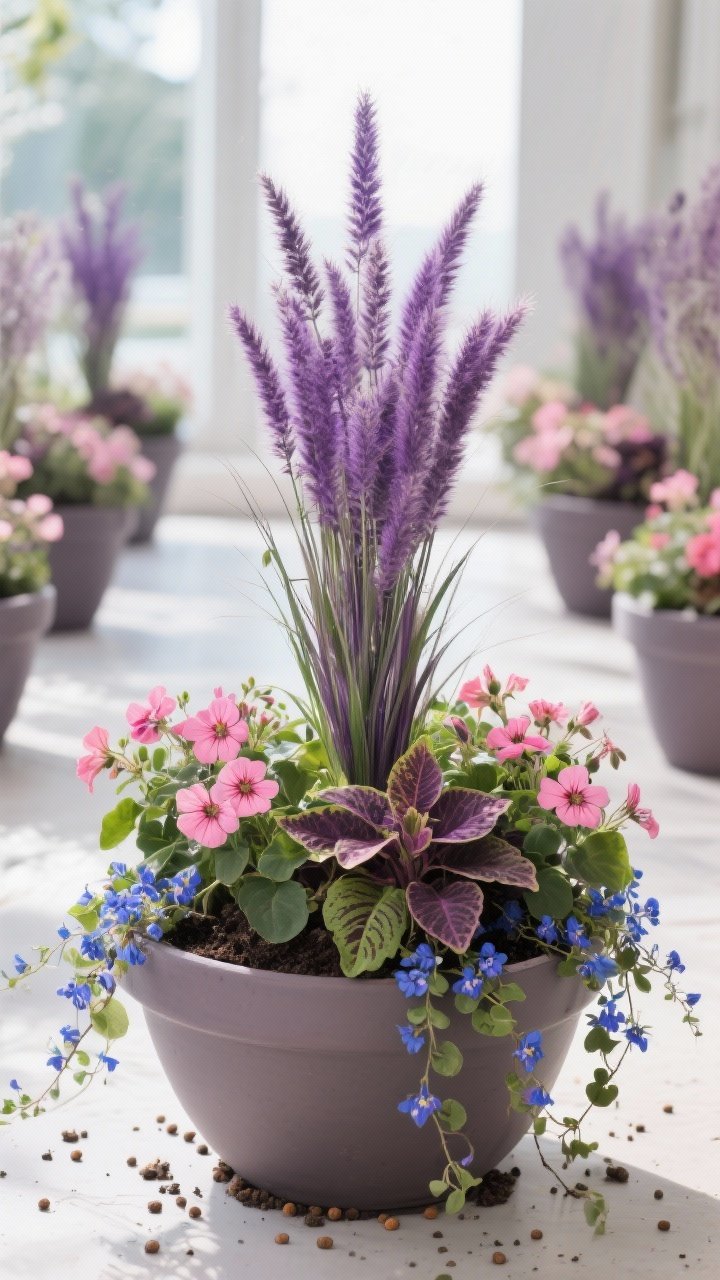
Want instant designer-level containers? Use the classic formula: thriller, filler, spiller. It’s like a styling cheat code for pots.
How It Works
- Thriller: Tall, dramatic plant in the center (e.g., purple fountain grass, dwarf canna).
- Filler: Mid-height plants to bulk up (e.g., geraniums, coleus, begonias).
- Spiller: Trailing beauties that hang over the edge (e.g., sweet potato vine, ivy, lobelia).
Quick Tips
- Match plants by sun needs. Don’t mix sun lovers with shade divas.
- Repeat the same combo across a few pots for cohesion.
- Use a slow-release fertilizer so you’re not constantly feeding.
4. Go Vertical and Save Space
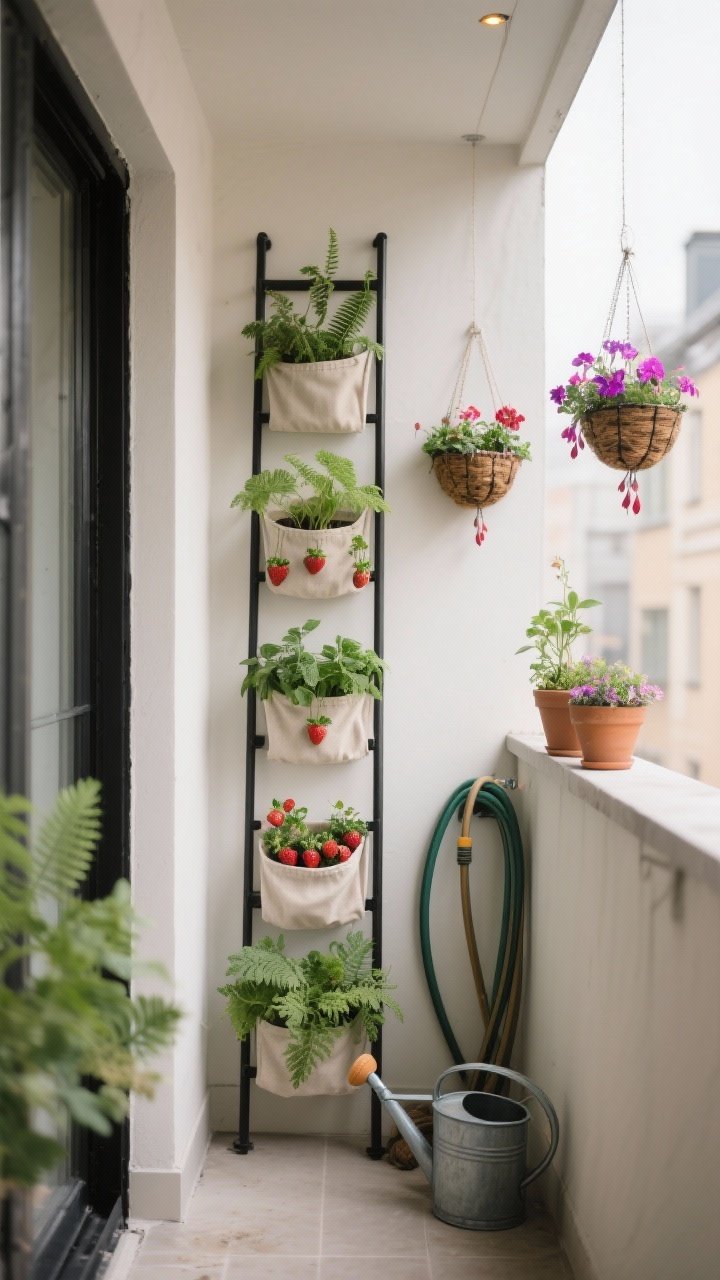
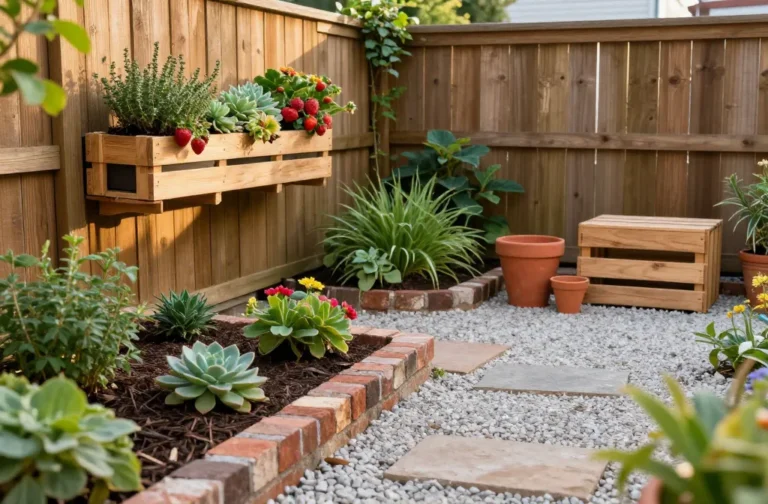
No yard? No problem. A vertical garden is basically plant Tetris—great for small patios, balconies, or that blank fence you keep ignoring.
Beginner-Friendly Vertical Ideas
- Wall pockets: Fabric pockets for herbs and trailing plants.
- Leaning ladder shelf: Staggered pots with herbs or ferns.
- Hanging baskets: Fuchsias, strawberries, or petunias for the win.
Keep It Easy
- Install near a hose or watering can zone. Convenience matters.
- Choose lighter potting mixes for wall planters.
- Stick to plants with similar water needs to avoid drama.
5. Plant a Pollinator Party
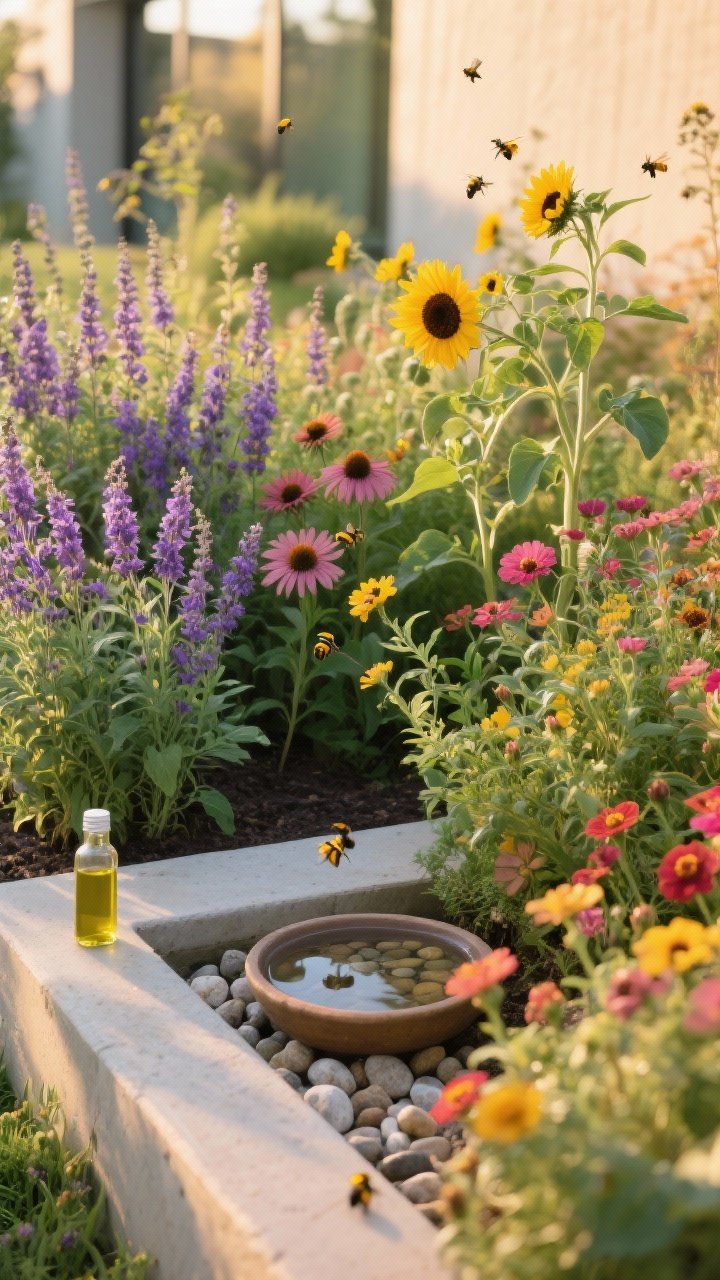
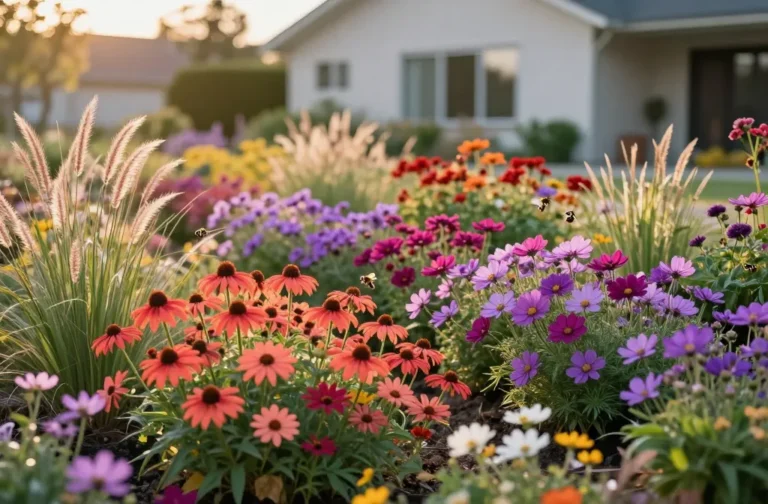
Invite bees, butterflies, and hummingbirds to your yard and they’ll reward you with more blooms. Also, it’s basically an animated Disney scene—zero complaints.
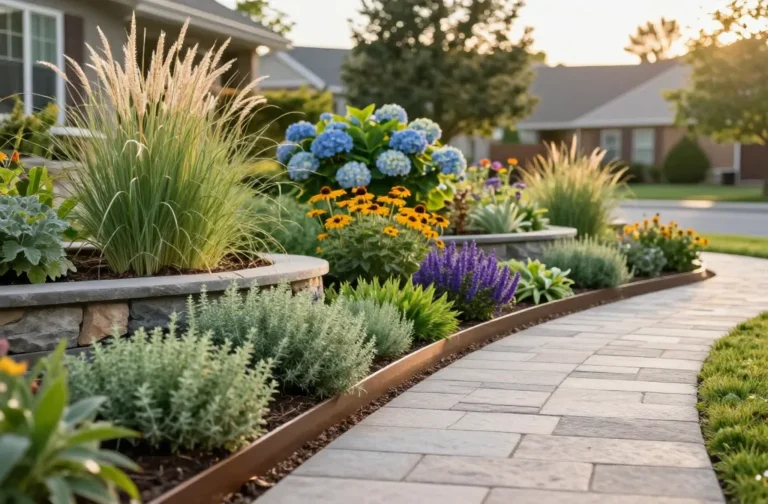
Transform Your Home With 7,250+ Stunning Landscaping Designs—No Expensive Designers Needed!
- 🌿 Access 7,250+ stunning landscaping designs.
- 💰 Save thousands—no pro designer needed.
- 🏡 Plans for gardens, patios, walkways, and more.
- ✨ Simple, beginner-friendly DIY layouts.
- 🛠️ Customize any design to fit your yard.
Easy Pollinator Picks
- Lavender, salvia, and coneflower for sunny spots.
- Zinnias and sunflowers for bright, cheerful color.
- Milkweed if you want to help monarch butterflies (hero status unlocked).
Do This
- Plant clumps of the same flower so pollinators can find them easily.
- Avoid pesticides; try neem oil if needed.
- Provide a shallow water dish with pebbles for safe sipping.

6. Create a Foolproof Shade Corner
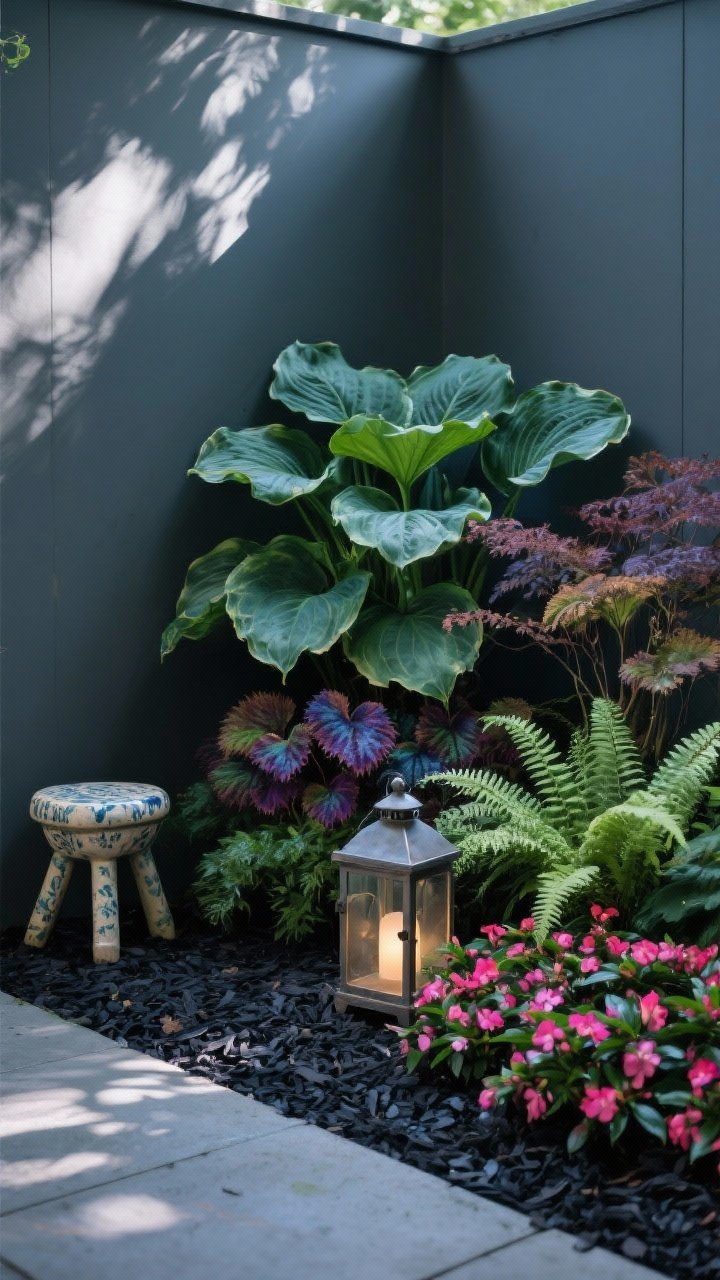
Got a gloomy corner? Turn it into a moody, lush retreat. Shade gardens are low-maintenance and surprisingly dramatic—like nature’s velvet lounge.
Shade Superstars
- Hostas: Leaves for days, minimal effort.
- Heuchera: Jewel-toned foliage that pops.
- Ferns: Airy texture, very forgiving.
- Impatiens or begonias: Color that thrives without full sun.
Styling Ideas
- Layer with different leaf shapes and colors.
- Add a small garden stool or lantern for ambience.
- Use mulch to keep moisture in and weeds out.
7. Make a Low-Key Raised Bed
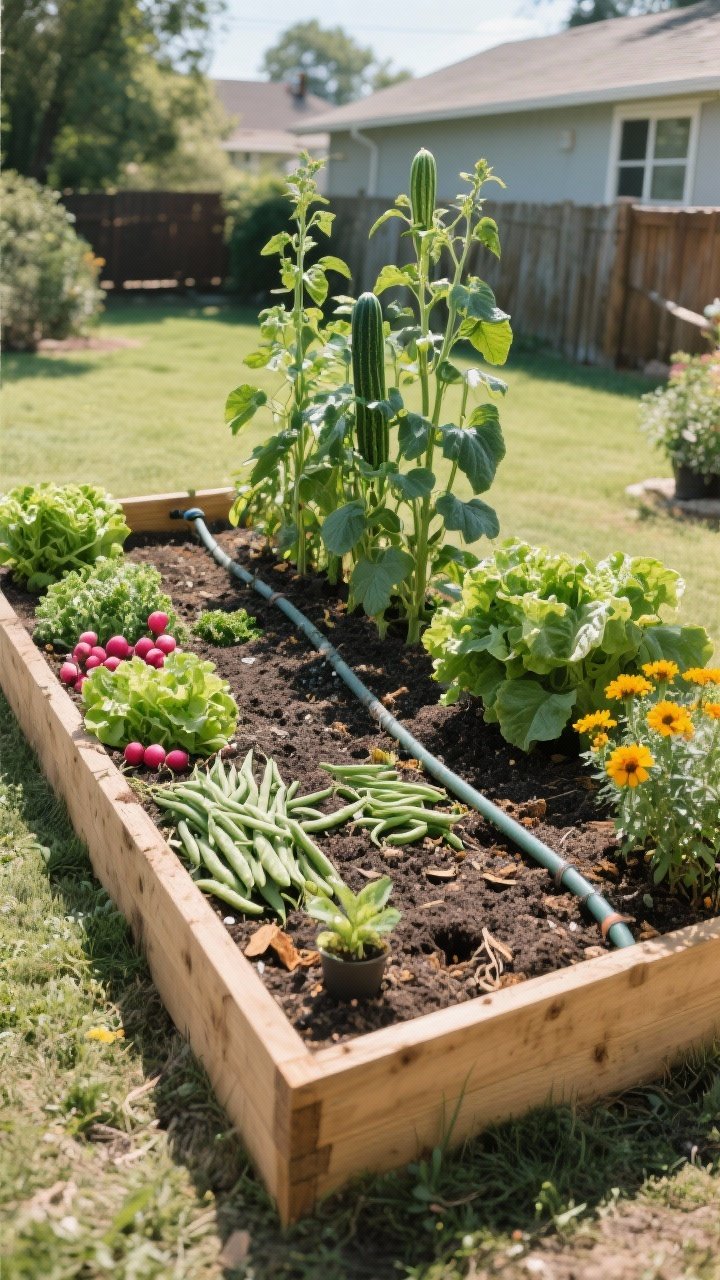
Think of a raised bed as a garden upgrade you’ll actually use. It warms up faster in spring, drains like a dream, and keeps things tidy (and prettier, IMO).
Keep It Simple
- Start with a 4×4 or 4×8 bed so you can reach from all sides.
- Fill with a mix of topsoil, compost, and potting mix.
- Plant easy wins: lettuce, radishes, bush beans, zucchini, marigolds.
Beginner Layout
- Tall plants on the north side so they don’t shade everything else.
- Use companion plants like marigolds to deter pests.
- Install a simple soaker hose for hands-off watering.
8. Try a Set-It-and-Forget-It Watering Routine
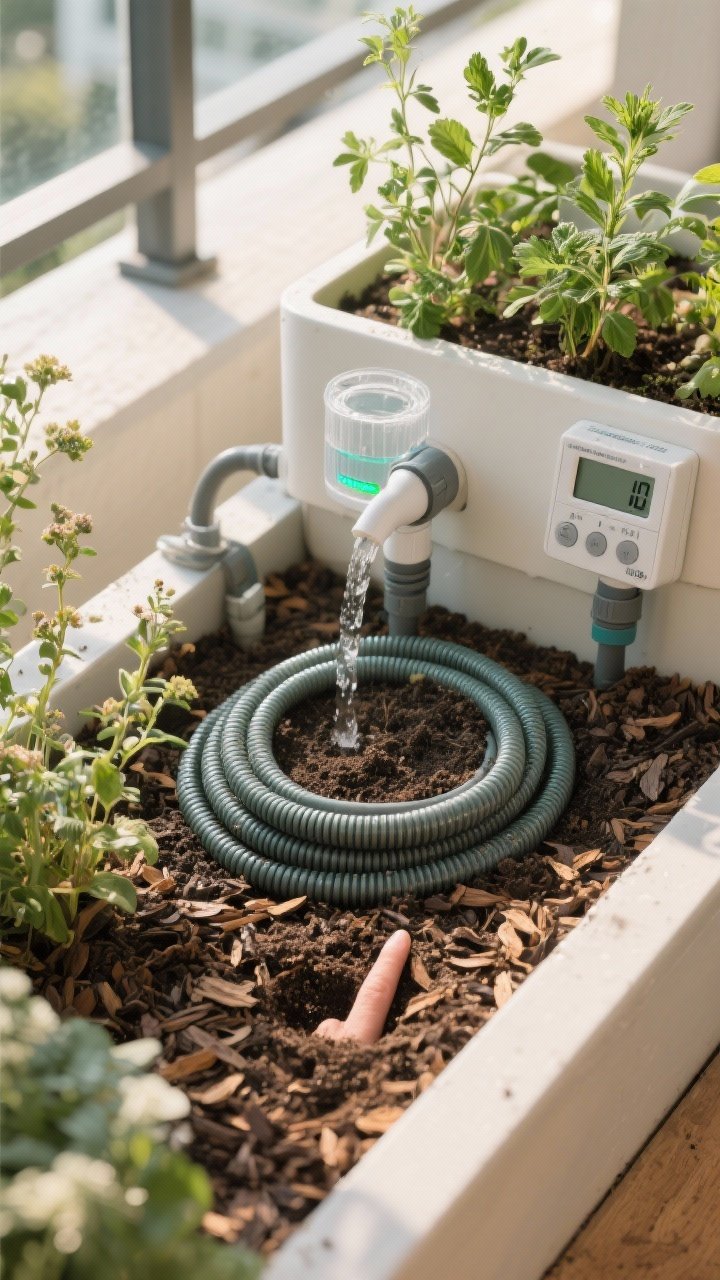
Gardens don’t fail from bad vibes—they fail from inconsistent watering. The fix? A few smart tools that do the heavy lifting while you sip iced tea and admire your empire.
Watering Hacks
- Self-watering planters: Great for herbs and balcony gardens.
- Soaker hoses or drip lines: Water the roots, not the leaves.
- Simple timer: Set it for early morning and live your life.
Quick Checks
- Stick a finger in the soil. Dry an inch down? Water time.
- Mulch around plants to reduce evaporation.
- Water deeply, less often—encourages strong roots.
9. Add Instant Color With Annuals
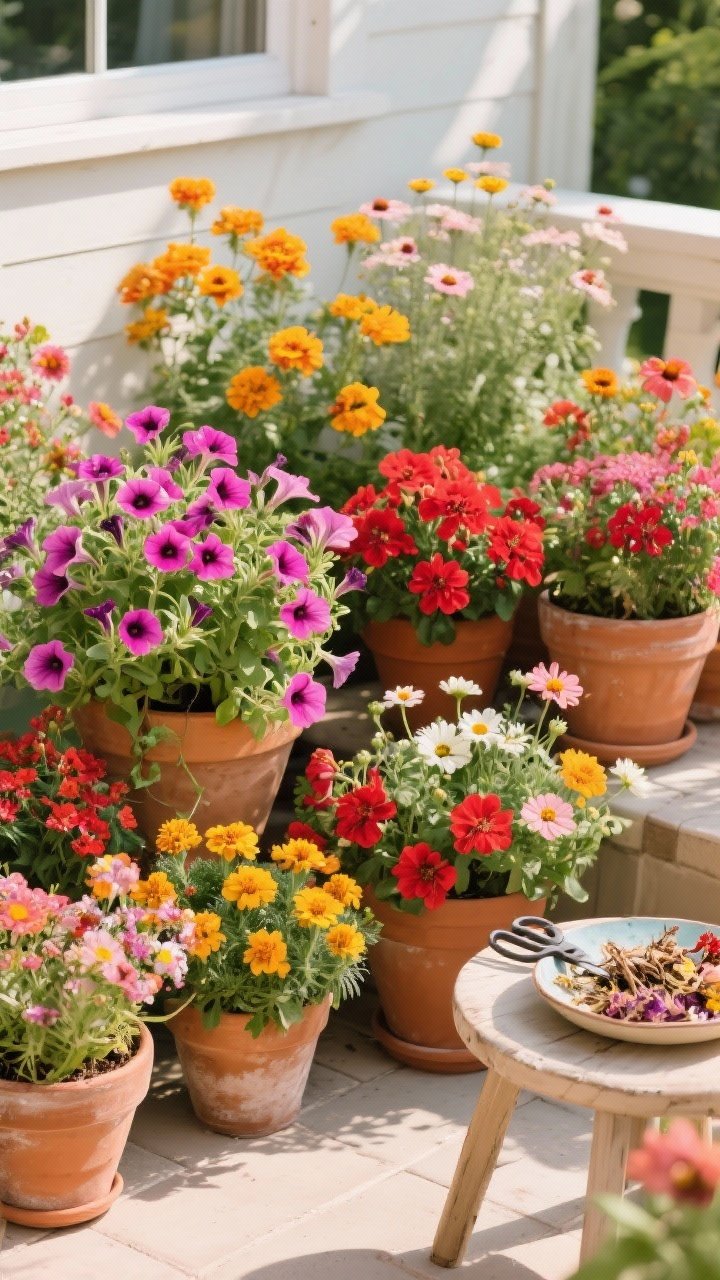
Need quick gratification? Annuals bloom like they’re trying to impress someone—which is perfect for patios, entryways, and that spot you want to photograph immediately.
Beginner-Friendly Annuals
- Petunias and calibrachoa: Trailing, nonstop color.
- Marigolds: Bright, cheerful, and pest-deterring.
- Geraniums: Classic and resilient—grandma was right.
- Cosmos and zinnias: Tall, airy blooms that love heat.
Design Micro-Tips
- Choose a color palette: warm (reds/oranges) or cool (pinks/purples).
- Repeat colors in pots and beds for a pulled-together look.
- Deadhead spent blooms to keep the show going.
10. Build a Mini Cut-Flower Patch
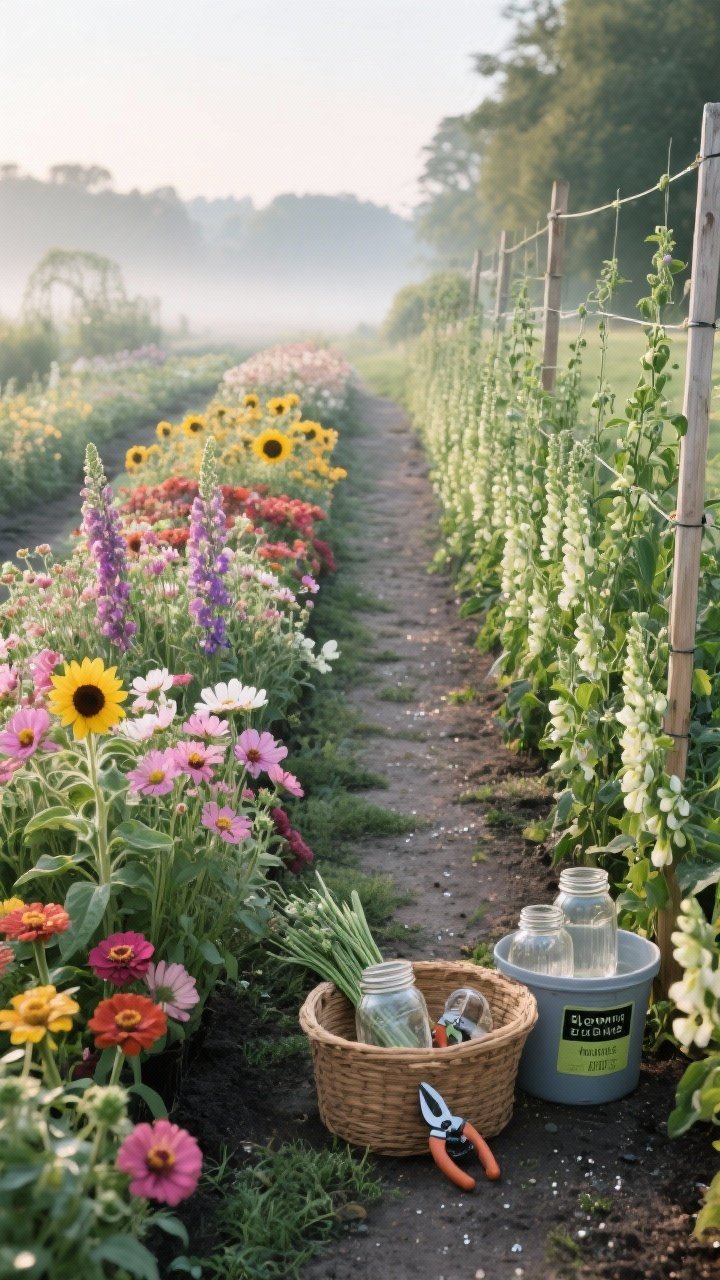
Want fresh bouquets without paying florist prices? A tiny cut-flower bed gives you stems on demand, and it’s way easier than it looks. FYI: you’ll feel very fancy carrying a snip basket around.
Foolproof Flowers to Grow
- Zinnias: Endless colors, long vase life.
- Snapdragons: Classic shape, tons of charm.
- Sunflowers (branching types): More blooms per plant.
- Cosmos: Airy, whimsical, butterflies love them.
- Sweet peas: If you’ve got cool spring temps—scented magic.
How to Make It Work
- Plant in rows or blocks for easy cutting.
- Feed with a bloom booster every couple of weeks.
- Cut in the cool morning, strip lower leaves, and pop into clean water.
Bonus Styling Tip
Arrange in simple vessels—mason jars, ceramic pitchers, or that thrifted vase you couldn’t leave behind. Let the flowers be the star.
Quick Beginner Toolkit (Save This)
- Essentials: Hand trowel, pruners, gloves, watering can or hose with soft spray.
- Soil boosts: Bagged compost, slow-release fertilizer.
- Smart extras: Mulch, plant tags, a simple timer for irrigation.
Common Oops (And Easy Fixes)
- Overwatering: Leaves yellowing? Let soil dry, check drainage holes.
- Wrong light: Leggy, pale plants need more sun; scorched leaves need shade.
- Crowding: Give plants room. Airflow = fewer pests and diseases.
You don’t need a sprawling yard or mystical green thumbs to make something beautiful grow. Start small, keep it simple, and celebrate the wins—like your first basil harvest or that sunflower that suddenly towers over you. Your garden glow-up starts now. Go plant something you’ll love looking at (and maybe snacking on).