Master the Seed Starting Timeline for a Perfect Garden
Want brag-worthy tomatoes and zinnias that stop traffic? It all starts with your calendar. Nail your seed starting timeline, and everything else—strong roots, bigger blooms, earlier harvests—slides into place. Mix up the timing, and, well, you’ll be babysitting leggy seedlings while your neighbor picks peppers. Let’s map out exactly when to start what, and skip the guesswork.
Know Your Frost Dates (This Is Your North Star)
Your entire seed starting plan orbits around frost dates. Find your local average last spring frost and first fall frost. That window defines when your garden parties—and when it packs up.
Tired of snacking when you’re not even hungry? This reset helps you stop the loop and feel back in control.
A simple reset for moments when cravings take over. Easy to use, easy to repeat, and designed to help you feel satisfied instead of stuck.
- Find your dates: Use your zip code on reputable sites like your state extension office or Almanac.
- Count backwards: Most seed packets say “Start indoors X weeks before last frost.” That’s your magic math.
- Keep it flexible: Weather swings happen. Start a week or two buffer if your region runs wild.
Quick Example Timeline (Adjust By Your Frost Date)
- 12–10 weeks before last frost: Slow growers like onions, leeks, celery.
- 10–8 weeks: Peppers, eggplant, some herbs (thyme, oregano).
- 8–6 weeks: Tomatoes, broccoli, cabbage, kale, marigolds.
- 6–4 weeks: Cosmos, zinnias (indoors or direct), basil; hardier brassicas for earlier transplant.
- 4–2 weeks: Cucumbers, squash, melons (if starting indoors), sunflowers.
- After last frost: Direct-sow beans, corn; transplant tender crops once nights stay warm.
Build Your Personalized Seed Calendar
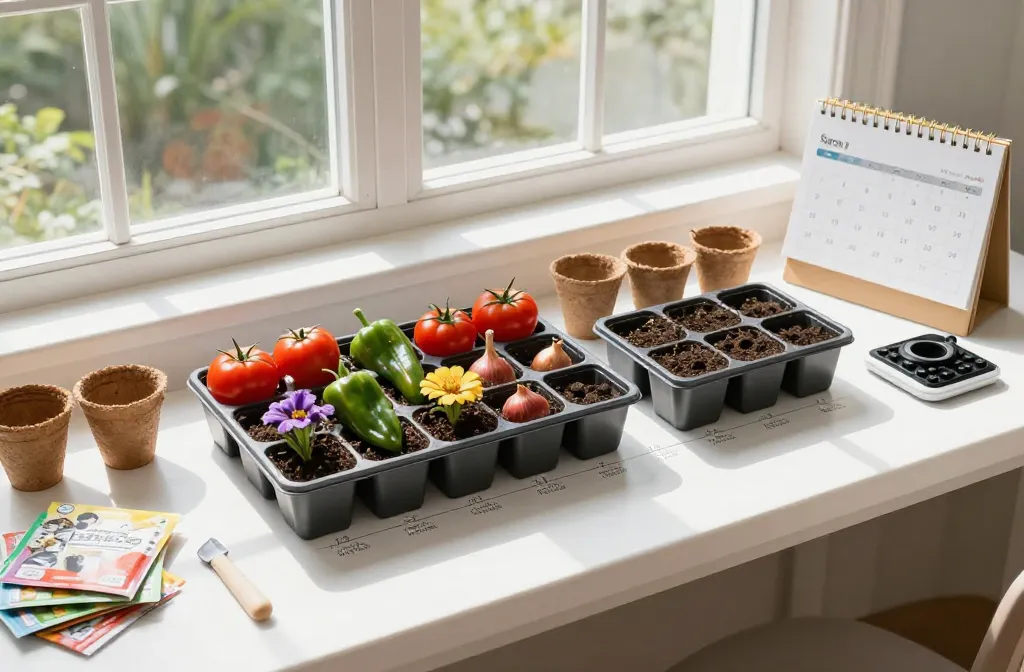
Let’s make this real. Grab your last frost date and a calendar. Now map your crops using work-back math.
- List crops you want (veggies, herbs, flowers), then note “indoors,” “direct sow,” or “either.”
- Check packets for “weeks before last frost.” Write ranges (e.g., tomatoes 6–8 weeks).
- Block sowing days on weekends you’ll actually do it. Be honest—Sundays beat Tuesdays.
- Stagger sowing for succession harvests (salad greens every 2–3 weeks).
Fast vs. Slow Crops
- Slowpokes: Peppers, eggplant, celery, parsley—give them 10–12 weeks of indoor time.
- Sprinters: Basil, cosmos, cucumbers—2–4 weeks is plenty indoors, or direct-sow when warm.
- Direct-Sow Heroes: Carrots, beets, radish, beans, peas—skip the pots; they hate root disturbance.
Indoor Setup: Keep It Simple, Keep It Bright
You don’t need a NASA lab. A shelf, lights, and consistency beat fancy gear every time.
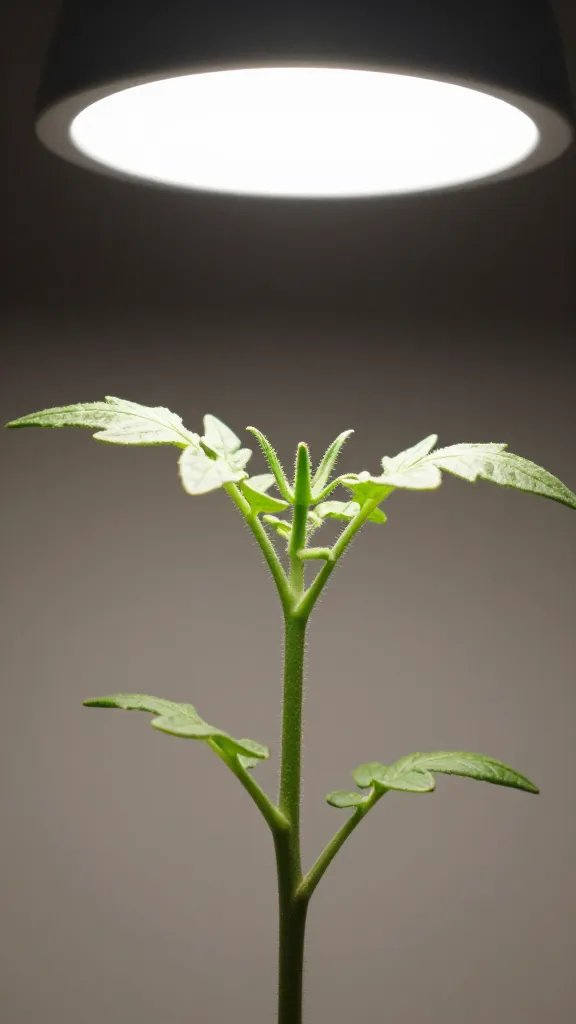
- Light: Use LED shop lights 2–4 inches above seedlings, 14–16 hours/day. Window light alone often creates leggy stems, FYI.
- Temperature: 65–75°F for most. Heat mats help peppers and tomatoes germinate fast.
- Soil: Seed-starting mix only—light, sterile, drains well. Garden soil clumps, invites drama.
- Water: Bottom-water to avoid damping off. Keep evenly moist, not swampy.
- Airflow: Small fan = stronger stems and fewer fungal issues.
Transplanting Up (Potting On)
When seedlings grow true leaves and roots poke out, shift to bigger pots. Use a quality potting mix now and bury tomatoes deeper to encourage more roots. Don’t up-pot squash or cucumbers unless you must—move them outside ASAP when conditions allow.
Hardening Off: Don’t Skip This Step
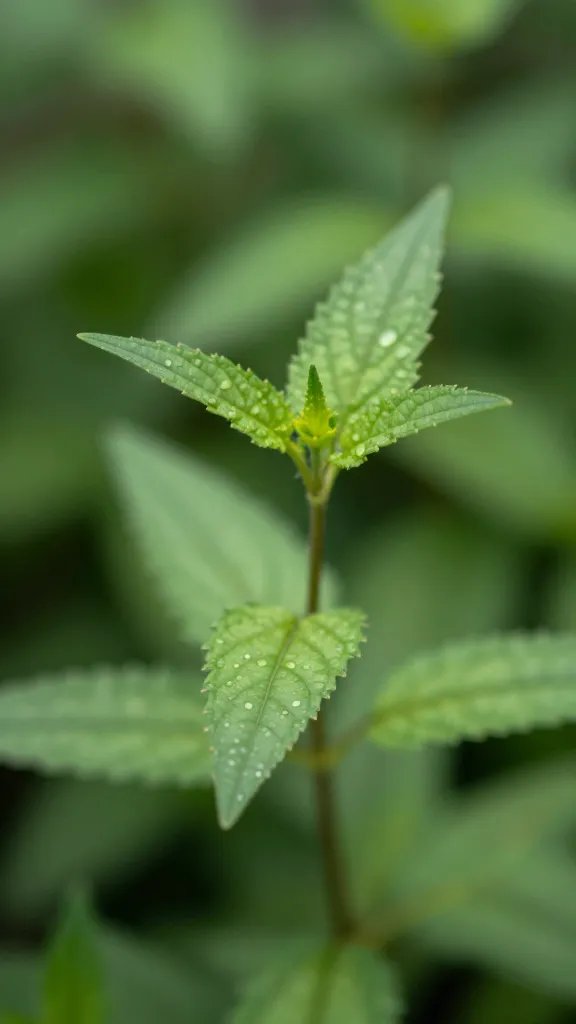
You trained them indoors; now teach them the outside world without the shock therapy.
Transform Your Home With 7,250+ Stunning Landscaping Designs—No Expensive Designers Needed!
- 🌿 Access 7,250+ stunning landscaping designs.
- 💰 Save thousands—no pro designer needed.
- 🏡 Plans for gardens, patios, walkways, and more.
- ✨ Simple, beginner-friendly DIY layouts.
- 🛠️ Customize any design to fit your yard.
- Day 1–2: Shade, 1–2 hours outdoors, light breeze.
- Day 3–4: Partial sun, 3–4 hours.
- Day 5–6: Half day sun, bring in at night.
- Day 7–9: Full day sun, one mild overnight.
- Transplant when nights hold above 50–55°F for warm crops; cool crops can go sooner.
Transplant Day Tips
- Plant on a cloudy day or late afternoon to reduce stress.
- Water holes first, then water again after planting.
- Add a light mulch to hold moisture and prevent crusting.
Direct Sowing: Timing Meets Soil Temperature
Some seeds just want dirt and freedom. Time them with soil temps, not just calendar dates.
- Peas, spinach, radish: Sow as soon as soil hits 40–45°F and can be worked.
- Beets, carrots: 50°F soil is comfy. Keep the top inch consistently moist for germination.
- Beans, corn, cucumbers, squash: Wait for 60–65°F soil. Cold soil = sulking seeds.
- Sunflowers, zinnias: After frost with warm soil; they rocket up fast.
Soil Temp Hack
Use a cheap kitchen thermometer. Stab it 2 inches deep at 10 a.m. If it reads right for three days straight, sow away.
Succession Planting: Harvest On Repeat
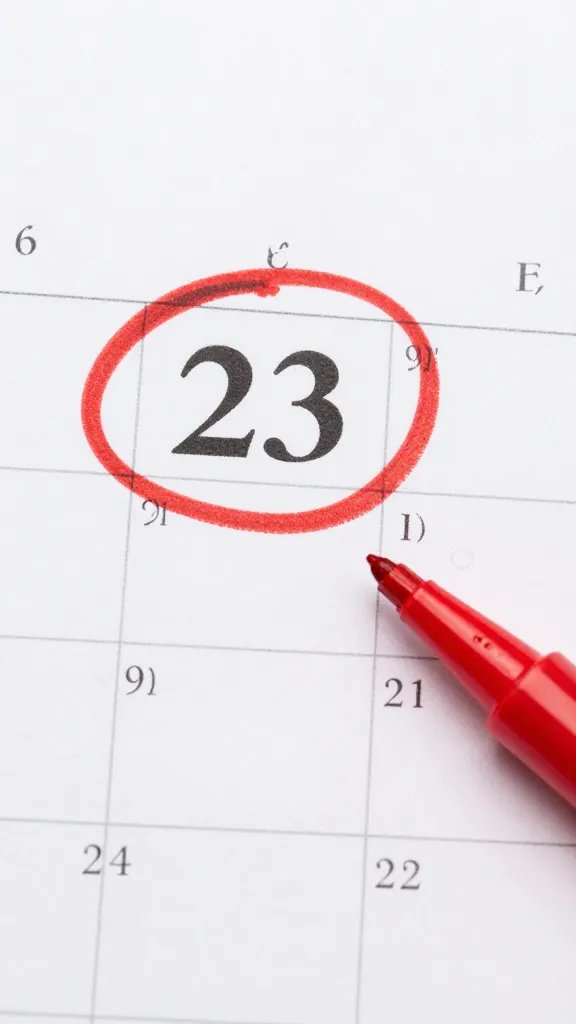
Want salads and snap peas for months, not weeks? Plant in waves.
- Every 2–3 weeks: Lettuce, arugula, radish, cilantro.
- Early and mid-summer rounds: Bush beans and cucumbers for fresh flushes.
- Swap varieties by season: Heat-tolerant greens in summer, cold-tolerant in spring/fall.
Fall Garden Timeline
Count back from your first fall frost. Add 1–2 “insurance” weeks for shorter days. Sow kale, carrots, beets, and broccoli mid to late summer. IMO, fall carrots taste like candy after a light frost.
Common Timing Mistakes (And Easy Fixes)
- Starting way too early: Leads to root-bound, leggy seedlings. Fix: Start within the packet’s window and use stronger light.
- Ignoring frost risk: One rogue cold night wipes out tender crops. Fix: Watch 10-day forecasts, keep row cover handy.
- Skipping hardening off: Sunburned leaves, stunted growth. Fix: 7–9 day ramp-up. Non-negotiable.
- Planting cold-lovers too late: Lettuce bolts in heat. Fix: Start earlier and use shade cloth as temperatures climb.
Quick Crop Timing Cheat Sheet
- Onions/Leeks: 10–12 weeks before last frost, transplant early.
- Peppers/Eggplant: 10–12 weeks before, extra warmth, transplant after nights >55°F.
- Tomatoes: 6–8 weeks before, bury stems deep at transplant.
- Brassicas (Broccoli, Cabbage, Kale): 6–8 weeks before; they tolerate cooler temps.
- Basil: 4–6 weeks before or direct after frost; hates cold feet.
- Cucumbers/Squash/Melons: 2–4 weeks before or direct-sow after frost when soil warms.
- Beans/Corn: Direct-sow after frost and warm soil.
- Carrots/Beets/Radish/Peas: Direct-sow early as soil allows.
- Zinnias/Cosmos/Sunflowers: 2–4 weeks indoors or direct-sow after frost.
FAQ
What if I missed the ideal indoor start date?
You still have options. Buy healthy starts from a nursery, or choose faster-maturing varieties. For quick crops like basil and zinnias, just start now—warm weather will catch them up, FYI.
Why do my seedlings get tall and spindly?
They stretch for light. Lower your lights to 2–3 inches above the canopy and run them longer. Cooler nights (60–65°F) and a gentle fan also help build stocky stems.
Can I reuse last year’s seed-starting mix?
I wouldn’t. It compacts and may carry pathogens. Use fresh seed-starting mix each season and save the old stuff for potting up or containers, IMO.
Do I need seed heating mats?
Not for everything, but they speed up germination for heat-lovers like peppers, tomatoes, and eggplant. Turn them off after sprouting to avoid weak, floppy growth.
How do I know when to fertilize seedlings?
Once they have 2–3 sets of true leaves, feed weekly with a diluted, balanced liquid fertilizer (quarter to half strength). Bottom-water with the solution so you don’t splash leaves.
How close can I plant starts after hardening off?
Follow spacing on the packet, but feel free to tuck in tighter for leafy greens. For fruiting crops like tomatoes and peppers, give them breathing room for airflow and sun—disease hates space.
Conclusion
Great gardens don’t happen by accident—they happen by calendar. Anchor your plan to frost dates, count back for each crop, and keep your indoor setup bright, warm, and breezy. Harden off like a pro, plant in waves, and you’ll harvest earlier, longer, and happier. You got this—now go set some reminders and start those seeds.