Gorgeous 10 Vegetable Garden Design Ideas for Bigger Harvests
Ready to turn your backyard into a produce paradise? These clever vegetable garden design ideas balance beauty, yield, and low-key bragging rights. You’ll get layouts that save your back, attract pollinators, and make harvests feel effortless. Let’s dig in—literally.
1. Raised Beds With Curves For Maximum Flow
Tired of snacking when you’re not even hungry? This reset helps you stop the loop and feel back in control.
A simple reset for moments when cravings take over. Easy to use, easy to repeat, and designed to help you feel satisfied instead of stuck.
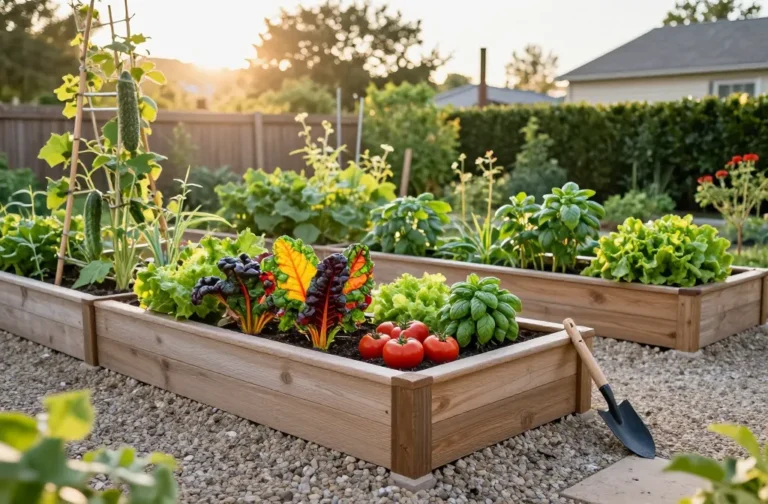
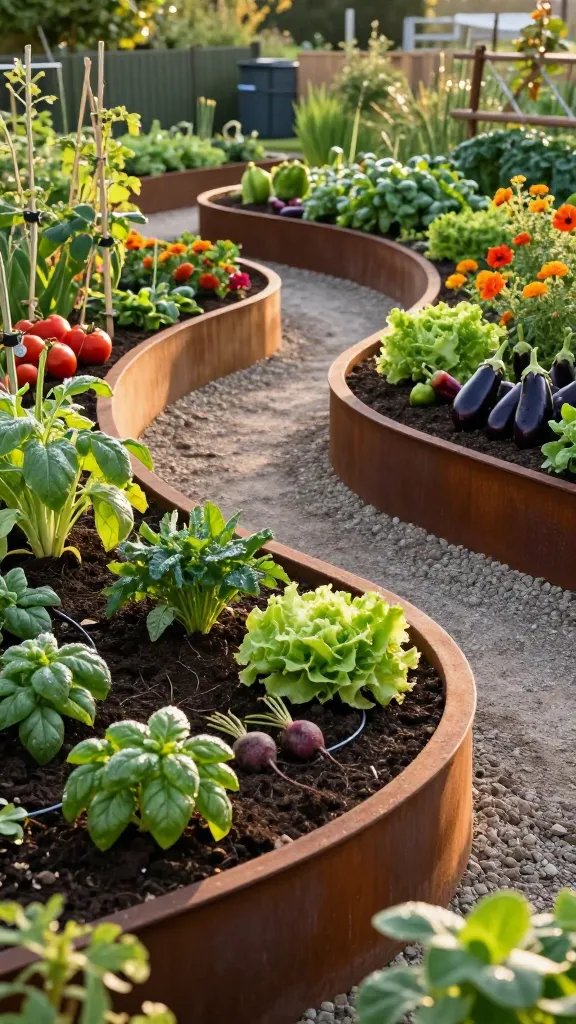
Straight lines work, but curved raised beds look stunning and guide you through the garden naturally. You’ll control soil quality, improve drainage, and make weeding and harvesting way easier. Bonus: curved edges create microclimates for heat-loving crops.
Why It Works
- Better soil: Fill beds with rich compost and balanced loam.
- Ergonomics: Less bending, easier access from all sides.
- Drama: Curves add visual softness and “walkable” flow.
Use 10–12 inch high beds for most veggies, and go 18 inches for root crops. This design suits small yards where every square foot counts and you still want magazine-worthy looks.
2. Sun Traps And Heat Pockets For Early Harvests
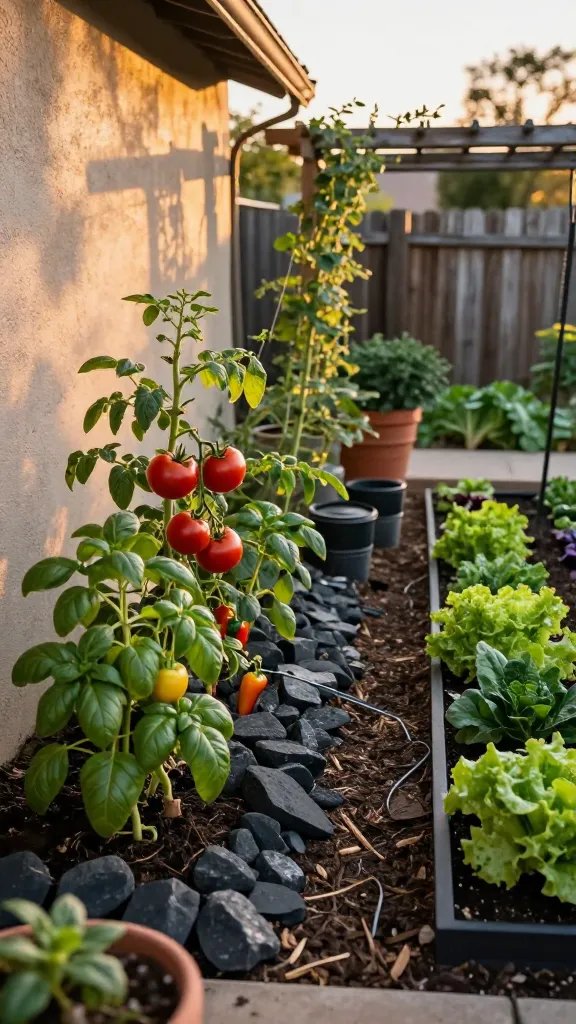
Want tomatoes earlier than your neighbors? Create warm zones using reflected heat from walls, fences, and stones. These “sun traps” push shoulder-season growth and protect tender seedlings from chilly winds.
Transform Your Home With 7,250+ Stunning Landscaping Designs—No Expensive Designers Needed!
- 🌿 Access 7,250+ stunning landscaping designs.
- 💰 Save thousands—no pro designer needed.
- 🏡 Plans for gardens, patios, walkways, and more.
- ✨ Simple, beginner-friendly DIY layouts.
- 🛠️ Customize any design to fit your yard.
Tips
- South-facing walls: Grow tomatoes, peppers, and basil along stucco or brick.
- Thermal mass: Place dark stones or water barrels to store heat.
- Low windbreaks: Use hedges or trellises to block breezes without stealing sunlight.
Set cool-loving greens slightly outside the hottest zones so they don’t bolt. Use this approach when your climate runs cool or your season feels too short, FYI.
3. The Grid: Square-Foot Gardening That Actually Looks Chic
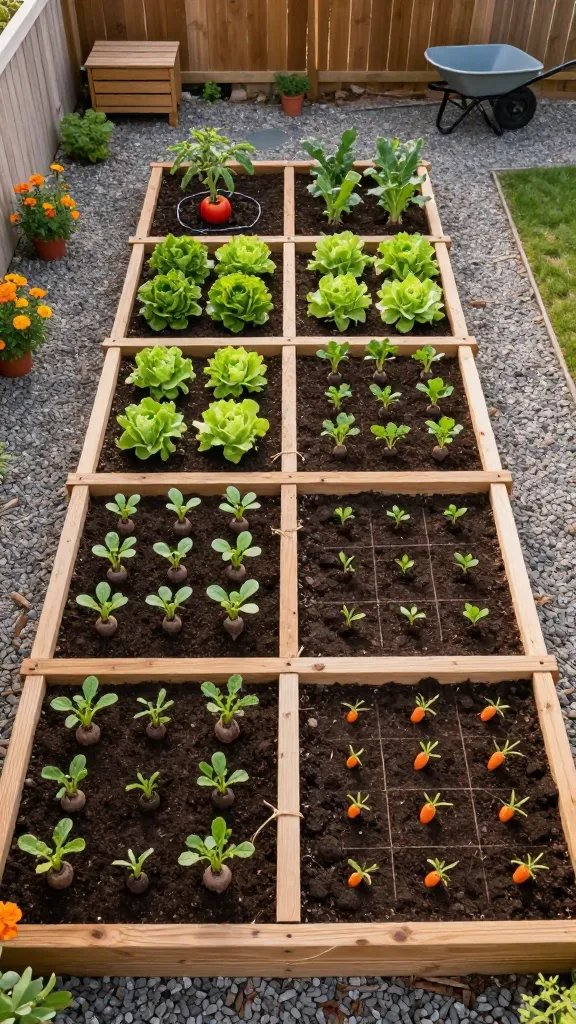
Square-foot gardening isn’t just efficient—it’s surprisingly pretty when you frame it right. A tidy grid turns chaos into order and helps you pack in diverse crops without guesswork.
Key Elements
- 1×1 foot sections with string, bamboo strips, or cedar lath.
- Rich, fluffy soil for dense planting and easy root growth.
- Plant by count: 1 tomato per square, 4 lettuces, 9 beets, 16 carrots.
Keep aisles at least 18 inches wide for a wheelbarrow, IMO. This layout fits busy gardeners who want high yield and low maintenance without spreadsheet-level planning.
4. Food Forest Edge For Low-Maintenance Abundance
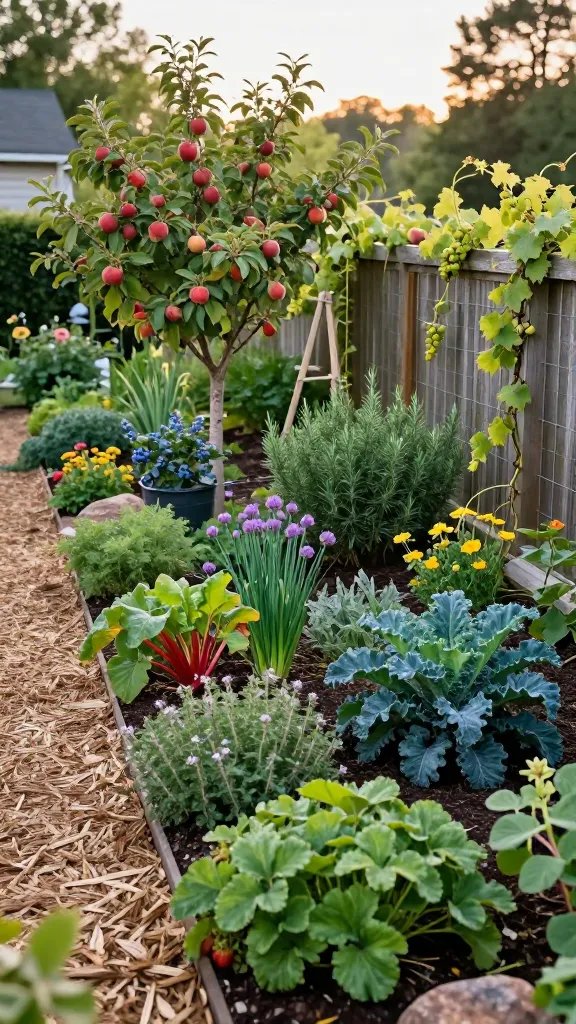
If you love “set it and mostly forget it,” lean into a small food-forest edge. Layer perennials and annuals to mimic nature and let the system do the heavy lifting.
Layers To Include
- Canopy: Dwarf fruit trees (apple, peach, fig).
- Shrub: Blueberries, currants, rosemary.
- Herbaceous: Rhubarb, chives, comfrey, perennial kale.
- Groundcover: Strawberries, thyme, clover.
- Vines: Grapes or hardy kiwis along a fence.
Drop annuals like squash or beans into sunny pockets for seasonal boosts. This works great along fences or the back of the garden where you want beauty and long-term payoff.
5. Pollinator Lanes That Supercharge Your Yield
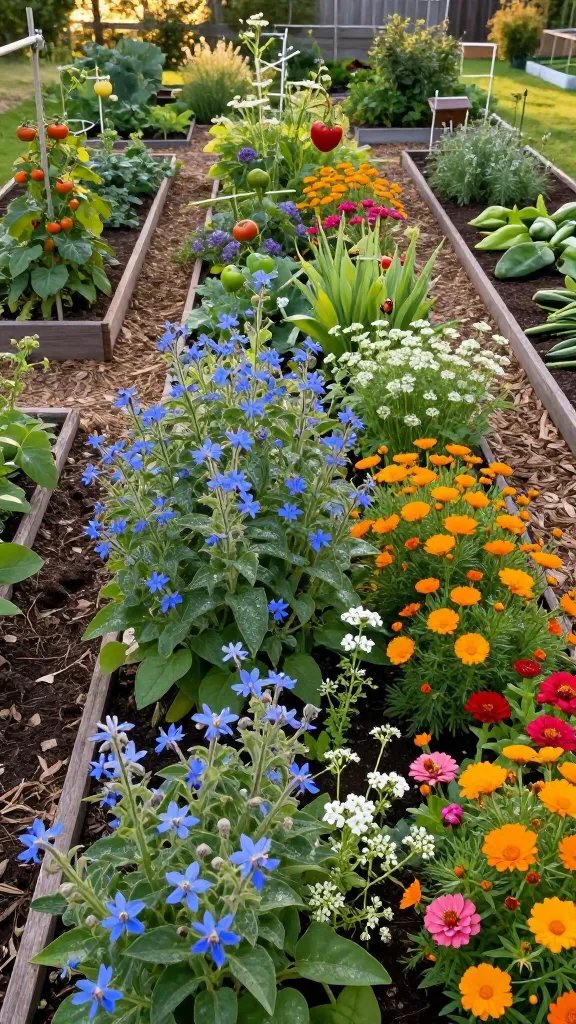
No pollinators, no tomatoes—harsh truth. Create “pollinator lanes” that run through your veggie beds to invite bees, butterflies, and beneficial insects.
Plant These
- Nectar magnets: Borage, calendula, zinnias, alyssum.
- Host plants: Dill, fennel, parsley (swallowtails love them).
- Native blooms: Whatever thrives locally for continuous bloom.
Place lanes every 2–3 beds or interplant borders with flowers and herbs. You’ll get better fruit set and fewer pests—seriously, a little alyssum can cut aphid drama in half.
6. Vertical Veggie Walls For Tiny Spaces
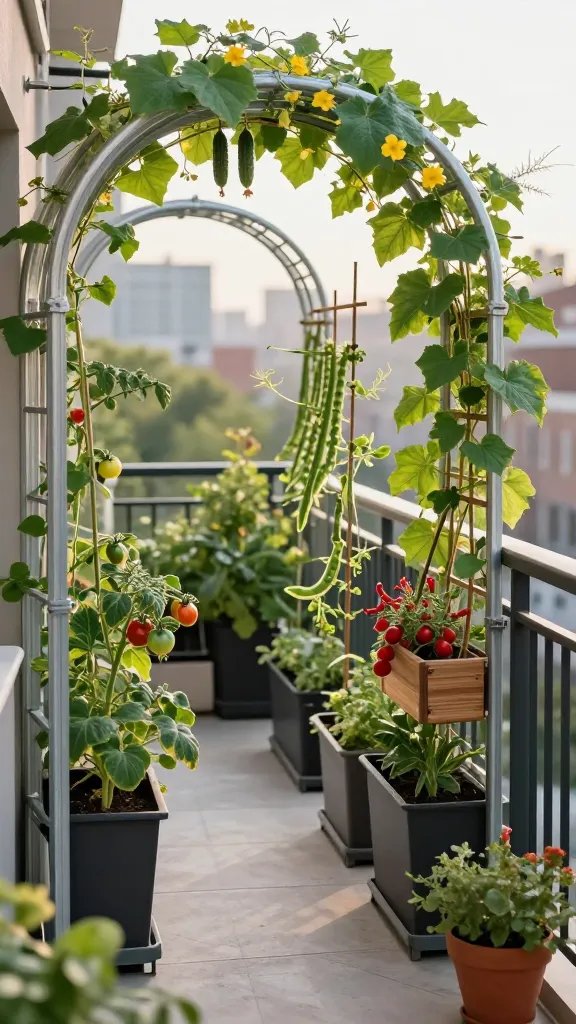
No yard? No problem. Grow up, not out. Trellises, arches, and wall planters multiply your space and look like a botanical art installation.
Great Climbers
- Lightweight: Peas, pole beans, cucumbers (small-fruited types).
- Showy: Malabar spinach, scarlet runner beans.
- Compact fruit: Patio tomatoes in wall pockets with support.
Use cattle panels for sturdy arches and let cucumbers drape overhead. This design fits balconies, side yards, and anyone who wants shade and salad at the same time.
7. The Kitchen Garden Parterre (Fancy, But Make It Veg)
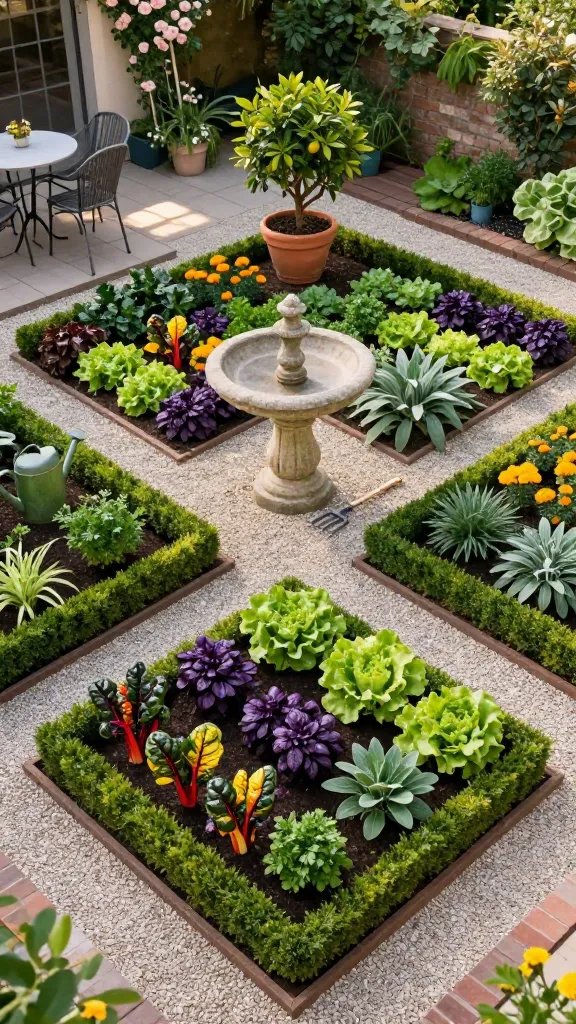
Channel your inner château gardener with symmetrical beds, crisp edges, and a central focal point. It looks luxe, but it’s just geometry plus herbs and lettuce.
How To Build The Look
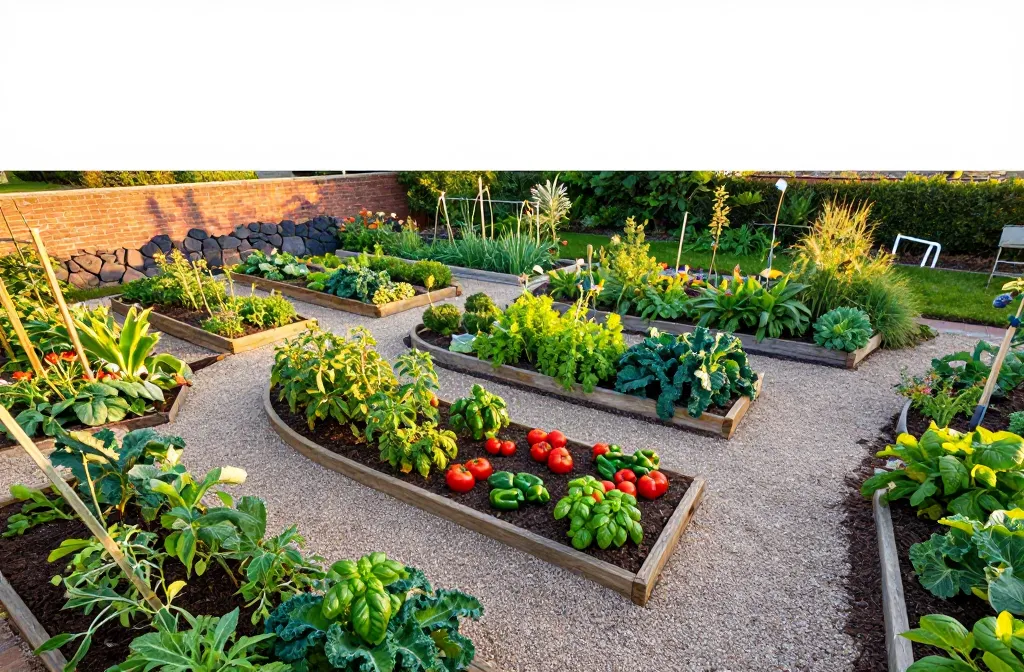
- Four square beds with gravel or mulch paths.
- Edging: Low boxwood, thyme, or even dwarf marigolds.
- Centerpiece: Birdbath, urn, or a dwarf citrus in a pot.
Plant in color blocks—rainbow chard, purple basil, butterhead lettuce—for instant drama. Use this when aesthetics matter as much as harvests, like near the patio or front yard.
8. Succession-Friendly Zoning So Beds Never Sit Empty
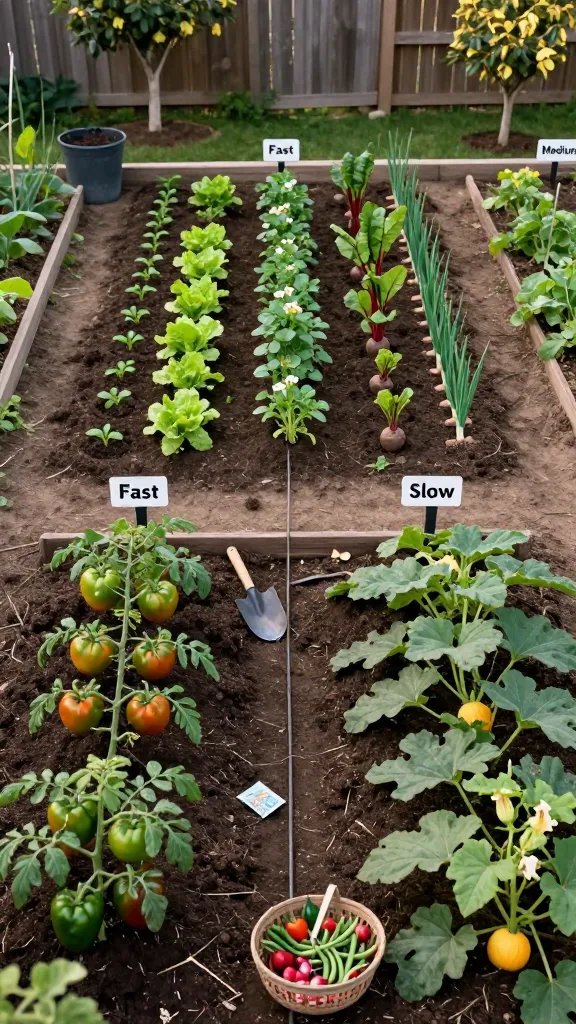
Design your garden for continuous planting, not just one-and-done crops. Break your space into zones by crop speed and turnover, then keep the conveyor belt rolling.
Zones
- Fast (20–40 days): Radishes, arugula, baby greens.
- Medium (50–70 days): Bush beans, beets, scallions.
- Slow (75–100+ days): Tomatoes, peppers, winter squash.
Stagger plantings every 2–3 weeks in the fast and medium zones. You’ll harvest constantly and avoid the “all lettuce, all at once” problem—trust me, no one needs 36 heads in one week.
9. Pathways You’ll Actually Enjoy Walking
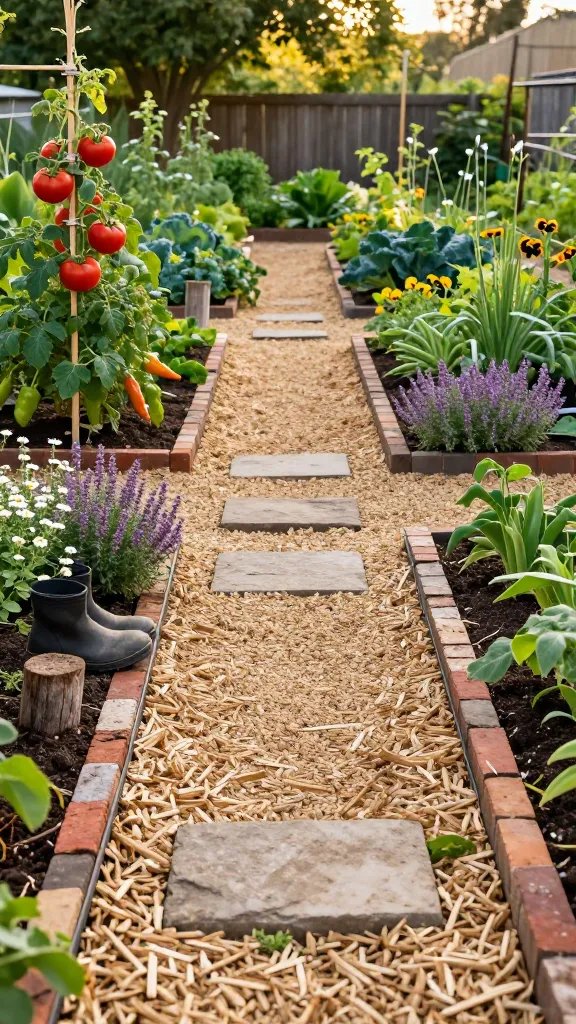
Good paths make a garden feel intentional and keep your shoes clean. They also protect soil structure so roots can breathe and grow like champs.
Path Ideas
- Gravel with landscape fabric for mud-free access.
- Wood chips for softness and soil life boost.
- Stepping stones set in groundcovers like thyme or chamomile.
Keep main aisles 30–36 inches wide and spurs 18–24 inches. Define edges with brick, steel, or logs so paths stay crisp. This upgrade makes maintenance easier and your garden instantly more photogenic.
10. Water-Savvy Systems That Practically Run Themselves
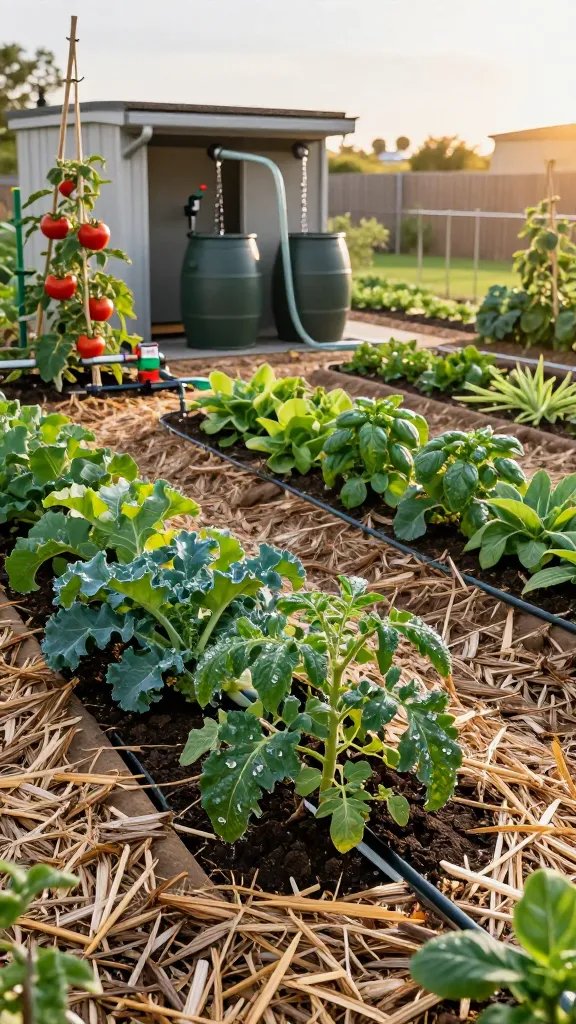
Watering eats time and money, unless you design for efficiency upfront. Combine smart irrigation with mulch and micro-topography so plants get exactly what they need.
What To Include
- Drip lines or soaker hoses under mulch for deep, even moisture.
- Mulch layers: Straw, shredded leaves, or arborist chips.
- Rain capture: Gutters to barrels to a low-pressure drip setup.
- Gentle slopes or swales to slow and sink rainwater.
Add a simple timer and you’ve got near-hands-free watering. Use this in hot climates or if you travel—your tomatoes won’t even notice you were gone.
Ready to get your hands dirty? Pick two ideas and start this weekend—momentum beats perfection. Your future self (and your salad bowl) will thank you when the first harvest rolls in, FYI.