Viral 11 Landscaping Ideas with Raised Beds That Look Stunning
Want a yard that looks designer-level without hiring, well, a designer? Raised beds give you structure, style, and ridiculous plant health, all in one pretty package. We’re talking crisp lines, lush layers, and easier upkeep. Ready to make your neighbors do a double-take?
These 11 ideas turn simple boxes into serious curb appeal. From modern steel to cottage-core curves, pick a style, grab some soil, and let’s build something gorgeous.
Tired of snacking when you’re not even hungry? This reset helps you stop the loop and feel back in control.
A simple reset for moments when cravings take over. Easy to use, easy to repeat, and designed to help you feel satisfied instead of stuck.
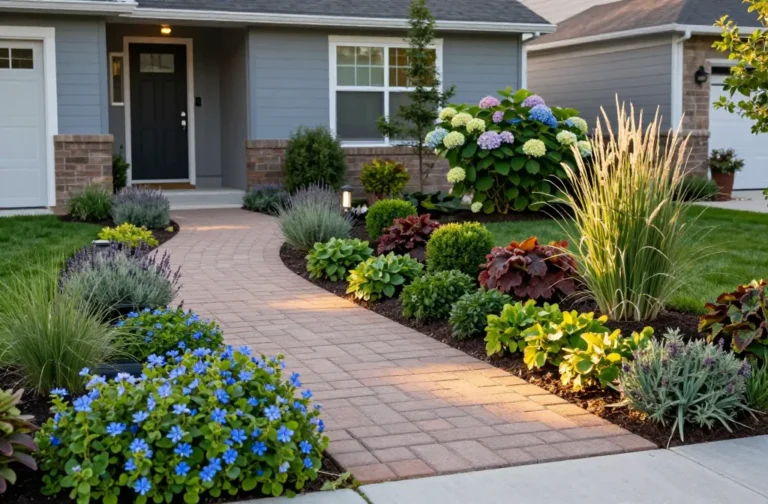
1. Frame Your Front Walk Like a Runway
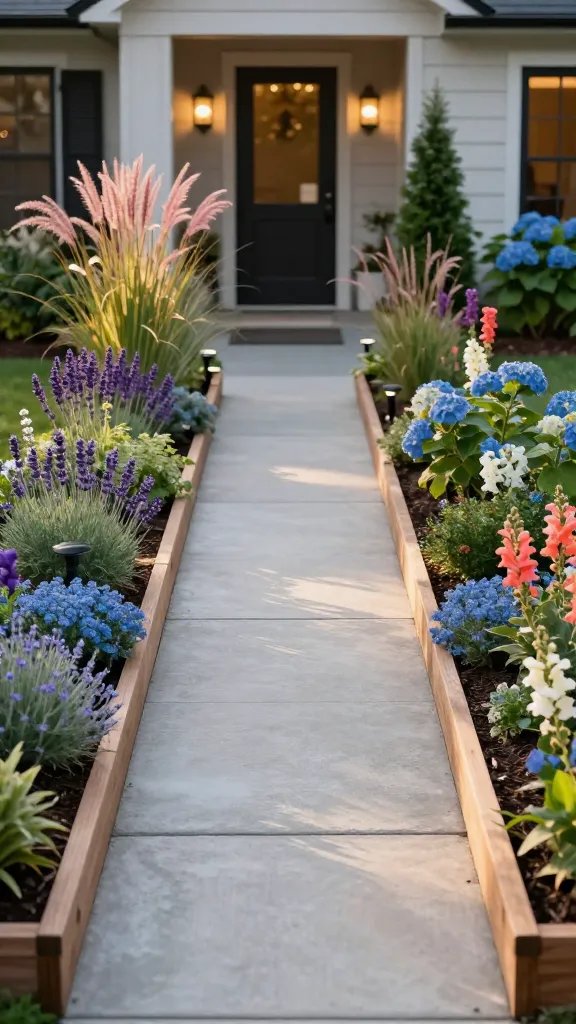
Nothing says “welcome home” like raised beds flanking your entry. They add instant symmetry, make your plants look intentional, and guide the eye straight to your front door like it’s the star of the show. Bonus: fewer weeds creeping onto your path.
Smart Layout Tips
- Mirror the beds on both sides of the walkway for drama.
- Keep bed height between 12–18 inches so it feels approachable.
- Plant low at the edges, taller in the center to create a gentle arc.
Try a palette of soft grasses, seasonal color, and a couple of small evergreens for year-round structure. This works best if your front path needs personality fast.
2. Mix Materials for a High-Low Look
Transform Your Home With 7,250+ Stunning Landscaping Designs—No Expensive Designers Needed!
- 🌿 Access 7,250+ stunning landscaping designs.
- 💰 Save thousands—no pro designer needed.
- 🏡 Plans for gardens, patios, walkways, and more.
- ✨ Simple, beginner-friendly DIY layouts.
- 🛠️ Customize any design to fit your yard.
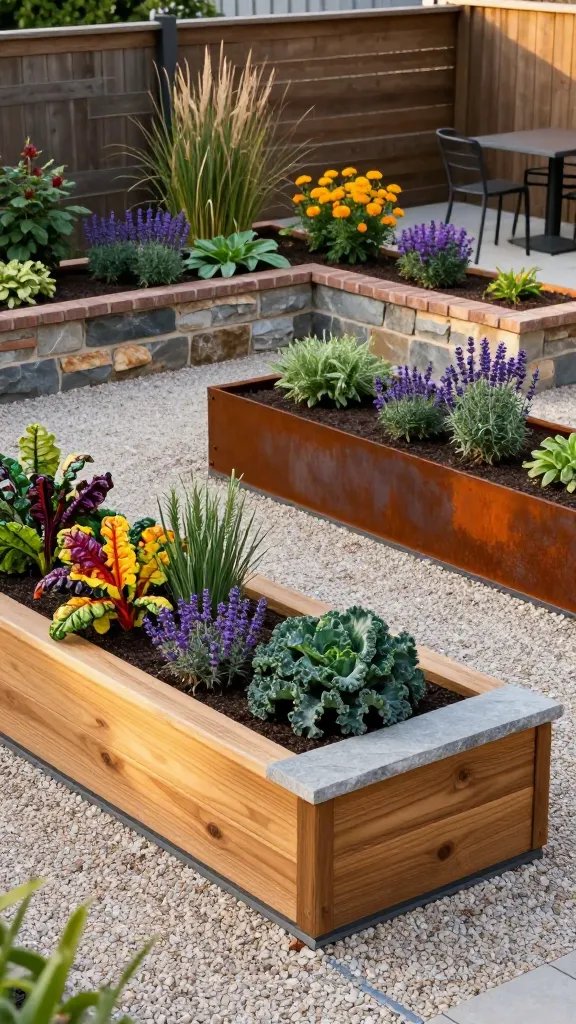
Wood is warm, stone is timeless, and metal is sleek—so why pick just one? Combining materials in your raised beds adds texture and creates that “custom” look without blowing the budget. Think cedar boxes with a stone cap or steel panels trimmed in timber.
Winning Combos
- Corten steel + cedar: modern, earthy, ages beautifully.
- Segmented stone + brick cap: classic cottage vibes.
- Painted wood + gravel base: crisp lines, super affordable.
Use mixed materials when you want your beds to double as focal points. FYI, contrast makes plants pop like a filter you don’t have to keep reapplying.
3. Go Vertical With Tiered Terraces
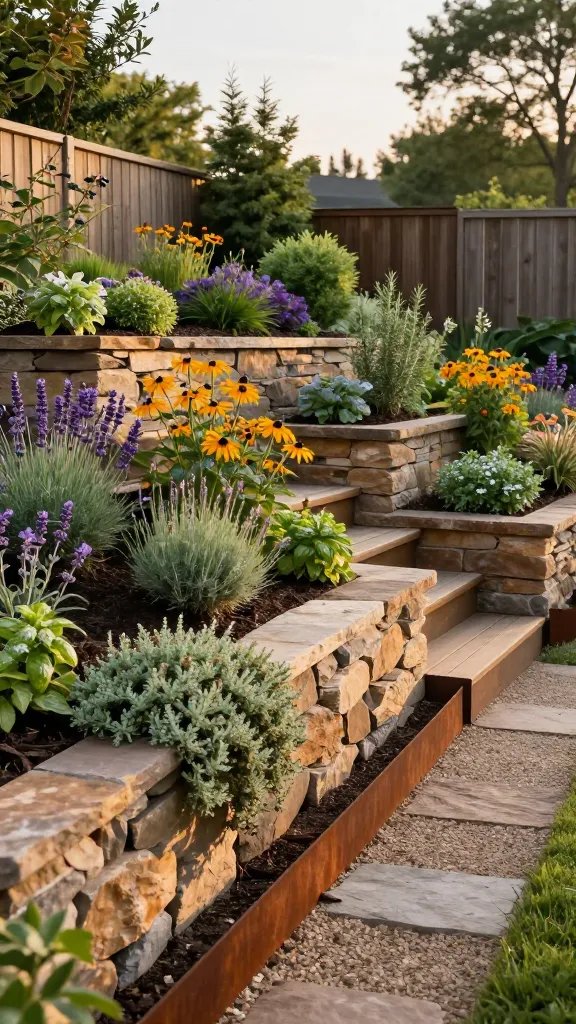
Sloped yard? That’s not a problem—it’s a feature. Tiered raised beds turn a tricky incline into a layered landscape with crazy-good depth and drainage. Each level becomes a mini stage for your favorite plants.
Design Moves
- Use 2–3 tiers max to avoid that “staircase to nowhere” look.
- Stagger plant heights: groundcovers low, perennials mid, shrubs high.
- Add stone or timber steps to connect spaces and invite wandering.
Tiered terraces shine in backyards where you want zones for herbs, flowers, and pollinator plants. They also reduce soil erosion—hero moment unlocked.
4. Create Curved Beds for That Soft, Organic Flow
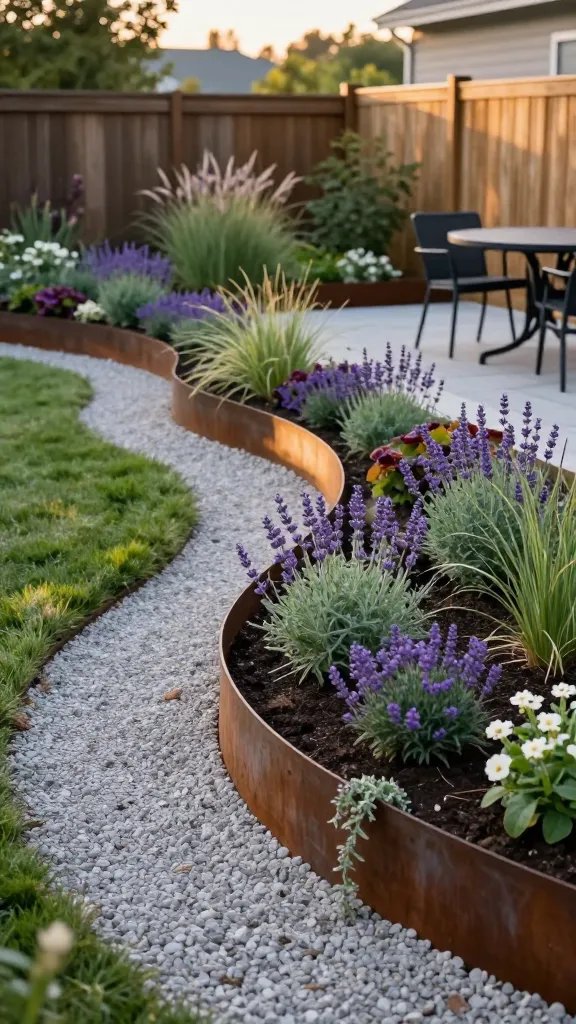
Square beds are great. Curved beds? Chef’s kiss. Gentle arcs and swoops soften hardscapes and make your yard feel more spacious and natural. They also lead the eye in a satisfying, meandering way.
How to Curve Without Chaos
- Use flexible edging (steel, composite, or bender board) to set your line.
- Echo the curve in nearby paths or lawn outlines for cohesion.
- Plant in drifts—repeat groups of 3–5 for flow, not clutter.
Curves are perfect near patios or along fences where you want less “boxy” and more “botanical garden.” Trust me, your backyard will feel instantly more upscale.
5. Build a Kitchen Garden That Actually Looks Chic
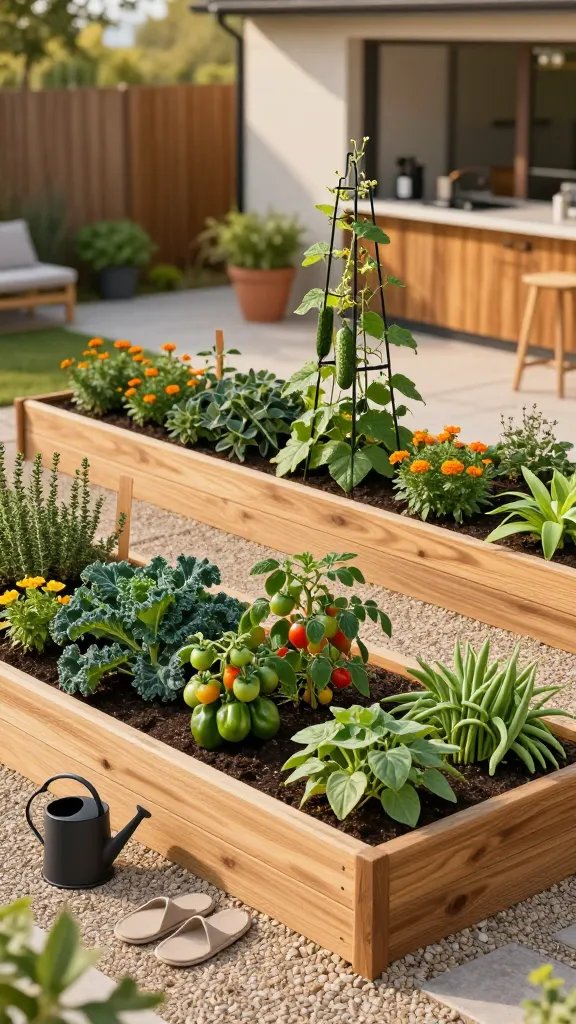
Herbs and veggies can look every bit as stylish as ornamentals when you give them a raised bed glow-up. Defined borders keep things tidy, and elevated soil means better harvests. Plus, you can snip basil in your slippers—peak luxury.
Planting Blueprint
- Outer ring: thyme, oregano, low marigolds for pest control.
- Middle: kale, peppers, dwarf tomatoes, bush beans.
- Center: trellis for cucumbers or pole beans.
Add a pea gravel path between beds for drainage and a boutique-farm vibe. Use this when you want productivity and pretty to share the same space, IMO the best combo.
6. Anchor With Statement Corners and Edges
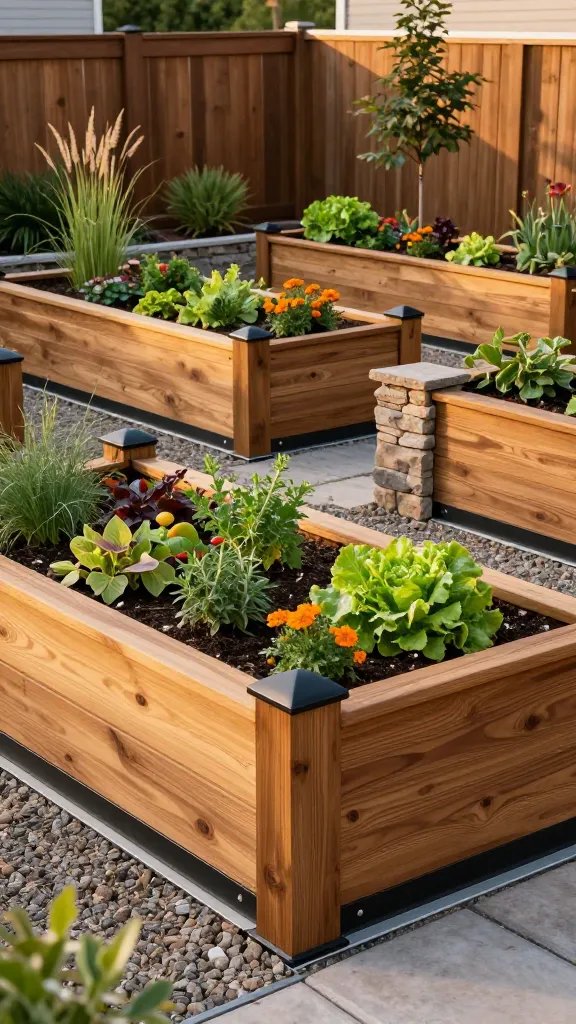
Details make the design. Beef up the corners and edges of your raised beds with chunky posts, stone pillars, or metal brackets. Strong edges read as intentional and protect your beds from warping.
Edge Upgrades
- 4×4 corner posts with decorative caps for a craftsman feel.
- Stone corner stacks for rustic heft and instant presence.
- Powder-coated brackets if you want durability and a clean line.
Choose this when your beds sit front-and-center or when you want them to double as low seating. It’s practical, yet it flexes design cred.
7. Pair Beds With a Low-Planting Hedge
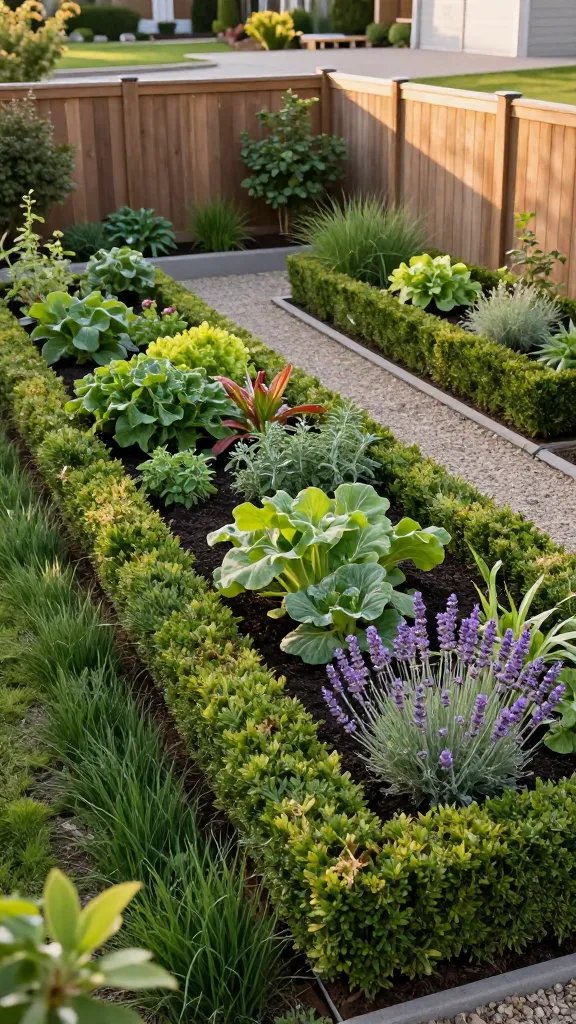
Want that “finished” look you see in magazines? Frame raised beds with a low hedge or a neat line of grasses. This adds a second visual border that makes everything feel curated and calm.
Great Border Plants
- Boxwood for formal structure.
- Dwarf mondo grass for low maintenance and contrast.
- Lavender for scent, pollinators, and summer color.
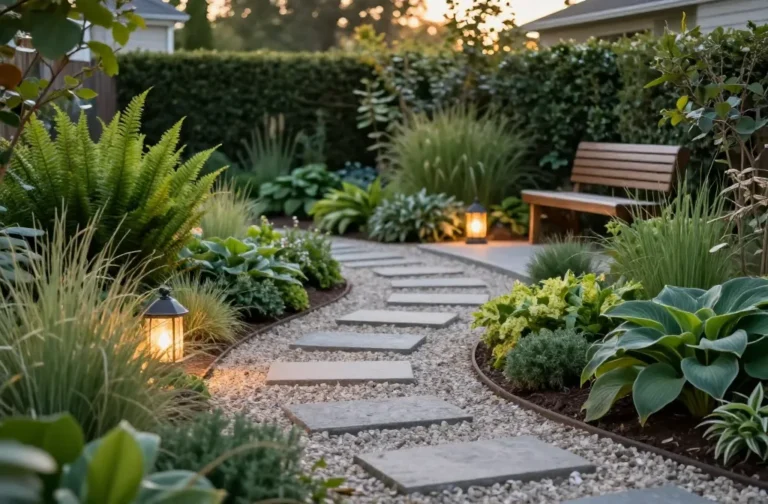
Hedge pairing works along fences, driveways, or large patios where you need a defined edge. It also hides drip lines and mulch edges—tiny detail, big payoff.
8. Light It Like a Boutique Hotel
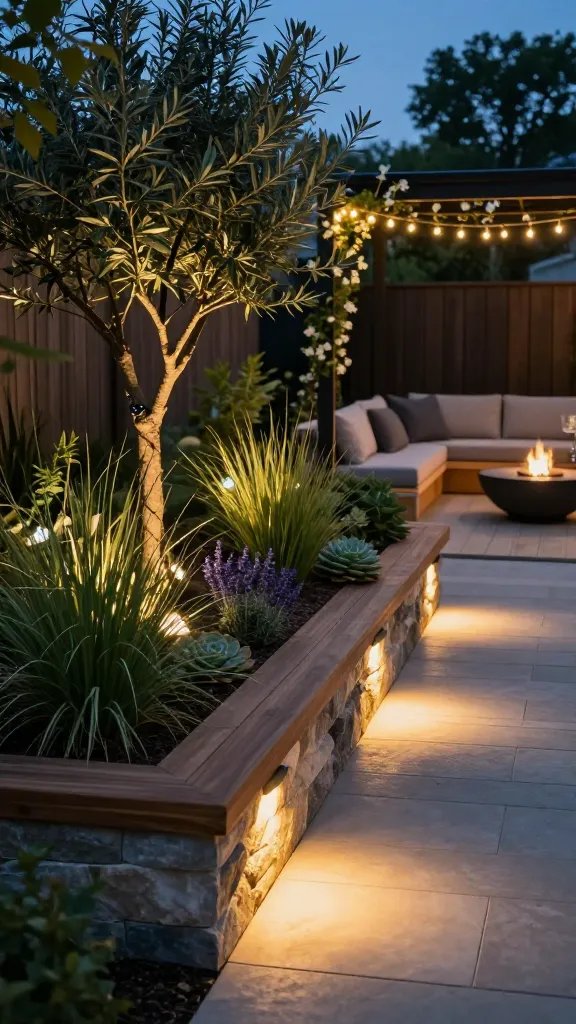
Good lighting turns your raised beds into nighttime art. It highlights texture, guides footsteps, and lets you enjoy your garden after dinner. Because yes, you should admire your handiwork with a glass of something cold.
Lighting Ideas
- Under-cap LEDs on stone or timber tops for a sleek glow.
- Stake lights angled at feature plants or trellises.
- String lights between posts for chill patio vibes.
Use warm white (2700–3000K) so everything looks cozy, not hospital bright. Ideal for entertaining areas and front entries that deserve a little spotlight, literally.
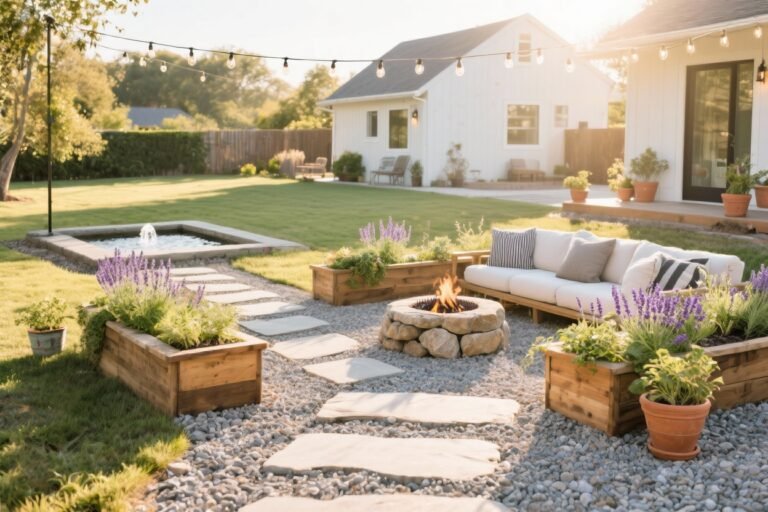
9. Add Built-In Seating and Planter Benches
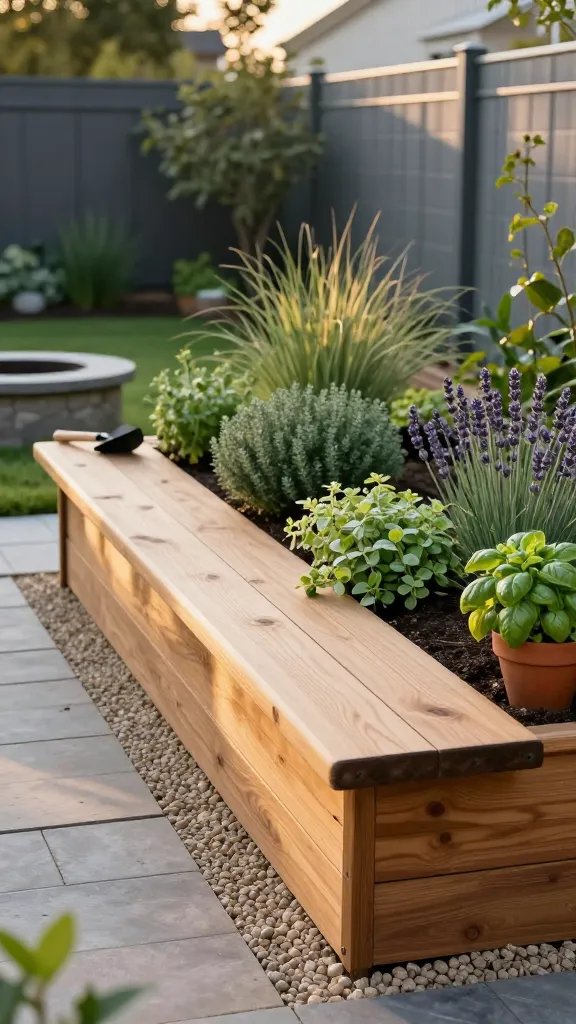
Two-for-one design? Yes please. Integrate a bench along the edge of a raised bed and you get plants plus a place to perch. It saves space and looks custom.
How to Nail It
- Top the bed with a 2×10 or stone cap wide enough to sit on.
- Reinforce the inside with corner brackets to handle weight.
- Plant soft, non-spiky varieties behind the seating area.
This shines near fire pits, play areas, or herb gardens where you want to sit and snip. Also great when you need seating without adding bulky furniture.
10. Go All-In on a Monochrome Plant Palette
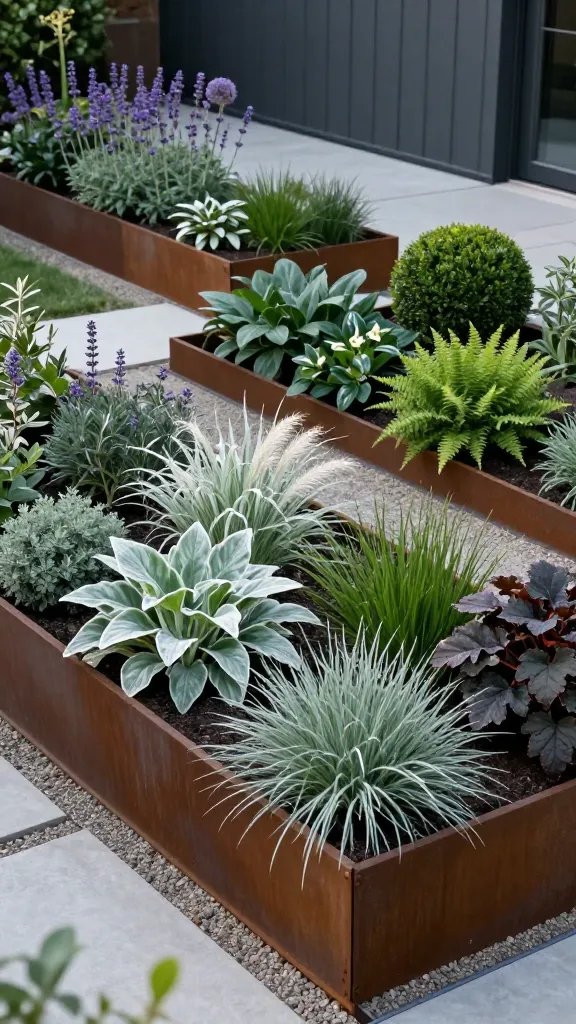
Limit your colors and your garden suddenly looks refined—like you planned the whole thing (because you did). A monochrome scheme lets texture and form do the heavy lifting. It’s soothing and seriously photogenic.
Palette Starters
- Silver-green: lamb’s ear, artemisia, olive, festuca.
- Deep green: ferns, laurels, hellebores, boxwood.
- Purples: salvia, lavender, alliums, dark heuchera.
Use this when your hardscape or house color already makes a strong statement. The restrained palette keeps everything classy and zen. Trust me, less color can look more expensive.
11. Design a Pollinator Parterre That Buzzes With Life
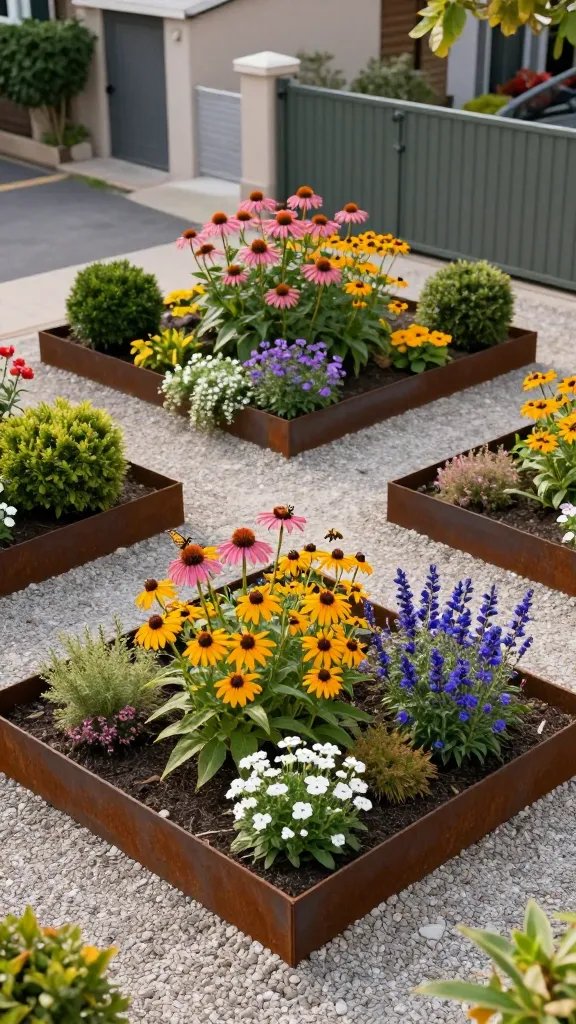
Formal shapes don’t have to feel stuffy. Create a simple parterre—think geometric raised beds with clear paths—then fill them with nectar-rich, bee-and-butterfly-friendly plants. You get order and wild energy in one frame.
Planting Grid
- Corners: dwarf shrubs for bones (e.g., compact box, dwarf spirea).
- Centers: echinacea, rudbeckia, salvias for summer color.
- Edges: thyme, alyssum, and low sedums for spill and scent.
This approach turns even a small space into an ecosystem. Great for front yards where you want beauty with a purpose—your local bees will send thank-you notes, probably.
Ready to dig in? Pick one or two ideas, sketch a quick plan, and start with one raised bed you absolutely love. These designs grow with you—literally—so you can add more over time without it looking piecemeal. Seriously, your future self (and your plants) will be thrilled.