Spring Garden Wins What Seeds to Start in Spring (Complete List)
Spring’s here, your seed packets are calling, and your garden beds look like they’re waiting for a makeover montage. Let’s skip the dithering and get straight to what to start now, what to direct-sow later, and how to dodge rookie mistakes. You’ll get a complete list plus smart timing tips so you don’t waste a single sunny day. Ready to get those trays and trowels moving?
First Things First: Know Your Frost Date (It Runs the Show)
Your last frost date decides everything. Plants either want a head start indoors, or they’d rather wait for warm soil outside. Find your local last frost date (Google your ZIP + “last frost date”) and count backwards.
General timing cheat sheet:
Tired of snacking when you’re not even hungry? This reset helps you stop the loop and feel back in control.
A simple reset for moments when cravings take over. Easy to use, easy to repeat, and designed to help you feel satisfied instead of stuck.
- 8–10 weeks before last frost: Slow-growers and heat lovers (peppers, onions, celery).
- 6–8 weeks before last frost: Tomatoes, brassicas, hardy herbs.
- 2–4 weeks before last frost: Quick starters (zinnias, basil indoors), plus direct-sow hardy greens.
- After frost: Direct-sow beans, cucumbers, squash, corn, and sunflowers.
Vegetables To Start Indoors Now (The Head-Start Heroes)
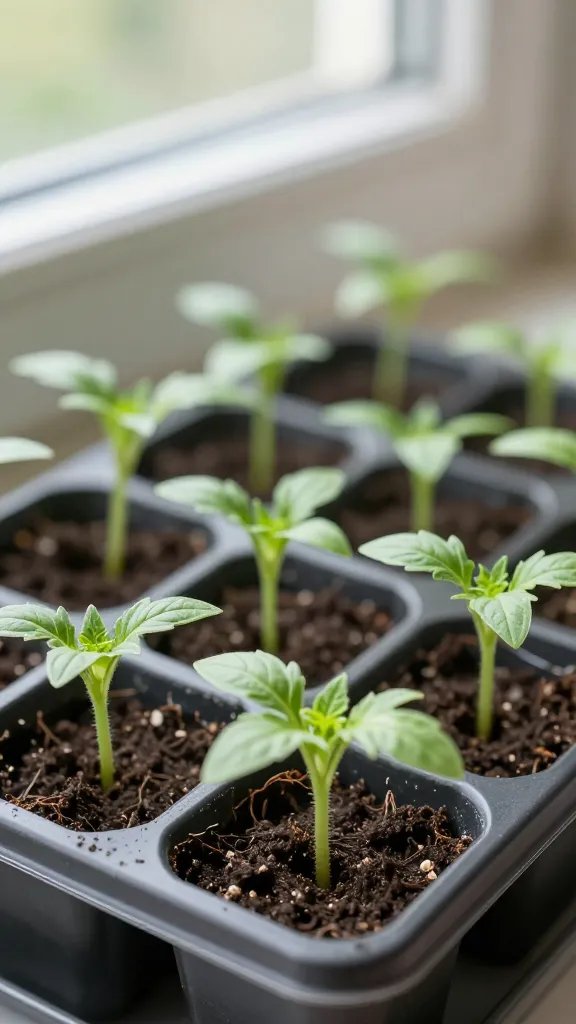
These crops love warmth and sulk in cold soil. Start them inside under lights for strong transplants.
8–10 Weeks Before Last Frost
- Peppers: Bell, jalapeño, serrano, shishito. They grow slooow. Give heat (75–85°F germination).
- Eggplant: Needs warmth like peppers. Start early for midsummer harvests.
- Onions/Leeks: Seeds or sets? Seeds now for big bulbs; trim tops to keep sturdy.
- Celery/Celeriac: Slow and thirsty but worth it. Bottom water to avoid damping-off.
6–8 Weeks Before Last Frost
- Tomatoes: Slicers, cherries, pastes. Don’t start too early or you’ll get leggy banshees.
- Brassicas: Broccoli, cabbage, cauliflower, Brussels sprouts. Cool-loving and reliable.
- Herbs (hardy/perennial): Oregano, thyme, chives, sage. Slow to sprout, long-term MVPs.
- Swiss Chard: Can also direct-sow, but transplants give earlier leaves.
2–4 Weeks Before Last Frost
- Basil: Start indoors now; move out once nights stay above 50°F. Basil hates chills.
- Kale: Transplants handle cool nights; direct-sow works too, but earlier transplants win.
- Lettuce (head types): Start plugs for tight spacing and quick succession planting.
Vegetables To Direct-Sow In Spring (Soil Warm? Seeds In.)
Some plants throw tantrums when transplanted. Sow them straight where they’ll live.
As Soon As Soil Is Workable (Cool-Season Champs)
- Peas: Snap, snow, shelling. Plant early; they love chilly soil.
- Spinach: Germinates best in cool temps. Bolts fast in heat, so don’t delay.
- Radishes: Lightning-fast. Great for succession every 1–2 weeks.
- Carrots: Fine seed, needs consistent moisture. Do not transplant, IMO it’s chaos.
- Beets: Multi-germ “seed.” Thin to strongest seedlings; greens are edible too.
- Arugula & Mustards: Peppery, quick, and slightly feral (in a good way).
- Turnips: Hakurei types are sweet and crisp. Don’t overthink it—just sow.
After Danger Of Frost (Warm-Season Sprinters)
- Beans: Bush and pole. Warm soil = fast germination. Don’t rush cold ground.
- Corn: Sow in blocks for good pollination. Feed heavily; corn’s hungry.
- Cucumbers: Direct-sow or transplant gently. Trellis to save space.
- Squash & Zucchini: Big seeds, big plants. Direct-sow once toasty.
- Melons: Need heat and time. Black plastic or row cover helps.
- Sunflowers: Technically flowers, but they’re garden bodyguards and pollinator magnets.
Herbs To Start In Spring (Flavor First Aid Kit)
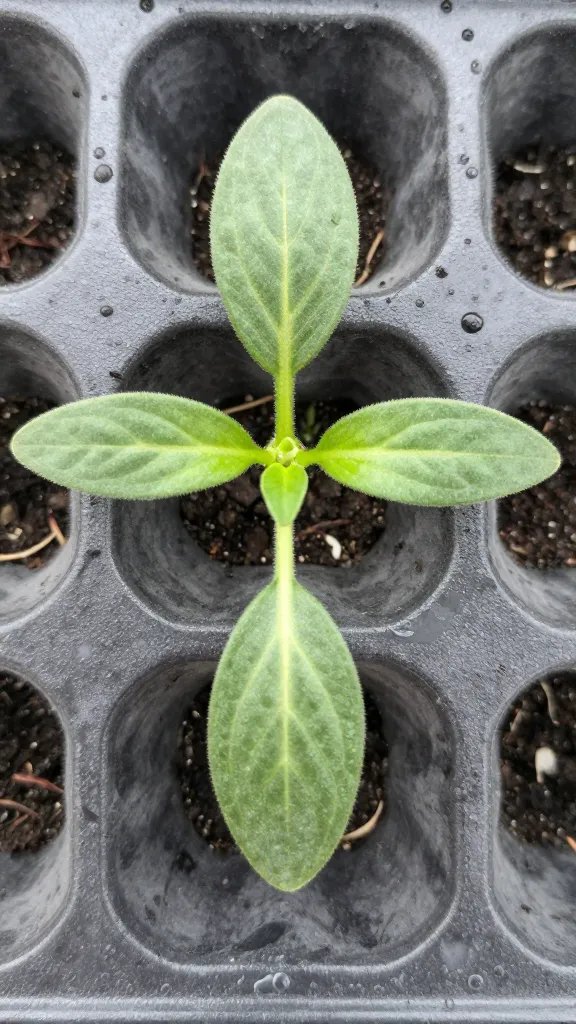
Some herbs love a head start. Others laugh at your seed trays and prefer the ground.
Start Indoors
- Basil: Multiple sowings for all-summer pesto. Pinch tops early.
- Parsley: Slow to sprout (soak seeds overnight). Curly or flat—I’m team flat, FYI.
- Oregano, Thyme, Sage, Rosemary: Tiny seeds, slow growth. Bottom water and be patient.
Direct-Sow Or Transplant
- Cilantro: Hates heat. Sow in cool spells, succession every 2–3 weeks.
- Dill: Direct-sow; taproots dislike moving. Attracts swallowtail caterpillars (free joy).
- Chervil: Cool-weather gem with subtle anise notes. Sow like lettuce.
Flowers To Start In Spring (Because Pollinators Deserve Snacks)
Mix annuals that bloom fast with perennials that pay off for years.
Transform Your Home With 7,250+ Stunning Landscaping Designs—No Expensive Designers Needed!
- 🌿 Access 7,250+ stunning landscaping designs.
- 💰 Save thousands—no pro designer needed.
- 🏡 Plans for gardens, patios, walkways, and more.
- ✨ Simple, beginner-friendly DIY layouts.
- 🛠️ Customize any design to fit your yard.
Start Indoors
- Zinnias: 3–4 weeks before planting out. Too early = leggy drama queens.
- Cosmos: Easy, airy, and tall. Great for first-time seed starters.
- Marigolds: Pest deterrent vibes and summer-long color.
- Snapdragons: Slow but gorgeous in cool weather. Start early.
- Echinacea & Rudbeckia (perennials): Slow to establish, long-term bloomers.
Direct-Sow
- Sunflowers: Stagger sowings for bloom waves.
- Nasturtiums: Edible flowers with peppery leaves. Great under tomatoes.
- Calendula: Hardy, self-seeds, blooms in cool weather—basically a cheerful overachiever.
- Wildflower Mixes: Choose region-appropriate blends for less fuss and better pollinator action.

Complete Spring Seed List (Quick-Reference)

Start Indoors (Cool to Warm Windows):
- Tomato, Pepper, Eggplant, Onion, Leek, Celery/Celeriac
- Broccoli, Cabbage, Cauliflower, Brussels Sprouts, Kale
- Basil, Parsley, Oregano, Thyme, Sage, Rosemary
- Swiss Chard, Lettuce (heads), Snapdragons, Zinnias, Cosmos, Marigolds
Direct-Sow Early (Cool Soil):
- Peas, Spinach, Arugula, Mustard Greens, Lettuce (cut-and-come-again)
- Carrots, Beets, Radishes, Turnips
- Dill, Cilantro, Chervil, Calendula
Direct-Sow After Frost (Warm Soil):
- Beans, Corn, Cucumbers, Squash/Zucchini, Melons, Sunflowers
- Nasturtiums, Zinnias (also fine), Cosmos (also fine)
Pro Tips So Your Seeds Don’t Ghost You
Want better germination and sturdier seedlings? A few small tweaks make a big difference.
Soil, Light, and Water Basics
- Use seed-starting mix: Fine texture + sterile = fewer damping-off disasters.
- Bottom water: Keeps surfaces dry and stems mold-free.
- Strong light: 14–16 hours/day under LEDs. Window light rarely cuts it.
- Heat mats: Essential for peppers, tomatoes, and eggplant germination.
Timing, Potting Up, and Hardening Off
- Don’t start too early: Leggy seedlings = weak plants. Aim for stocky growth.
- Pot up: Move to larger cells once roots fill. Tomatoes can be buried deeper.
- Harden off: 7–10 days outside, increasing sun and breeze daily. Yes, it’s annoying. Yes, it matters.
Pest and Problem Prevention
- Airflow: A gentle fan prevents mold and builds stronger stems.
- Row cover: Protects seedlings from flea beetles and surprise chills.
- Label everything: Future you won’t remember which tomato is which. Ask me how I know, FYI.
FAQ
Can I reuse last year’s potting mix for seed starting?
You can, but I wouldn’t. Old mix compacts, drains poorly, and may carry pathogens. Use fresh seed-starting mix for germination, then reuse old mix for containers with established transplants, IMO.
Do I need grow lights, or will a sunny window work?
Sunny windows usually stretch seedlings. Grow lights give compact, sturdy growth and consistent results. If a window is your only option, rotate trays daily and keep them inches from the glass.
How do I know when to transplant seedlings outside?
Check three boxes: past last frost (or appropriate for cool crops), seedlings have 2–3 sets of true leaves, and you’ve hardened them off for at least a week. Night temps above 50°F for warm crops are ideal.
Why did my seeds sprout and then fall over?
That’s damping-off, a fungal issue. Improve airflow, bottom water, avoid overwatering, and consider a light sprinkle of vermiculite on top. Clean trays and use sterile mix next time.
Is it too late to start seeds if spring already began?
Usually not. Start fast growers (zinnias, basil, cucumbers) and direct-sow quick crops (radishes, arugula, beans after frost). You can also buy a few nursery transplants to catch up—no shame in the game.
Which crops should I succession plant for steady harvests?
Lettuce, arugula, radishes, spinach (cool weather), cilantro, bush beans, and zucchini. Sow small batches every 1–3 weeks for a continuous pipeline of goodies.
Wrap-Up: Stock Your Seed Trays, Then Go Play In The Dirt
Spring planting doesn’t need to feel like solving a riddle. Use your last frost date, start slowpokes indoors, and toss the direct-sow champs into the ground when the soil cooperates. Mix in herbs and flowers for pollinators and flavor—chef’s kiss. Now grab those packets and make your garden the happiest place on your block.