Shock Your Neighbors Best Seeds to Start Indoors Right Now
You want quick wins and brag-worthy harvests, right? Starting seeds indoors gives you a head start, saves money, and unlocks varieties you’ll never find at the garden center. Grab a tray, a grow light (or a sunny window if you must), and let’s load it up with seeds that thrive inside first. By the time your neighbors wake up their gardens, you’ll already be snacking.
Why Start Indoors At All?
You control the weather inside. That means fewer pests, steadier temps, and stronger seedlings that won’t flop at the first cold snap. Plus, indoor starts let you grow heat-lovers even if spring drags its feet. FYI, you also get better timing: you can nail that “plant out right after last frost” sweet spot.
Tired of snacking when you’re not even hungry? This reset helps you stop the loop and feel back in control.
A simple reset for moments when cravings take over. Easy to use, easy to repeat, and designed to help you feel satisfied instead of stuck.
- Extend your season: Harvest weeks earlier than direct-sown crops.
- Save cash: Seed packets cost less than buying full plants.
- Better varieties: Access heirlooms and funky flavors not sold as starts.
Top Cool-Season Winners To Start Indoors Now
These germinate fast, don’t mind a chill, and hit your plate sooner than you think.
Leafy Greens That Don’t Quit
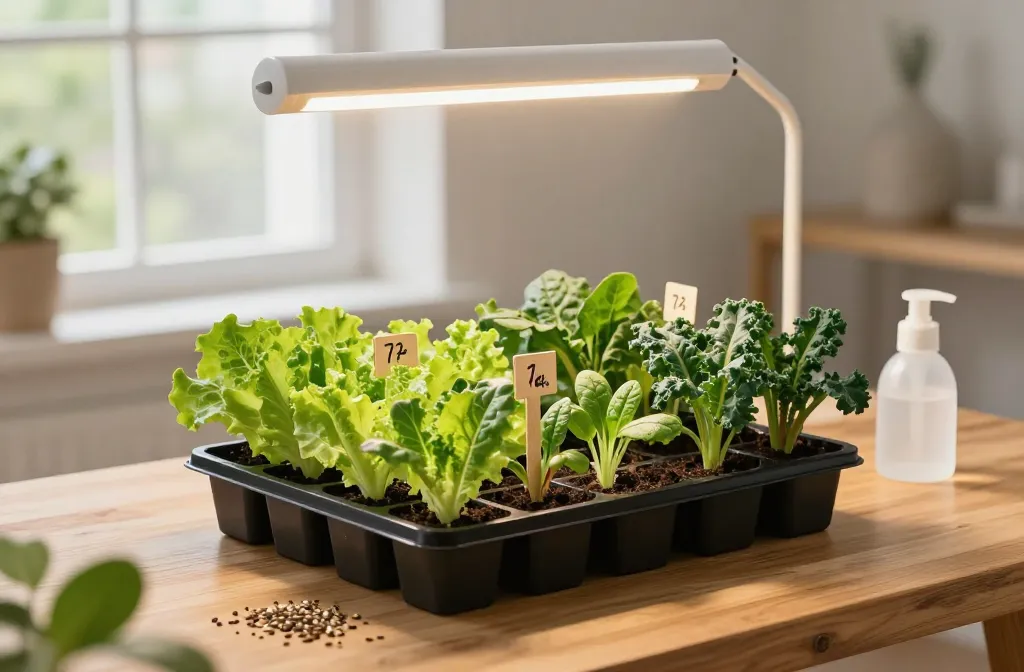
- Lettuce: Butterhead, romaine, and cut-and-come-again mixes love indoor starts. Transplant at 3–4 true leaves.
- Spinach: Start 3–4 weeks ahead, then transplant early; it handles cool soil like a champ.
- Kale: Curly or Lacinato turns into a spring workhorse. It shrugs at light frost.
- Swiss Chard: Colorful stems, huge leaves, zero drama. Great for containers too.
Brassicas That Mean Business
- Broccoli: Start 6–8 weeks before last frost for tight heads and tender side shoots after.
- Cauliflower: Needs steady temps and gentle handling. Indoors = fewer tantrums.
- Cabbage: Transplants beautifully and stores well. Sauerkraut dreams begin here.
Quick-Hit Herbs
- Parsley: Slow to sprout, totally worth it. Soak seeds overnight to speed things up.
- Cilantro: Bolt-prone outside; give it a head start for early salsa vibes.
Heat-Lovers You Should Absolutely Start Inside
When nights still feel like a fridge, these plants prefer the sofa indoors.
The Nightshade Hall Of Fame
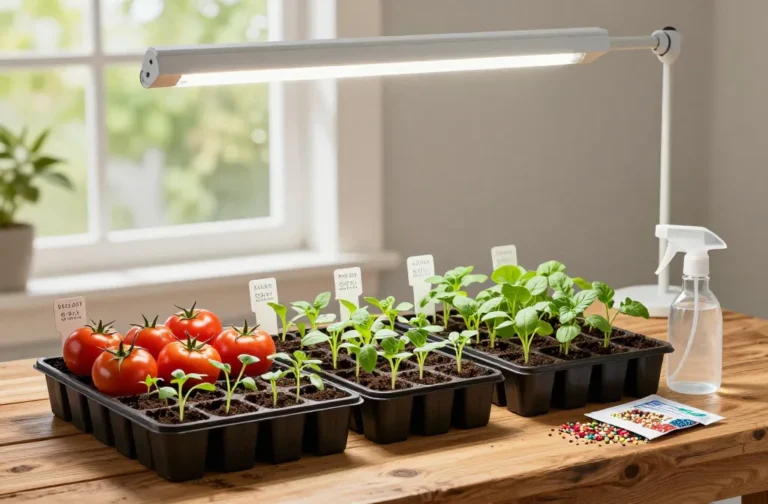
- Tomatoes: 6–8 weeks before last frost is the sweet spot. Pot up once for thicker stems.
- Peppers: 8–10 weeks ahead. They need warmth and patience (like sourdough but tastier).
- Eggplant: 8–10 weeks, loves steady heat and bright light. Great in containers.
More Warm-Season MVPs
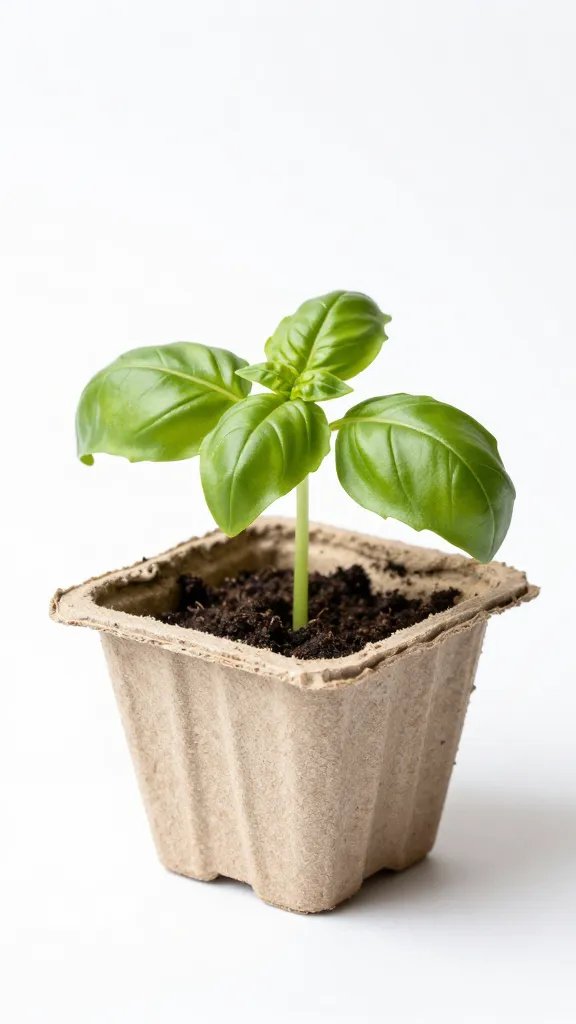
- Basil: Start 4–6 weeks prior. Pinch tops early for bushy plants and pesto on repeat.
- Tomatillos: Start like tomatoes. Always plant at least two for proper pollination.
Underrated Seeds That Thrive Indoors First
You’ll feel clever starting these now.
- Onions and Leeks: Start 8–10 weeks early. Trim tops to 3 inches to keep them stout.
- Celery: Slow germination but epic payoff. Keep evenly moist and don’t rush it.
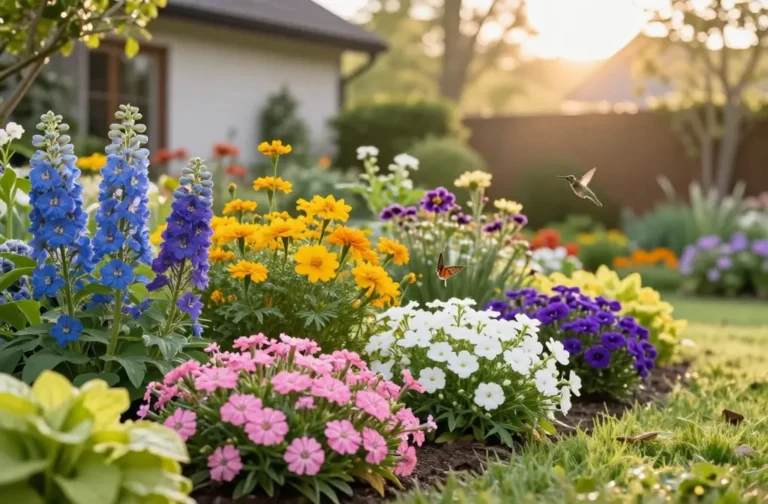
- Flowers With Benefits: Calendula, nasturtiums, and marigolds deter pests and attract pollinators. Also—they’re pretty, which counts IMO.
Setup: Lights, Mix, Action
Great seedlings come from a simple, consistent setup. No need to mortgage your house for gadgets.
Transform Your Home With 7,250+ Stunning Landscaping Designs—No Expensive Designers Needed!
- 🌿 Access 7,250+ stunning landscaping designs.
- 💰 Save thousands—no pro designer needed.
- 🏡 Plans for gardens, patios, walkways, and more.
- ✨ Simple, beginner-friendly DIY layouts.
- 🛠️ Customize any design to fit your yard.
Seed-Starting Essentials
- Soilless mix: Fine-textured seed-starting mix keeps roots happy and disease low.
- Clean trays and cells: Reuse? Sure—just wash and sanitize first.
- Bottom watering: Pour water into the tray; let cells wick it up. Less damping-off, fewer gnats.
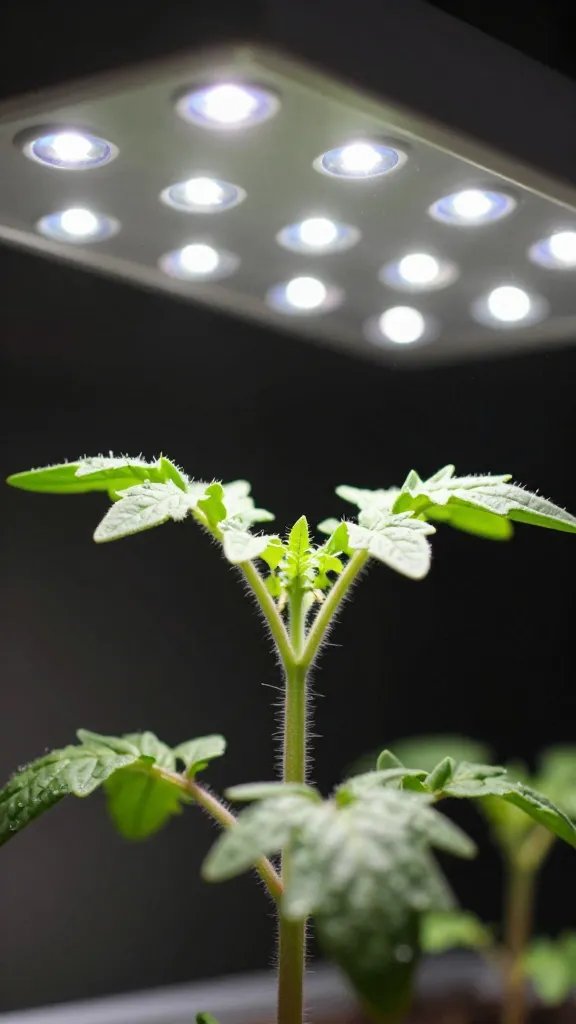
- Grow lights: Keep 2–4 inches above seedlings, 14–16 hours daily. Window light alone usually disappoints.
- Heat mat (optional): Clutch for peppers, tomatoes, and eggplant to speed germination.
Timing Cheatsheet (General)
- 8–10 weeks before last frost: Peppers, eggplant, onions, leeks, celery.
- 6–8 weeks before last frost: Tomatoes, brassicas, parsley.
- 4–6 weeks before last frost: Lettuce, kale, chard, basil, flowers.
Adjust for your zone, obviously. If you don’t know your last frost date, a quick search with your zip code will save the day.
Pro Moves For Strong, Stocky Seedlings
Want thick stems and zero drama? Do this.
- Harden off religiously: 7–10 days outdoors, increasing time daily. Shade first, wind later.
- Fertilize lightly: After first true leaves, feed with half-strength liquid fertilizer every 1–2 weeks.
- Air movement: A small fan toughens stems and discourages disease. Gentle breeze, not a hurricane.
- Pot up selectively: Tomatoes love deeper pots; bury stems. Peppers prefer snug but not cramped.
- Label everything: Future you won’t remember which “mystery green” is which. Trust me.
What Not To Bother Starting Indoors (Usually)
Some seeds hate transplants or grow too fast to justify the fuss.
- Root crops: Carrots, radishes, beets prefer direct sowing for straight roots.
- Beans and peas: They germinate fast outside and dislike root disturbance.
- Corn and squash: Big seeds, fast growers—sow outside once soil warms. If you must, use large cells and transplant young.
Space-Saving Tricks For Small Homes
No spare room? Same. Grow anyway.
- Vertical shelves + LED bars: Stack trays without blocking light.
- Soil blocks or plug trays: Denser packing, better roots, less plastic.
- Staggered sowing: Start a few flats each week for a steady pipeline of transplants.
FAQ
How do I know when to transplant seedlings outside?
Check your last frost date, then back-calculate. Most cool-season crops can go out a couple weeks before it; warm-season divas like tomatoes and peppers need nighttime lows consistently above 50°F. Harden off first so they don’t face-plant from shock.
Why are my seedlings tall and spindly?
That’s classic legginess from weak light or lights set too high. Drop the lights to 2–4 inches above the canopy, run them 14–16 hours, and add a fan for gentle movement. Repot leggy tomatoes deeper; others just need better light.
Do I really need a heat mat?
For peppers, eggplant, and sometimes tomatoes, a heat mat speeds germination and boosts success. For cool crops like lettuce and brassicas, skip it. If budget is tight, prioritize good lights first IMO.
What’s the best watering routine?
Bottom water until the surface feels evenly moist, then let trays dry slightly before the next round. Overwatering invites fungus; underwatering stunts growth. Err on the side of lightly moist, not swampy.
Which seed-starting mix should I use?
Choose a sterile, fine-textured seed-starting mix with peat or coco plus perlite/vermiculite. Avoid heavy garden soil in trays—it compacts and suffocates roots. You can switch to a richer potting mix when you pot up.
Can I reuse seed-starting trays?
Absolutely. Wash with warm soapy water, then sanitize with a mild bleach solution (1:10) or vinegar rinse. Clean gear = fewer fungal issues and better germination, FYI.
Conclusion
Start the right seeds indoors now and you’ll score earlier salads, faster salsas, and happier plants all season. Load up on cool-season greens and brassicas, kick off the heat-lovers under lights, and skip the fussy direct-sow types for later. Keep it simple, keep it consistent, and your future harvests will feel unfairly good—IMO, the best kind of gardening win.