How to Brighten White Clothes Fast Without Bleach
You don’t need a lab or a laundry wizard to revive dingy whites. You just need a few smarter moves and a couple of pantry heroes. I’ll show you what actually works, what ruins fabric, and how to keep whites bright longer than your last New Year’s resolution. Ready to retire those “once-white” tees? Let’s fix it.
Start With A Smart Sort: Not All “White” Is Equal
Mixing fabrics and shades wrecks brightness fast. Sort like a pro before you even touch the detergent.
Tired of snacking when you’re not even hungry? This reset helps you stop the loop and feel back in control.
A simple reset for moments when cravings take over. Easy to use, easy to repeat, and designed to help you feel satisfied instead of stuck.
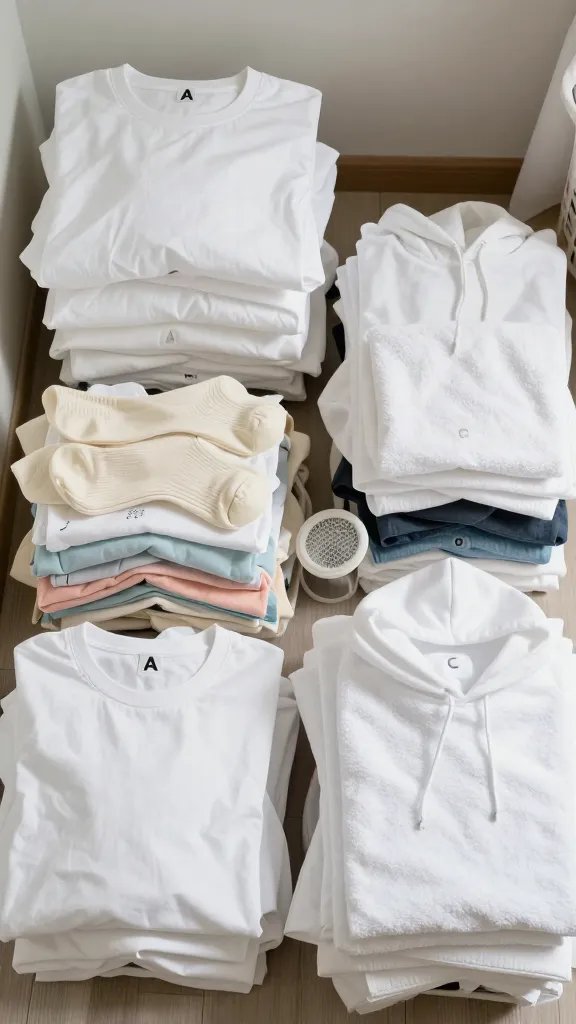
- Separate pure whites from lights. Creams, pastels, and prints bleed micro-dyes that turn whites gray.
- Sort by fabric weight. Wash tees, undies, and sheets together; keep heavy towels and hoodies separate. Heavy lint transfers and dulls everything.
- Check labels. Protein stains (sweat, milk) need enzyme detergent; delicate fabrics (silk, wool) hate high heat and oxygen boosters.
Pre-Treat Like You Mean It
You can’t “wash out” a set-in stain without help.
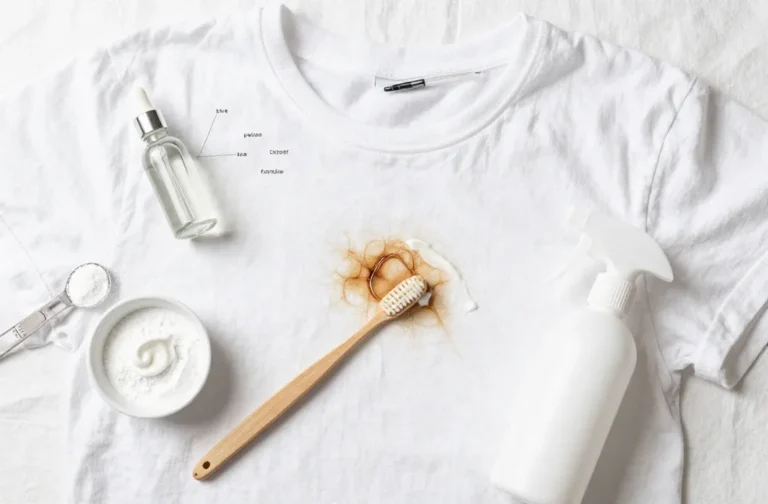
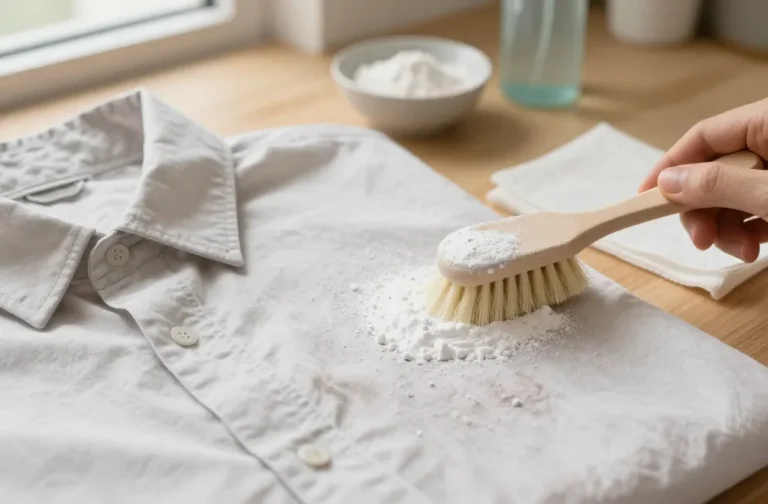
- Armpit stains: Mix 1 tbsp baking soda + 1 tsp water + a drop of dish soap into a paste. Rub, wait 15 minutes.
- Makeup or sunscreen: Dab with rubbing alcohol or micellar water first, then rinse and treat with detergent.
- Food/grass: Use an enzyme stain spray; let it sit 10–20 minutes.
Choose The Right Brighteners: Oxygen, Enzymes, And Friends
Not all whiteners are created equal. Some brighten; some quietly destroy fibers. Let’s pick the good stuff.
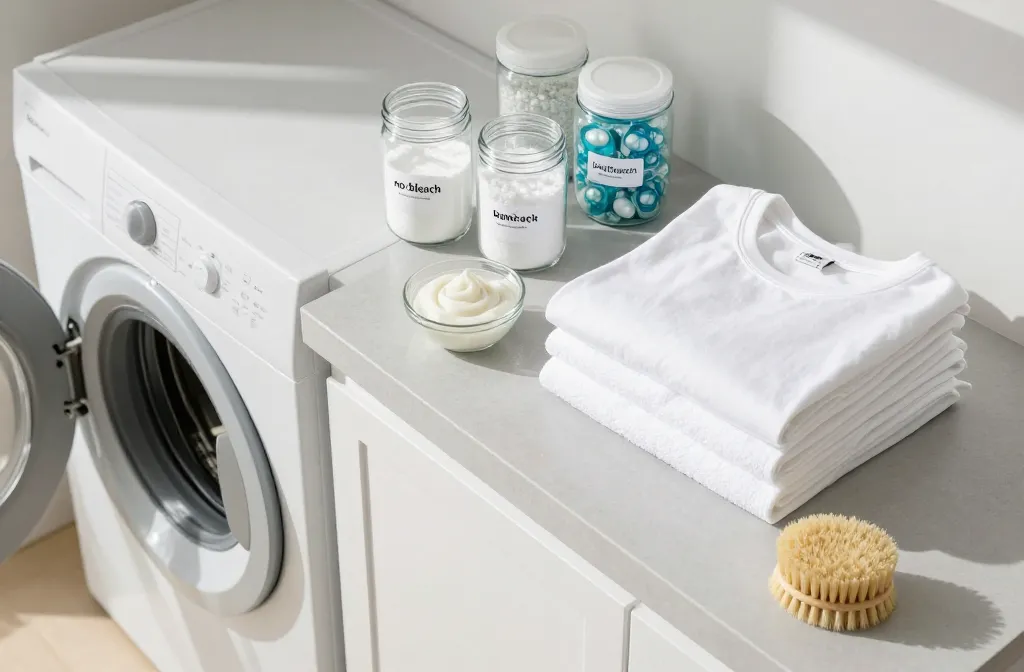
- Oxygen bleach (sodium percarbonate): Safe on most whites. Add 1–2 scoops to the drum or dispenser. Great for soaking, too.
- Enzyme detergents: Look for protease/amylase/lipase on the label. They break down body oils and food that cause yellowing.
- Optical brighteners: They reflect blue light so whites look whiter. Cosmetic? Yes. Helpful? Also yes.
- Detergent dosage: Follow the hard-water dose if you have mineral buildup. Too little = dingy. Too much = residue and gray cast.
Skip The Chlorine Bleach (Most Of The Time)
Chlorine can weaken cotton, yellow synthetics, and ruin elastics. Use it sparingly, diluted, and never with ammonia or vinegar. IMO, oxygen bleach + enzymes handle 95% of needs without drama.
Water Temperature: Hot Isn’t Always Best
Heat helps, but only when fabric allows it.
Transform Your Home With 7,250+ Stunning Landscaping Designs—No Expensive Designers Needed!
- 🌿 Access 7,250+ stunning landscaping designs.
- 💰 Save thousands—no pro designer needed.
- 🏡 Plans for gardens, patios, walkways, and more.
- ✨ Simple, beginner-friendly DIY layouts.
- 🛠️ Customize any design to fit your yard.
- Hot (130°F/54°C): Great for cotton sheets, socks, towels—whiter and more hygienic. Check labels first.
- Warm (90–110°F/32–43°C): Safe middle ground for tees and blends.
- Cold: Best for delicate fibers and elastic-heavy clothing. Use enzyme detergent and longer cycles to compensate.
Hard Water? Fix That First
Mineral-heavy water leaves residue that makes whites dull. Add a water softener (borax or washing soda) or install a softener if your whole laundry looks “meh.” FYI: softening can be the single biggest upgrade for brightness.
Soaking Secrets: When A Regular Wash Won’t Cut It
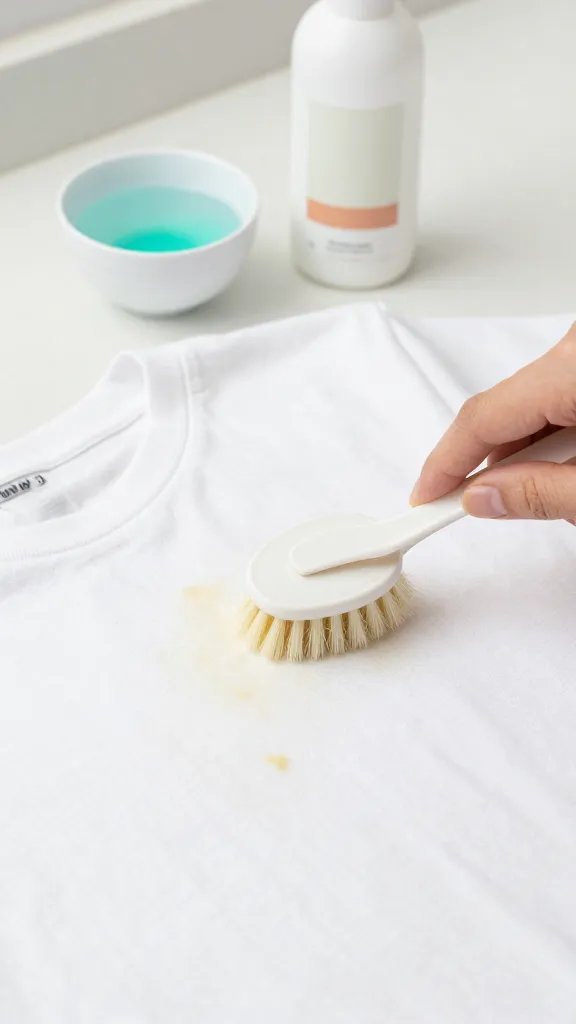
If your whites look tired, give them a spa day.
- Oxygen bleach soak: Dissolve in hot water per package directions. Submerge whites 1–6 hours (overnight for heavy yellowing), then wash as usual.
- Baking soda boost: Add 1/2 cup to the drum for odor control and mild brightening.
- White vinegar rinse: 1/2 cup in the fabric softener slot helps remove detergent residue. Don’t mix vinegar with bleach, ever.
The Blue Trick: Laundry Bluing
Old-school, still genius. A tiny drop of bluing in the rinse adds a faint blue tint that cancels out yellow. Follow the bottle closely—too much and you’ll rock Smurf-core.
Drying: Where Many Whites Go To Die
Dryer mistakes set stains and dull fibers.
- Sunlight is a natural whitener. Line-dry in the sun for cottons. UV helps lift lingering yellow.
- Low heat or air-dry for delicates. High heat sets stains and breaks down elastics.
- Over-drying = dingy look. Stop when slightly damp and finish on a rack if needed.

Weekly Habits That Keep Whites White
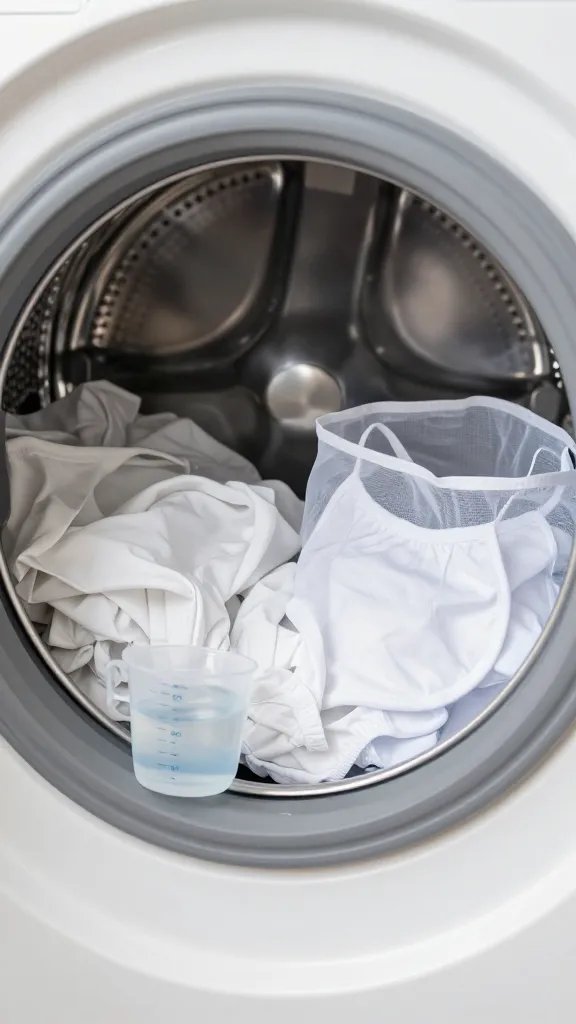
You don’t need heroics every time—just consistency.
- Wash whites after 1–2 wears. Body oils cause yellowing if they sit.
- Use enough detergent for the load size. Large loads need more; don’t skimp.
- Skip fabric softener on towels and tees. It coats fibers and traps grime. Try wool dryer balls instead.
- Clean your washer monthly. Run a hot cycle with a washer cleaner or 2 cups white vinegar, then a second rinse.
- Have a “sweat plan.” Wear sweat guards or undershirts with dress shirts. Rinse workout gear ASAP.
Quick Brightness Boosters (When Company’s Coming In 2 Hours)
– Add 1 scoop oxygen bleach + warm water + extra rinse.
– Use the “whites” cycle with higher agitation.
– Toss in a laundry booster with optical brighteners.
– Dry in sunlight if possible. Fast, free, effective.
What To Avoid (Because Regret Doesn’t Rinse Out)
- Chlorine bleach + protein stains: It can make yellowing worse. Pre-treat first.
- Mixing lint-heavy items with smooth cotton. Hello, gray fuzz film.
- Overloading the washer. Clothes need water room to release soil.
- Undissolved powders in cold water. Pre-dissolve or use liquid in cold cycles.
- Random kitchen hacks without testing. Lemon juice + sun can weaken fibers over time. Patch test, IMO.
FAQs
Can I use hydrogen peroxide to whiten my clothes?
Yes—3% hydrogen peroxide works as a gentler whitener. Add 1 cup to the bleach dispenser for a regular load or soak diluted in warm water for 30–60 minutes. It’s basically a mild oxygen bleach. Safe for most whites, but test on anything delicate.
Why do my white shirts turn yellow in the armpits?
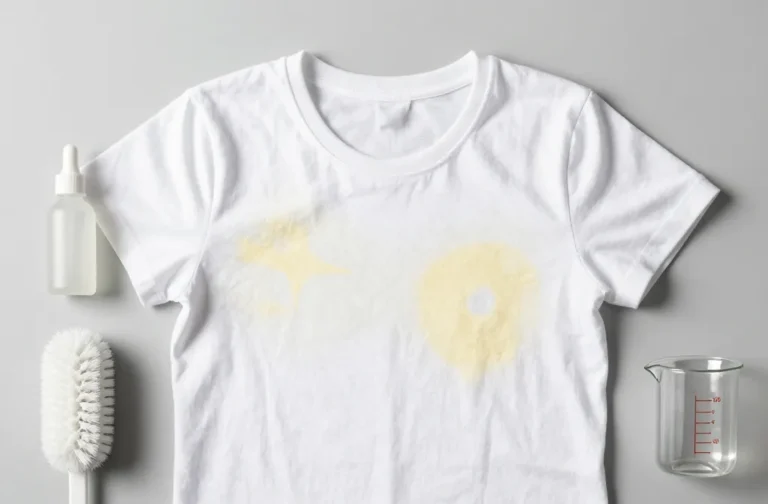
Antiperspirant + body oils + detergent residue equals yellowing. Pre-treat pits with an enzyme cleaner or a baking soda paste before every wash. Switch to a clear or low-aluminum deodorant, and wash after each wear. Don’t bake in sweat with high dryer heat.
How do I brighten polyester or blends?
Use warm water, enzyme detergent, and oxygen bleach soaks. Skip high heat, because synthetics can yellow or get shiny. Optical brighteners help a ton on poly/cotton blends, and sunlight drying still works—just avoid hours of harsh midday sun.
Is bluing safe for all fabrics?
Mostly for washable cottons and blends. Avoid on silk, wool, or anything “dry clean only.” Always dilute bluing per directions and add during the rinse. If you overdo it, rewash with clear water.
Do whitening toothpastes or aspirin in the wash actually help?
Toothpaste? Messy and meh. Aspirin? Minimal to no real whitening. Stick with oxygen bleach, enzymes, and proper dosing. Your washer will thank you, and so will your schedule.
How often should I deep-soak whites?
Every 4–6 washes for stuff that sees sweat and skin oils (tees, pillowcases). For towels and sheets, a monthly oxygen-bleach soak keeps them bright and fresh. If your water’s hard, consider more frequent boosts or add a softener every wash.
Conclusion: Bright Whites, Less Fuss
You don’t need magic—just better habits. Sort smarter, lean on enzymes and oxygen bleach, mind your water temp, and let the sun do its thing. Tackle stains before they set and skip the fabric softener film. Do that, and your whites stay crisp, clean, and—dare I say—blindingly good. FYI: your future self will brag every laundry day.