How to Get Sharpie Out of Clothes Fast and Safely
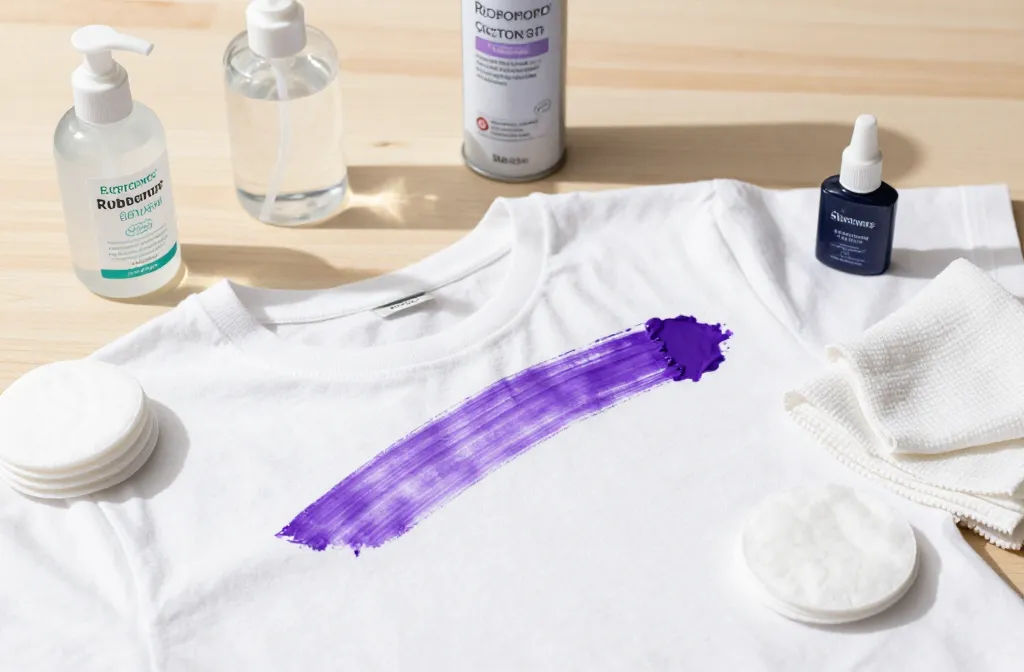
Accidentally turned your favorite shirt into a canvas? Sharpie strikes fast, but you can strike faster. The trick: act quickly, use the right solvent, and don’t nuke the stain in the dryer. I’ll show you exactly what to grab from your bathroom, bar cart, or laundry shelf to rescue your outfit—no panic required.
First Things First: Know Your Fabric
Before you go full mad scientist, check the label. Cotton and polyester handle solvents well. Delicate fabrics like silk, wool, or rayon need extra caution.
Tired of snacking when you’re not even hungry? This reset helps you stop the loop and feel back in control.
A simple reset for moments when cravings take over. Easy to use, easy to repeat, and designed to help you feel satisfied instead of stuck.
- Cotton/Poly: Most methods below work great.
- Denim: Tough fabric—feel free to go aggressive.
- Silk/Wool/Rayon: Spot test everything on a hidden area first.
- Dry-Clean Only: Blot the stain, then go to a professional. Don’t risk it.
What Actually Works On Sharpie (And Why)
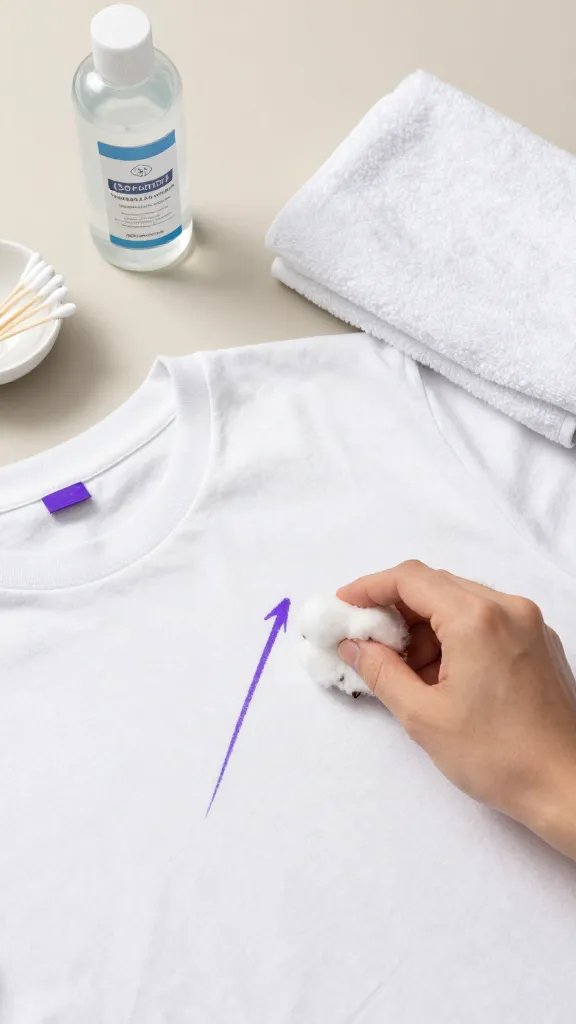
Sharpie = permanent marker = alcohol-based ink. So you need a solvent that dissolves it. Good news: you probably own several.
- Rubbing alcohol (isopropyl 70–90%): The MVP. Breaks down ink fast.
- Hand sanitizer: Alcohol + gel keeps it in place. Great for spot work.
- Hairspray: Works only if it’s alcohol-heavy. Read the label.
- Nail polish remover (acetone): Super strong. Use on whites or sturdy fabrics; spot test always.
- Non-acetone remover: Gentler, sometimes slower.
- WD-40 or oil-based products: Can loosen ink, but you must degrease afterward.
- Laundry stain removers/oxygen bleach: Great as a follow-up after solvent lifts most ink.
- Milk and vinegar? Cute on TikTok, not great here. Skip.
The Step-By-Step Playbook (Start Here)
Follow this flow and you’ll save time—and shirts.
- Blot, don’t rub. Place the stained area face down on paper towels. You want the ink to transfer out, not sink deeper.
- Test your solvent. Pick one (alcohol is best) and spot test inside a hem.
- Apply from the back. Dab solvent on the backside of the stain. Ink should bleed onto your paper towel underneath. Replace towels as they saturate.
- Lift and repeat. Keep dabbing until you see real progress. Patience beats scrubbing.
- Rinse with cool water. Flush out leftover solvent.
- Pretreat. Work in liquid laundry detergent or a stain remover gel with your fingers or a soft brush.
- Wash on cold. Hot water can set any lingering stain. Check the spot before drying.
- Air-dry first. If you still see a shadow, repeat treatment. Never machine dry until the stain is gone.
Quick Decision Tree
- Light/White Cotton: Rubbing alcohol → acetone (if needed) → wash cold.
- Colorfast Tee: Rubbing alcohol or hand sanitizer → stain remover → wash.
- Delicate Fabric: Diluted alcohol (50/50 with water), gentle dabs → professional cleaner if no progress.
- Old, Set-In Stain: Alcohol soaks + patience → oxygen bleach soak → repeat.
Method Match-Ups: Choose Your Weapon
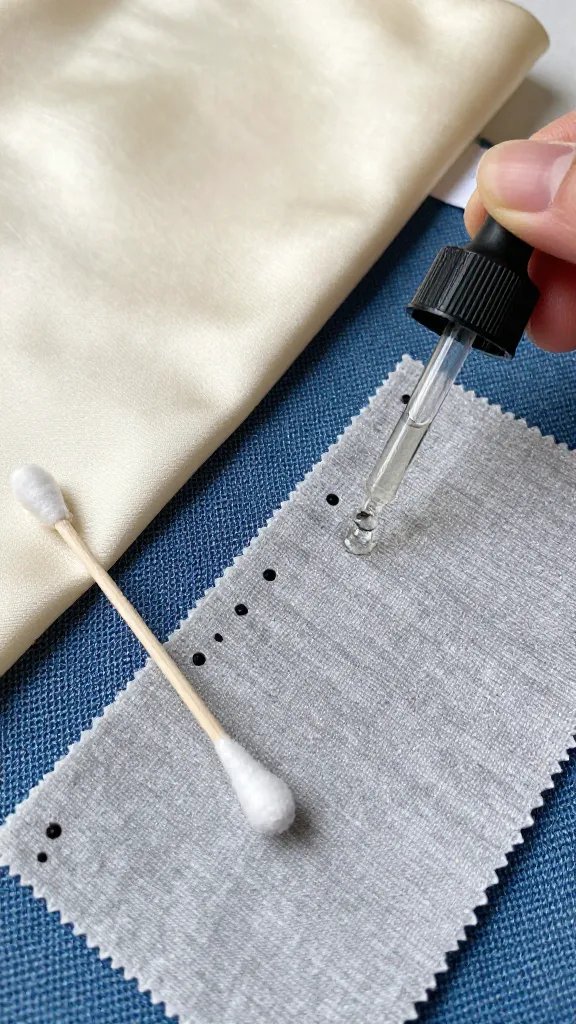
Rubbing Alcohol Method (Best All-Around)
– Slide paper towels under the stain.
– Dab alcohol with a cotton ball, working from outside in.
– Rotate to clean towels as the ink transfers.
– Rinse, pretreat, wash cold.
Why it works: Alcohol dissolves Sharpie’s dye and resin binders fast. IMO, this is your first stop.
Hand Sanitizer Hack (On-The-Go Hero)
– Squeeze a pea-sized gel onto the stain.
– Let it sit 1–2 minutes.
– Blot with a paper towel; repeat until lighter.
– Rinse, pretreat, wash.
FYI: Avoid colorful scented gels that can leave residue.
Transform Your Home With 7,250+ Stunning Landscaping Designs—No Expensive Designers Needed!
- 🌿 Access 7,250+ stunning landscaping designs.
- 💰 Save thousands—no pro designer needed.
- 🏡 Plans for gardens, patios, walkways, and more.
- ✨ Simple, beginner-friendly DIY layouts.
- 🛠️ Customize any design to fit your yard.
Acetone/Nail Polish Remover (Heavy Artillery)
– Spot test, especially on synthetics.
– Use a cotton swab to touch just the ink.
– Blot from behind and below with clean towels.
– Rinse thoroughly, then pretreat and wash.
Heads-up: Acetone can remove dye from colored fabrics and damage acetate or triacetate. Proceed carefully.
Hairspray Throwback (Sometimes Works)
– Only use alcohol-based hairspray; many formulas switched to low-alcohol.
– Spray a small amount, blot fast, and swap paper towels often.
– Rinse, pretreat, wash.
Reality check: If nothing happens in 30 seconds, switch to rubbing alcohol.
WD-40/Oil Method (Last Resort)
– Spray a little on the stain and blot to loosen ink.
– Follow with dish soap to cut the grease.
– Rinse well, then pretreat and wash.
Caveat: You’ll fix the ink but add oil if you don’t degrease properly.
Special Cases You’ll Thank Yourself For Reading
Fresh vs. Dried Stains
– Fresh: Blot immediately and go straight for alcohol. You’ll likely win in minutes.
– Dried/Heat-Set: Tougher but not impossible. Plan multiple rounds and an oxygen bleach soak (color-safe).
Patterns and Dark Colors
– Use alcohol with gentle dabbing and quick rinses.
– Don’t smear the ink halo outward; dab from edges toward center.
– If color lifts from fabric, stop and try a gentler method.
Kids’ Clothes and Sensitive Skin
– Stick to rubbing alcohol followed by a full rinse and normal wash.
– Avoid strong fragrances or WD-40 on baby clothes. Common sense, please.

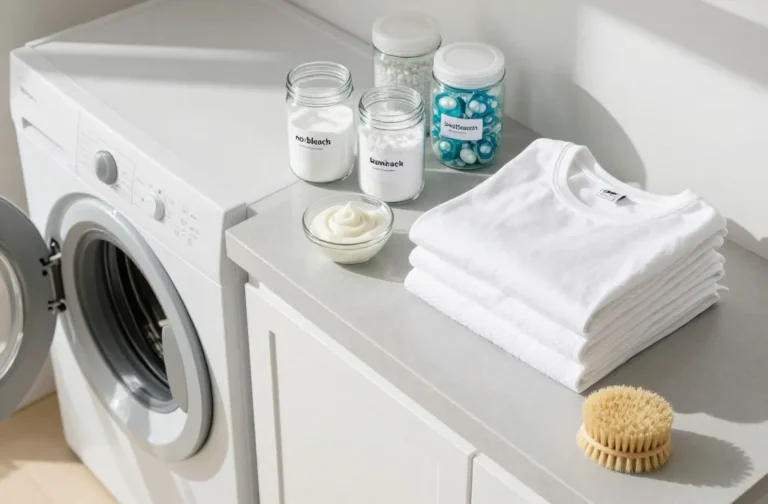
Oxygen Bleach Soak: The Finisher
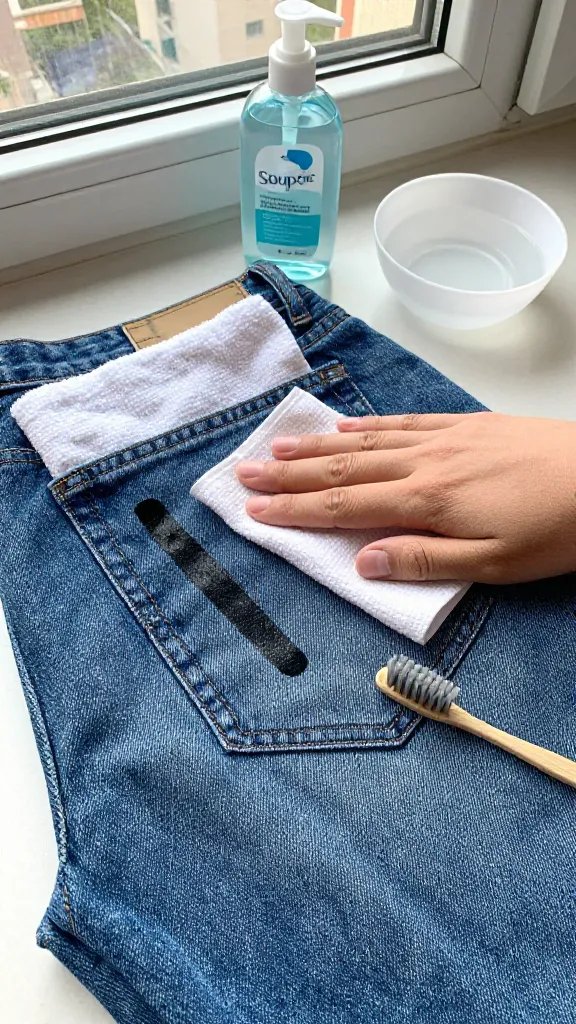
When a faint shadow lingers, try this:
– Mix oxygen bleach (color-safe, like sodium percarbonate) with warm water per package directions.
– Soak 1–6 hours depending on fabric.
– Rinse, inspect in natural light, then wash cold.
Note: Don’t swap in chlorine bleach on colors—it can set the stain or cause yellowing.
What Not To Do (Learn From Pain)
- Don’t rub hard. You’ll spread the stain and fuzz the fabric.
- Don’t use hot water first. Heat can lock in the ink.
- Don’t machine dry until the stain disappears completely.
- Don’t mix solvents. Pick one, rinse, then try another.
- Don’t skip the spot test, especially on delicates.
FAQ
Can I remove Sharpie from white shirts completely?
Often, yes. Start with rubbing alcohol, then escalate to acetone if needed. Follow with a good detergent and an oxygen bleach soak. Check progress in bright light before drying.
Will vinegar or baking soda remove Sharpie?
Not effectively. Sharpie ink is alcohol-based, so you need alcohol or similar solvents. Vinegar and baking soda shine with food stains, not permanent markers.
Is hand sanitizer safe on colored fabrics?
Usually. Still, spot test to make sure the fabric dye doesn’t bleed. Use a clear, unscented sanitizer and rinse thoroughly before washing.
What if the stain spread while I treated it?
No worries—place thicker paper towels underneath and work from the outer edge inward with small dabs. Replace towels often. Then rinse, pretreat, and wash cold.
Can I use hydrogen peroxide?
Peroxide works better on protein or dye transfer stains, not permanent marker. It won’t hurt most fabrics when diluted, but alcohol delivers faster, clearer results here.
How many times should I repeat the process?
As many as it takes, within reason. If two to three alcohol rounds don’t move it, switch solvents or do an oxygen bleach soak. IMO, persistence + the right solvent wins.
Wrap-Up: You’ve Got This
Sharpie feels scary, but it’s beatable with smart moves and the right helpers. Start with alcohol, apply from the back, blot like a pro, and never bake the stain in the dryer. If needed, level up to acetone or finish with an oxygen bleach soak. FYI: once you rescue one shirt, you’ll feel unstoppable the next time a marker misfires.