How to Remove Paint From Clothes Fast Without Ruining Them
Spilled paint on your go-to jeans? Been there. The good news: you can usually fix it, even if it looks tragic right now. The trick is knowing what kind of paint you’re dealing with and acting fast. Let’s save your wardrobe and your dignity—no judgment, just solid, easy steps that work.
First, Identify The Paint: Water, Oil, Or Mystery Goo?
Before you scrub like a maniac, figure out the paint type. Why? Because the wrong method can make the stain dig in deeper.
Tired of snacking when you’re not even hungry? This reset helps you stop the loop and feel back in control.
A simple reset for moments when cravings take over. Easy to use, easy to repeat, and designed to help you feel satisfied instead of stuck.
- Water-based (latex/acrylic) paint: Cleans up with water. You typically see this in wall paint and craft acrylics.
- Oil-based paint: Needs a solvent (like mineral spirits). Often used for trim, furniture, and outdoor projects.
- Unknown? Check the can label if you can. If not, test how it reacts to water. If it softens, it’s likely water-based. If it laughs at water, it’s oil-based.
Quick Pro Tips
- Act fast. Wet paint comes out easier than dry paint. Shockingly easier.
- Blot, don’t rub. Rubbing spreads the stain and pushes it into fibers.
- Test every product first on an inside seam. You don’t want a bigger disaster.
How To Remove Wet Water-Based (Latex/Acrylic) Paint
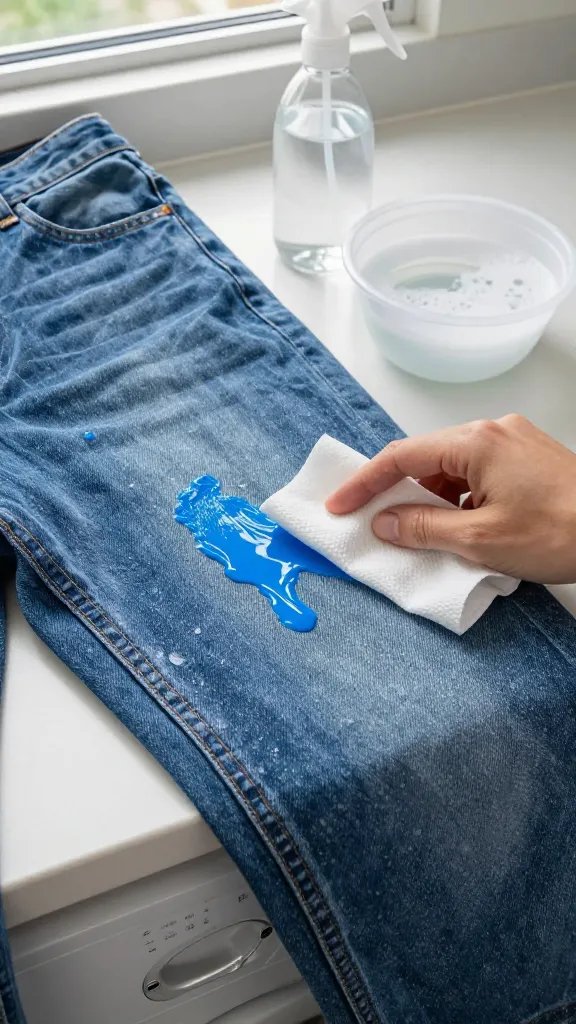
If the paint is still wet, you’re in the clear. Do this:
- Rinse from the back of the fabric under cool running water to push paint out, not deeper in.
- Apply liquid dish soap or laundry detergent directly to the stain and gently work it in with your fingers or a soft brush.
- Keep rinsing and soaping until the paint lightens significantly.
- Launder on cool with your usual detergent. Air-dry only—heat can set any leftover stain.
For Stubborn Residue
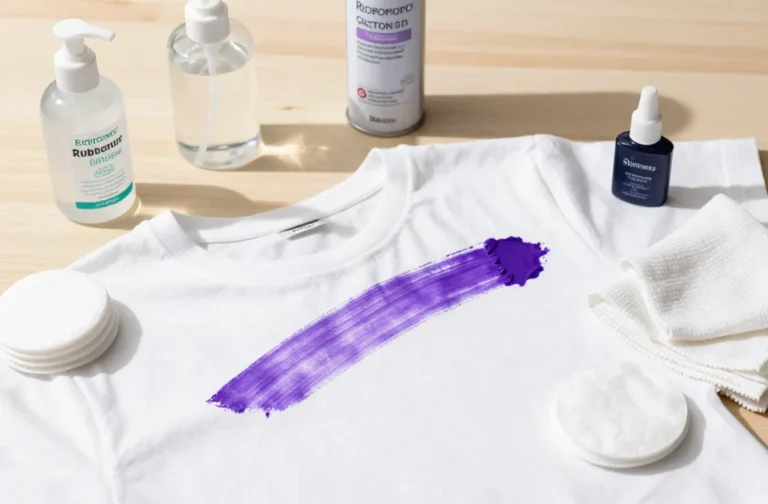
- Add a bit of rubbing alcohol and blot. It breaks down acrylics nicely.
- Use a stain remover spray before washing again.
How To Remove Dried Water-Based Paint
Dried paint takes more patience, but you’ve got this.
- Scrape gently with a dull knife or spoon to lift crusty bits.
- Soak the area in a mix of warm water and a little dish soap for 15–30 minutes.
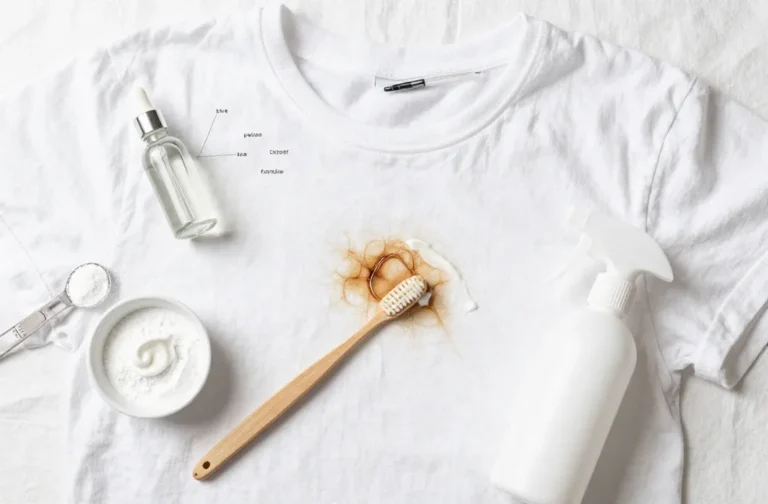
- Dab with rubbing alcohol or hand sanitizer and work it in with a soft brush or old toothbrush.
- Rinse and repeat until the stain fades.
- Wash and air-dry. Check before drying. If you still see paint, go another round.
When Acrylics Fight Back
- Use acetone (nail polish remover) sparingly on colorfast fabrics. Dab, don’t soak.
- Avoid acetone on acetate, rayon, or anything delicate. It can melt or discolor them—hard pass.
How To Remove Oil-Based Paint
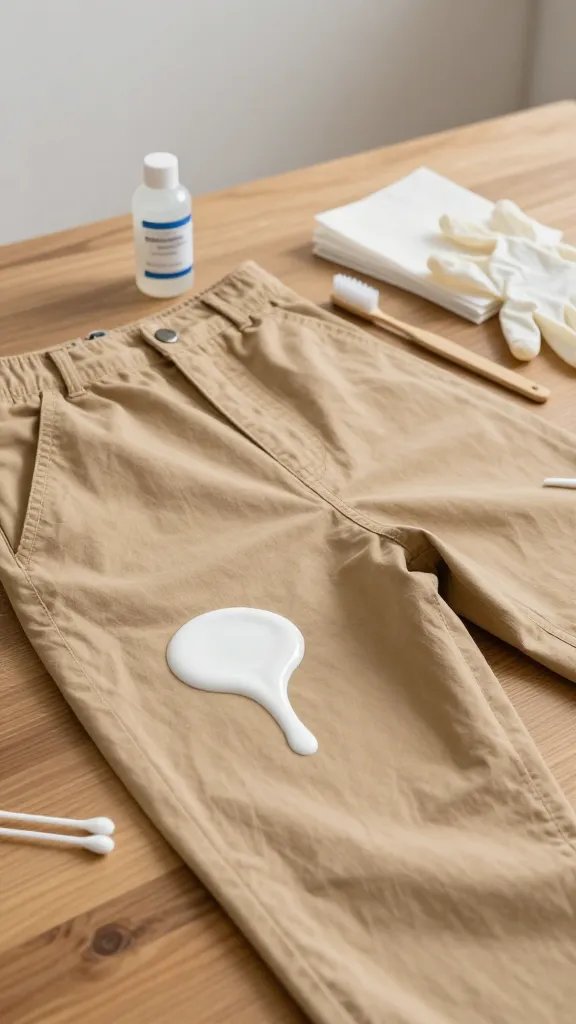
Oil-based paint cries solvent, not water. Time for the heavy hitters.
- Check the label for the recommended solvent (often mineral spirits or turpentine).
- Blot the stain with a cloth dipped in the solvent. Work from the outside in.
- Swap to clean areas of the cloth as color transfers. Keep blotting until the paint loosens.
- Rinse thoroughly with cool water.
- Pre-treat with liquid detergent and scrub gently with a soft brush.
- Wash on warm if the fabric allows. Air-dry and inspect.
Safety Notes (Because We Like Our Brain Cells)
- Ventilate well. Open windows or work outside.
- Wear gloves. Your skin will thank you.
- Keep solvents far from open flames or heat sources. FYI, that includes dryers.
Special Fabrics: Denim, Delicates, And Everything In Between
Different fabrics need different energy levels. Choose wisely.
Transform Your Home With 7,250+ Stunning Landscaping Designs—No Expensive Designers Needed!
- 🌿 Access 7,250+ stunning landscaping designs.
- 💰 Save thousands—no pro designer needed.
- 🏡 Plans for gardens, patios, walkways, and more.
- ✨ Simple, beginner-friendly DIY layouts.
- 🛠️ Customize any design to fit your yard.
Denim And Heavy Cottons
- Go harder: Scrape, soak, and use alcohol or acetone for water-based paint if needed.
- Oil-based? Mineral spirits plus elbow grease, then a hot wash if the tag allows.
Delicates (Silk, Wool, Rayon)
- Skip harsh solvents. Blot with mild detergent and cold water first.
- For oil-based stains, use a tiny amount of mineral spirits on a cotton swab, test first, and stop if dye lifts.
- When in doubt, take it to a pro cleaner ASAP and tell them exactly what paint you used.
Synthetics (Polyester, Nylon)
- Water-based paint: Alcohol works well; acetone can be risky on some synthetics.
- Always test: Synthetics can discolor or get shiny if you over-scrub.

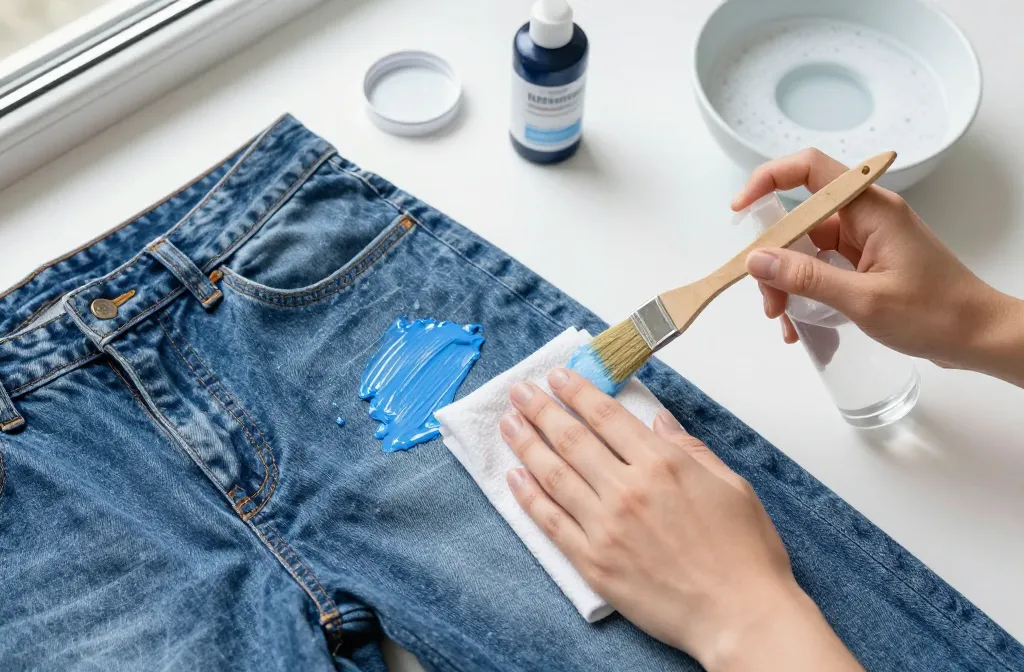
Toolbox: What You’ll Need (And Probably Already Have)
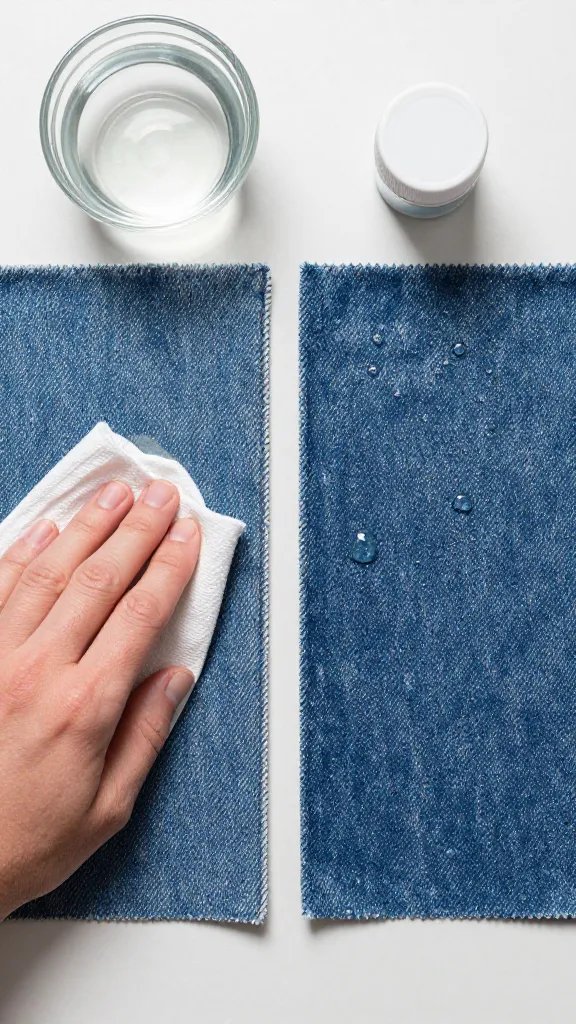
Stock these and you’ll feel like a laundry wizard, IMO.
- Liquid dish soap and laundry detergent
- Rubbing alcohol or hand sanitizer
- Acetone/nail polish remover (for certain fabrics only)
- Mineral spirits or turpentine for oil-based paint
- Old toothbrush or soft-bristle brush
- Dull knife/spoon for scraping
- Paper towels/clean white cloths for blotting
- Stain remover spray for the final round
Advanced Moves For Stubborn Stains
Sometimes the stain digs in and mocks your efforts. Time to flex.
Glycerin Soak (Great For Dried Acrylics)
- Apply liquid glycerin to the stain and let it sit 30 minutes. It softens the paint film.
- Follow with alcohol and gentle scrubbing, then rinse and wash.
Oxygen Bleach Boost (Color-Safe)
- Soak in oxygen bleach and cool water for 1–6 hours (follow package directions).
- Rinse and launder. This won’t fix oil-based paint but helps lingering tint.
Enzyme Detergent
- Use an enzyme-heavy detergent for cottons and blends. It won’t dissolve paint, but it removes grime that locks stains in.
Common Mistakes To Avoid
- Don’t use hot water first. Heat can set stains permanently.
- Don’t toss it in the dryer until the stain disappears. The dryer is the point of no return.
- Don’t scrub too hard. You’ll fuzz the fabric and still see the stain—double whammy.
- Don’t mix solvents. Choose one, stick with it, and rinse well before trying another.
FAQ
Can I remove paint from clothes after it fully dries?
Yes, but it takes more patience. Start by scraping off the crusty layer, then use rubbing alcohol for water-based paints or mineral spirits for oil-based. Work slowly, blot often, rinse, and repeat. Air-dry between rounds to check progress.
Will nail polish remover ruin my clothes?
Sometimes. Acetone can damage acetate, rayon, and some synthetics, and it can mess with dyes. Test on a hidden spot first. If you see color transfer or fabric puckering, bail and try rubbing alcohol instead.
What if I don’t know what kind of paint it is?
Try water first. If it softens or thins, treat it like water-based with soap and alcohol. If it ignores water completely, move to mineral spirits on a small test area. FYI, the paint can label (if you still have it) gives you the exact solvent.
Is there any hope for white shirts with paint stains?
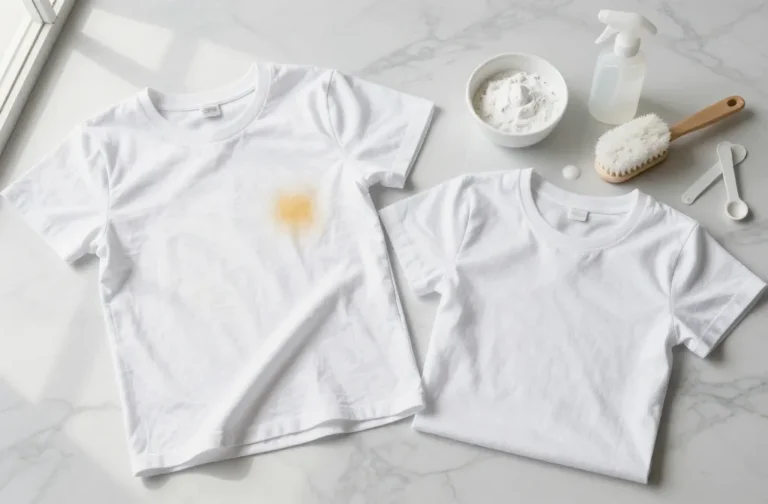
Totally. Use the right solvent for the paint, then finish with an oxygen bleach soak. For pure whites, chlorine bleach can help as a last resort—but only if the fabric allows it and you’ve rinsed out all solvents first.
Should I take it to a dry cleaner?
If the fabric is delicate, expensive, or the stain is oil-based and old, yes. Bring the garment ASAP and tell them exactly which paint and any products you tried. The more info they have, the better your odds.
Does hairspray work on paint stains?
Old-school trick, but meh. Many modern hairsprays are low-alcohol, so they don’t dissolve paint well. Straight rubbing alcohol or hand sanitizer works better and causes less sticky chaos, IMO.
Conclusion: You Can Absolutely Save That Outfit
Paint on clothes feels like a style obituary, but it doesn’t have to be. Identify the paint, use the right cleaner, and stay patient. Blot, rinse, treat, repeat, then air-dry until you win. With the right moves, your favorite tee lives to see another DIY day.