How to Get White Clothes White Again Fast and Flawless
Let’s be real: nothing kills a crisp outfit like dingy “former white” clothes. The good news? You can bring them back from the beige abyss with a few smart moves and zero drama. I’ll show you what actually works, what to avoid, and when to call it quits. Ready to revive those tees, towels, and socks?
Start With A Reality Check (And Sort Like You Mean It)
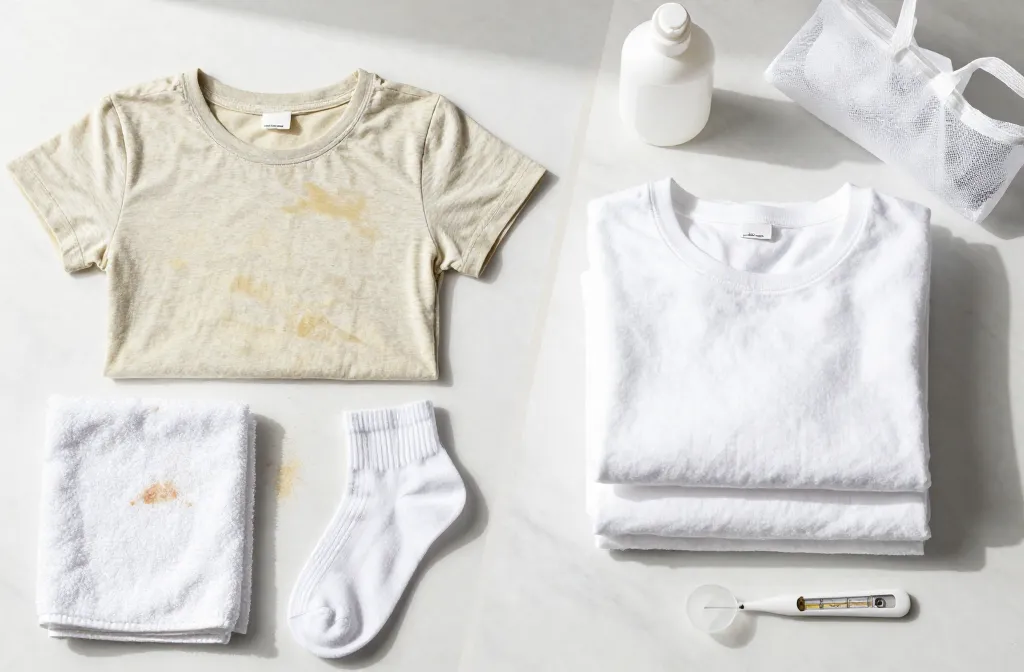
Before you grab every brightening potion on the shelf, diagnose the situation. Are your whites grey, yellow, or stained in specific spots? Different culprits need different fixes.
Tired of snacking when you’re not even hungry? This reset helps you stop the loop and feel back in control.
A simple reset for moments when cravings take over. Easy to use, easy to repeat, and designed to help you feel satisfied instead of stuck.
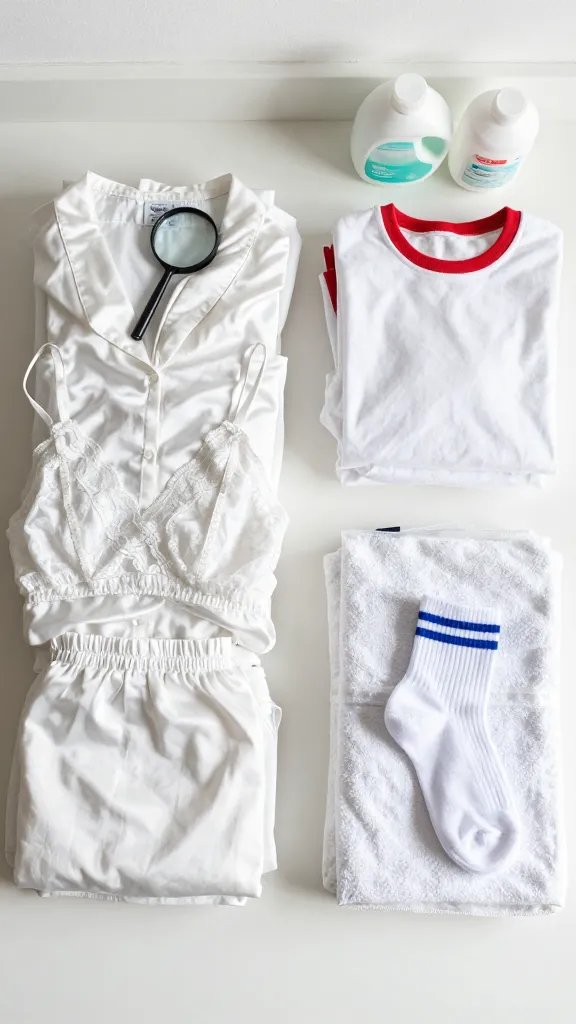
- Sort by fabric and filth. Wash delicate whites (silk, lace) separately from heavy whites (towels, socks). Separate very dirty gym socks from that nice white shirt. Obvious? Yes. Skipped? Also yes.
- Ditch the color contamination. Pull out anything “mostly white” with colored trims or prints. Those sneaky dyes bleed and cause the dingy cast.
- Check care labels. High heat helps, but only if the fabric agrees. Cotton loves it. Elastane? Not so much.
Pre-Treat Like A Pro
If you toss stained whites straight into the wash and hope for a miracle, I salute your optimism. But let’s do better.
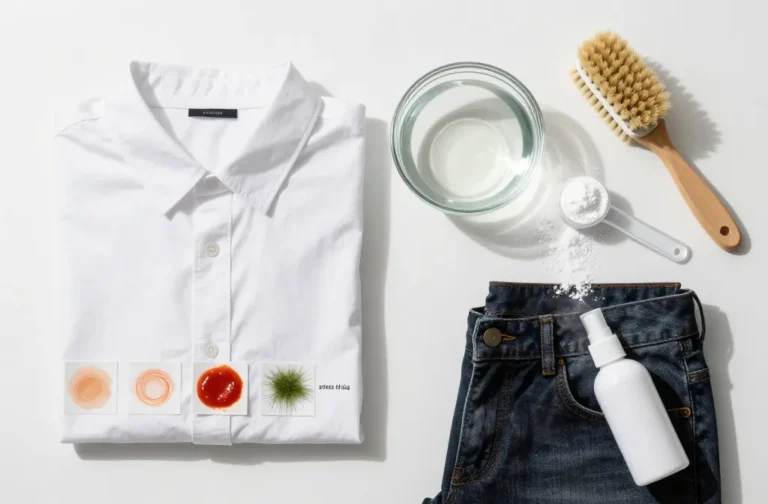
Spot Treat Stains First
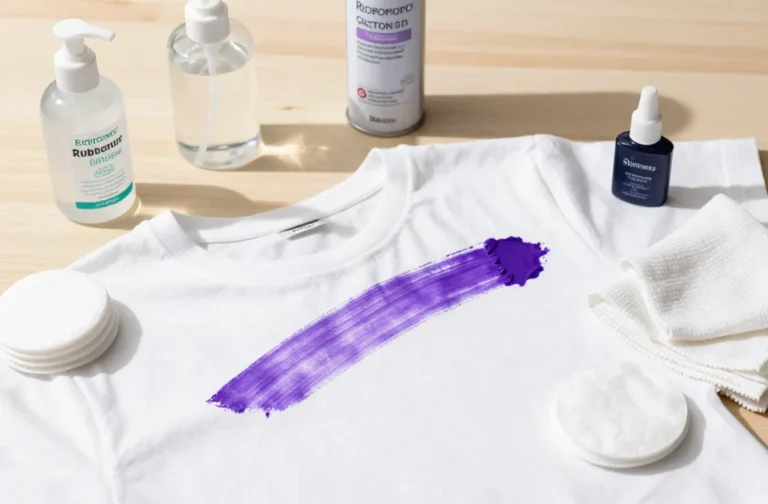
- Protein stains (sweat, milk): Use an enzyme-based stain remover. Gently rub it in and wait 10–15 minutes.
- Oily stains (makeup, salad dressing): Dab liquid dish soap on the spot. Work it in with a soft brush or your fingers.
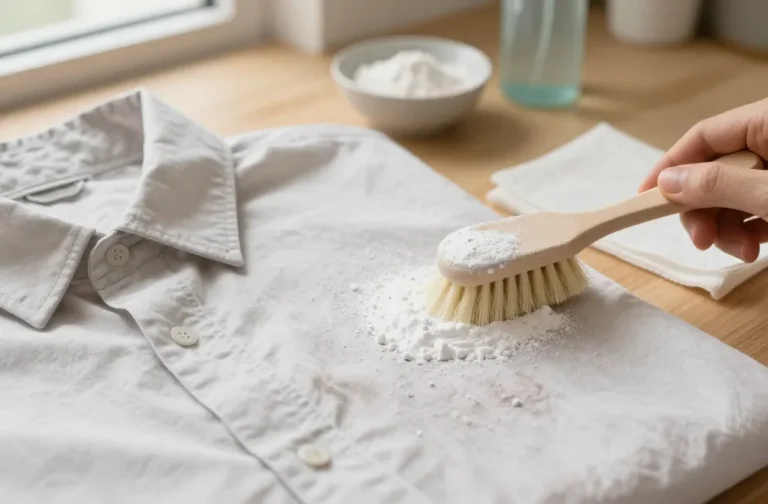
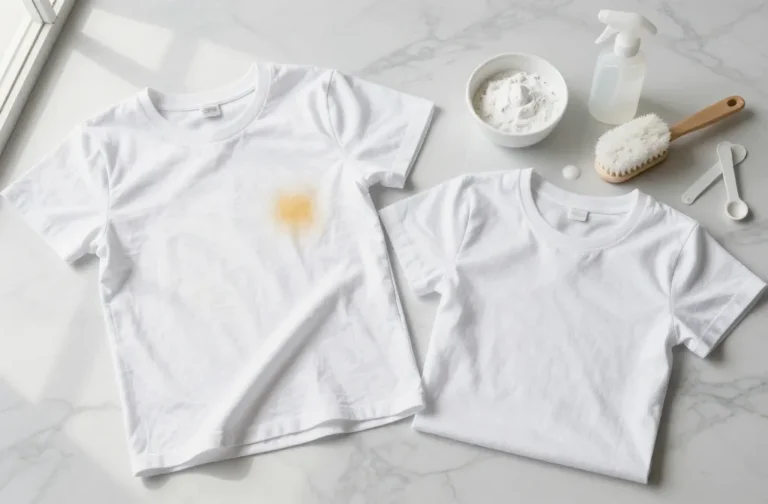
- Deodorant/yellow underarm stains: Make a paste with baking soda + hydrogen peroxide (3%) + a drop of dish soap. Apply, let sit 30 minutes.
- Mud/grass: Let mud dry, brush off, then enzyme treatment. Don’t over-scrub or you’ll fuzz the fabric.
Try A Whitening Soak
For overall dinginess, a soak beats a one-and-done wash.
- Oxygen bleach soak (sodium percarbonate): 1–2 scoops in warm water for 1–6 hours. Safe for most fabrics and colors on white prints. Rinse before washing.
- Hydrogen peroxide bath: 1 cup of 3% peroxide in a basin of warm water for 30–60 minutes. Great gentle brightener.
Skip chlorine bleach on protein stains (like sweat) at first. It can set them and cause yellowing. IMO, treat first, bleach later if needed.
Dial In Your Detergent And Add-Ins
Your detergent does most of the heavy lifting. Help it help you.
Transform Your Home With 7,250+ Stunning Landscaping Designs—No Expensive Designers Needed!
- 🌿 Access 7,250+ stunning landscaping designs.
- 💰 Save thousands—no pro designer needed.
- 🏡 Plans for gardens, patios, walkways, and more.
- ✨ Simple, beginner-friendly DIY layouts.
- 🛠️ Customize any design to fit your yard.
- Use a quality enzyme detergent. Enzymes break down protein and starch gunk that dulls whites.
- Add boosters wisely:
- Oxygen bleach: Brightens and tackles body soil. My go-to.
- Water softener (washing soda or a laundry booster): Hard water causes greying. Softener keeps detergents effective.
- Chlorine bleach (sparingly, on bleach-safe cottons): Use only when whites look truly hopeless and labels allow. Add during the wash cycle, not directly on fabric.
- Bluing agents: They add a faint blue tint that cancels yellow. Old-school trick, still works. Follow directions carefully.
- Avoid fabric softener. It leaves residue that attracts dirt and dulls whites. Use white vinegar (1/2 cup in the rinse) if you want a softer feel and less residue.
Temperature, Cycle, And Load Size: The Boring Stuff That Matters
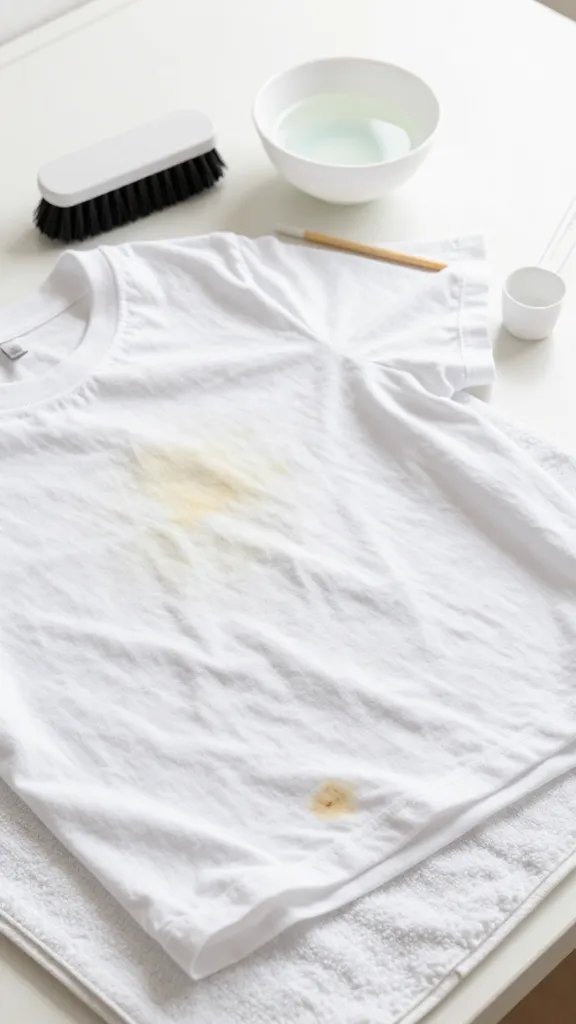
You can’t out-bleach a bad wash setup. Nail these basics.
- Use the hottest water safe for the fabric. Hot water dissolves body oils and detergent better. Check labels first.
- Don’t overload. Clothes need to move freely to release soil. Aim for a drum that’s about 2/3 full, max.
- Pick a longer cycle. Whites benefit from a “heavy duty” or “whites” setting. More agitation + more time = cleaner.
- Extra rinse, please. Leftover detergent = dingy film. Hit that extra rinse button.
Front Loader vs. Top Loader Tips
- Front loaders: Use HE detergent, clean the gasket and dispenser monthly, and run a tub clean cycle. Residue builds up and redeposits on whites.
- Top loaders: Let the drum fill, dissolve boosters, then add clothes. Undissolved powder can spot or streak.
Sun, Dryers, And The Finishing Touches
Drying can make or break the final look.
- Sun-bleach when possible. The sun naturally brightens and disinfects. Lay shirts flat or hang outside for a free whitening boost.
- Air-dry first if stains linger. Heat sets stains. If you still see a faint mark, re-treat and rewash before using the dryer.
- Dryer discipline. Clean the lint trap and avoid overdrying. High, long heat can yellow synthetics and weaken elastic.
Ironing And Storage
- Iron only clean whites. Heat can fix any remaining grime into the fibers. Steam helps brighten the look, too.
- Store away from light and fumes. Sunlight and closet fumes (looking at you, hairspray) can yellow clothes over time. Use breathable garment bags for special pieces.

When Natural Remedies Shine (And When They Don’t)
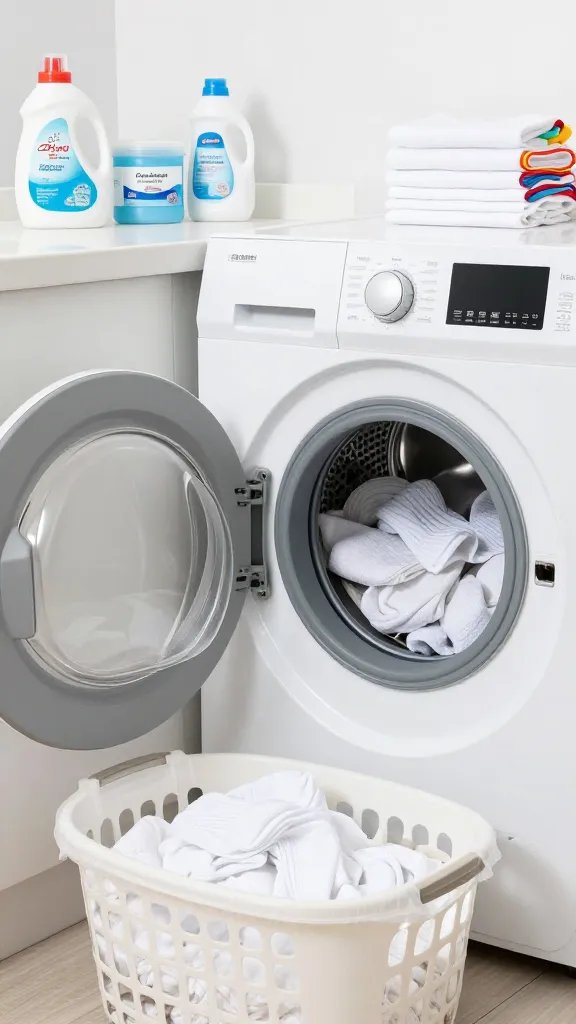
You’ve heard the hacks. Here’s what actually earns a spot in your laundry arsenal.
- Baking soda: Great deodorizer and mild brightener. Add 1/2 cup with detergent. Won’t fix heavy grey, but helps maintenance.
- White vinegar: Softens, helps rinse, reduces dingy residue. 1/2 cup in the rinse cycle. Doesn’t “bleach,” FYI.
- Lemon juice: Mild natural bleaching in the sun. Safe for cottons. Avoid on silk and wool.
- Hydrogen peroxide: The MVP gentle bleach for regular use. 1/2–1 cup per load for whites.
Skip viral potions like salt for dye-setting (not helpful for modern dyes) or random kitchen cocktails that can damage fibers. If it sounds like a chemistry experiment gone rogue, pass.
Routine To Keep Whites White (So You Don’t Do Damage Control Later)
Want to avoid “rescue missions” every month? Build good laundry habits.
- Wash whites separately every time.
- Use hot water when fabric allows, with an enzyme detergent and oxygen bleach.
- Pre-treat stains immediately. Don’t let sweat or oils bake in.
- Don’t overload and choose an extra rinse.
- Line-dry in the sun when you can, or dry on medium-low.
- Monthly machine clean to prevent residue redeposit. IMO, this alone keeps whites looking brighter.
FAQs
Can I use chlorine bleach on everything?
Nope. Chlorine bleach works on bleach-safe cotton and linen, but it can weaken fabric, turn whites yellow over time, and ruin elastics and some synthetics. Use it sparingly and never on wool, silk, spandex, or anything labeled “no bleach.” Oxygen bleach is a safer everyday option.
How do I fix grey whites from hard water?
Add a water softener or laundry booster with your detergent, and use oxygen bleach. Hard water minerals bind to detergent and create residue that dulls fabric. A periodic citric-acid or vinegar rinse on the empty machine also helps reduce buildup.
My white shirts have stubborn yellow armpit stains. Help?
Pre-treat with a paste of baking soda + hydrogen peroxide + a little dish soap, let sit 30 minutes, then wash hot with oxygen bleach. Skip chlorine bleach at first—it can react with aluminum-based deodorants and make yellowing worse. Switch to a deodorant without aluminum salts if this keeps happening.
Is Bluing safe and how do I use it without turning things Smurf-blue?
Bluing is safe when diluted correctly. Add just a few drops to the final rinse (follow the bottle’s directions exactly). It deposits a tiny blue hue that cancels yellow, making whites look brighter. If you overdo it, rewash with detergent to remove the tint.
Do optical brighteners actually clean better?
They don’t clean more; they trick your eyes. Optical brighteners leave a fluorescent coating that reflects blue light, making whites look whiter. They’re fine for visual pop, but combine them with solid cleaning (enzymes, proper temps) for real results.
Can I rescue whites that went pink in a color-bleed disaster?
Act fast. Rewash with oxygen bleach and a color-run remover product if you have it. Avoid heat until the tint disappears. Some dyes bond permanently, but you’ll often reverse it if you move quickly.
Conclusion
You don’t need magic—just smart steps. Pre-treat the right way, boost with oxygen bleach and good detergent, use hot water when safe, and don’t cram the washer. Sun-dry for a free brightening bonus and keep your machine clean. Do that, and your whites will look crisp again—no filter needed, FYI.