10 Small Garden, Big Impact Ideas You’ll Love (that Look Seriously Luxe)
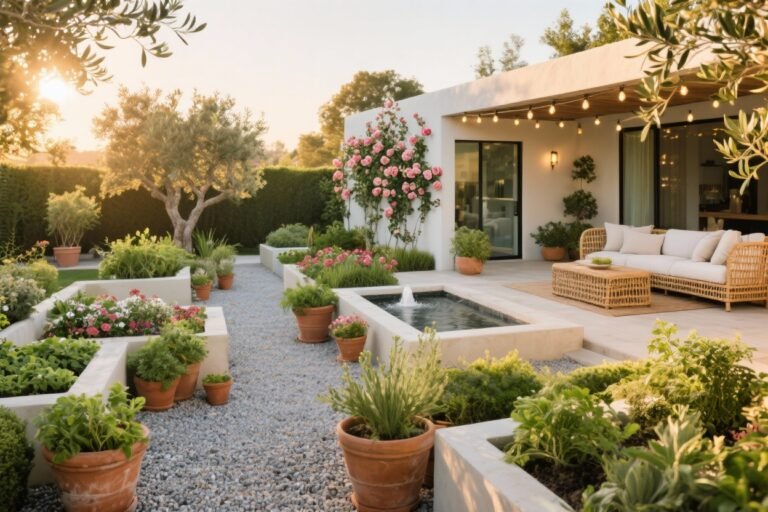
You don’t need a sprawling backyard to create a showstopper garden. You need smart moves, bold choices, and a little attitude. Whether you’ve got a balcony, patio, or a patch by the back step, these ideas will make it feel intentional, lush, and ridiculously charming.
1. Frame Your Space With Bold Edges
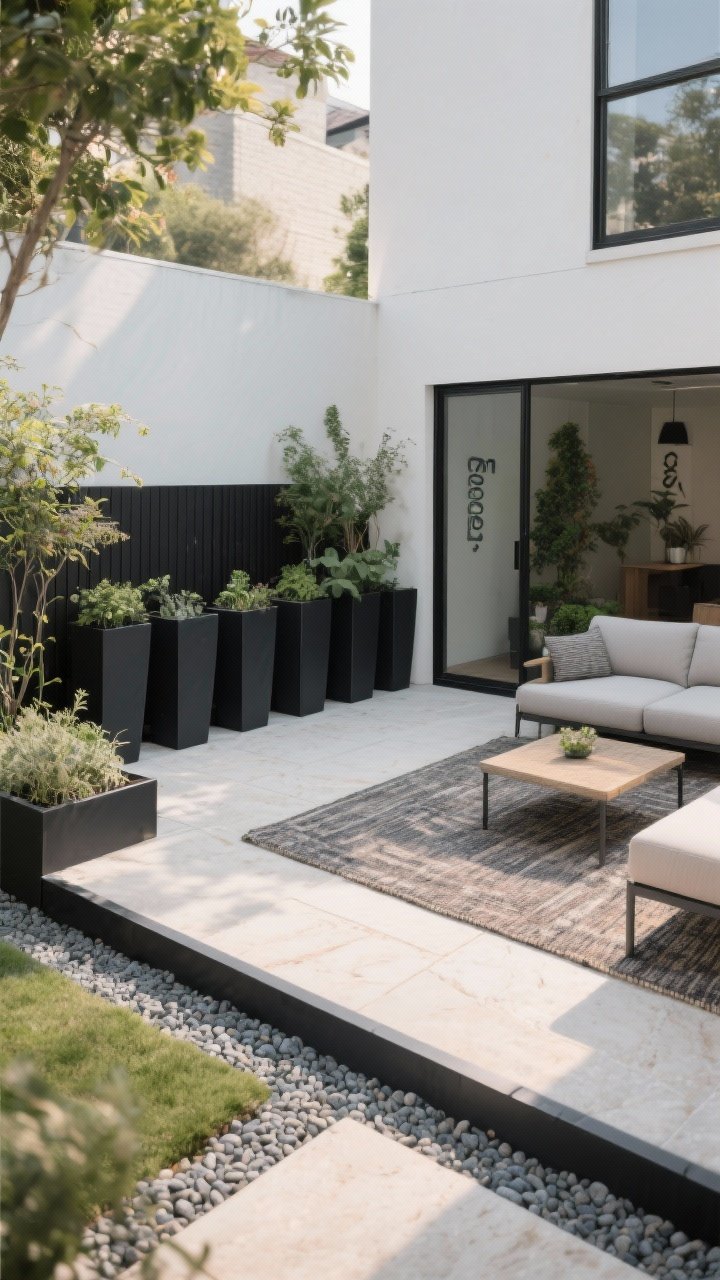
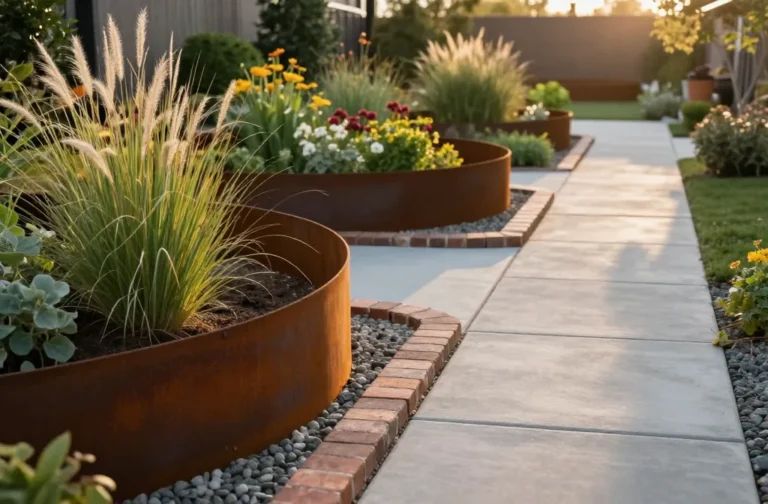
Small gardens look bigger when they’re clearly defined. Give your space “boundaries” with strong lines and watch it instantly feel designed—even if it’s just a corner patio.
Tired of snacking when you’re not even hungry? This reset helps you stop the loop and feel back in control.
A simple reset for moments when cravings take over. Easy to use, easy to repeat, and designed to help you feel satisfied instead of stuck.
Why It Works
Edges create structure, which makes tiny spaces feel intentional instead of random. Plus, crisp lines let your plants be the star of the show.
Try This:
- Metal or stone edging: Outline beds and paths with steel, brick, or cobblestone for a polished look.
- Painted planters as borders: Line up tall, slim planters to create a “fence” without actually building one.
- Rugs outside: An outdoor rug frames a seating area and sets a color palette.
Pro tip: Repeat one material—like black steel or pale limestone—so your garden feels cohesive, not fussy.
2. Go Vertical, But Make It Chic
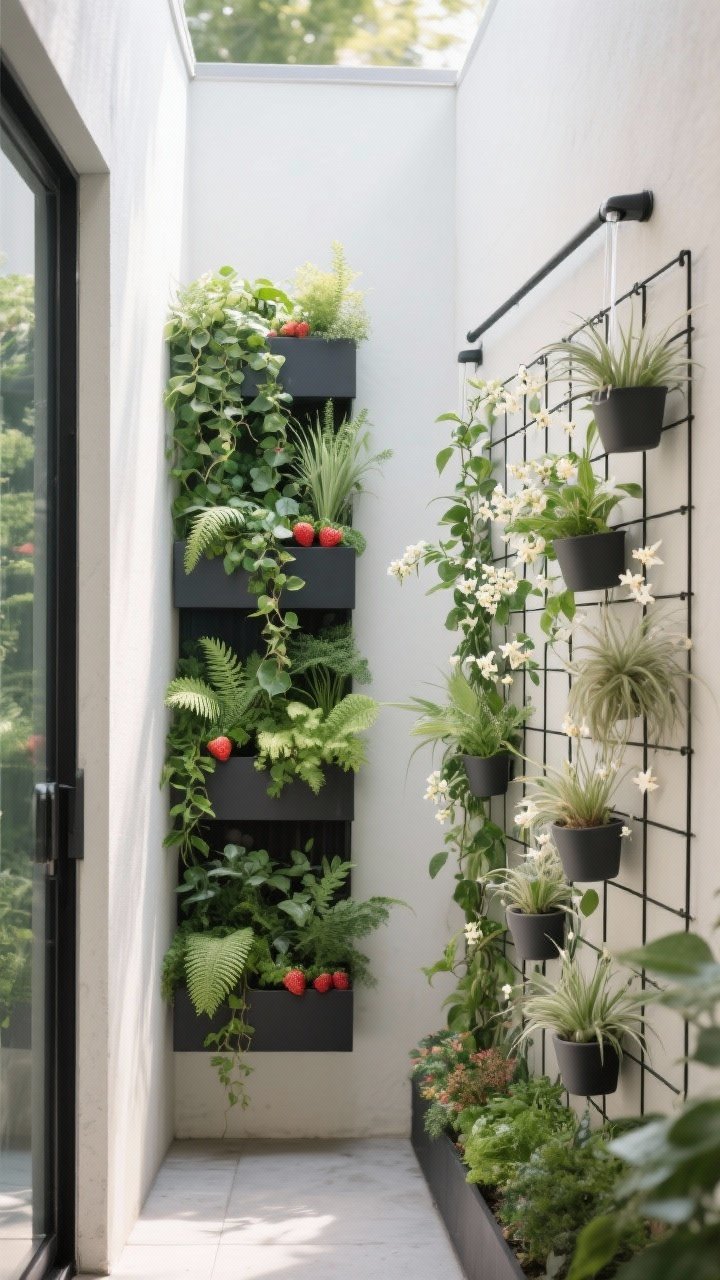
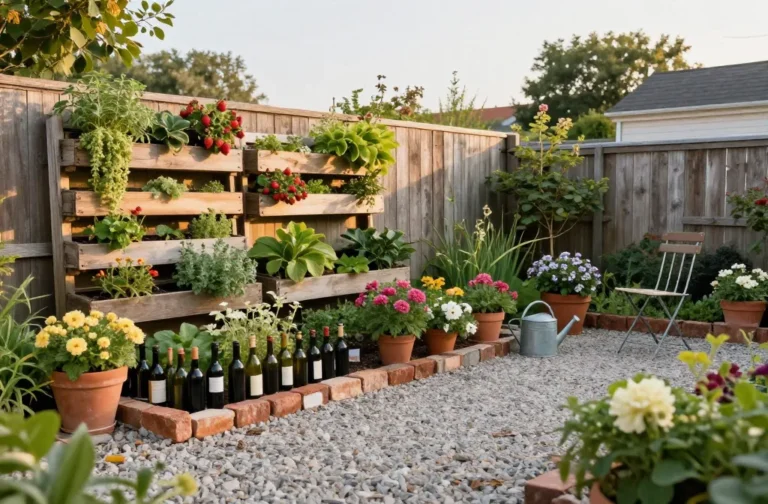
When floor space is limited, walls do the heavy lifting. Vertical gardens give you lushness without the footprint, and they look insanely cool.
Transform Your Home With 7,250+ Stunning Landscaping Designs—No Expensive Designers Needed!
- 🌿 Access 7,250+ stunning landscaping designs.
- 💰 Save thousands—no pro designer needed.
- 🏡 Plans for gardens, patios, walkways, and more.
- ✨ Simple, beginner-friendly DIY layouts.
- 🛠️ Customize any design to fit your yard.
What To Grow
Choose plants that love to cascade or climb. And keep watering simple, because nobody wants a scaffolding situation every Sunday morning.
Try This:
- Modular wall planters: Fill with trailing ivy, ferns, strawberries, or herbs for a kitchen-adjacent vibe.
- Trellised climbers: Star jasmine, clematis, or climbing roses turn bare walls into living art.
- Wire grids: Clip on lightweight pots or tuck in air plants—low effort, high drama.
FYI: Install a simple drip line at the top and let gravity do the work. Your future self will thank you.
3. Layer Heights Like A Stylist
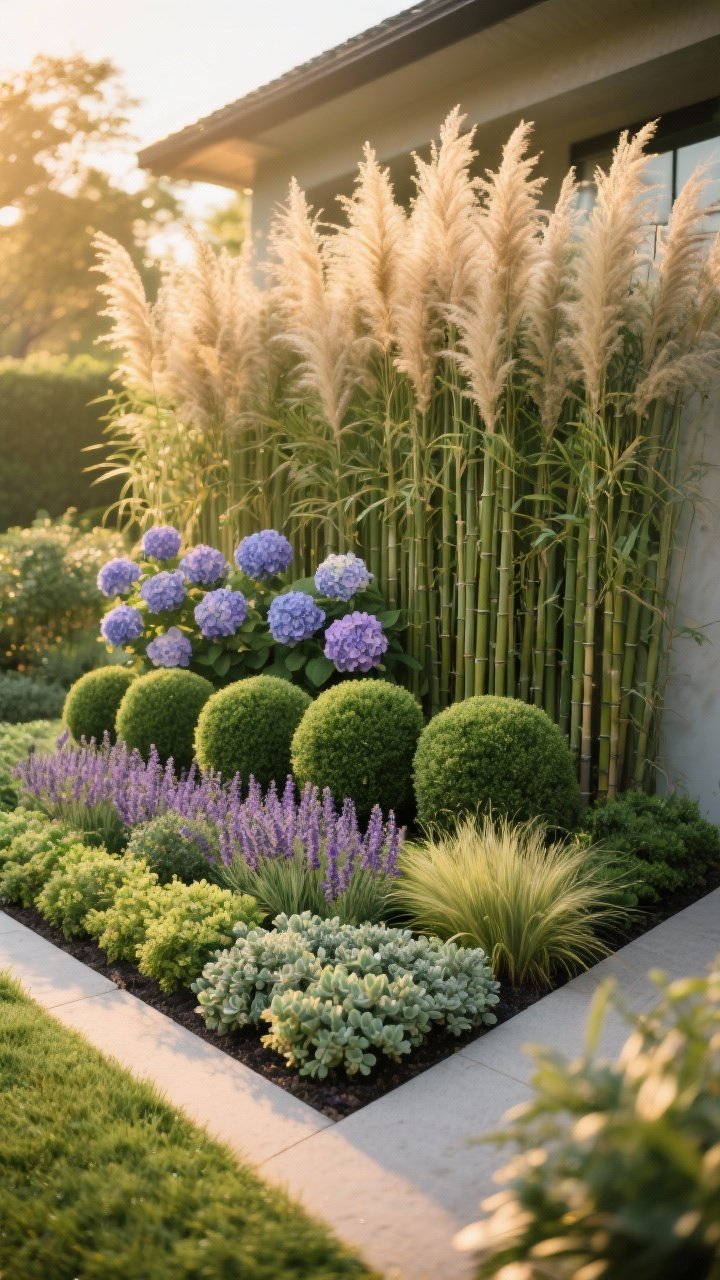
Want instant depth? Use the “three-layer” rule: tall backdrop, mid-height fillers, and low growers. It’s like styling a shelf—just greener.
The Formula
Back row, center of attention. Middle row, lush and full. Front row, neat and tidy (but still gorgeous).
Try This:
- Tall: Dwarf bamboo, ornamental grasses, or a small tree like olive, bay, or Japanese maple.
- Mid: Hydrangeas, lavender, salvia, or compact shrubs (hello, boxwood balls).
- Low: Thyme, creeping jenny, sedum, or mondo grass edging.
Repeat your plant choices across the garden to create rhythm. Your eye will flow, and the space will feel bigger—magic.
4. Choose A Single Bold Color Story
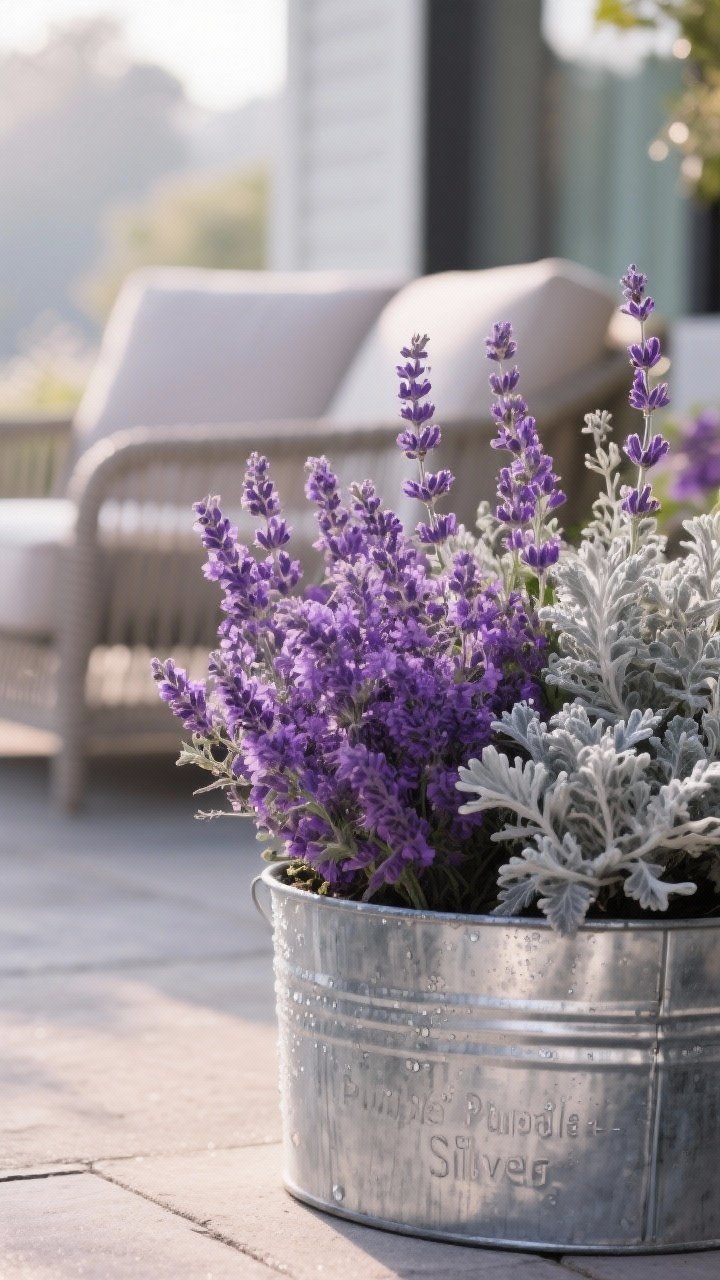
Too many colors can make a small garden feel chaotic. Pick one hero color and let it carry through flowers, cushions, and planters.
Color Combos That Always Hit
Choose what suits your vibe—moody, serene, or sunny. Then commit. It’s giving designer energy.
Try This:
- White + Green: Classic and calm—hydrangeas, jasmine, and white pots with glossy foliage.
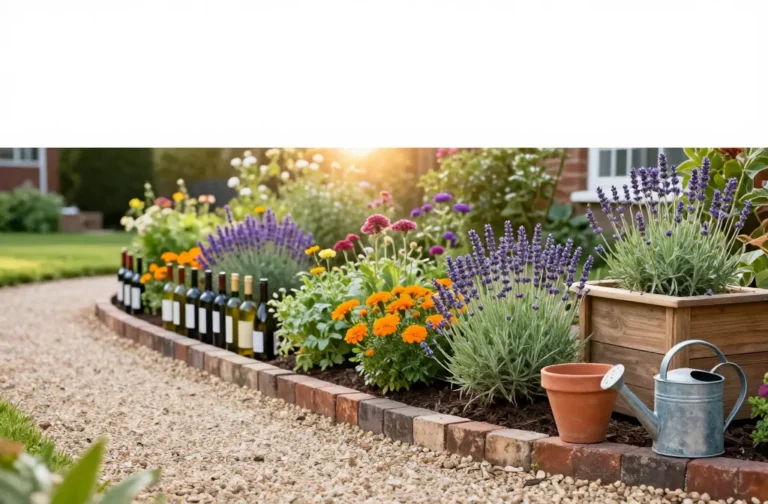
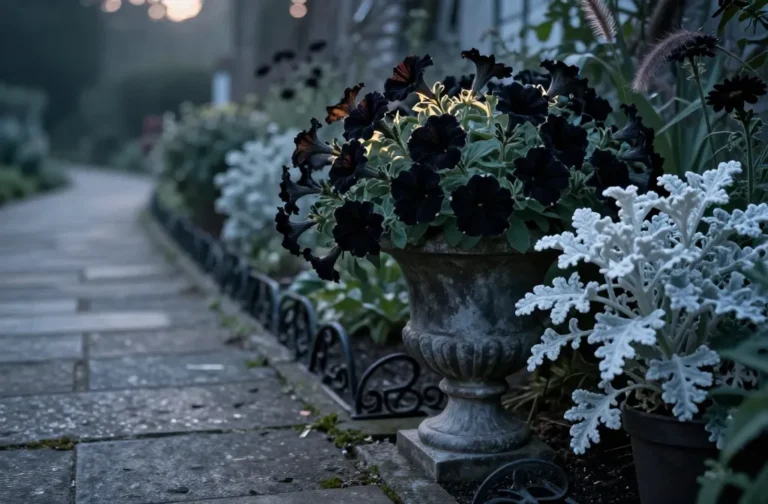
- Purple + Silver: Lavender, nepeta, dusty miller, and galvanized planters for a Mediterranean vibe.
- Coral + Charcoal: Bold dahlias or geraniums against dark planters—instant wow.
Keep furniture neutral so plants do the talking. Or go wild with one statement bench and let it be the star.
5. Create A Mini Destination (Yes, Even In 6 Feet)
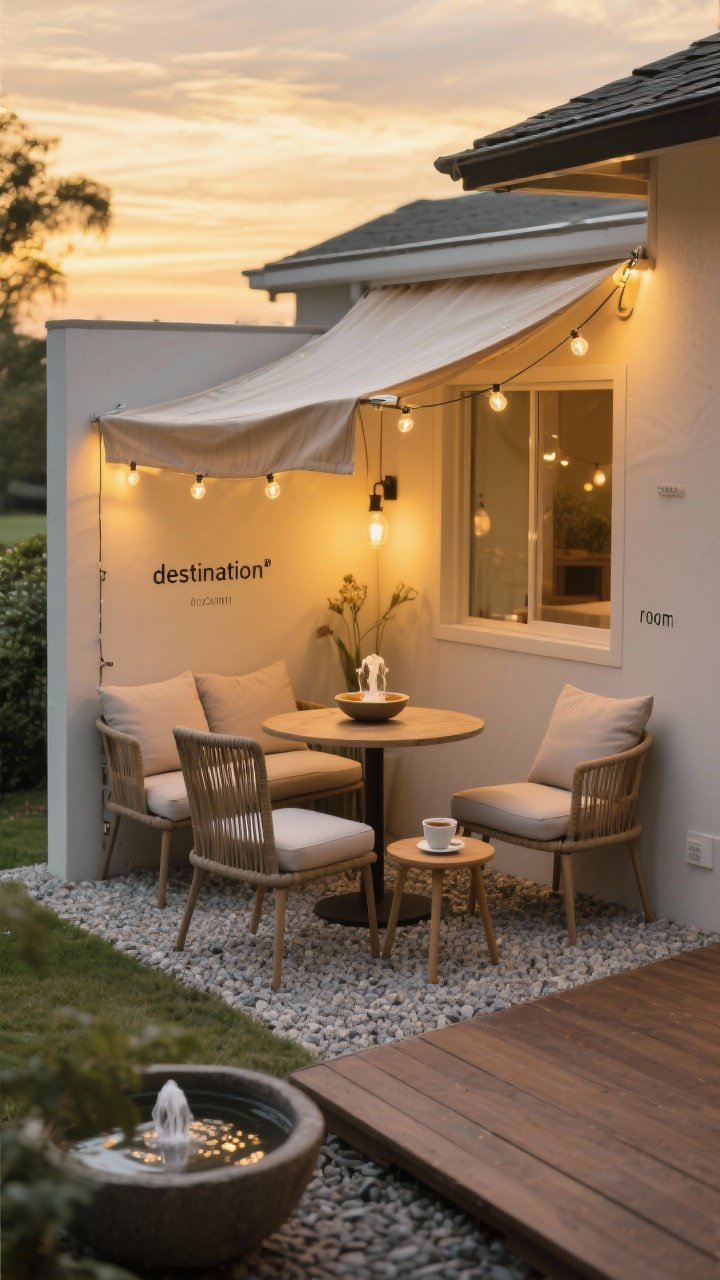
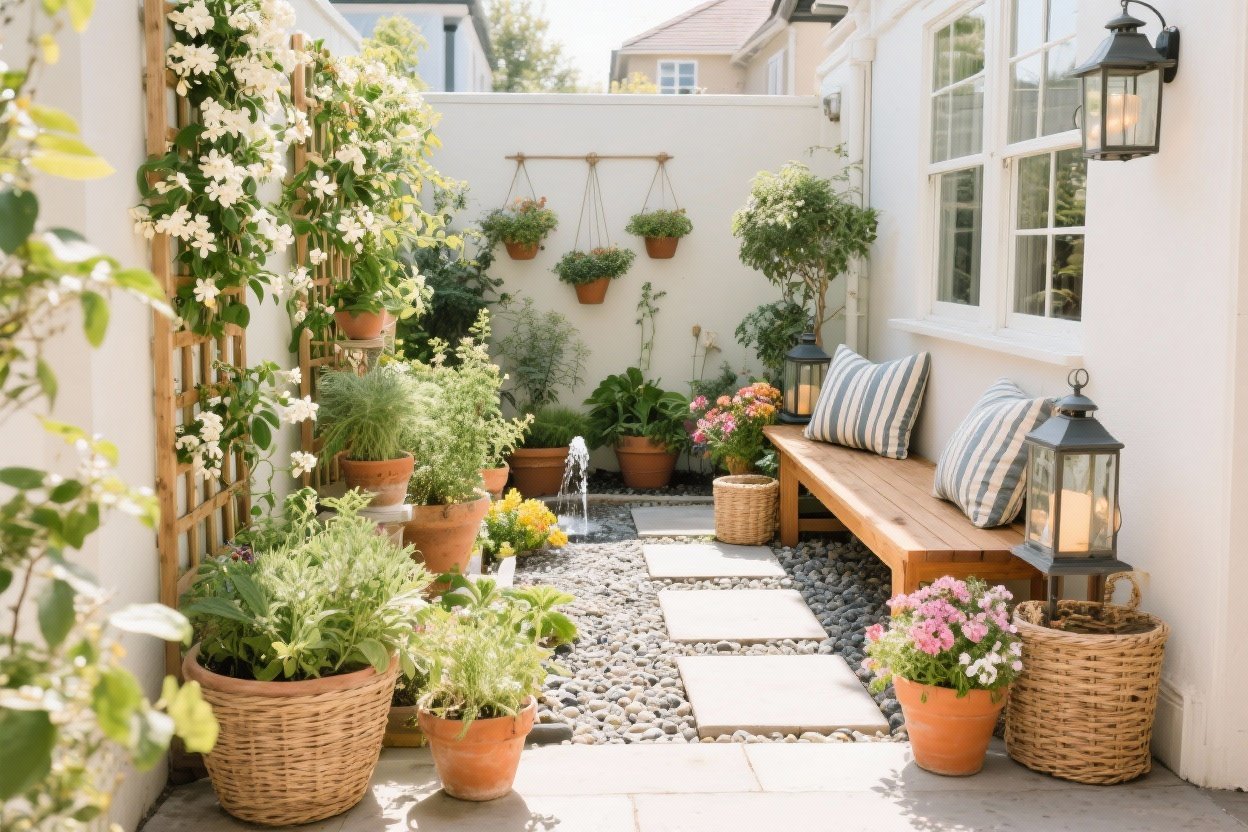
Give yourself somewhere to go—even if it’s three steps from your door. A tiny destination makes your garden feel like an escape.
Elements That Make It Feel Special
Think of it like an outdoor nook: textured, inviting, and a little cheeky.
Try This:
- Bistro set or built-in bench: Add cushions and a small side table for your morning coffee spot.
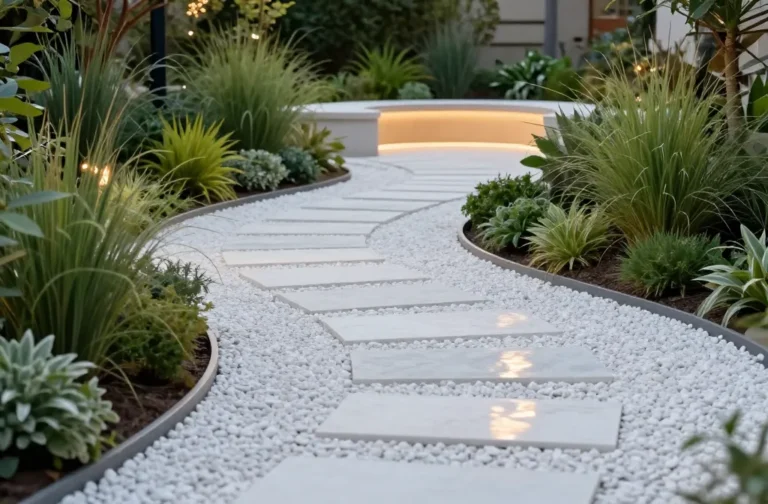
- Gravel or decking pad: Define the zone with a different surface so it reads as a “room.”
- Overhead touch: A pergola, shade sail, or string lights for vertical coziness.
Add a small water bowl or tabletop fountain for spa-level vibes. Tiny space, huge ambiance.

6. Plant In Repetition For Big-Deal Impact
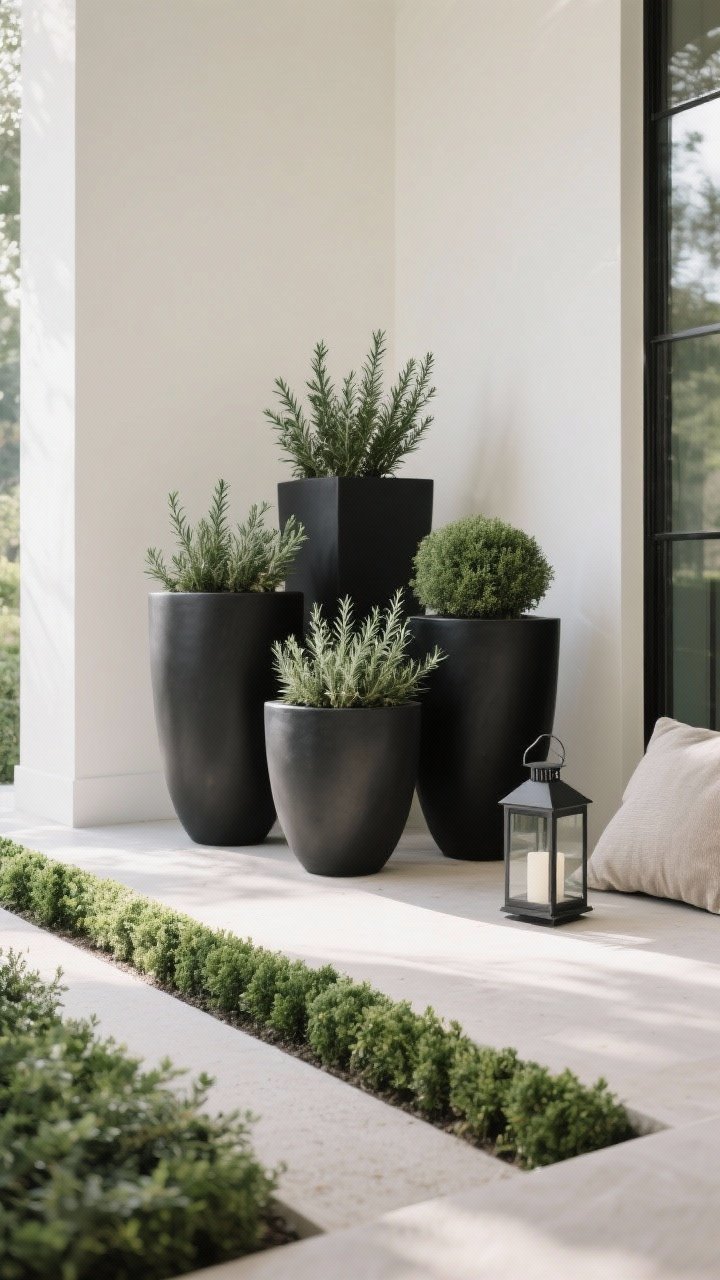
If your garden feels busy, repetition is the cure. Using the same plant or planter multiple times creates calm and confidence.
How To Repeat Without Boredom
Keep the plant the same, change sizes or textures around it. Consistency reads expensive—IMO.
Try This:
- Three of a kind: Group identical pots with the same plant at different heights.
- Low hedging: A mini boxwood or rosemary border frames beds and pathways like a tailored suit.
- Color echo: Repeat your hero hue in flowers, a throw pillow, and a lantern.
Bonus: repeated plants are easier to maintain because they have similar care needs. Efficiency, but make it pretty.
7. Light It Like A Boutique Hotel
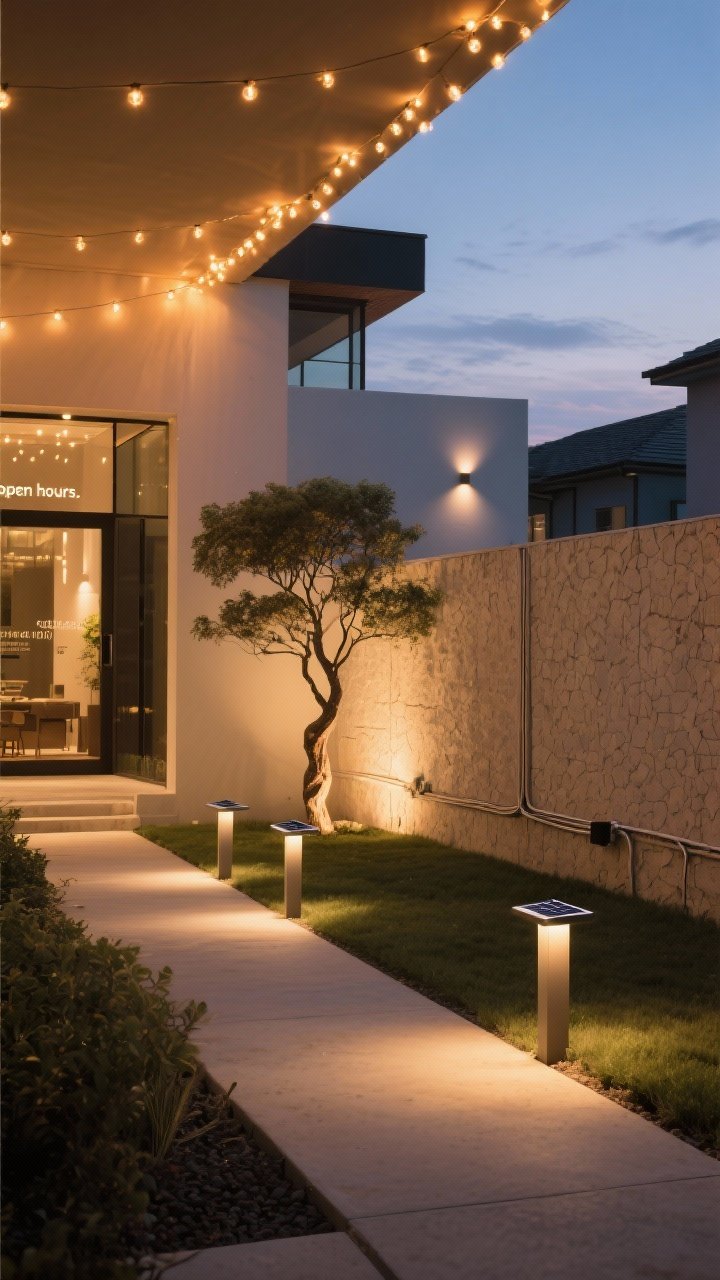
Lighting is the ultimate mood setter. It stretches your garden’s “open hours” and turns even simple plants into sculpture.
Layered Lighting, Outdoors Edition
Mix three types: glow, sparkle, and spotlight. You’ll be shocked how luxe it feels at night.
Try This:
- Glow: Lanterns or solar bollards along paths for soft, even light.
- Sparkle: Warm string lights or festoon lights overhead—avoid cool white unless you want “parking lot.”
- Spotlight: Uplight a feature tree, statement pot, or textured wall for drama.
Keep cables tidy and go solar or low-voltage for safety. Warm bulbs (2700K–3000K) = instant cozy.
8. Mix Materials For Texture (Without Mess)
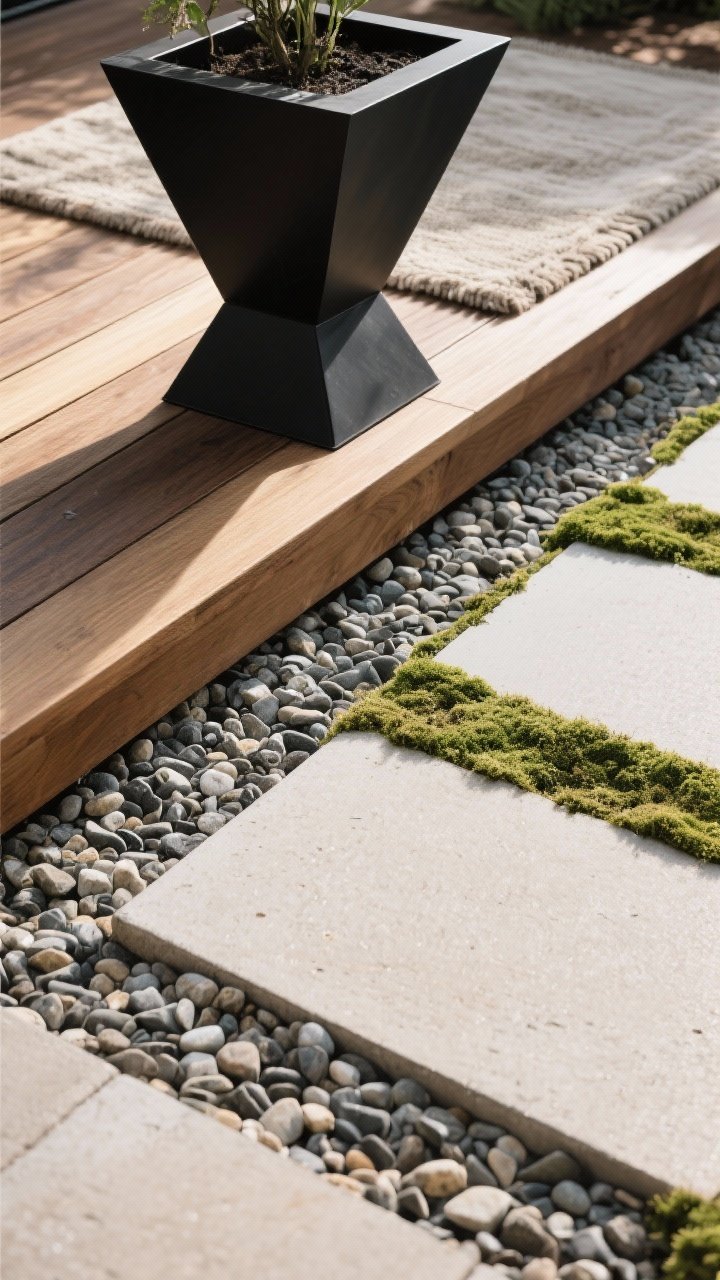
Texture is everything in a small garden. But there’s a fine line between layered and chaotic.
The 3-Material Rule
Pick one natural, one sculptural, and one soft element. Then repeat them throughout.
Try This:
- Natural: Pea gravel, timber decking, or clay pots for warmth.
- Sculptural: Black metal, Corten steel, or concrete for contrast.
- Soft: Cushions, an outdoor rug, or even moss between pavers.
Keep your palette tight: two neutrals and one accent. It’s the difference between curated and chaotic, trust me.
9. Add One Unexpected Focal Point
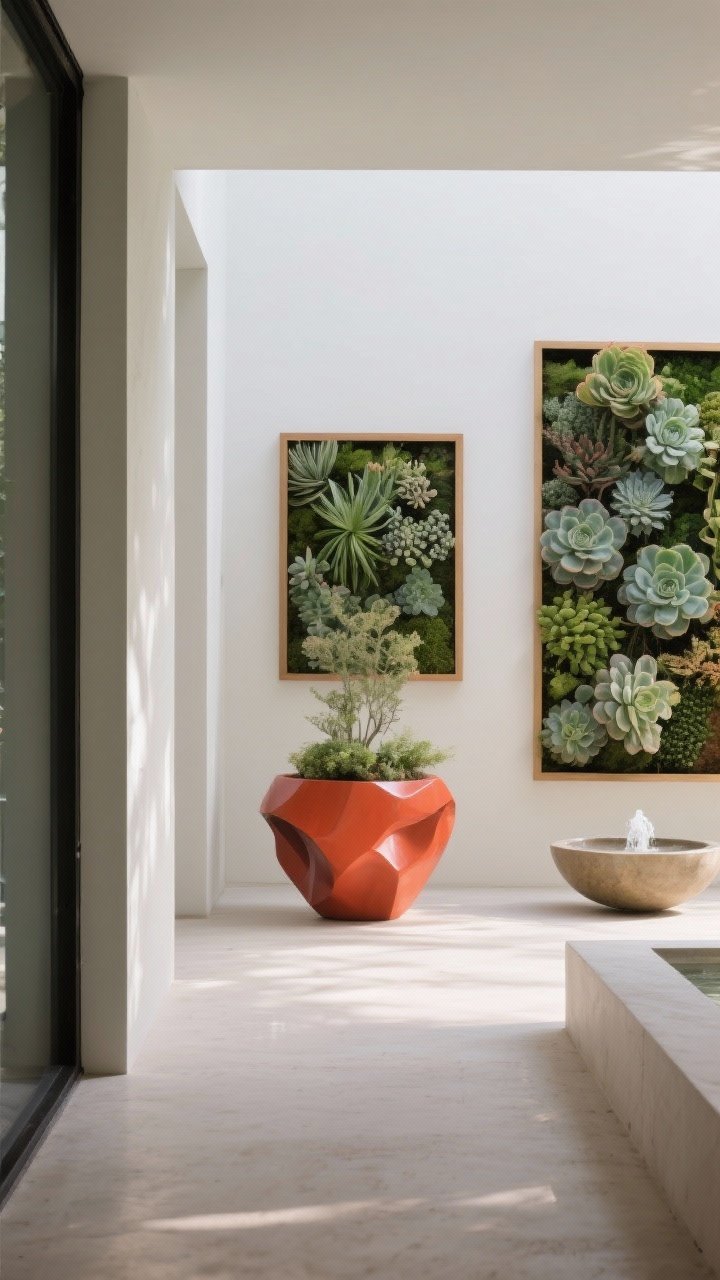
Small gardens need a single “wow” moment. It anchors the space and keeps it from feeling like a random plant party.
Where To Place It
Put your statement piece where the eye naturally lands—end of a path, center of a wall, or opposite your door.
Try This:
- Bold planter: Oversized pot in a striking color or sculptural shape.
- Living wall art: A framed succulent panel or espaliered fruit tree—functional and chic.
- Water or fire: A compact bowl fountain or tabletop fire pit for instant ambiance.
One focal point is powerful. Two is a competition. Don’t make your garden pick sides.
10. Make It Low-Maintenance (But Not Boring)
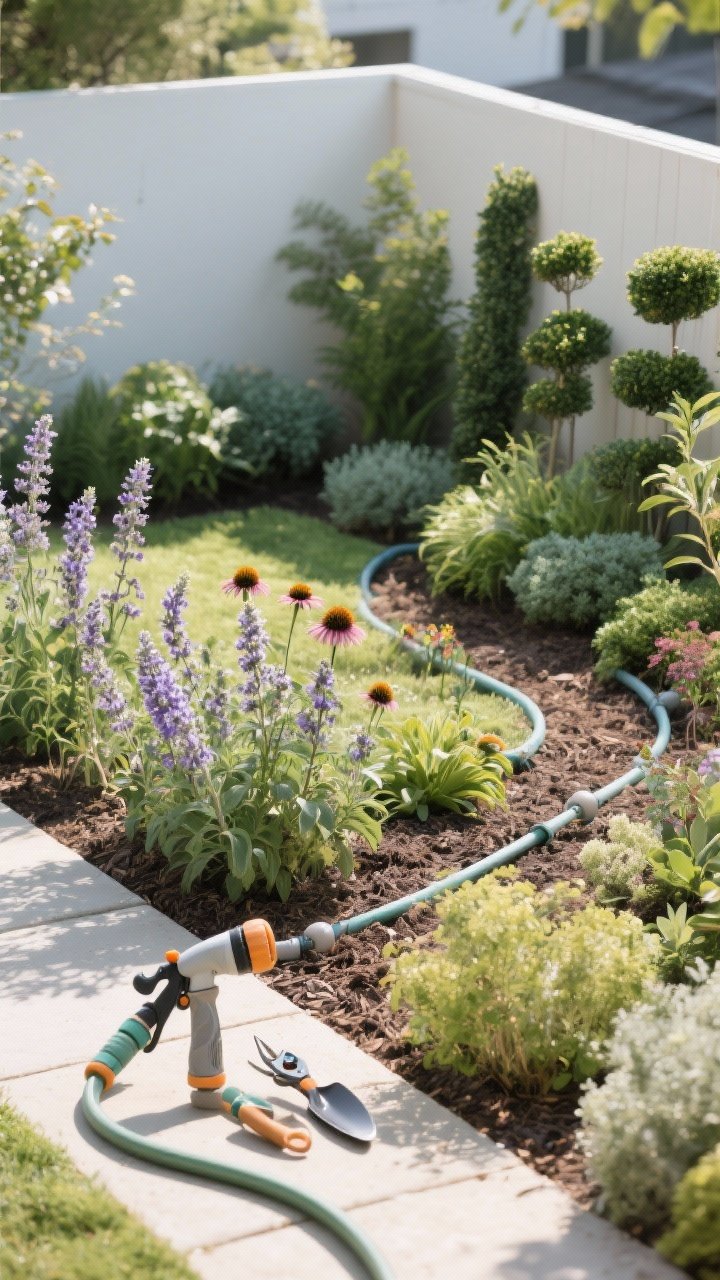
The best small gardens practically run themselves. Choose plants and systems that thrive with minimal fuss, so you actually enjoy the space.
Smart Systems, Happy Plants
Set it up once, then sip your iced latte while everything thrives. That’s the goal.
Try This:
- Drip irrigation + mulch: Efficient watering and fewer weeds—dream team.
- Right plant, right place: Sun lovers in sun, shade lovers in shade. Sounds obvious, but it’s crucial.
- Evergreen backbone: Box, pittosporum, dwarf conifers, or hebe keep structure year-round.
- Perennial color pops: Add long-bloomers like salvia, yarrow, and coneflower for easy seasonal interest.
Keep tools tight: hand pruners, a small trowel, and a hose with a sprayer. That’s your mini garden toolkit—no shed required.
Quick Planning Checklist
- Measure your space and sketch zones (seating, planting, path).
- Pick a color story and 2–3 repeating materials.
- Choose plants by height layers and light conditions.
- Plan irrigation and lighting before you plant.
- Add one standout focal point. Done.
Ready to turn your small garden into a big mood? Keep it simple, repeat what works, and don’t be afraid of bold choices. You’ll step outside and think, “Okay, designer,” and honestly—you’ll be right.