10 Clever Gardening Tips to Maximize Your Green Space (and Make Neighbors Snoop)
Small yard? Tiny balcony? Honestly, it doesn’t matter. You can squeeze a shockingly lush garden into the most modest space with a few clever moves. Think layers, smart containers, and a little design magic that makes your plants look abundant—even if you’re working with, like, five square feet.
Let’s turn your little patch into the green oasis you daydream about. Ready?
Tired of snacking when you’re not even hungry? This reset helps you stop the loop and feel back in control.
A simple reset for moments when cravings take over. Easy to use, easy to repeat, and designed to help you feel satisfied instead of stuck.
1. Go Vertical, Grow Magical
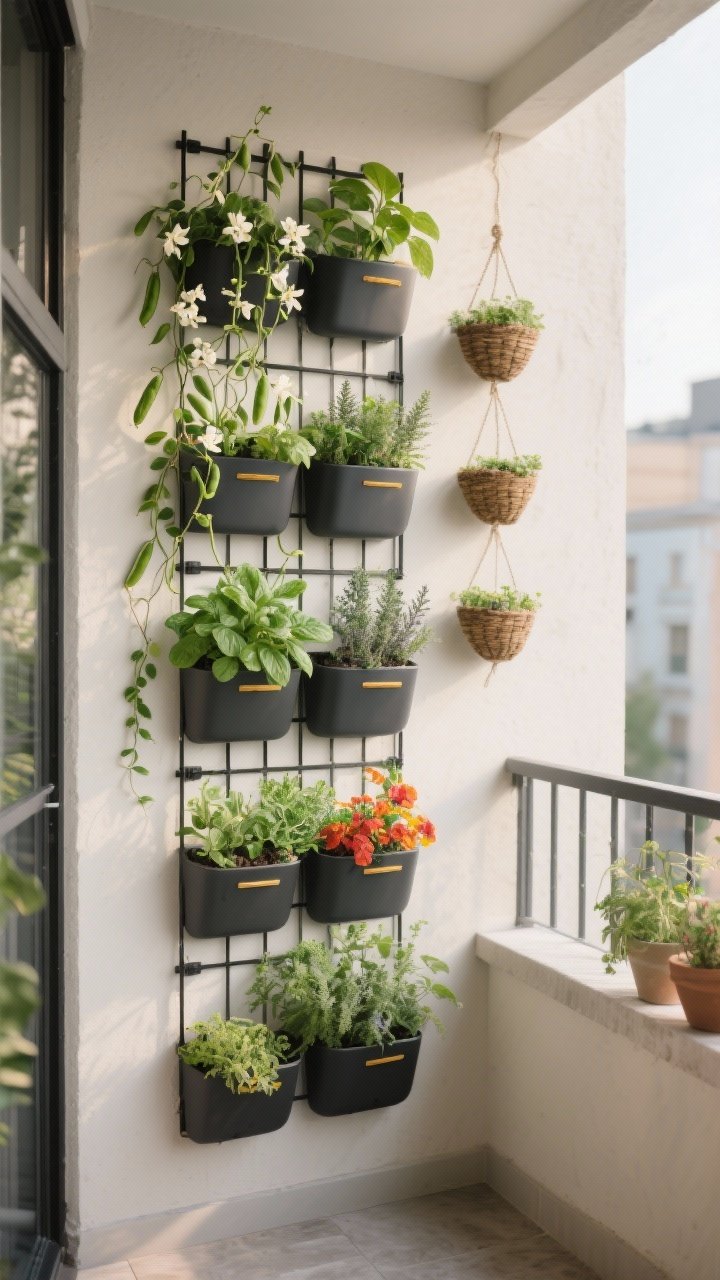
When floor space is scarce, go up. Vertical gardening adds drama, frees up walking space, and turns dull walls into living art. Plus, watering one wall feels easier than chasing a herd of pots around your patio.
Smart Ways To Go Vertical
- Wall planters: Stagger pocket planters or modular grids; mix herbs, trailing vines, and color pops.
- Trèllises and ladders: Let peas, cucumbers, or jasmine climb. It’s basically plant scaffolding.
- Hanging baskets: Layer heights—one at eye level, one mid, one high—so your “ceiling” becomes lush.
Pro tip: Pick lightweight potting mix and self-watering inserts so your vertical setup doesn’t turn into a high-maintenance diva.
2. Container Tetris, But Make It Chic
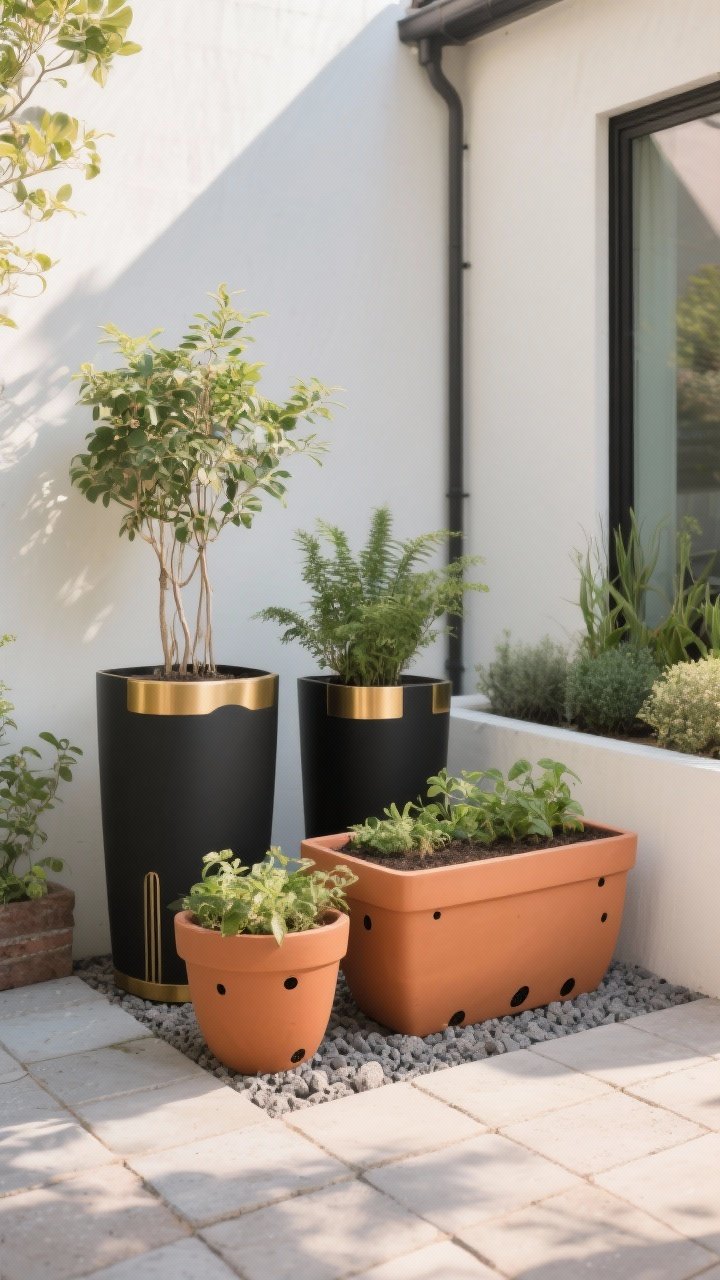
Containers let you garden anywhere—balconies, stoops, fire escapes (where allowed). But the secret is how you mix sizes and shapes so the whole scene looks intentional, not random.
The Container Formula
- Cluster in threes: One tall, one mid, one low. Instant composition.
- Stick to a color story: Neutrals with one accent (terracotta + black + brass = chef’s kiss).
- Use lightweight materials: Fiberglass or resin look luxe without needing a forklift.
FYI: Always add drainage holes and a layer of coarse material at the bottom (like pumice). Your plants will thank you by not drowning.
Transform Your Home With 7,250+ Stunning Landscaping Designs—No Expensive Designers Needed!
- 🌿 Access 7,250+ stunning landscaping designs.
- 💰 Save thousands—no pro designer needed.
- 🏡 Plans for gardens, patios, walkways, and more.
- ✨ Simple, beginner-friendly DIY layouts.
- 🛠️ Customize any design to fit your yard.
3. Layer Heights For That “Lush” Look
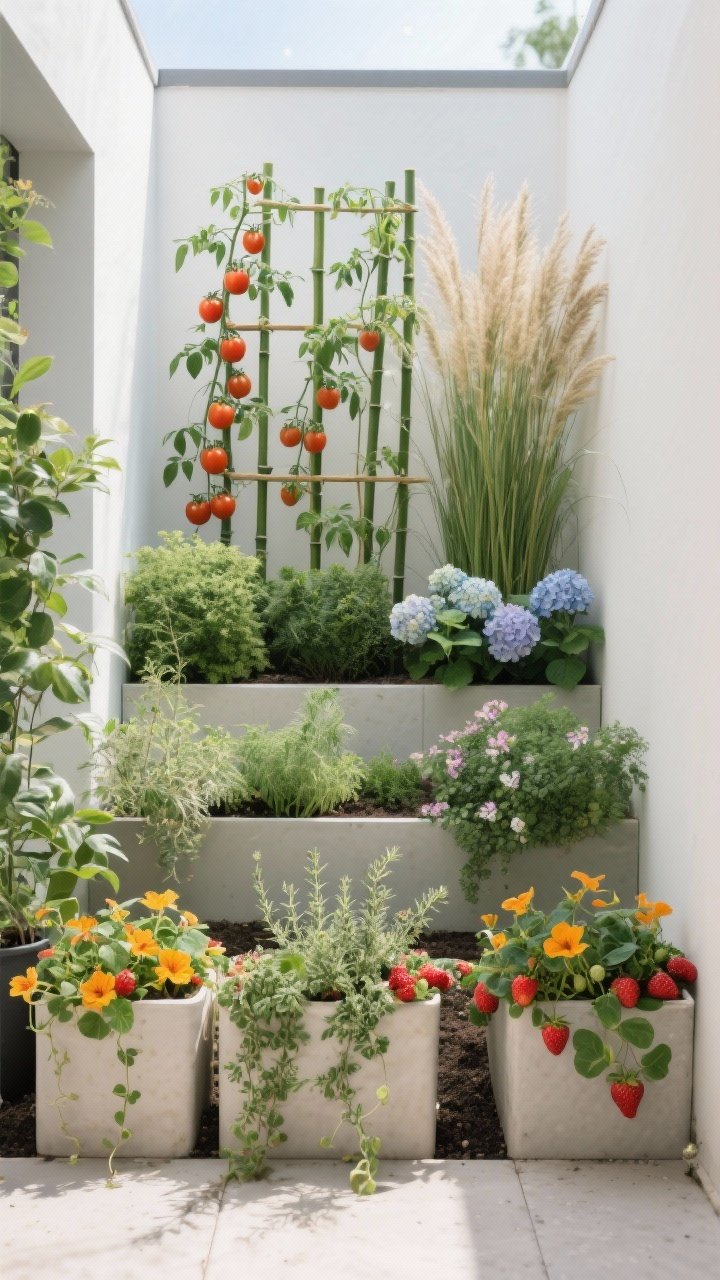
Even the tiniest plot can feel full with smart layering. You’re basically creating mini “rooms” with plants—front, middle, back.
Layering 101
- Back row: Tall drama—bamboo, trellised tomatoes, or ornamental grasses.
- Middle row: Bushy herbs, dwarf shrubs, kale, or hydrangeas (dwarf varieties exist!).
- Front row: Trailing thyme, nasturtiums, strawberries—let them spill over edges.
Want a high-end trick? Repeat the same plant in three spots. It ties everything together so your space looks curated, not chaotic.
4. Pick Plants That Earn Their Keep
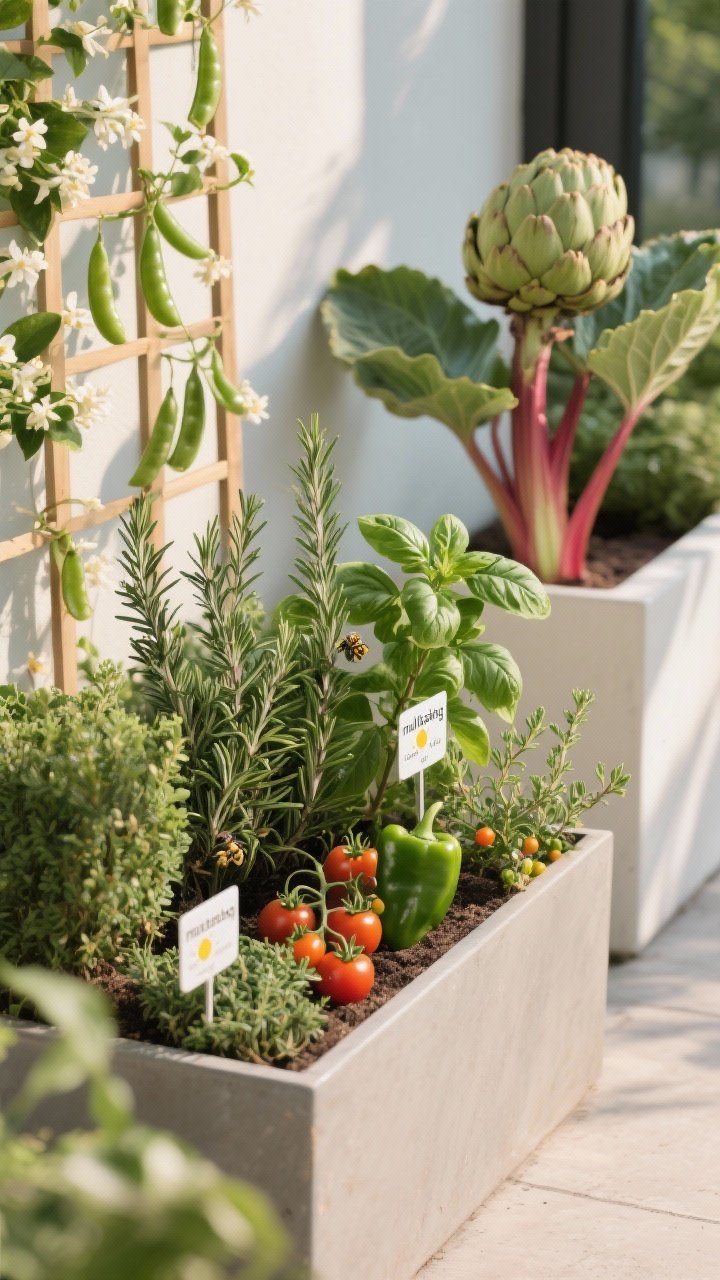
In a small space, freeloaders don’t get invited. Go for plants that do more than one job—edible, fragrant, pollinator-friendly, and easy on water.
Multitasking MVPs
- Herbs: Rosemary (hedging + scent), basil (edible + bees love it), thyme (groundcover + flavor).
- Compact edibles: Dwarf tomatoes, patio peppers, bush beans, everbearing strawberries.
- Climbers: Passionflower, jasmine, or peas—vertical beauty with bonus blooms or snacks.
- Perennials with bite: Artichokes and rhubarb offer sculptural leaves and edible drama.
Check your light levels. Got 6+ hours of sun? Tomatoes and peppers. Shadier balcony? Mint, chives, lettuce, ferns, and hostas will thrive. Don’t force a sun-lover into a cave. It will throw shade—literally and emotionally.
5. Use Color To Cheat Space
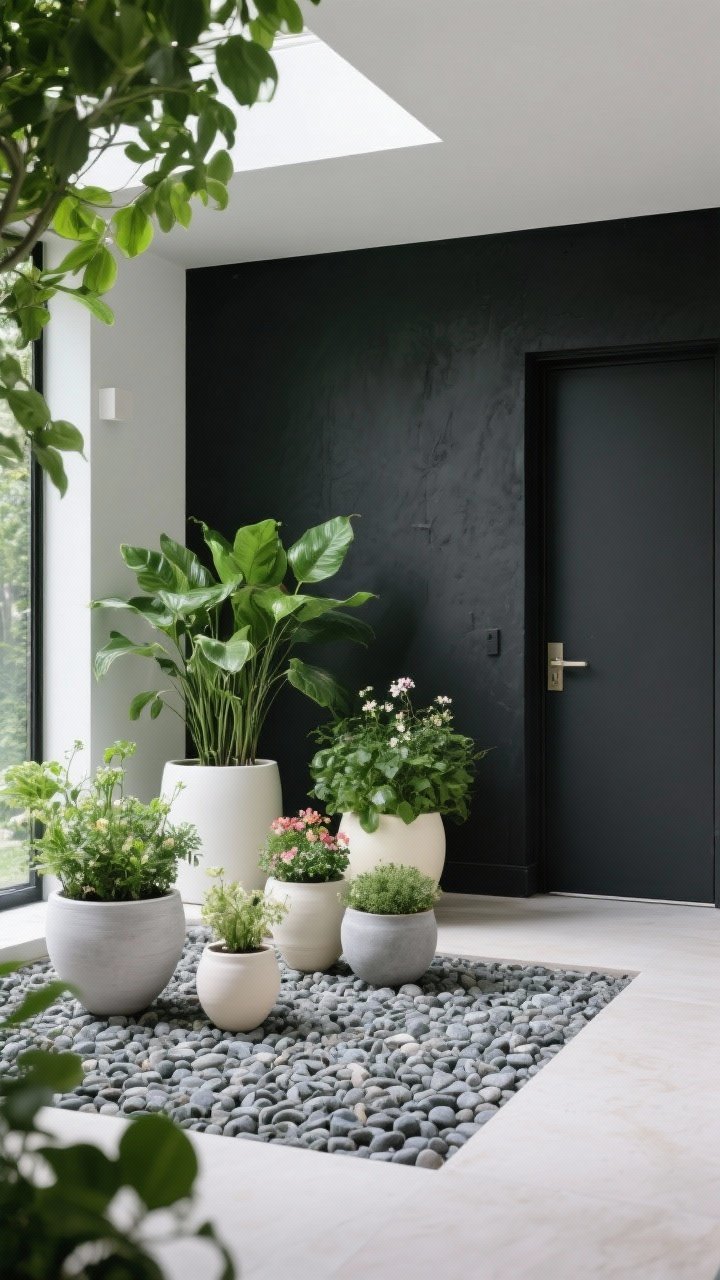
Design tricks work outdoors too. Color and contrast can make your garden feel bigger, brighter, and more intentional without adding a single square foot.
Design Moves That Fool The Eye
- Light pots = airy vibe: Whites, creams, pale gray read “spacious.”
- Dark backgrounds vanish: A charcoal wall makes foliage pop and visually recede.
- Monochrome moments: Stick to green-on-green for lush calm; add blooms as accents.
- Repeating colors: Echo your door color in planters or flowers for cohesion.
Want instant polish? Add a mat of pea gravel or a jute outdoor rug under your containers. It frames the garden like eyeliner—suddenly everything looks sharper.

6. Plant Companions Like You’re Playing Matchmaker
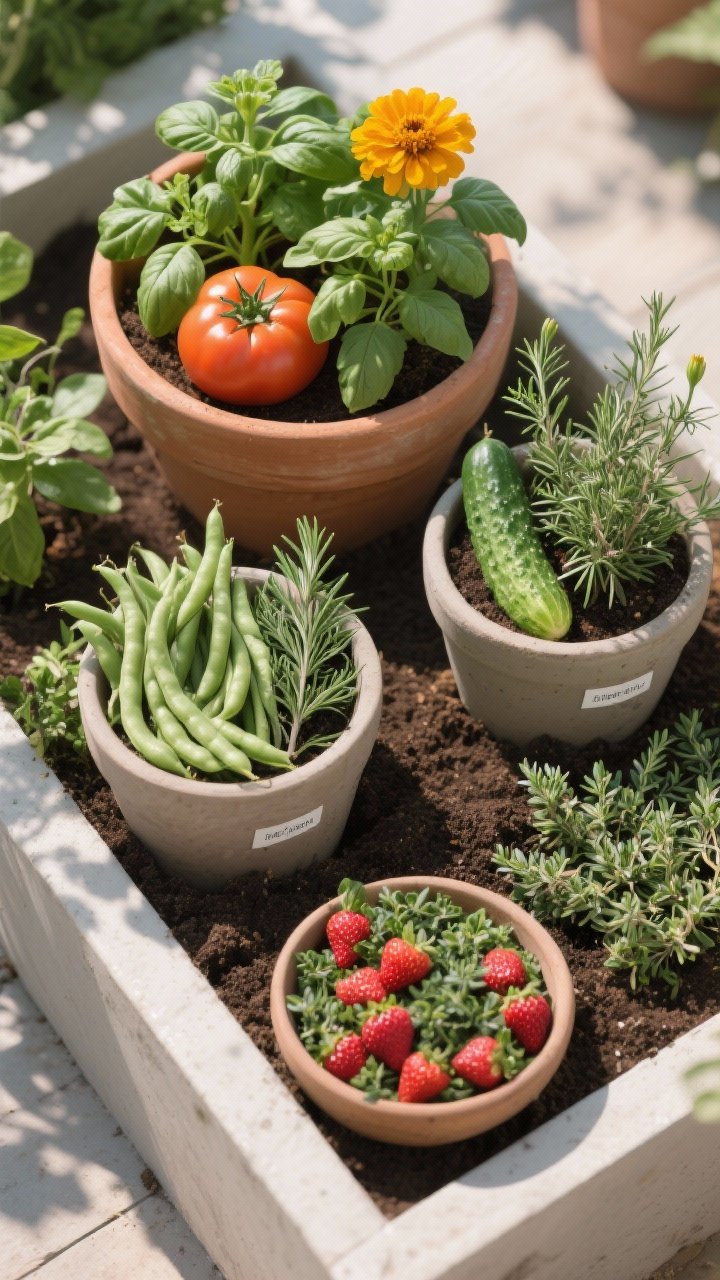
Companion planting isn’t just farmer folklore—it’s real, and it saves space. Pair plants that boost each other and keep pests away.
Classic Combos
- Tomato + basil + marigold: Flavor, pest control, and color. The holy trinity.
- Cucumber + dill: Dill attracts helpful insects; cucumbers get bodyguards.
- Rosemary + beans: Rosemary deters bean beetles while smelling fabulous.
- Strawberries + thyme: Thyme makes a pretty, fragrant living mulch.
Just don’t smother the introverts. Give each plant its preferred spacing, or you’ll invite mildew to the party (and it’s a terrible guest).
7. Soil Is Your Sleek Secret Weapon
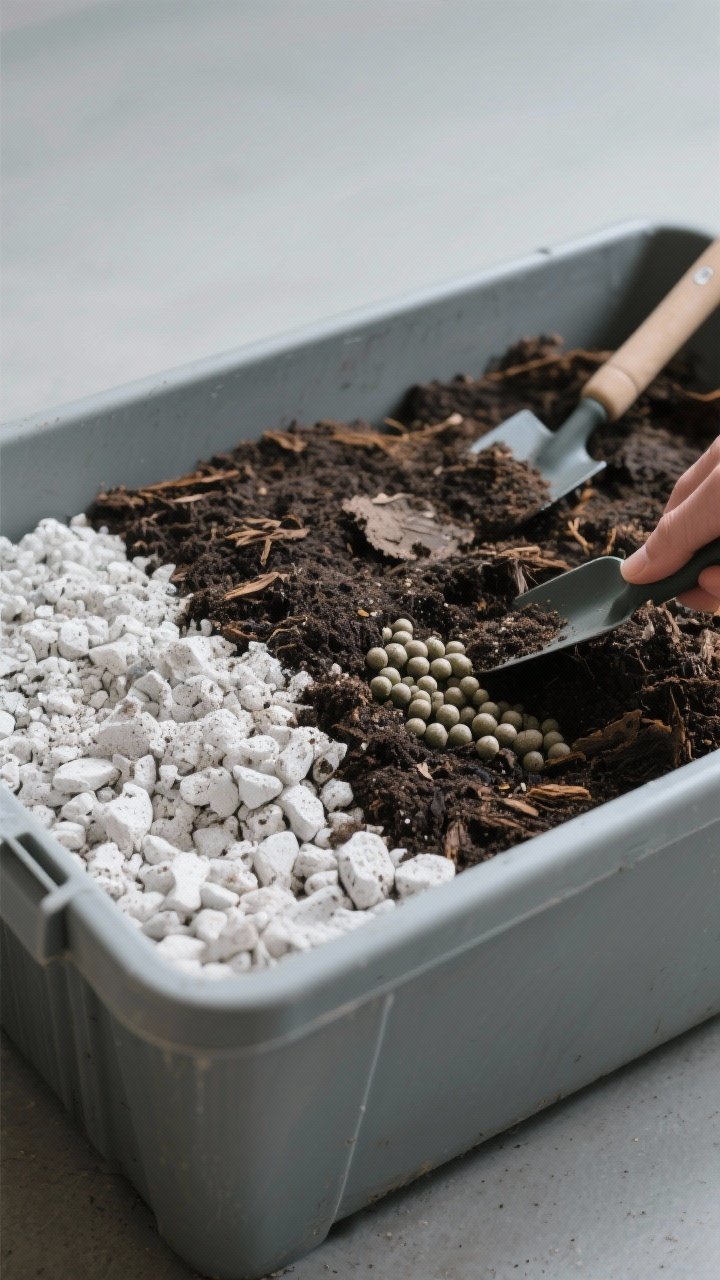
Small space gardens need premium soil because every inch matters. Bagged garden soil alone is heavy and compacts fast. You want light, rich, and well-draining.
Perfect Potting Mix Recipe
- Base: High-quality potting mix (not topsoil).
- Aeration: Perlite or pumice to keep things fluffy.
- Nutrition: Compost for slow, steady feeding.
- Bonus: A pinch of organic slow-release fertilizer.
Refresh the top few inches each season with compost. It’s like skincare—but for plants. IMO, this is what separates “meh” from “wow.”
8. Water Smarter, Not Harder
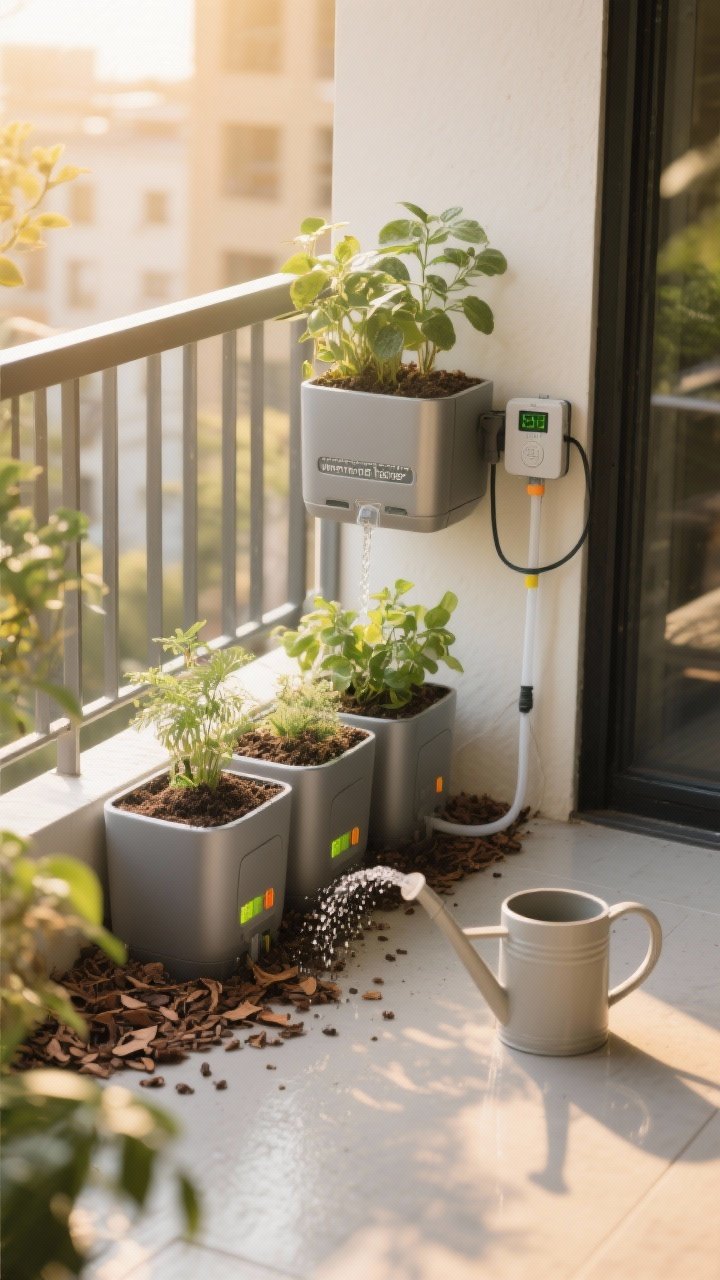
Containers dry out fast, and overwatering is a rookie trap. The fix? Tools and habits that make hydration basically idiot-proof.
Hydration Hacks
- Self-watering planters: Built-in reservoirs buy you time (and weekend getaways).
- Drip lines on a timer: Tiny balcony? Yes, you can. Snag a battery timer and micro-drippers.
- Morning watering: Reduces evaporation and fungal drama.
- Mulch, even in pots: Shredded bark, cocoa hulls, or pea gravel keep moisture in and weeds out.
Finger test = gold: Stick your finger 1–2 inches into the soil. Dry? Water. Damp? Wait. Your plants are not camels, but they also don’t want a swamp.
9. Furniture That Doubles As Garden Space
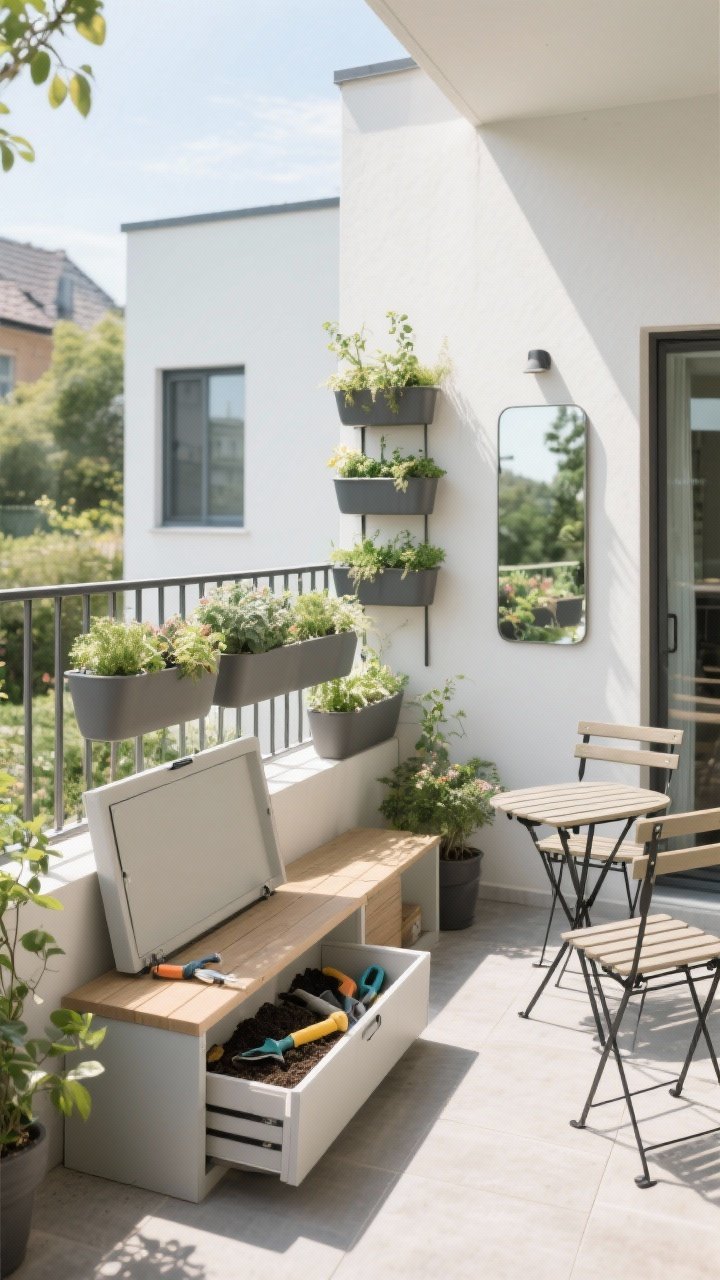
If you’re short on square footage, make your furniture do the heavy lifting. You want pieces that store, display, and support plants without eating up room.
Functional, Space-Saving Pieces
- Bench with storage: Tools and soil inside, planters on top, cocktails beside. Dreamy.
- Rail planters: Clip onto balcony rails to free the floor.
- Tiered plant stands: Step your plants like theater seating so everyone gets sunlight.
- Folding tables and chairs: Move them when you need repotting space.
Bonus move: Add outdoor mirrors (secured and weather-safe) to bounce light and make tight spaces feel expansive. Just avoid direct sun reflection where it could scorch leaves.
10. Keep It Cute With Low-Maintenance Routines
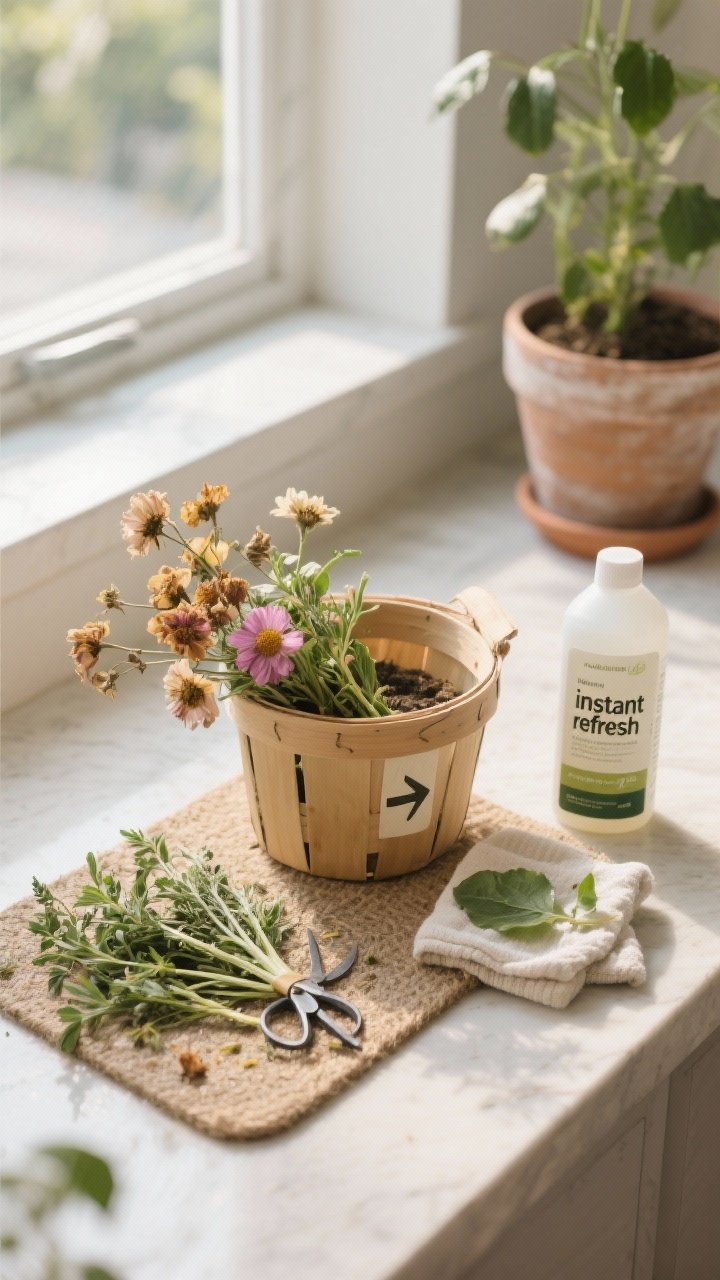
Your garden should look lush without becoming a second job. A simple weekly routine keeps everything tidy, blooming, and Instagram-ready with minimal effort.
Your 20-Minute Weekly Glow-Up
- Deadhead blooms: More flowers, fewer messes.
- Snip leggy growth: Pinch herbs and stems to keep plants compact.
- Rotate containers: Give everyone equal sun time and even growth.
- Quick wipe-down: Dust leaves, wipe pots, sweep floors—instant refresh.
Monthly, feed with a balanced liquid fertilizer. Seasonal, swap tired annuals for fresh color or cool-weather greens. It’s like changing throw pillows but with chlorophyll.
Mini Layouts You Can Copy
- Sunny Balcony Bounty: Rail planters with trailing nasturtium, trio of containers (tomato + basil; pepper + marigold; rosemary + thyme), wall grid with strawberries.
- Shady Courtyard Calm: Tiered stands with ferns and hostas, mirror to bounce light, low bowl of moss and heuchera, jasmine on a trellis near seating.
- Micro-Patio Cocktail Garden: Tall rosemary “topiary,” dwarf lemon in a big pot, mint and thyme in a trough, bistro set tucked in. Garnishes on demand.
FYI: Always check weight limits for balconies, local rules for railing planters, and whether your landlord is cool with wall mounts. Safety first, style second—but only by a hair.
You don’t need sprawling lawns or raised beds to grow something gorgeous. With verticals, smart containers, and a few design tricks, your little green space can look like a boutique garden studio curated just for you.
Start with one corner, one cluster, one trellis. Then sit back with a drink and watch your tiny jungle do the most. You’ve got this.