Herb Seed Starting Made Simple From Kitchen to Jungle
Want a countertop jungle of basil, thyme, and cilantro without the drama? You got this. Starting herb seeds feels intimidating until you try it once—then it’s dangerously addictive. I’ll walk you through the gear, the timing, and the little tricks that make seeds pop. By the end, you’ll have trays of baby herbs and bragging rights to match.
Pick Your Herb Squad (And Know Their Quirks)
Not all herbs sprout at the same speed or want the same conditions. Some pop fast and play nice; others act like moody artists. Choose a mix that matches your patience level and your kitchen needs.
Tired of snacking when you’re not even hungry? This reset helps you stop the loop and feel back in control.
A simple reset for moments when cravings take over. Easy to use, easy to repeat, and designed to help you feel satisfied instead of stuck.
Fast And Friendly Starters
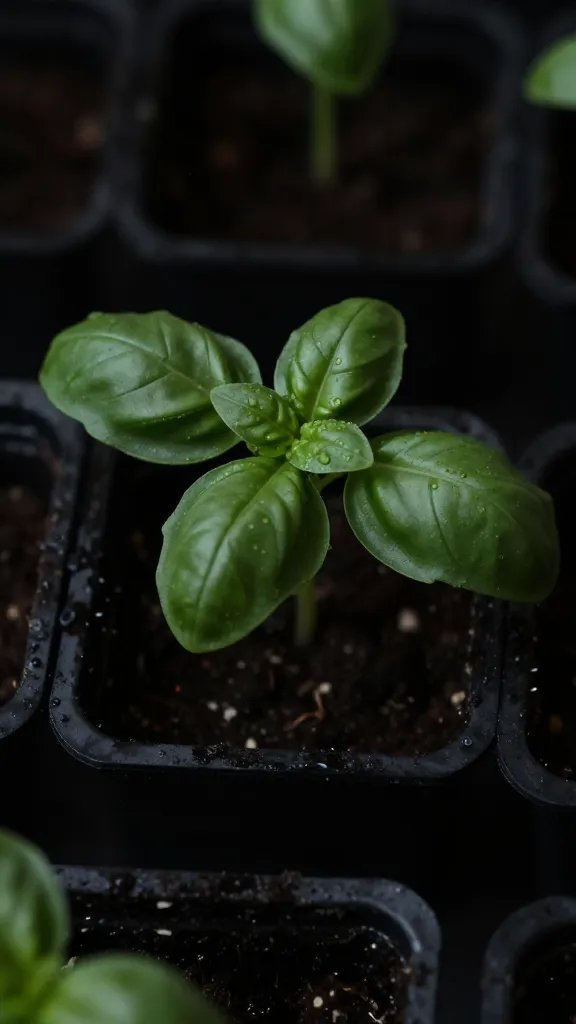
- Basil: Germinates in 5–10 days. Loves warmth and light. Smells like victory.
- Dill: Quick to sprout, hates transplant drama. Start in larger cells or small pots.
- Cilantro: Sprouts in 7–14 days. Cooler temps. Bolt-prone, so grow in batches.
- Chives: Tiny seeds, steady growers, mild onion magic.
- Parsley: Slowpoke alert—can take 2–3 weeks. Totally worth it.
For The Patient Crowd
- Thyme and Oregano: Tiny seeds, slow growth, big payoff.
- Rosemary: Finicky germination. If you nail it, you’re a legend.
- Sage: Easy enough, but unhurried. Let it take its time.
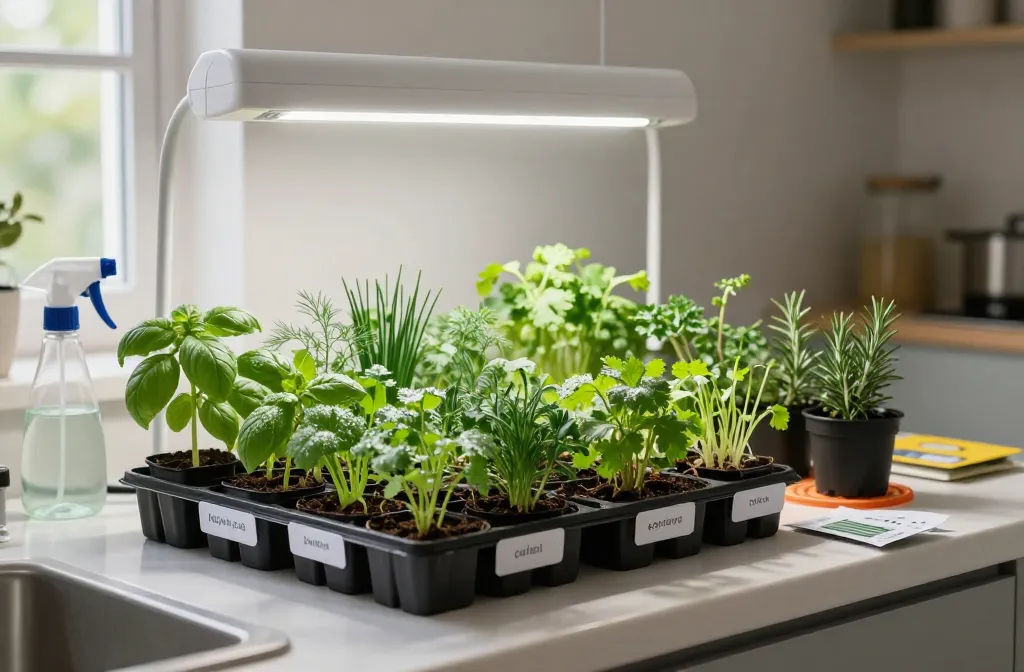
Gear That Makes Seed Starting Stupid-Easy
You don’t need a lab. You just need the right basics and a little consistency.
- Seed-Starting Mix: Light, sterile, and fast-draining. Not garden soil, FYI.
- Cell Trays Or Small Pots: 1–2 inch cells work great; peat or plastic both fine.
- Humidity Dome Or Plastic Wrap: Keeps moisture locked in during germination.
- Heat Mat: Optional but clutch for basil and other warmth lovers.
- Grow Light: A simple LED grow panel works. Window light can work, but seedlings stretch.
- Spray Bottle + Bottom-Watering Tray: Gentle moisture without soil chaos.
- Labels: Trust me—every seedling looks the same at 10 days.
Planting: Tiny Seeds, Big Confidence
Planting herbs mostly comes down to depth and spacing. Too deep and they ghost you; too crowded and they sulk.
- Pre-moisten your mix until it feels like a wrung-out sponge. No dry pockets.
- Fill cells and tap gently to settle. Don’t compress like you’re making bricks.
- Sow shallow: Rule of thumb—seed depth = 2–3x the seed’s width. Many herb seeds prefer almost surface-sown.
- Press, don’t bury: For basil, thyme, oregano, and chives, press seeds onto the surface and dust with a whisper of mix or vermiculite.
- Label everything. Future you will forget. Guaranteed.
- Mist and cover with a dome or plastic to keep humidity high until you see sprouts.
Pro Tips So They Actually Sprout
- Cilantro: Gently crush the seed husk (it’s actually two seeds). Soak for a few hours for a head start.
- Parsley: Soak 12–24 hours to speed up notoriously slow germination.
- Rosemary: Fresh seed matters. Provide consistent warmth and patience. Lots of patience.
Light, Heat, And Water: The Golden Trio
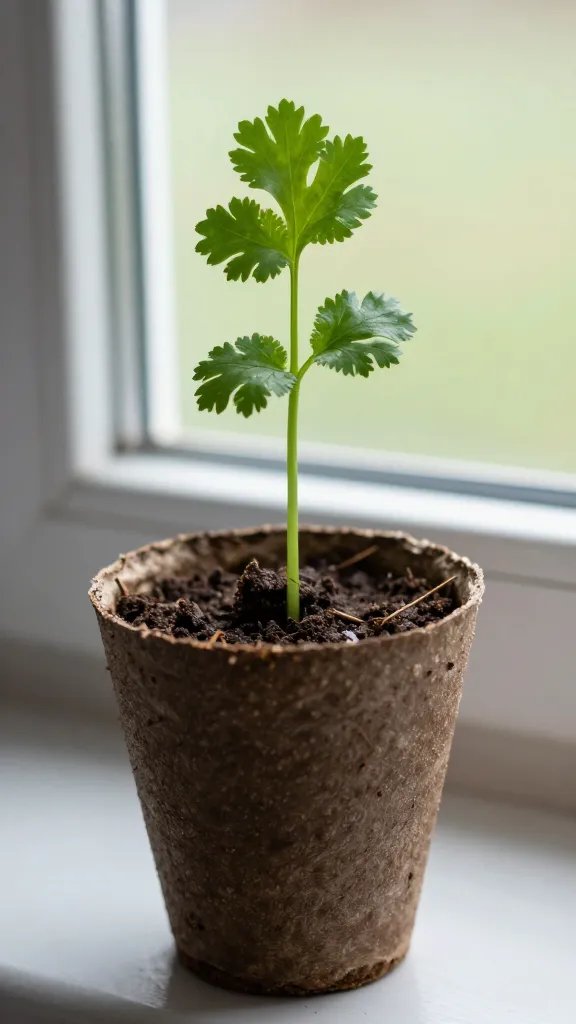
You can’t buy success, but you can buy a grow light—and that’s close.
- Heat: 70–75°F for germination. Basil loves 75–80°F. Cooler for cilantro (60s work).
- Light: After sprouting, give 12–14 hours daily. Keep LEDs 4–8 inches above seedlings. No tan lines, just bright vibes.
- Water: Bottom-water when the surface looks dry. Dump excess after 20 minutes. Mist tops only if crust forms.
- Airflow: A small fan on low toughens stems and prevents fungus. Think gentle spring breeze, not hurricane.
Leggy Seedlings? Fix It Fast
- Lower the light closer to the leaves (but don’t scorch).
- Increase brightness/time to hit that 12–14 hour sweet spot.
- Cool it down a bit—slightly cooler temps reduce stretch.
Feeding And Thinning Without Tears
Seedlings start with tiny energy packs, but they need food once true leaves show up.
Transform Your Home With 7,250+ Stunning Landscaping Designs—No Expensive Designers Needed!
- 🌿 Access 7,250+ stunning landscaping designs.
- 💰 Save thousands—no pro designer needed.
- 🏡 Plans for gardens, patios, walkways, and more.
- ✨ Simple, beginner-friendly DIY layouts.
- 🛠️ Customize any design to fit your yard.
- Thinning: Snip extras at soil level with scissors. One seedling per cell equals happier herbs.
- Fertilizer: After 2–3 weeks, feed with a half-strength, balanced liquid fertilizer every 1–2 weeks.
- Spacing: Give roots room. If they crowd each other, they stall. IMO, ruthless thinning beats sad plants.
When To Pot Up
- Roots peeking out the bottom? Time to move to 3–4 inch pots.
- Basil and parsley appreciate the upgrade. Dill hates it—start dill in a bigger pot from the jump.
Transplanting Outdoors (Or Rocking It Indoors)
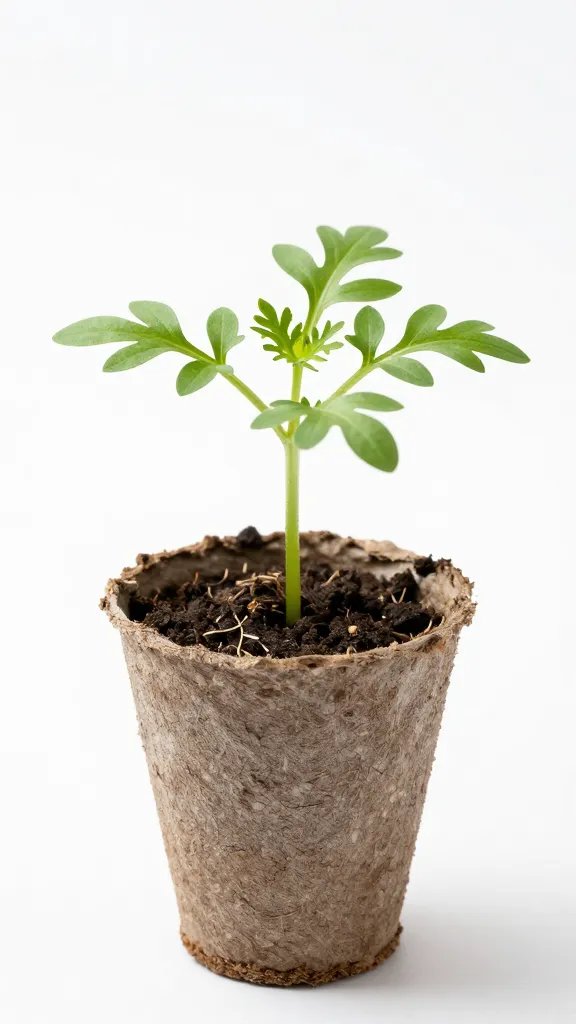
You grew them. Now don’t shock them. Or do—if you enjoy drama.
Hardening Off
- 7–10 days before outdoor life, start with 1–2 hours of shade, then increase time and sun daily.
- Avoid cold snaps. Basil throws tantrums below 50°F.
Planting Outside
- Soil: Well-drained with compost mixed in. Herbs hate soggy shoes.
- Sun: Most want 6+ hours. Cilantro tolerates part shade. Parsley’s flexible.
- Spacing: Basil 10–12 inches, parsley 8–10, thyme/oregano 12+, dill tall in the back.
Growing Indoors Long-Term
- South window + supplemental light works best.
- Rotate pots weekly so they don’t lean like drama queens.
- Snip regularly to keep plants compact and productive.
Harvesting Without Sabotaging Your Plants
You want endless herbs, not a one-hit wonder.
- Basil: Pinch above a pair of leaves, never strip a whole stem. Keep flowers off for flavor.
- Thyme/Oregano: Cut stems, leave a few inches to regrow.
- Parsley/Cilantro: Harvest outer stems first. Let the center keep pushing new growth.
- Dill: Take fronds as needed. For seed heads, let a few plants bolt on purpose.
Troubleshooting: Because Stuff Happens
Damping-Off (Seedlings Fall Over At Soil Line)
- Fix: Increase airflow, bottom-water only, remove the dome after sprouting, and use sterile mix.
Yellow Leaves
- Fix: Light too weak or nutrients low. Boost light, start gentle feeding.
Slow Growth
- Fix: Crowding, cold temps, or compacted soil. Thin, warm them up, and fluff your mix next time.
FAQ
When should I start herb seeds indoors?
Start 6–8 weeks before your last expected frost for most herbs. Basil likes warmth, so closer to 4–6 weeks can work if you have a heat mat and good lights. For cool-friendly cilantro, you can even sow outdoors early spring.
Can I use regular potting soil for seed starting?
You can, but a seed-starting mix gives better germination. It stays airy, drains fast, and reduces disease. Regular potting soil can crust and drown tiny seedlings.
How close should my grow light be?
Keep LEDs about 4–8 inches above seedlings. Watch the leaves: stretching means closer; bleaching means back it up. Aim for 12–14 hours of light daily.
Do I need a heat mat?
Not mandatory, but super helpful for warm-lovers like basil, thyme, and oregano. Cilantro and parsley don’t care as much. If your house runs cool, a mat speeds everything up.
Why do my seedlings keep dying after they sprout?
Classic damping-off. Use sterile mix, avoid overwatering, add airflow, and pull off the humidity dome as soon as most seeds sprout. Bottom watering helps a ton.
How often should I fertilize seedlings?
Start after the first true leaves with a half-strength, balanced liquid feed every 1–2 weeks. If leaves darken and growth looks steady, you’re nailing it.
Conclusion
Herb seed starting doesn’t require a greenhouse, a PhD, or monk-level patience. With light, warmth, and a little routine, you’ll grow basil you’ll brag about and parsley that laughs at grocery store bunches. Start small, keep notes, and tweak as you go—IMO that’s the fun part. Ready to sow? Your future pesto awaits.