Master Seed Starting Calendar by Zone (When to Start Everything)
Ready to stop guessing and start sowing like a pro? A seed starting calendar by zone tells you exactly when to start everything so plants hit the ground running. Think of it as cheat codes for your climate. You’ll save time, avoid frost disasters, and get harvests faster. Sound good? Let’s dial in your timing, zone by zone.
Know Your Zone (And Your Frost Dates)
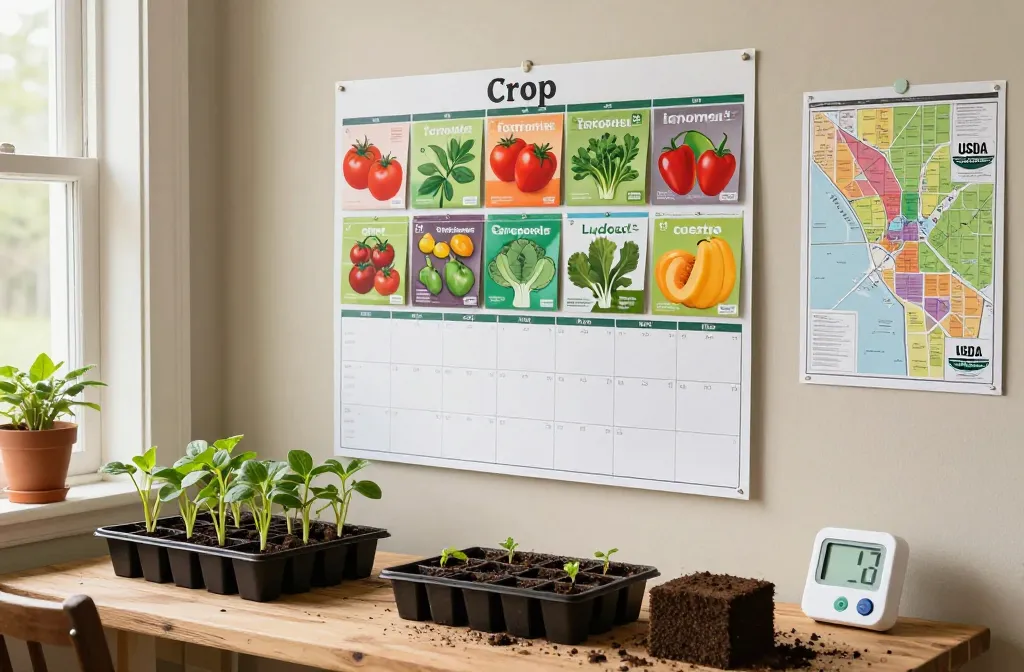
You can’t build a calendar without your weather baseline. Two things matter most: your USDA Hardiness Zone and your local average last spring frost and first fall frost.
Tired of snacking when you’re not even hungry? This reset helps you stop the loop and feel back in control.
A simple reset for moments when cravings take over. Easy to use, easy to repeat, and designed to help you feel satisfied instead of stuck.
- Find your zone: Use the USDA map (US-only) or your country’s equivalent. Zones run from colder (Zone 3) to warmer (Zone 10+).
- Find frost dates: Look up your average last frost (spring) and first frost (fall). These anchor all your sowing windows.
- Back-calculate: Seed packets list “start indoors X weeks before last frost” or “sow outdoors after danger of frost.” That’s your schedule.
Quick Timing Math
- Tomatoes: Start indoors 6–8 weeks before last frost. Transplant after nights stay above 50°F/10°C.
- Peppers/Eggplant: 8–10 weeks before last frost. They like it warm-warm.
- Brassicas (broccoli, cabbage): 4–6 weeks before last frost indoors; they tolerate chill.
- Squash/Cukes/Melons: 2–4 weeks before last frost indoors or direct sow after soil warms.
- Lettuce/Spinach/Peas: Sow outdoors as soon as soil is workable (cool-season faves).
- Root crops (carrots, beets): Direct sow 2–4 weeks before last frost. Don’t transplant—too fussy.
Zone-By-Zone Seed Starting Calendar
Use this as your practical cheat sheet. Adjust by a week or two for microclimates. IMO, err early for cool crops and late for heat-lovers.
Zone 3–4 (Short, Cool Seasons)
- Late Jan–Feb: Onions, leeks, celery indoors (10–12 weeks before last frost).
- March: Brassicas indoors. Start peppers now; they need the head start.
- April: Tomatoes indoors. Direct sow peas and spinach when soil can be worked.
- May: Transplant brassicas under row cover. Direct sow carrots/beets. Start squash/cukes indoors late month.
- June: Last frost finally out. Transplant tomatoes/peppers. Direct sow beans and corn.
Zone 5–6 (Classic Four Seasons)
- February: Onions, leeks, herbs indoors.
- March: Brassicas and lettuce indoors; peppers/eggplant now; tomatoes late March.
- April: Direct sow peas, radish, spinach, carrots. Start squash/cukes indoors mid-month.
- May: Transplant tomatoes/peppers after frost (usually mid–late May). Direct sow beans, corn, melons late May.
- August: Fall crop sowing: spinach, radish, kale; start transplant brassicas for fall.
Zone 7–8 (Longer Springs, Hot Summers)
- January: Onions, brassicas indoors for early spring.
- February: Start tomatoes and peppers. Direct sow peas and greens early.
- March: Transplant cool crops. Direct sow carrots/beets. Start squash/cukes indoors late month.
- April: Plant tomatoes, peppers, and eggplant outdoors. Direct sow beans, corn, melons.
- September–October: Stellar fall garden window—sow spinach, arugula, carrots, and start brassicas again.
Zone 9–10+ (Mild Winters, Blazing Summers)
- September–November: Start cool-season crops: lettuce, kale, broccoli, peas. This is your “spring.”
- December–January: Keep sowing greens, roots, and herbs. Start onions and celery.
- January–February: Start tomatoes/peppers indoors for early spring planting.
- March–April: Plant warm crops outdoors. Beat the early heat if you can.
- Summer: Focus on okra, sweet potatoes, cowpeas, basil, and heat-tolerant varieties. Or take a break—no judgment.
Warm-Season vs Cool-Season: Pick Your Battles
Timing depends on plant vibes: chill-friendly vs heat-seeking.
Cool-Season Crops (Like Sweater Weather)
- Arugula, spinach, lettuce, peas, radish, carrots, beets, broccoli, kale, cabbage.
- When: Early spring and fall. Many survive light frost.
- Pro tip: Use row covers for late frosts and pests.
Warm-Season Crops (Summer Lovers)
- Tomatoes, peppers, eggplant, beans, corn, squash, melons, cucumbers, okra, basil.
- When: After frost, when soil warms to 60–70°F+ (16–21°C+).
- Pro tip: Harden off slowly and warm your soil with black plastic if you’re impatient (same).
Indoor Seed Starting: Simple Setup, Big Payoff
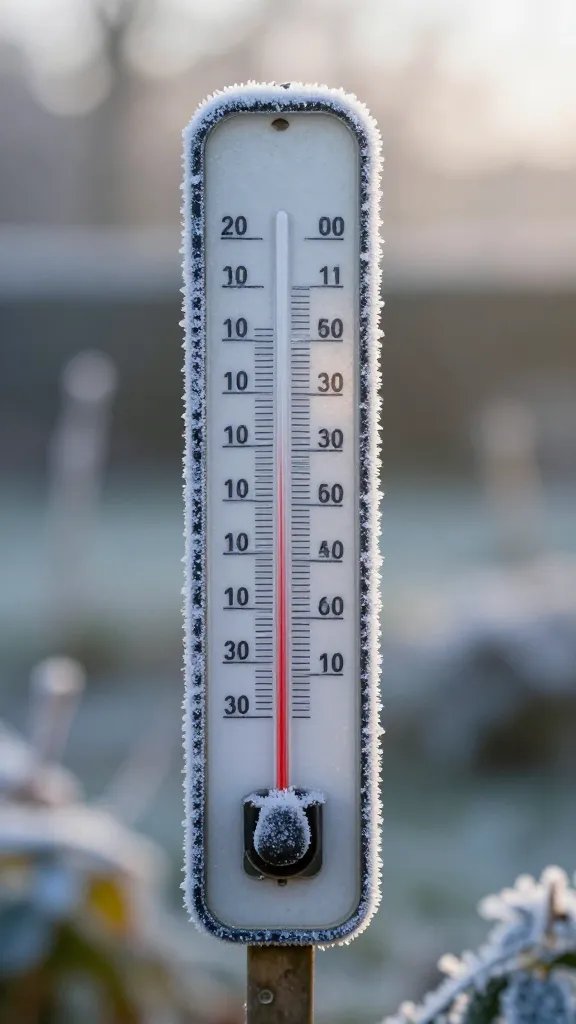
You don’t need a lab. You need consistency.
- Light: Use LED shop lights 2–4 inches above seedlings, 14–16 hours/day.
- Heat: Bottom heat mats speed germination for peppers/tomatoes. Remove after sprout.
- Soil: Use sterile seed-starting mix. Keep moist, not soggy. Airflow prevents damping off.
- Feeding: Start a dilute fertilizer after first true leaves.
- Potting up: Move to bigger cells if roots circle.
Hardening Off (Don’t Skip!)
- 7–10 days before transplant: give plants short outdoor visits.
- Start in shade, low wind, 1–2 hours; add time and sun daily.
- Transplant on a cloudy day or late afternoon. Thank me later.
Direct Sowing vs Transplanting: Choose Wisely
Some seeds hate moving; others need coddling indoors.
Transform Your Home With 7,250+ Stunning Landscaping Designs—No Expensive Designers Needed!
- 🌿 Access 7,250+ stunning landscaping designs.
- 💰 Save thousands—no pro designer needed.
- 🏡 Plans for gardens, patios, walkways, and more.
- ✨ Simple, beginner-friendly DIY layouts.
- 🛠️ Customize any design to fit your yard.
- Best Direct-Sown: Carrots, beets, radish, peas, beans, corn, dill.
- Best Transplanted: Tomatoes, peppers, eggplant, brassicas, celery.
- Either Works: Lettuce, cucumbers, squash, melons (but protect from pests).
Soil Temperature Cheats
- Peas: 40–75°F (4–24°C)
- Lettuce: 40–70°F (4–21°C)
- Carrots: 45–85°F (7–29°C)
- Beans/Corn: 60°F+ (16°C+)
- Tomatoes/Peppers: 65–85°F (18–29°C)
Success Boosters By Zone
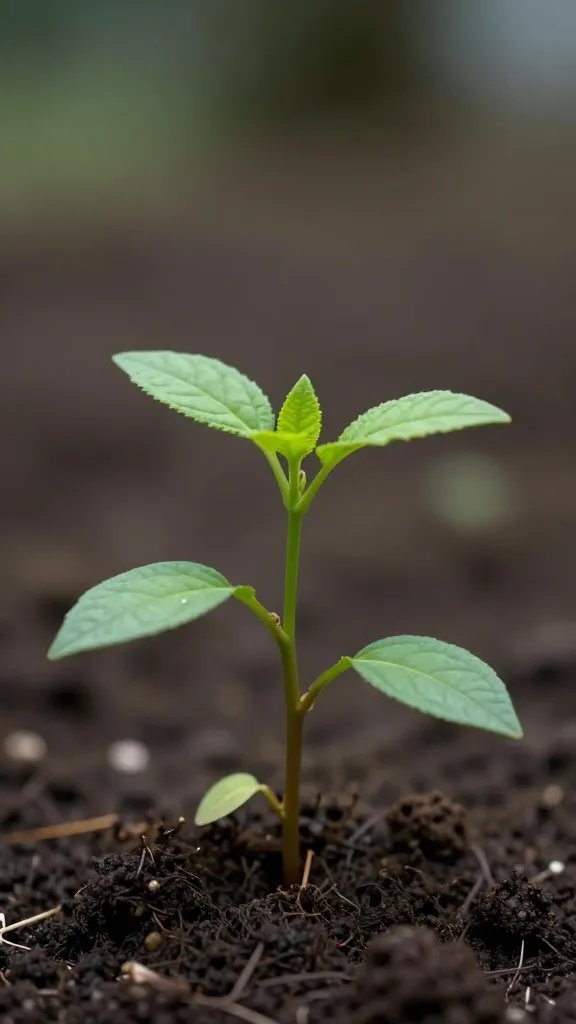
Cold Zones (3–5)
- Season extension: Low tunnels, cloches, and frost blankets add 2–4 weeks.
- Faster varieties: Choose early tomatoes (65–75 days) and short-season corn.
Moderate Zones (6–7)
- Succession sowing: Plant smaller batches every 2–3 weeks for continuous harvests.
- Dual seasons: Do spring and fall runs of greens and brassicas.
Warm Zones (8–10+)
- Beat the heat: Plant spring tomatoes early, then a fall crop late summer.
- Shade cloth: 30% shade keeps lettuce and spinach from bolting instantly.
FAQ
How do I find my exact last frost date?
Check a reputable local source: cooperative extensions, university ag sites, or a garden-focused weather tool. Use a 10-year average and treat it as guidance, not gospel. Weather gets moody.
Can I start seeds too early?
Absolutely. Leggy, root-bound seedlings stall after transplant. Aim for stocky plants with 2–4 true leaves when planting out. If you go early, pot up and add strong light, FYI.
What if a late frost hits after I planted?
Cover plants with frost blankets, old sheets, or upside-down buckets overnight. Water soil beforehand to hold heat. Remove covers in the morning once temps rise.
Why do my seedlings keep dying?
Usually damping off from soggy soil and poor airflow. Use sterile mix, water from the bottom, and add a fan. Don’t baby them to death—light and air matter more than constant watering.
Do I need grow lights if I have a sunny window?
Windows rarely cut it. Plants stretch and get weak. Affordable LED shop lights turn seedlings into sturdy champs, IMO the best upgrade per dollar.
What’s the easiest crop for beginners?
Radishes and peas outdoors; basil and lettuce indoors or out. Fast wins keep motivation high, and you get snacks—win-win.
Conclusion
You don’t need a greenhouse or wizard robe—just your zone, frost dates, and a little back-calculating. Start cool crops early, warm crops after frost, and adjust by a week or two for your microclimate. Keep it simple, keep it steady, and your seed starting calendar by zone will do the heavy lifting. Ready to sow smarter and harvest sooner? Let’s grow.