Steal These 14 No-Maintenance Landscaping Ideas That Actually Work
Sick of mowing, trimming, and babying plants that ghost you by July? Same. These no-maintenance landscaping ideas give you the pretty yard without the weekend chores. We’re talking tough plants, smart materials, and layouts that thrive on neglect. Ready to fire your lawnmower and still get compliments from the neighbors?
1. Ditch the Lawn for a Gravel Courtyard
Tired of snacking when you’re not even hungry? This reset helps you stop the loop and feel back in control.
A simple reset for moments when cravings take over. Easy to use, easy to repeat, and designed to help you feel satisfied instead of stuck.
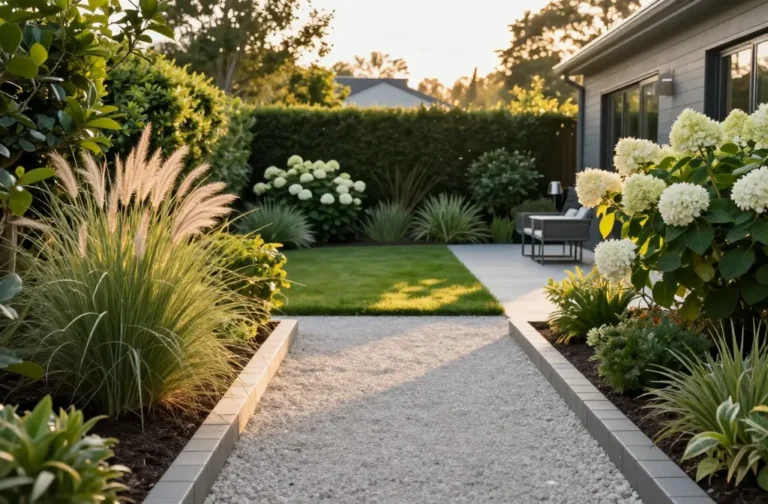
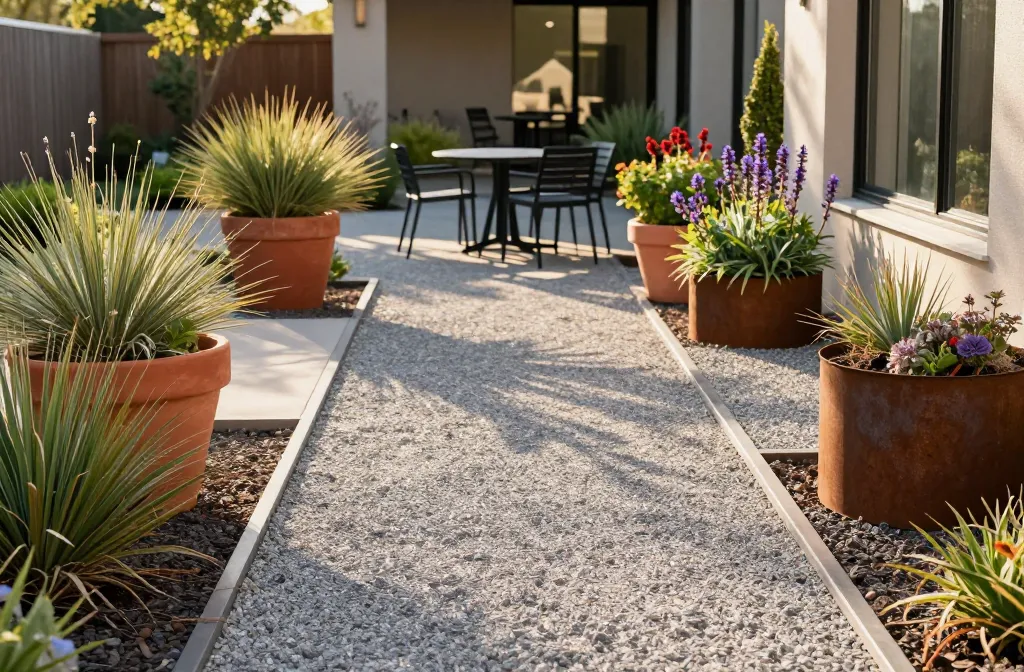
Grass needs constant attention; gravel just chills. A compacted gravel courtyard creates a breezy, Mediterranean vibe and slashes water and maintenance to almost zero. Add a few statement planters and boom—instant outdoor room.
Tips
- Use decomposed granite or pea gravel for comfort underfoot.
- Lay a high-quality weed barrier fabric first to stop invaders.
- Edge with steel, stone, or pavers to keep it tidy.
This works best in sunny spots where you want pathways, dining areas, or a low-key hangout zone that always looks intentional.
2. Go All-In on Native, Drought-Tough Plants
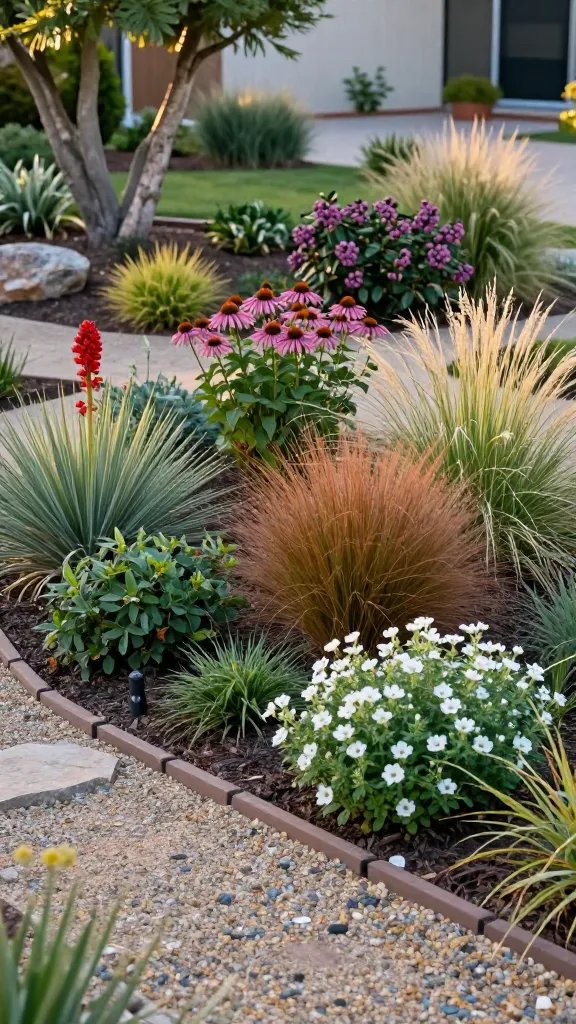
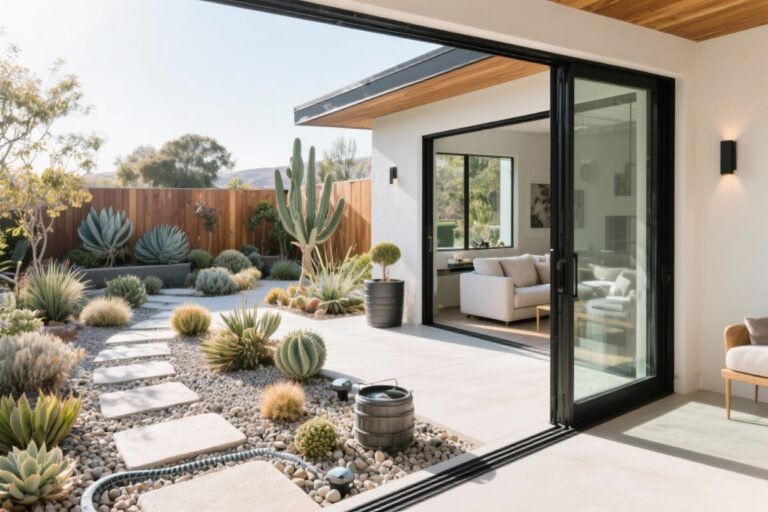
Plants that evolved in your region basically raise themselves. They handle local pests, weather swings, and water limits like champs. Choose structural species and you’ll get four-season curb appeal with almost no effort.
Transform Your Home With 7,250+ Stunning Landscaping Designs—No Expensive Designers Needed!
- 🌿 Access 7,250+ stunning landscaping designs.
- 💰 Save thousands—no pro designer needed.
- 🏡 Plans for gardens, patios, walkways, and more.
- ✨ Simple, beginner-friendly DIY layouts.
- 🛠️ Customize any design to fit your yard.
Great Picks
- Southwest: Desert spoon, blackfoot daisy, red yucca
- Midwest: Purple coneflower, little bluestem, prairie dropseed
- Northeast: Inkberry holly, foamflower, switchgrass
- West Coast: Manzanita, ceanothus, California fescue
Once established, natives need minimal water and zero fuss. Use them for foundation plantings, no-mow meadows, or borders that look pro-level, IMO.
3. Mulch Like You Mean It
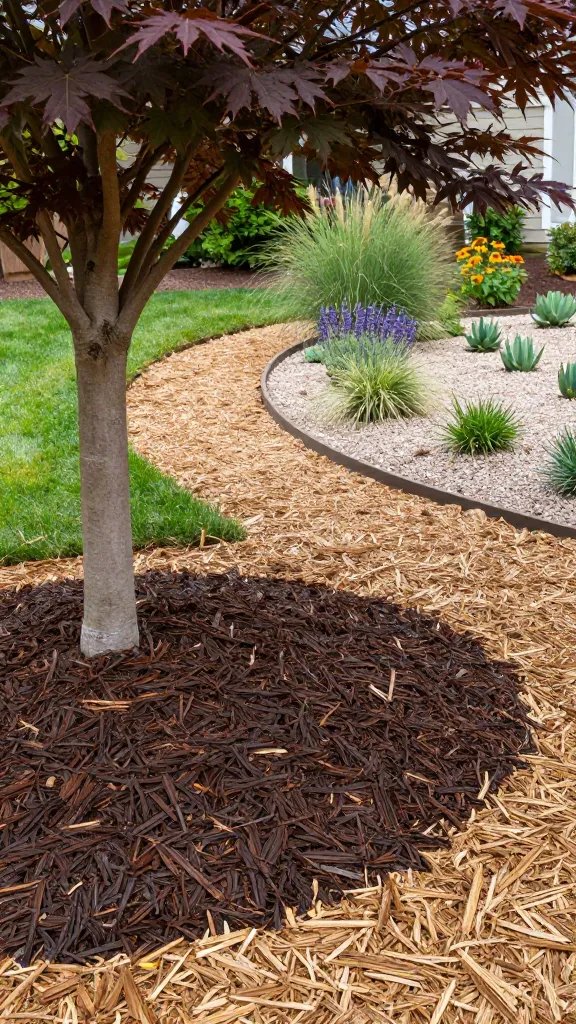
Mulch is the landscaping cheat code. It locks in moisture, blocks weeds, and makes beds look finished even when you did nothing else. Choose the right type and you’ll refresh it maybe once a year.
Materials
- Shredded bark: Natural look, great for beds
- Arborist chips: Free from tree services, fantastic for paths
- Stone mulch: Best for hot, dry climates and around succulents
Use a 2–3 inch layer, keep it off trunks, and enjoy fewer weeding sessions and lower water bills. Perfect around trees and perennials you don’t want to baby.
4. Swap High-Maintenance Hedges for Evergreen Sculptures
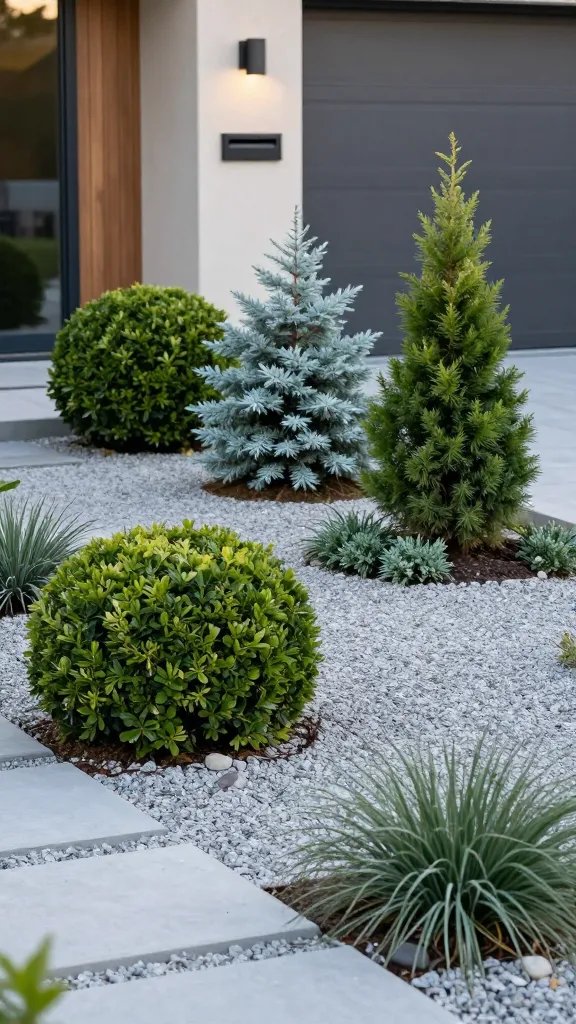
Formal hedges grow like they’re training for a marathon—you’ll trim forever. Instead, use slow-growing evergreens as sculptural anchors. They hold shape, stay neat, and play well with gravel and groundcovers.
Low-Fuss Winners
- Dwarf boxwood (blight-resistant cultivars)
- Juniper ‘Blue Star’ for icy color
- Dwarf conifers like mugo pine or Hinoki cypress
Place them at corners, entryways, or as rhythm along a path. You’ll get backbone structure with maybe one light snip a year—if that.
5. Create Forever-Bloom Beds With Perennial Blocks
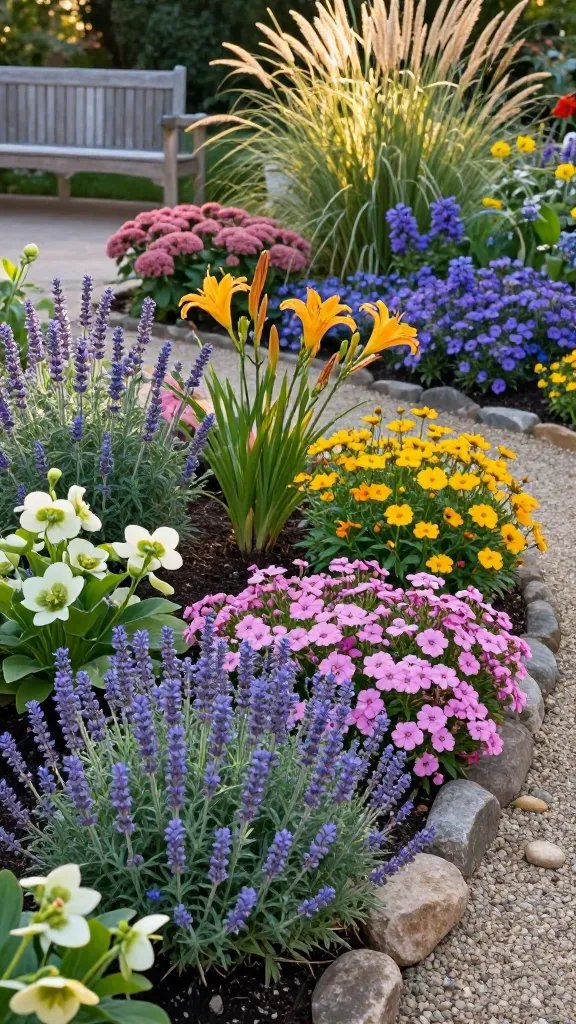
Annuals look cute then send you shopping again. Perennials, planted in generous blocks, return like clockwork. Stagger bloom times and you’ll get color spring to frost without replanting.
Layering Blueprint
- Spring: Catmint, hellebores, creeping phlox
- Summer: Daylilies, salvia, coreopsis
- Late season: Sedum, asters, ornamental grasses
Plant in groups of 3–7 for impact. This approach thrives in mixed borders and around patios where you want reliable color with minimal deadheading.

6. Build a Dry Creek Bed That Manages Water for You
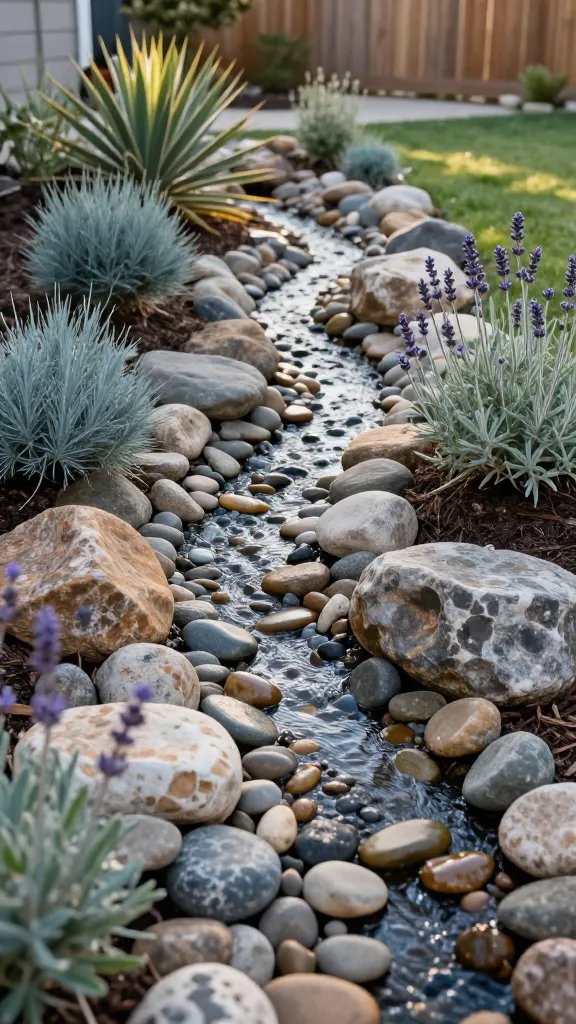
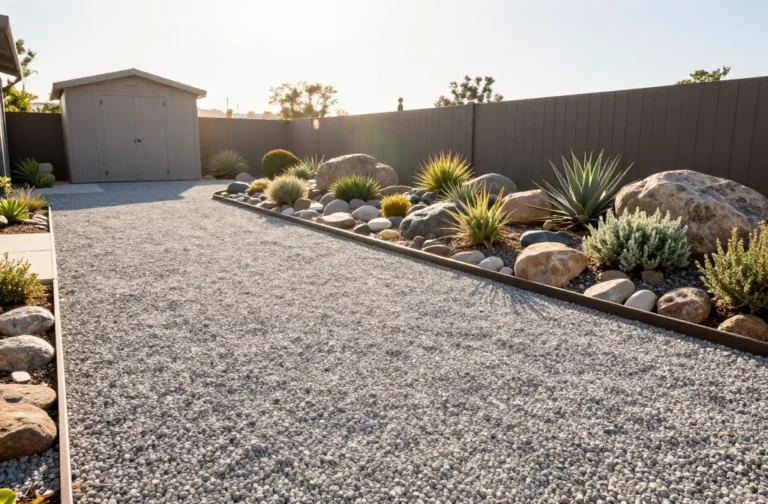
Got a soggy spot or a slope? A dry creek bed looks artsy and quietly fixes drainage. Smooth river rocks, a few boulders, and drought-tough plants create a scene that needs zero upkeep.
Key Points
- Dig a shallow swale and line with landscape fabric.
- Use mixed stone sizes for a natural look.
- Add plants like blue fescue, yucca, or Russian sage along the edges.
Ideal for side yards and downspout areas. It turns problem zones into features—seriously satisfying.
7. Choose Groundcovers Over Bare Soil
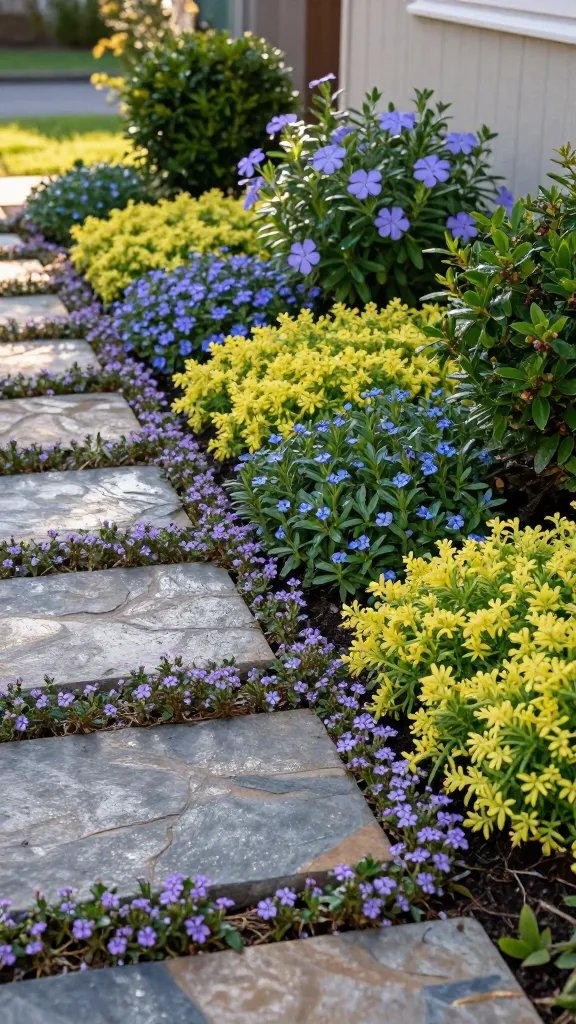
Bare soil screams “weed me.” Carpet it with tough groundcovers and never see mulch fade or soil splash again. Plus, they knit a garden together like a gorgeous rug.
No-Fuss Stars
- Creeping thyme: Handles foot traffic, smells amazing
- Cotoneaster or periwinkle: Fast coverage on slopes
- Sedum ‘Angelina’: Chartreuse pop, zero drama
Use between stepping stones, under shrubs, or on eroding hills. You’ll water less and weed less—win-win.
8. Use Big Containers With Self-Watering Inserts
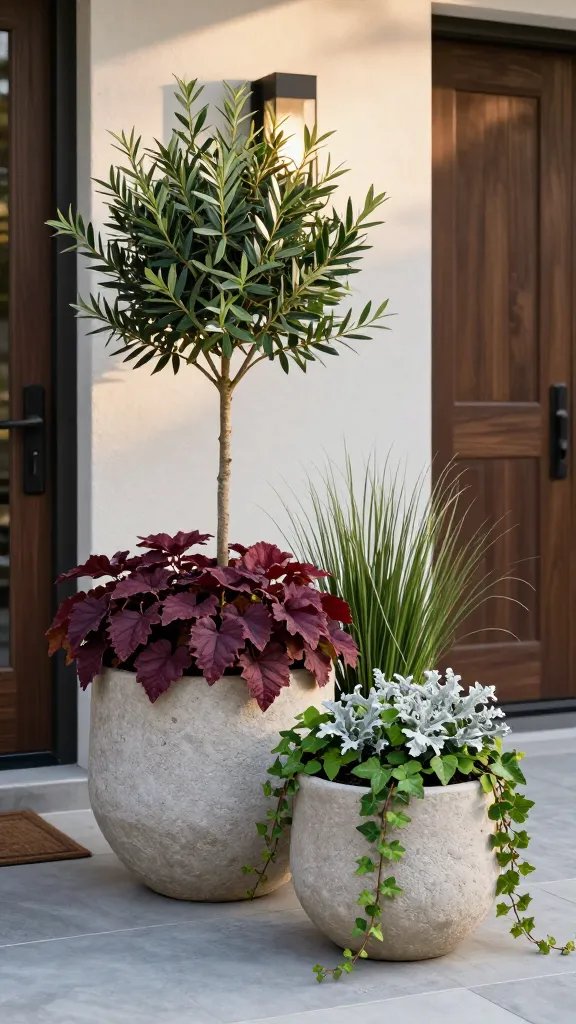
Small pots dry out and sulk. Large containers with self-watering reservoirs keep roots happy for weeks. Cluster three sizes for a high-end look you barely touch.
Container Recipe
- Evergreen “thriller”: Dwarf olive, arborvitae, or cordyline
- Mounding “filler”: Heuchera, dwarf grasses
- Trailing “spiller”: Creeping jenny, ivy, dichondra
Perfect for patios or entrances where you want instant polish without daily watering. FYI, resin or fiberstone pots weigh less but still look luxe.
9. Design With Ornamental Grasses for Movement
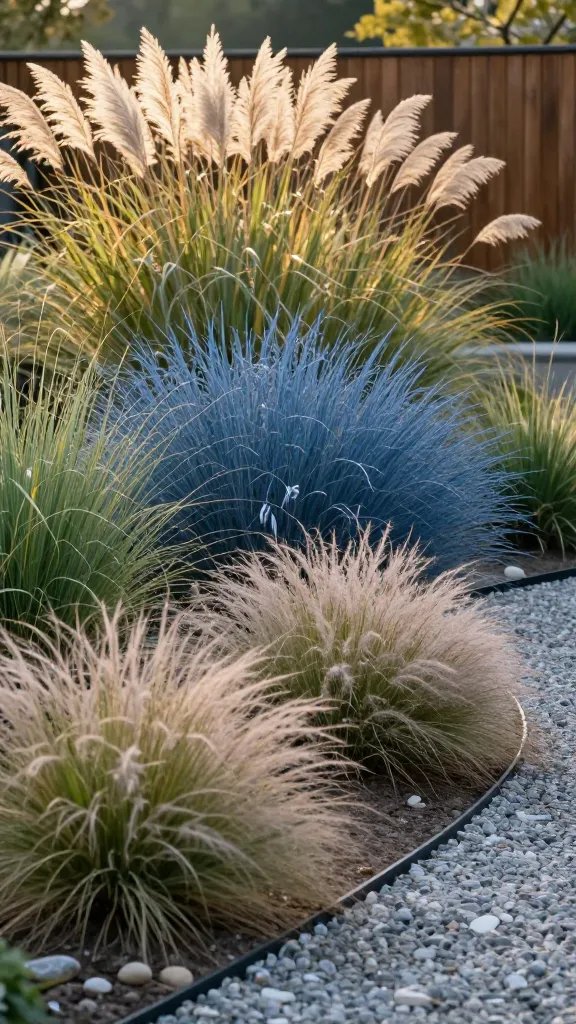
Grasses look like you hired a designer. They sway, catch the light, and don’t ask for much. Cut them back once a year and call it done.
Reliable Picks
- Feather reed grass ‘Karl Foerster’: Vertical drama
- Blue oat grass: Steel-blue clumps
- Prairie dropseed: Soft, fragrant mounds
Use them as borders, privacy screens, or mass plantings. They shine in windy sites and poor soil where divas fail.
10. Hardscape the High-Traffic Zones
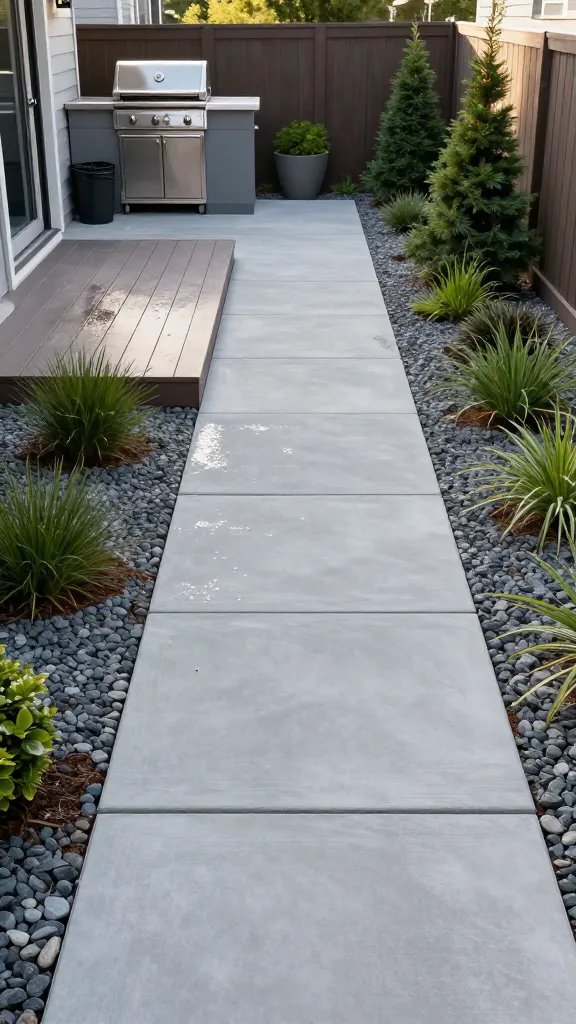
Build paths and patios where feet already go and you’ll stop fighting mud and dead patches. Durable hardscaping equals fewer chores and a cleaner look year-round.
Smart Materials
- Large-format pavers: Modern, fewer joints for weeds
- Crushed stone: Affordable, drains well
- Composite decking: No staining, no splinters
Ideal along side yards, trash can runs, and grills. You’ll hose it off occasionally and spend the rest of your weekend relaxing.
11. Pick Shrubs That Prune Themselves
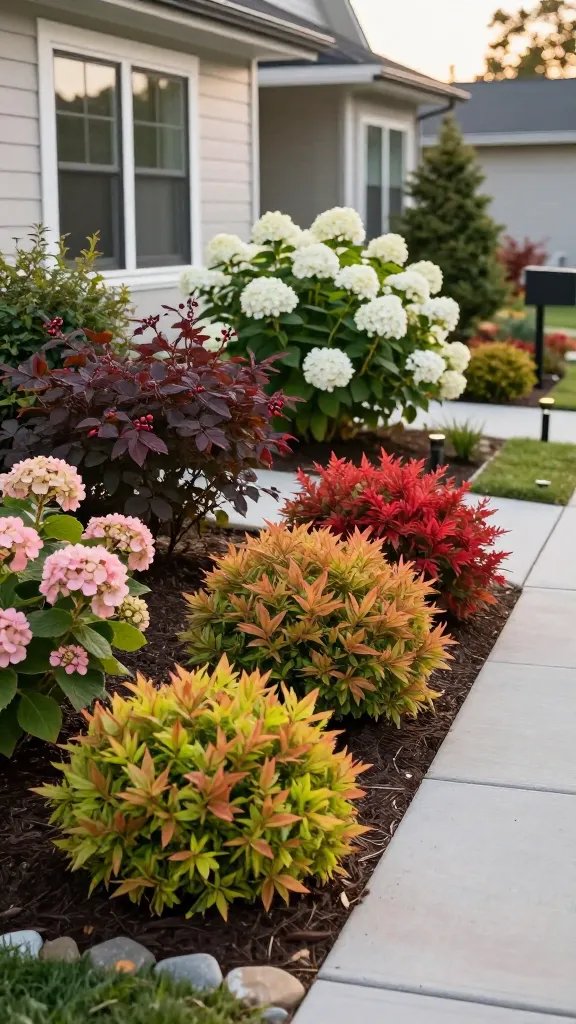
Some shrubs behave like they know your schedule. Choose naturally compact varieties and skip the hedge trimmer drama. Seasonal flowers and berries? Bonus.
Low-Effort All-Stars
- Spirea ‘Magic Carpet’
- Ninebark ‘Tiny Wine’
- Hydrangea paniculata ‘Bobo’ (tiny but mighty)
- Nandina ‘Firepower’ for color without pruning
Plug these into foundation beds and borders for shape, color, and nearly zero maintenance. You’ll forget they’re there—until the compliments roll in.
12. Set It and Forget It With Drip Irrigation
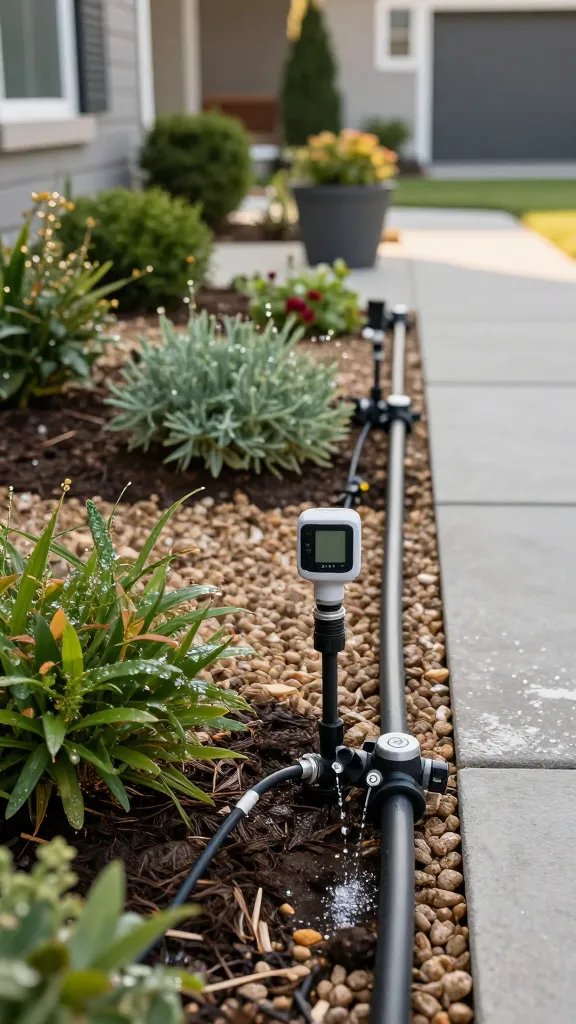
Watering by hand? Hard pass. A simple drip system targets roots, saves water, and keeps leaves dry so plants stay healthier. Add a timer and your yard basically waters itself.
Quick Setup
- Main line from the spigot with a pressure regulator
- Emitters or inline tubing to each plant group
- Smart timer for seasonal tweaks
Use for beds, shrubs, and containers. Once dialed in, you’ll barely touch it—trust me, it’s the best lazy-person upgrade.
13. Go Monochrome for Instant Cohesion
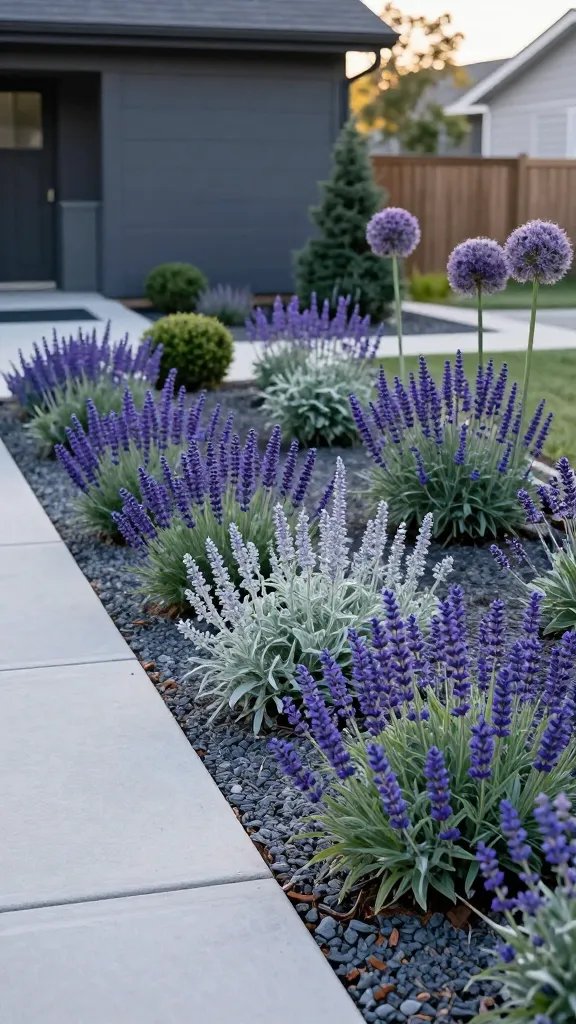
Color chaos creates maintenance chaos. A tight palette makes everything look intentional and hides small imperfections. Pick one dominant color and echo it in foliage and flowers.
Foolproof Palettes
- Silver + White: Lamb’s ear, artemisia, white gaura
- Blue + Purple: Salvia, catmint, allium, lavender
- Chartreuse + Deep Green: ‘Angelina’ sedum, hosta, boxwood
Great for front yards and small spaces where simplicity sells. It reads curated, not complicated—low effort, high style.
14. Embrace the No-Mow Meadow

Lawn that never needs mowing? Meet meadow mixes. These blends of low-growing fescues and wildflowers create a soft, natural look with seasonal interest and almost no care once established.
How to Pull It Off
- Solarize or smother existing turf to start clean.
- Sow a regional meadow or no-mow fescue mix in fall or early spring.
- Mow once or twice a year to keep it tidy—if you want.
Use in larger front yards, parkways, or slopes. You’ll feed pollinators, cut water use, and free your weekends forever—seriously.
Ready to retire the rake and still win Yard of the Year? Pick two or three of these ideas and roll them out this season. Start simple, let the plants and materials do the heavy lifting, and enjoy a yard that looks curated without constant care.