10 Garden Pathway Ideas That Wow Every Guest
Want a backyard that makes guests gasp a little? Start with the path. A great garden pathway guides the eye, sets the mood, and makes even a small yard feel intentional. From cozy cottage vibes to sleek modern lines, these 10 ideas bring personality, structure, and serious curb appeal. Ready to wander?
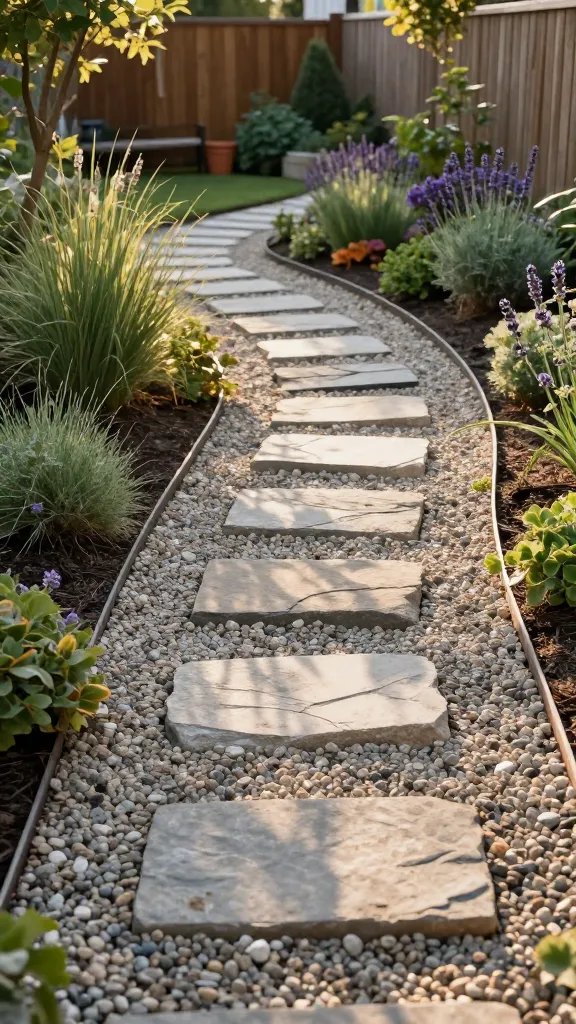
1. Gravel & Steppers: The Effortless Classic
Tired of snacking when you’re not even hungry? This reset helps you stop the loop and feel back in control.
A simple reset for moments when cravings take over. Easy to use, easy to repeat, and designed to help you feel satisfied instead of stuck.
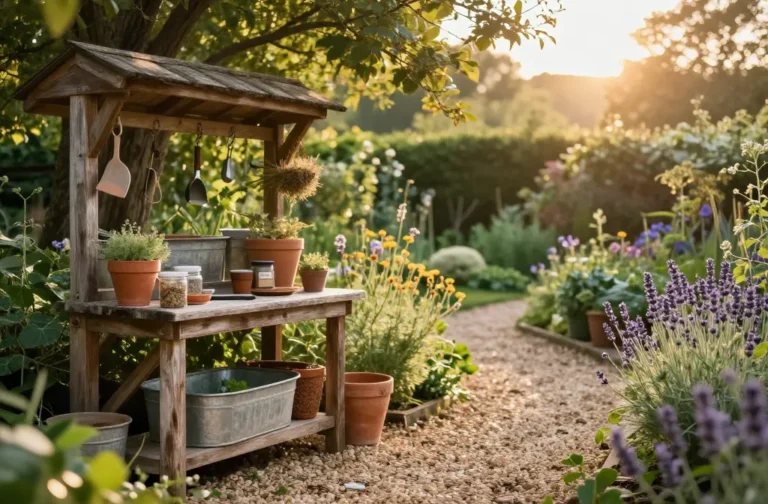
Gravel and large stepping stones deliver a relaxed, informal look that feels timeless. It drains well, installs quickly, and still looks polished. Plus, you can tweak the layout anytime without major drama.
What You’ll Need
- Crushed gravel (not pea gravel for paths you walk often—crushed compacts better)
- Large stone or concrete pavers
- Landscape fabric and a steel edging or bender board
Lay fabric to block weeds, pour a compacted gravel base, then set your steppers with a consistent stride length. Leave a whisper of space between stones so plants or moss can creep in if you like that soft edge. Great for informal gardens, cottage yards, and rental-friendly refreshes.
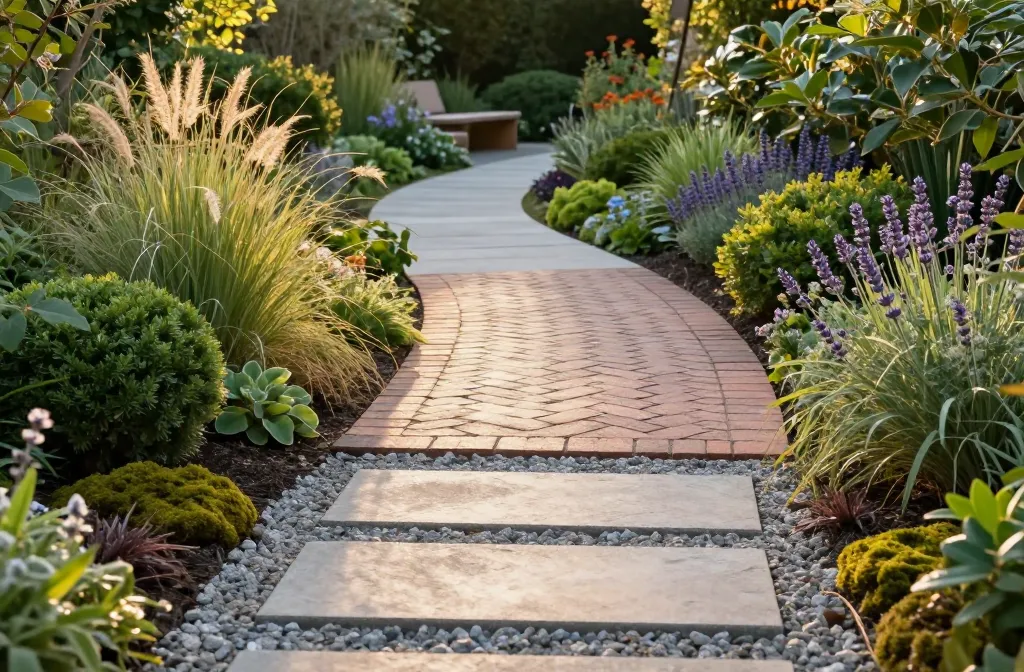
2. Brick Herringbone: Vintage With Major Charm
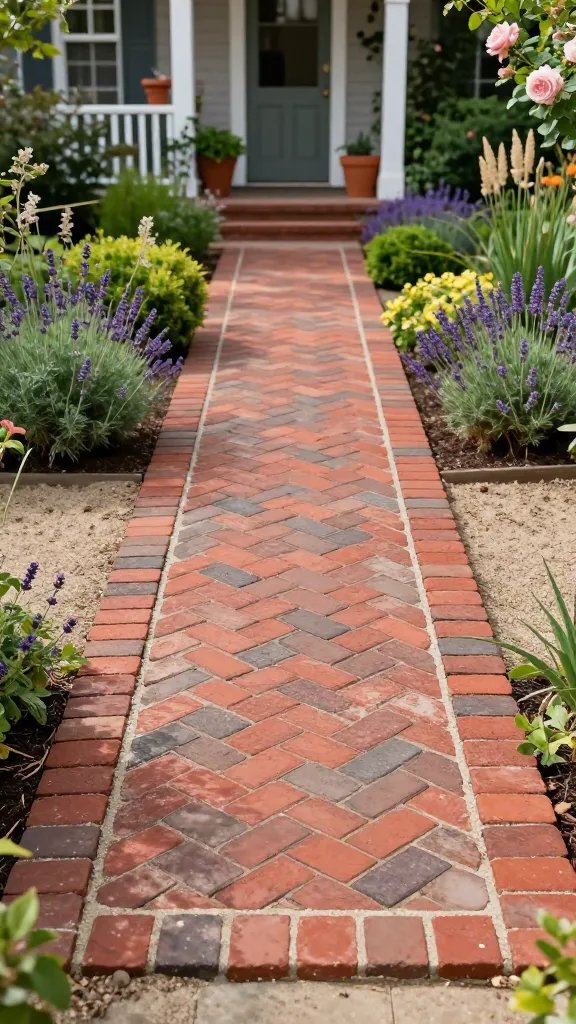
Brick screams character, and a herringbone pattern takes it from cute to iconic. It looks crisp in small spaces and feels sturdy underfoot.
Transform Your Home With 7,250+ Stunning Landscaping Designs—No Expensive Designers Needed!
- 🌿 Access 7,250+ stunning landscaping designs.
- 💰 Save thousands—no pro designer needed.
- 🏡 Plans for gardens, patios, walkways, and more.
- ✨ Simple, beginner-friendly DIY layouts.
- 🛠️ Customize any design to fit your yard.
Pro Tips
- Use reclaimed brick for instant patina and eco-friendly points.
- Edge with soldier bricks to lock the pattern tight.
- Compact a sand or decomposed granite bed and sweep in polymeric sand to finish.
Herringbone resists shifting thanks to the interlocking angles, so it handles foot traffic like a champ. Perfect for front-yard walkups or any spot where you want classic, storybook vibes.
3. Stepping Stones Through Groundcover: Soft, Lush, Magical
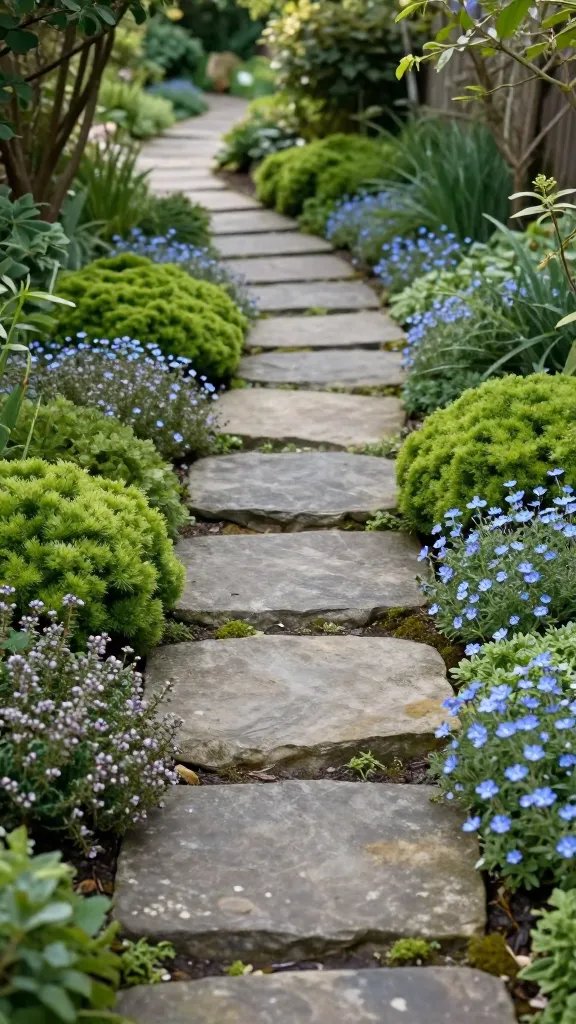
Stone pavers floating through a sea of green makes your garden look like it’s been there for decades. It’s romantic, low-slung, and gentle on the eyes.
Great Groundcovers
- Irish moss (sun to part shade, soft and dense)
- Blue star creeper (tiny flowers, spreads fast)
- Thyme (edible, fragrant, drought-tolerant)
Set stones flush with soil so you don’t trip, then weave groundcover between them. FYI: give plants time to fill in. This style shines in cottage gardens, shady nooks, and along side-yard shortcuts.
4. Decomposed Granite (DG): Chic, Simple, and Budget-Friendly
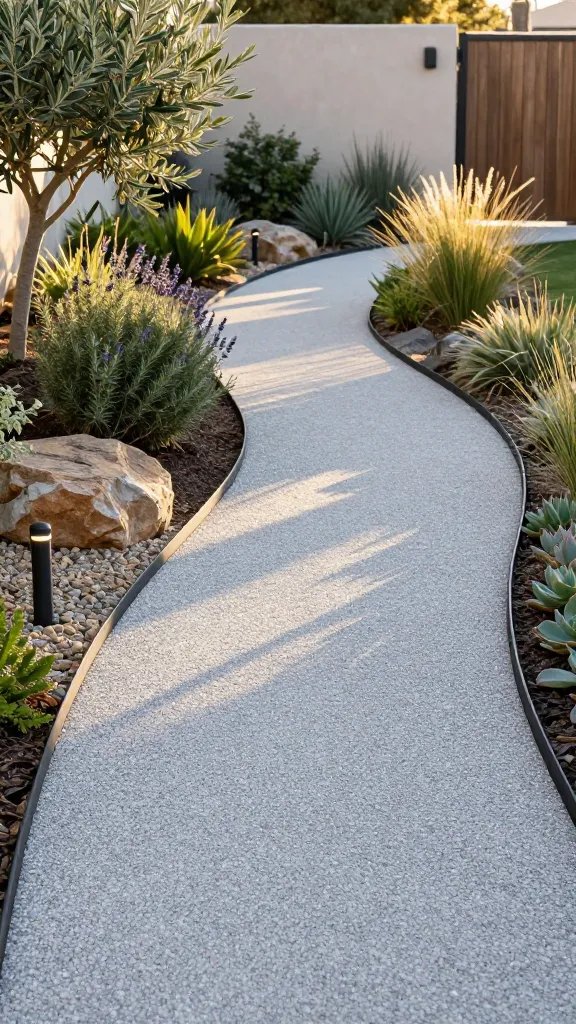
DG pathways look modern yet rustic, especially with clean steel or aluminum edging. The texture feels firm but forgiving, perfect for meandering lines.
Key Points
- Use stabilized DG if you want a firmer, less dusty surface.
- Compact in thin lifts with a plate compactor for best results.
- Add a slight crown or slope for drainage. Puddles = no thanks.
DG works beautifully with native plantings, Mediterranean gardens, and low-water landscapes. It’s the “I woke up like this” of garden paths—casual but put-together.
5. Timber Sleepers: Rustic Lines That Ground the Space
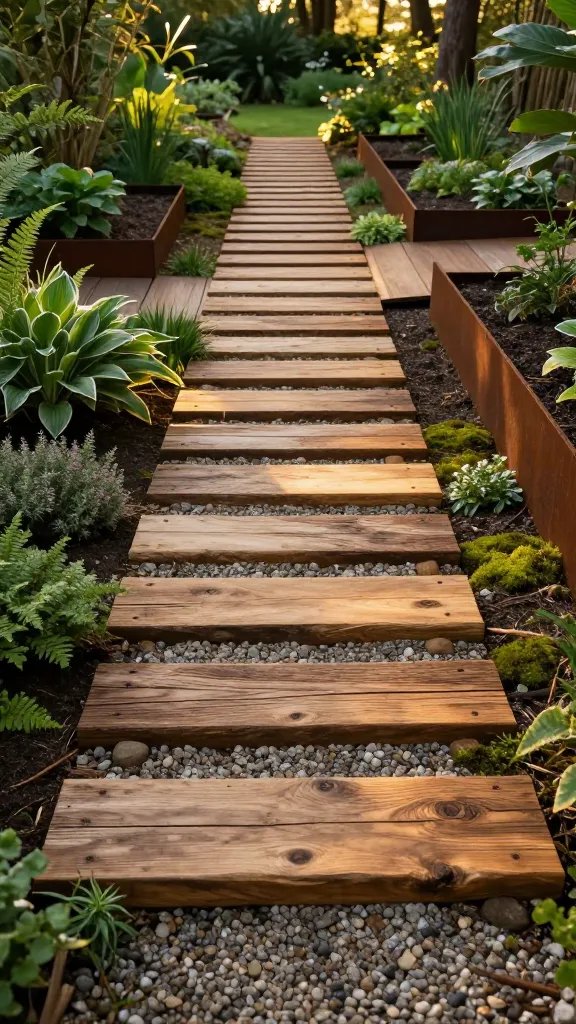
Reclaimed railway sleepers or chunky timber pavers create rhythm and texture. They frame plantings and add warmth that stone can’t replicate.
Installation Notes
- Set sleepers on compacted gravel to prevent rot.
- Choose hardwoods or pressure-treated lumber for longevity.
- Break up long runs with staggered joints for a designer look.
Wood paths shine in woodland gardens, veggie plots, and decks-to-garden transitions. They add structure while feeling organic—like nature, but curated.

6. Concrete Slab Modernist Walk: Clean, Bold, Low-Maintenance
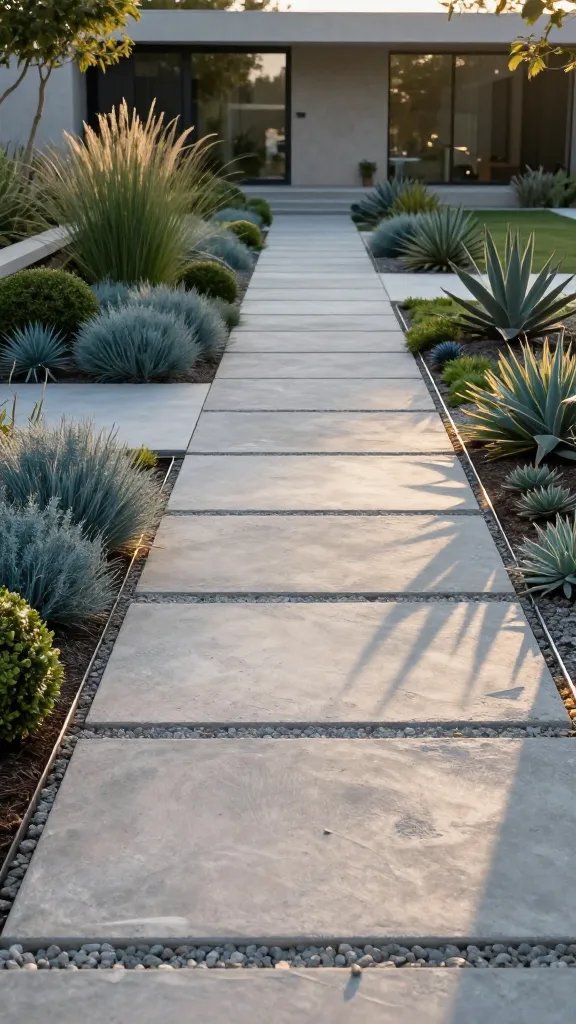
Large poured concrete pads (or big format pavers) scream modern and minimal. They pair beautifully with grasses, succulents, and architectural shrubs.
Design Moves
- Space slabs with gravel or creeping thyme joints.
- Consider exposed aggregate or a light sandblast for traction.
- Keep lines straight and proportions generous—think gallery, not maze.
Concrete reads luxe without fussy upkeep. Use this when you want crisp lines, a contemporary vibe, and a path that doubles as an outdoor runway.
7. Mosaic Pebble Inlay: The “Wow” Moment
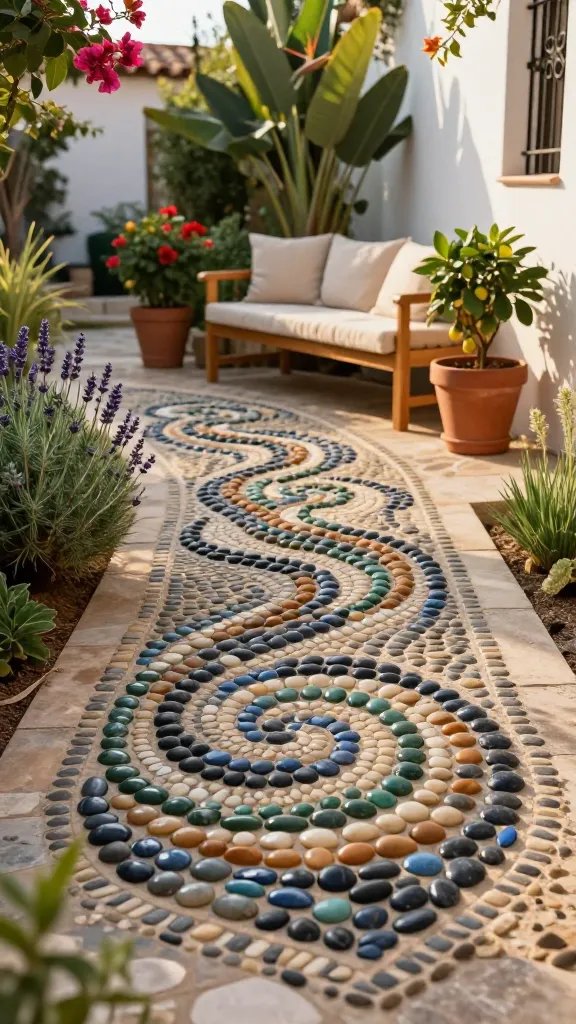
Want a path that guests photograph? Create a mosaic with river pebbles or polished stones. It’s a labor of love, but the result looks like custom artwork under your feet.
How To Nail It
- Sketch a simple motif: spiral, wave, leaf, or geometric banding.
- Bed pebbles in mortar, orienting them on edge for a smooth but textured surface.
- Grout carefully and seal to help colors pop.
Use sparingly—think focal section near a seating area or entry. It’s stunning in Mediterranean, tropical, or eclectic gardens where personality runs the show.
8. Bark Mulch Woodland Walk: Soft, Scented, and Kid-Friendly
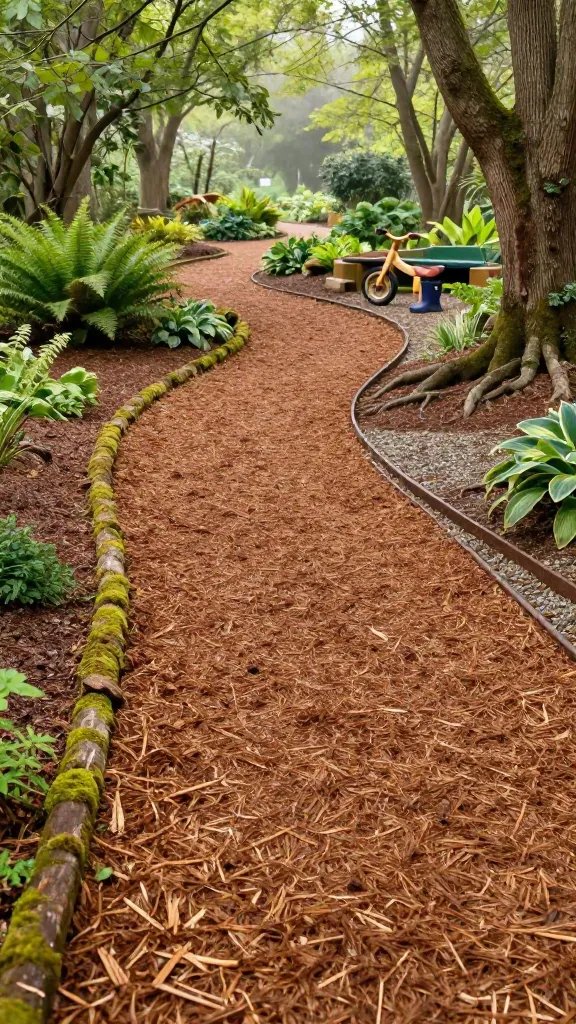
Mulch pathways feel like a forest trail and cushion every step. They’re super affordable and a breeze to refresh each year.
Smart Choices
- Pick walk-on bark or shredded cedar for comfort and longevity.
- Edge with logs, metal, or brick to hold shape and keep mulch contained.
- Layer a gravel base if you need better drainage.
Use this for informal routes, play spaces, or under trees where roots rise. The earthy scent after rain? Chef’s kiss. Seriously.
9. Recycled Pavers & Found Materials: Eco-Savvy With Story
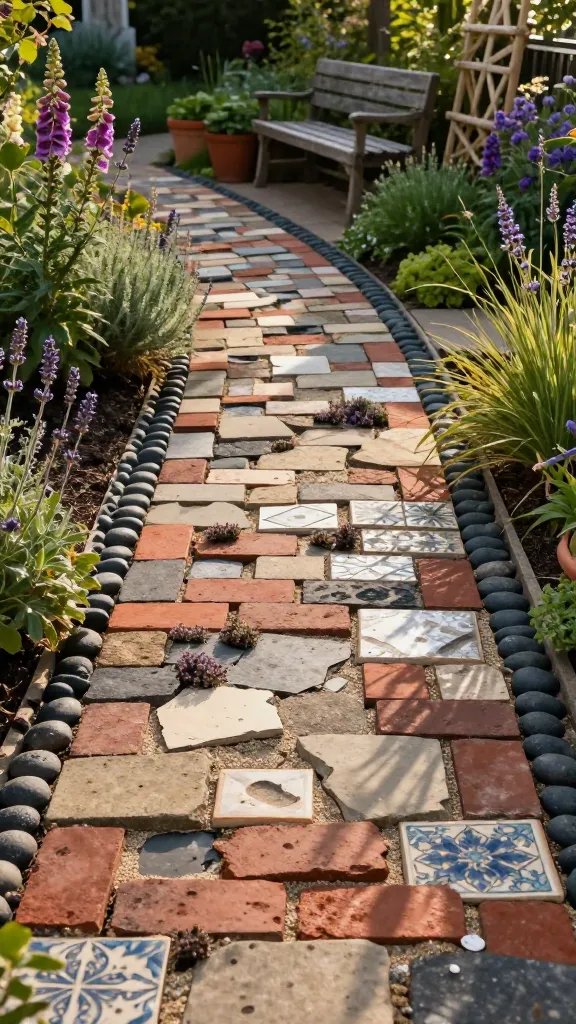
Mix salvaged bricks, broken concrete (aka urbanite), old tiles, or stone offcuts for a patchwork path that tells a story. It saves money and keeps materials out of landfills.
Assembly Tips
- Sort by thickness first to keep the walking surface even.
- Dry-lay your pattern, then set in sand or mortar depending on traffic.
- Use contrasting edges to frame the chaos and make it look intentional.
This approach fits boho, cottage, and artistic spaces. It’s flexible, unique, and lets your inner magpie shine—IMO the most fun option.
10. Lighting-First Path: Make Night Your Best Feature
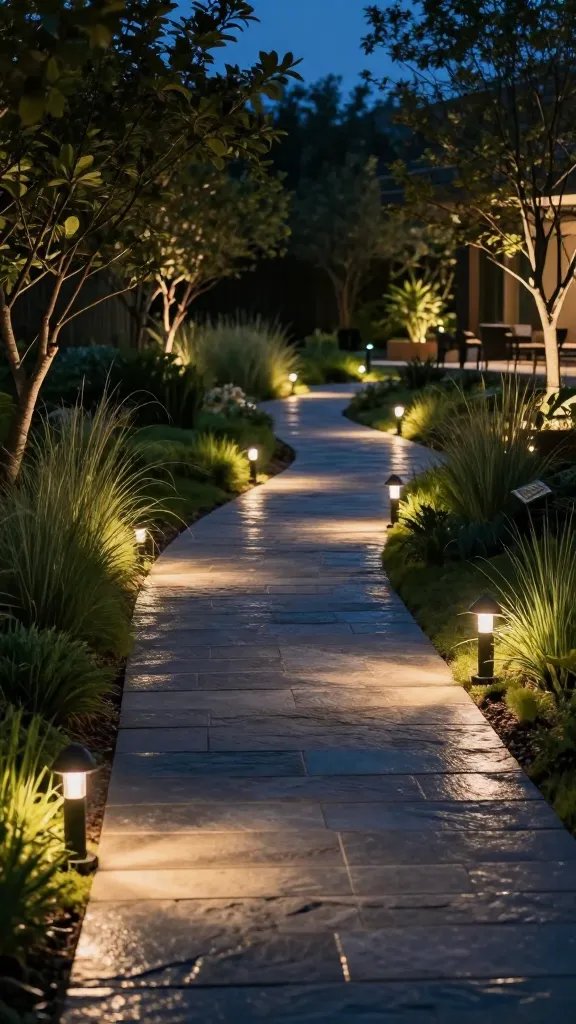
Even the best pathway fails if you can’t see it after sunset. Smart lighting turns safe into spectacular and creates that resort glow.
Layered Lighting Ideas
- Low-voltage bollards for gentle guidance without glare
- Recessed step lights set into risers or edging
- Uplights on trees or grasses to frame the route
- Solar markers for quick installs (backup plan for power-free zones)
Use warm LEDs (2700–3000K) and shield fixtures to avoid blinding anyone. This upgrade works with every path style and instantly extends your garden’s usable hours—trust me, you’ll linger longer.
1. Gravel & Steppers: The Effortless Classic
Gravel and large stepping stones deliver a relaxed, informal look that feels timeless. It drains well, installs quickly, and still looks polished. Plus, you can tweak the layout anytime without major drama.
What You’ll Need
- Crushed gravel (not pea gravel for paths you walk often—crushed compacts better)
- Large stone or concrete pavers
- Landscape fabric and a steel edging or bender board
Lay fabric to block weeds, pour a compacted gravel base, then set your steppers with a consistent stride length. Leave a whisper of space between stones so plants or moss can creep in if you like that soft edge. Great for informal gardens, cottage yards, and rental-friendly refreshes.
2. Brick Herringbone: Vintage With Major Charm
Brick screams character, and a herringbone pattern takes it from cute to iconic. It looks crisp in small spaces and feels sturdy underfoot.
Pro Tips
- Use reclaimed brick for instant patina and eco-friendly points.
- Edge with soldier bricks to lock the pattern tight.
- Compact a sand or decomposed granite bed and sweep in polymeric sand to finish.
Herringbone resists shifting thanks to the interlocking angles, so it handles foot traffic like a champ. Perfect for front-yard walkups or any spot where you want classic, storybook vibes.
3. Stepping Stones Through Groundcover: Soft, Lush, Magical
Stone pavers floating through a sea of green makes your garden look like it’s been there for decades. It’s romantic, low-slung, and gentle on the eyes.
Great Groundcovers
- Irish moss (sun to part shade, soft and dense)
- Blue star creeper (tiny flowers, spreads fast)
- Thyme (edible, fragrant, drought-tolerant)
Set stones flush with soil so you don’t trip, then weave groundcover between them. FYI: give plants time to fill in. This style shines in cottage gardens, shady nooks, and along side-yard shortcuts.
4. Decomposed Granite (DG): Chic, Simple, and Budget-Friendly
DG pathways look modern yet rustic, especially with clean steel or aluminum edging. The texture feels firm but forgiving, perfect for meandering lines.
Key Points
- Use stabilized DG if you want a firmer, less dusty surface.
- Compact in thin lifts with a plate compactor for best results.
- Add a slight crown or slope for drainage. Puddles = no thanks.
DG works beautifully with native plantings, Mediterranean gardens, and low-water landscapes. It’s the “I woke up like this” of garden paths—casual but put-together.
5. Timber Sleepers: Rustic Lines That Ground the Space
Reclaimed railway sleepers or chunky timber pavers create rhythm and texture. They frame plantings and add warmth that stone can’t replicate.
Installation Notes
- Set sleepers on compacted gravel to prevent rot.
- Choose hardwoods or pressure-treated lumber for longevity.
- Break up long runs with staggered joints for a designer look.
Wood paths shine in woodland gardens, veggie plots, and decks-to-garden transitions. They add structure while feeling organic—like nature, but curated.
6. Concrete Slab Modernist Walk: Clean, Bold, Low-Maintenance
Large poured concrete pads (or big format pavers) scream modern and minimal. They pair beautifully with grasses, succulents, and architectural shrubs.
Design Moves
- Space slabs with gravel or creeping thyme joints.
- Consider exposed aggregate or a light sandblast for traction.
- Keep lines straight and proportions generous—think gallery, not maze.
Concrete reads luxe without fussy upkeep. Use this when you want crisp lines, a contemporary vibe, and a path that doubles as an outdoor runway.
7. Mosaic Pebble Inlay: The “Wow” Moment
Want a path that guests photograph? Create a mosaic with river pebbles or polished stones. It’s a labor of love, but the result looks like custom artwork under your feet.
How To Nail It
- Sketch a simple motif: spiral, wave, leaf, or geometric banding.
- Bed pebbles in mortar, orienting them on edge for a smooth but textured surface.
- Grout carefully and seal to help colors pop.
Use sparingly—think focal section near a seating area or entry. It’s stunning in Mediterranean, tropical, or eclectic gardens where personality runs the show.
8. Bark Mulch Woodland Walk: Soft, Scented, and Kid-Friendly
Mulch pathways feel like a forest trail and cushion every step. They’re super affordable and a breeze to refresh each year.
Smart Choices
- Pick walk-on bark or shredded cedar for comfort and longevity.
- Edge with logs, metal, or brick to hold shape and keep mulch contained.
- Layer a gravel base if you need better drainage.
Use this for informal routes, play spaces, or under trees where roots rise. The earthy scent after rain? Chef’s kiss. Seriously.
9. Recycled Pavers & Found Materials: Eco-Savvy With Story
Mix salvaged bricks, broken concrete (aka urbanite), old tiles, or stone offcuts for a patchwork path that tells a story. It saves money and keeps materials out of landfills.
Assembly Tips
- Sort by thickness first to keep the walking surface even.
- Dry-lay your pattern, then set in sand or mortar depending on traffic.
- Use contrasting edges to frame the chaos and make it look intentional.
This approach fits boho, cottage, and artistic spaces. It’s flexible, unique, and lets your inner magpie shine—IMO the most fun option.
10. Lighting-First Path: Make Night Your Best Feature
Even the best pathway fails if you can’t see it after sunset. Smart lighting turns safe into spectacular and creates that resort glow.
Layered Lighting Ideas
- Low-voltage bollards for gentle guidance without glare
- Recessed step lights set into risers or edging
- Uplights on trees or grasses to frame the route
- Solar markers for quick installs (backup plan for power-free zones)
Use warm LEDs (2700–3000K) and shield fixtures to avoid blinding anyone. This upgrade works with every path style and instantly extends your garden’s usable hours—trust me, you’ll linger longer.
That’s your roadmap—literally. Pick one approach that matches your garden’s personality and your weekend energy level, then go for it. Small path, big mood shift. Your future barefoot strolls will thank you.