How to Get Grease Stains Out of Clothes Fast and Easy
Grease stains always show up when you’re wearing your best outfit, right? Don’t panic—or toss the shirt. You can beat grease with a few pantry items and a little strategy. I’ll show you exactly what to do, what to avoid, and how to save that fabric like a laundry ninja.
First, Move Fast (But Don’t Freak Out)
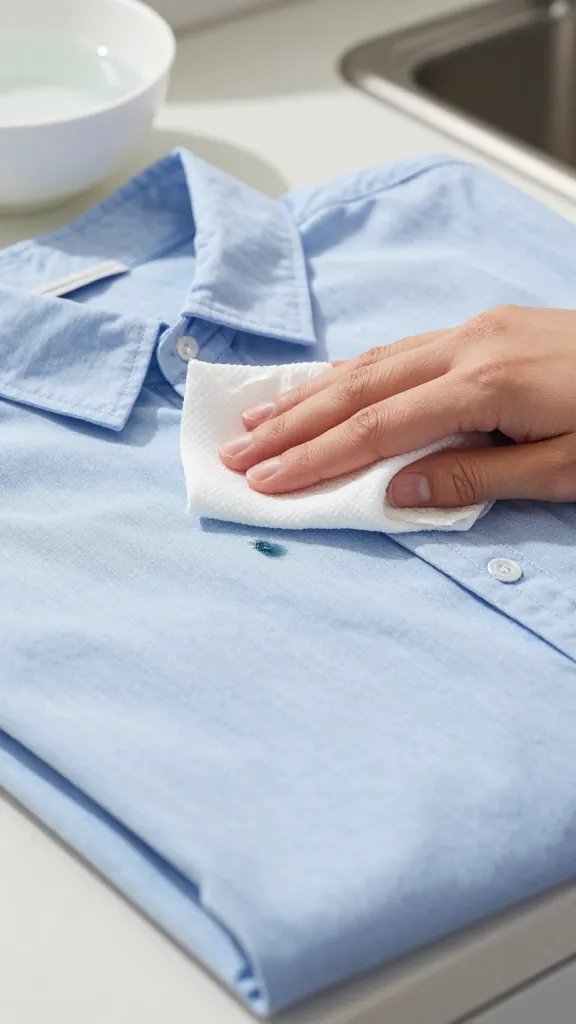
Grease sets as it cools and bonds with fibers. The sooner you act, the easier the win. Blot, don’t rub. Rubbing spreads the stain and grinds oil deeper—like giving it a VIP pass into the fabric.
Tired of snacking when you’re not even hungry? This reset helps you stop the loop and feel back in control.
A simple reset for moments when cravings take over. Easy to use, easy to repeat, and designed to help you feel satisfied instead of stuck.
- Blot the excess: Use a paper towel or clean cloth to lift any wet grease.
- Avoid hot water for now: Heat can set oil. Keep it cool until the stain looks mostly gone.
- Check the label: Silk, wool, and dry-clean-only items need gentler moves (or a pro).
The Pantry Attack: Cornstarch, Baking Soda, Or Talc
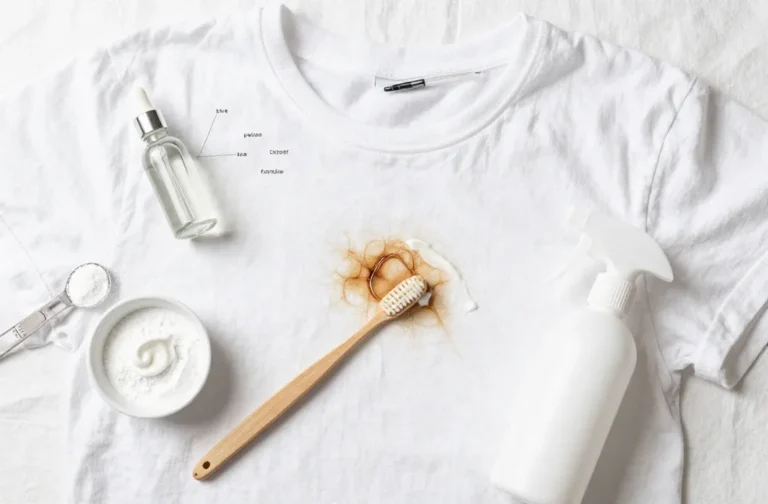
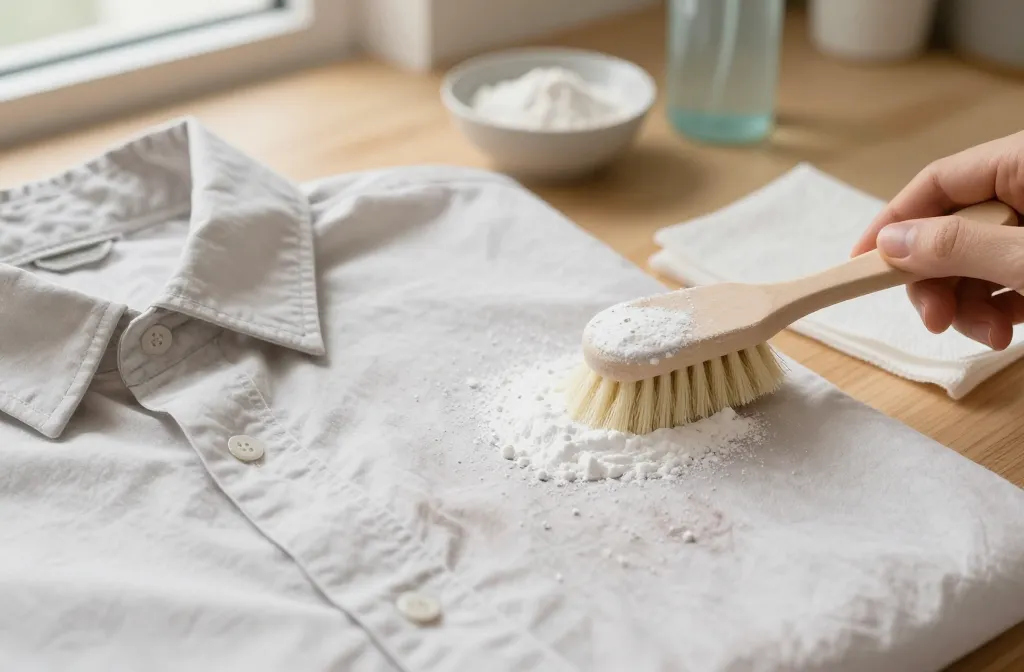
Powders absorb oil like tiny sponges. They’re perfect for fresh stains and great as a first step for old ones. Spread generously, let sit, and let science do its thing.
How To Do It
- Lay the garment flat. Put a paper towel underneath the stain to prevent bleed-through.
- Cover the stain with powder: Baking soda, cornstarch, or talc. Pile it on.
- Wait 15–30 minutes. For stubborn spots, gently press the powder in with your fingers or a soft brush.
- Brush off and repeat if you still see a dark ring.
Why It Works
These powders are lipophilic—fancy way of saying they love oil. They pull grease out of fibers, which preps the stain for the next step.
The Dish Soap Method (Your MVP)
Dish soap cuts grease on pans—same principle on fabric. This is the go-to for most washable clothes. Keep it simple: clear or blue liquid dish soap works best.
Step-By-Step
- Dab a few drops of dish soap on the stain. Don’t drown it.
- Gently work it in with your fingers or a soft toothbrush in small circles.
- Let it sit 5–10 minutes. Give the surfactants time to break up the oil.
- Rinse with cool water from the back of the fabric to push oil out, not deeper in.
- Repeat if needed, then launder as usual.
Pro Tip
Always air-dry first. If the stain’s still there after washing, heat from the dryer can set it for good. Check under bright light before you commit to drying.
Transform Your Home With 7,250+ Stunning Landscaping Designs—No Expensive Designers Needed!
- 🌿 Access 7,250+ stunning landscaping designs.
- 💰 Save thousands—no pro designer needed.
- 🏡 Plans for gardens, patios, walkways, and more.
- ✨ Simple, beginner-friendly DIY layouts.
- 🛠️ Customize any design to fit your yard.
For Set-In Or Stubborn Stains
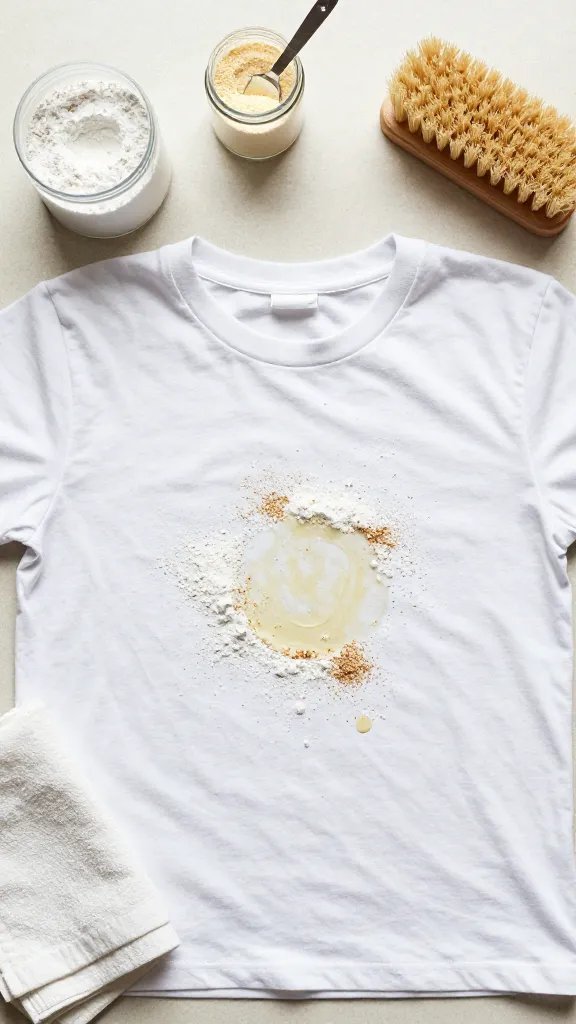
Grease that survived the dryer? Annoying, but not always permanent. Combine abrasion, enzymes, and solvent power for a comeback story.
Escalation Plan
- Make a paste with baking soda and a few drops of water or dish soap. Scrub gently with a soft brush.
- Add an enzyme-based stain remover (look for “protease,” “lipase”) and let sit 15–30 minutes. FYI, lipase specifically targets fats and oils.
- Optional: Isopropyl alcohol (70%) for colorfast fabrics. Dab lightly, then follow with dish soap. Test in a hidden area first.
- Wash warm if the fabric allows. Warmth helps dissolve remaining oils once they’re broken up.
When To Stop
If color starts to lift or fabric fuzzes, back off. Some stains fade to a shadow; that often vanishes after another wash cycle or two.
Special Fabrics Need Special Care
You can’t treat silk like gym shorts (IMO, please don’t). Adjust your tactics so you save the fabric and your sanity.
Silk And Wool
- Blot only and use cornstarch or talc first. Let it sit at least 30 minutes.
- Spot clean with a silk-safe detergent or a tiny drop of diluted dish soap. Rinse cool.
- When in doubt, dry clean. Mention the stain type and age to the cleaner.
Delicates And Rayon/Viscose
- Test everything on an inside seam first.
- Avoid heavy scrubbing—these fibers distort easily.
- Lay flat to dry to keep the shape.
Denim And Heavy Cottons
- Use powder + dish soap combo for best results.
- Follow with enzyme spray and wash warm if label allows.
- Avoid fabric softener until the stain’s gone; it can lock in residue.

Grease From Different Culprits
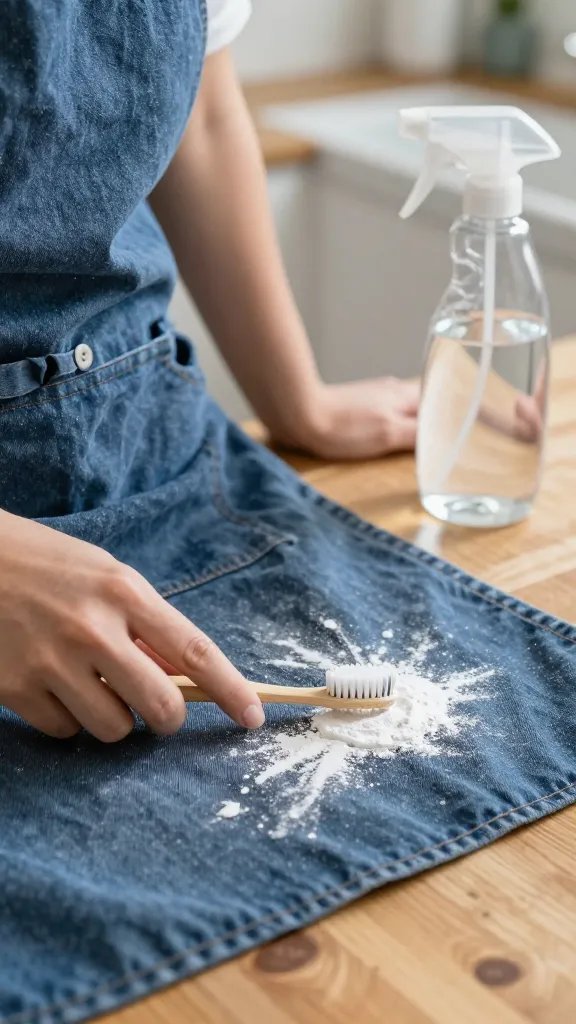
Not all grease behaves the same. Identify the source for max effectiveness. Yes, your pizza slice counts as a chemical event.
- Cooking Oils/Butter: Dish soap + baking soda works great. Enzymes help too.
- Motor Oil: Pre-treat with a grease-cutting liquid detergent and consider a bit of isopropyl alcohol after testing. Repeat before washing.
- Sunscreen: Contains oils and silicones. Hit with dish soap first; an enzyme spray next. Wash warm.
- Makeup (oily foundations): Blot, dish soap, then enzyme remover. For powdery makeup, lift powder first before adding liquids.
Laundry Settings That Make Or Break It
Even the best pre-treatment can flop if your wash settings sabotage the plan. Set it smart, then let the machine earn its keep.
- Detergent: Use a high-quality liquid. Add a booster with enzymes for heavy stains.
- Temperature: Start cool during pre-treatment. Wash warm if the care label allows and the stain looks mostly gone.
- Cycle: Normal or heavy for sturdy fabrics; gentle for delicates.
- Drying: Air-dry first. If you still see a shadow, repeat treatment before heat.
Quick Hacks That Actually Work
- Chalk stick on fresh grease: Rub plain white chalk on the spot to absorb oil in a pinch. Wash after.
- Hand soap in a restroom emergency: Any grease-cutting soap beats waiting hours. Rinse and treat properly at home.
- Old stains + shaving cream: The foamy kind can lift oils. Massage in, wait 5 minutes, rinse, then dish soap.
- WD-40? Hard pass, IMO. It adds more oil and can create a second problem.
FAQ
Can I use hot water to remove grease stains?
Start with cool water while you break up the oil. Once the stain looks mostly gone, wash warm if the fabric allows. Hot water at the beginning can set the grease and make your life harder.
Does vinegar remove grease stains?
Vinegar helps with odors and mineral deposits, but it doesn’t cut oil well on its own. Use it as a rinse aid if you want, but rely on dish soap, baking soda, and enzymes for the heavy lifting.
What if the stain went through the dryer?
Don’t give up. Try a baking soda paste and gentle scrubbing, follow with an enzyme-based stain remover, then dish soap again. Rinse, air-dry, and repeat as needed. Stubborn, yes—hopeless, no.
Is rubbing alcohol safe on all fabrics?
Nope. It can lift color on some dyes and damage delicate fibers. Test in a hidden spot first. If it passes, dab lightly and follow with dish soap to remove any residue.
Can I use bar soap instead of dish soap?
Sometimes. A plain, non-moisturizing laundry bar can work. Avoid moisturizing hand soaps—they contain oils that can make the stain worse. When in doubt, dish soap wins.
How do I get grease out of activewear?
Pre-treat with dish soap, then use a sports detergent or enzyme-heavy detergent. Skip fabric softener—it clogs performance fibers and traps residue. Air-dry first to check results.
Conclusion
Grease stains look scary, but you’ve got the toolkit: blot, powder, dish soap, enzymes, and patience. Work cool at first, escalate smartly, and never dryer-set a maybe stain. With these moves, your clothes bounce back—and your favorite tee lives to see another pizza night. FYI, that’s a win in my book.