Diy Stain Remover for Clothes That Actually Works
Let’s be real: spills happen, and “I’ll deal with it later” never ends well. The good news? You don’t need pricey sprays or a lab coat to rescue your favorite tee. With a few pantry staples and the right moves, you can outsmart almost any stain. Ready to turn chaos into clean? Let’s go.
The Golden Rules Of DIY Stain Fighting
Act fast. The longer a stain sits, the more it bonds with fibers. Don’t negotiate. Just move.
Tired of snacking when you’re not even hungry? This reset helps you stop the loop and feel back in control.
A simple reset for moments when cravings take over. Easy to use, easy to repeat, and designed to help you feel satisfied instead of stuck.
Blot, don’t rub. Rubbing shoves the stain deeper and frays fabric. Blot from the outside in.
Test first. Dab your solution on an inside seam. If the color bleeds, adjust your plan.
Cold water first. Hot water can set proteins (blood, dairy, eggs) faster than you can say “oops.”
Air-dry to check. Heat sets stains for good. If you still see it post-wash, treat again before using the dryer.
Transform Your Home With 7,250+ Stunning Landscaping Designs—No Expensive Designers Needed!
- 🌿 Access 7,250+ stunning landscaping designs.
- 💰 Save thousands—no pro designer needed.
- 🏡 Plans for gardens, patios, walkways, and more.
- ✨ Simple, beginner-friendly DIY layouts.
- 🛠️ Customize any design to fit your yard.
The All-Purpose DIY Stain Remover (Your New Sidekick)
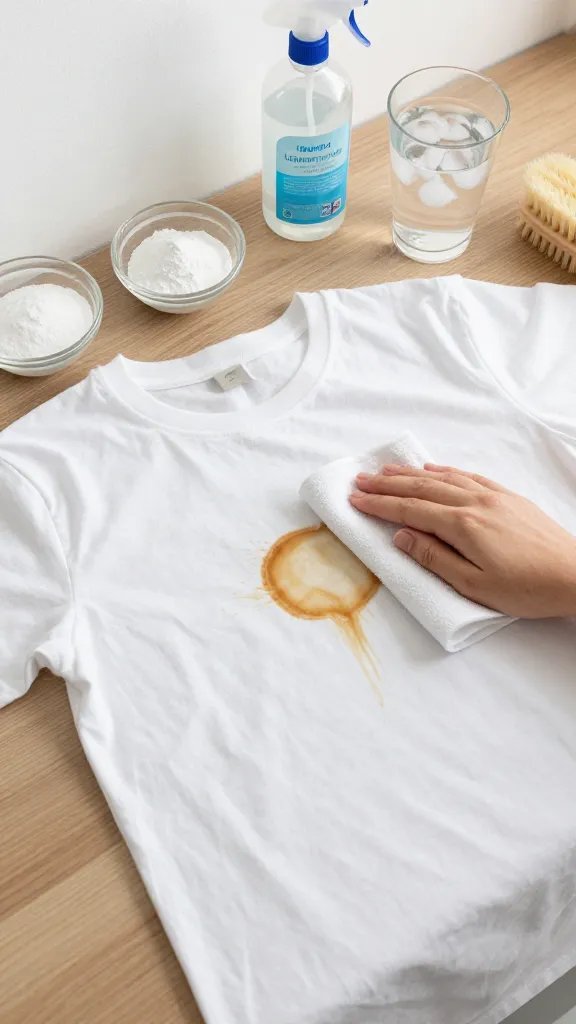
Keep this on hand for random, mystery stains you can’t identify.
- 1 part clear dish soap (grease-cutting)
- 2 parts hydrogen peroxide (3%)
- 1 part baking soda
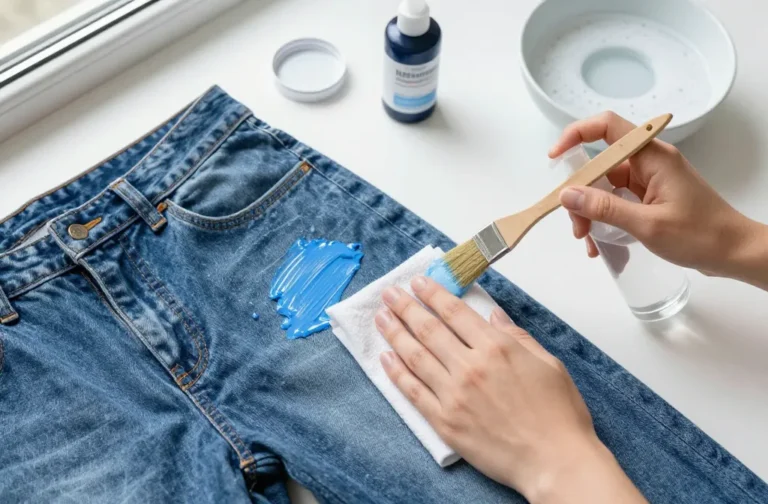
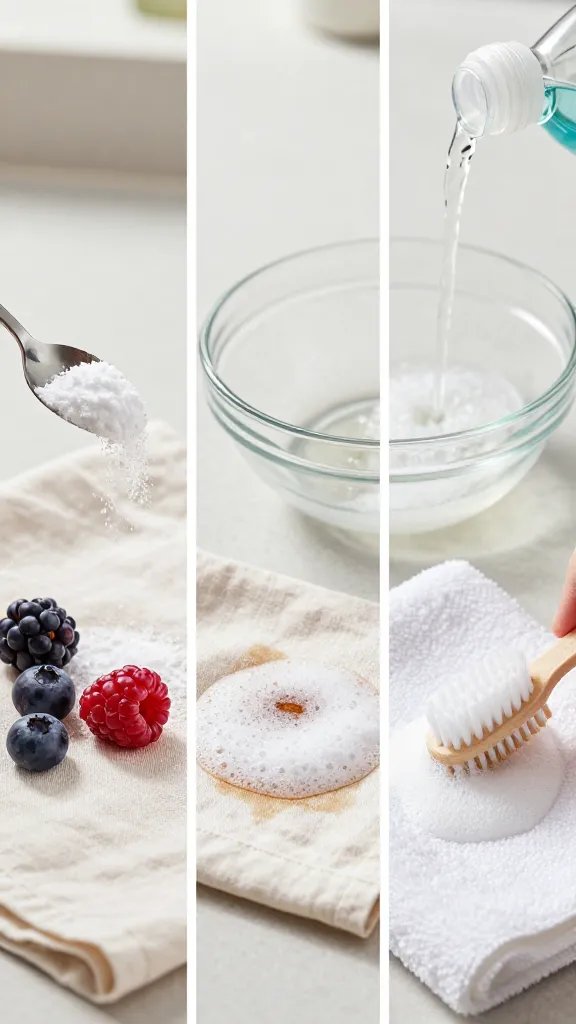
Mix into a paste. Spread on the stain, gently work it in with a soft brush or old toothbrush, and let sit 15–30 minutes. Rinse, then launder as usual. FYI: Skip hydrogen peroxide on dark or ultra-delicate fabrics—it can lighten. If you worry, swap peroxide with white vinegar and extend the soak.
When To Use It
- Sweat and deodorant marks: Magic on armpit stains and dingy collars.
- Food smudges: Sauces, ketchup, light oils, makeup, even coffee-with-cream.
- Kid messes: Crayons, slime residue (yes, even that).
Targeted Stain Fixes (Because Not All Messes Are Equal)
Grease & Oil (Pizza, Butter, Makeup, Sunscreen)
- Blot excess with a paper towel.
- Sprinkle cornstarch or baking soda and let sit 10–15 minutes to absorb.
- Scrape off powder, then massage in a few drops of clear dish soap.
- Rinse with warm water, then launder hot if fabric allows.
Pro tip: A drop of blue Dawn is legendary on oil. IMO, it beats most store sprays.
Protein Stains (Blood, Milk, Yogurt, Eggs)
- Rinse with cold water immediately.
- Soak in cold water + a splash of white vinegar for 15–30 minutes.
- Apply a paste of hydrogen peroxide + a pinch of baking soda to lingering spots (light fabrics only).
- Launder cold first; check before drying.
Wine, Berries, Juice
- Blot. Pour salt or baking soda on fresh stains to draw out moisture.
- Flush from the back with cold water.
- Soak in a mix of 1 cup hydrogen peroxide + 1 tbsp dish soap (light fabrics) for 10–20 minutes.
- Rinse and wash. For dark fabrics, use oxygen bleach (label says sodium percarbonate) in cool water instead.
Coffee & Tea
- Rinse with cold water.
- Dab with glycerin if you have it; otherwise use dish soap + a splash of vinegar.
- Soak in oxygen bleach solution if the stain lingers.
Ink & Marker
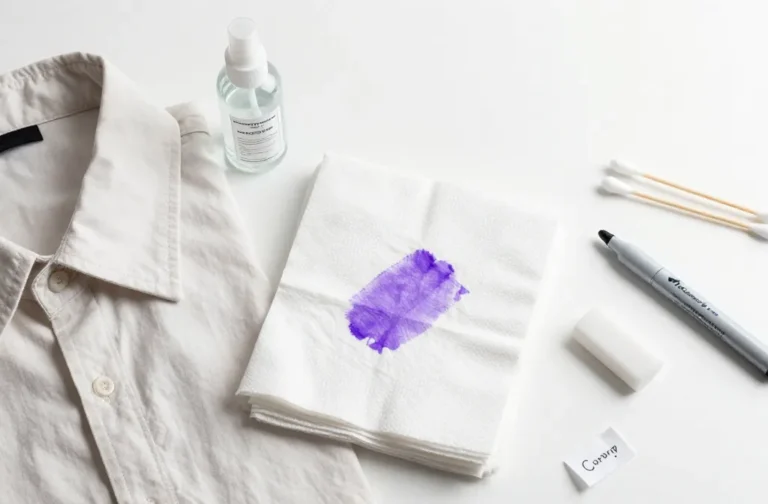
- Place paper towels under the fabric.
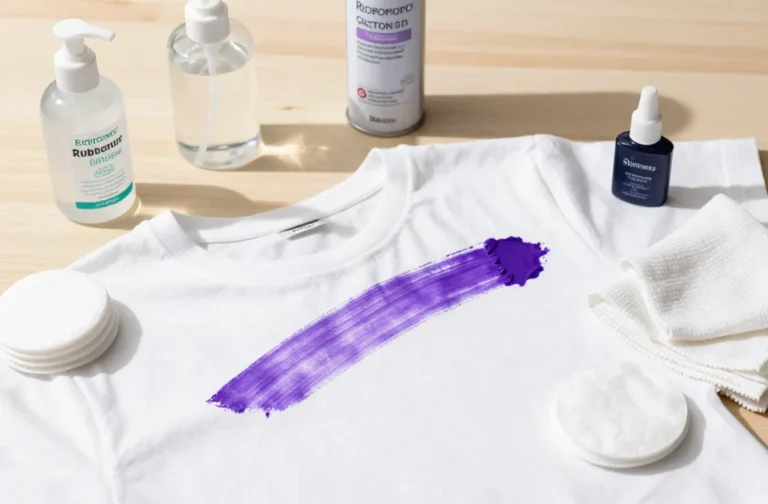
- Dab with rubbing alcohol or hand sanitizer (alcohol-based). Don’t rub; just tap and rotate to a clean spot.
- Rinse, then treat with the all-purpose remover if needed.
Note: Sharpie might not fully budge. Manage expectations and your stress levels accordingly.
Grass & Mud
- Let mud dry completely, then brush off chunks.
- Pre-treat with rubbing alcohol or peroxide (light colors), then dish soap.
- Wash with oxygen bleach if safe for the fabric.
Delicates, Darks, And “Please Don’t Ruin This” Fabrics
Silk or wool: Spot clean with lukewarm water + a pea-size of baby shampoo. Blot gently. Rinse cool. Lay flat to dry.
Dark denim and tees: Stick to dish soap + cold water. Avoid peroxide. Oxygen bleach is usually safe; check the label.
Activewear (synthetics): Use cold water and a little dish soap. Avoid fabric softeners—they lock in odors and stains. Air-dry.
Color-Safe Brightening
- Oxygen bleach soak: 1–4 tbsp per gallon of cool water, 1–6 hours.
- Lemon juice sun trick: For whites only. Dab lemon, lay in sun briefly, then launder. Watch for over-bleaching.
Build Your DIY Stain Kit (A.K.A. Your Laundry Arsenal)
- Clear dish soap (grease killer)
- Hydrogen peroxide 3% (color-safe on most lights)
- White vinegar (mineral + odor fighter)
- Baking soda + cornstarch (deodorize, absorb oil)
- Rubbing alcohol or alcohol-based sanitizer (ink)
- Oxygen bleach powder (color-safe brightener)
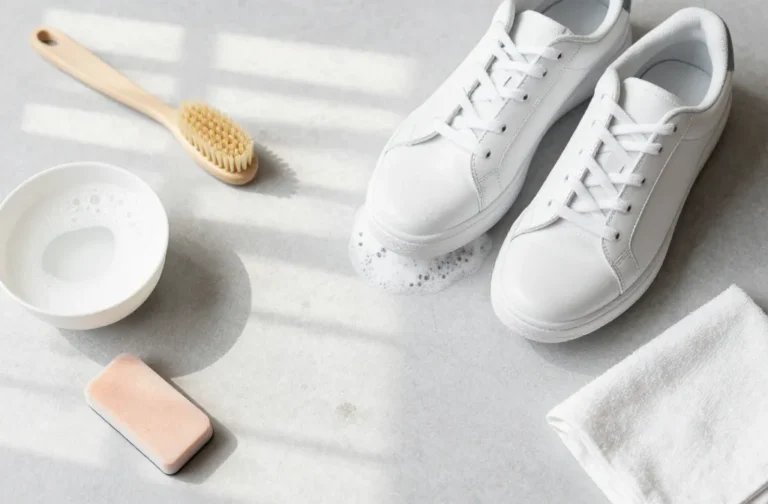
- Old toothbrush, soft cloths, cotton swabs
- Spray bottle and a small bowl for mixing
Store it all in a labeled caddy. You’ll feel like a stain-fighting superhero. Cape optional.

Common Mistakes That Make Stains Worse
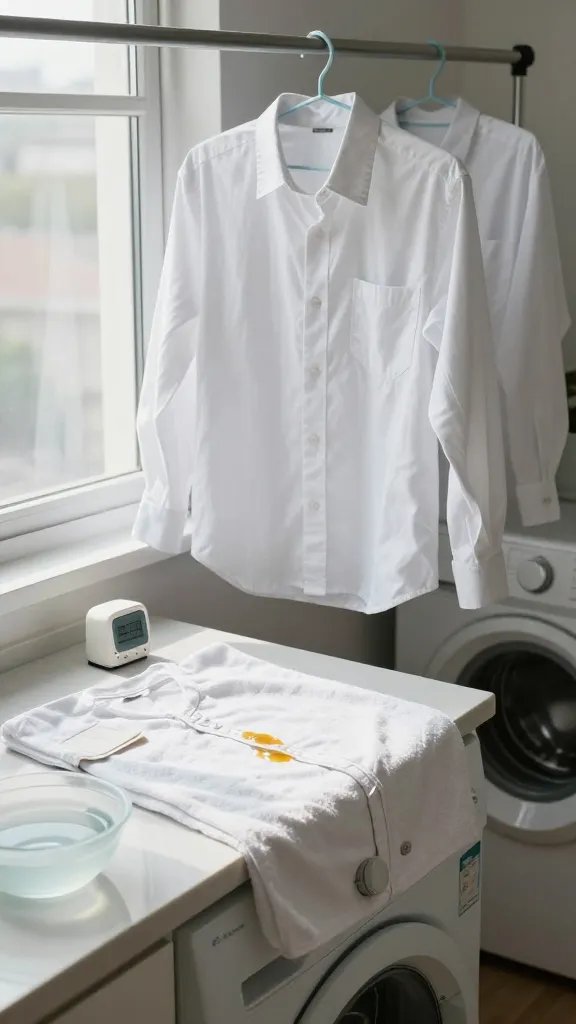
- Heat too soon: Dryers set stains. Air-dry until you confirm it’s gone.
- Scrubbing hard: You’ll fuzz the fabric and spread the mess. Blot and lift.
- Using chlorine bleach on everything: It can yellow proteins and weaken fibers. Oxygen bleach is friendlier.
- Forgetting the test patch: Especially with dark or delicate garments. Two minutes now saves tears later.
Quick-Reference Recipes
Sweat Stain Paste
- 2 tbsp baking soda
- 1 tbsp hydrogen peroxide (3%)
- 1 tsp dish soap
Spread on pits or collars 30 minutes. Scrub lightly, rinse, launder.
Emergency On-The-Go Fix
- Blot with cold water.
- Dab a tiny bit of hand soap or sanitizer (alcohol-based for ink/food dye).
- Rinse when you can, then do the full treatment at home.
FAQ
Can I use hydrogen peroxide on dark clothes?
Peroxide can lighten dark dyes. Test first on an inside hem. If you see color on your cotton swab, switch to vinegar, dish soap, and oxygen bleach instead.
What if a stain set in the dryer already?
It gets tougher, but not impossible. Try the all-purpose paste, then soak in oxygen bleach for a few hours. Repeat if needed. Some protein or dye stains won’t fully vanish, but you can usually fade them a lot. IMO, patience helps more than scrubbing.
Is vinegar safe for all fabrics?
Mostly, yes—but avoid strong vinegar solutions on silk or acetate. Dilute with water and test. Vinegar neutralizes alkaline residues and helps lift some stains and odors.
How long should I soak in oxygen bleach?
Anywhere from 30 minutes to 6 hours, depending on the stain and fabric. Cooler water works best for dyes and proteins. Rinse well before washing. FYI: Oxygen bleach keeps working while wet, so no need to rush.
Which dish soap works best?
Use a clear, grease-cutting liquid without lotions. The blue one everyone loves? Great on oil. Unscented versions work well if you’re sensitive to fragrance.
Can I mix vinegar and hydrogen peroxide?
Not in the same container. Used one-after-the-other on a surface, they can create peracetic acid, which is irritating. For laundry spot-treating, pick one, rinse, then use the other if needed—don’t layer them wet-on-wet.
Conclusion
Stains don’t own you—you’ve got science and a few kitchen MVPs on your side. Keep a small kit, act fast, and choose the right fix for the mess. With these DIY stain removers, you’ll save clothes, cash, and your mood. And if all else fails? Call it “abstract fashion” and pretend it was on purpose, IMO a valid strategy.