Steal These 15 Mediterranean Garden Tips That Make a Huge Difference
Dreaming of sun-drenched courtyards, herb-scented breezes, and that easy, vacation-all-year vibe? You don’t need a villa in Sicily—just a smart plan. These Mediterranean garden tips bring color, texture, and drought-savvy style to any space. Ready to turn your yard into a mini coastal escape? Let’s do it.
1. Start With Bones: Paths, Terraces, And Stone Edges
Tired of snacking when you’re not even hungry? This reset helps you stop the loop and feel back in control.
A simple reset for moments when cravings take over. Easy to use, easy to repeat, and designed to help you feel satisfied instead of stuck.
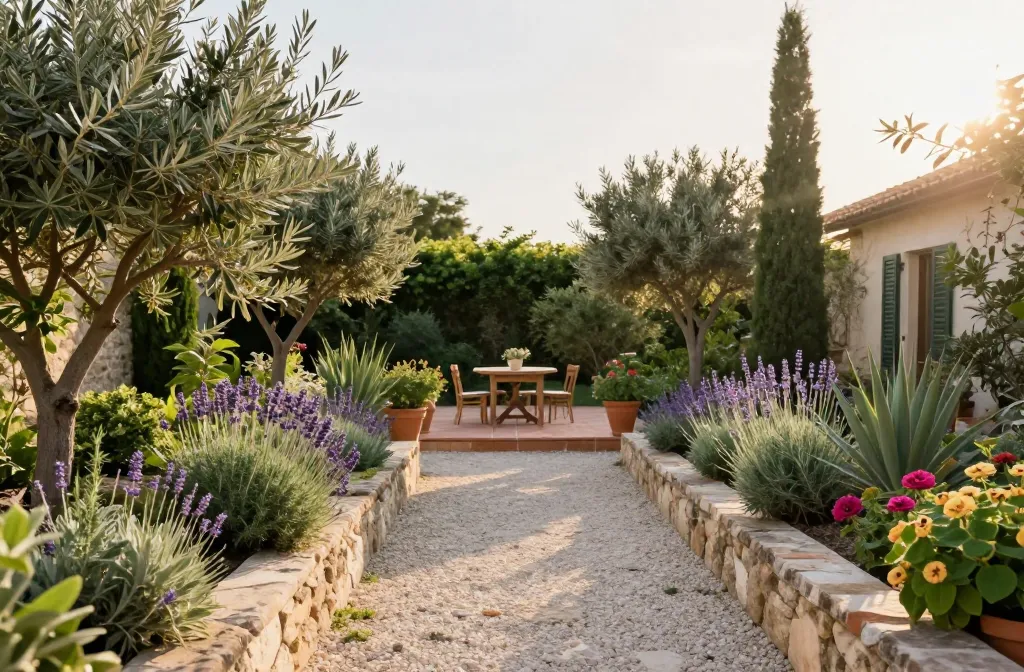
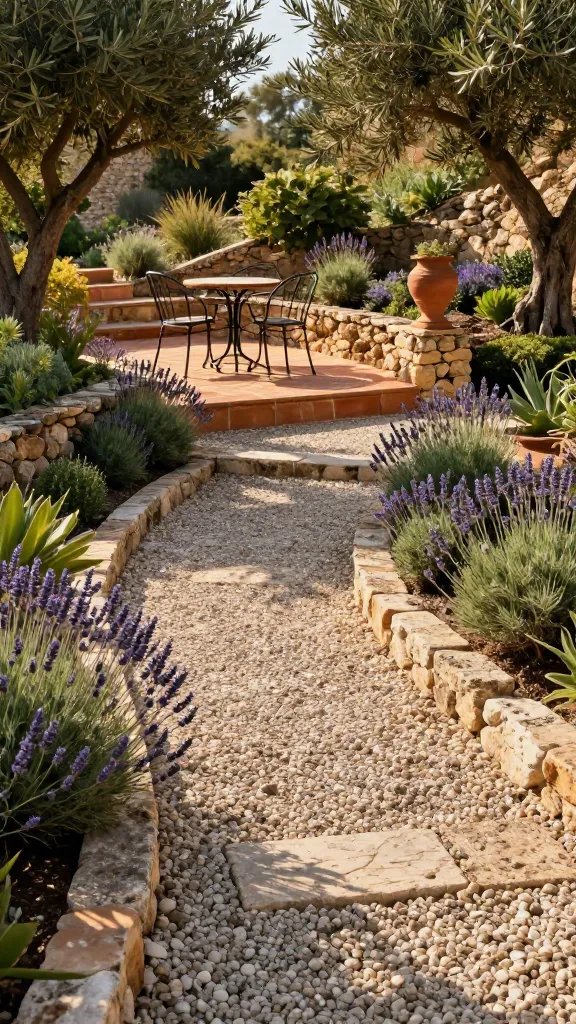
Structure makes a Mediterranean garden look intentional, not messy. Think gravel paths, low stone walls, and a small terrace for sipping something cold. Hardscaping sets the stage for all the lush, sun-loving plants to shine.
Quick Wins:
- Use decomposed granite or pea gravel for paths.
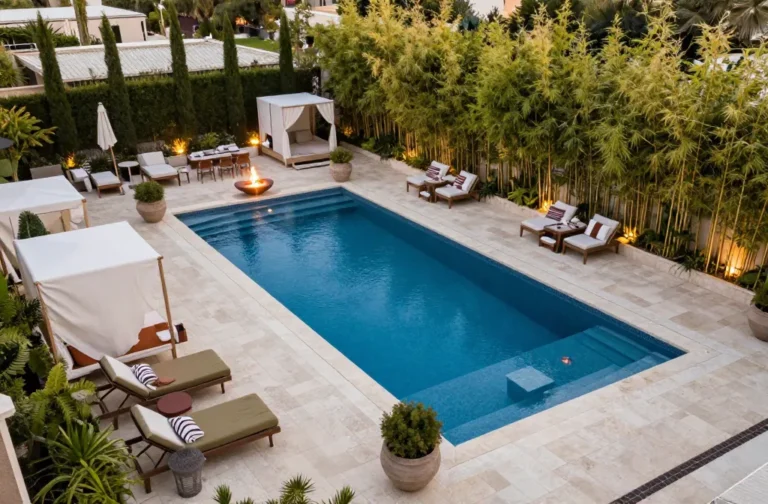
- Edge beds with rough limestone or terracotta tiles.
- Create one focal terrace or seating nook.
These “bones” hold up in heat and look timeless. Bonus: they reduce lawn space and water needs.
2. Choose Drought Heroes, Not Divas
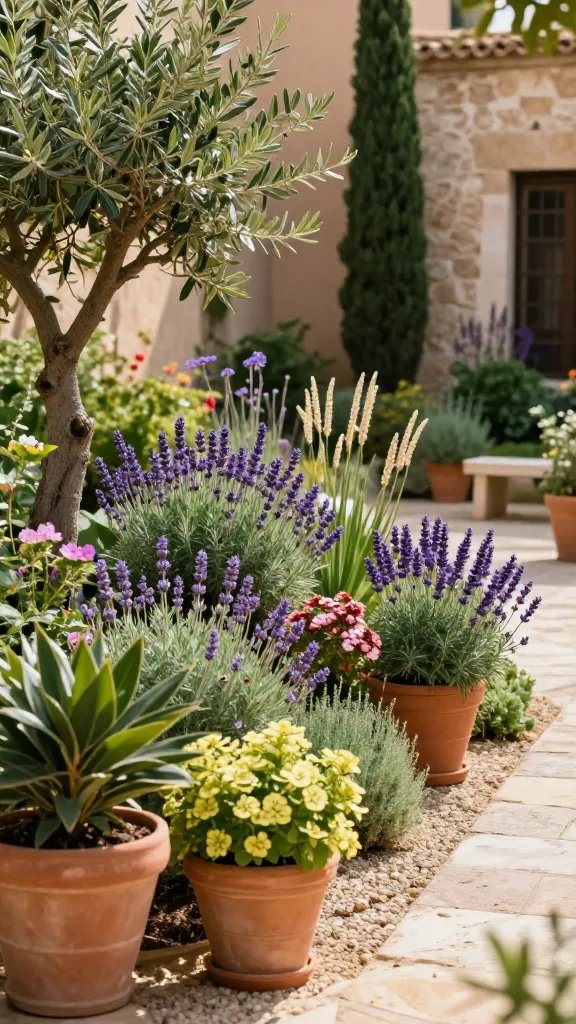
Water-smart plants are the Mediterranean secret sauce. They thrive on neglect and look fantastic doing it. Go for evergreen structure with bursts of color and fragrance.
Transform Your Home With 7,250+ Stunning Landscaping Designs—No Expensive Designers Needed!
- 🌿 Access 7,250+ stunning landscaping designs.
- 💰 Save thousands—no pro designer needed.
- 🏡 Plans for gardens, patios, walkways, and more.
- ✨ Simple, beginner-friendly DIY layouts.
- 🛠️ Customize any design to fit your yard.
Plant Picks:
- Olive, bay laurel, Italian cypress for structure
- Lavender, rosemary, thyme, sage for scent and pollinators
- Rockrose, euphorbia, gaura, salvia for long bloom times
These plants sip water and keep giving. Perfect for hot summers and forgetful watering schedules—seriously.
3. Embrace Gravel Mulch (Your Weeds Will Hate It)
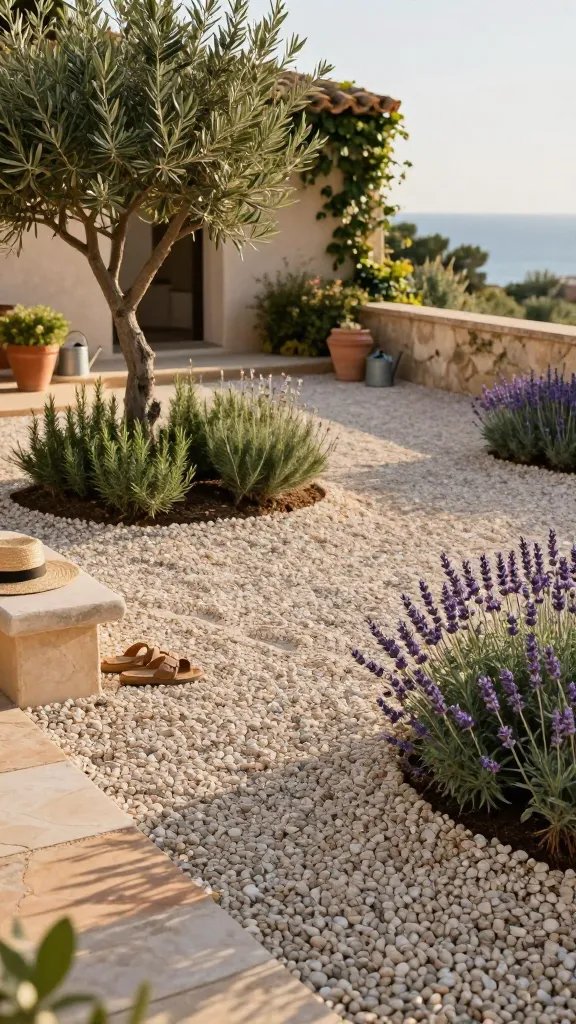
Gravel mulch cools roots, prevents evaporation, and looks chic. It also keeps mud off your sandals and adds that crunchy-underfoot vibe you’ll secretly love. Go for a local stone that matches your hardscape.
Tips:
- Lay landscape fabric only where invasives lurk; otherwise, let soil breathe.
- Use 1/4–1/2 inch gravel; spread 2–3 inches deep.
- Top up annually for a polished look.
Gravel equals lower maintenance, fewer weeds, and instant Mediterranean cred. FYI: it photographs beautifully.
4. Plant In Drifts, Not Dots
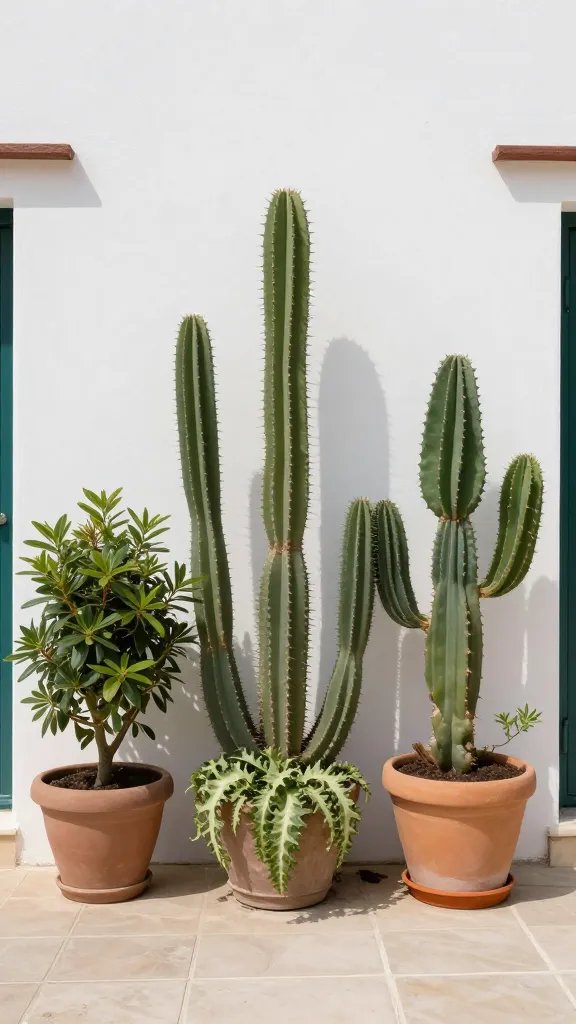
Tiny one-offs look fussy. Mediterranean gardens thrive on repetition and rhythm. Mass the same plant in flowing drifts for big impact and calming energy.
How-To:
- Group 3–7 of the same plant together.
- Repeat that group in two or three spots.
- Vary heights: low herbs up front, taller shrubs behind.
Drifts create movement and reduce visual clutter. The result feels cohesive and expensive, IMO.
5. Mix Silvery Foliage With Deep Greens
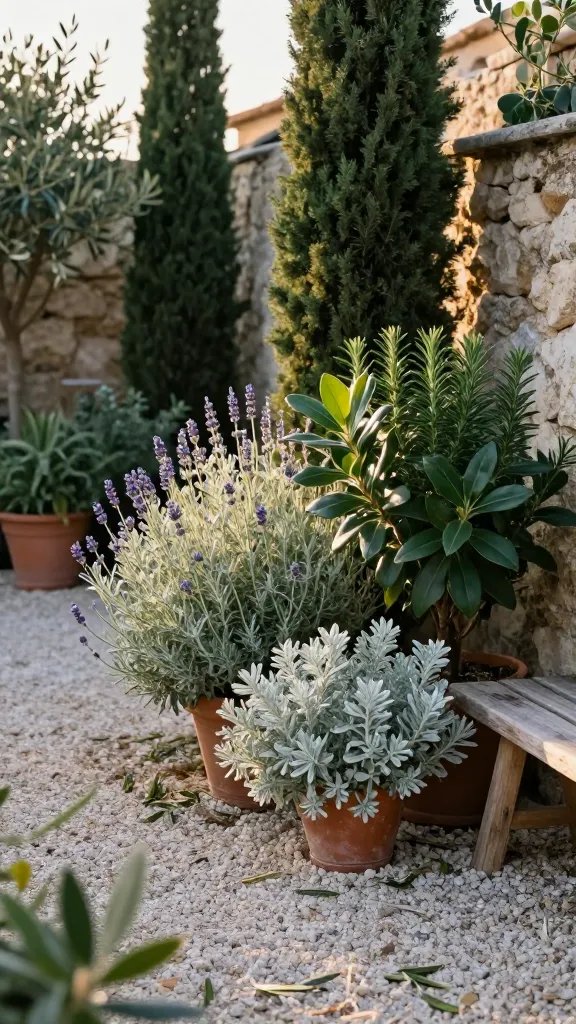
That iconic coastal glow? It’s the contrast of silvery leaves with glossy evergreens. Silver foliage reflects sun and handles heat like a champ.
Winning Combos:
- Lavender + Italian cypress
- Artemisia + bay laurel
- Santolina + rosemary
This palette looks fresh year-round and lights up at golden hour. It’s the definition of low-effort, high-style.

6. Go Vertical With Vines And Trellises
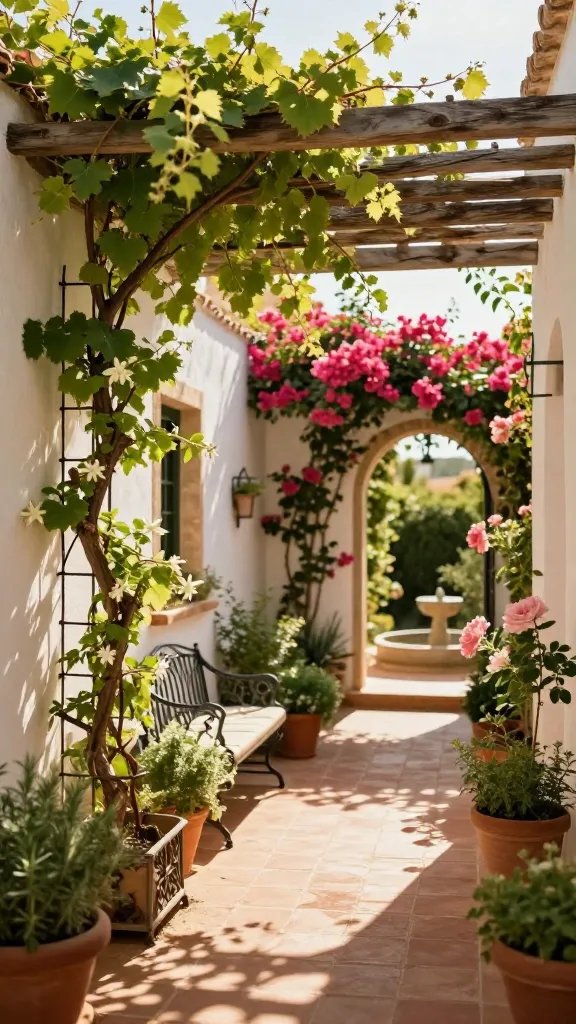
Vertical elements add romance and shade without eating square footage. They also frame views and make small yards feel grand. Train vines over pergolas, arches, or simple wire frames.
Top Vines:
- Jasmine for scent
- Grapevines for dappled shade (and snacks)
- Bougainvillea for neon color in warm climates
- Climbing roses for old-world charm
Vines cool spaces and create instant ambiance. Use them to soften walls and block less-than-charming views.
7. Layer Terracotta Like You Mean It
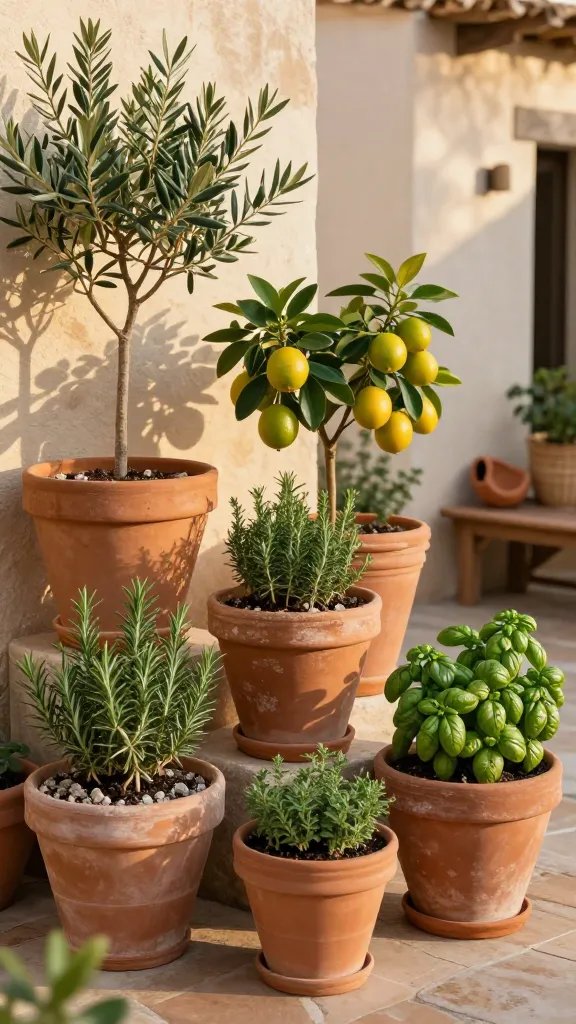
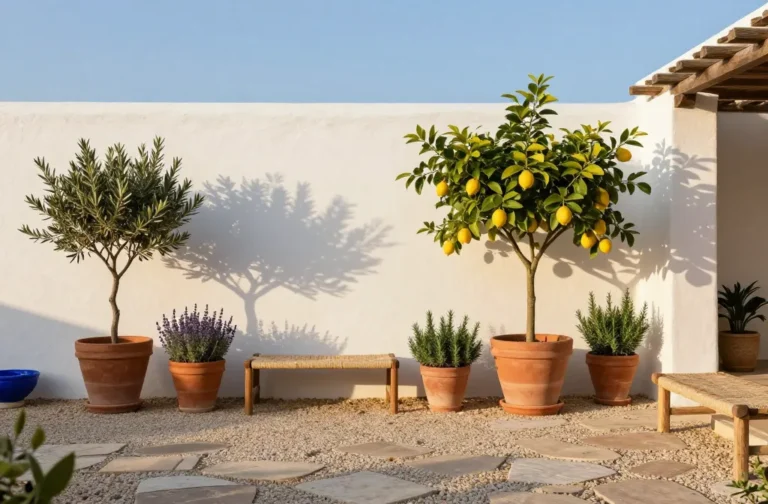
Terracotta pots bring warmth, patina, and flexibility. Cluster them for a collected look and rearrange as seasons change. They’re breathable, which roots love in hot weather.
Potting Tips:
- Mix sizes: tall olives, medium citrus, small herbs.
- Use a gritty, well-draining soil mix.
- Raise pots on feet to prevent soggy bottoms.
Terracotta ties everything together with that rustic, sunbaked finish. Perfect for patios and renters alike.
8. Design For Shade The Mediterranean Way
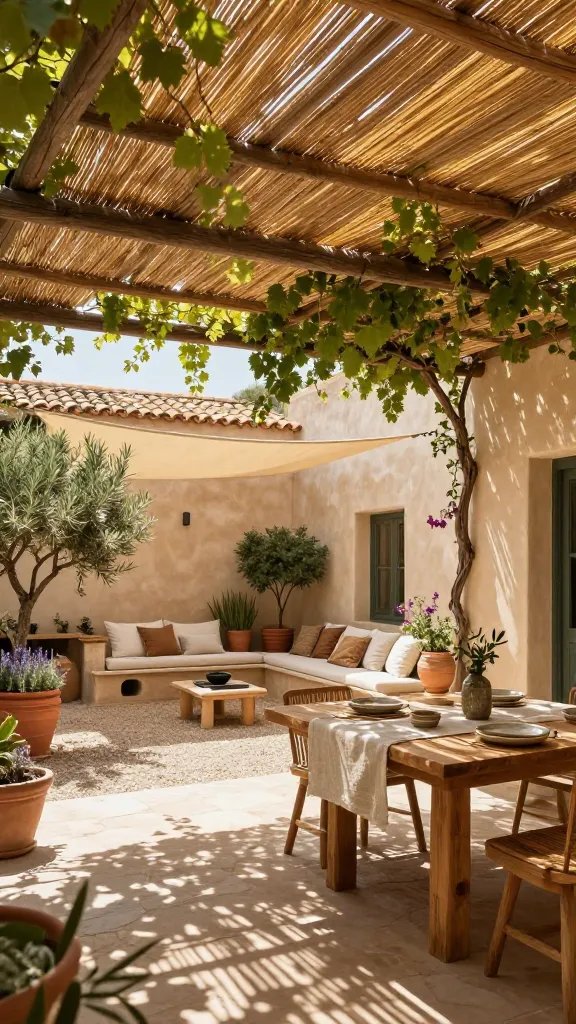
No AC outdoors? Create microclimates. Shade slashes heat, protects plants, and keeps you outside longer.
Smart Shade Moves:
- Simple pergola with reed or bamboo screens
- Retractable sail over a dining nook
- Grapevine canopy for dappled light
Shade areas become your garden’s living room. You’ll use the space more—morning coffee to late-night hangs.
9. Water Deeply, Infrequently, And Wisely
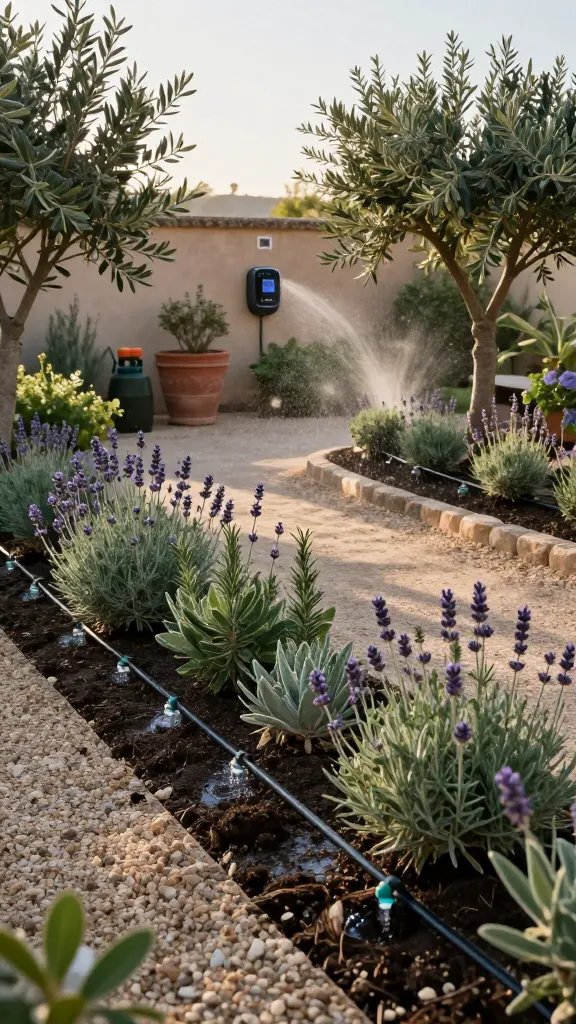
Stop sprinkling daily. Mediterranean plants prefer deep, occasional drinks. This encourages strong roots and saves water.
System Upgrades:
- Install drip irrigation on a timer.
- Water at dawn to reduce evaporation.
- Group plants by water needs (hydrozoning).
Efficient watering keeps bills down and plants happier. Trust me, your lavender will thank you.
10. Create A Scent Trail
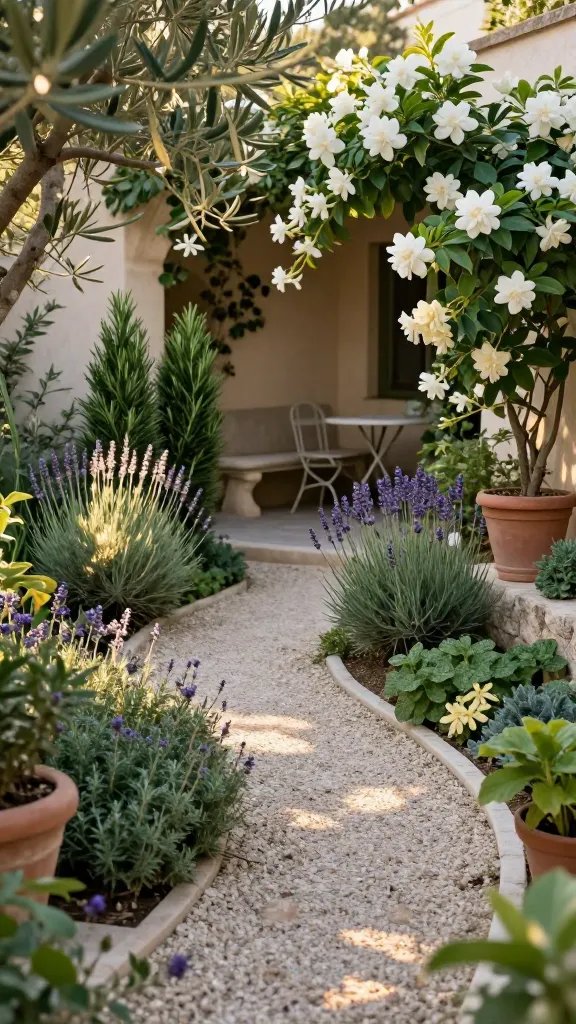
Fragrance turns a pretty space into a memory. Plant herbs and scented shrubs where you brush past them. You’ll get whiffs of heaven every time you walk through.
Best Spots:
- Along paths: thyme, catmint, lemon balm
- By seating: jasmine, gardenia (if climate allows)
- Entry points: rosemary and lavender as living “gatekeepers”
Scent layers add lushness without visual clutter. Perfect for small spaces that need impact.
11. Add Blue And White Accents (Instant Greek Isle Vibes)
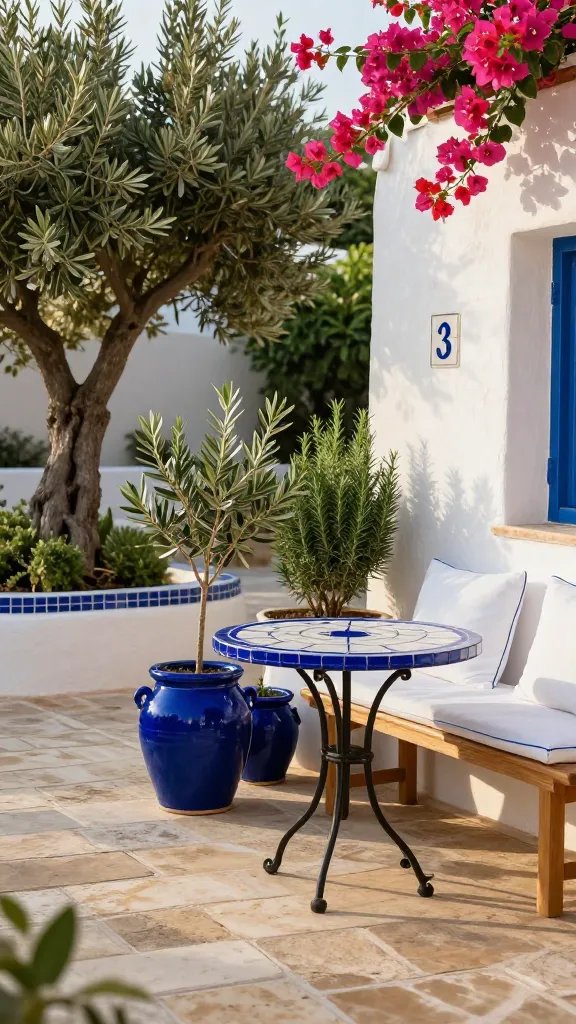
A little color goes a long way against stone and greenery. Blue and white accents feel crisp and coastal. Use them sparingly for maximum pop.
Accent Ideas:
- Blue-glazed pots or a tiled bistro table
- White cushions with blue piping
- Hand-painted house numbers or mosaic details
These accents read fresh, not fussy. They also bounce light and keep the space bright.
12. Build An Edible Corner That Actually Looks Good
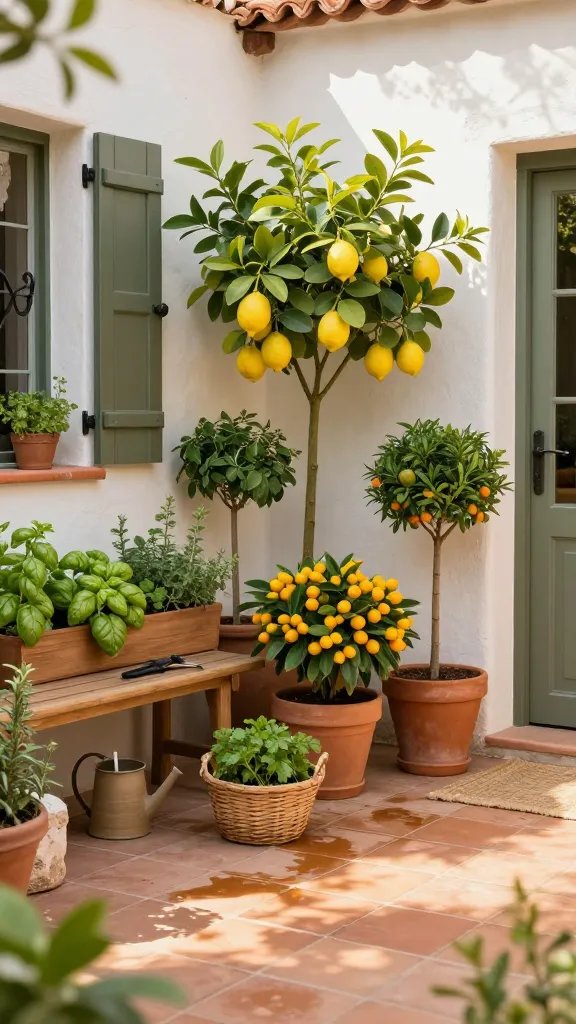
Functional can still be beautiful. Mediterranean edibles bring glossy leaves, flowers, and—yes—delicious harvests. Plant them where you’ll actually use them.
Edibles To Try:
- Lemons or kumquats in pots
- Fig or pomegranate as small trees
- Basil, oregano, parsley, thyme near the kitchen door
Edibles add romance and practicality. Snip-and-serve never gets old.
13. Keep Furniture Simple, Sturdy, And Honest
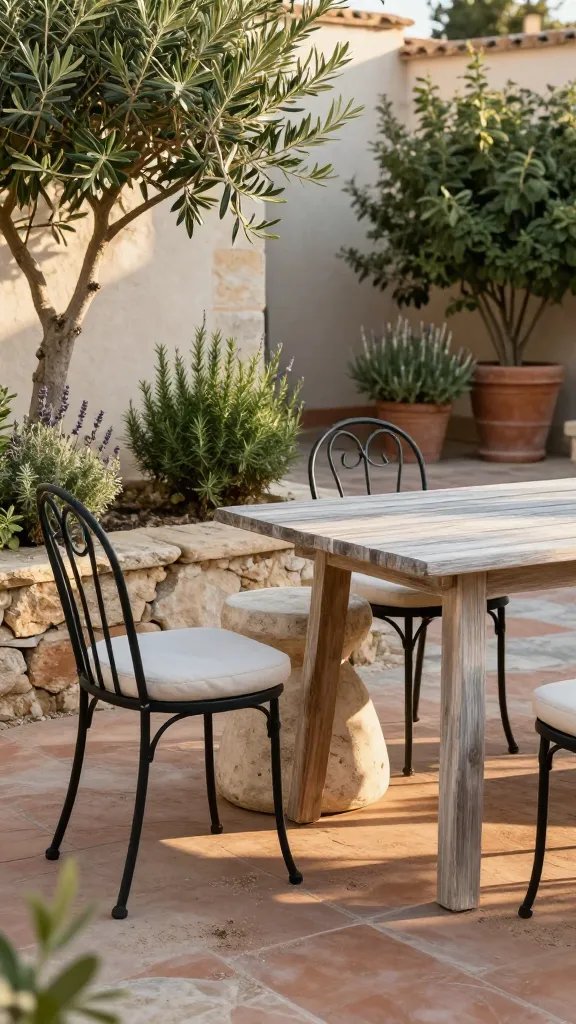
Choose pieces that can handle sun and a little dust. Mediterranean style favors unfussy materials that age gracefully. Comfort matters, but skip the overstuffed look.
Good Picks:
- Wrought iron chairs with washable cushions
- Teak or eucalyptus tables
- Stone or concrete side tables
Understated furniture lets plants and stonework shine. Plus, it lasts longer than trend-heavy pieces.
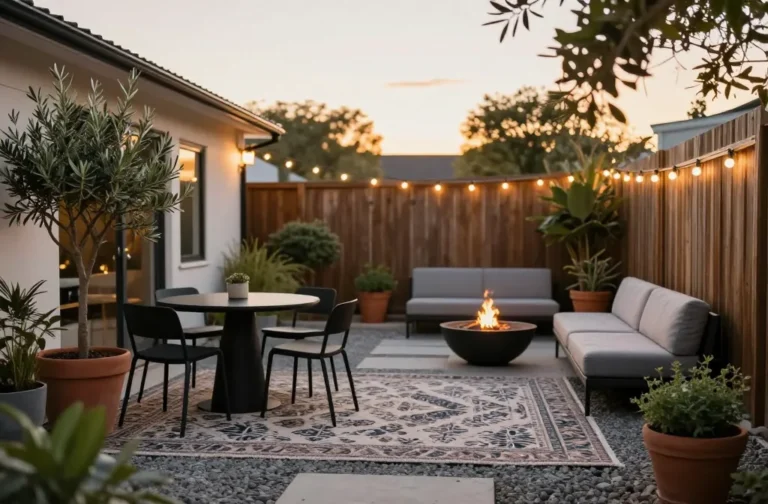
14. Light It Like A Summer Night In Provence
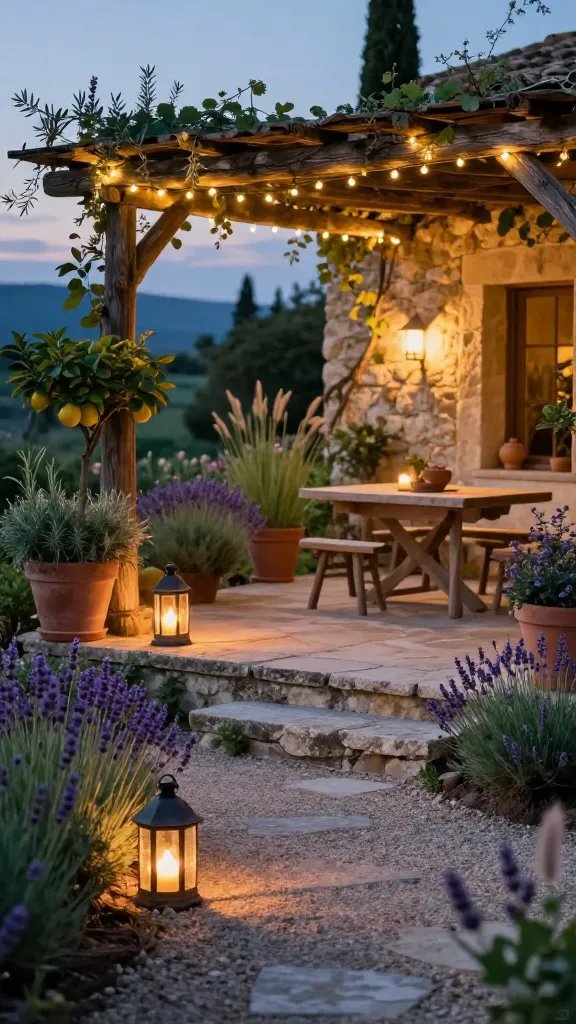
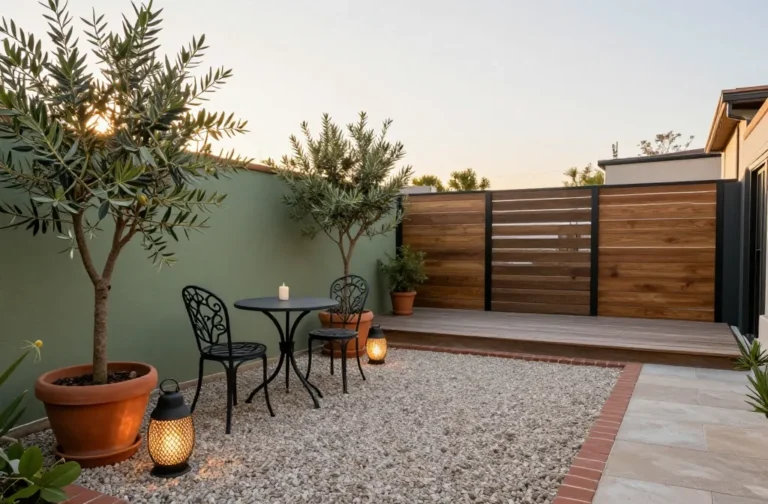
Soft, warm lighting turns your garden into magic after sunset. Avoid floodlights that scream parking lot. Layer low, cozy glows instead.
Lighting Layers:
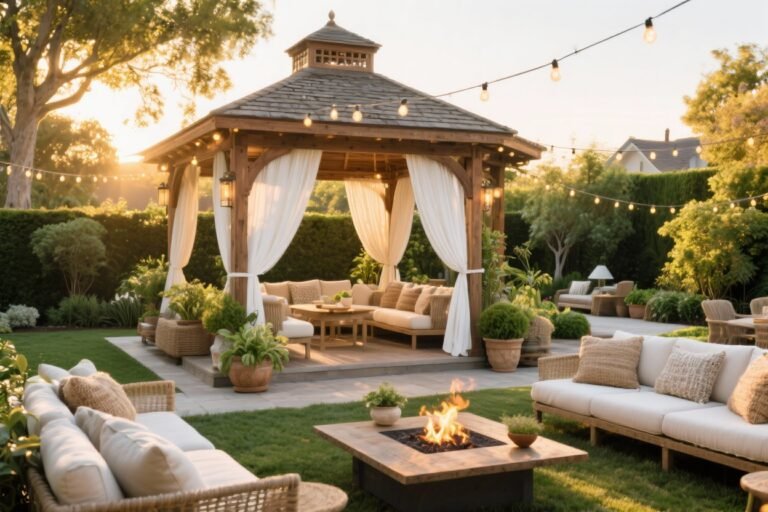
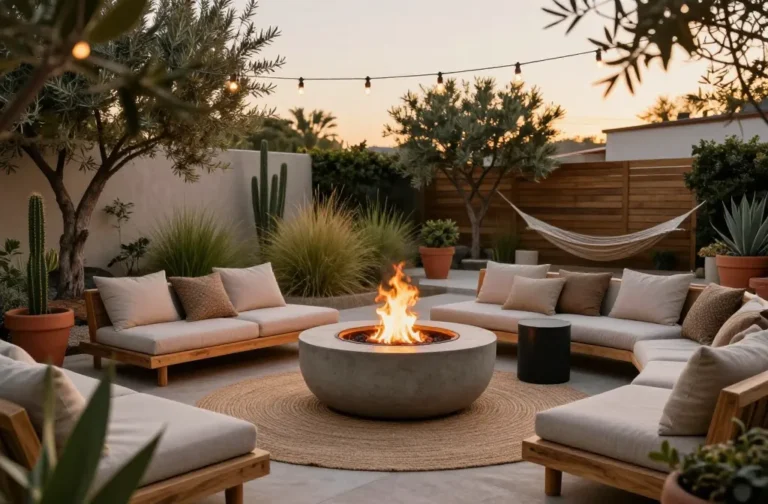
- String lights across a pergola
- Lanterns on steps and tables
- Low-voltage path lights among lavender and grasses
Warm LEDs and candles set the mood. You’ll linger longer—guaranteed.
15. Prune For Shape, Not Perfection
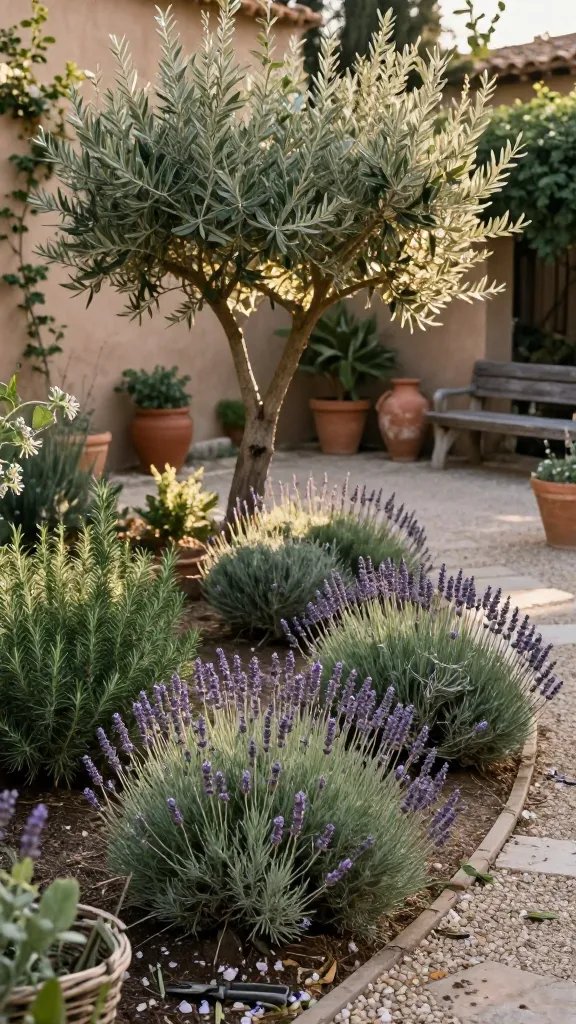
Natural, slightly wild shapes feel authentic and relaxed. Aim for soft mounds and airy silhouettes. Ditch the razor-straight hedges unless you’re going full formal villa.
Pruning Notes:
- Shear lavender lightly after bloom to keep it compact.
- Clip rosemary and thyme into loose domes.
- Thin olives and bay for airflow, not flat sides.
This approach keeps maintenance low and vibes high. Your garden will feel alive, not micromanaged.
Ready to bring the Med home? Start with one corner, one cluster of pots, or one path—and build from there. Keep it sun-loving, scent-filled, and slightly unruly, and you’ll nail that effortless, barefoot-in-summer feeling in no time.