10 Smart Landscape Ideas That Save Water and Time You’ll Want to Copy
You want a gorgeous yard without babysitting hoses every weekend, right? Same. The secret isn’t a bigger sprinkler—it’s smarter design. These ideas cut water use, slash maintenance, and still look ridiculously good. Grab your iced coffee and let’s build a landscape that basically runs itself.
1. Swap Thirsty Lawn For A Chic, Low-Water Patchwork
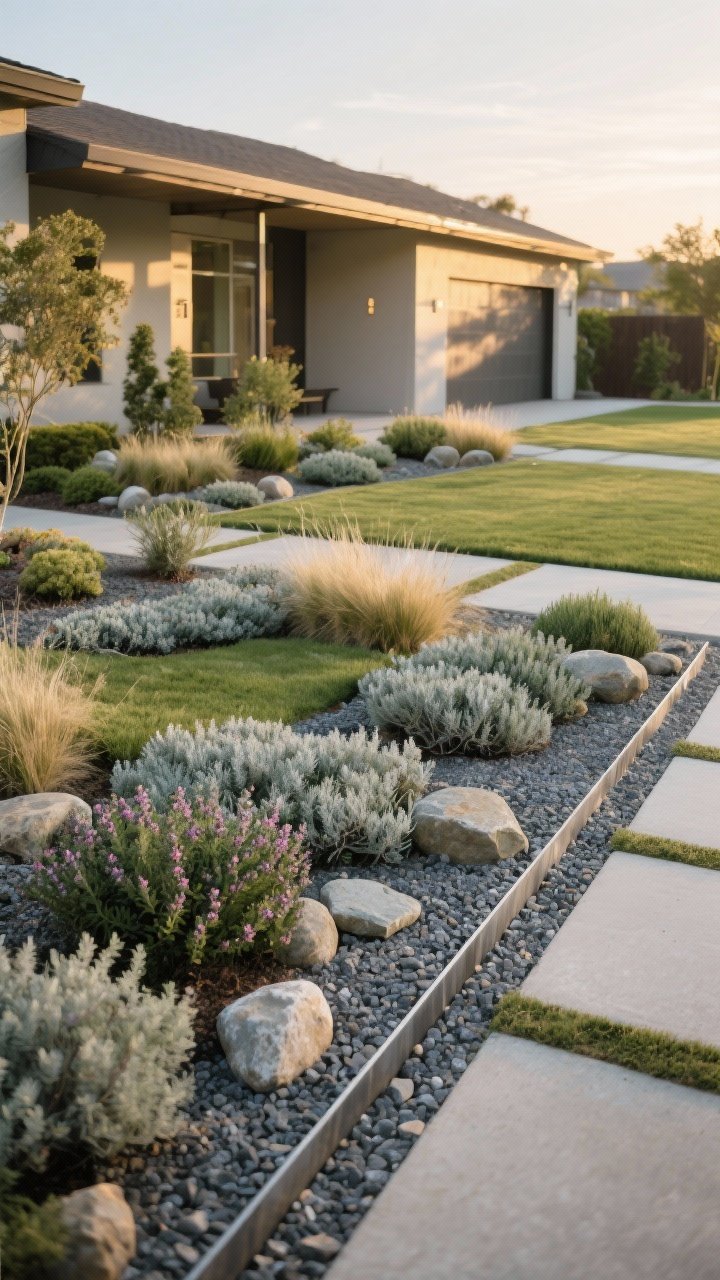
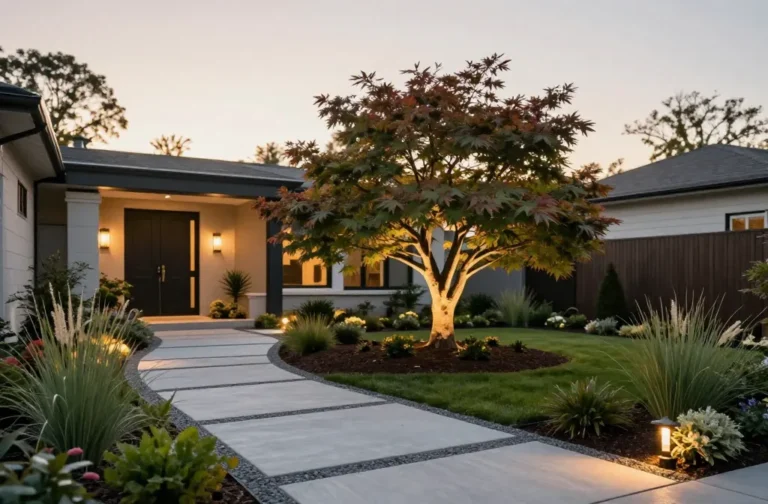
Lawns are needy. They want water, fertilizer, and constant trims. Switch out big stretches of grass for a patchwork of native groundcovers, gravel, and stepping stones. It looks modern, layered, and—bonus—your water bill chills.
Tired of snacking when you’re not even hungry? This reset helps you stop the loop and feel back in control.
A simple reset for moments when cravings take over. Easy to use, easy to repeat, and designed to help you feel satisfied instead of stuck.
Why It Works
- Native groundcovers like thyme, creeping juniper, or buffalo grass sip water and stay low.
- Gravel and stone “breaks” reduce irrigation zones and act as natural mulch.
- Stepping stone paths guide foot traffic so plants don’t get crushed.
Quick Tips
- Mix textures: crushed granite + smooth river rock + chunky flagstone = chef’s kiss.
- Use steel edging or pavers to keep gravel from migrating.
- Plant in drifts (3–7 of the same plant) for a cohesive, intentional look.
2. Go All-In On Drip Irrigation (Set It And Forget It)
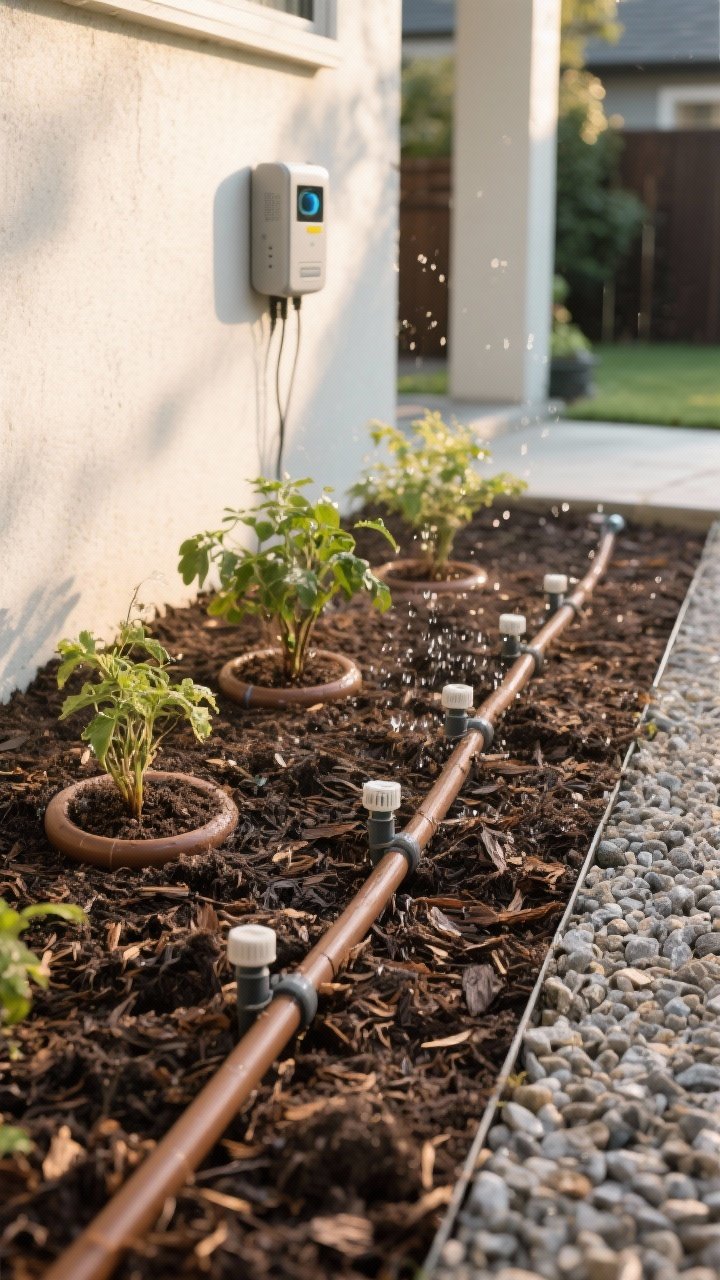
Sprinklers are drama queens—wind blows, water evaporates, and your walkway gets a shower. Drip irrigation delivers water straight to roots with minimal waste. Program it once, then live your life.
Why It Works
- Up to 50–70% water savings vs. spray heads.
- Less runoff and fewer weeds (you’re not watering the whole neighborhood).
- Plants get consistent moisture, which they adore.
Quick Tips
- Use pressure-compensating emitters for even flow across uneven yards.
- Add a smart controller with a rain sensor—FYI, many cities give rebates.
- Run lines under mulch to protect tubing and reduce evaporation.
3. Mulch Like You Mean It
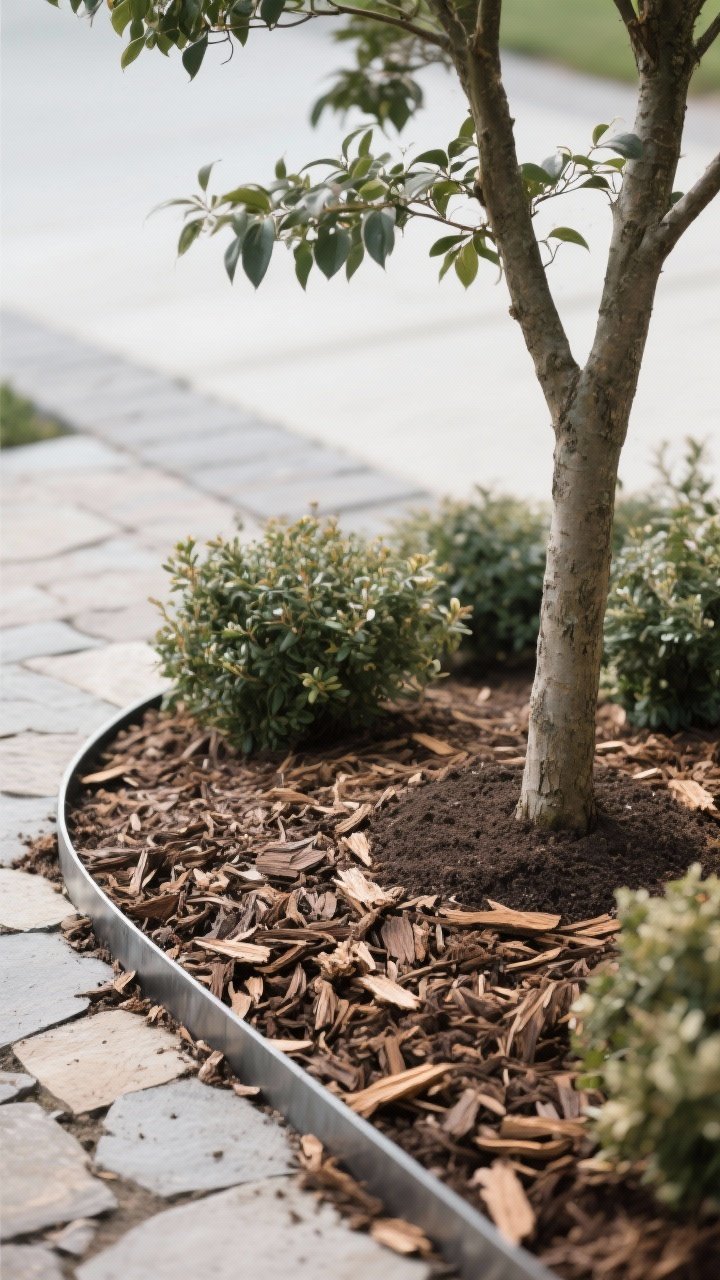
Mulch is basically skincare for your soil: locks in moisture, prevents weeds, and looks clean. A simple 2–3 inch layer around plants can cut watering needs drastically and keep roots cool in heat waves.
Best Mulch Moves
- Shredded bark for beds, arborist chips for trees (they’re often free!).
- Rock mulch for desert designs—just add shade plants sparingly to prevent heat buildup.
- Keep mulch 3 inches away from plant crowns and trunks to avoid rot.
Pro Touches
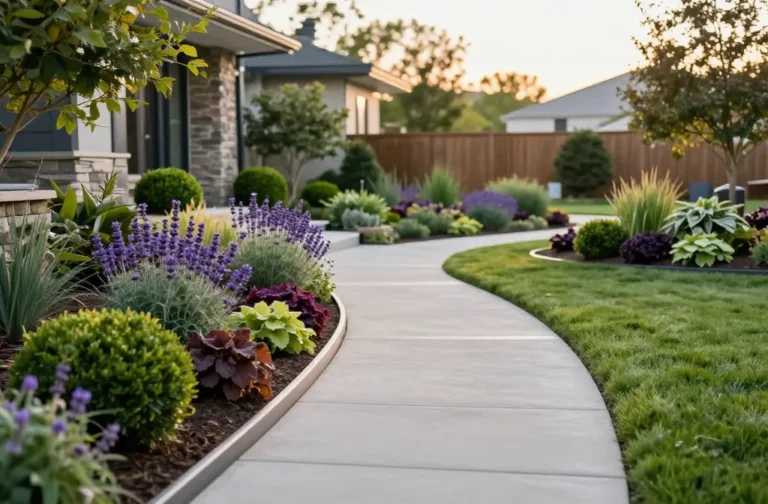
- Use a crisp border (steel, stone, or pavers) to keep mulch from spilling into paths.
- Refresh yearly—color fades, and so does that fresh, finished look.
4. Design Hydro-Zones: Don’t Water Everything The Same
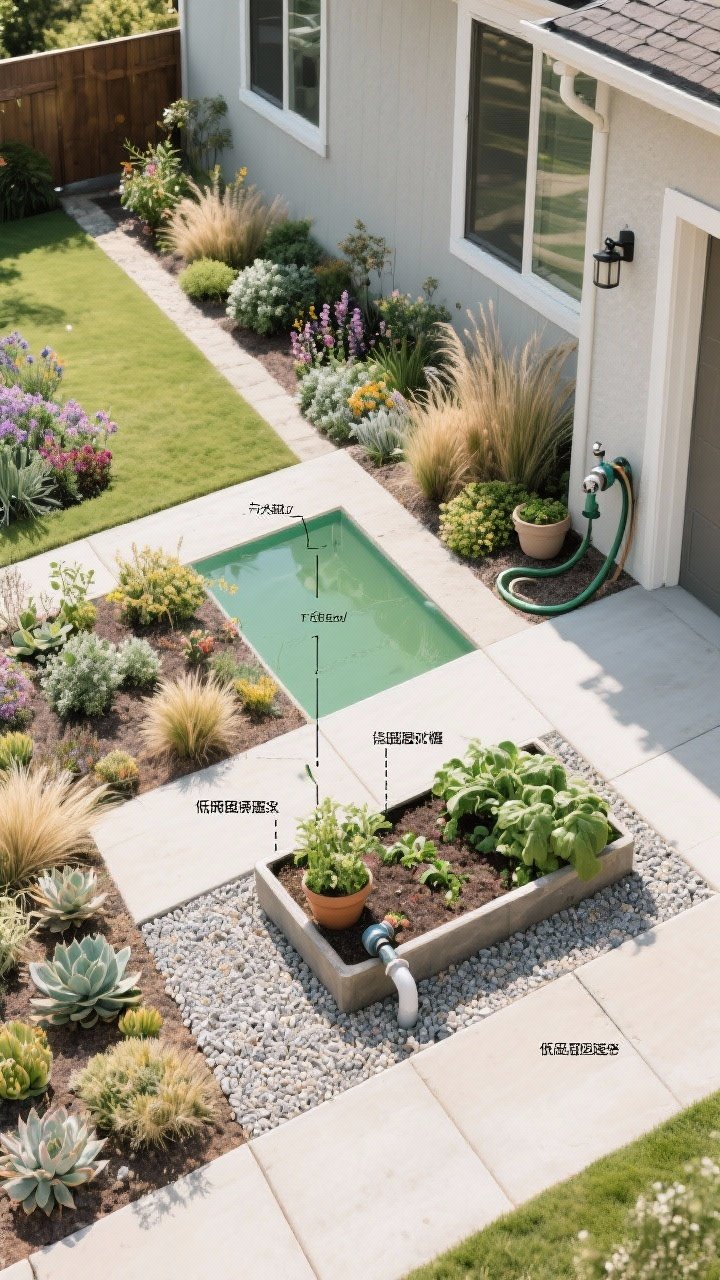
Not every plant wants the same drink order. Group by water needs so you’re not overwatering the tough guys or starving the divas. This is called hydro-zoning, and it’s a game-changer.
How To Group
- Low-water zone: natives, succulents, ornamental grasses.
- Moderate zone: perennials, flowering shrubs.
- High-water zone: veggies, containers, anything new.
Quick Tips
- Put low-water zones furthest from the house; keep high-need plants near your hose.
- Label irrigation valves—future you will be very grateful.
5. Choose Plant Heroes That Thrive On Neglect
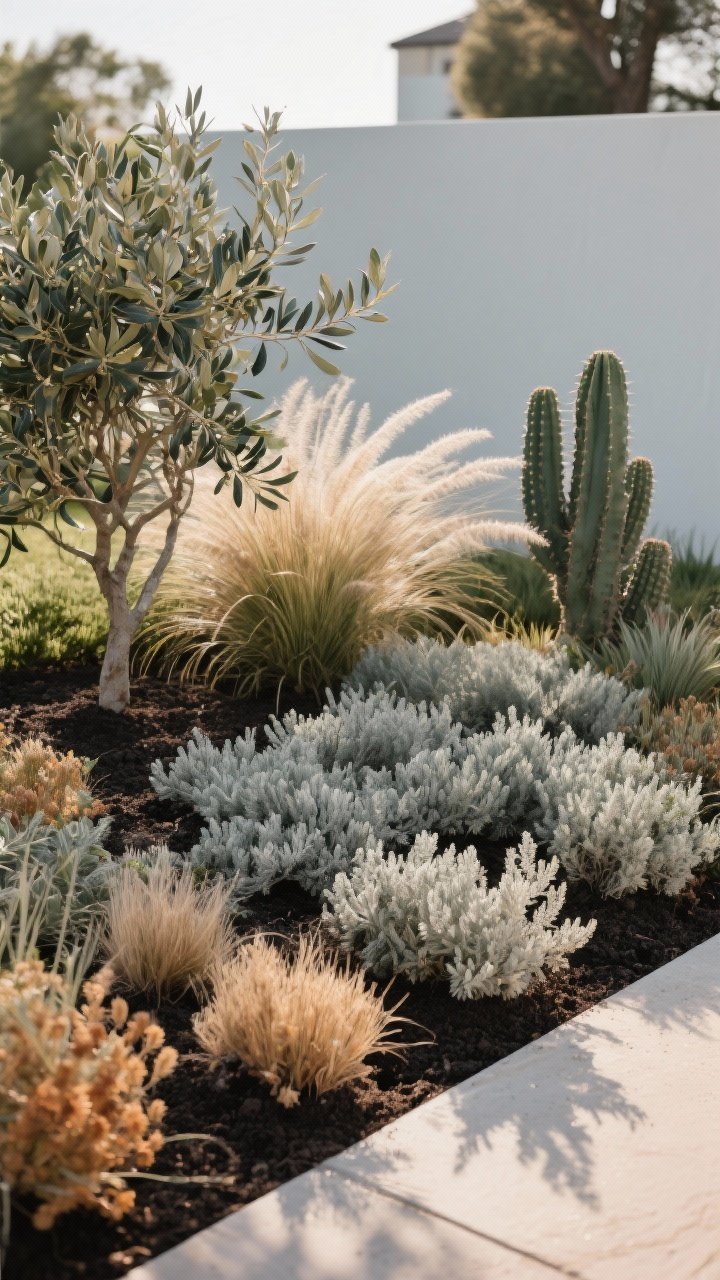
Want the look without the babysitting? Go for drought-tolerant, regionally native plants that are happy with occasional deep watering. They’re resilient, pollinator-friendly, and wildly pretty when massed.
Transform Your Home With 7,250+ Stunning Landscaping Designs—No Expensive Designers Needed!
- 🌿 Access 7,250+ stunning landscaping designs.
- 💰 Save thousands—no pro designer needed.
- 🏡 Plans for gardens, patios, walkways, and more.
- ✨ Simple, beginner-friendly DIY layouts.
- 🛠️ Customize any design to fit your yard.
Plant Pairings By Style
- Modern: westringia, lomandra, olive, cactus, feather reed grass.
- Coastal: rosemary, lavender, sea thrift, blue fescue.
- Southwest: agave, yucca, red yucca, desert spoon, penstemon.
- Prairie: switchgrass, coneflower, black-eyed susan, little bluestem.
Planting Notes
- Plant in fall if possible—cool temps = better root growth with less water.
- Deep, infrequent watering builds strong roots. Shallow daily watering? Hard pass.

6. Capture Rain And Keep It On Site
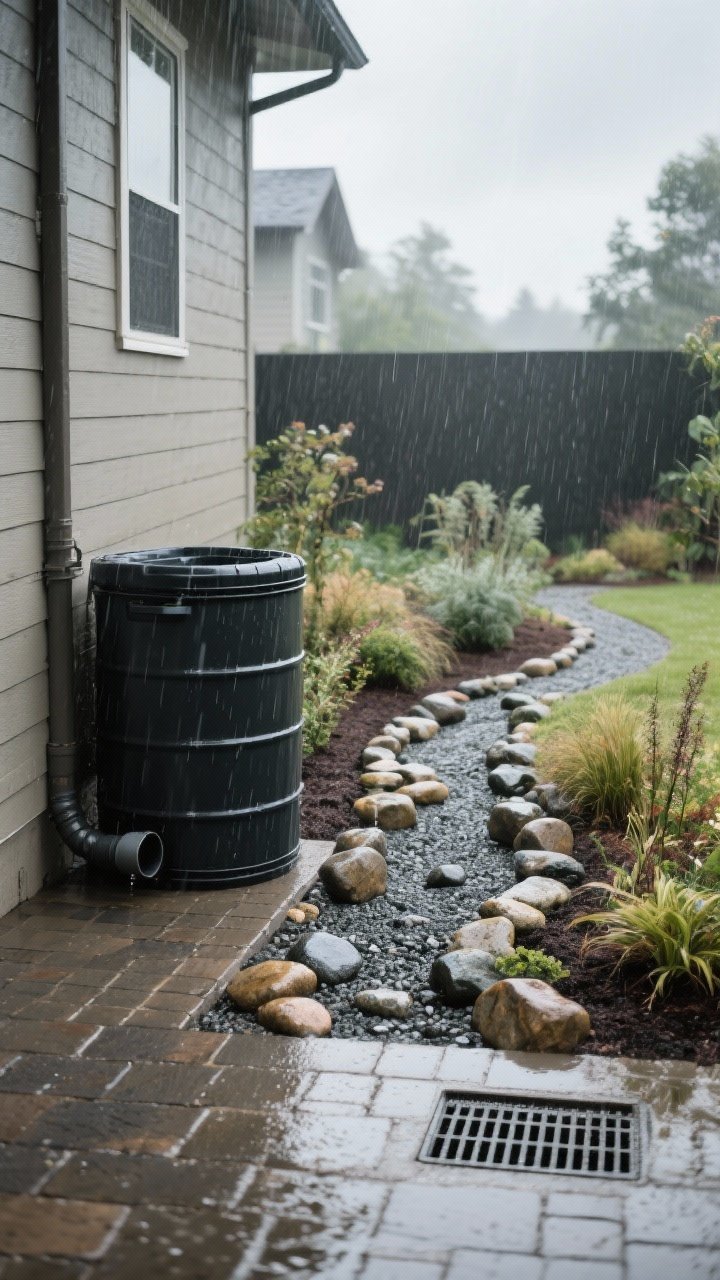
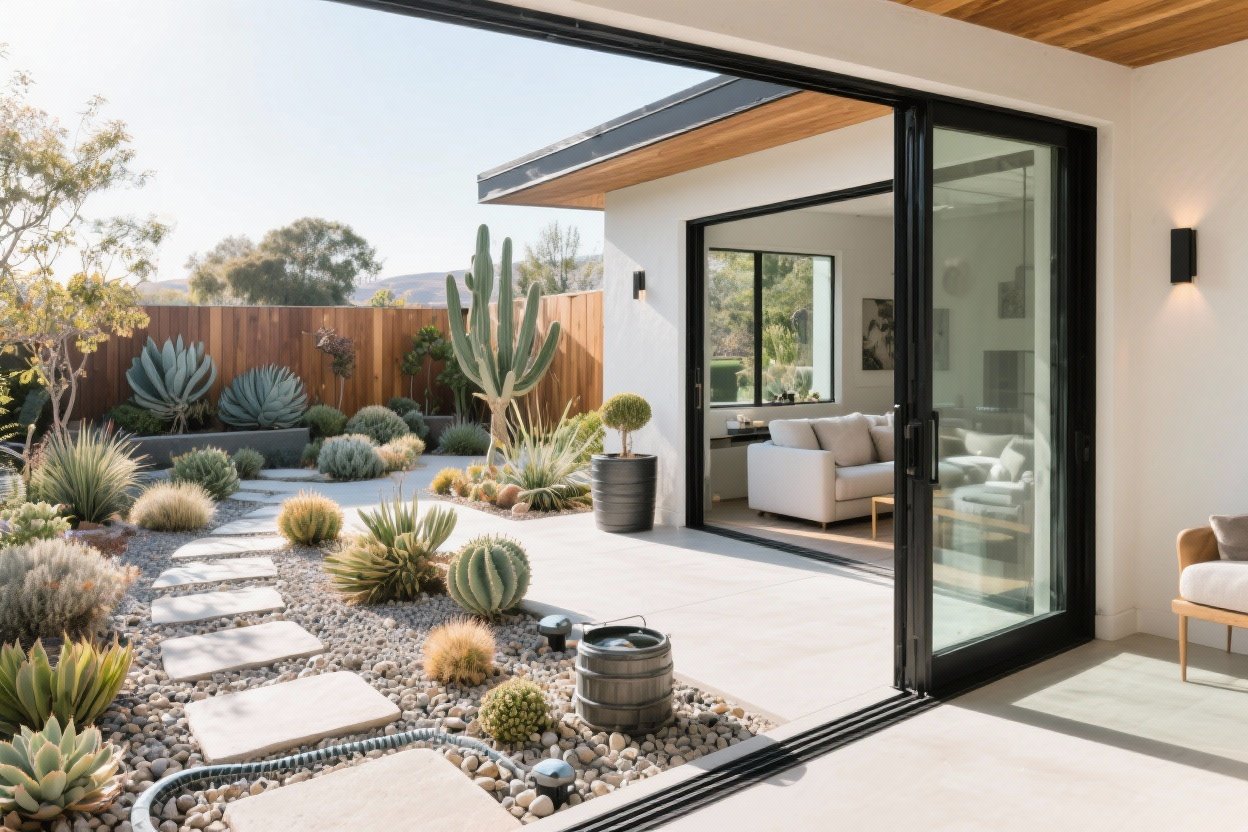
Stop letting free water run down the street. Shape the land to slow, spread, and sink rainfall. A small rain garden or a tasteful barrel by the downspout can carry you through dry spells.
Smart Water Harvesting
- Rain barrels or slimline tanks at downspouts for hand-watering.
- Dry creek beds that double as drama and drainage—direct flow to trees.
- Rain gardens with moisture-loving natives in low spots to capture runoff.
Quick Tips
- Use permeable hardscape (gravel, decomposed granite, permeable pavers) so water can soak in.
- Add a French drain if you’ve got chronic puddles—functional and nearly invisible.
7. Shrink The Mow Zone With Hardscape That Works Hard
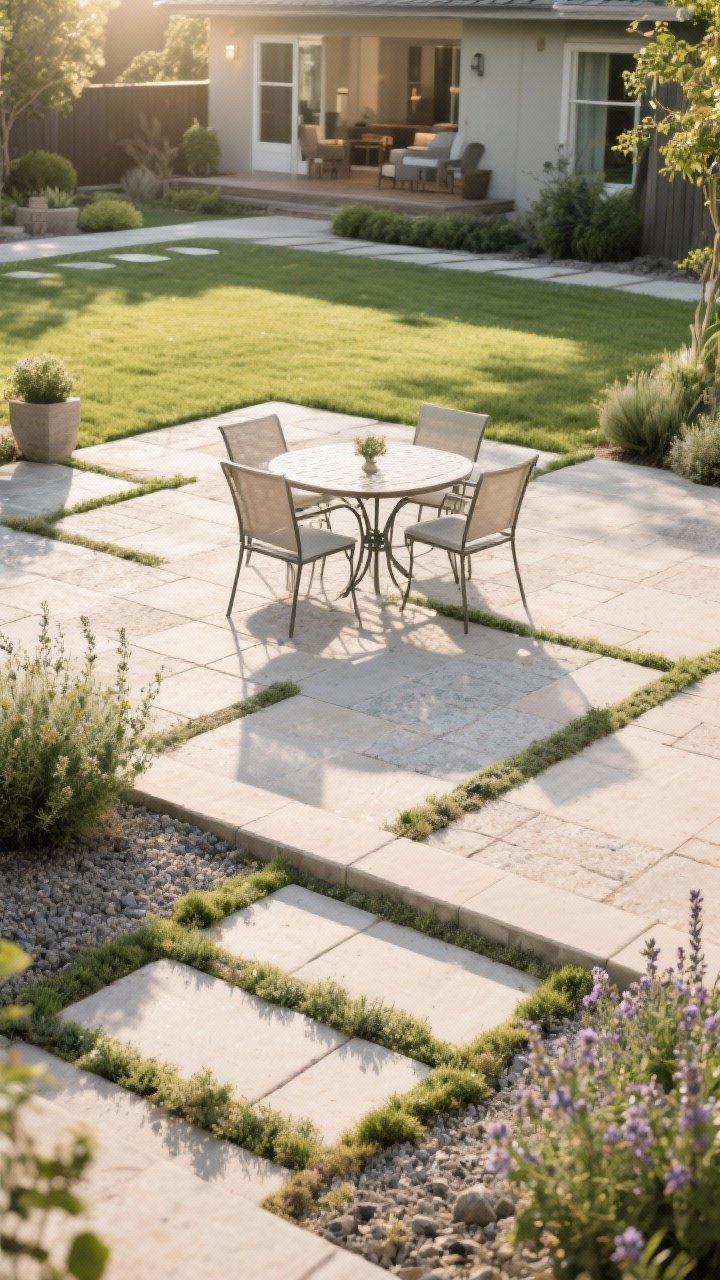
Less lawn, more life. Build outdoor “rooms” with patios, decks, and paths that require zero watering and invite actual use—morning coffee, impromptu dinners, lazy Sundays.
Design It Like A Pro
- Decomposed granite or gravel patios feel casual and drain well.
- Large-format pavers with groundcover joints add softness and save water.
- Stepping stone ribbons through groundcovers look curated and keep feet dry.
Low-Maintenance Details
- Compact the base properly so surfaces stay level (your ankles will thank you).
- Choose light-colored materials to reduce heat and keep spaces comfortable.
8. Put Containers On A Water Diet (Without The Drama)
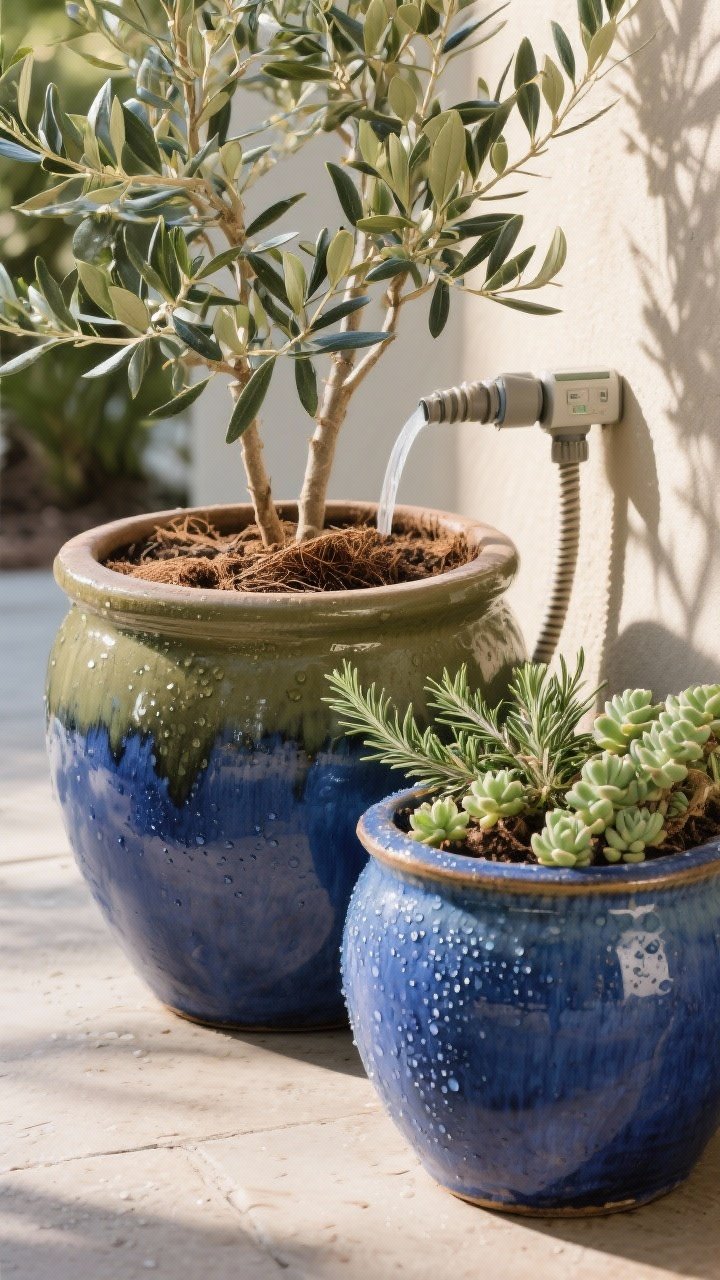
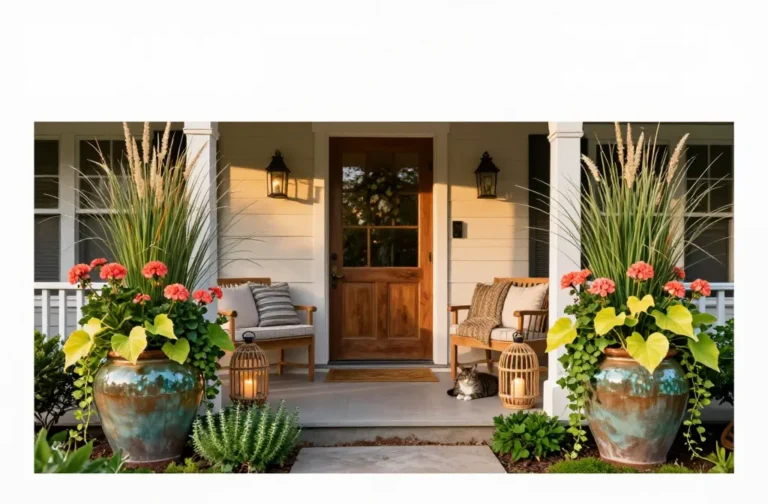
Containers are gorgeous, but they’re thirsty—unless you set them up smart. Choose bigger pots, water-smart soil, and a discreet drip line. Suddenly, your patio looks lush without your daily watering shift.
Container Hacks
- Go large and glazed—bigger pots hold moisture; glazed surfaces slow evaporation.
- Use a moisture-retentive mix with compost and a bit of coconut coir.
- Layer drip emitters or a ring inside each pot, tied to a timer.
Plant Picks
- Sun: dwarf olives, lantana, bougainvillea, rosemary, sedums.
- Shade: heuchera, aspidistra, carex, dwarf conifers.
9. Automate The Boring Stuff (Smart Tech, Big Payoff)
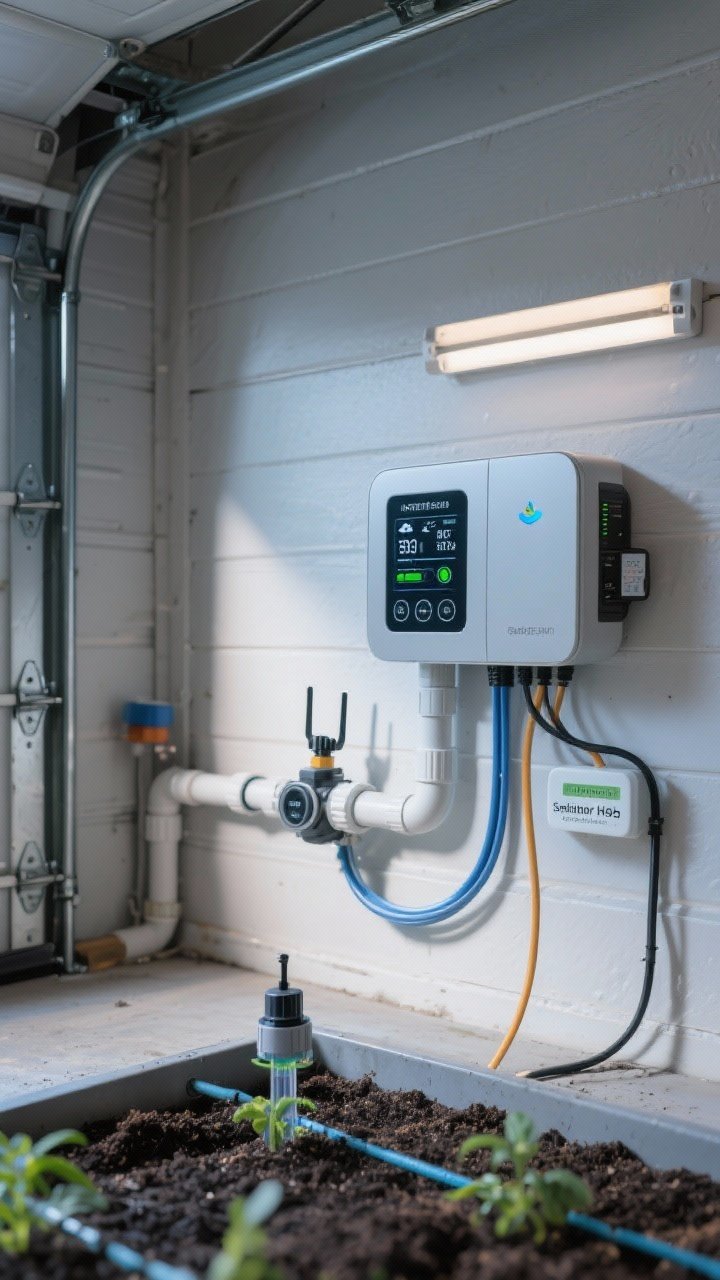
Let your yard text you instead of the other way around. Smart irrigation controllers and soil moisture sensors adjust watering based on weather, saving water and preventing plant meltdowns.
What To Automate
- Weather-based controllers that skip watering when rain’s coming.
- Zone scheduling so shade gets less, sun gets more—easy.
- Flow meters that alert you to leaks before your bill screams.
Extra Credit
- Integrate with voice assistants for quick overrides (IMO, very satisfying).
- Set seasonal adjust—reduce by 20–40% in spring and fall automatically.
10. Embrace “Tidy Wild” With Grasses And Repeat-Bloomers
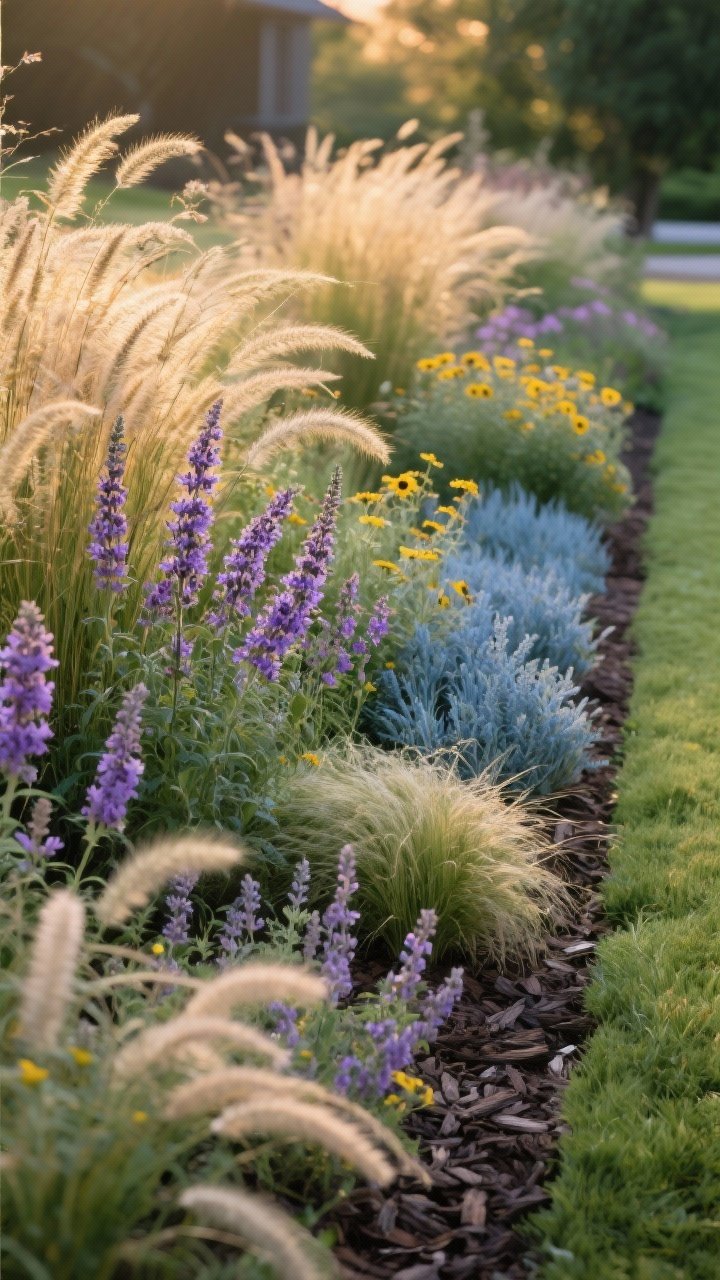
Want movement, color, and basically no fuss? Mix ornamental grasses with repeat-blooming perennials. It’s that “effortless” look that’s secretly planned and extremely water-wise.
Winning Combos
- Feather reed grass + salvia + yarrow for purple-gold drama.
- Blue oat grass + catmint + coreopsis for cool tones with sunny pops.
- Pennisetum + gaura + Russian sage for airy movement and long bloom.
Care Routine
- Cut back grasses once in late winter. That’s it. Seriously.
- Deadhead perennials lightly to encourage repeat blooms—but no pressure.
- Mulch well and spot-water during heat waves if needed.
Putting It All Together
Start with the big-impact moves: reduce lawn, add drip, and mulch everything. Then layer in plant heroes and a few hardscape moments so your yard looks curated, not complicated. Keep water on-site with rain capture, and let smart tech handle the micromanaging.
You don’t need a full makeover overnight. Pick two or three ideas, knock them out over a weekend, and enjoy the immediate payoff. Your future self—lounging on that low-maintenance patio, iced tea in hand—says thanks.