The Ultimate Seed Starting Guide (Even If You Kill Every Plant) Upgrade Your Brown Thumb
Let’s skip the guilt. If you’ve ever murdered a basil sprout with “kindness,” you’re exactly who this guide is for. We’ll set you up with a low-effort, high-success system that saves money, time, and your sanity. Ready to grow seedlings that don’t faint when you look at them? Let’s go.
Set Yourself Up: The Minimum Gear That Delivers Maximum Wins
You don’t need a greenhouse or a moon landing budget. You need a few cheap tools that solve the two big killers: darkness and drought.
Tired of snacking when you’re not even hungry? This reset helps you stop the loop and feel back in control.
A simple reset for moments when cravings take over. Easy to use, easy to repeat, and designed to help you feel satisfied instead of stuck.
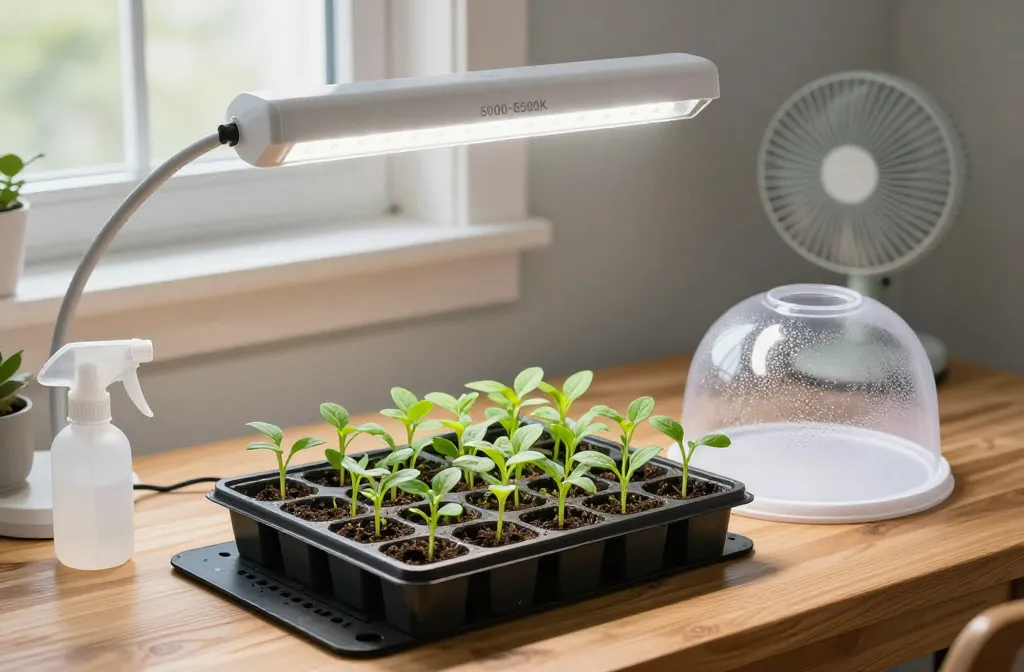
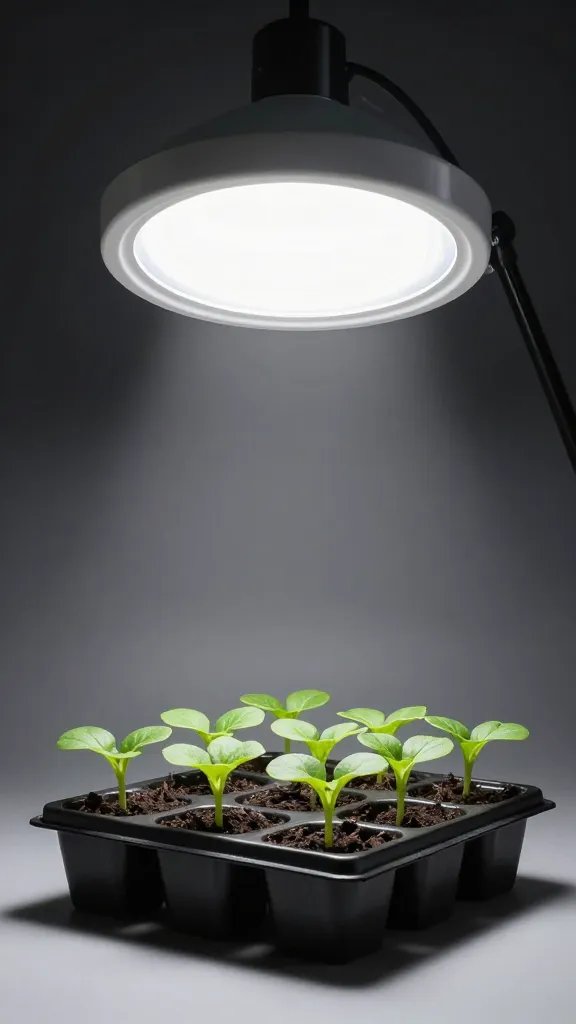
- Lights: A simple LED shop light (5000–6500K) works great. Hang it 2–4 inches above seedlings and keep it on 14–16 hours daily.
- Trays + Cells: Standard 10×20 tray with cell inserts. Bonus points if it has a humidity dome.
- Seed-Starting Mix: Light, sterile, and fluffy. Not garden soil. Not potting soil with chunks.
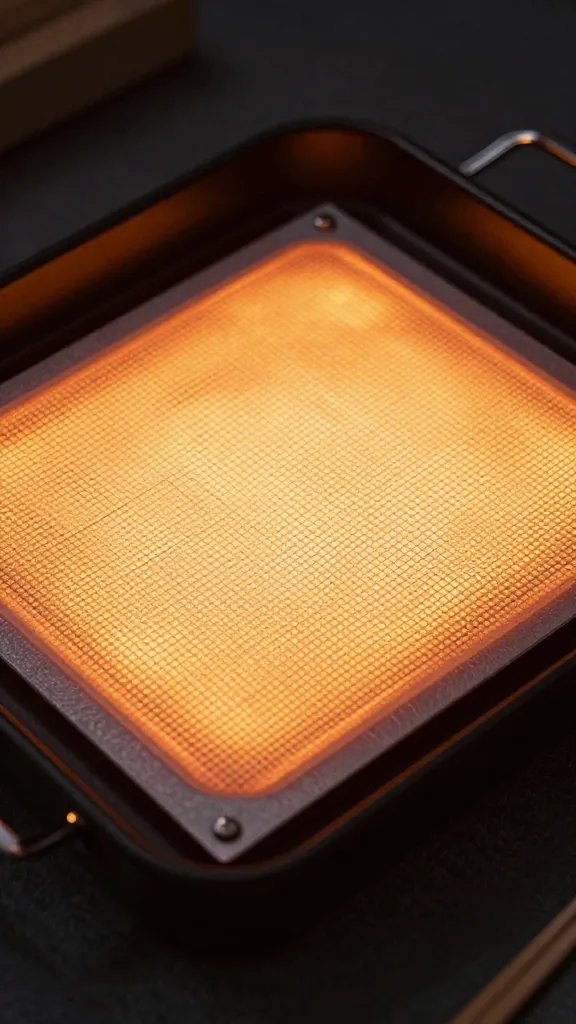
- Heat Mat: Speeds up germination for heat lovers (tomatoes, peppers). Turn it off after sprouting.
- Labels: You think you’ll remember. You won’t. Label everything.
- Watering Tool: A spray bottle and a small squeeze bottle or bottom-watering tray.
Optional But Awesome
- Oscillating fan: Gentle airflow builds sturdy stems and prevents mold.
- Fertilizer: A mild, balanced liquid feed (half strength) once true leaves show.
Timing Is Everything (And Yes, You Can Keep It Simple)
Sowing too early creates leggy, drama-prone plants. Use your average last frost date as your anchor.
- 6–8 weeks before last frost: Tomatoes, peppers, eggplant.
- 4–6 weeks before last frost: Basil, most herbs, brassicas (broccoli, cabbage), marigolds, zinnias.
- 2–4 weeks before last frost: Cucumbers, squash, melons (or direct-sow after frost if you prefer).
- Direct-sow anytime soil allows: Peas, beans, carrots, beets, radishes, sunflowers.
Pro move: Set a calendar reminder for each crop. IMO, future you deserves that kindness.
Planting Seeds: The Foolproof Method
If a seed needs a PhD to germinate, it can stay in the packet. Here’s the method that works for almost everything.
- Prep the mix: Moisten seed-starting mix until it feels like a wrung-out sponge. Fill cells and level gently.
- Plant depth: General rule: plant seeds about 2–3 times their diameter. Tiny seeds? Sprinkle on top and press in.
- Label immediately: Variety + date. Future you = grateful.
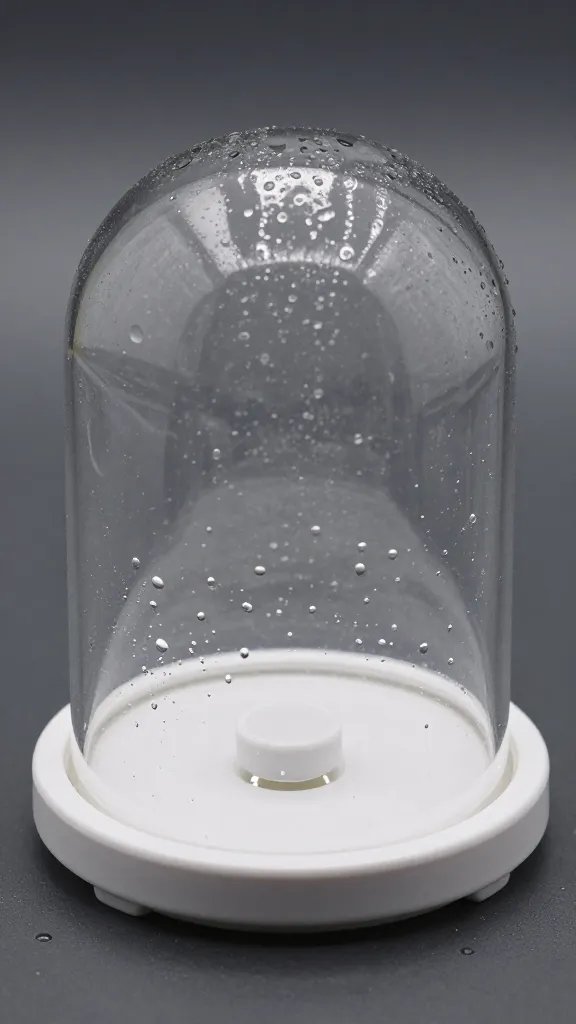
- Warmth + darkness (usually): Use a heat mat for heat-loving crops. Keep the dome on until you see sprouts.
- Light ASAP: The second you see green, move the tray under lights (2–4 inches away).
Special Cases
- Lettuce and herbs: Like cooler temps; skip heat mats.
- Peppers: Can take 10–21 days to sprout. Don’t panic.
- Light-needy seeds (like some flowers): Press onto surface; don’t bury.
Watering Without Drowning (Or Desertifying)
Overwatering equals fungus gnat raves and dead seedlings. Underwatering equals crispy regrets.
Transform Your Home With 7,250+ Stunning Landscaping Designs—No Expensive Designers Needed!
- 🌿 Access 7,250+ stunning landscaping designs.
- 💰 Save thousands—no pro designer needed.
- 🏡 Plans for gardens, patios, walkways, and more.
- ✨ Simple, beginner-friendly DIY layouts.
- 🛠️ Customize any design to fit your yard.
- Bottom water: Pour water into the tray; let cells wick moisture for 10–20 minutes; drain excess.
- Mist to start: Until sprouts appear, use a spray bottle to avoid blasting seeds out of place.
- Check daily: The top can look dry while roots are happy. Lift a cell—if it feels featherlight, water.
- Airflow matters: A small fan on low keeps disease away and strengthens stems.
FYI: Pale, floppy seedlings usually need more light, not more water.
Feeding, Potting Up, And Not Babying Them Forever
Seedlings outgrow their starter home fast. Starving them or letting roots tangle stalls growth.
When To Feed
- After true leaves appear (the second set), feed every 7–10 days with half-strength liquid fertilizer.
- Stop if leaves look dark green and growth explodes. More isn’t better.
When To Pot Up
- Roots poking out the bottom, or plants shading neighbors? Move to 3–4 inch pots.
- Use a light potting mix, not dense garden soil.
- Handle by leaves, not stems. Stems = life support line.

Hardening Off: The Step Everyone Skips (And Regrets)
Your indoor babies grew up in a spa. Outside? It’s wind, UV, and opinions. Gradually introduce the chaos.
- Days 1–2: 1–2 hours in bright shade, no wind.
- Days 3–4: 3–4 hours of morning sun.
- Days 5–6: Half day of sun, light breeze okay.
- Days 7–8: Full day of sun. Leave out overnight only if nights stay above target temps.
Targets: Tomatoes/peppers like nights above 50°F (10°C). Cool crops can handle cooler nights. Use your judgment—IMO, a $5 frost cloth saves $50 of seedlings.
Transplant Day: Do This And You’ll Feel Like A Pro
Pick a mild, overcast day or late afternoon. Water seedlings well in their pots first.
- Dig holes first: So you don’t cook roots while you fumble.
- Tomatoes: Bury up to the top leaves; stems grow new roots.
- Peppers: Plant at the same depth. They sulk if buried.
- Spacing: Follow the packet. Crowded plants share diseases and bad vibes.
- Water in: Give a thorough drink. Add a little starter fertilizer if you like.
- Shade for a day: A box, umbrella, or cloth reduces transplant shock.
Common Oopsies And Fast Fixes
Because things happen. You’re fine.
- Leggy seedlings: Move lights closer; add a fan; replant deeper at potting up.
- Mold/algae on soil: Increase airflow, bottom-water only, remove humidity dome.
- Purple leaves (phosphorus stress): Too cold. Warm them up; hold off on fertilizer.
- Yellow leaves: Hungry or overwatered. Check roots; feed lightly if needed.
- Fungus gnats: Let surface dry, add yellow sticky traps, sprinkle a thin layer of sand or use a biological control (Bti).
FAQ
Do I really need grow lights, or can I use a sunny window?
You can try a south-facing window, but most seedlings stretch like they’re reaching for a lifeguard. A cheap LED shop light solves 90% of leggy problems. Keep it close and run it 14–16 hours daily.
What’s the difference between seed-starting mix and potting soil?
Seed-starting mix is lighter, finer, and usually sterile. That means seeds germinate easily and disease pressure stays low. Potting soil can be chunkier and holds more water, which can drown tiny roots.
How wet should the soil be?
Aim for “wrung-out sponge.” If water pools on top, you overdid it. If it feels dusty or pulls away from the sides, it’s too dry. Bottom watering helps you hit the sweet spot consistently.
Why did my seedlings fall over and die overnight?
That’s damping-off disease. Too much moisture, poor airflow, and low light invite it. Start with sterile mix, don’t overwater, add a fan, and get sprouts under bright light immediately.
When do I start fertilizing?
Wait for the first set of true leaves. Then feed with a diluted, balanced liquid fertilizer every 7–10 days. Go half strength—seedlings prefer “soup,” not “stew.”
How do I know if it’s time to transplant outside?
Check three boxes: hardened off for a week, nighttime temps within your crop’s comfort zone, and roots that hold the soil when you tip the pot. If all yes, go plant.
Conclusion
You don’t need a green thumb—you need a simple system. Light close, water smart, feed gently, and harden off like you mean it. Follow this playbook and your seedlings will graduate from “doomed” to “dominating.” And if one or two still flop? FYI, even pros re-sow. That’s gardening—try again, harvest big, brag later.