Winter Seed Starting Tips That Actually Work Now
Ready to grow strong, smugly early seedlings while the yard looks like a snow globe? You can. Winter seed starting isn’t complicated—you just need the right habits and a little grit. I’ll show you what actually works, what’s hype, and how to dodge the classic “leggy, sad sprout” saga. By spring, you’ll have sturdy plants that laugh at cold snaps. Let’s get to it.
Know Your Goal: Cold-Hardy Starts vs. Heat Lovers
Start by separating your seeds into two camps. Cold-tolerant rockstars (kale, spinach, lettuce, brassicas, onions, leeks, snapdragons, pansies) thrive with a chilly start. Heat lovers (tomatoes, peppers, eggplant, basil) need a warmer setup and go later.
Tired of snacking when you’re not even hungry? This reset helps you stop the loop and feel back in control.
A simple reset for moments when cravings take over. Easy to use, easy to repeat, and designed to help you feel satisfied instead of stuck.
Why bother? Because timing matters more than gear. You can nail winter sowing for hardy crops while heat lovers wait a few weeks for longer light and warmer soil. IMO, that split alone saves beginners 80% of the drama.
Light Is Everything: Beat Leggy Seedlings
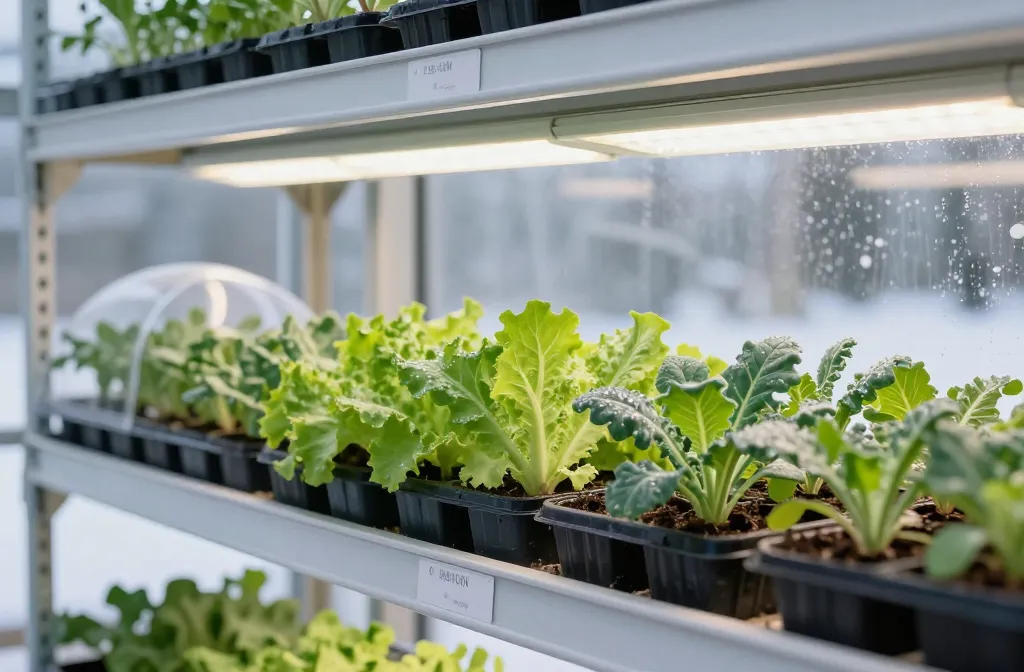
Winter daylight stinks for growth. You need strong, close light to grow stout, happy seedlings. No, a sunny window won’t cut it for most plants (FYI: it causes legs, not leaves).
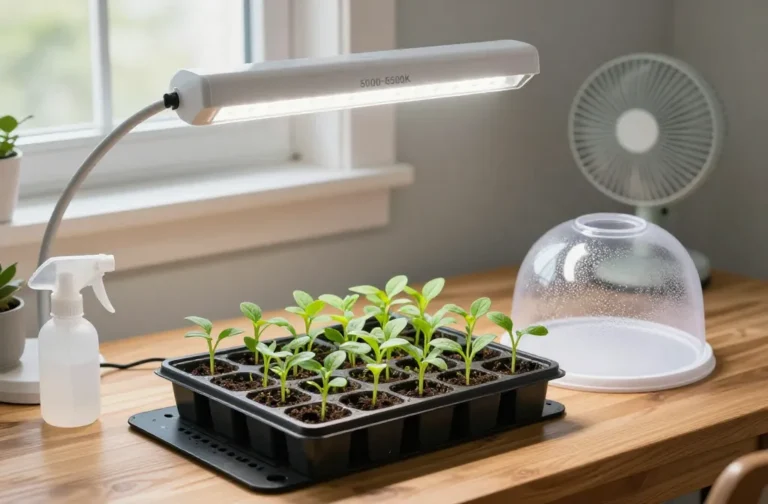
Simple Lighting Setup That Works
- Use LED shop lights (4000–6500K). They’re cheap, bright, and perfect.
- Hang lights 2–4 inches above seedling tops. Raise as they grow.
- Run 14–16 hours daily with a timer. Consistency beats guesswork.
- Check leaf color: rich green = enough light; pale, stretched = move closer.
Soil, Not Soil: Use the Right Mix
Garden soil compacts and suffocates roots indoors. Skip it. Use a sterile seed-starting mix so roots breathe and stems stay clean.
What to Buy (or DIY)
- Bagged mix labeled “seed starting.” Look for fine texture and good drainage.
- DIY: 2 parts sifted coco coir or peat + 1 part perlite + 1 part vermiculite.
- Moisten first so it feels like a wrung-out sponge—never drippy.
Heat Mats: Use Them Wisely, Then Ditch
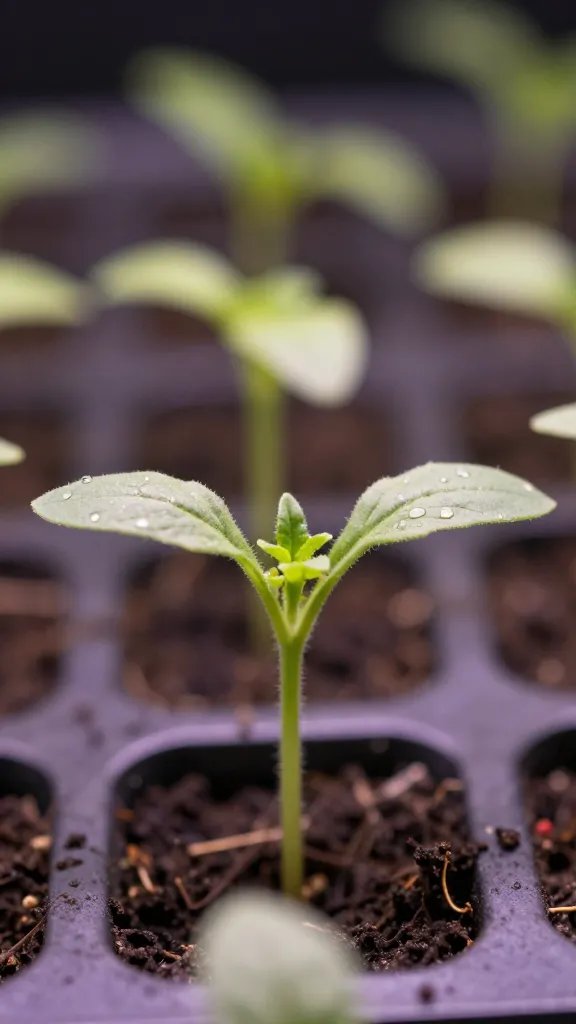
Heat mats speed germination for warmth-loving seeds. But don’t overdo it. Turn off or remove the mat after most seeds sprout so seedlings grow stout, not floppy.
Transform Your Home With 7,250+ Stunning Landscaping Designs—No Expensive Designers Needed!
- 🌿 Access 7,250+ stunning landscaping designs.
- 💰 Save thousands—no pro designer needed.
- 🏡 Plans for gardens, patios, walkways, and more.
- ✨ Simple, beginner-friendly DIY layouts.
- 🛠️ Customize any design to fit your yard.
Who Needs Heat
- Tomatoes, peppers, eggplant, basil: Yes, please (75–85°F soil).
- Brassicas, lettuce, spinach, onions: Germinate fine cooler (60–70°F).
Bonus tip: Vent domes early. If you use humidity domes, crack them as soon as you see green. Then remove entirely within 24–48 hours to avoid damping-off disease.
Water Like a Pro: Bottoms Up
Overwatering kills dreams fast. You want moisture, not swamp vibes. Bottom-water so roots drink and stems stay dry.
How to Bottom-Water
- Set trays in a shallow pan with water.
- Let mix drink for 10–20 minutes.
- Drain excess. Never let trays sit in water all day.
Add a gentle fan nearby for airflow to toughen stems and prevent fungus. Think light breeze, not hurricane.

Winter Sowing Outdoors: The Low-Maintenance Hack
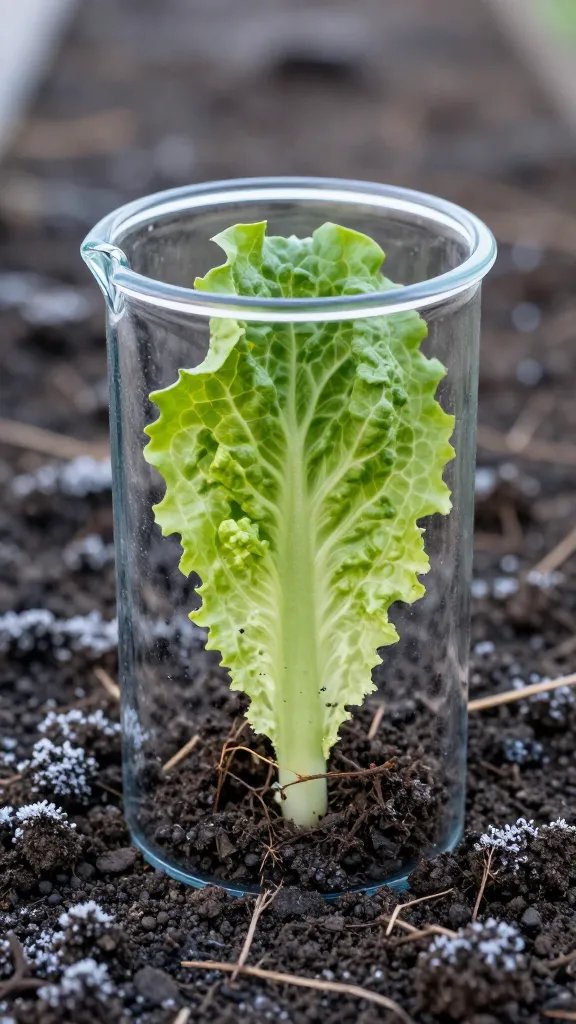
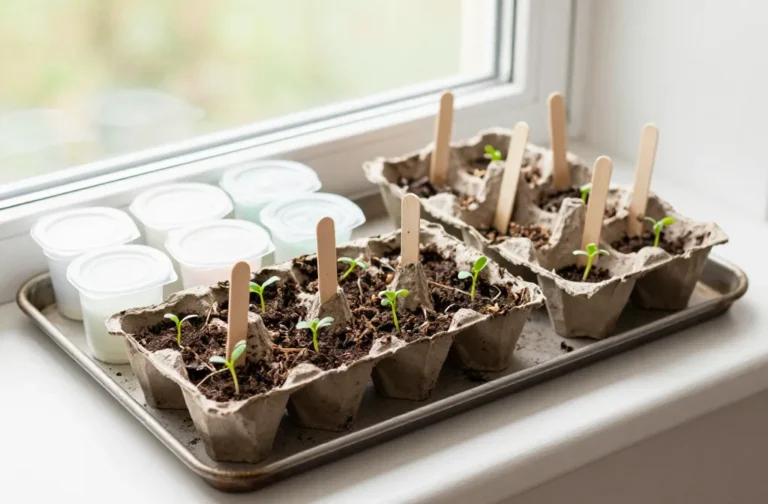
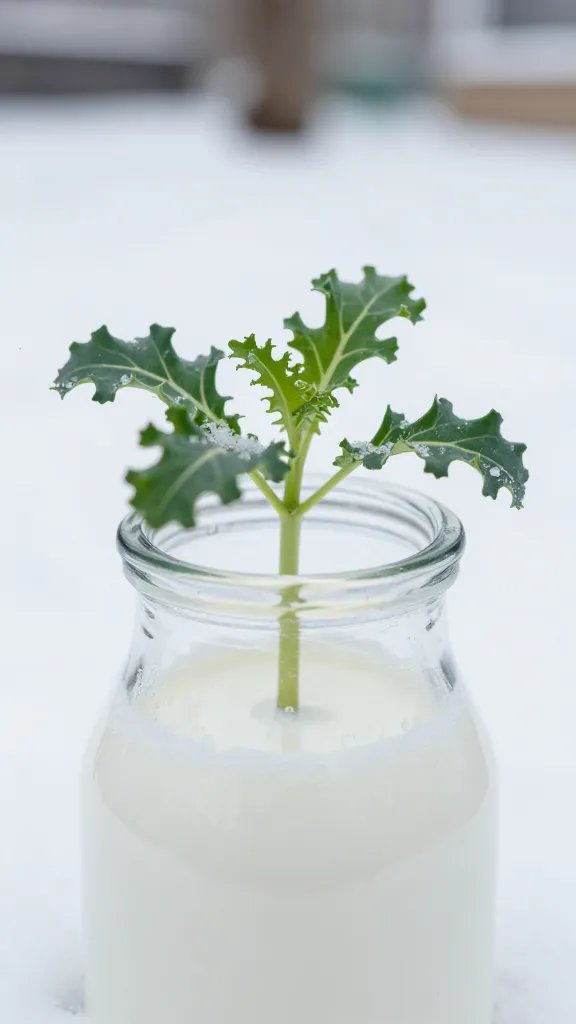
Hate babysitting lights? Try winter sowing. You turn milk jugs into mini greenhouses and let nature do the temperature control. It’s shockingly effective for hardy crops and many perennials.
Milk Jug Method (Works Like Magic)
- Cut a clean gallon jug almost in half, leaving a hinge under the handle.
- Poke drainage holes in the bottom. Add 3–4 inches of moist seed-start mix.
- Sow cold-tolerant seeds (kale, spinach, broccoli, poppies, coneflower, larkspur).
- Tape it shut, leave the cap off for airflow, and set outside in bright light.
- Water as needed if the mix dries. Snow and rain help, but check weekly.
When to start? After a few real freezes but before late winter—often December to February, depending on your zone. The seeds sprout when conditions suit them, and they harden off naturally. Lazy? Maybe. Effective? Absolutely.
Timing That Actually Works (By Crop Type)
Calendars help, but your last frost date decides everything. Count backward from that date.
Cool-Season Heroes
- Onions/Leeks: Start indoors 10–12 weeks before last frost.
- Brassicas (broccoli, cabbage, kale): 6–8 weeks before last frost or winter-sow.
- Lettuce/Spinach: 4–6 weeks before last frost or winter-sow freely.
Warm-Season Divas
- Peppers/Eggplant: 8–10 weeks before last frost with heat mats.
- Tomatoes: 6–8 weeks before last frost; strong light, no heat mat after sprout.
- Basil: 4–6 weeks before last frost; keep warm and bright.
Not sure about frost dates? Quick search for your ZIP + “average last frost date” gets you there in seconds.
Potting Up and Hardening Off (Don’t Skip These)
When seedlings grow their first true leaves and roots reach the edge of the cell, pot them up. Move to 3–4 inch pots with a light potting mix and keep lights close.
Hardening Off, Sans Drama
- Start 7–10 days before transplanting.
- Day 1–2: 1–2 hours of shade outdoors, no wind, then back inside.
- Day 3–5: Increase to 3–5 hours; introduce gentle morning sun.
- Day 6–8: Full morning sun; brief afternoon sun if cool.
- Day 9–10: Full day out; plant after a mild evening.
Yes, it’s fussy. Yes, it prevents crispy, sunburned seedlings. Worth it.
Common Mistakes (And How To Dodge Them)
- Sowing too early: You’ll get root-bound, needy plants. Adjust to your frost date.
- Too little light: Fix with LED shop lights close to leaves.
- Overwatering: Bottom-water and add airflow.
- No label, no clue: Use plant tags. Trust me, 3 weeks from now you won’t remember.
- Skipping fertilizer: After true leaves appear, feed weekly at 1/4 strength.
FAQ
Do I really need grow lights, or can I use a window?
For most crops, you need lights. A south-facing window rarely gives enough intensity or consistency in winter, and seedlings stretch. If you must use a window, rotate trays daily and move them inches from the glass, but IMO, a cheap LED shop light is 10x better.
How often should I water seedlings?
Water when the top 1/2 inch of mix feels dry. Bottom-water for 10–20 minutes, then drain. Frequency varies with heat, airflow, and plant size—anywhere from daily to every few days. When in doubt, check weight: light tray = time to water.
What’s the best temperature for germination?
Cool-season seeds sprout well at 60–70°F soil temps. Warm-season seeds prefer 75–85°F. After germination, keep air temps around 60–70°F and provide strong light so seedlings bulk up instead of stretching.
Should I sterilize my seed-starting mix?
If you buy a sterile mix, you’re good. If you reuse mix or make your own, you can bake it (low and slow, 170–200°F) to reduce pathogens. That said, good airflow, proper watering, and clean tools prevent most issues without the oven routine.
When do I fertilize, and with what?
Start feeding after the first true leaves appear. Use a balanced liquid fertilizer at 1/4 strength weekly. Organic or synthetic both work—consistency matters more than brand. Watch leaves: pale = bump the feed slightly; dark and lush = you’re dialed in.
Can I direct-sow in late winter?
Yes, for hardy greens and roots. Sow spinach, mache, radishes, peas, and carrots as soon as the soil thaws and drains. They don’t mind chilly nights, and you skip the transplant shuffle entirely.
Conclusion
Winter seed starting isn’t a secret club—it’s a few smart moves done consistently. Give seeds the right light, the right mix, and the right timing, and they’ll reward you with sturdy, early plants. Try a tray under LEDs and a few milk jugs outside, and compare. By spring, you’ll have confident, tough seedlings—and maybe a little gardener swagger to match.