Genius Flower Seed Starting Tips for a Bloom-Filled Garden
Let’s skip the fluff: starting flowers from seed saves cash, expands your plant choices, and makes you feel like a garden wizard. You don’t need a greenhouse or a green thumb—just a plan, a few tools, and some patience. I’ll walk you through the must-dos, the common mistakes, and the sneaky tricks that turn tiny seeds into riotous color. Ready to grow brag-worthy blooms? Let’s dig in.
Set Yourself Up: Timing, Tools, and Expectations
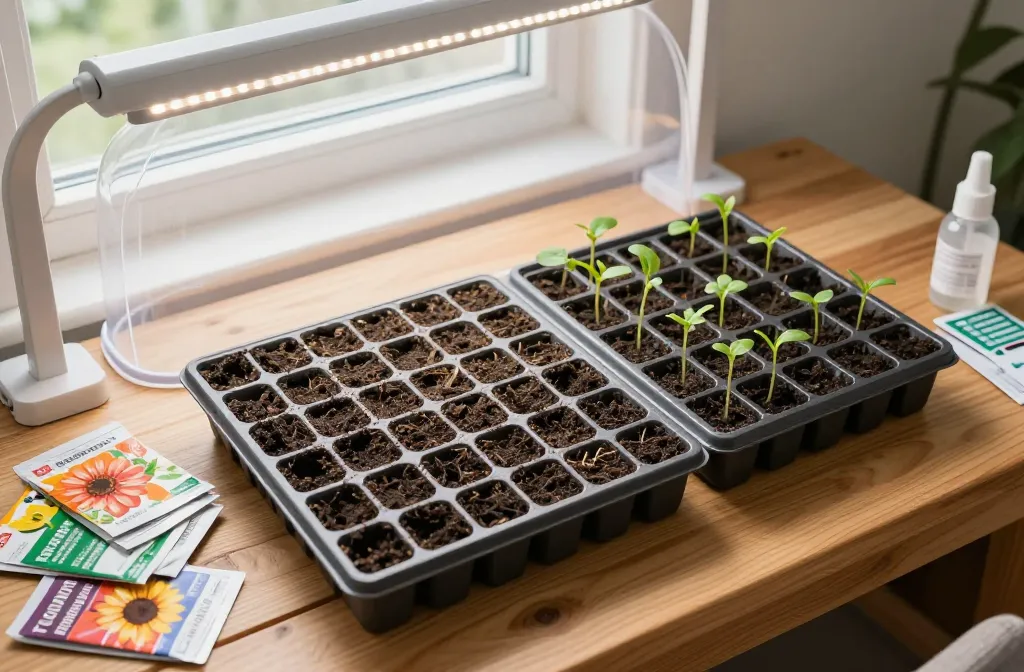
Seed starting feels magical, but it’s also logistics. You need the right timing and a simple setup. Check your last frost date, then work backward based on each flower’s recommended start time.
Starter checklist:
Tired of snacking when you’re not even hungry? This reset helps you stop the loop and feel back in control.
A simple reset for moments when cravings take over. Easy to use, easy to repeat, and designed to help you feel satisfied instead of stuck.
- Seed-starting mix (not potting soil—it’s too heavy)
- Clean trays or cell packs with drainage
- Humidity dome or plastic wrap to hold moisture
- Grow lights (or a super bright south-facing window, but lights win)
- Heat mat for germination (optional, but clutch for warmth-loving flowers)
- Labels—trust me, you’ll forget what’s what by Wednesday
Timing: When To Start Which Seeds
Read the seed packet like it’s a treasure map. Most flowers start 6–10 weeks before last frost. Snapdragons and pansies? Earlier. Zinnias and sunflowers? Later—it’s a sprint, not a marathon. FYI, some seeds prefer direct sowing outdoors (cosmos, calendula, poppies), but you can still start a few inside if you want a head start.
Soil, Sowing, and Watering Without Drama
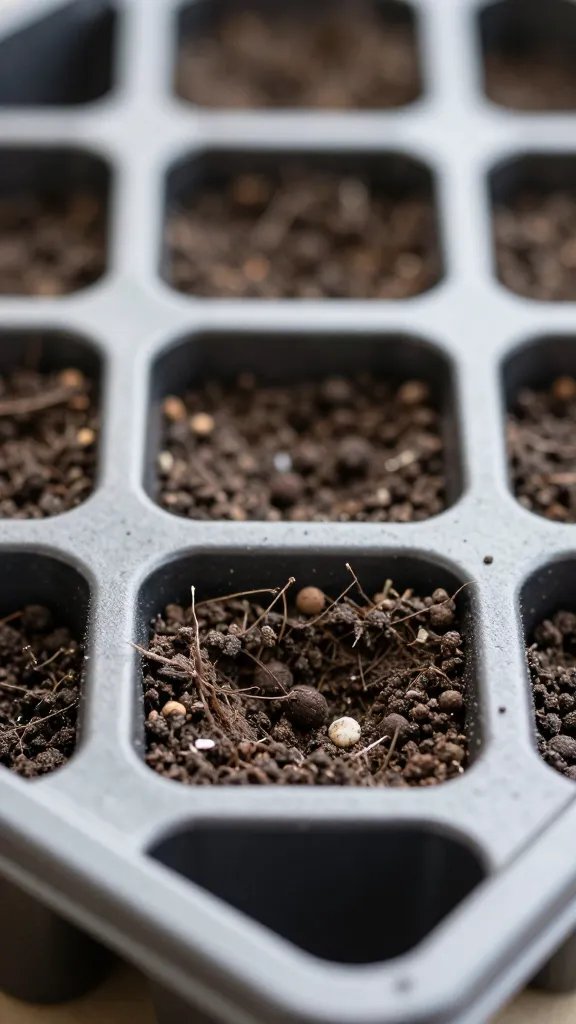
Use a sterile, soilless mix to avoid fungus and drama. Moisten it first so it clumps slightly but doesn’t drip. Fill your cells, level the top, and you’re ready to sow.
How Deep Should You Plant?
– Tiny seeds (poppies, snapdragons, petunias): Surface sow. Press gently so they make contact but still see light.
– Medium seeds (zinnias, marigolds): 1/4 inch deep.
– Big guys (sunflowers): 1/2 inch deep.
When in doubt, plant at a depth about two to three times the seed’s size.
Watering Like A Pro
Bottom water to avoid splashing seeds everywhere. Set trays in a shallow pan of water for a few minutes, then drain. Keep the mix evenly moist—not soggy, not bone-dry. A humidity dome helps early, but crack it or remove it once you see sprouts to prevent mildew.
Transform Your Home With 7,250+ Stunning Landscaping Designs—No Expensive Designers Needed!
- 🌿 Access 7,250+ stunning landscaping designs.
- 💰 Save thousands—no pro designer needed.
- 🏡 Plans for gardens, patios, walkways, and more.
- ✨ Simple, beginner-friendly DIY layouts.
- 🛠️ Customize any design to fit your yard.
Light And Heat: The Make-Or-Break Duo
Seeds germinate faster with warmth and grow sturdier with proper light. You need both—no compromises here, IMO.
Heat: Warm Germination, Cooler Growing
– Use a heat mat at 70–75°F for germination (especially for warmth lovers like zinnias).
– After sprouting, move seedlings off the mat and keep temps around 60–65°F to prevent leggy growth.
Light: Strong And Close
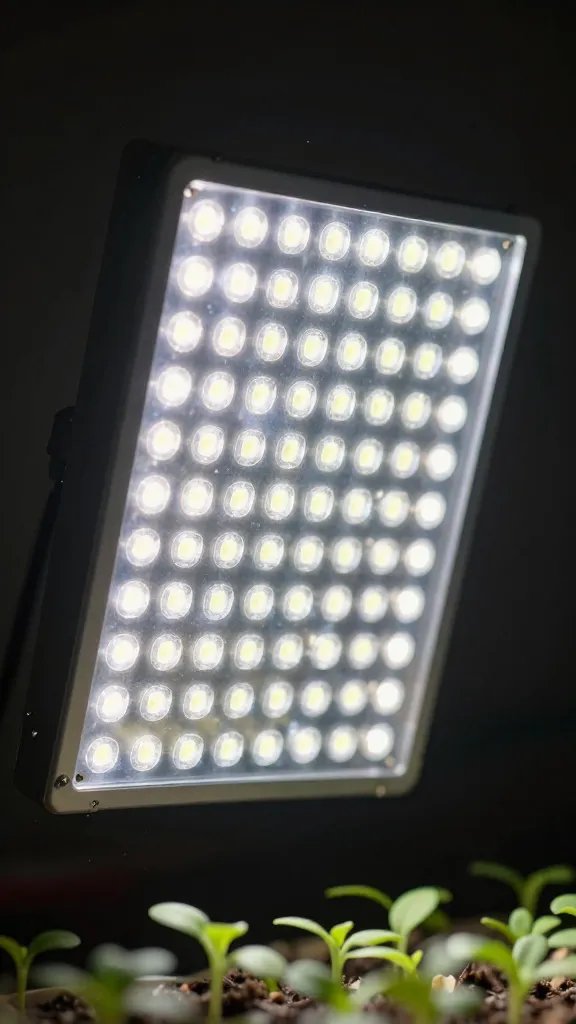
Place lights 2–4 inches above seedlings for 14–16 hours a day. Raise the lights as plants grow. If stems stretch and lean like they’re trying to escape, they need more light. A basic LED shop light works fine—no need to remortgage your home for the fancy stuff.
Thinning, Feeding, And Potting Up (Yes, You Must)
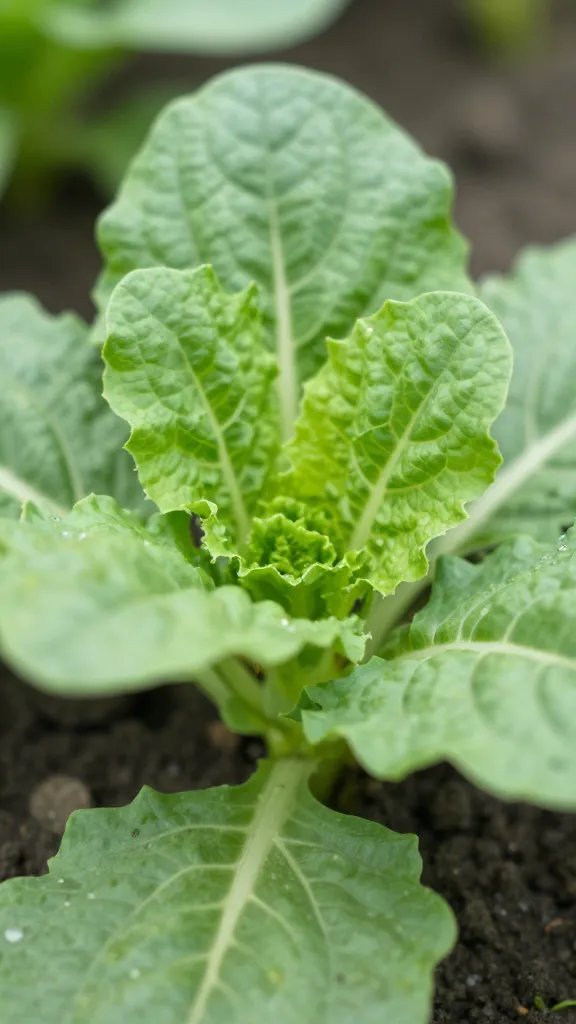
You sowed six seeds in one cell because…optimism. Now you need to thin them. Snip extras at soil level and keep the strongest seedling. It hurts for half a second, and then your plants thank you by not strangling each other.
First Food And Potting Up
– When seedlings grow their first set of true leaves (the ones that look like actual plant leaves), start feeding weekly with a diluted, balanced liquid fertilizer.
– If roots fill the cell or seedlings crowd each other, transplant to 3–4 inch pots with a light potting mix. Handle by the leaves, not the stems—stems bruise like bananas.
Hardening Off: The Tough-Love Phase
Your babies lived indoors. The outdoors is loud, windy, and rude. You need to harden them off for 7–10 days before planting in the garden.
Simple schedule:
- Day 1–2: 1–2 hours outside in bright shade, no wind.
- Day 3–4: 3–4 hours, some morning sun.
- Day 5–6: 5–6 hours, a bit more sun and breezes.
- Day 7–8: Full day outside, bring in at night.
- Day 9–10: Leave out day and night if nights stay above 50°F.
Miss this step and you’ll watch your plants melodramatically flop. We’ve all done it once. Only once.

Planting Out And Spacing For Drama
Plant after danger of frost when soil warms. Water the seedlings well before transplanting, then ease them from pots and set them at the same depth they grew inside.
Spacing tips for lush, not squished:
- Zinnias: 9–12 inches (airflow prevents powdery mildew)
- Marigolds: 8–10 inches
- Cosmos: 12–18 inches (they get wild)
- Snapdragons: 6–9 inches
- Sunflowers: 12–24 inches, depending on variety
Mulch after planting to hold moisture and keep weeds from photobombing your flower bed.
Pro Moves: Successions, Pinching, And Cut-Flower Magic
Want nonstop blooms? Stagger your sowing. Start a new batch of quick bloomers like zinnias every 2–3 weeks through early summer. Boom—constant color.
Pinching For Bushier Plants
When plants hit 6–8 inches tall, pinch the top growth right above a set of leaves. This encourages branching and more blooms. Pinch: zinnias, cosmos, snapdragons, strawflower. Don’t pinch single-stem sunflowers unless the variety says “branching.”
Cut And Come Again
Harvest flowers early in the day, use clean snips, and strip leaves below the water line. Regular cutting tells plants to keep producing. It’s not rude—it’s effective.
Common Mistakes To Dodge (So You Can Gloat Later)
– Overwatering: Soggy mix = damping off disease. Keep moisture even, not swampy.
– Weak light: Leggy, floppy seedlings scream for more lumens.
– Skipping hardening off: Outdoor shock = crispy leaves.
– Planting too early: Cold soil stalls growth. Be patient.
– Poor airflow: Crowded trays invite fungus. Use a fan on low nearby.
FAQ
Do I really need grow lights, or can I use a sunny window?
You can try a sunny window, but most seedlings still stretch and sulk. Grow lights keep stems short and sturdy, which means fewer flops later. If you only grow a few trays, a basic LED shop light works great—no fancy horticultural badges required.
Why do my seedlings fall over and die suddenly?
That’s usually damping off, a fungal issue caused by excess moisture and poor airflow. Use sterile mix, avoid overwatering, and remove humidity domes once seeds sprout. A small fan nearby helps toughen stems and keep fungi away.
Which flowers are easiest for beginners?
Zinnias, marigolds, cosmos, calendula, and sunflowers are rock-solid. They germinate fast, forgive mistakes, and deliver color like confetti. Start with those, then level up to snapdragons, strawflower, and rudbeckia.
How often should I fertilize seedlings?
Begin when you see true leaves. Feed weekly with a half-strength, balanced liquid fertilizer. If leaves yellow or growth stalls, bump it to every 5–7 days, but don’t overdo it—more fertilizer won’t fix low light or cold temps.
My seeds didn’t sprout. What went wrong?
Possibilities: old seed, incorrect temperature, too-deep planting, or dried-out mix. Try a germination test on a paper towel next time. Also check the packet for special needs—some seeds want light to germinate; others demand darkness. FYI, heat mats speed things up drastically.
When can I plant seedlings outside safely?
After your last frost date and once nights stay reliably above 50°F for tender annuals. Harden them off first, then plant on a cloudy day or in the evening. Water in well and mulch to reduce stress.
Conclusion
Starting flowers from seed gives you more varieties, more blooms, and more “wow, you grew that?” moments. With the right timing, strong light, steady moisture, and a little tough love outside, your seedlings will crush it. Keep it simple, keep it consistent, and keep snipping those blooms. Your future self—arms full of flowers—will be very pleased, IMO.