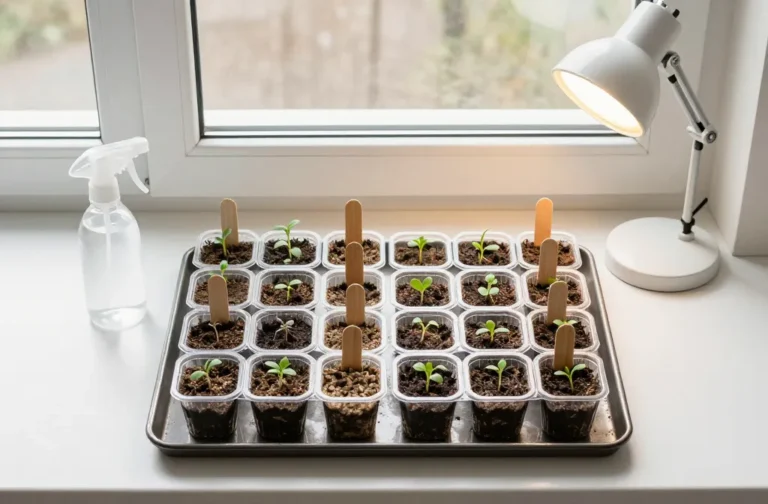
This One Trick Will Make Your Seeds Sprout Faster Fast
You don’t need a greenhouse, a lab coat, or a moon phase chart to get faster sprouts. You just need one simple step most people skip — and yes, it makes a legit difference. If you want to go from dry specks to tiny green life ASAP, I’ve got you. Ready to shave days off germination and feel like a plant wizard?
The One Trick: Pre-Soak Your Seeds
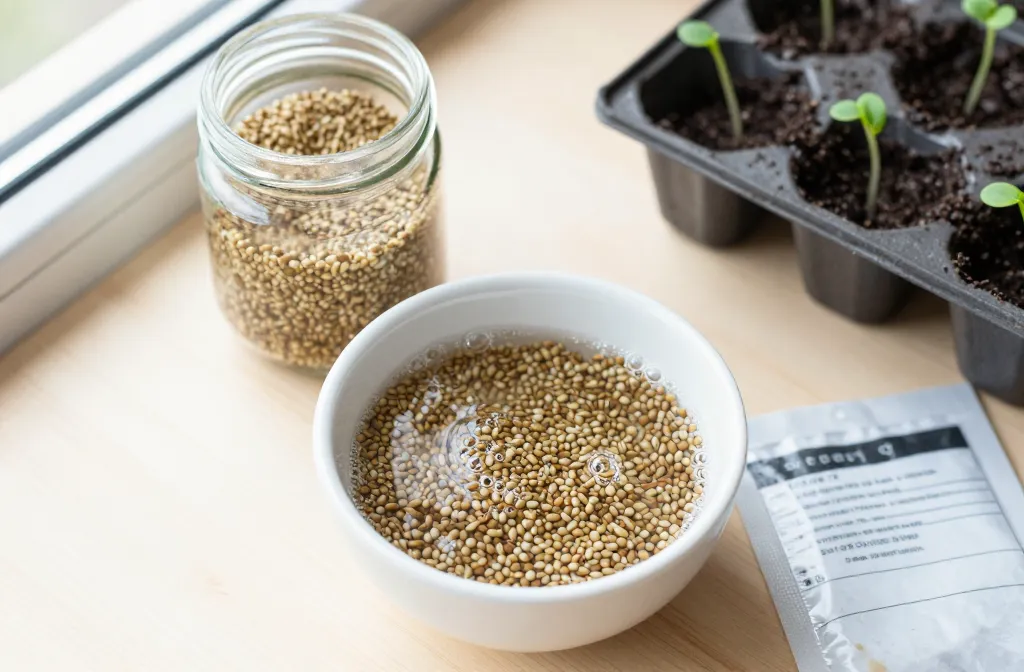
Here’s the move: soak your seeds in warm water for 8–24 hours before planting. That’s it. You mimic a good rain, soften the seed coat, and wake the embryo. Many seeds then sprout faster and more evenly.
Why it works: Seeds need water to trigger enzymes that kickstart growth. Pre-soaking saturates them quickly instead of making them wait in dry potting mix. Think of it as a head start, like coffee for seeds.
Tired of snacking when you’re not even hungry? This reset helps you stop the loop and feel back in control.
A simple reset for moments when cravings take over. Easy to use, easy to repeat, and designed to help you feel satisfied instead of stuck.
How To Do It, Step By Step
- Use clean, room-temp to slightly warm water (80–90°F is perfect — not hot).
- Pop seeds into a labeled jar, cup, or bowl. Don’t crowd them.
- Soak for 8–12 hours for most veggies and flowers. Large or hard-coated seeds (peas, beans, nasturtiums) can go up to 24 hours.
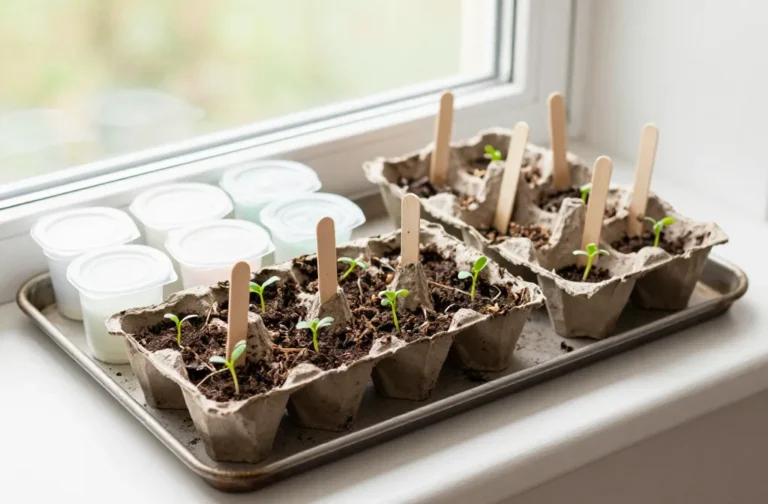
- Drain and plant immediately into moist seed-starting mix. Don’t let them dry out again.
FYI: Tiny seeds (like basil, lettuce, snapdragons) can turn into slime noodles if you soak them. For those, see the “paper towel method” below.
Who Benefits Most From Soaking?
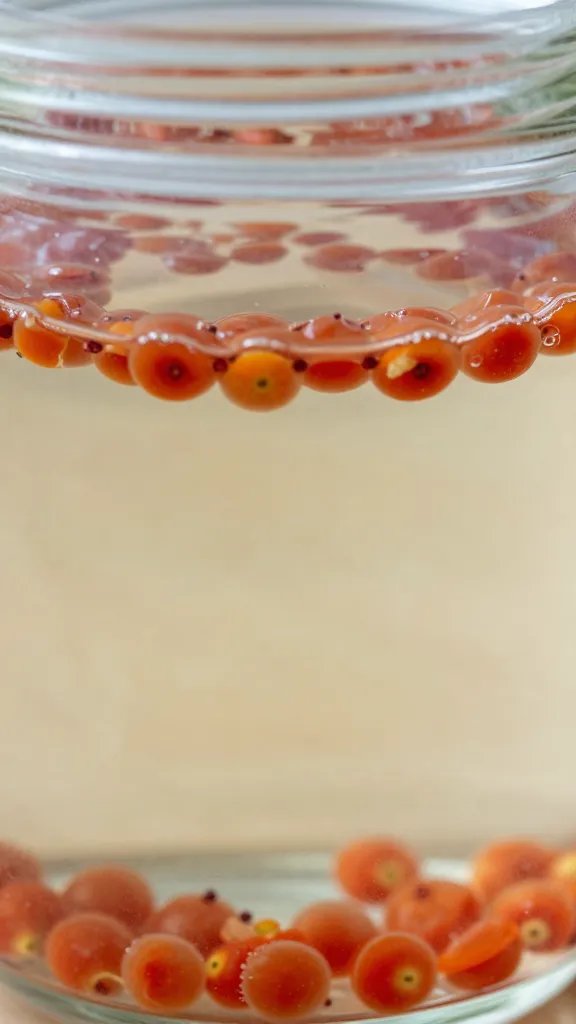
Not all seeds crave a bath, but many do. Here’s a quick cheat sheet.
- Great Soak Candidates: peas, beans, corn, squash, cucumbers, melons, beets, chard, nasturtiums, sunflowers.
- Maybe/Short Soak: tomatoes, peppers, eggplants (2–6 hours helps if they’re older).
- Skip Soaking (go moist stratify or paper towel): lettuce, basil, poppies, very tiny or light-dependent seeds.
Old Seeds? Soak + Warmth = Redemption Arc
If your seed packet is older than your last phone upgrade, soaking helps rehydrate and test viability. IMO, pair soaking with bottom heat for the best comeback.
Upgrade The Trick: Add Warmth And Oxygen
Pre-soaking wins. Pair it with the right conditions and you’ll feel like you unlocked cheat codes.
Transform Your Home With 7,250+ Stunning Landscaping Designs—No Expensive Designers Needed!
- 🌿 Access 7,250+ stunning landscaping designs.
- 💰 Save thousands—no pro designer needed.
- 🏡 Plans for gardens, patios, walkways, and more.
- ✨ Simple, beginner-friendly DIY layouts.
- 🛠️ Customize any design to fit your yard.
Use Bottom Heat
Most warm-season crops sprout best at 75–85°F soil temps. Use a heat mat or a warm spot on top of the fridge. Warm roots = faster enzymes = less waiting.
The Paper Towel “Baggie” Method
Perfect for tiny seeds or control freaks (no judgment).
- Moisten a paper towel so it’s damp, not dripping.
- Spread seeds in a single layer, fold, and slip into a labeled zip bag.
- Leave the bag slightly open for air. Place somewhere warm and bright (indirect light).
- Check daily. When you see a tiny radicle (the first root), transfer to soil carefully with tweezers.
Bonus: You can toss non-sprouters and only plant winners.
A Tiny Pinch Of Hydrogen Peroxide
For the advanced crowd: a 1–3% hydrogen peroxide solution diluted to about 1 teaspoon per cup of water can reduce surface pathogens and oxygenate the soak. Don’t overdo it, you’re disinfecting, not pickling.
Timing Matters: Don’t Drown Them
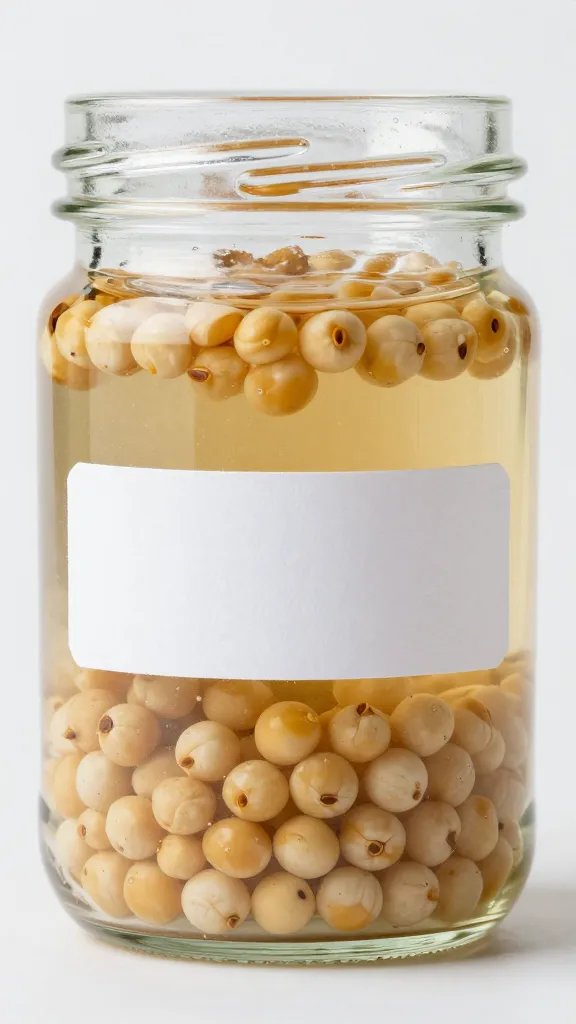
Seeds breathe. If you soak too long, they suffocate and rot. Keep it tight:
- Small/medium seeds: 6–12 hours
- Large/hard-coated: 12–24 hours
Set a timer. Plant as soon as they plump. If you miss your window, rinse, drain, and plant ASAP. No “just one more day” — that’s how you get mush.
Scarify Tough Seeds
Some seeds wear armor. Scarification speeds water entry:
- Rub the seed lightly on fine sandpaper or nick the coat with a nail file.
- Then soak for 4–12 hours.
Great for nasturtiums, morning glories, lupines. Be gentle; you’re opening the door, not bulldozing the house.
Moisture And Airflow: The Aftercare That Seals The Deal
You gave them the spa treatment. Don’t drop the ball now.
- Use a sterile, fine seed-starting mix so delicate roots don’t wrestle bark chunks.
- Moisten evenly before planting. Think wrung-out sponge, not swamp.
- Plant at the right depth: as a rule, 2–3x the seed’s width. Tiny, light-dependent seeds? Press onto the surface. Don’t bury the drama queens.
- Cover trays with a humidity dome or plastic wrap until you see sprouts, then vent to prevent damping-off.
- Give gentle airflow with a small fan to strengthen stems and keep fungus in check.
Light, Right Away
As soon as you see green, blast them with bright light. A simple LED grow light 2–4 inches above seedlings stops leggy, tragic stems. Sunlight in a south window works in a pinch, but rotate often.

Common Mistakes (And How To Dodge Them)
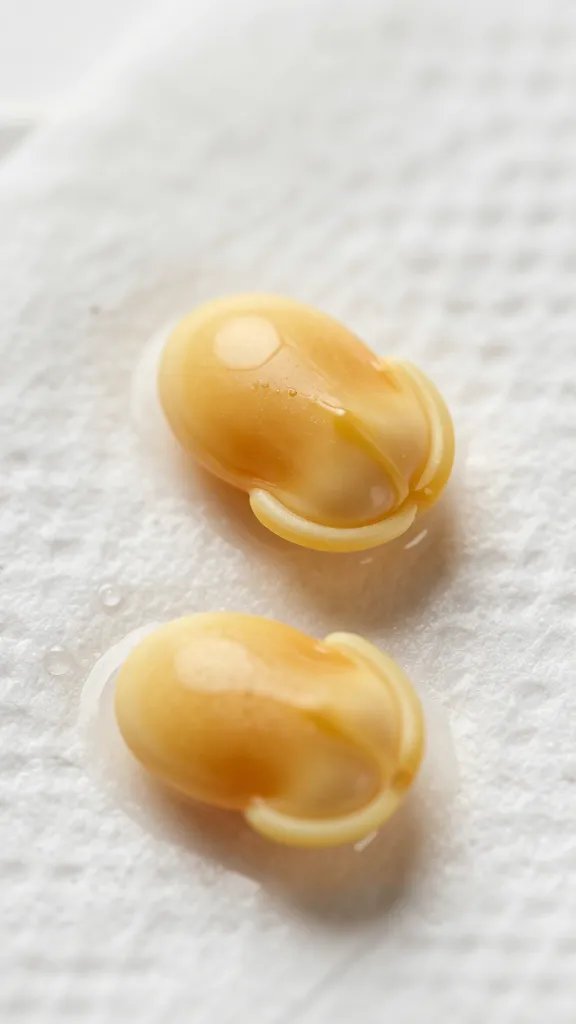
- Soaking in hot water: You’ll cook embryos. Warm, not hot.
- Forgetting them overnight… and the next day: Set an alarm.
- Planting into cold, wet soil: Especially for peppers and tomatoes, cold = sulk mode. Use bottom heat.
- Overwatering after planting: Top-water gently or use bottom-watering. Soggy mix invites fungus.
- Skipping labels: You’ll play mystery-plant roulette in three weeks. Cute, but chaotic.
Optional Power-Ups
If you like a tiny edge (who doesn’t?), try these:
- Seaweed/Kelp Soak: A very weak solution (follow label, go lighter than recommended) can boost early vigor. IMO, it shines with peppers and tomatoes.
- Inoculate Peas/Beans: Dust soaked-and-dried seeds with rhizobia inoculant for better nitrogen fixing later.
- Chill Time (Stratification): Some perennials and herbs need cold, moist storage before sprouting. Soak briefly, then bag with moist medium in the fridge for weeks, per species.
FAQ
How long should I soak my seeds?
Most seeds do best with 8–12 hours. Big, hard-coated seeds can handle up to 24 hours. If the seed looks plump and the coat softens, you’re done. Longer than that risks rot, so err on the shorter side.
Can I soak very tiny seeds like lettuce or basil?
You can, but it gets messy. They clump and stick to everything. Use the paper towel method instead, or sow on the surface of pre-moistened mix and mist well. They sprout quickly with warmth and light anyway.
What temperature should the water be?
Aim for comfortably warm — around 80–90°F. If it feels like a pleasant bath, you’re on target. If it feels like tea, you’ve gone too hot. Hot water can damage embryos fast.
Do I need special additives in the soak water?
Nope. Plain, clean water works great. If you want an edge, a tiny splash of 3% hydrogen peroxide (about 1 teaspoon per cup) can reduce surface pathogens. Kelp extract at weak dilution can help, but keep it light.
Why did my seeds still sprout slowly after soaking?
Usually it’s temperature. Cold soil slows everything. Use a heat mat for warm-season crops, keep the mix evenly moist, and ensure good light after emergence. Old or poorly stored seeds may also lag or fail.
Should I dry seeds after soaking before planting?
You don’t need to fully dry them. Drain well, pat gently if they’re slippery, and plant right away into pre-moistened mix. Keeping them hydrated from soak to soil prevents setbacks.
Conclusion
If you want faster, more reliable germination, pre-soak your seeds. It’s simple, cheap, and wildly effective when you pair it with warmth, proper depth, and steady moisture. Skip the fancy hacks, set a timer, and let this tiny habit save you days. Your future seedlings will thank you — with leaves.